
Our readers keep the lights on and the weekend projects moving. As an Amazon Associate, I earn from qualifying purchases.
A boot jack is a simple tool, but a bad one can scuff your favorite leathers, slip on a tile floor, or snap under pressure mid-pull. Whether you’re peeling off muddy wellies after a country walk or wrestling with tight cowboy boots after a long day, the right jack makes the job effortless without you having to bend over or yank at the heel.
I’m Rikta — the founder and writer behind FitlyFast. I’ve spent years analyzing the hardware and material choices behind everyday tools, and I know that the grip width, the weight of the base, and the lining material separate a lasting boot jack from a frustrating one.
This guide breaks down seven boot jacks spanning cast iron beetles, hardwood classics, and budget-friendly plastics so you can find the boot jack that matches your boot type, floor surface, and daily routine without the guesswork.
How To Choose The Best Boot Jack
A boot jack’s job is simple, but not all of them perform equally. The three factors that matter most are material weight, heel grip design, and how well it matches the heel height and boot shaft of your most-used footwear.
Weight and Stability
Light plastic jacks slide on smooth floors during use, requiring you to brace them against a wall or step. Heavier cast iron or solid hardwood jacks stay planted, so one foot presses down and the other foot pulls free in a single motion without the jack skittering away. For tile, hardwood, or concrete entryways, a minimum weight around two pounds provides the ballast you need.
Heel Grip and Lining Material
The fork that holds your boot heel needs to be wide enough for your boot’s heel but not so wide that the boot slips sideways. Soft rubber or leather linings protect leather and polished finishes from scratches. Bare metal or unfinished wood can leave scuff marks, especially on expensive or delicate boot heels.
Prong Height and Boot Type
Rain boots and wellies have low, flat heels that need a low-set prong. Western boots often have a taller, tapered heel that needs a slightly deeper V or a raised prong area. Work boots fall in between. Some cast iron designs sit too low for high heels, while others are too tall for flat-soled rain boots — matching the prong height to your primary boot type matters.
Quick Comparison
On smaller screens, swipe sideways to see the full table.
| Model | Category | Best For | Key Spec | Amazon |
|---|---|---|---|---|
| Wooden Boot Jack | Hardwood | Cowboy & work boots | 11.36 oz / rubber-lined fork | Amazon |
| ROMA Cast Iron Beetle | Cast Iron | Rain boots & low heels | 2 lb / black painted finish | Amazon |
| Esschert Design Cast Iron | Cast Iron | Snow boots & waders | 3.2 lb / extra-wide base | Amazon |
| Minuteman Cricket | Cast Iron | Everyday work & muck boots | 2 lb / doubles as doorstop | Amazon |
| Tough 1 Deluxe Hardwood | Hardwood | Mid-calf boots & all sizes | 15.84 oz / rubber traction grip | Amazon |
| Woodside Vintage Beetle | Cast Iron | Wellies & country boots | 11″L / rusticated black finish | Amazon |
| Super-Jac Boot Jack | Plastic | Travel & light use | 9.59 oz / rubber guard | Amazon |
In‑Depth Reviews
1. Wooden Boot Jack (Unbranded)

This hardwood boot jack hits the sweet spot between weight, grip, and boot compatibility. At just over 11 ounces it is heavy enough to stay put on most floors without sliding, yet light enough to move between the mudroom and the garage. The rubber lining on the fork protects leather boots from scuffs, and customers with size 11 cowboy boots confirm it accommodates wide heels without slipping sideways.
The unfinished wood requires a coat of polyurethane or varnish if you want it to resist moisture from wet boots, but several users report applying their own finish with excellent results. Once sealed, this jack becomes a durable daily driver that removes both western boots and athletic shoes with equal ease.
One reviewer noted that the rubber grips may wear down after extended daily use, but replacing them with a sticky medical bandage proved cheaper and more effective than the original pads. This is a practical, classic design that prioritizes function over frills.
Why it’s great
- Sturdy hardwood construction resists cracking and splintering
- Rubber-lined fork prevents heel scuffs on leather boots
- Low-profile design works for shoes and mid-heel boots
Good to know
- Unfinished wood needs sealing for moisture resistance
- Grips may wear out and require replacement over time
2. ROMA Cast Iron Beetle Boot Jack
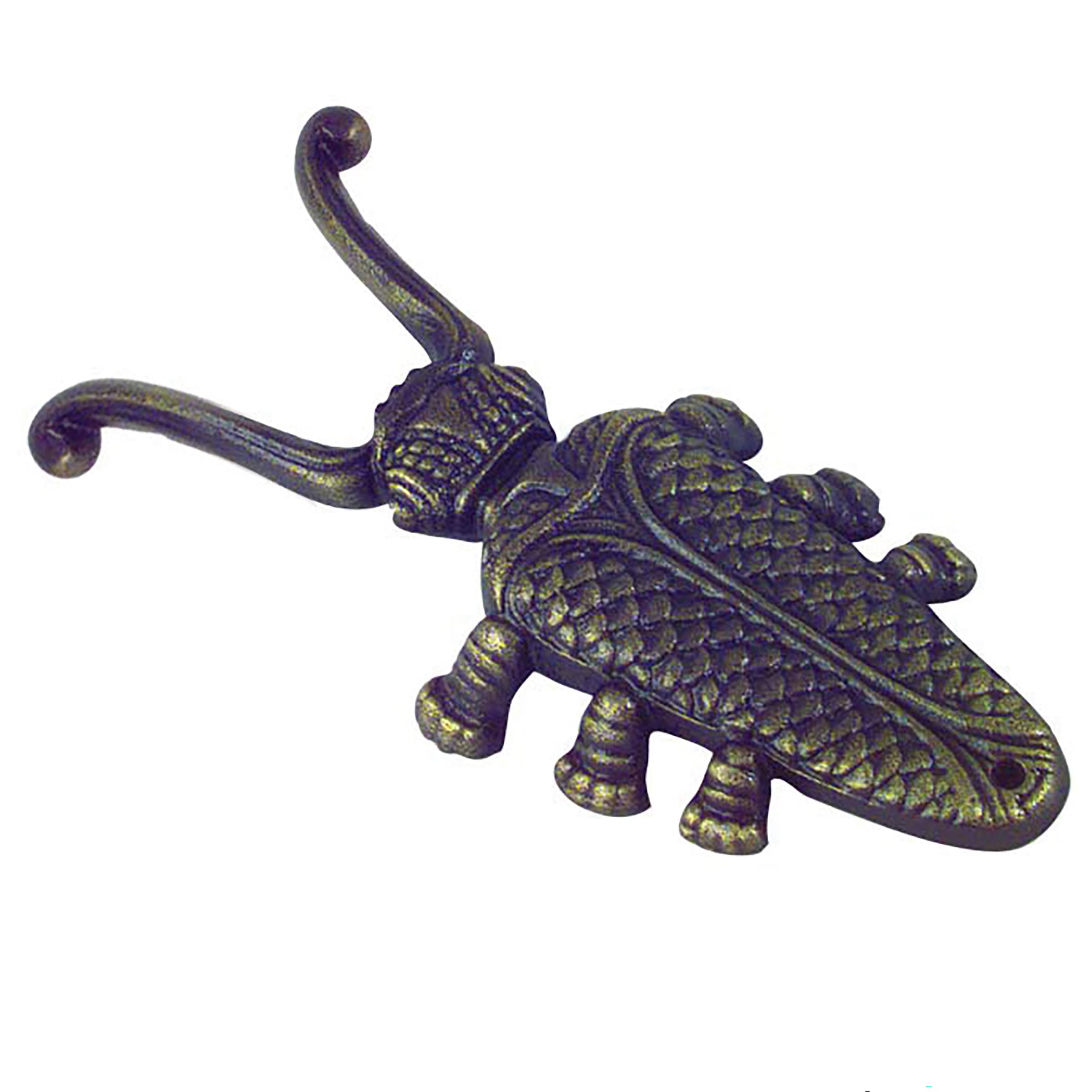
This cast iron beetle is a decorative piece that also delivers real pulling power. Weighing exactly two pounds, it stays planted on concrete and tile entryways, and detailed casting makes it feel more like a functional sculpture than a utility tool. The low-set prongs work beautifully with rain boots, muck boots, and low-heeled footwear.
The rock-solid construction means it handles muddy conditions without complaint — one sheep farmer reports removing gumboots effortlessly after long days in the field. The heel grip is wide enough for most men’s boots but not too wide to let the boot slip, and the tail is long enough to offer good leverage.
Users with tall western boots noted the prongs sit too low for high heels, meaning you may need to place the jack on the edge of a step for taller heels. The black painted finish is durable and the beetle design is a subtle conversation piece for the entryway.
Why it’s great
- Heavy cast iron stays stable on all floor types
- Attractive beetle design doubles as décor
- Perfect for low-heeled rain and muck boots
Good to know
- Too low for high-heeled western boots
- Can rock on uneven tile if not placed on a flat surface
3. Esschert Design Cast Iron Bootjack

At 3.2 pounds, this is the heaviest boot jack in the roundup, providing maximum stability on any surface. The extra-wide base and generous prong spacing make it ideal for bulky snow boots, chunky waders, and heavy work boots that require serious counter-pressure. The cast iron construction is essentially unbreakable in normal household use.
The lack of rubber heel pads means you should take care with polished or expensive leather — bare metal can leave marks if the boot shifts during removal. For everyday rubber-soled or lug-sole boots, this is not an issue, but owners of delicate dress boots may want to add a thin layer of rubber or felt to the prongs.
Families with users of varying mobility levels appreciate how this jack stays put without scooting, allowing one-footed operation with confidence. It also works for snowboard boots and hiking boots that are too tall for lighter plastic jacks.
Why it’s great
- Maximum weight provides unmatched stability
- Handles bulky boots and waders without tipping
- Near-indestructible cast iron build
Good to know
- No rubber lining — can scratch leather heels
- Too wide for some slender cowboy boot heels
4. Minuteman International Cricket Boot Jack

This cricket-shaped boot jack combines rugged cast iron construction with a clever dual purpose — its heavy build means it pulls double duty as a doorstop when not removing boots. The black painted finish is unobtrusive, and the compact footprint (10.25 inches long) fits neatly in tight entryways or mudrooms without dominating the space.
Users report excellent compatibility with work boots, cowboy boots, muck boots, and even fishing waders. The prong height sits comfortably between the low-set ROMA beetle and the taller Esschert design, making this a versatile middle-ground option for households with multiple boot types. Some customers note that the finish can rust if left outdoors, but a quick restoration with paint brings it back to life.
The lack of rubber heel padding is a mild trade-off at this tier, but several owners add their own rubber tubing or heat-shrink tubing to the prongs for a custom fit that protects boot heels.
Why it’s great
- Dual function as boot jack and doorstop
- Compact size fits tight entryways
- Works across work, cowboy, and rain boots
Good to know
- No built-in heel protection — add your own liner
- Finish may rust if left in wet conditions
5. Tough 1 Deluxe Hardwood Boot Jack

Made in Texas, this hardwood boot jack is built with a soft leather-lined mouth that prevents scratches on boots and a rubber traction grip on the base that keeps it from sliding on smooth floors. The medium weight (15.84 ounces) provides enough mass for daily use without being cumbersome to move between rooms or take to the garage.
Customers appreciate the universal fit — it handles everything from men’s size 12 work boots to women’s riding boots without adjustment. The leather lining is a thoughtful touch for those who want to protect expensive footwear, and the rubber base adds grip that plastic jacks lack.
Quality control has been an occasional concern; one unit arrived with a split in the wood, though the seller replaced it promptly with a flawless unit. Given the handful of similar reports, inspecting the unit upon arrival is worthwhile.
Why it’s great
- Leather lining prevents heel scuffs
- Rubber base grips most floor surfaces
- Made in the USA from solid hardwood
Good to know
- Occasional quality control issues with wood splitting
- Not as stable on thick carpet
6. Woodside Vintage Beetle Boot Jack

This detailed cast iron beetle jack is imported from the UK and designed specifically for Wellington boots and country footwear. The rusticated black finish gives it a vintage, ornamental look that complements a garden entryway or mudroom, and the compact 11-inch length makes it easy to store in a car boot for muddy walks.
The prong height suits flat-soled wellies and low-heeled rain boots perfectly. One reviewer with expensive leather boots reported a heel tear on a pair of high-end boots, suggesting the bare metal can damage soft leather if the boot is not aligned carefully. Users with synthetic or rubber wellington boots report no issues.
Note that this product ships from the UK, which has led to delivery delays for some US customers. If you need immediate shipping, a local option may be preferable, but if you can wait, the build quality and decorative appeal are top-tier.
Why it’s great
- Stylish vintage beetle design fits garden decor
- Compact size stores easily in vehicles
- Excellent for wellington and rain boots
Good to know
- Bare metal can damage soft leather heels
- Ships from the UK — delivery times vary
7. Super-Jac Boot Jack
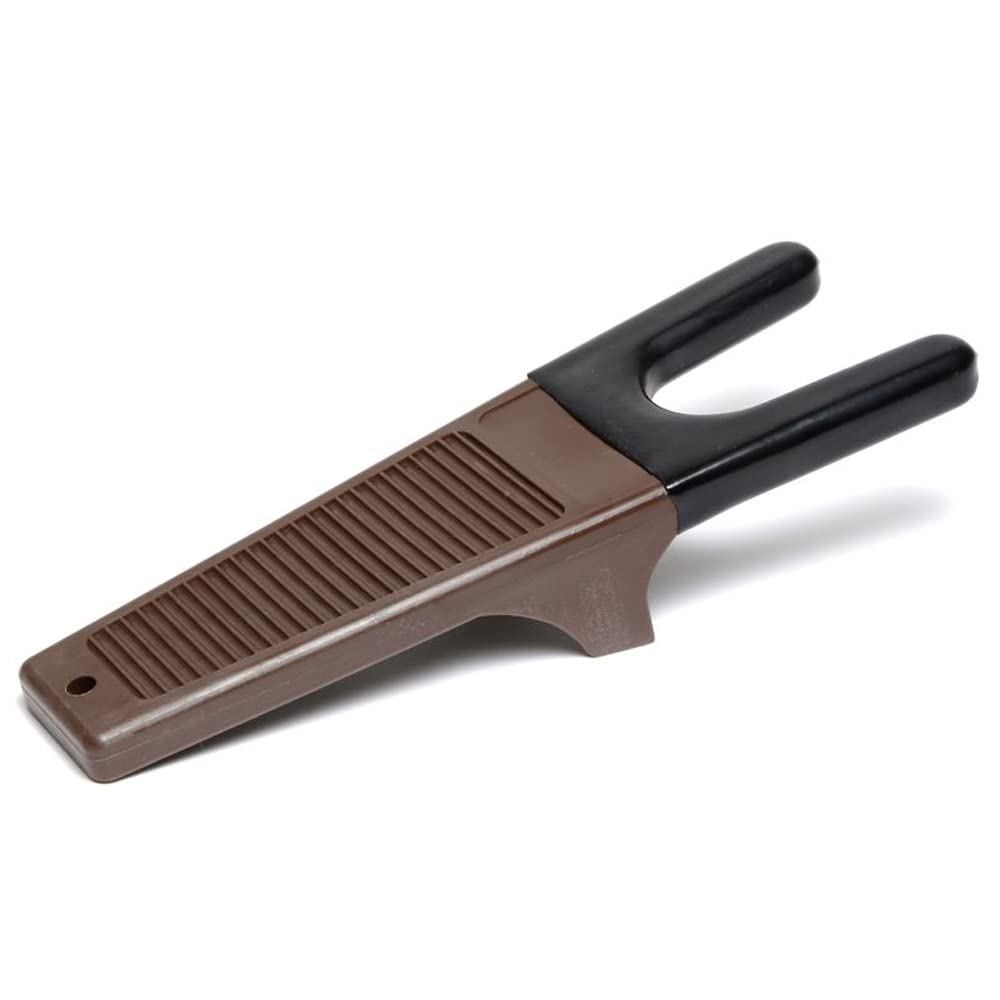
The Super-Jac is a lightweight plastic boot jack designed for portability and occasional use. At just over 9.5 ounces, it slips easily into a duffel bag or suitcase, making it a practical choice for travel, hunting trips, or keeping in the car for muddy jobs. The rubber guard at the heel contact point provides decent grip and prevents scuffs on most boot materials.
Users appreciate that it works well for removing tight athletic shoes and sneakers in addition to boots, but note that the plastic construction feels flimsy compared to heavier wood or cast iron options. On smooth floors, the jack tends to slide forward during use unless you anchor it against a wall or step.
One review noted that after extended daily use over several years, the plastic showed no signs of cracking, suggesting it is durable enough for its intended light-to-moderate use case. For a household that needs a secondary jack or a travel-ready option, this fills the role without breaking the bank.
Why it’s great
- Lightweight and portable for travel
- Works for both shoes and boots
- Rubber guard protects heels from marks
Good to know
- Plastic feels less durable than wood or iron
- Slides on smooth floors without anchoring
FAQ
Will a cast iron boot jack scratch my hardwood floors?
Can I use a boot jack for sneakers and athletic shoes?
Why does my boot jack slide when I try to remove my boots?
Are boot jacks safe for expensive leather boots?
How do I care for a wooden boot jack to prevent cracking?
Final Thoughts: The Verdict
For most users, the boot jack winner is the Wooden Boot Jack because it offers the best balance of stability, boot protection, and universal fit for cowboy boots and work boots. If you want a decorative piece that doubles as a conversation starter, grab the ROMA Cast Iron Beetle Boot Jack. And for households mixing rain boots, work boots, and waders, nothing beats the versatility of the Minuteman Cricket Boot Jack.