
Wet feet can ruin a hunt before the sun even rises. A bootfoot wader seals the deal literally, merging your chest wader and boot into one waterproof unit so you can wade through flooded timber, icy marshes, or muddy shorelines without fighting to keep your footwear dry. The insulation rating, material thickness, and boot traction define whether you’ll be comfortable or miserable after three hours in 40-degree water.
I’m Rikta — the co-founder and writer behind FitlyFast. I’ve spent years researching outdoor gear, analyzing the seam construction, neoprene thickness, and boot insulation specs that separate a season-long performer from a leaky disappointment.
Whether you’re a dedicated waterfowler, a shore-based angler, or a winter trapper, the right pair keeps you dry and warm in punishing conditions. This guide breaks down the best bootfoot waders for every budget and use case, so you can stay focused on the catch, not a cold, soggy foot.
How To Choose The Best Bootfoot Waders
Not all bootfoot waders handle a brutal duck season or a long day of stream fishing the same way. The three variables that matter most are insulation weight, neoprene thickness, and boot construction. Prioritize based on your water temperature and terrain.
Insulation Grams: The Warmth Metric
Boot insulation is expressed in grams of Thinsulate or similar material. A wader with 200g insulation works for mild autumn days and warmer water, while 800g to 1600g boots keep your feet warm when you’re standing in near-freezing water for hours. Heavier insulation adds bulk, which matters if you need to walk long distances.
Neoprene Thickness and Body Heat Retention
Most bootfoot waders use neoprene between 4.3mm and 5mm for the upper. Thicker neoprene holds more body heat and resists punctures from briars or submerged branches, but it also reduces flexibility. A 5mm wader is ideal for late-season duck hunts, while 4.3mm is lighter and better for active fishing that involves hiking between spots.
Boot Sole Traction and Fit
The boot is the make-or-break component on a bootfoot wader. Cleated rubber soles offer reliable grip on mud and clay, while felt soles provide better traction on slippery river rocks. Check the boot opening height: a higher cut protects your calf from the boot top pinching, especially when kneeling in shallow water.
Quick Comparison
On smaller screens, swipe sideways to see the full table.
| Model | Category | Best For | Key Spec | Amazon |
|---|---|---|---|---|
| TIDEWE 1400G/1600G Insulation | Insulated Neoprene | Extreme cold duck hunting | 1600g boot insulation, 5mm neoprene | Amazon |
| Orvis Clearwater Bootfoot | Breathable Wader | Fly fishing in moderate temps | Vulcanized neoprene felt sole boot | Amazon |
| LaCrosse Super Brush Tuff 1200g | Heavy-Duty Neoprene | Rough terrain duck hunting | 1200g boot insulation, reinforced knees | Amazon |
| Gator Waders Shield Insulated | Breathable Insulated | All-day comfort for hunters | Breathable fabric, insulated boot | Amazon |
| BASSDASH 600g Insulated | Mid-Weight Neoprene | Versatile fishing and hunting | 600g boot insulation, 4.3mm neoprene | Amazon |
| FROGG TOGGS Amphib Neoprene | Lightweight Neoprene | Comfort in moderate cold | Flexible 4.3mm neoprene, stretch band | Amazon |
| HISEA 800G 4.5mm Neoprene | Insulated Neoprene | Cold weather duck hunting | 800g boot insulation, LED light system | Amazon |
| HISEA 200G Neoprene | Light Insulated | Mild weather duck hunting | 200g boot insulation, shell holder pockets | Amazon |
| Hodgman Mackenzie Cleat | Budget Neoprene | Light beach fishing | 4.3mm neoprene, lightweight boot | Amazon |
In‑Depth Reviews
1. TIDEWE Hunting Wader with 1400&1600G Insulation Rubber Boot
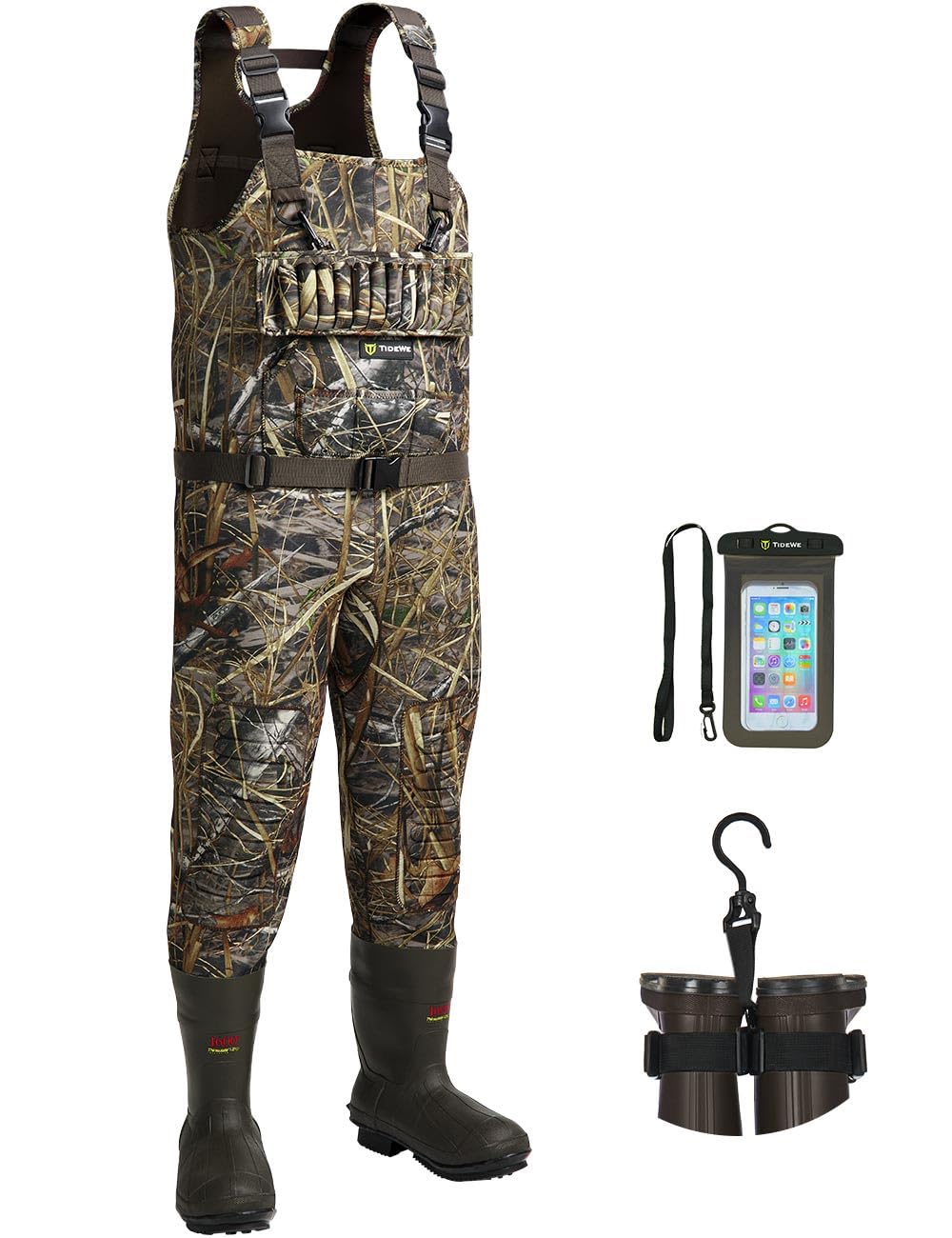
The TIDEWE wader hits the sweet spot for cold-water hunters who need maximum warmth without overspending. The 5mm neoprene body traps heat effectively, and the 1400g to 1600g Thinsulate boot insulation keeps feet toasty even when standing in near-freezing sloughs for extended periods. The cross-hatch facing on the exterior adds genuine puncture resistance against thorns and brush.
Real user reports confirm zero leaks after multiple outings through flooded timber and thorns, with the rugged boot sole providing reliable grip on wet, muddy ground. The armor-weld double-stitched seams and polyurethane-coated leggings justify the waterproof claim. The quick-detach shell pouch with 12 loops keeps ammunition accessible without fumbling in deep pockets.
Fit can be an issue for shorter hunters: the straps run long on builds under 5’7″, and some users with a 5’5″ frame had to crisscross the suspenders to eliminate sagging. The boot top is rigid and can poke the back of the leg when kneeling. If you need arctic-level warmth at a mid-range investment, this is the strongest contender in the lineup.
Why it’s great
- 1600g boot insulation handles extreme cold
- 5mm neoprene resists punctures and retains heat
- Integrated shell pouch with 12 loops
- Excellent waterproofing and seam construction
Good to know
- Straps too long for shorter users
- Rigid boot top can press into calf
2. Orvis Clearwater Bootfoot Fly Fishing Waders
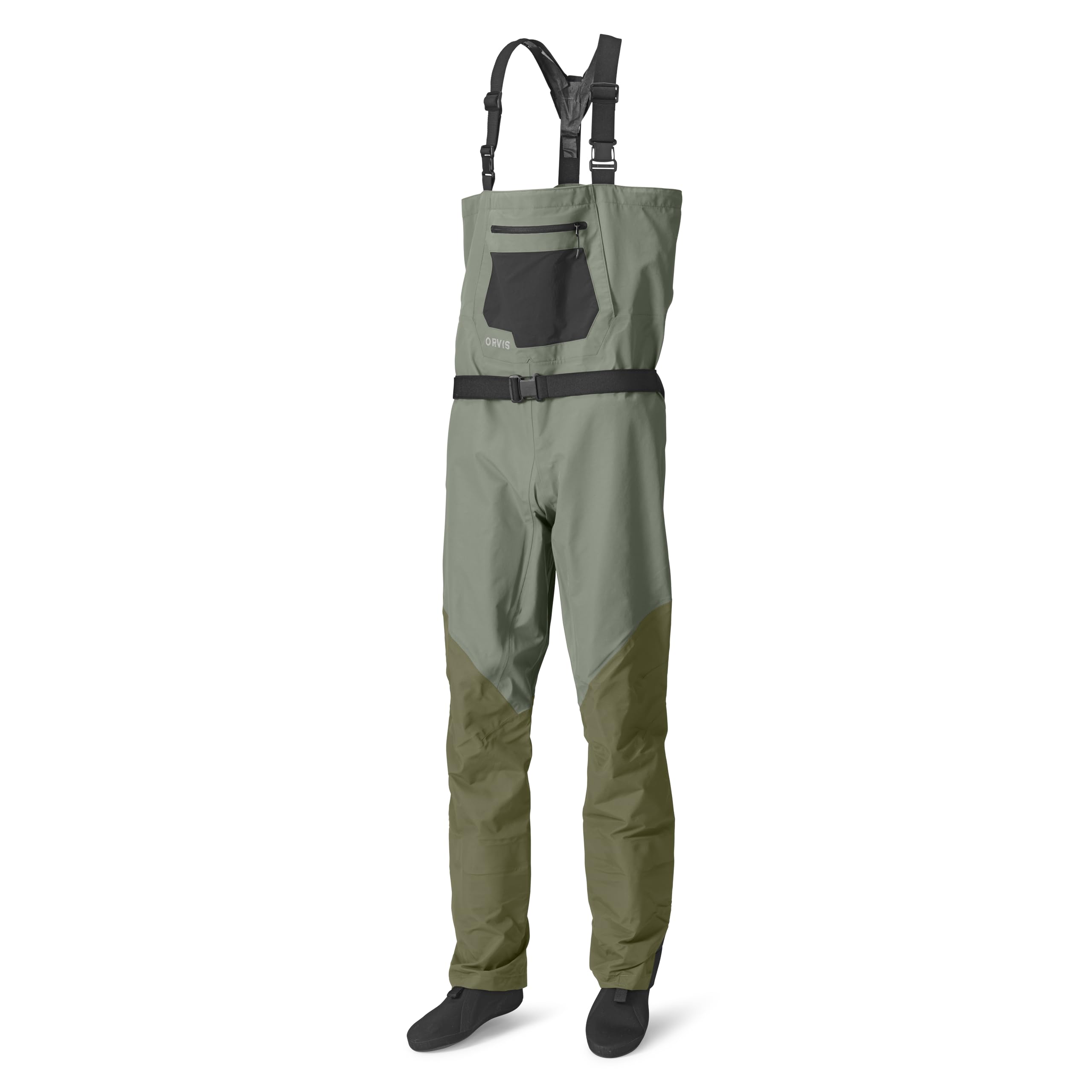
Orvis designed the Clearwater Bootfoot for the dedicated fly angler who needs breathable, lightweight protection rather than heavy neoprene insulation. The upper uses a 4-layer breathable fabric that allows moisture vapor to escape, preventing that sweaty, clammy feeling when you hike between pools on a 60-degree afternoon. The vulcanized neoprene boot with felt sole gives superior grip on algae-slicked river rocks.
Reviews from anglers confirm the tailored modern fit works well for athletic builds, with a size ML fitting a 5’8″, 177-pounder comfortably with room for an extra sock. The boot holds up to all-day wading in winter conditions, keeping feet dry and warm when paired with wool socks. The felt sole is a major advantage on technical wading where rubber cleats slip.
Long-term durability is unproven compared to heavier neoprene options. The breathable fabric is less puncture-resistant than 5mm neoprene, so avoid forcing through thick briars. If your priority is long days on the river in moderate temperatures, the Clearwater offers premium feel and breathability without the weight.
Why it’s great
- Breathable fabric reduces sweat buildup
- Felt sole delivers excellent traction on rocks
- Modern athletic fit with good mobility
Good to know
- Less puncture resistance than neoprene
- Not intended for extreme cold
3. LaCrosse Super Brush Tuff Realtree Max-5 1200g
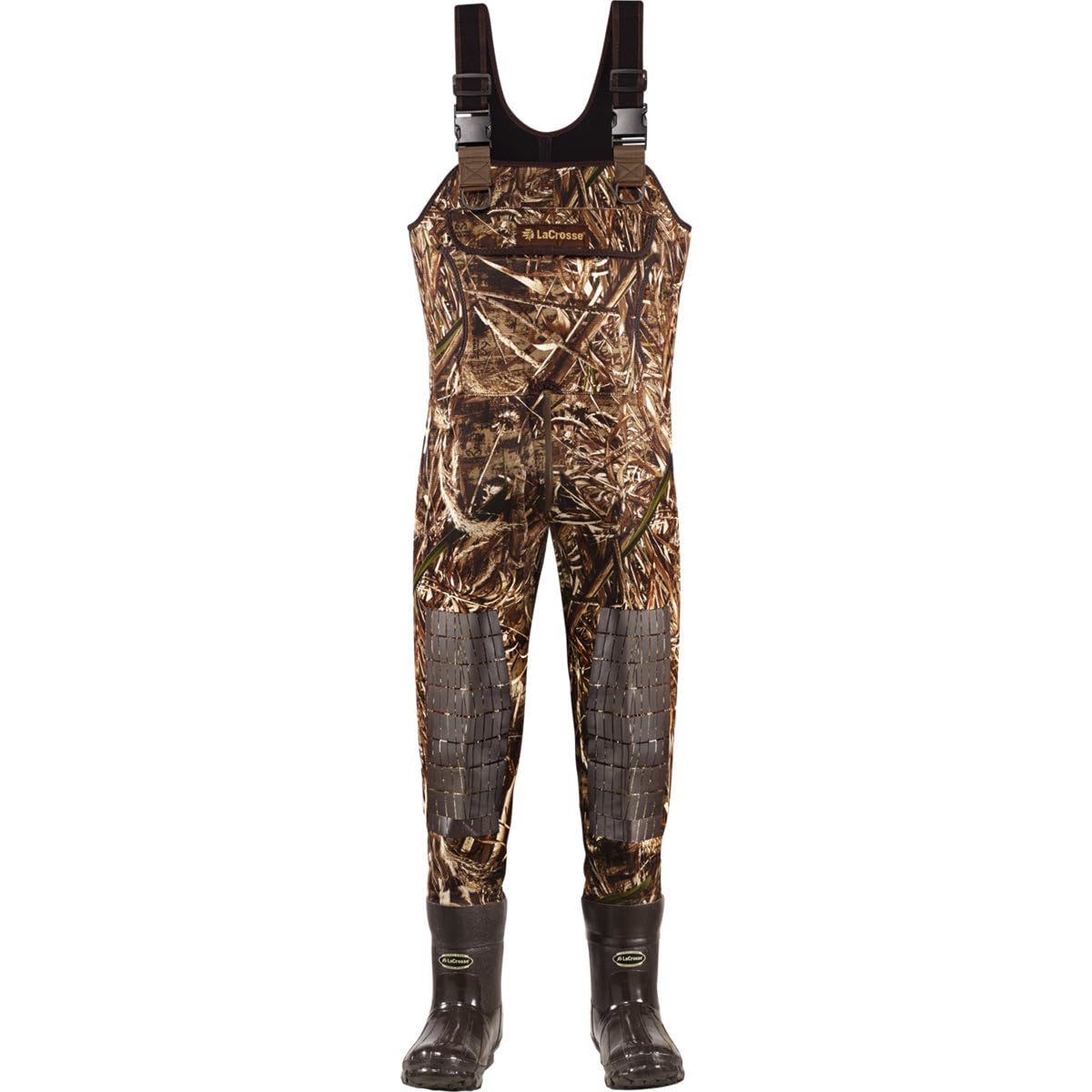
LaCrosse has a reputation for building waders that last through punishing seasons, and the Super Brush Tuff lives up to that legacy. The 1200g Thinsulate boot insulation keeps feet warm in single-digit temperatures, and the reinforced knees add a layer of armor when you’re kneeling through frozen cattails and mud. The integrated bootfoot design eliminates the bootie gap that can cause leaks in cheaper waders.
Users consistently praise the warmth: one Alaskan salmon fishing report noted feet stayed warm in cold rivers, and a duck hunter confirmed comfort during a 15-degree hunt with just wool socks. The boot grip provides sure footing on slippery bank edges. The adjustable straps and hand-warmer pocket are well-placed for practical access in the field.
The chest pocket drain hole is large enough to lose a 3.5-inch shell if you’re not careful, so keep an eye on smaller accessories. The overall fit accommodates larger builds well — one 6’1″, 285-pound user reported a perfect fit with room to layer. If you want a proven, heavy-duty wader for extreme cold and rough terrain, this is a solid investment.
Why it’s great
- 1200g insulation handles severe cold
- Reinforced knees for kneeling durability
- Proven reputation for leak-free performance
- Fits larger builds comfortably
Good to know
- Pocket drain hole can drop small items
- Heavy compared to breathable options
4. Gator Waders Mens Shield Insulated Chest Duck Hunting Waders

Gator Waders engineered the Shield line to solve the fit problem for hunters who fall between standard sizes. Instead of generic height ranges, this wader is sold by both height and shoe size, which gives a more accurate fit. The breathable fabric prevents the heat buildup that makes heavy neoprene unbearable during active hunting, while the insulated boot retains warmth when you’re sitting still in a blind.
User feedback highlights the lightweight feel and lack of leaks — one former LaCrosse buyer reported three consecutive leaky pairs before switching to Gator and staying dry. The boot fits true to size, which is rare for bootfoot waders. The crotch is cut high enough to allow easy walking without that baggy diaper feel that plagues many budget waders.
There is a minor downside: water can enter the hand pockets if you submerge too deep, and the flap pocket can collect moisture when fully underwater in heavy current. For typical duck hunting in shallow water, this isn’t a dealbreaker. If you value a tailored fit and want to avoid the heavy, restrictive feel of thick neoprene, the Shield is a top-tier choice.
Why it’s great
- Custom sizing by height and shoe size
- Lightweight breathable design
- No leaks reported from long-term users
Good to know
- Hand pockets can let water in when submerged
- Premium price point
5. BASSDASH Neoprene Chest Fishing Hunting Waders with 600 Grams Insulated Rubber Bootfoot

The BASSDASH wader offers a compelling middle ground between budget neoprene and premium insulation. The 4.3mm naturally insulating stretch neoprene provides good warmth without restricting movement, and the 600g Thinsulate boot handles temperatures down to 40 degrees. The steel shank in the boot protects your foot against oyster shells and submerged metal — a critical feature for coastal waders.
One user logged 17.3 miles through marshes and swamps in a single season with no leaks, which tells you the glued, stitched, and taped seams are reliable. The anatomically engineered boot resists deformation from water pressure, and the cleated outsole tackles varied terrain. The Bare Camo pattern is a genuine advantage for hunters targeting sharp-eyed waterfowl.
The hand warmer pocket, internal chest zippered pocket, and D-ring attachments offer practical storage. Some users noted that the waist area runs tight on larger builds, which can cause the shell holder to drop shells. If you need a versatile wader that performs equally well for fishing and hunting without jumping to the premium tier, this is a smart pick.
Why it’s great
- Steel shank boot protects against punctures
- 4.3mm stretch neoprene offers good mobility
- Multiple pockets for gear organization
- Excellent seam construction for waterproofing
Good to know
- Waist area can be tight for larger users
6. FROGG TOGGS Amphib Neoprene Bootfoot Waterproof Fishing Camo Chest Wader
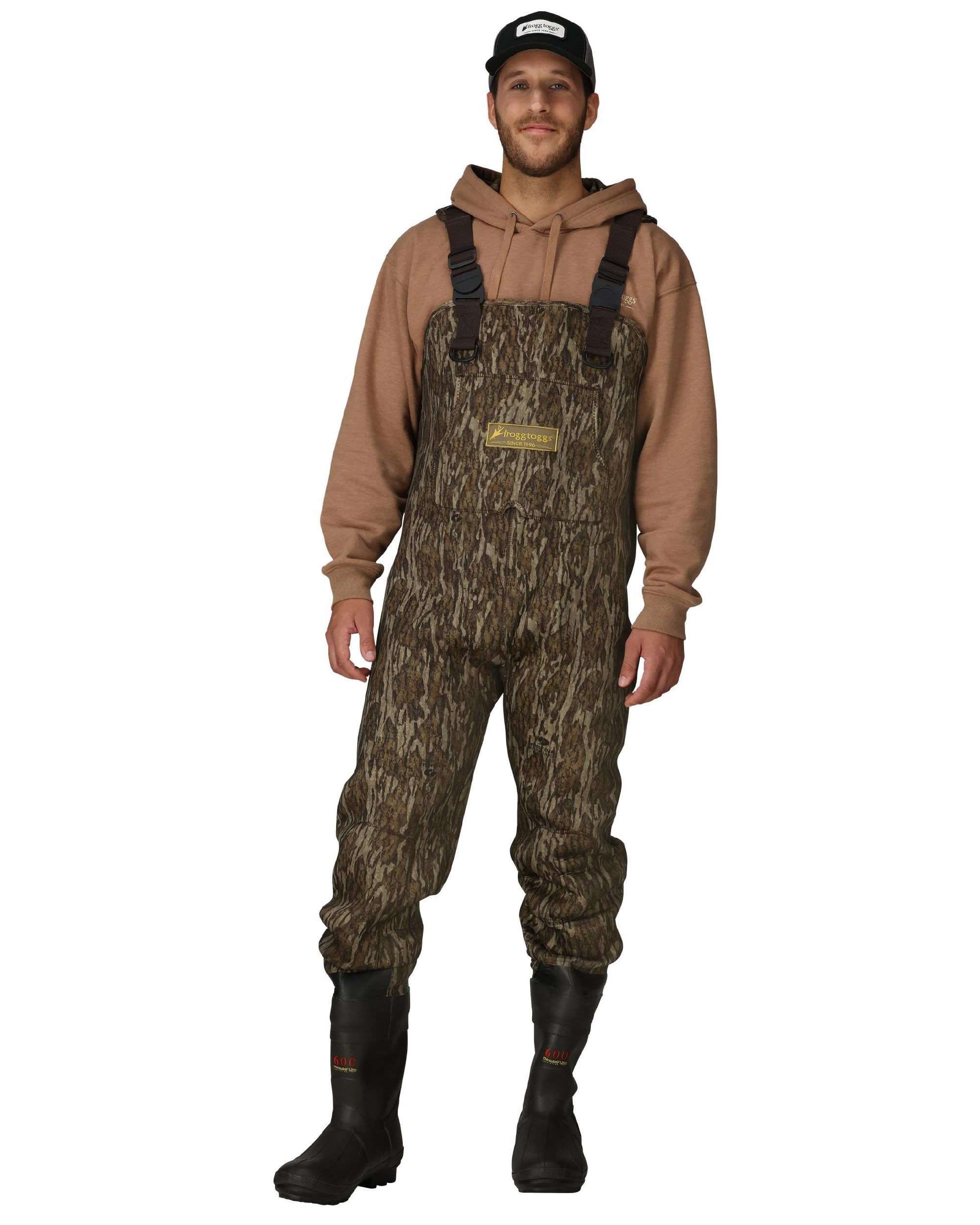
FROGG TOGGS focused on range of motion with the Amphib line, and the result is a bootfoot wader that doesn’t fight you when you bend or squat. The 4.3mm neoprene is softer and more flexible than typical budget rubber, and the stretch band at the top prevents the dreaded bunching that creates pressure points. The internal shoulder straps stay out of your casting line — a detail fly anglers appreciate.
Users consistently report warmth in single-digit temperatures when layered properly, with one fisherman staying comfortable for three hours in 37-degree water with two pairs of wool socks. The high, round boot openings eliminate the calf-pinching issue common on waders with low-cut boots. The build quality rivals competitors at twice the price, according to multiple long-term users.
The slim fit around the belly may be tight for larger midsections, and the boot runs slightly wide for narrow feet. If you’re a lean-to-average build looking for exceptional flexibility and warmth in a mid-range package, the Amphib delivers.
Why it’s great
- Very flexible neoprene for easy movement
- High boot opening prevents calf pinching
- Internal straps avoid line snags
- Excellent warmth for weight
Good to know
- Slim fit tight around the belly
- Boot runs slightly wide
7. HISEA Chest Waders for Men with 800G Insulated Boots, 4.5mm Neoprene

HISEA’s 800g insulated wader brings heavy warmth to the mid-range bracket. The 4.5mm neoprene body traps body heat effectively, and the 800-gram Thinsulate boot keeps feet comfortable in frigid water — users confirmed warmth during 4-hour sits in 15-degree water. The double-stitched and bonded seams are widened compared to standard construction, and the Water Intrusion Resistance (WIR) processing helps keep water out.
A standout feature is the integrated LED light system hidden in the flapped top-entry storage pouch. This provides hands-free illumination in a dark blind or when packing up gear before sunrise. The 4.5mm anti-scratch neoprene on the boot adds protection against submerged rocks and debris. The quick-release suspender buckles make entry and exit fast.
Durability issues appeared in long-term testing: the chest belt slides off the back, the light bar failed after two months, and the hanger broke in three weeks. The leg length barely covers a 31-inch inseam, so tall hunters may find the crotch riding low. If you need serious warmth on a budget and can accept some minor hardware flaws, this is a capable wader.
Why it’s great
- Impressive warmth from 800g boot insulation
- Integrated LED light for dark conditions
- Good waterproofing from taped seams
- Quick-release buckles for easy on/off
Good to know
- Light bar and hanger prone to early failure
- Short leg length for taller users
8. HISEA Chest Waders for Men with 200G Boots, Neoprene Waterproof Duck Hunting Wader

The 200g version of HISEA’s wader is built for hunters who face mild autumn conditions rather than deep winter freezes. The 90/10 neoprene and polyester upper provides 100% waterproof protection, and every pair is tank-tested by being filled with water before shipping. The cleated soles give decent traction on soft mud and grassy banks, and the shell holders and hand-warmer pocket are well-integrated for a budget-friendly model.
Users reported no leaks after 25-plus minutes in waist-deep water and confirmed warmth in 30-degree temperatures with 20-mph winds when layered correctly. The customer service reputation is strong: one owner received a replacement for a boot leak that developed after a year, even without warranty registration. The fit is true to size for most builds.
The boots are the main weakness — they run small, offer minimal ankle support, and the cushioning is thin. If you plan to walk long distances or need arch support, upgrade the insole. The 200g insulation is insufficient for standing in freezing water for extended periods. This wader works well for early-season waterfowling or casual fishing where you won’t be submerged for hours.
Why it’s great
- Good waterproofing with tank-tested seams
- Excellent customer service for replacements
- Shell holders and hand-warmer pockets
- Affordable entry into bootfoot waders
Good to know
- Boots run small with minimal support
- 200g insulation not for extreme cold
9. Hodgman Mackenzie Cleat Chest Bootfoot Fishing/Hunting Waders

Hodgman’s Mackenzie Cleat wader is the most affordable option on this list, designed for light-duty use like surf fishing, launching boats, or walking muddy shorelines. The lightweight neoprene keeps you dry without the weight penalty of thicker waders, and the cleated boot provides basic traction on soft sand and gravel. For the price, it offers a legitimate way to stay dry without a major investment.
Users report success for beach fishing and gigging, with one reviewer completing multiple trips through oysters, rocks, and reeds without leaks. The sizing runs large, so check the fit carefully — a size 7 fit a 5’7″, 150-pound user with room to spare. The boot is flexible enough for easy on-off but lacks cushioning for long hikes.
Durability is the trade-off. One heavy user developed a significant leak at the boot seam after 14 trips, and the thin boot offers little arch support or insulation. The neoprene is susceptible to briars. This wader is best for budget-conscious weekend warriors who fish occasionally and don’t push the gear through thick cover. For light, occasional use, it’s a perfectly functional entry point.
Why it’s great
- Very lightweight for easy wearing
- Low entry price for occasional use
- Cleated sole works on sand and mud
- Flexible boot for simple removal
Good to know
- Boot seam prone to leaking with heavy use
- Thin material susceptible to punctures
FAQ
Do I need 1600g boot insulation for duck hunting in mild climates?
How do I make the boot fit better if it is too wide?
Can I use bootfoot waders for saltwater fly fishing?
Final Thoughts: The Verdict
For most users, the best bootfoot waders winner is the TIDEWE with 1400G/1600G Insulation because it delivers maximum warmth, excellent waterproofing, and durable construction at a mid-range price that outperforms many competitors. If you want a breathable, lightweight option for fly fishing and moderate temperatures, grab the Orvis Clearwater Bootfoot. And for pure extreme-cold duck hunting where you need proven toughness and 1200g insulation, nothing beats the LaCrosse Super Brush Tuff.