
Our readers keep the lights on and the weekend projects moving. As an Amazon Associate, I earn from qualifying purchases.
Cold feet don’t just ruin a hike — they drain your will to be outside. The right pair of winter boots locks out moisture, traps heat, and keeps you moving confidently across snow, slush, and frozen ground. But with insulation ratings, waterproof membranes, and traction lugs varying wildly between models, picking a winner requires looking past the marketing.
I’m Rikta — the co-founder and writer behind FitlyFast. I’ve spent years analyzing outdoor gear specifications, cross-referencing insulation weights, boot heights, and outsole compounds to separate genuine cold-weather performers from fashion boots that leave your toes aching.
Whether you’re shoveling the driveway at dawn or trekking through backcountry powder, selecting the right best boots for cold means matching insulation density, waterproofing, and tread design to your specific winter routine.
How To Choose The Best Boots For Cold
Buying winter boots without understanding insulation weight and waterproofing is like buying a sleeping bag rated for 60°F — you’ll be miserable the first real cold night. Here’s what actually matters when the thermometer drops.
Insulation Type and Weight
Synthetic insulation, usually measured in grams (200g, 400g), tells you how much heat the boot traps. A 200g boot handles light winter walks down to about 20°F, while 400g insulation is built for stationary use or extreme cold below 0°F. Some boots also use reflective liners like Omni-Heat to bounce body heat back without adding bulk.
Waterproofing and Seam Sealing
A waterproof membrane (typically a proprietary film like Omni-Tech or KEEN.DRY) is non-negotiable if you’ll step in slush or snow. “Water-resistant” boots may wet through after thirty minutes in wet snow. Look for fully sealed seams and a gusseted tongue that prevents snow from sneaking in through the lacing area.
Traction and Outsole Design
Cold-weather outsoles use softer rubber compounds that stay flexible in freezing temperatures, unlike summer hikers that turn into hard plastic. Deep, multi-directional lugs bite into loose snow, while a pronounced heel brake helps on descents. Some models add rubber toe caps for durability against rocks and ice crusts.
Quick Comparison
On smaller screens, swipe sideways to see the full table.
| Model | Category | Best For | Key Spec | Amazon |
|---|---|---|---|---|
| KEEN Revel 4 Mid | Insulated Hiker | Deep snow & subzero hikes | KEEN.DRY waterproof membrane | Amazon |
| The North Face Chilkat V 400 | Snow Boot | All-day warmth in extreme cold | 400g premium insulation | Amazon |
| Merrell Coldpack 3 Thermo Mid | Insulated Boot | Icy conditions & snow shoveling | M Select DRY waterproof membrane | Amazon |
| Columbia Expeditionist Shield | Winter Hiker | Daily commuting & mild snow | Omni-Heat reflective liner | Amazon |
| Columbia Bugaboot III | Snow Boot | Northeast winters & snow play | Omni-Tech waterproof construction | Amazon |
| Columbia Red Hills Omni-Heat | Women’s Snow Boot | All-day comfort & plantar support | Omni-Heat thermal reflective lining | Amazon |
| XPETI Crest Thermo High-Top | Budget Winter Boot | Light snow & mild cold | All-rubber flexible construction | Amazon |
In‑Depth Reviews
1. KEEN Revel 4 Mid Height Polar Insulated Waterproof
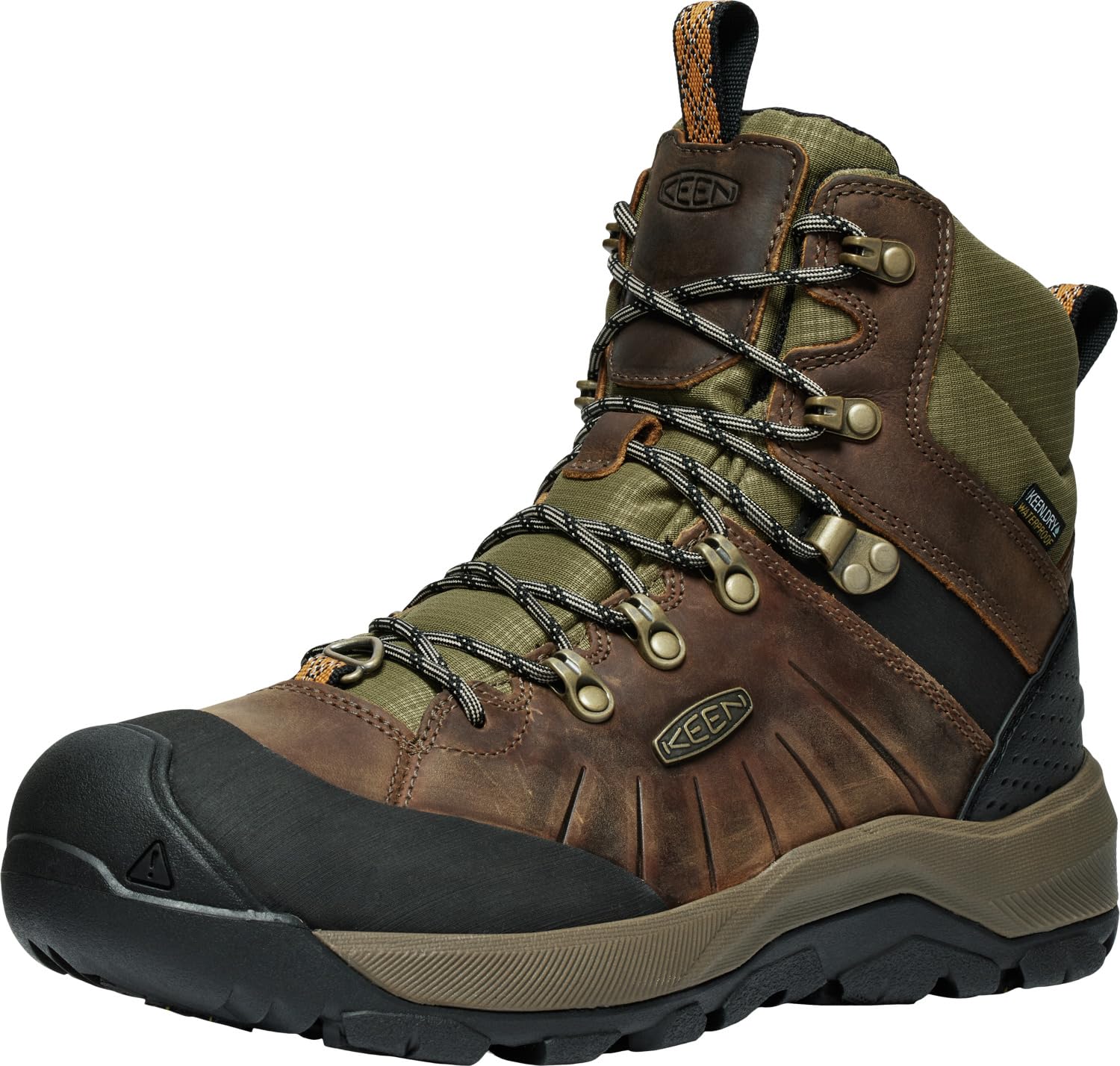
The KEEN Revel 4 Mid is a true cold-weather powerhouse, earning verified praise from users who climbed a 14,000-foot Colorado peak with wind chills hitting -5°F. Its KEEN.DRY waterproof membrane kept feet completely dry through deep snow, while the polar-grade insulation maintained warmth without the bulk of a traditional moon boot. The outsole is aggressive enough that several reviewers reported no longer needing separate traction spikes for moderate snow and ice.
A recurring highlight is the naturally wide toe box, which allows for thicker wool socks without compressing circulation — a critical detail when temperatures stay below freezing for hours. After a full year of harsh winter use, owners reported minimal sole wear and no membrane failures, suggesting the build quality justifies its position as a top-tier option for serious winter activities.
For hikers, snowshoers, or anyone who spends extended time in subzero conditions, the Revel 4 Mid delivers the warmth, grip, and durability that cheaper boots simply cannot match. It strikes a rare balance where you can trust it during a backcountry summit bid and still wear it comfortably for a day of errands around town.
Why it’s great
- Proven performance down to -5°F wind chill
- Roomy toe box accommodates thick socks comfortably
- Excellent traction often eliminates need for cleats
Good to know
- Mid-height cut requires good ankle flexibility for easy on/off
- Price reflects its expedition-grade construction
2. THE NORTH FACE Men’s Chilkat V 400 Waterproof Snow Boot

The Chilkat V 400 packs the highest insulation weight in this lineup at 400 grams, making it the go-to choice for stationary winter activities like ice fishing, snowmobiling, or standing on a frozen sideline. Users consistently describe the comfort level as “crazy comfortable” and liken the feel to running shoes, despite the serious cold-weather build. The waterproof construction held up against deep slush and melting snow without any moisture breakthrough.
One notable caveat: the boot runs roughly a full size smaller than marked, a pattern echoed across multiple verified reviews. Several buyers who ignored the sizing advice ended up gifting their pair to someone with smaller feet. For those with wider feet, the lack of a wide-specific option is a genuine limitation, as the standard D-width can feel snug even without extra socks.
If your winter routine involves extended periods of low activity in truly cold environments, the Chilkat’s 400g insulation provides a warmth-to-weight ratio that few competitors can touch. Just size up a full size and be aware of the narrow fit around the midfoot.
Why it’s great
- 400g insulation for extreme cold protection
- Exceptionally comfortable, feels like a sneaker
- Solid waterproof performance in wet snow
Good to know
- Runs a full size smaller than marked
- No wide width option available
3. Merrell Men’s Coldpack 3 Thermo Mid Waterproof

The Merrell Coldpack 3 Thermo Mid is a favorite among users who need reliable grip on ice without the fuss of separate cleats. Verified reviews from ice rink workers and Hokkaido residents (where waist-high snowbanks are normal) confirm that the M Select DRY membrane keeps feet bone-dry even after hours of exposure. The insulation is substantial enough that one reviewer likened the warmth to “car heat blowing on your feet” at 31°F, but not so overbearing that your feet sweat during active use.
Arch support and cushioning earned high marks across the board, with multiple owners noting zero break-in period and zero blisters from day one. The outsole’s rubber compound remains pliable in freezing temps, delivering noticeably better grip on hard-packed snow and glare ice compared to stiffer synthetics. The wide sizing (available in true wide widths) fits similarly to New Balance’s wide offerings, making it a rare find for buyers with broader feet.
For anyone who faces icy sidewalks, frozen parking lots, or wet snow on a daily basis, the Coldpack 3 Thermo Mid delivers dependable warmth and traction without the bulk of heavier winter boots. It’s a refined, purpose-built tool for cold-weather living.
Why it’s great
- Excellent grip on ice even without crampons
- True wide widths available for broad feet
- No break-in period needed, comfortable immediately
Good to know
- Mid-range insulation might not suffice below -10°F for long periods
- Some users prefer a taller shaft for deeper snow
4. Columbia Men’s Expeditionist Shield

The Expeditionist Shield stands out for its Omni-Heat reflective liner, which bounces body heat back toward your foot without adding thick insulation layers. This makes the boot lightweight enough for daily wear — one reviewer called them his “daily drivers” for commuting and mild outdoor work. Users confirm warmth down to 10°F with wool socks, and the Omni-Shield water resistance sheds light snow and puddles effectively, though it’s not a fully submersible membrane for slushy potholes.
The aggressive tread pattern is excellent for traction, but the deep lugs do track snow and mud indoors — a minor annoyance for those transitioning between outdoor and indoor environments. Sizing runs about half a size small, so ordering up is recommended. The included insole is thin and many owners swapped it for a supportive aftermarket option, which is an easy fix given the overall comfort of the chassis.
For someone who needs a cold-weather boot for everyday errands, light snow, and casual hikes, the Expeditionist Shield offers a compelling mix of warmth, low weight, and underfoot feel that heavier boots can’t match. It’s not built for arctic expeditions, but for the 95% of winter life, it’s more than enough.
Why it’s great
- Lightweight design with reflective heat lining
- Comfortable for all-day wear with minimal break-in
- Good ground feel and sturdy sole construction
Good to know
- Not fully waterproof for deep slush immersion
- Runs half a size small
5. Columbia Men’s Bugaboot III

The Bugaboot III has been a staple in Northeast winter households for years, and this latest iteration continues the tradition. The Omni-Tech waterproof construction provides reliable protection against wet snow and slush, while the boot remains impressively lightweight for its class — a detail that matters when kids (and adults) are trudging through snowbanks. Users living near the Canadian border report that the boots stay warm and dry even after hours of outdoor play.
Sizing runs small, with most owners recommending going up a full size from their normal shoe size. The lace-up design lacks upper hooks, which some users noted prevents snugging up the ankle as tightly as they’d like. Below 15°F, the insulation starts to lose its edge after extended periods, so adding a quality wool sock is wise for deep-cold days. The durability stands out against cheaper alternatives, with multiple reviewers noting they outlast two pairs of budget winter boots.
For families seeking a reliable, value-conscious winter boot that handles the daily grind of cold weather, snow shoveling, and school pickups, the Bugaboot III delivers consistent performance without breaking the bank.
Why it’s great
- Lightweight and easy to walk in for a snow boot
- Reliable waterproofing for wet winter conditions
- Proven durability over multiple seasons
Good to know
- Runs a full size small
- Lacks upper lace hooks for ankle adjustment
6. Columbia Women’s Red Hills Omni-Heat Snow Boots
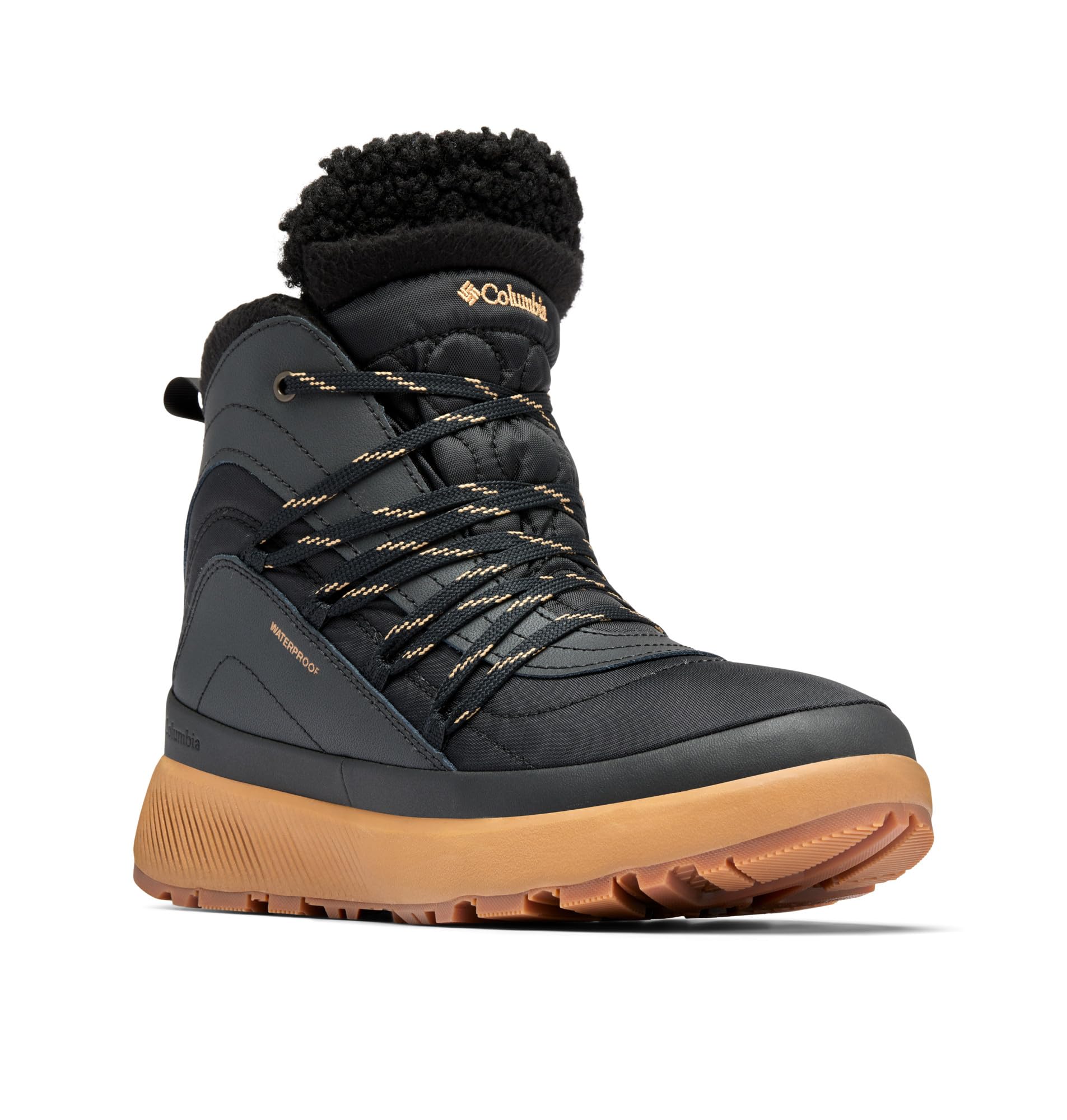
The Red Hills Omni-Heat boot is a standout for women who prioritize all-day comfort without sacrificing winter protection. The Omni-Heat reflective lining provides noticeable warmth without the oppressive heat of heavy insulation, making it suitable for a wide range of winter temperatures from the 20s up to the low 40s. Verified reviewers report that the boot is lightweight enough for a 2.5-mile weighted walk while also keeping feet warm during stationary snow shoveling.
A particularly praised feature is the buoyant heel design, which provided relief for users dealing with plantar fasciitis and bone spurs — an uncommon benefit in a winter boot. The ankle support is secure enough to prevent foot slippage inside the boot, and the high shaft keeps out slush and puddles during wet commutes. The outsole offers excellent grip on slush and packed snow, though it’s not specialized for glare ice.
Women who need a do-it-all winter boot for travel, daily errands, and light outdoor activity will find the Red Hills delivers warmth, support, and a stylish profile. Sizing up half a size is recommended to accommodate thicker socks without pressure points.
Why it’s great
- Excellent arch and plantar fasciitis support
- Lightweight feel with effective reflective warmth
- High shaft prevents snow and slush entry
Good to know
- Best for mild to moderate cold, not extreme subzero temps
- Slim ankle cut may feel tight with bulky socks
7. XPETI Men’s Crest Thermo High-Top Winter Hiking Boots
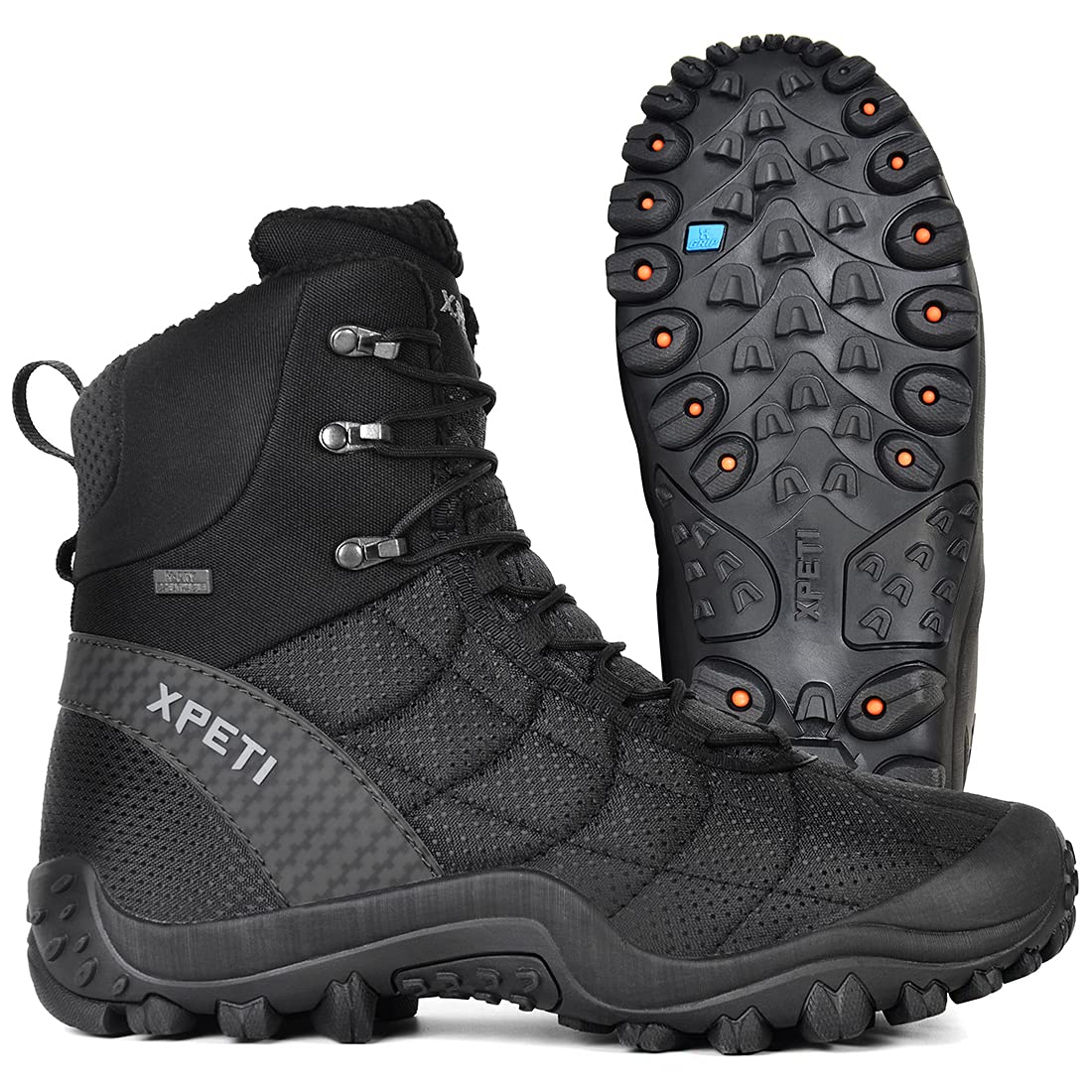
The XPETI Crest Thermo is a budget-friendly entry point for those who need a winter boot for light snow and mild cold without investing in premium insulation. The all-rubber construction is flexible and easy to clean — simply wipe off mud and salt residue. One verified user reported that a size 13 (two sizes up from their normal 11) fit perfectly with orthotic insoles and thick wool socks, confirming that the boot runs small and needs generous sizing.
Warmth is adequate for temperatures between 26°F and 39°F, but the boot struggles when the mercury drops below 20°F or in deep, wet snow. Multiple reviewers noted that while the boot is labeled waterproof, snow melt can soak through the top of the foot after extended exposure. The traction performs well on icy grass and mud, but the outsole is less confidence-inspiring on packed ice compared to premium competitors.
For someone on a tight budget who faces only occasional light snow and wants a comfortable, lightweight boot for short winter walks, the XPETI Crest Thermo represents a functional choice. Just be realistic about its temperature ceiling and waterproofing limits — this is a cold-weather casual boot, not a winter expedition tool.
Why it’s great
- Very comfortable with excellent ankle support out of the box
- Flexible rubber construction is easy to clean
- Good grip on icy grass and muddy trails
Good to know
- Waterproofing limited — snow melt can soak through over time
- Best suited for mild cold above 20°F
FAQ
How many grams of insulation do I need for temperatures around 0°F?
Can I use a waterproofing spray to make a non-waterproof boot cold-weather ready?
Why do my winter boots feel tight even when I buy my normal size?
Final Thoughts: The Verdict
For most users, the best boots for cold winner is the KEEN Revel 4 Mid Polar Insulated Waterproof because it combines expedition-grade warmth, a roomy toe box for thick socks, and proven traction on snow and ice without needing separate spikes. If you need extreme cold protection for low-activity use, grab the THE NORTH FACE Chilkat V 400 for its 400g insulation. And for daily winter wear with excellent ice grip and blister-free comfort, nothing beats the Merrell Coldpack 3 Thermo Mid.