
Our readers keep the lights on and the weekend projects moving. As an Amazon Associate, I earn from qualifying purchases.
Neuropathy turns every step into a negotiation between comfort and pain. The wrong boot pinches numb toes, rubs sensitive arches, and makes a short walk feel like a marathon. The right boot does the opposite: a spacious toe box gives your forefoot room to spread, a rocker sole reduces the force of each step, and deep cushioning absorbs shock before it reaches your damaged nerves. This guide cuts through the marketing to find the boots that actually deliver that relief.
I’m Rikta — the co-founder and writer behind FitlyFast. I’ve spent hundreds of hours researching diabetic footwear, orthopedic boot construction, and the specific biomechanics of neuropathic feet to separate real therapeutic value from generic comfort claims.
Whether you need waterproof protection for outdoor work, a slip-resistant sole for slick floors, or simply a boot you can wear all day without the familiar burning or tingling, this guide to the best boots for neuropathy will help you find your match.
How To Choose The Best Boots For Neuropathy
Not every comfortable boot is suitable for neuropathy. The condition demands specific design features that protect numb feet from pressure, friction, and impact. Here are the three non-negotiable factors to check.
Toe Box Volume and Shape
A narrow toe box is the enemy of neuropathic feet. Look for a wide toe box—at least 2E, but ideally 4E to 6E—with a round or almond shape that doesn’t taper. The boot should allow your toes to splay naturally without rubbing the sides or the top. Extra depth construction (often called “extra depth” or “therapeutic depth”) adds vertical room for custom orthotics and prevents pressure on the top of the foot.
Outsole Design: Rocker and Slip Resistance
A rocker sole (a curved sole that rocks from heel strike to toe-off) reduces the amount of flexion your foot goes through during walking, which lowers pressure on the metatarsal heads—a common pain point for neuropathy. For indoor and workplace safety, a slip-resistant rubber outsole with a multi-directional tread pattern provides stability on tile, concrete, and wet surfaces.
Closure System and Accessibility
When dexterity or swelling is an issue, traditional laces can be frustrating. Look for boots with a rear zipper, hook-and-loop strap (Velcro), or a full hands-free slip-on design. These closures make the boot easier to put on and take off, and they allow you to adjust the fit in stages without compressing the foot too tightly.
Quick Comparison
On smaller screens, swipe sideways to see the full table.
| Model | Category | Best For | Key Spec | Amazon |
|---|---|---|---|---|
| Orthofeet Graphite Work Boot | Work | All-day safety and slip-on ease | Composite toe, hands-free entry | Amazon |
| Drew Trek Boot | Hiking | Extra-wide 6E feet and waterproof hiking | 6E width, waterproof, double footbed | Amazon |
| Dr. Comfort Boss Boots | Diabetic | Ankle support and diabetic foot protection | Extra depth, soft leather upper | Amazon |
| Dunham 8000 Waterproof Mid | Casual | Stylish comfort for wide feet | 4E width, waterproof, no break-in | Amazon |
| Orthofeet Hunter Hiking Boot | Hiking | Arch support and outdoor performance | Waterproof, lug sole, premium arch support | Amazon |
| Dr. Comfort Ranger Hiking Boot | Hiking | Lightweight hiking with extra depth | Extra depth, removable insoles | Amazon |
| Anodyne No. 90 Trail Worker | Trail | Roomy toe box and soft interior | Soft lining, dual zipper closure | Amazon |
| Orthofeet Ryder Boot | Casual | Foot drop and swollen feet recovery | Dual-zip, slip-resistant, orthotic support | Amazon |
| Orthofeet Highline Boot | Casual | Comfort for flat feet and long standing | Slip-resistant, orthotic insert, wide toe box | Amazon |
In‑Depth Reviews
1. Orthofeet Men’s Orthopedic Graphite Hands-Free Waterproof Slip Resistant Work Boot
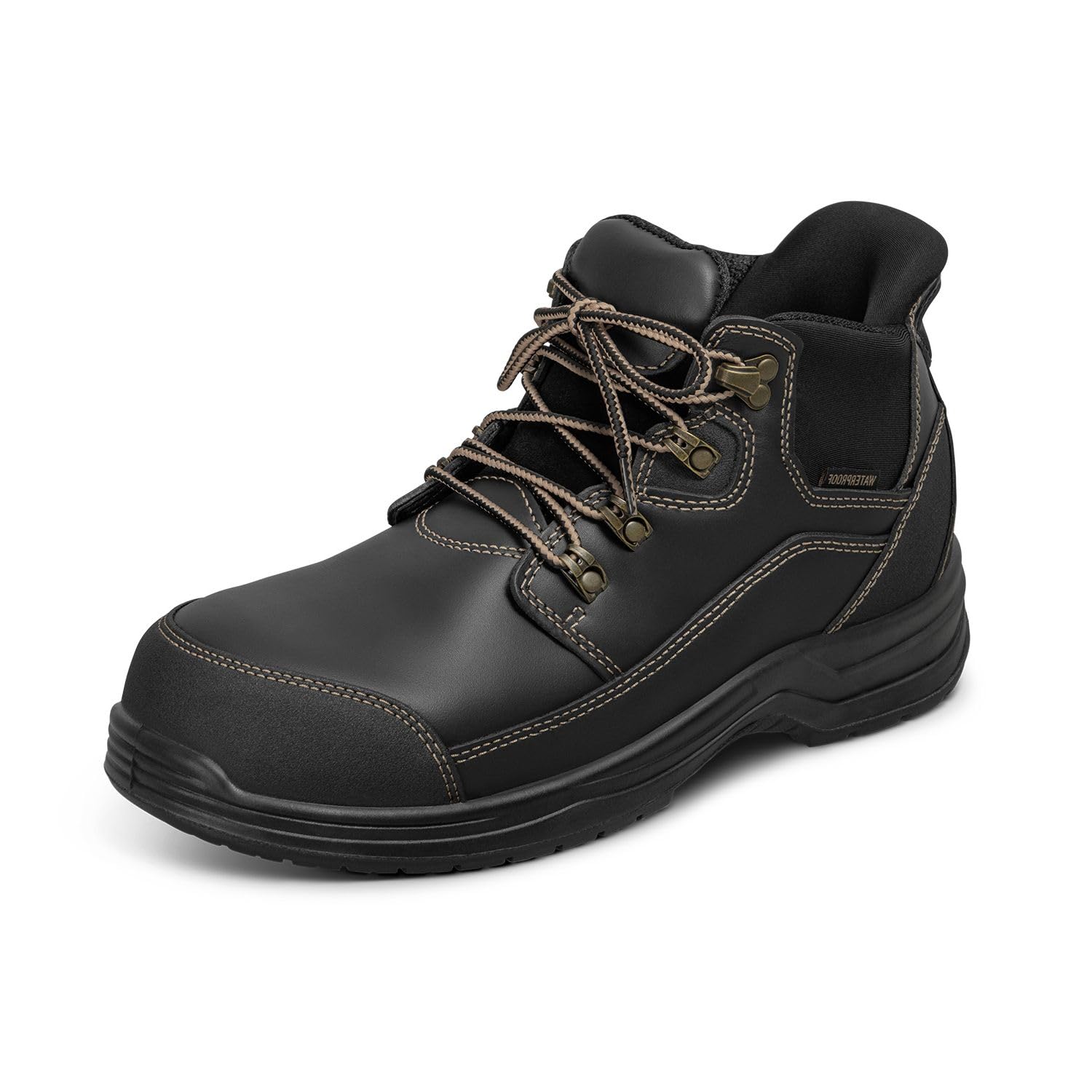
This is the rare boot that balances industrial safety requirements with the specific needs of neuropathic feet. The composite toe meets safety standards without the cold-conducting weight of steel, and the slip-resistant outsole provides stable footing on slick work floors. But the real value for neuropathy is the hands-free slip-on design: no laces to tie, no zippers to fumble. You step in and go, which is critical when mornings bring swollen feet or reduced fine motor control.
The interior is spacious and seamless, with a removable orthotic insole that accommodates custom inserts. Users with calcium deposits, flat feet, and general neuropathy report that the Graphite boot eliminated foot pain immediately during 8-to-9-hour work days. The snug fit around the heel locks the foot in place without pressure, and the wide toe box allows natural splay.
Fit note: these run noticeably large. Multiple users advise ordering at least a full size down. The leather upper is decent but benefits from occasional oiling to maintain waterproofing. Overall, this is the most complete single boot for the neuropathic person who needs safety, durability, and true therapeutic comfort in one package.
Why it’s great
- Hands-free slip-on eliminates dexterity struggles
- Composite toe provides safety without weight
- Spacious, seamless interior for custom orthotics
Good to know
- Runs very large — order at least one size down
- Leather upper needs periodic conditioning
2. Drew Men’s Trek Waterproof Boot
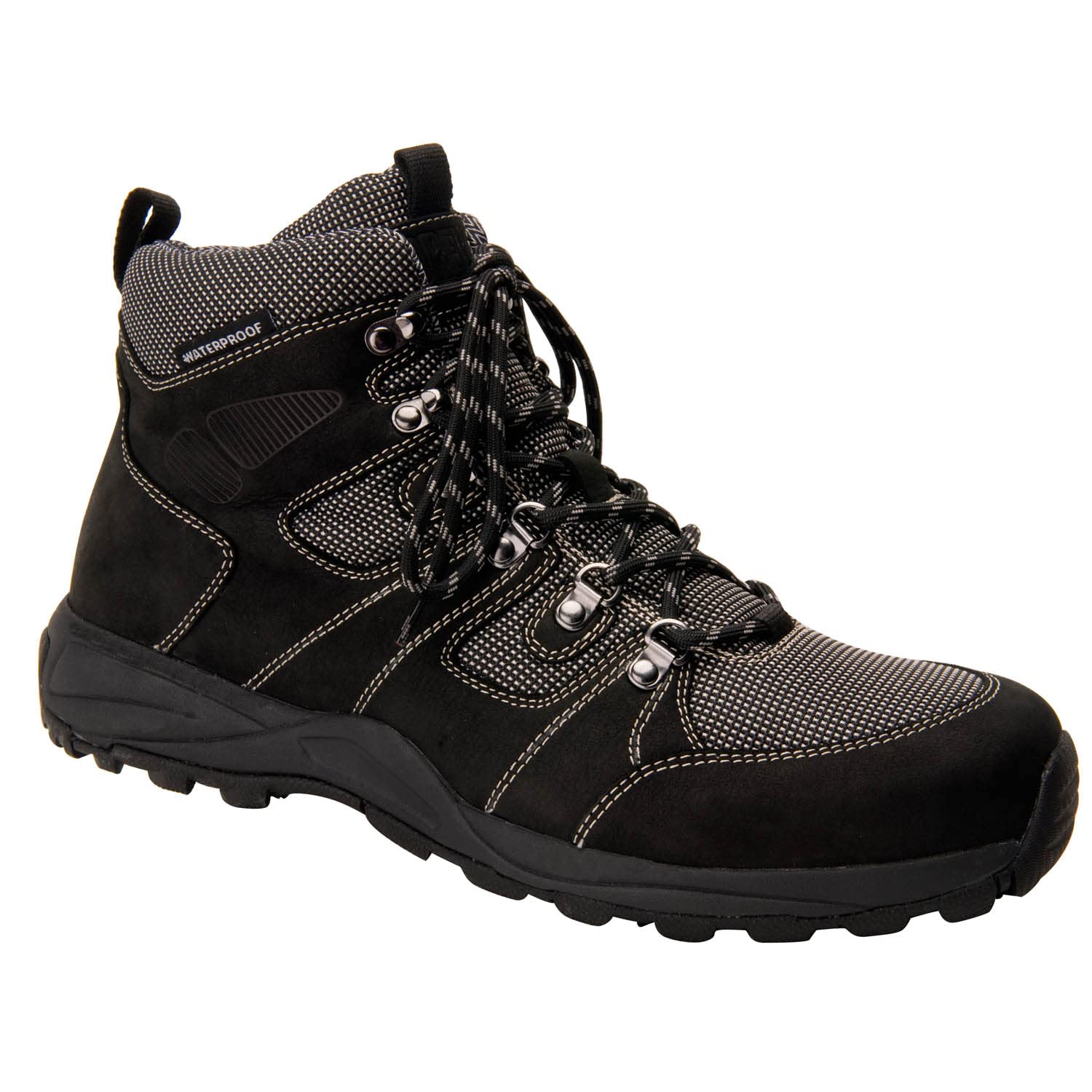
If you have 4E or 6E feet, you already know the struggle of finding boots that fit without pinching. The Drew Trek is built specifically for the widest feet, with a genuine 6E width option that doesn’t taper at the toe. The waterproof Nubuck upper and aggressive lug sole make it suitable for hiking and motorcycle riding, while the double footbed system provides a level of cushioning that dampens impact shock for sensitive nerves.
Several users report this boot fits their 6E feet perfectly after a short break-in period, though the lace hooks can press into the ankle for some. The fix is simple: swap in elastic lock laces or add a small padding patch. The thick, squared D-rings and laces are designed to prevent slippage once tied, so the fit stays consistent all day.
The biggest drawback is the price — it sits at the premium end of the spectrum. Also, the sole can feel slippery on wet concrete, which is worth noting if you work or walk on polished surfaces. For those who need the widest possible fit and waterproof protection for outdoor use, this is a specialized tool that earns its keep.
Why it’s great
- Genuine 6E width accommodates the widest feet
- Waterproof with a durable rock-resistant sole
- Double footbed for customizable cushioning
Good to know
- Lace hooks can irritate the ankle initially
- Sole is slick on wet concrete
3. Dr. Comfort Men’s Boss Diabetic Boots

The Dr. Comfort Boss is a taller boot that provides significantly more ankle support than most therapeutic footwear. For neuropathy patients who also deal with Charcot foot, ankle instability, or partial foot loss, this extra height prevents unwanted rolling and stabilizes the gait. The soft leather upper conforms to the foot without creating pressure points, and the extra-depth construction leaves room for custom orthotics.
Users consistently praise the comfort and support, with many noting it’s the only boot they can wear for full 8-hour shifts on their feet. The non-slip outsole is reliable for motorcycle riding and general walking. The boot comes in a wide range of sizes, including X-Wide, which fits most 4E feet without pinching.
The thick, heavy leather means a longer break-in period at the top of the shaft, and some users report the top buckles snapping off over time. Once broken in, though, the fit is secure and the pain relief is noticeable. It is not a lightweight walking boot — think of it as a sturdy orthopedic work boot that prioritizes support over weight savings.
Why it’s great
- Excellent ankle support for instability or Charcot foot
- Soft, non-irritating leather upper
- Extra depth fits custom orthotics easily
Good to know
- Heavy leather requires break-in at the shaft
- Top buckles can snap off with wear
4. Dunham mens 8000 Waterpoof Mid Boot

The Dunham 8000 is the boot you want when you need something that looks like a classic work boot but feels like a sneaker from the first wear. Multiple users report zero break-in period — the leather is soft, the interior is well-padded, and the fit is comfortable immediately. Available in both 4E and standard widths, it serves the wide-foot crowd without the exaggerated “orthopedic” look.
It is worth noting that this is not a backpacking boot. It is designed for walking around town, easy trails, and everyday wear. The waterproof coating is effective but may need reapplication over time. For neuropathy, the key features are the generous toe box and the cushioned midsole that absorbs heel-strike shock before it travels up the leg.
The main downside reported by users is that the boot may run slightly small, so ordering a half-size up is a safe bet. A few reviews mention receiving returned units without original packaging, so inspect on arrival. For a stylish, go-anywhere boot that doesn’t scream “medical,” this is a strong contender.
Why it’s great
- Zero break-in needed — comfortable from the first wear
- Classic work boot styling doesn’t look medical
- Generous 4E width with cushioned midsole
Good to know
- Runs slightly small — order half size up
- Waterproof coating may need periodic reapplication
5. Orthofeet Men’s Orthopedic Hunter Waterproof Lug Sole Hiking Boot
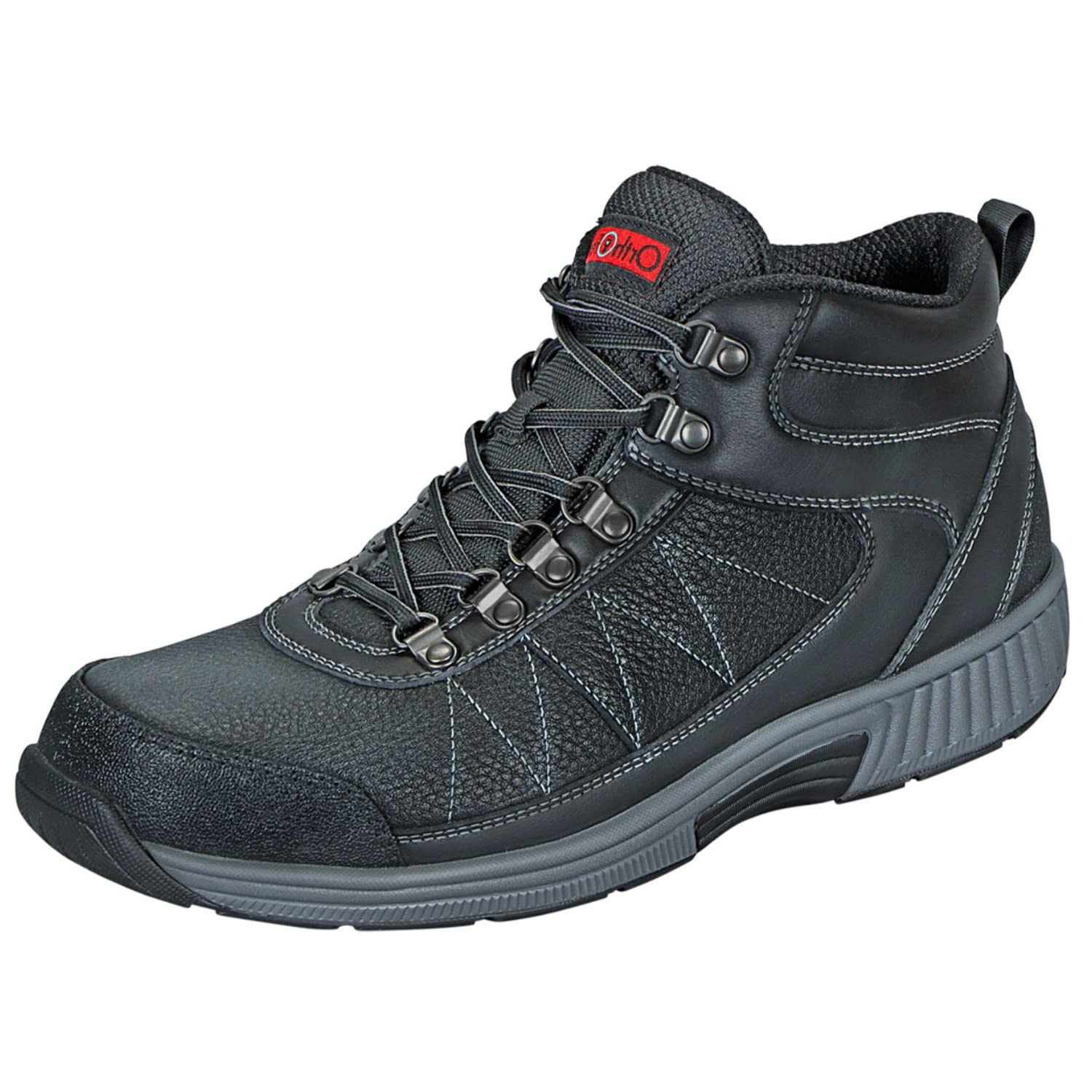
The Orthofeet Hunter is designed for the outdoor enthusiast who doesn’t want to leave neuropathy relief behind on the trail. The waterproof construction and deep lug sole provide genuine hiking capability, while the premium orthotic arch support and wide toe box deliver the therapeutic features needed for all-day comfort. Users with bunions, plantar fasciitis, and neuropathy report wearing these in the workshop or on the trail without foot pain.
The included orthotic insoles are usable separately and provide excellent arch support straight out of the box. The boot looks rugged enough for the trail but refined enough for a casual dinner, striking a rare balance between utility and style. The break-in period is minimal for an orthopedic hiking boot.
The main concern is durability at the price point. A vocal minority reports the boots falling apart within months — stitching coming undone, insoles separating, and the promised back/foot support fading quickly. While many users report years of use, the inconsistency suggests you should inspect construction quality upon arrival and be prepared to use the warranty if issues arise.
Why it’s great
- Genuine hiking capabilities with waterproof lug sole
- Premium arch support and orthotic-friendly design
- Versatile style suitable for trail and casual wear
Good to know
- Some reports of premature construction failure
- Inconsistent durability across units
6. Dr. Comfort Ranger Men’s Therapeutic Diabetic Extra Depth Hiking Boot

The Dr. Comfort Ranger is a lightweight extra-depth boot that excels for casual hiking and daily walking. The extra-depth construction accommodates custom orthotics and swollen feet, while the stretchy elastic lacing system makes it easy to slip on without fiddling with traditional laces. Users with diabetic neuropathy appreciate that the boot doesn’t aggravate existing sores — a critical feature when sensation is reduced and injuries can go unnoticed.
The boot comes with two removable insoles, allowing you to dial in the level of cushioning. The wide range of widths, including X-Wide, ensures a fit that won’t compress the forefoot. Several users report all-day comfort without fatigue, even after 4 months of daily use.
The downsides are notable for some: the soles are thin and flat, meaning you feel small rocks and uneven terrain more than you would with a thicker trail sole. The non-adjustable bungee laces can’t be tightened once stretched out, and the included arch support insoles are stiff and may need replacing. Plan to wear these with thicker socks or a gel insole for maximum comfort.
Why it’s great
- Lightweight and easy to slip on with elastic laces
- Extra depth fits orthotics and accommodates swelling
- Wide width availability prevents pressure points
Good to know
- Thin soles provide minimal protection from rocks
- Bungee laces are non-adjustable and can stretch out
7. Anodyne Men’s No. 90 Trail Worker
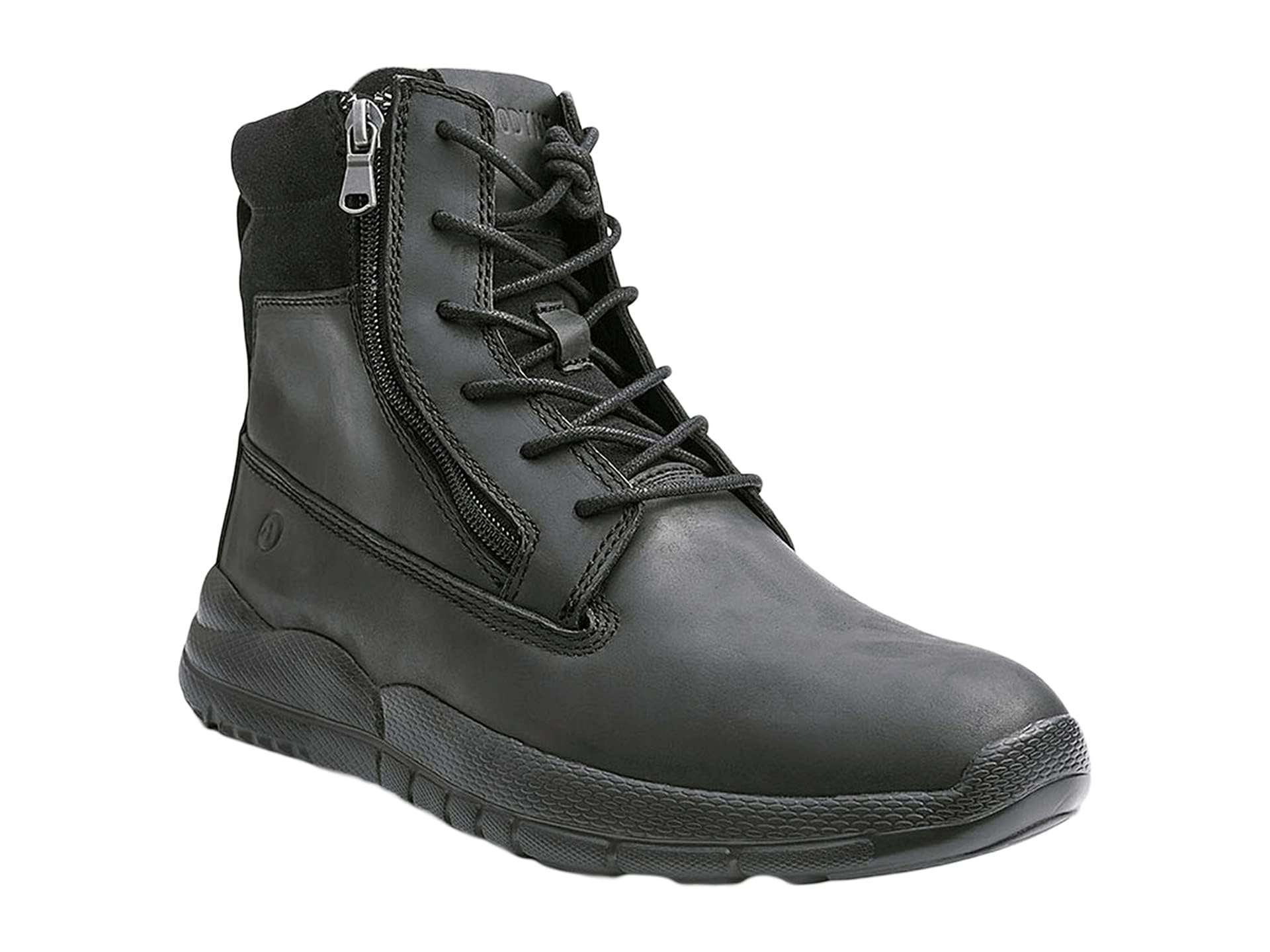
The Anodyne No. 90 Trail Worker prioritizes a soft, plush interior that feels comfortable against sensitive skin. The lining is smooth and non-abrasive, reducing the friction that can cause irritation for neuropathic feet. The dual-zipper closure system provides easy access, though the zipper pulls can be noisy and the zippers themselves can be finicky — some users report difficulty grasping the small tongues, and a few have experienced zipper failure entirely.
The toe box is roomy, accommodating wider feet without squeezing. Users report all-day comfort for foot pain, with the soft interior being the standout feature. The boot is lightweight enough for daily wear but sturdy enough for light trail work.
The primary concern is the heel wear, which some users report wearing down quickly. The zipper quality is inconsistent — some pairs work fine for years, others fail within months. If you can accept the zipper as a potential wear item and plan for replacement down the line, the comfort-to-weight ratio is excellent for the price point.
Why it’s great
- Soft, smooth lining reduces friction on sensitive skin
- Roomy toe box and lightweight build
- Dual zipper closure aids easy on/off
Good to know
- Zipper quality is inconsistent and can fail
- Heel sole wears down relatively quickly
8. Orthofeet Men’s Orthopedic Ryder Slip-Resistant Dual-Zip Leather Boot

The Orthofeet Ryder is specifically praised by users with foot drop, a common complication of neuropathy. The rear zipper makes it possible to slide the boot on even when the foot is swollen or the ankle is weak. The extra-depth design and removable arch support provide the structural support needed to reduce foot drop fatigue and stabilize the gait.
The boot is slip-resistant, lightweight, and durable — several users report wearing the same pair for two years with the leather and sole holding up well. The included extra insoles and arch support allow you to fine-tune the fit. The metal grommets on the eyelets are compatible with ankle-foot orthoses (AFOs), a huge plus for anyone using bracing.
The weak point is the zipper pulls, which can break within the first month. Orthofeet does replace them under warranty quickly, but ordering replacement zipper pulls in advance is a good idea if you depend on the zipper daily. The boot runs slightly big, which is actually a benefit for accommodating thick socks or orthotics.
Why it’s great
- Rear zipper allows easy on/off for swollen or weak feet
- AFO-compatible grommets for brace users
- Durable leather construction holds up for years
Good to know
- Zipper pulls can break early — order spares
- Runs slightly large, good for orthotics but note size
9. Orthofeet Men’s Orthopedic Highline Slip Resistant Leather Boot

The Orthofeet Highline is the boot that users with flat feet and neuropathy consistently name as their daily choice. The orthotic insert provides excellent arch support that eliminates foot pain for retail workers logging 18,000 steps a day. The slip-resistant outsole is reliable on wet and oily surfaces, making it suitable for restaurant and warehouse environments.
The boot is well-made and comfortable straight out of the box, with no break-in period required. The extra-wide toe box is a major selling point for neuropathy, giving the forefoot room to spread without compression. Motorcycle riders also appreciate the non-slip sole and the ability to insert custom orthotics for a personalized fit.
The main issue is sizing: the boot runs at least a half size large, so ordering a half or full size down is recommended. Some users also note the lack of extra padding on the left boot shifter area for motorcycle use. But for pure all-day comfort and therapeutic support at a reasonable price, this boot delivers consistently positive results.
Why it’s great
- Excellent arch support eliminates foot pain for high-step users
- Slip-resistant outsole for wet work environments
- Wide toe box and seamless interior
Good to know
- Runs large — order at least a half size down
- Minimal padding on the left boot for motorcycle use
FAQ
What width should I look for in a boot for neuropathy?
Can I wear custom orthotics in these boots?
Are lace-up boots or slip-on boots better for neuropathy?
How do I know if a boot has a true rocker sole?
Final Thoughts: The Verdict
For most users, the best boots for neuropathy winner is the Orthofeet Graphite Hands-Free Work Boot because it combines a safety toe, slip-resistant outsole, and a hands-free design that eliminates the struggle of lacing up swollen feet — all in a genuinely comfortable package. If you need the widest possible fit for hiking and daily wear, grab the Drew Trek Boot. And for those who prioritize ankle support and diabetic foot protection at work, nothing beats the Dr. Comfort Boss Boots.