
Rucking with a loaded pack pounds your feet, ankles, and knees with hundreds of extra pounds of force per step. A standard hiking boot or casual sneaker lacks the ankle stability, arch support, and sole durability to handle that repeated stress, often leading to hot spots, blisters, or worse injuries before the third mile. You need a boot purpose-built for load carriage — one that locks your heel in place, resists compression under weight, and keeps your feet stable on uneven terrain.
I’m Rikta — the co-founder and writer behind FitlyFast. I’ve spent hundreds of hours reading through military field reports, analyzing sole construction materials, ankle collar heights, and weight capacities across dozens of tactical and hiking boots to separate the load-bearing options from the fashion gear. This guide breaks down the nine best models currently on the market for serious rucking.
Whether you’re training for a selection event, grinding out weekly miles on pavement or trail, or just want a durable boot for heavy outdoor work, you’ll find the right fit among these carefully vetted boots for rucking.
How To Choose The Best Boots For Rucking
Rucking is not hiking with extra weight — it is a foot-strike and stability challenge that punishes poor boot geometry. Three factors separate a prime rucking boot from a mediocre one: sole platform stability, ankle collar rigidity, and outsole durability under load. Ignore any of these and your feet will pay the price.
Sole Platform: Zero Drop vs. Raised Heel
Most modern running and hiking shoes have a raised heel (drop) of 8-12mm from heel to toe. Under a heavy ruck, this pitches your body forward, forcing your lower back and hips to compensate. Zero-drop boots — where the heel and forefoot sit at the same height — keep your spine stacked naturally and distribute load more evenly across your feet. Belleville AMRAP and Lowa Zephyr are zero-drop designs; the Garmont T8 NFS also has a low 5mm drop that many ruckers prefer.
Ankle Support: Height and Stiffness Matter
An 8-inch collar does nothing if the material is soft fabric that folds when you roll your ankle. Look for a boot with a structured heel counter and a collar that uses either stiff leather, reinforced nylon webbing, or an internal plastic exoskeleton. The Danner Tanicus and Rocky S2V both use thick rough-out leather uppers that lock the ankle. The Oakley Field Assault uses a lighter suede and nylon combination — good for speed but offers less lateral stability under 50+ pounds.
Outsole Durability: The 12-Month Wear Check
Rucking on pavement eats rubber quickly. Soft Vibram soles that feel grippy on wet rock can wear flat in 200 miles of road rucking. Check customer reviews for the specific boot’s outsole lifespan. The Lowa Zephyr uses a proprietary Lowa outsole that outlasts softer compounds. The Merrell Moab 3 Tactical 8-inch uses Vibram; the Belleville TR501 uses a sneaker-like EVA outsole that wears fastest on concrete. If you ruck mostly on pavement, prioritize a denser, harder rubber compound.
Quick Comparison
On smaller screens, swipe sideways to see the full table.
| Model | Category | Best For | Key Spec | Amazon |
|---|---|---|---|---|
| Lowa Zephyr MK2 GTX Mid | Premium Tactical | All-terrain load carriage | Re-soleable, GTX waterproof | Amazon |
| Garmont Combat Boot | Premium Combat | Field durability | Double stitching, 8″ leather | Amazon |
| Rocky S2V Tactical | Premium Duty | Infantry-grade abuse | 100% waterproof | Amazon |
| Danner Tanicus Military | Mid-Range Tactical | Hot-weather rucking | Breathable, drains freely | Amazon |
| Merrell Moab 3 8″ Tactical Zip | Mid-Range Tactical | Quick on/off, wide feet | Side zipper, Vibram outsole | Amazon |
| KEEN Targhee 4 Mid Waterproof | Mid-Range Hiking | Roomy toe box, neuropathy | Waterproof, FUSION build | Amazon |
| Belleville TR501 AMRAP | Mid-Range Tactical | Zero-drop, sneaker-like | Zero-drop EVA outsole | Amazon |
| Oakley Field Assault | Mid-Range Tactical | Lightweight speed rucking | Running shoe cushion | Amazon |
| 5.11 Tactical Speed 3.0 Side Zip | Budget-Friendly | Minimal break-in | Side zip, no break-in | Amazon |
In‑Depth Reviews
1. Lowa Zephyr MK2 GTX Mid
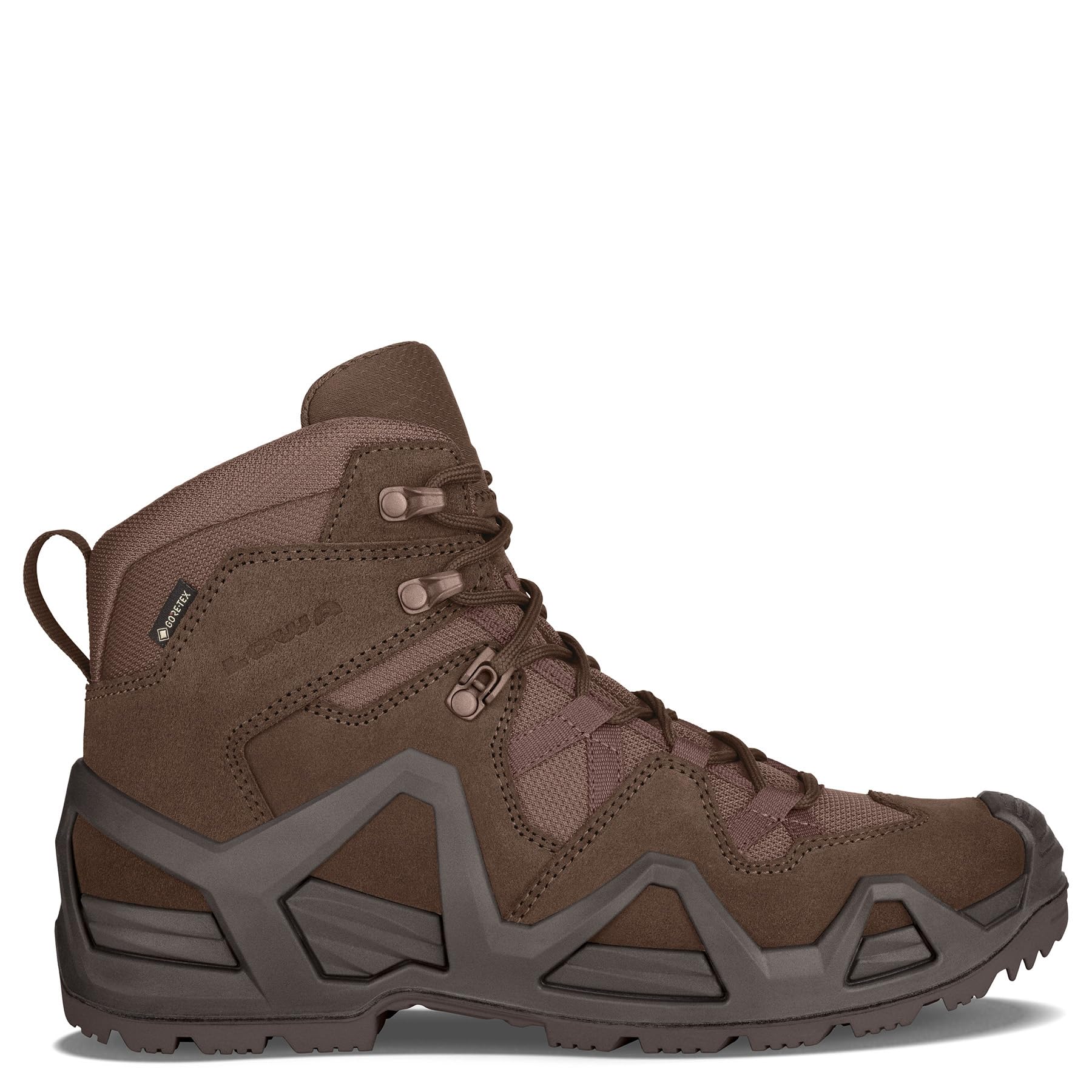
The Lowa Zephyr MK2 GTX Mid sets the standard for rucking boots that need to handle everything from paved roads to off-trail mountain terrain. Its mid-height collar provides ample ankle stability without the weight penalty of a full 8-inch shaft, and the Gore-Tex lining keeps feet dry through stream crossings and rain-soaked grass. Multiple reviewers with infantry backgrounds confirm these boots survived deployments in Afghanistan with consistent performance — a strong endorsement for load-bearing durability.
The outsole uses Lowa’s own rubber compound, which is harder-wearing than many Vibram variants, and the boot is re-soleable, extending its usable life well past the point where most competitors are discarded. The fit matches the Salomon Quest 4D series but the Zephyr is lighter, making it a favorite for ruckers who cover long distances and need to shave ounces. A few buyers noted the boot arrived in plastic wrap rather than a box due to customs handling, but no one complained about the build quality or out-of-box comfort.
Downsides are few but real: the wet-smooth surface grip is slightly less aggressive than the Quest 4D, and the initial price point puts it in premium territory. For ruckers who plan to put 500+ miles on a pair, the re-soleable construction makes the long-term cost per mile lower than cheaper boots that need full replacement every year. Apply a waterproofing treatment before field use to maximize the Gore-Tex durability.
Why it’s great
- Re-soleable design extends boot life significantly
- Gore-Tex liner provides reliable waterproofing
- Lighter than comparable tactical boots in same class
Good to know
- Premium investment; initial cost is high
- Grip on wet smooth surfaces is slightly reduced
2. Garmont Combat Boot

Garmont has been a go-to for infantry units worldwide for decades, and their current combat boot carries that legacy into the rucking world. The 8-inch leather upper uses double stitching at stress points — the heel counter, the eyelet rows, and the ankle collar — so it stands up to months of field abuse without tearing. One reviewer noted his first pair survived 19 years of service including a tour in Iraq, which is an extreme but telling example of the build quality.
The out-of-box comfort is almost instant, with several buyers reporting zero break-in period and immediate comfort on 9-mile hikes. The leather is supple enough to mold to your foot after a few wears but stiff enough to provide lateral stability under heavy weight. The boot fits true to size for most, though wide-foot buyers should order the wide option. Customers consistently mention that the boot feels lighter than it looks, which matters for ruckers trying to keep total weight manageable.
The main limitation is the lack of a waterproof membrane — the Garmont uses a traditional leather-and-nylon build that will wet out in prolonged rain or deep puddles. One reviewer developed a hole in the interior toe box after a year, though that appears to be a rare defect rather than a pattern. For dry-climate ruckers or those who prioritize breathability and toughness over waterproofing, this boot is a top-tier choice.
Why it’s great
- Proven military-grade durability across years of field use
- Double stitching at all stress points
- Minimal to zero break-in period
Good to know
- Not waterproof — will wet out in heavy rain
- Rare interior wear issue reported after extended use
3. Rocky S2V Tactical Military Boot

The Rocky S2V is the boot that many service members swear by for its 100% waterproof construction and ability to survive years of heavy infantry use. Multiple reviewers mention buying three or more pairs over their career, with one noting his boots lasted over five years of consistent wear before needing replacement. The black leather variant is stiffer out of the box than the tan version, so plan for a short break-in period if you choose the darker color.
The outsole uses a proprietary rubber compound designed for durability on concrete and asphalt — a common surface for urban ruckers. The boot runs cool and comfortable once broken in, though the soles may wear faster if you regularly ruck with 65-80 pound loads on pavement. Some law enforcement users noted the sole is not ideal for wet slick concrete, but for trail and general rucking it provides reliable traction. The fit is consistent across purchases, so if you dial in your size once, you can reorder confidently.
The trade-off is a stiff feel initially and a noticeable squeak when walking on hard surfaces. The price is at the top end of the list, but the lifespan and waterproofing justify it for ruckers who train in wet environments. For infantry-grade abuse, very few boots match the S2V’s overall track record.
Why it’s great
- 100% waterproof — ideal for wet-condition rucking
- Proven 5+ year lifespan for many users
- Consistent sizing across multiple purchases
Good to know
- Initial stiffness requires a short break-in
- Noticeable squeak on hard surfaces
4. Danner Tanicus Military Boot
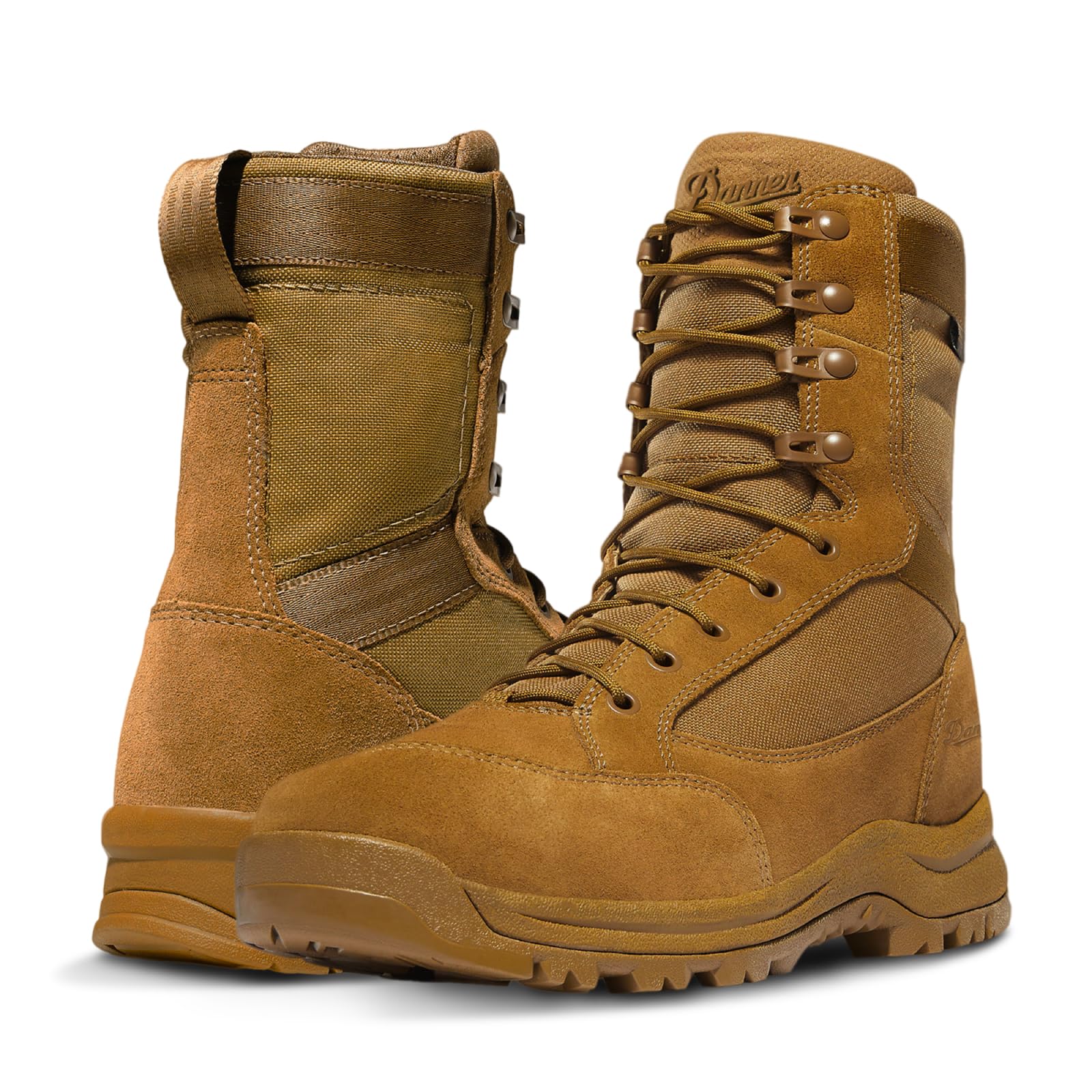
The Danner Tanicus is purpose-built for hot-weather rucking where breathability and drainage matter more than waterproof membranes that trap heat. The rough-out leather and 1000D nylon upper allow air to flow freely and water to drain out quickly if you cross a stream or get caught in a downpour. Multiple reviewers who used this boot for years in humid summer conditions confirm it stays cool and comfortable even during all-day wear.
The boot is AR 670-1 certified for military uniform compliance, making it a direct fit for service members. The out-of-box comfort is high — several customers described it as the most comfortable boot they’ve ever slipped on — though the arch support is minimal and most users recommend swapping the factory insoles for a supportive aftermarket pair. The outsole offers good grip on rocky terrain and the tall shaft keeps sand and debris out, which is valuable for trail ruckers in dry environments.
Durability is strong but not bulletproof: stitching on the outer ball of the foot may wear after two to three years of heavy use, and the non-waterproof construction means water will seep through the sides after prolonged exposure. For ruckers in hot, dry climates who prioritize breathability and comfort over waterproofing, the Tanicus offers excellent mid-range value with a proven multi-year track record.
Why it’s great
- Highly breathable and quick-draining in wet conditions
- Comfortable from day one with minimal break-in
- AR 670-1 compliant for military use
Good to know
- Factory insoles lack arch support — aftermarket recommended
- Not waterproof; water seeps through sides over time
5. Merrell Moab 3 8” Tactical Zip Waterproof Boot

The Merrell Moab 3 Tactical brings the famous Moab platform into a military-height boot with the added convenience of a side zipper. For ruckers who want to get boots on and off quickly — especially after a long session when your feet are swollen and tired — the zipper eliminates the need to fully re-lace every time. The boot uses a Vibram outsole that provides reliable traction on both pavement and packed trails, and the cushioning feels like a sneaker rather than a stiff combat boot.
Buyers with wide feet consistently report a good fit, though the boot runs slightly long; several reviewers recommend ordering half a size down from your usual sneaker size. The waterproofing holds up in light rain and wet grass but is not fully reliable for stream crossings — a few users noted wet feet after stepping in deeper puddles. The side zipper works well but requires partial unlacing to get a good fit, so it is not a true slip-on solution.
The main drawback is heat retention: the waterproof lining makes the boot quite warm in summer, with multiple users describing it as “hot” during warm-weather rucking. Some wished for a non-waterproof ventilated version. For ruckers in cooler climates or who need quick-change capability for tactical or work use, this boot offers excellent all-day comfort with minimal compromise.
Why it’s great
- Side zipper speeds up on/off after a session
- Excellent cushioning — feels like a sneaker
- Wide width available, accommodates larger feet
Good to know
- Runs hot in warm weather due to waterproof lining
- Waterproofing is limited in deep water
6. KEEN Targhee 4 Mid Height Waterproof Hiking Boot
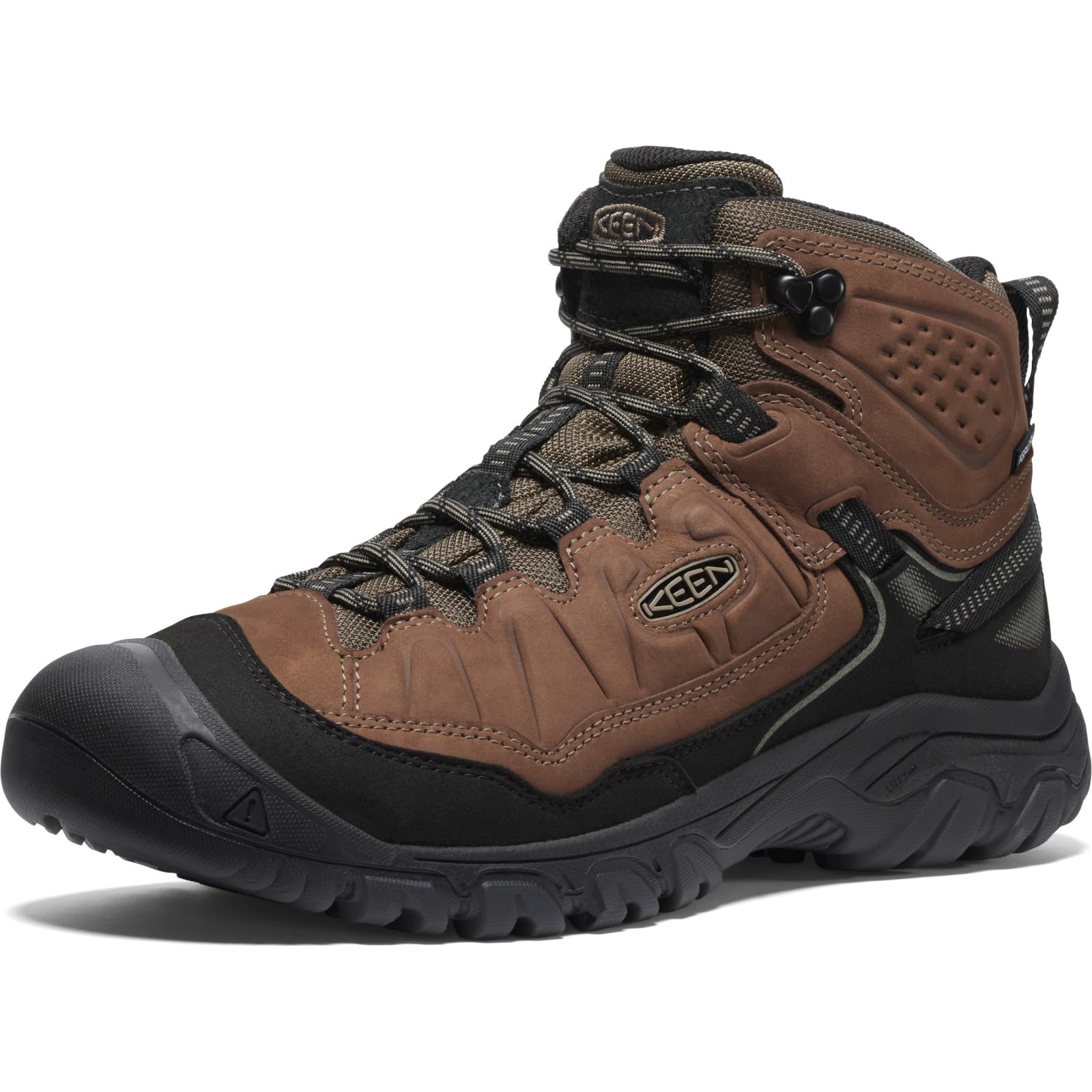
The KEEN Targhee 4 is the best option for ruckers who need a roomy toe box — whether due to wide feet, toe splay preference, or conditions like neuropathy that demand extra space. The mid-height build provides adequate ankle stability for load carriage up to about 40 pounds, though it lacks the reinforced collar of a full tactical boot. The FUSION construction method bonds the upper directly to the outsole without glue, preventing the delamination that often kills hiking boots after a few seasons.
Customer reviews consistently praise the out-of-box comfort, with several noting the boot fits true to size and requires no break-in. One reviewer with neuropathy reported that the KEEN Targhee was the only boot among many tried that allowed them to ruck comfortably with prescription inserts and thick socks. The boot is also lighter than many tactical alternatives — the Generation IV model weighs around 620 grams — which helps reduce fatigue on long rucks.
The trade-off is that the factory insoles are inadequate for heavy load carriage; nearly all long-term users recommend replacing them with the K-30 insoles or an aftermarket orthotic. The waterproofing is reliable for rain and puddles, though one reviewer noted a missed stitch on the left boot that could potentially compromise the membrane. For ruckers who prioritize forefoot space and toe comfort over military-spec ankle rigidity, the Targhee 4 is a strong mid-range choice.
Why it’s great
- Roomy toe box accommodates wide feet and orthotics
- FUSION build prevents sole delamination
- Lightweight, comfortable out of box
Good to know
- Factory insoles lack support for heavy loads
- Rare QC issue with missed stitching
7. Belleville TR501 AMRAP Military Boot
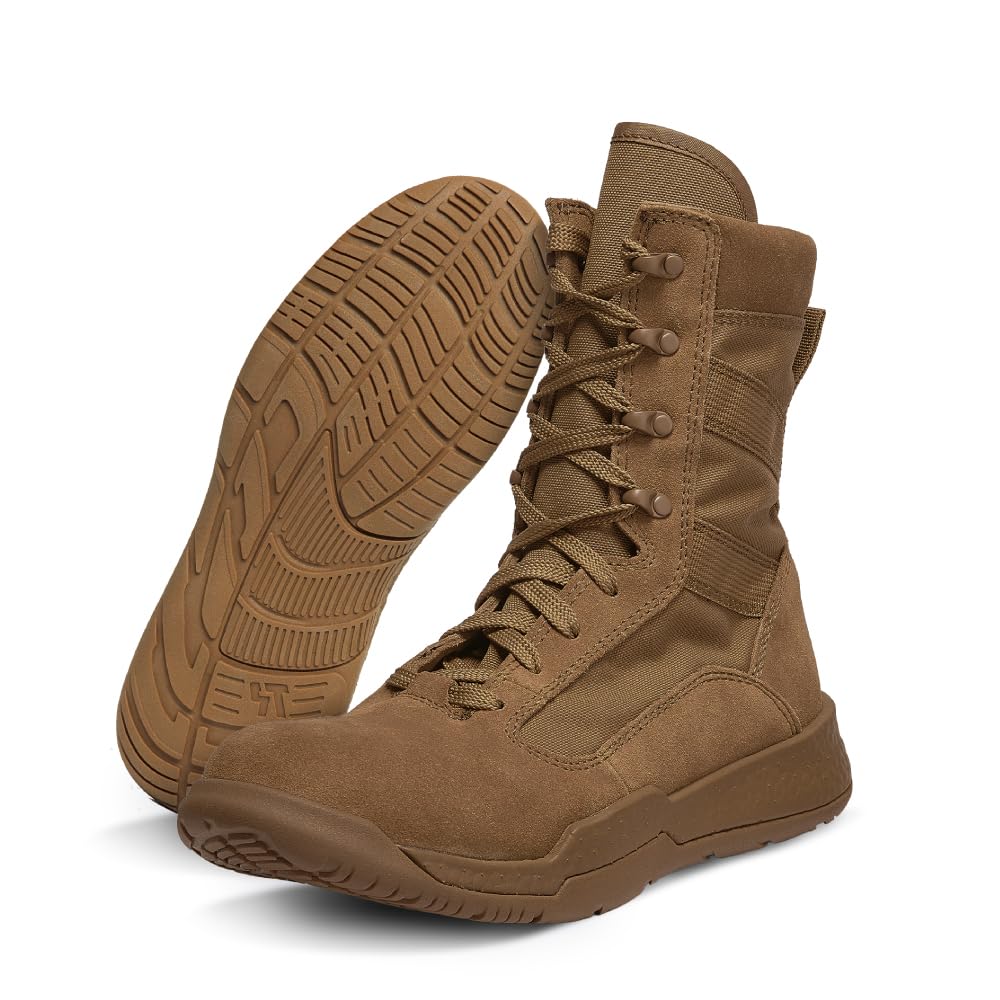
The Belleville TR501 AMRAP combines a zero-drop platform with a sneaker-like EVA outsole, making it one of the most comfortable boots for ruckers who prioritize natural foot positioning. The zero-drop design keeps your spine aligned under a pack, which directly reduces lower back strain during long rucks. The boot is AR 670-1 compliant for military use and the wide toe box allows natural splay, further improving stability under load.
Customer reviews from active-duty soldiers with up to 19 years of service describe the TR501 as the most comfortable boot they have ever owned, with no break-in required. The springy soles absorb impact well and the ankle support is adequate for moderate loads. The boot feels light on the foot — more like a running shoe than a heavy combat boot — which is a major plus for ruckers who cover 10+ miles per session.
However, the EVA outsole is the weakest point: it is very slippery on wet or slick terrain, and it wears faster than rubber. Users reported the boot leaking water from puddles and the lace eyelets pulling out within weeks for some. The suede upper also stains easily from water, so a protective treatment is essential. For dry-weather rucking on trails and pavement, it is a fantastic lightweight option, but it is not built for wet or rugged field conditions.
Why it’s great
- Zero-drop platform improves spinal alignment under load
- Wide toe box allows natural foot splay
- Very light — feels like a running shoe
Good to know
- EVA outsole is slippery on wet surfaces
- Lace eyelets and waterproofing are weak points
8. Oakley Field Assault Military Boot
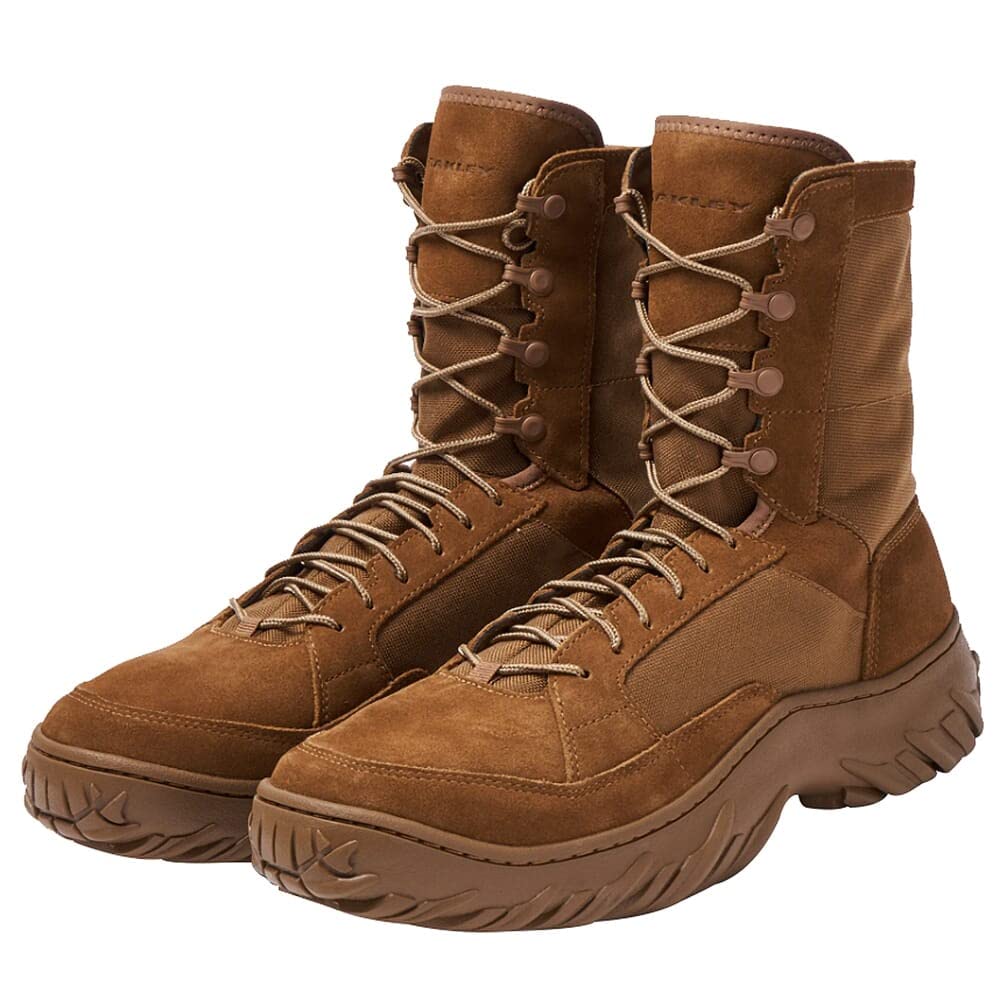
The Oakley Field Assault is a lightweight hybrid boot that bridges the gap between a running shoe and a tactical boot, making it ideal for speed ruckers who want to maintain a fast pace without sacrificing all ankle support. The cushioning is comparable to a high-mileage running shoe — soft, responsive, and comfortable for long distances. The zero toe drop design keeps your foot flat, and multiple reviewers with foot issues reported zero blisters even during extended wear.
Buyers consistently praise the out-of-box comfort, with no break-in period required. The boot is noticeably lighter than most tactical options, and the semi-soft rubber sole provides excellent traction on steep, uneven paths. Several military users reported wearing these for 12-16 hour shifts with zero complaints about fatigue or hot spots. The suede and nylon upper breathes well, and the boot holds up surprisingly well for its weight class — many users reported 6-12 months of active duty use before replacement.
The soft rubber sole is the primary trade-off: it wears faster on concrete and rocky terrain, so pavement-heavy ruckers should expect to replace them more often. Sizing can also be tricky — reviewers strongly suggest ordering half a size down from your normal measurement. The boot also lacks internal padding, so wearing thick socks is necessary for comfort. For ruckers who prioritize speed and cushioning over maximum durability, the Field Assault is a standout choice.
Why it’s great
- Running shoe cushioning for all-day comfort
- Zero toe drop reduces injury risk
- Very lightweight and breathable
Good to know
- Soft rubber sole wears quickly on concrete
- Sizing runs large — order half size down
9. 5.11 Tactical Speed 3.0 Side Zip Combat Boot

The 5.11 Tactical Speed 3.0 is a solid entry-level boot for ruckers who want reliable construction without spending for premium features. The side zip makes getting in and out fast, and buyers consistently report minimal or zero break-in time — the boot feels comfortable straight out of the box. Multiple long-term users report it is the only boot they wear, with one customer on his fifth pair since 2017, calling them the best boots he has ever owned.
The leather upper provides decent ankle support for moderate loads (up to about 40-45 pounds), and the boot holds up well for general outdoor use and light hiking. One reviewer used them for 11 months of heavy forest work — sawmilling and logging — with monthly oiling, and found the quality impressive for the price point. The sole is stitched and glued and provides adequate traction on dry ground and light trail.
Durability is the main caveat: the sole can separate from the upper after extended heavy use, especially under conditions more punishing than standard rucking. Some buyers also reported occasional quality control issues, like scuffs or missing shoe soles in the box. For ruckers on a budget or those who want a low-commitment first pair to test the hobby, the Speed 3.0 offers good value, but serious load carriage may require a more robust boot down the line.
Why it’s great
- Very comfortable with zero break-in needed
- Side zip for quick on/off convenience
- Budget-friendly entry into tactical boots
Good to know
- Sole delamination possible under extreme heavy use
- Occasional quality control issues reported
FAQ
Can I use regular hiking boots for rucking with 50+ pounds?
What size should I order for a rucking boot compared to my sneaker size?
How often should I replace my rucking boots?
Are waterproof boots necessary for rucking?
Do I need aftermarket insoles for rucking boots?
Final Thoughts: The Verdict
For most users, the boots for rucking winner is the Lowa Zephyr MK2 GTX Mid because it balances lightweight build, re-soleable durability, and Gore-Tex waterproofing into a single boot that handles everything from pavement miles to off-trail rucking. If you want maximum infantry-grade toughness and don’t mind a break-in period, grab the Rocky S2V Tactical. For budget-conscious beginners or those wanting a low-commitment entry, the 5.11 Tactical Speed 3.0 delivers solid performance at the lowest price point.