
Our readers keep the lights on and the weekend projects moving. As an Amazon Associate, I earn from qualifying purchases.
That worn-down outer edge on every pair of shoes you own isn’t just cosmetic—it’s a clear signal your foot rolls outward when you walk or run. This motion, supination, places uneven pressure on the lateral side of the foot, leading to ankle instability, shin splints, and stress fractures over time. Choosing footwear built with structured medial support and a stable platform can correct this gait pattern and prevent injuries before they start.
I’m Rikta — the co-founder and writer behind FitlyFast. I’ve spent countless hours analyzing gait biomechanics and sifting through spec sheets for stability-focused footwear, evaluating medial post density, heel-to-toe drop, and outsole geometry to find the models that genuinely counter supination.
This guide breaks down nine of the most reliable stability and structured cushioning models on the market, each chosen for its ability to realign the foot during the gait cycle and absorb shock on the lateral edge. You can use this research to find the best boots for supination that match your arch type and daily mileage.
How To Choose The Best Boots For Supination
Supination—also called underpronation—means your weight stays on the outside of your foot through the push-off phase. The right shoe must guide the foot back toward a neutral position without forcing overcorrection. Look for a combination of a firm medial post, a moderate heel-to-toe drop (8-12mm), and a broad outsole base that resists lateral roll.
GuideRail and Medial Post Technology
Brands like Brooks use GuideRails—denser foam or plastic walls on the inner side of the heel—to keep excessive motion in check. Saucony and ASICS use traditional medial posts that extend from the heel to the midfoot. For supination, you need a system that slows lateral drift without adding bulk under the arch itself.
Cushioning Density and Platform Width
Supinators typically prefer firmer cushioning that doesn’t collapse under the lateral edge. Plush foams feel great in the store but can compress unevenly, worsening the outward roll. Look for a wider heel platform and a flared outsole under the forefoot to give your foot a stable landing zone.
Insole and Arch Compatibility
Many supinators have high, rigid arches that need low-profile insoles or custom orthotics. Check if the shoe has a removable sockliner before you buy. A midsole that’s too domed in the arch can create pressure points, while a flat bed lets you drop in your preferred support.
Quick Comparison
On smaller screens, swipe sideways to see the full table.
| Model | Category | Best For | Key Spec | Amazon |
|---|---|---|---|---|
| ASICS GT-2000 14 | Stability | Daily training with lateral support | 8mm drop, FF BLAST MAX foam | Amazon |
| Brooks Beast GTS 26 | Stability | Heavyweight, severe supination | 12mm drop, 351.5g weight | Amazon |
| Brooks Glycerin GTS 23 | Structured Cushion | Long runs, high arches | 8mm drop, 277.8g weight | Amazon |
| New Balance Fresh Foam X Vongo V6 (M) | Stability | Wide feet, orthotic users | Medial zone support, Fresh Foam X | Amazon |
| New Balance Fresh Foam X Vongo V6 (W) | Stability | Overpronation correction | Medial zone support, Fresh Foam X | Amazon |
| Saucony Hurricane 24 | Max Cushion Stability | Injury recovery, plush feel | 9.8oz weight, aggressive rocker | Amazon |
| Saucony Omni 22 | Structured Cushion | All-day wear, wide options | 8mm drop, structured cushioning | Amazon |
| Nike Structure 26 | Stability | Everyday steady runs | ReactX midsole, arch wrap | Amazon |
| Mizuno Wave Inspire 21 | Stability | Walking, plantar fasciitis relief | MIZUNO ENERZY NXT heel | Amazon |
In‑Depth Reviews
1. ASICS Men’s GT-2000 14
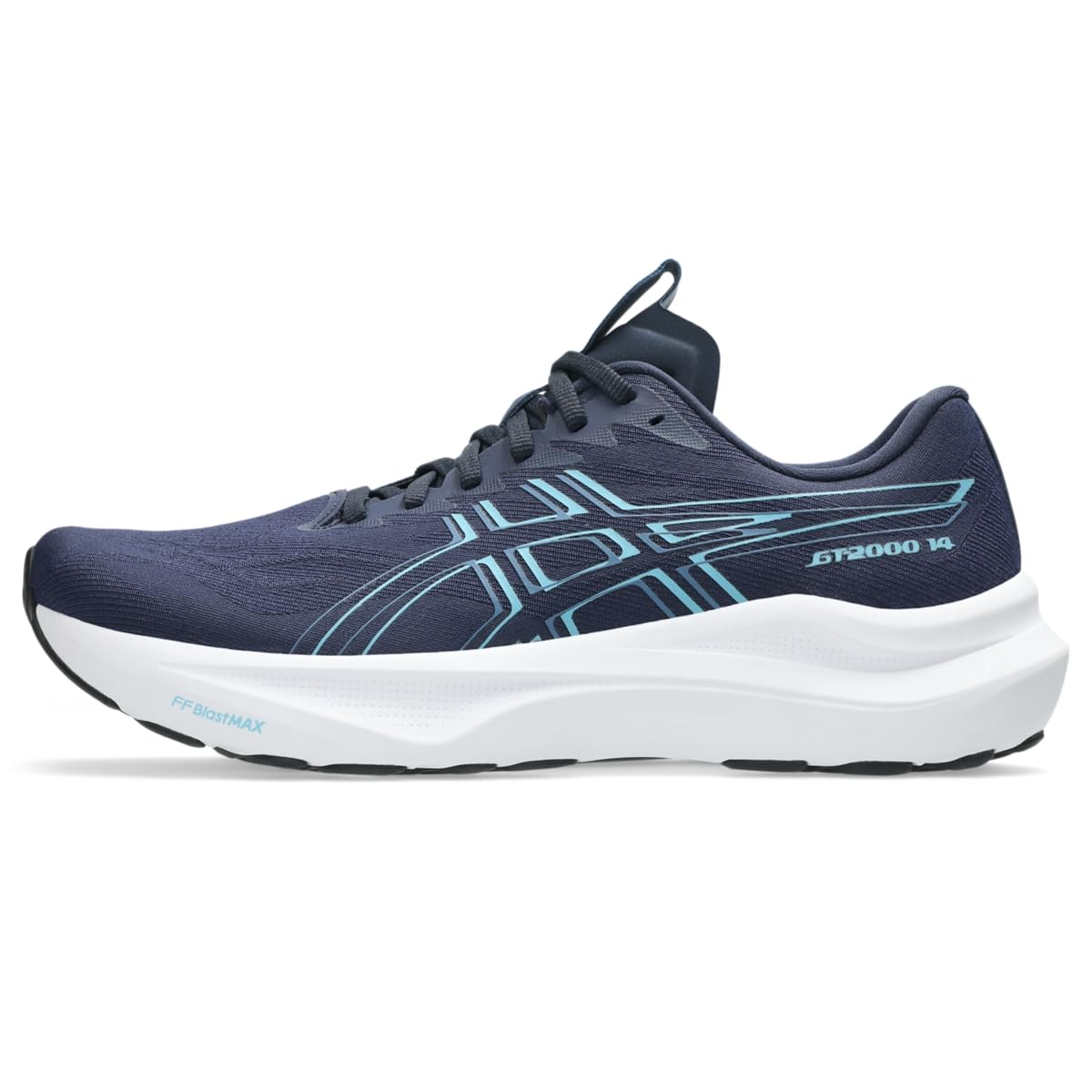
The ASICS GT-2000 14 is the latest iteration of a stability stalwart, now featuring FF BLAST MAX foam for a lighter, more responsive ride that still provides reliable lateral support. The midsole density is tuned to resist collapse on the lateral edge, making it a strong pick for supinators who log daily miles. The APMA acceptance seal adds clinical reassurance that the shoe promotes good foot health.
Users report that the 14th version offers a wider toe box and a padded tongue, a direct fix for earlier fit complaints. The structure manages to feel neutral while still providing a steady platform—ideal for runners who dislike an aggressive medial post but still need guidance against outward roll. The 8mm drop keeps the calf engaged without straining the Achilles.
The outsole durability holds up well over a year of regular use, and the material resists staining better than some competing models. For supinators who want a do-everything trainer from recovery runs to tempo work, this shoe delivers the most balanced mix of weight, cushioning, and lateral control.
Why it’s great
- FF BLAST MAX foam is lightweight yet firm enough to resist lateral compression
- APMA-recognized for promoting good foot health
- Outsole cleanliness holds up better than competitors after a year of wear
Good to know
- Available in wide sizes but narrow fit can still be tight in midfoot for some
- Upper mesh may lack breathability for hot-weather runs
2. Brooks Men’s Beast GTS 26
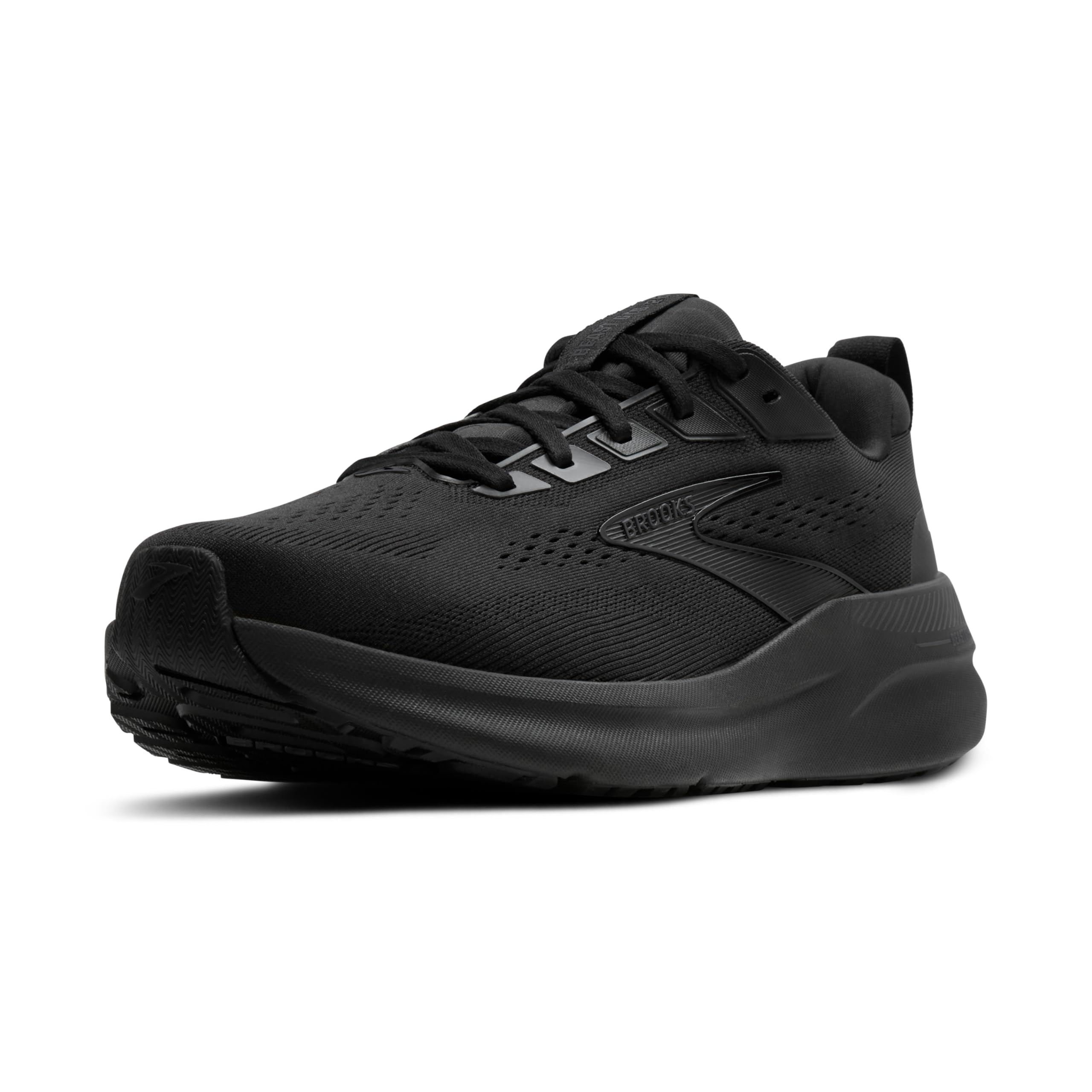
The Brooks Beast GTS 26 is built for the heavy supinator—literally and biomechanically. With a 12mm drop and a wide, flared outsole that extends under the forefoot, this shoe provides the widest landing base in the lineup. The GuideRails system works holistically, not just on the medial side, to keep the entire gait path aligned without impeding natural motion.
Reviewers who have worn the Beast series for decades note the 26th version finally returns to the fit of the classic GTS20, with a firm, durable insole that doesn’t compress into a squishy mess under heavier loads. The padded collar and rubber toe bumper add structure, while the one-piece thick outsole with slip-resistant tread delivers lasting traction. The shoe is heavy at 351.5g, but that mass translates directly into stability for users with wider feet or higher body weight.
One recurring detail is the short laces on the extra wide (4E) version—users recommend swapping in longer laces for a proper heel lock. If your supination is severe and you need a bombproof platform for walking, pickleball, or daily shuffling, this shoe is the most reliable option available.
Why it’s great
- Widest heel platform in the group for maximum lateral stability
- Firm, non-squishy insole is ideal for orthotics and heavy weight
- Flared outsole under forefoot adds extra catch against outward roll
Good to know
- Short laces on 4E width make heel lock difficult without replacement
- Weight may feel cumbersome for speed work or long runs
3. Brooks Women’s Glycerin GTS 23
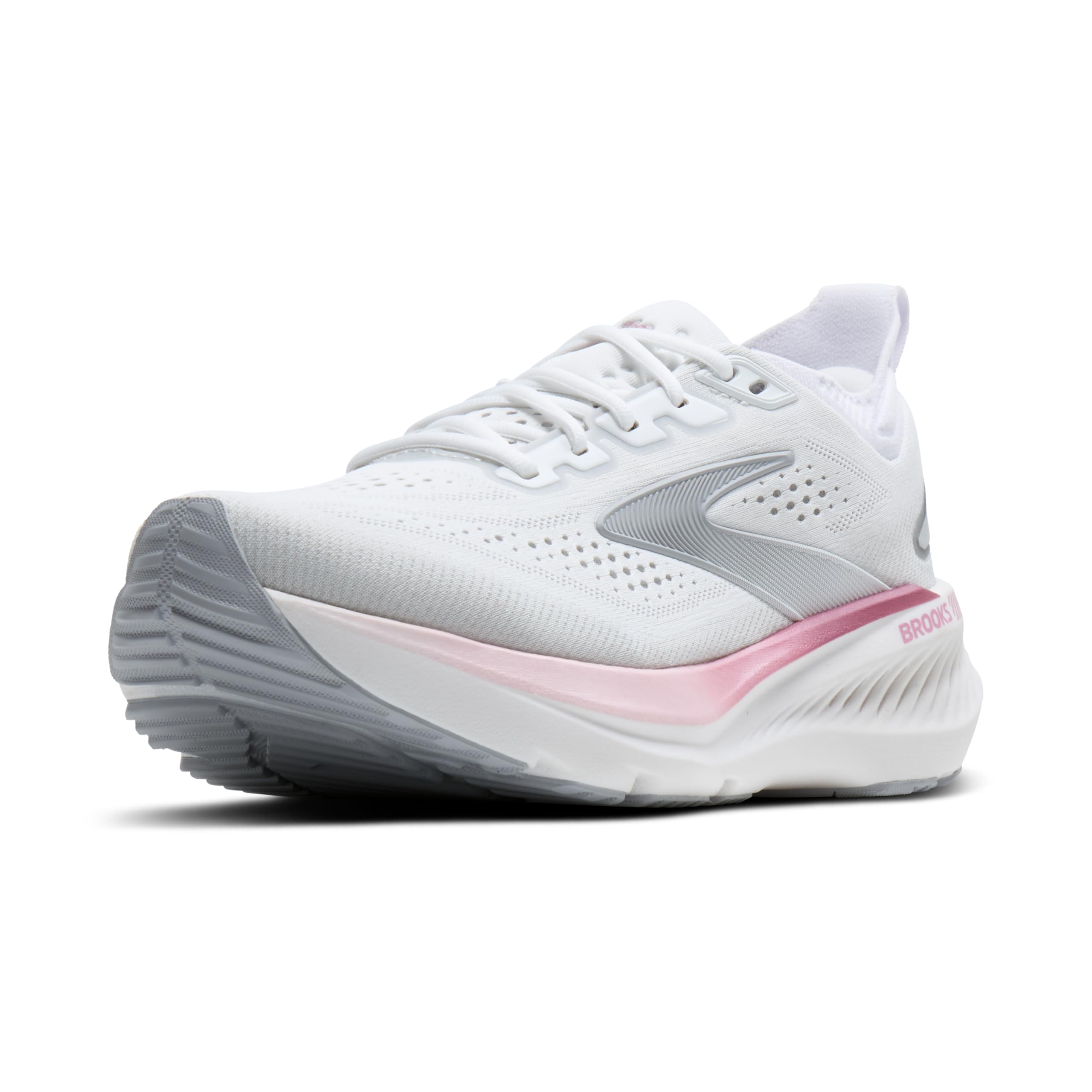
The Brooks Glycerin GTS 23 marries the plush Glycerin midsole with the GuideRails holistic support system, making it a standout for supinators who want soft landings without sacrificing gait guidance. The 8mm drop and 277.8g weight place it in the lightweight stability category, and the DNA LOFT v3 cushioning is bouncy without collapsing under the lateral edge—critical for those whose foot rolls outward.
User feedback consistently praises the arch support, which feels substantial without being stiff. One verified buyer with plantar fasciitis reported complete relief after switching to this model. The wide width availability (up to 2E) accommodates high-volume feet, and the stretch-woven upper adapts without creating pressure points over the toes.
The main tradeoff is that the plush foam, while comfortable for everyday wear and runs up to 10 miles, can feel unstable on very long walking days (9k+ steps). The shoe’s strength is its versatility for daily road running and casual walking—not loaded touring. For supinators who prioritize a soft ride with integrated support, this is the best mid-range pick.
Why it’s great
- GuideRails support without aggressive medial post bulk
- Lightweight at 277.8g despite plush cushioning
- Excellent plantar fasciitis relief reported by verified users
Good to know
- Plush foam can feel unstable on very long walking days
- Higher price point in the mid-range tier
4. New Balance Men’s Fresh Foam X Vongo V6
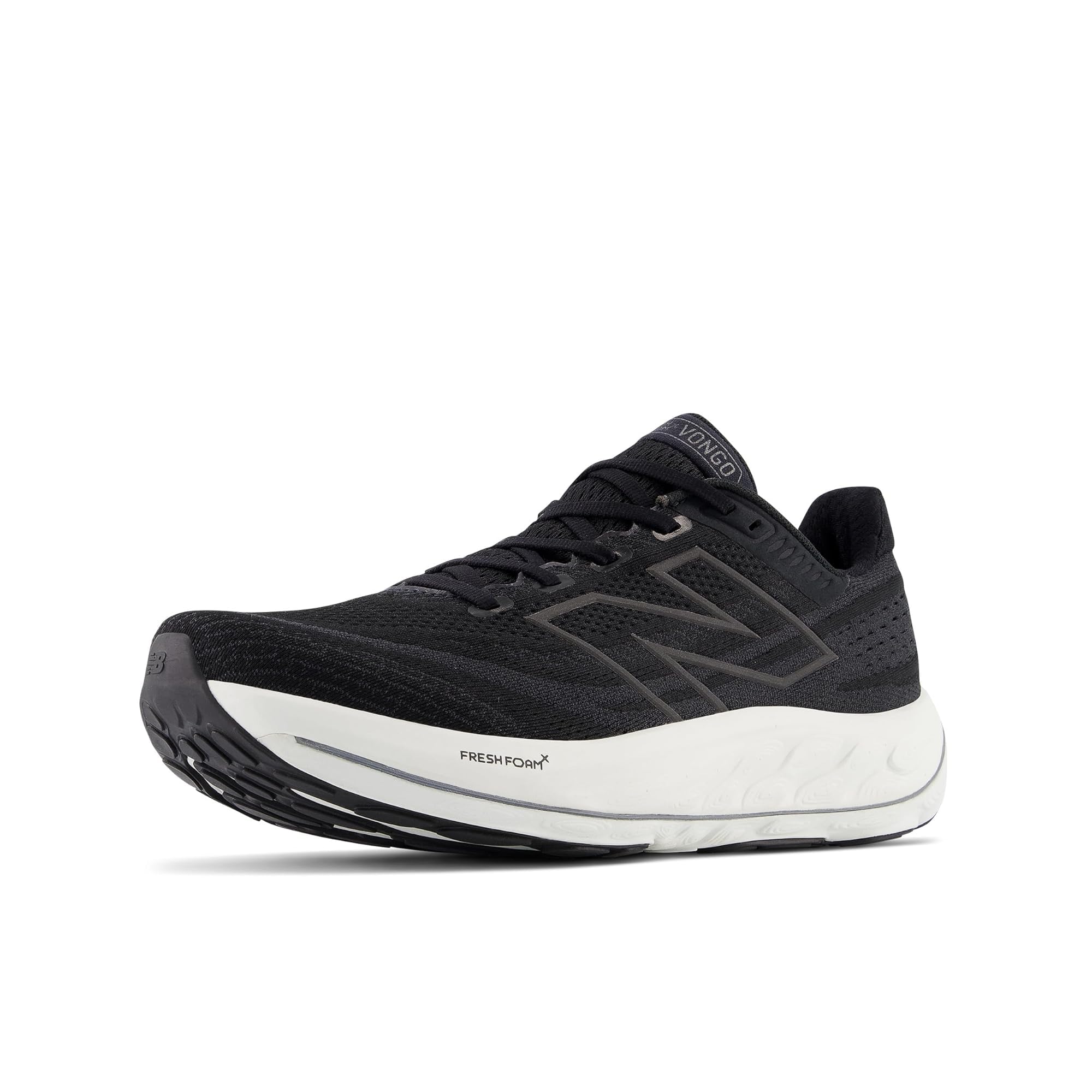
The New Balance Fresh Foam X Vongo V6 uses a medial zone support system built into the Fresh Foam X midsole—a softer, more adaptable approach than a rigid plastic post. This design is particularly effective for supinators who need lateral guidance but find traditional medial posts too aggressive. The foam is soft on initial step-in but firms up under compression to resist outward roll during push-off.
Users consistently note the generous toe box room, which allows the toes to splay naturally while the heel is held securely. Multiple reviews highlight that the shoe is podiatrist-recommended for wide feet, high arches, and plantar fasciitis, and that the removable sockliner accommodates custom orthotics without raising the foot too high inside the shoe.
One reported quirk: some users experience slight heel slippage if the laces aren’t cinched tightly. The shoe’s internal heel counter is less aggressive than competitors, which improves comfort but may require a runner’s knot for a locked fit. Overall, this is a capable mid-range stability shoe for supinators with wider feet who prefer a less intrusive support system.
Why it’s great
- Medial zone foam softens on landing but firms under load for lateral resistance
- Removable sockliner is orthotic-friendly with ample toe box room
- Podiatrist-recommended for wide feet and high arches
Good to know
- Heel counter is less rigid, causing slippage for some unless tied tightly
- Midsole may feel too soft for those accustomed to firm stability platforms
5. New Balance Women’s Fresh Foam X Vongo V6
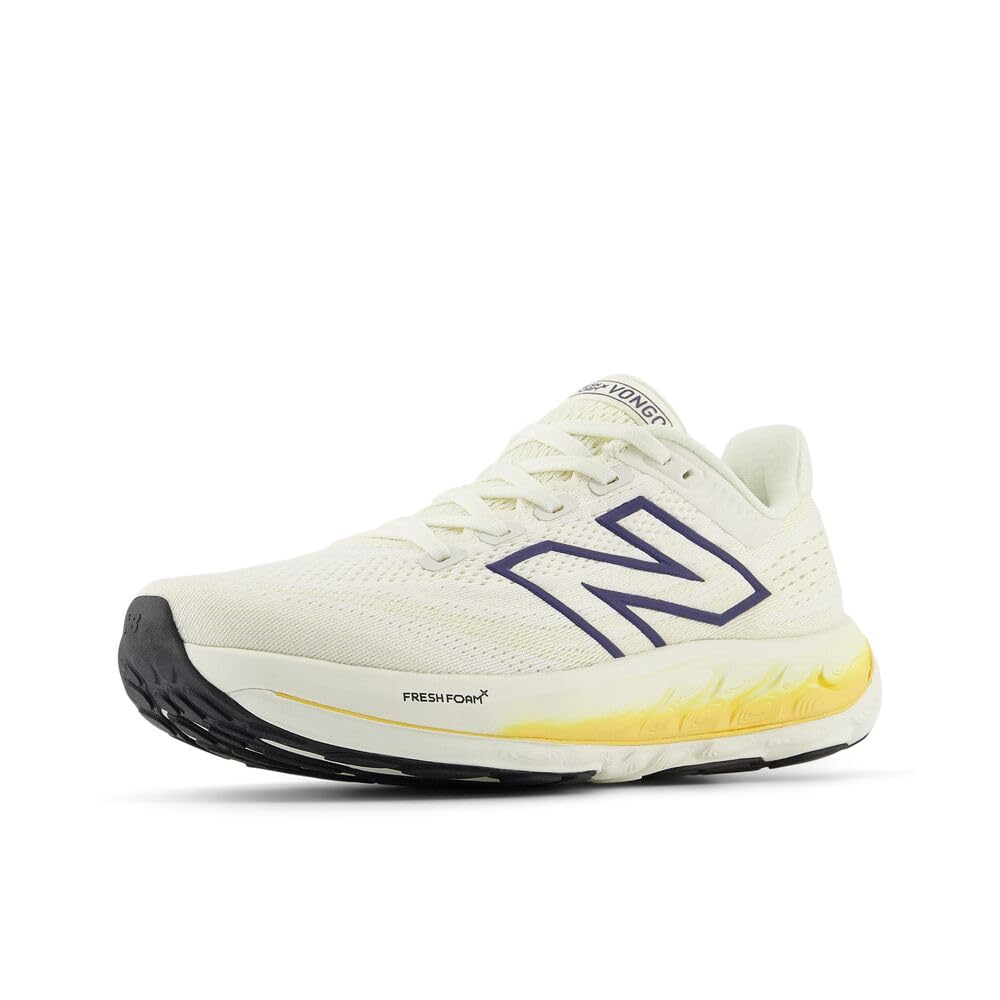
The women’s version of the Vongo V6 mirrors the men’s medial zone approach with a last tuned for female foot geometry—narrower heel and higher instep. The Fresh Foam X midsole delivers the same dual-phase firmness: soft at impact, supportive through midstance. Users report zero break-in time, with one reviewer wearing them for 12-hour shifts without foot fatigue.
Feedback is strong on the shoe’s ability to reduce overpronation and the resulting back pain. The wide base under the heel keeps the foot centered, and the outsole flares slightly to catch lateral drift. For supinators who spend all day on their feet, the balanced cushioning prevents the uneven foam compression that worsens outward roll.
Some users note that the regular width feels snug in the midfoot; ordering wide may be advisable if you have a high-volume foot or plan to use orthotics. The fit inconsistency between pairs is a minor frustration, but the overall build quality and durability—combined with machine-washable construction—make this a strong mid-range contender for women with supination.
Why it’s great
- No-break-in comfort suited for 12-hour standing shifts
- Wide base under heel reduces lateral drift effectively
- Machine-washable material holds up after repeated cleaning
Good to know
- Regular width can be tight for high-volume feet
- Inconsistent sizing reported between different colorways
6. Saucony Women’s Hurricane 24
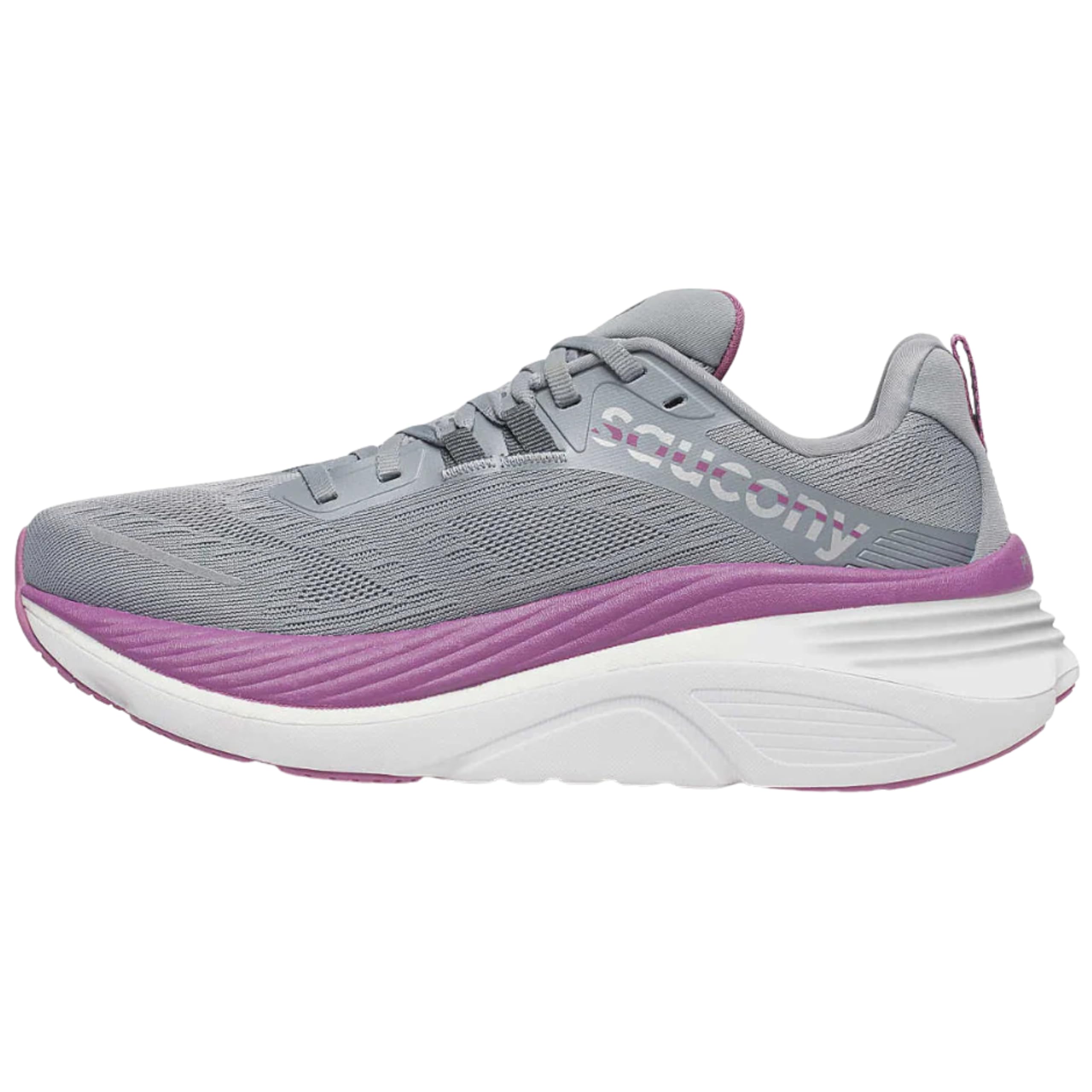
The Hurricane 24 is Saucony’s most premium stability model, pairing an aggressive toe rocker with a very thick, squishy stack of PWRRUN PB foam. The midsole is designed to guide the foot through transition without requiring a stiff medial post—the geometry itself encourages a neutral path. For supinators recovering from injury, this plush but supportive platform reduces impact shock on the lateral knee and ankle.
Users report excellent arch support and noticeable reduction in foot pain, with one reviewer noting it helped resolve hammer toe and tendon pain. The shoe’s chunky platform feels stable underfoot despite the 9.8oz weight, and the wide toe box with a narrower heel creates a secure fit that prevents lateral sliding.
The biggest durability concern is the upper mesh. Multiple users report that the fabric stains easily and that the reflective strip began peeling within the first week. The heel collar foam also showed signs of wear sooner than expected. If you prioritize cushioning over long-term upper cosmetics, this shoe delivers unmatched softness for supination support.
Why it’s great
- Aggressive toe rocker smooths transition for supinated gait
- Wide toe box and narrow heel reduce lateral sliding
- Plush cushioning helps resolve hammer toe and tendon pain
Good to know
- Upper mesh stains easily and reflective strip peels early
- Weight is heavy for speed work at 9.8oz
7. Saucony Women’s Omni 22
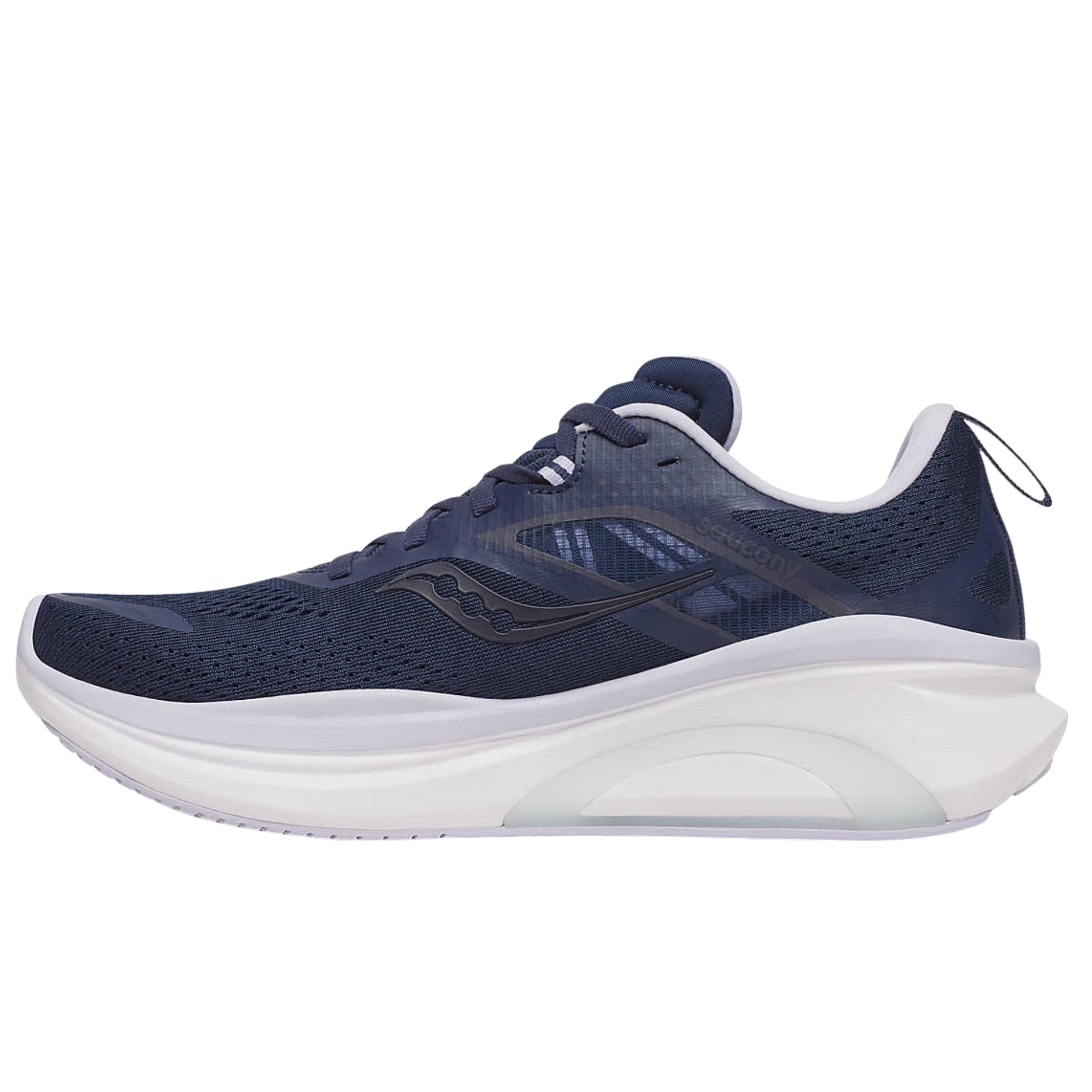
The Saucony Omni 22 offers structured cushioning designed for feel-good running, with an 8mm heel-to-toe drop and a firm medial post that guides the foot without feeling obtrusive. The upper is highly breathable, making it a strong choice for warm-weather runners who supinate. The Omni line has a loyal following, and the 22nd version remains true to the structured-cushion formula that balances support with flexibility.
Users praise the Omni for being comfortable straight out of the box, requiring zero break-in period even for long conference days with heavy walking. The arch support is substantial enough for high arches, and the wide width option is a reliable fit that doesn’t pinch the ball of the foot. The shoe’s durability holds up well under daily wear, with the outsole showing minimal wear after months of use.
Fit consistency is the weak point: several users reported receiving used or wrong-size shoes when ordering online, and the color selection in wide widths is limited. The Omni 22 is narrower than some competitors, so supinators with very wide feet may need to try the wide size or look at the Hurricane instead.
Why it’s great
- Breathable upper suitable for warm-weather running
- Substantial arch support for high arches and knee pain relief
- Zero break-in period required for all-day wear
Good to know
- Narrower profile may require wide size for supinators with broader feet
- Inconsistent quality control and color variety in wide widths
8. Nike Mens Structure 26

The Nike Structure 26 brings a full-length ReactX midsole paired with a midfoot support system that wraps around the arch and heel, providing a firm platform that counteracts lateral roll. The ReactX foam is responsive and durable, and it’s tuned slightly firmer than the neutral Nike models to resist compression on the outside edge. The arch wrap—a plastic overlay that bridges the medial and lateral sides—gives targeted support without adding a heavy medial post.
Users report the shoe offers excellent stability for everyday runs, with a smooth heel-to-toe transition that helps supinators maintain a steady stride. The upper is well-ventilated and the fit is true to size for most foot shapes. Several reviewers note that the shoe works well for cross-training activities like tennis and running, highlighting its versatility.
The main issue is recent quality control. Multiple verified buyers received the shoe without its original box, which suggests the product may not be consistently handled in fulfillment. The Structure 26 is a solid choice for supinators who want a lightweight stability shoe that doesn’t feel bulky, but you may want to verify packaging and condition upon delivery.
Why it’s great
- Midfoot arch wrap provides targeted lateral support without bulk
- ReactX foam is durable and resists compression on the outer edge
- Versatile for running and court sports
Good to know
- Inconsistent fulfillment—some orders arrive without original packaging
- Arch wrap may feel intrusive for runners with low arches
9. Mizuno Women’s Wave Inspire 21
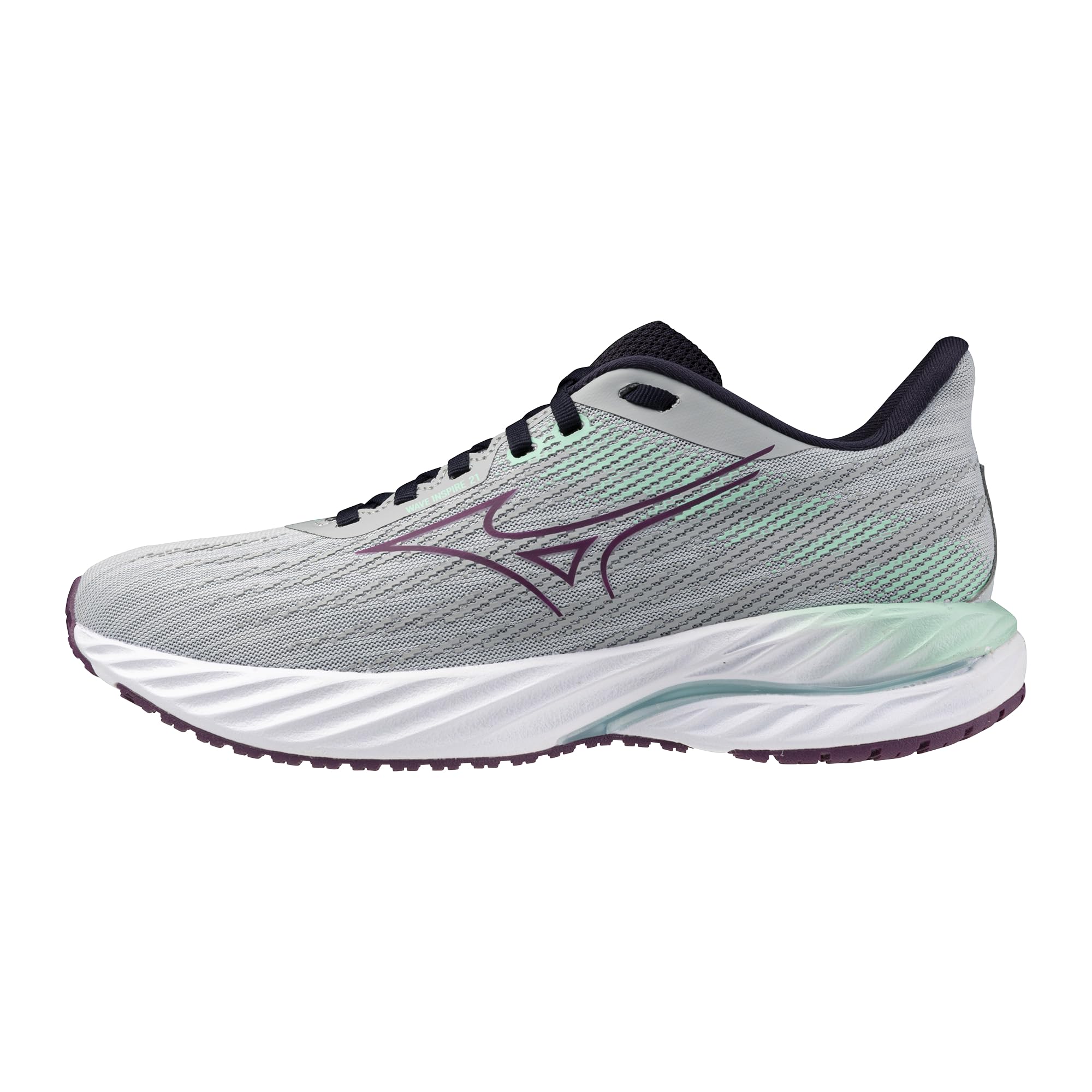
The Mizuno Wave Inspire 21 is a budget-friendly stability shoe that uses the Wave plate technology—a corrugated plastic shank that runs through the midsole—to provide stiffness on the medial side while allowing flexibility on the lateral side. This makes it a solid entry-level option for supinators who need guidance but aren’t ready for a high-premium price tag. The MIZUNO ENERZY NXT foam in the heel softens landings without compromising the plate’s corrective structure.
Users consistently highlight the shoe’s excellent arch support, with several reviewers switching from Brooks models after finding the Inspire more comfortable for walking. Plantar fasciitis sufferers report significant pain reduction thanks to the firm yet forgiving platform. The shoe is lightweight and durable, holding up well for daily training.
The main limitation is that the Wave plate can feel stiff in the forefoot for newer runners or those who prefer a more flexible sole. The toe box is slightly narrower than the New Balance Vongo, so supinators with broader feet may need to size up. For the price, though, the Wave Inspire 21 punches well above its weight in stability features.
Why it’s great
- Wave plate provides targeted medial stiffness without adding bulk
- Highly effective for plantar fasciitis relief
- Lightweight construction for a stability shoe at this price tier
Good to know
- Wave plate feels stiff in the forefoot for some runners
- Toe box is narrower; sizing up recommended for wider feet
FAQ
Should I buy a stability shoe or a motion-control shoe for supination?
How does high arch height affect supination shoe selection?
Will a wide toe box help my supination?
Can I wear stability shoes for walking if I have supination?
Final Thoughts: The Verdict
For most users, the boots for supination winner is the ASICS GT-2000 14 because it balances a lightweight, responsive FF BLAST MAX foam with a supportive platform that resists lateral collapse without feeling bulky. If you need a max-stability platform for heavier body weight or severe supination, grab the Brooks Beast GTS 26. And for a plush, GuideRail-driven daily trainer that works for both running and walking, nothing beats the Brooks Glycerin GTS 23.