
Our readers keep the lights on and the weekend projects moving. As an Amazon Associate, I earn from qualifying purchases.
A frozen trail demands more than just a sturdy sole — it requires a boot that fights back against cold, moisture, and slippery ice without sacrificing stride comfort. Find the pair that balances insulation weight, waterproof integrity, and traction pattern so your feet stay warm and stable from trailhead to summit.
I’m Rikta — the co-founder and writer behind FitlyFast. After analyzing hundreds of reviews on insulation grams, outsole lug depth, and waterproof membrane durability, I’ve matched each boot to the real-world winter hiking conditions where it performs best.
The right pair of winter hiking boots keeps you moving when temperatures drop and the trail turns white. This guide breaks down the best options available to help you find the ideal boots for winter hiking that match your terrain and climate.
How To Choose The Best Boots For Winter Hiking
Winter hiking boots are a different animal from three-season hikers. They need insulation to trap warmth, a reliable waterproof membrane to block snowmelt, and an outsole with deep, aggressive lugs to bite into ice and packed snow. Here’s what to prioritize.
Insulation Weight: Match It to Your Climate and Pace
Insulation is measured in grams — typically 200g or 400g. Lighter 200g insulation works well for moderate cold or high-output hiking where your body generates heat. Heavier 400g insulation is better for sedentary use or extreme cold below freezing, but can cause sweating if you hike aggressively. Choose based on your typical temperature range and how hard you push.
Waterproof Membrane: Breathability vs. Full Barrier
Most winter boots use a waterproof breathable membrane — such as B-DRY, Omni-Tech, or the brand’s own treated leather and liner combo. A fully waterproof boot keeps slush and snow out, but breathability matters if you hike hard. If the membrane traps too much moisture, your socks get wet from sweat, which then freezes and chills your feet. Look for membranes that balance protection with vapor permeability.
Traction and Outsole Design
Winter outsoles need deeper, more widely spaced lugs than standard hikers to shed snow and bite into ice. Look for exaggerated tread patterns with self-cleaning channels. Some brands add special rubber compounds that stay grippy in cold temperatures. A boot with a flat, densely packed sole will slide on packed snow and ice, so prioritize aggressive lugs for winter use.
Quick Comparison
On smaller screens, swipe sideways to see the full table.
| Model | Category | Best For | Key Spec | Amazon |
|---|---|---|---|---|
| Oboz Bridger 10″ Insulated B-DRY | Premium | Extreme cold & deep snow | 400g Freeze Guard insulation | Amazon |
| Helly Hansen Garibaldi V3 | Premium | Harsh alpine winter | PRIMALOFT 400g insulation | Amazon |
| The North Face Chilkat V 400 | Mid-Range | All-day winter hikes | 400g premium insulation | Amazon |
| KEEN Revel III Mid Waterproof Insulated | Mid-Range | Long outdoor shifts & snow | 200g thermal heat shield | Amazon |
| KEEN Hightrail Mid Waterproof | Mid-Range | Fast-paced day hikes | Water-resistant leather upper | Amazon |
| Columbia Expeditionist Shield | Mid-Range | Cold-optimized traction | Thermal-reflective insulation | Amazon |
| Merrell Speed Strike 2 Thermo Mid | Mid-Range | Athletic hybrid winter hiking | Sticky trail outsole | Amazon |
| Columbia Firecamp Boot | Budget | Cold-weather casual & light trail | Low-bulk insulation | Amazon |
| Timberland White Ledge Mid Waterproof | Budget | Value-driven easy trails | Seam-sealed waterproof leather | Amazon |
In‑Depth Reviews
1. Oboz Men’s Bridger 10″ Insulated B-DRY
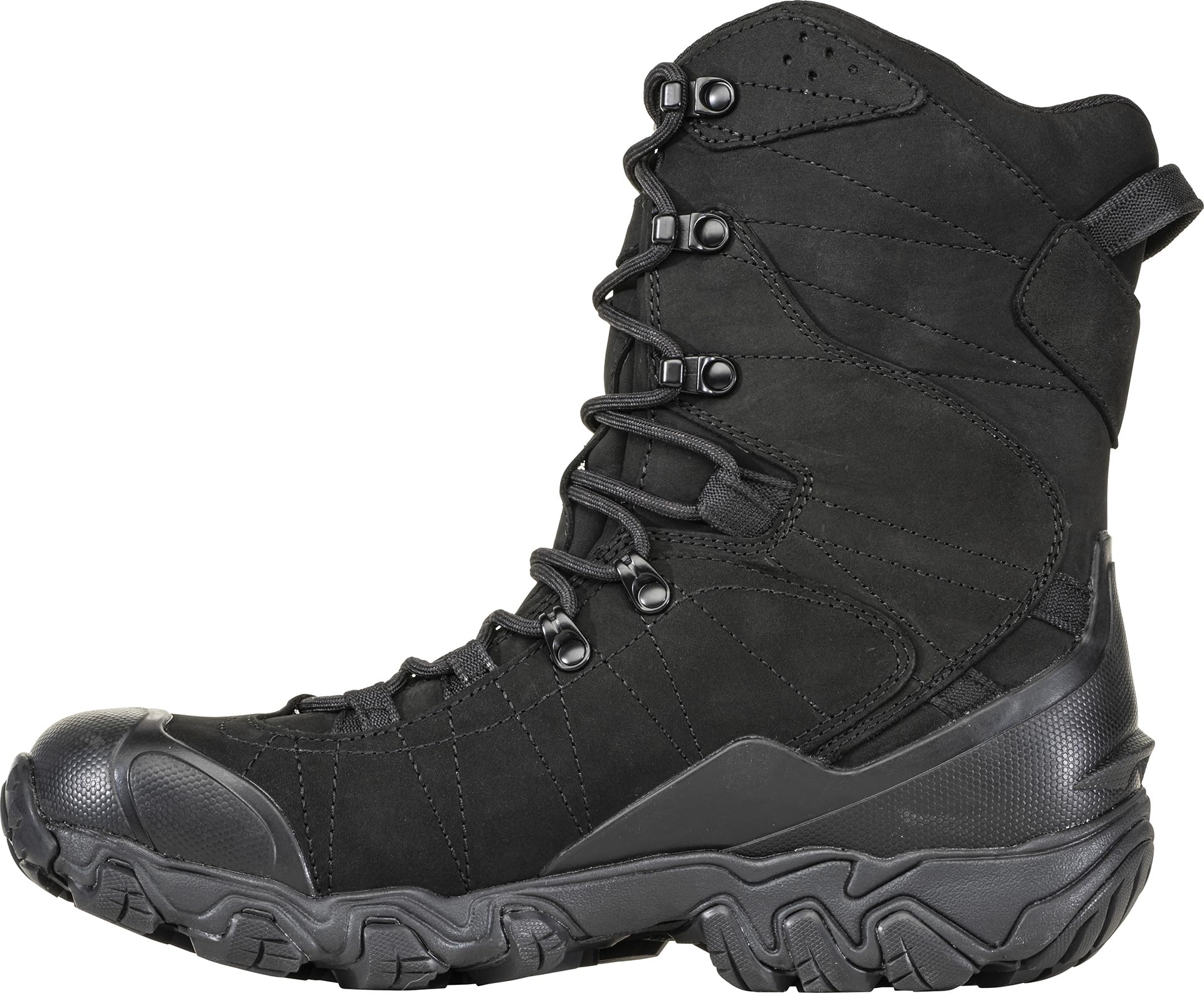
The Oboz Bridger 10″ is the warmest and most burliest boot in this roundup, packing 400 grams of Freeze Guard insulation paired with a B-DRY waterproof membrane. It is purpose-built for sub-zero treks through deep snow and ice, where lesser boots would leave your feet numb within an hour. The DWR nubuck leather upper and molded rubber toe cap add serious durability against sharp ice and rock.
Users consistently praise the comfort out of the box, with no break-in period required. The proprietary O FIT Insole Thermal traps and reflects heat, and the 12mm heel drop provides stability on descents. The only consistent complaint is sizing — many report it runs small and recommend going up a full two sizes for a proper fit with thick winter socks.
The Oboz Bridger is the clear winner for hikers who face extreme cold and demand maximum insulation. It is heavier than most, but that weight translates directly into warmth and protection. If you need a boot that can stand up to high-alpine winter conditions daily, this is the one to beat.
Why it’s great
- 400g Freeze Guard insulation is unmatched for deep cold.
- B-DRY waterproof liner keeps feet dry in slush and snowmelt.
- TPU chassis provides excellent stability on uneven, icy terrain.
Good to know
- Runs small; size up two full sizes for winter socks.
- Relatively heavy at over 26 ounces per boot.
- Only available in standard width — not ideal for very wide feet.
2. Helly Hansen Men’s Garibaldi V3 Waterproof Winter Boots

The Helly Hansen Garibaldi V3 brings 140 years of Norwegian cold-weather expertise into a single boot. Its PRIMALOFT 400g insulation provides extreme warmth while remaining lightweight and compressible, and the Max Grip outsole is tuned specifically for icy surfaces. The Hover-Stride midsole and Pro Guard help absorb shock and protect the foot on uneven winter trails.
Reviewers consistently note that the boot is warm enough for temperatures dipping below -10°F, yet breathable enough to avoid excessive sweating during active use. The LWG-certified leather upper and waterproof construction have held up well after a full winter season of heavy use. Many users recommend sticking true to size, though a few note a slightly snug fit with thick socks.
The Garibaldi V3 strikes a rare balance between premium build quality and actual cold-weather performance. It is stylish enough for everyday winter wear but rugged enough for serious backcountry treks. If you want a boot that handles everything from shoveling the driveway to high-alpine hiking, this is an excellent investment.
Why it’s great
- 400g PRIMALOFT insulation proven to -10°F without bulk.
- Max Grip outsole designed specifically for ice and packed snow.
- Durable LWG-certified waterproof leather with quality stitching.
Good to know
- Premium price point places it above typical mid-range options.
- Some users report snug fit; try with your intended sock thickness.
- Shipping can be slower than standard Amazon options.
3. THE NORTH FACE Men’s Chilkat V 400 Waterproof Snow Boot

The North Face Chilkat V 400 is built for hikers who need serious warmth without the clunky feel of a traditional snow boot. With 400 grams of premium insulation and a fully waterproof build, it is ready for all-day winter hikes. The non-PFC DWR finish sheds snow and light rain, while the rugged outsole provides reliable grip on icy trails.
Users report that the boot is extremely comfortable straight out of the box, with a fit that accommodates wider feet. Many have worn it for extended shoveling and casual winter hikes, praising how it feels more like a supportive running shoe than a heavy boot. However, a significant number note that sizing runs small — going up a full size is essential, especially if you plan to layer thick wool socks.
The Chilkat V 400 is an excellent choice for hikers who want a mid-range boot that delivers high-end warmth. It is not designed for expedition-grade cold, but it handles most winter conditions with ease. Be aware that some users found the lacing system tricky to tighten evenly, so try them on with your intended socks before committing.
Why it’s great
- 400g insulation offers a high warmth-to-weight ratio for active hiking.
- Comfortable, running-shoe feel reduces fatigue on long days.
- Waterproof with non-PFC DWR finish for environmental consciousness.
Good to know
- Runs a full size small; order up for winter sock layering.
- Lacing system can be difficult to adjust evenly.
- Not insulated enough for standing around in extreme cold below 0°F.
4. KEEN Men’s Revel III Mid Height Waterproof Insulated Hiking Boot
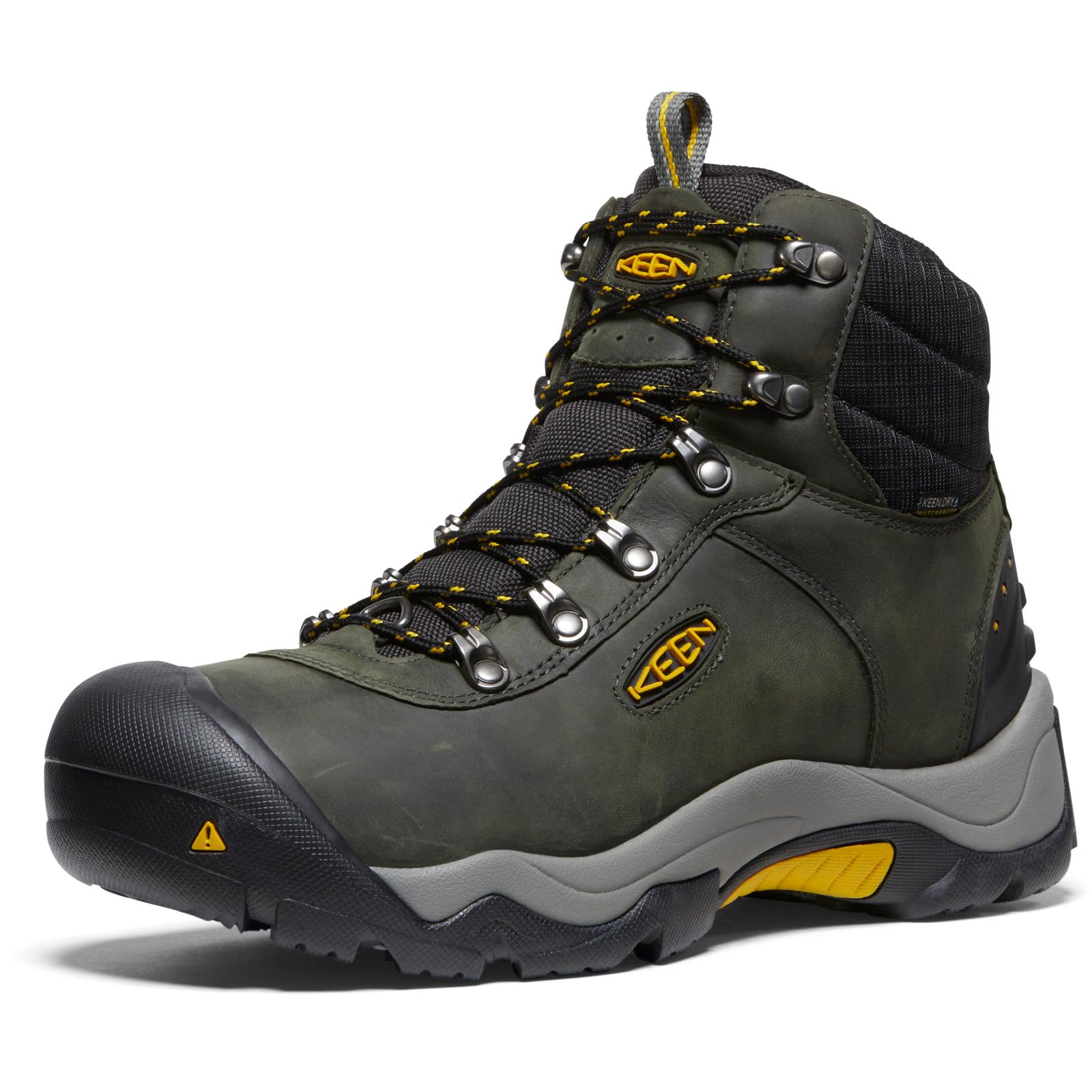
The KEEN Revel III is a time-tested winter boot that balances day-long comfort with solid cold-weather protection. Its 200g thermal heat shield insulation is lighter than the 400g offerings, making it ideal for active winter hiking where your body generates its own heat. The waterproof, breathable construction keeps feet dry through slush and shallow snow, while the speed lace webbing system allows quick on-and-off adjustments.
Reviewers consistently highlight the generous toe box as a major advantage — KEEN’s traditional wider fit accommodates thick wool socks without pinching toes. The boot has proven durable enough for long outdoor shifts and multi-mile hikes, with many users reporting years of reliable use. A few note that the ankle support is less rigid than some competitors, and that replacing the stock insoles with a more supportive aftermarket option significantly improves comfort.
The Revel III is a solid pick for hikers who want proven performance at a reasonable price point. Its 200g insulation is best suited for moderate cold or high-output activities. If you need a boot that can handle 10-hour days on your feet without demanding a break-in period, this KEEN model delivers consistently.
Why it’s great
- 200g insulation works well for active hiking and moderate cold.
- Wide toe box accommodates thick socks and wide feet.
- Proven durability over years of use with minimal break-in.
Good to know
- Ankle support is less rigid than some premium boots.
- Stock insoles are mediocre; consider an aftermarket upgrade.
- Not warm enough for sedentary use in extreme cold.
5. KEEN Men’s Hightrail Mid Waterproof Hiking Boots
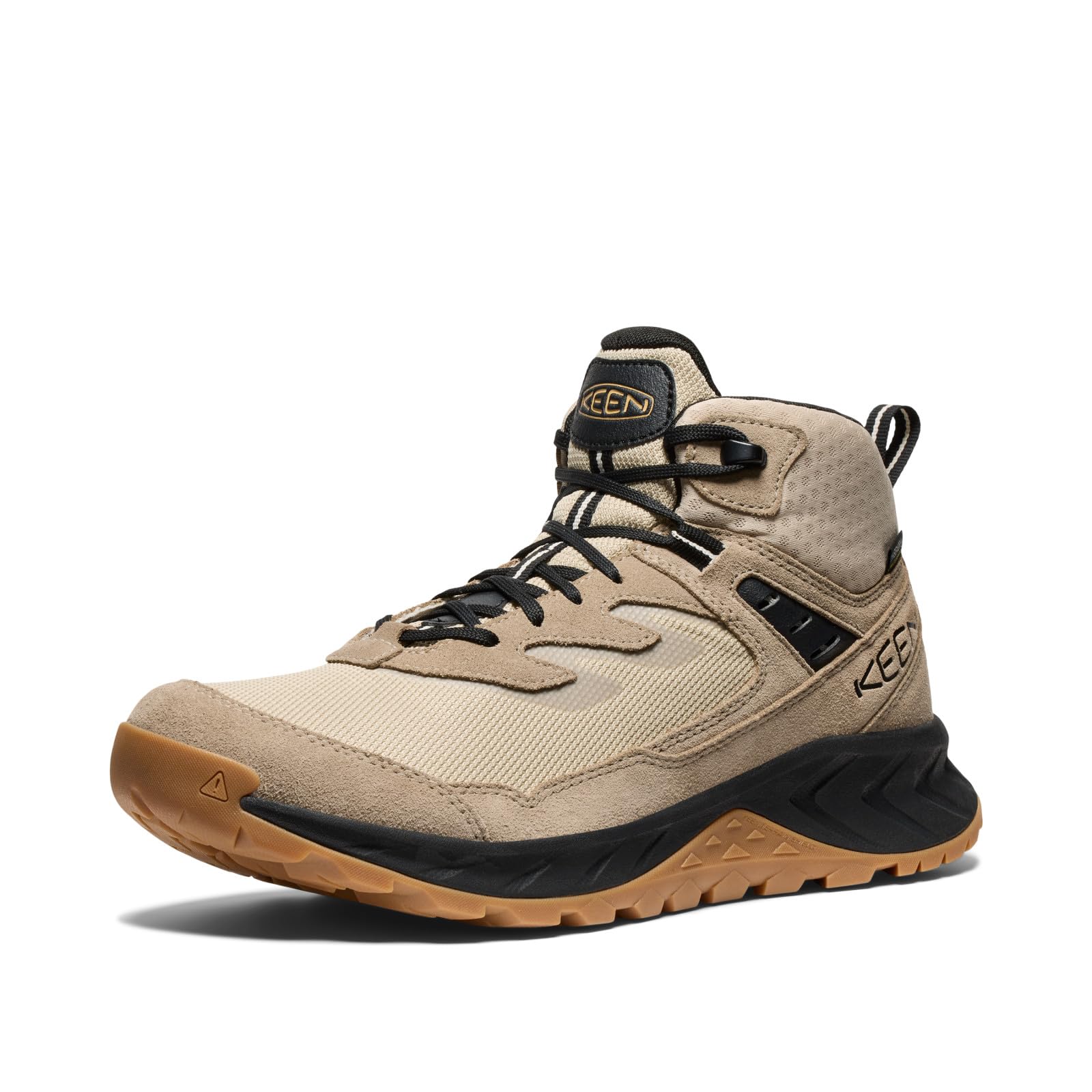
The KEEN Hightrail Mid is a hybrid that fuses the agility of a trail runner with the protection of a mid-height hiking boot. It uses water-resistant leather and a contoured fit that follows the natural shape of the foot for a secure yet flexible feel. While not insulated, its construction works well for fast-paced winter day hikes where you pair it with thick merino wool socks for warmth.
Users praise the zero break-in period and all-day comfort, with many reporting no foot fatigue even after hours on rocky, snowy terrain. The boot is lightweight enough for quick movement yet provides enough ankle support for moderately technical trails. Some users note that it is not fully waterproof in deep slush, and that downhill sections can reveal a slight lack of cushioning compared to heavier boots.
The Hightrail Mid is best for hikers who move quickly and prioritize agility over maximum insulation. It is not a deep-winter boot, but for late-fall and early-spring conditions or active winter day hikes, it is a nimble, comfortable option. KEEN’s roomy toe box again proves beneficial for layered sock wear.
Why it’s great
- Lightweight, sneaker-like feel reduces fatigue on active days.
- Contoured Fit curves naturally with your foot for comfort.
- Zero break-in required, comfortable right out of the box.
Good to know
- No insulation — relies entirely on sock layering for warmth.
- Water-resistant, not fully waterproof in deep slush.
- Downhill cushioning is less plush than heavier winter boots.
6. Columbia Men’s Expeditionist Shield
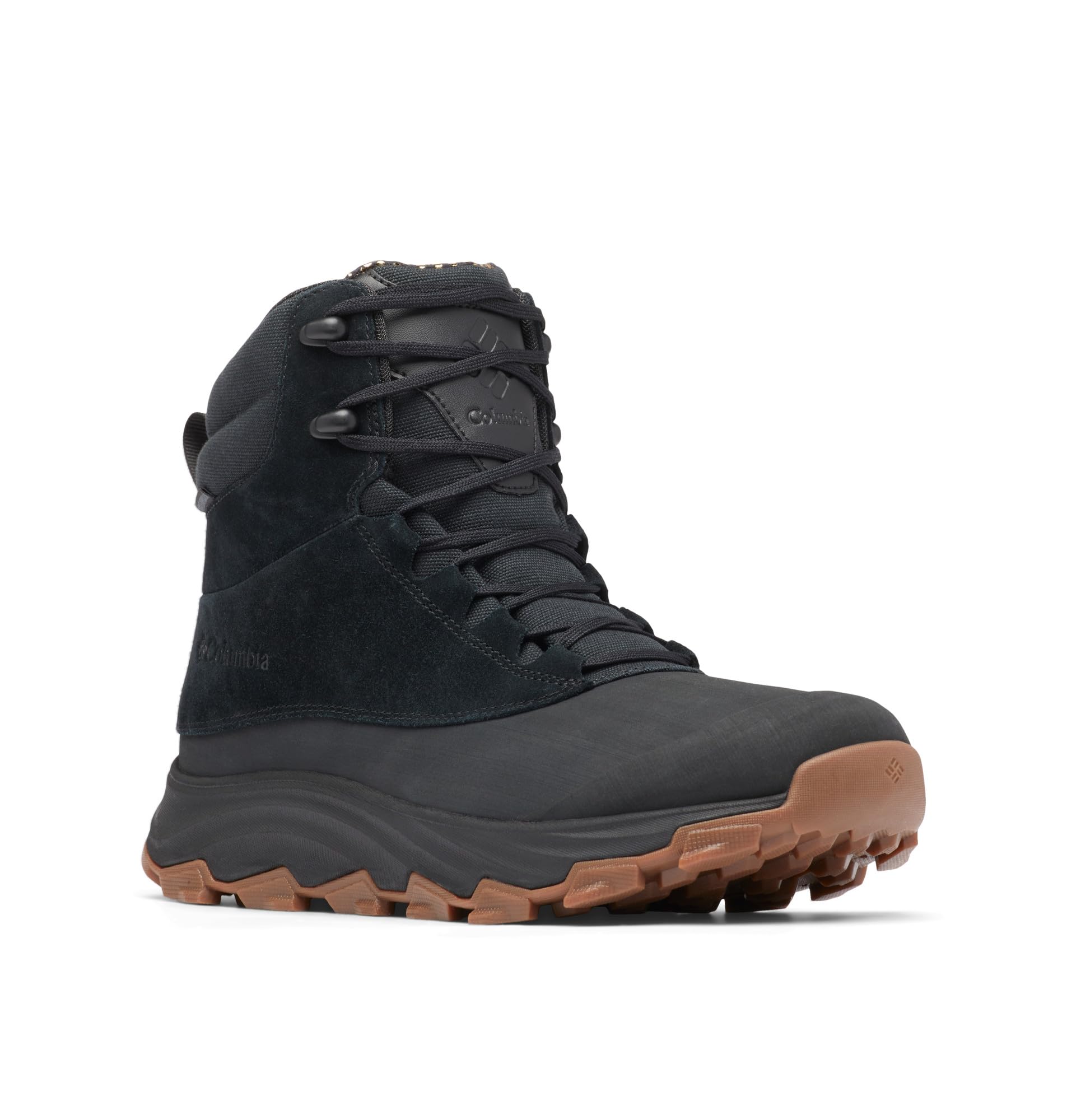
Columbia’s Expeditionist Shield brings together their most advanced thermal-reflective technology and a waterproof-breathable build to create a versatile winter boot. The Omni-Heat thermal lining reflects body heat back to your feet, while the Omni-Grip outsole is tuned for cold-weather traction on ice and snow. It is a solid mid-range option for hikers who need warmth without the heft of a heavy 400g boot.
Users consistently highlight the boot’s lightweight feel and easy walking comfort, with many wearing it daily for both work and recreation. The boot keeps feet warm down to about 10°F, though a few users report it could be warmer for extremely cold conditions. Sizing runs small — most recommend going up at least a half size. The gold trim on the inner collar is a minor aesthetic complaint noted by several buyers.
The Expeditionist Shield is a strong choice for anyone who spends time outdoors in cold weather but doesn’t need expedition-grade insulation. It works well for shoveling, light hiking, and everyday winter wear. If you buy it, plan to replace the thin stock insole with a supportive aftermarket option for better comfort.
Why it’s great
- Omni-Heat thermal reflective lining helps retain warmth.
- Lightweight build is easy to walk in all day.
- Cold-optimized Omni-Grip outsole improves traction on ice.
Good to know
- Runs small; size up half to full size for proper fit.
- Stock insole is thin and offers minimal arch support.
- Not fully waterproof in deep standing water, but resists well.
7. Merrell Men’s Speed Strike 2 Thermo Mid Waterproof
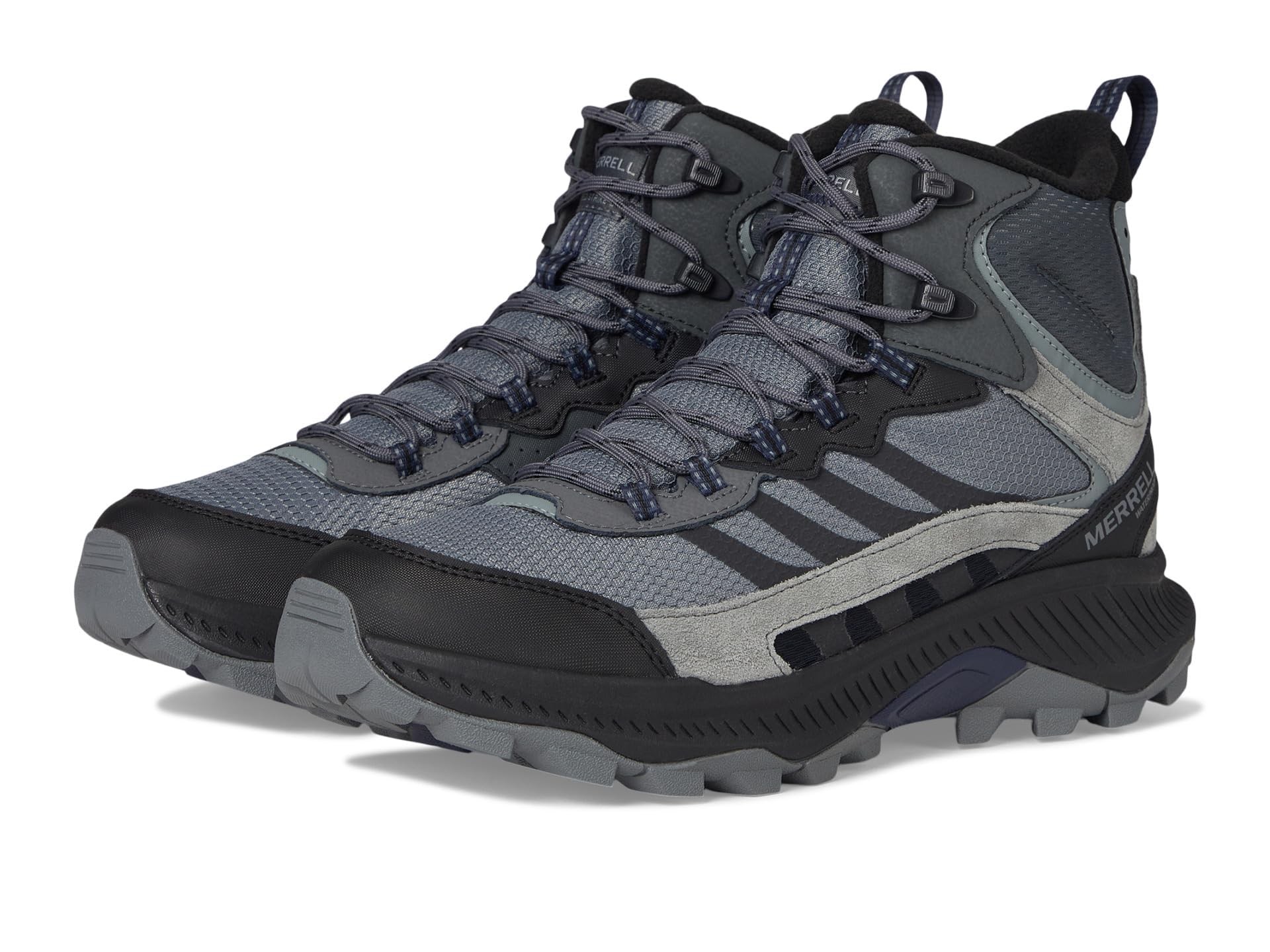
The Merrell Speed Strike 2 Thermo Mid is an athletic hybrid hiker that combines a durable outdoor mesh upper with a sticky trail outsole for confident movement on winter trails. It is a warm and supportive boot that punches above its weight class, with users praising its ability to keep feet comfortable during two-hour snow shoveling sessions and hikes through icy conditions.
Fit is true to size, with a slightly snug initial feel that loosens up within a minute of wear. The boot’s wide-friendly design works for most foot shapes, though very wide feet may find it a touch tight with thick socks. The boot is warm enough for active use in temperatures around 20°F, but some users note it can get uncomfortably hot with thin socks during high-output activities — consider breathable wool blend socks.
The Speed Strike 2 is a great pick for hikers who want a more athletic, lower-profile winter boot that still provides good ankle support and traction. It is not designed for extreme cold or deep snow, but for day hikes on packed trails and moderate winter conditions, it offers a responsive, comfortable ride that feels natural underfoot.
Why it’s great
- Sticky trail outsole provides reliable grip on snow and ice.
- Lightweight, athletic feel reduces fatigue on active hikes.
- True-to-size fit that accommodates slightly wider feet.
Good to know
- Can run hot during high-output hiking with thick socks.
- Not suitable for extreme cold or deep snow conditions.
- Mesh upper less durable than full leather boots over time.
8. Columbia Men’s Firecamp Boot

Columbia’s Firecamp Boot is a lightweight, budget-friendly option that delivers surprising warmth and waterproof protection for cold-weather conditions. Its low-bulk insulation keeps feet comfortable without making the boot feel heavy or clunky. It is designed as a multi-sport boot, equally suited for a trip up the mountain or a walk through downtown in winter.
Users generally praise the boot’s comfort, warmth, and flexibility, noting that it works well for Wisconsin winters and casual snow use. The non-slip sole provides decent traction on most surfaces. However, some report that the boot runs small — ordering a wide or going up a half to full size is recommended. Also, a few users note the boot may be too warm for indoor wear, causing sweating with wool socks.
The Firecamp Boot is perfect for those on a tighter budget who still need reliable cold-weather footwear for light hiking, walking, and daily winter wear. It is not built for extreme backcountry use or technical icy trails, but for the price, it offers solid warmth and waterproofing that gets the job done for moderate winter activities.
Why it’s great
- Low-bulk insulation keeps feet warm without adding weight.
- Waterproof construction handles snow and slush well.
- Very affordable entry point for winter hiking boots.
Good to know
- Runs small; order up or choose wide for proper fit.
- Outsole lugs are less aggressive than premium boots.
- Can be overly warm for casual indoor wear.
9. Timberland Men’s White Ledge Mid Waterproof Hiking Boots

The Timberland White Ledge Mid is a classic, affordable leather hiker that has earned a loyal following for its comfort and durability. Its 100% premium waterproof leather upper and seam-sealed construction keep feet dry in wet conditions, while the solid rubber outsole with multi-directional lugs provides reliable traction on a variety of surfaces including snow and mud.
Users consistently note that the boot is extremely comfortable straight out of the box, with a large toe box that suits wider feet. The traction performs well on grass, gravel, snow, and ice, though some note it struggles on slick algae-covered rocks. The boot is not insulated, so it relies entirely on sock choice for winter warmth. Many users emphasize that regular leather care — mink oil and polishing — is necessary to maintain waterproofing over time.
The White Ledge Mid is an exceptional value for hikers who want a durable, comfortable, and waterproof boot for easy to moderate winter trails on a budget. It is not designed for extreme cold or heavy snow, but for budget-minded hikers who maintain their gear properly, it offers performance that rivals many more expensive options. Just be prepared to size down a half size for the best fit.
Why it’s great
- Premium waterproof leather upper with seam-sealed construction.
- Extremely comfortable with minimal to no break-in needed.
- Excellent traction on most terrains including snow and ice.
Good to know
- No insulation — relies on socks for winter warmth.
- Requires regular leather care (mink oil) to maintain waterproofing.
- Runs large; consider going half size down for best fit.
FAQ
How much insulation do I need for winter hiking?
Can I wear insulated winter hiking boots in warmer weather?
How should winter hiking boots fit with thick socks?
Final Thoughts: The Verdict
For most users, the boots for winter hiking winner is the Oboz Bridger 10″ Insulated B-DRY because its 400g Freeze Guard insulation, B-DRY waterproofing, and TPU chassis deliver the best warmth-to-stability ratio for serious winter terrain. If you want a premium boot with classic Norwegian design and extreme cold performance, grab the Helly Hansen Garibaldi V3. And for a budget-friendly entry that still offers good comfort and traction, nothing beats the Timberland White Ledge Mid with proper leather care.