
Our readers keep the lights on and the weekend projects moving. As an Amazon Associate, I earn from qualifying purchases.
A well-defined border is the frame of a garden — it creates crisp lines, suppresses weeds, and gives structure to your landscape. The wrong choice leads to constant trimming, bare patches in winter, or aggressive spreaders that invade your lawn. The right border plants deliver a cohesive, weed-free edge that looks intentional from every angle.
I’m Rikta — the co-founder and writer behind FitlyFast. I’ve spent years analyzing the hardiness zones, mature dimensions, and soil preferences of hundreds of perennials to find the varieties that actually perform at the edge of a bed.
This guide breaks down the top performers for creating a living garden edge, from sun-loving bloomers to evergreen shade solutions. Once you know the growth habit and seasonal interest of each, choosing the right border plants becomes a matter of matching your specific sun, soil, and spacing needs.
How To Choose The Best Border Plants
Building a perennial border isn’t about picking the prettiest flower — it’s about selecting plants that hold their shape, stay within bounds, and provide multi-season interest at the front edge of your beds. A border plant that grows too tall blocks the view; one that spreads too aggressively invades the lawn. Focus on these factors.
Mature Height & Spread
The most common mistake is placing a 3-foot-tall plant at the front of a border. For edging, look for dwarf or compact varieties with a mature height under 18 inches and a controlled spread. Low-growing groundcovers like Creeping Jenny stay at 4 inches tall, while compact shrubs like the Encore Azalea Autumn Bonfire hold a neat 3-foot-by-3-foot dome that works as a mid-border anchor.
Sunlight & Zone Compatibility
Your USDA hardiness zone determines which perennials survive winter. Full-sun border plants like Black Eyed Susan and Silverado Sage need at least 6 hours of direct light daily. Shade-tolerant options like Variegated Liriope thrive under tree canopies with dappled light. Always check the zone range before ordering — a plant sold as perennial in zone 8 will not survive a zone 4 winter.
Bloom Season & Foliage Interest
A border that blooms for only two weeks looks bare the rest of the year. Prioritize plants with extended bloom periods (Encore Azaleas flower spring through fall) or striking foliage (Creeping Jenny’s chartreuse leaves, Liriope’s variegated stripes). Foliage provides the visual backbone when flowers are absent.
Maintenance & Spread Habit
Decide whether you want a tidy clumper that stays where planted or a running groundcover that fills gaps. Clumping daylilies and Spirea shrubs require minimal division. Creeping Jenny spreads via trailing stems and may need occasional trimming to keep it off the lawn. For zero-maintenance edges, choose clumping evergreens like Liriope.
Soil Drainage & Water Needs
Border plants often sit at the driest edge of a bed where rain runoff is minimal. Drought-tolerant species like Silverado Sage and established Liriope require little supplemental water. Daylilies and Azaleas prefer consistent moisture but not soggy feet. Match the plant’s moisture needs to your natural rainfall and irrigation habits.
Quick Comparison
On smaller screens, swipe sideways to see the full table.
| Model | Category | Best For | Key Spec | Amazon |
|---|---|---|---|---|
| Encore Azalea Autumn Bonfire | Shrub | Compact border color | 3 ft tall x 3 ft wide | Amazon |
| Proven Winners Double Play Doozie Spirea | Shrub | Low-maintenance hedge | 24-36 in x 24-36 in | Amazon |
| Rudbeckia ‘Goldsturm’ Black Eyed Susan | Perennial | Long mid-border blooms | 24 in height | Amazon |
| Stella D’oro Yellow Daylily | Perennial | Re-blooming ground fill | 12-24 in height | Amazon |
| Silverado Sage | Shrub | Drought-tolerant edging | 1 gallon pot size | Amazon |
| Creeping Jenny (2 Pack) | Groundcover | Trailing edge accent | 4 in tall, 18 in spread | Amazon |
| Variegated Liriope (18 Pack) | Grass | Shade edging mass planting | 12-18 in height | Amazon |
In‑Depth Reviews
1. Encore Azalea Autumn Bonfire

The Encore Azalea Autumn Bonfire delivers the most reliable re-blooming cycle of any border shrub in this lineup, producing red single and semi-double flowers from spring through fall. It holds its bright green foliage year-round, meaning your border never goes bare in winter. The mature size of 3 feet tall by 3 feet wide makes it a perfect mid-border anchor that does not swallow the front edge.
Customer reports confirm this azalea withstands extreme temperature swings — verified in zones where summer heat exceeds 110°F and winter nights dip below freezing. The one-gallon pot arrives with a well-developed root ball and active growth tips. Regular watering 2-3 times per week and 4-6 hours of direct sun are the only requirements for continuous flowering.
A few buyers noted that the price per plant is higher than big-box nursery stock, but the mature, ready-to-bloom condition and compact branching habit justify the investment. The warranty covers shipping damage within seven days, so inspect the foliage and soil condition immediately upon arrival.
Why it’s great
- Blooms spring, summer, and fall without deadheading
- Evergreen foliage provides winter border structure
- Compact 3×3 ft habit fits medium borders
Good to know
- Premium pricing compared to generic azalea varieties
- Requires consistent moisture until fully established
2. Proven Winners Double Play Doozie Spirea

Proven Winners earned its reputation with the Double Play Doozie Spirea, a deciduous shrub that transitions through red, purple, and orange foliage before dropping leaves in winter. The mature spread of 24-36 inches makes it ideal for creating a uniform low hedge along a border’s mid-section. It thrives across USDA zones 3-8, handling cold winters that kill off less hardy perennials.
Customer feedback consistently highlights the plant’s health on arrival — full branching, visible flower buds, and russet-tipped new growth even when shipped dormant. Once planted in full sun to partial shade with moderate watering, this spirea requires almost no annual pruning to maintain its shape. The spring-to-fall bloom period provides consistent color without deadheading.
One detail to consider: the plant ships trimmed and dormant during winter and early spring, so the first few weeks of growth may appear slow. Once roots establish, the growth rate picks up significantly. Spacing at 24 inches apart creates a solid hedge line within a single growing season.
Why it’s great
- Multi-colored foliage extends seasonal interest beyond flowers
- Zone 3 hardiness for cold-climate borders
- Negligible pruning needed for shape
Good to know
- Deciduous — bare stems in winter
- Best ordered in spring for immediate growth
3. Rudbeckia ‘Goldsturm’ Black Eyed Susan

Rudbeckia ‘Goldsturm’ is a Perennial Plant of the Year winner for good reason — its 3-to-4-inch golden yellow flowers with black cones bloom from July through September, attracting butterflies and pollinators to the border. At 24 inches tall, this is a mid-border plant that pairs beautifully with shorter front-edge groundcovers like Creeping Jenny or Liriope.
Perennial Farm Marketplace packages each plant with straw wrap and brown paper to prevent soil spillage, and customers consistently report lush, green foliage upon arrival even during summer shipping. The plant is fully rooted in its #1 container and ready for immediate transplant. It tolerates any well-drained soil type, from clay to loam, with moderate watering.
Note that this variety ships only to USDA zones 4-9 and is restricted in several western states. If you live in AK, AZ, CA, CO, ID, MT, NV, OR, UT, WA, or HI, choose a different border plant. Expect the clump to expand slowly each year without becoming invasive — division every 3-4 years keeps it vigorous.
Why it’s great
- Exceptional cut flower for garden-to-vase borders
- Attracts pollinators throughout late summer
- Grows in almost any soil without amendment
Good to know
- Not available in several western states
- Best as mid-border, not front-edge edging
4. Stella D’oro Yellow Daylily
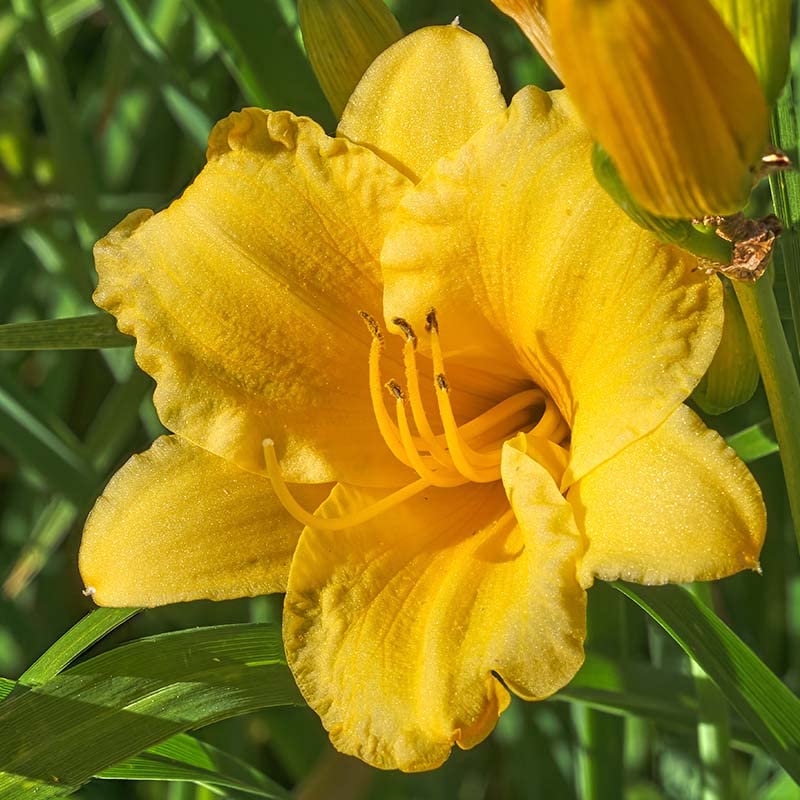
The Stella D’oro daylily is one of the most reliable re-blooming perennials for a sunny border edge. The 10-pack of bare roots provides excellent value for filling long stretches of border with uniform yellow flowers that appear multiple times from early to late summer. Mature height ranges from 12 to 24 inches, putting it in the front or mid-border sweet spot.
Customers report healthy, pre-sprouted roots with visible growth points already emerging. Plant in full sun with well-drained loam soil and water moderately until established. The clump expands each year without becoming invasive, and division every 2-3 years keeps the bloom count high. The extended bloom time is a genuine differentiator — most daylilies flower for only 2-3 weeks.
A few shipments arrived with dry roots due to shipping delays, and some novice gardeners wished for planting instructions. Soak bare roots in water for 2-4 hours before planting, set them in a hole 12 inches apart with the crown just above soil level, and water deeply once. This simple method ensures near-100% success.
Why it’s great
- Multiple bloom cycles per season
- Bare root pack covers large areas affordably
- Established clumps tolerate dry spells
Good to know
- No planting guide included in box
- Roots may dry out if delivery is delayed
5. Silverado Sage
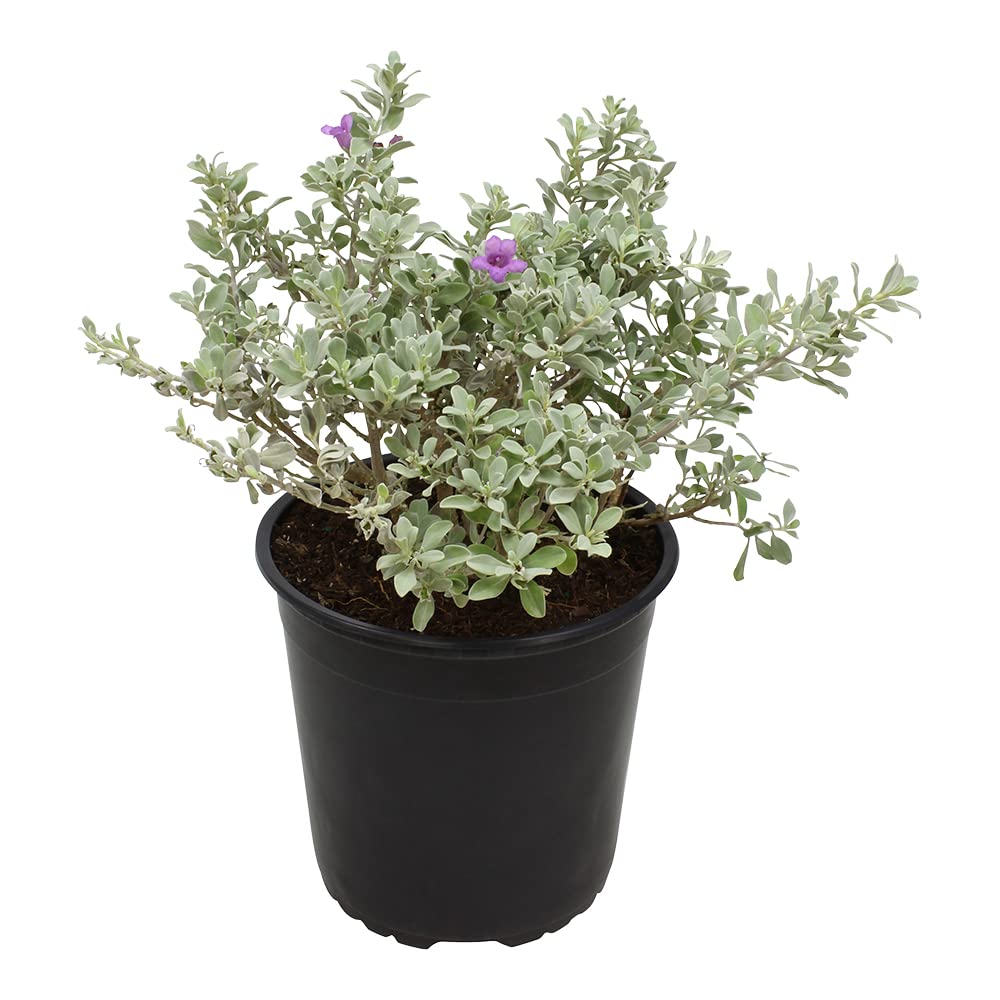
Silverado Sage is a Texas native shrub that thrives in full sun and poor soil, making it the ideal choice for borders in arid or low-water landscapes. It arrives in a 1-gallon nursery pot with moist soil and healthy buds, ready for immediate transplant. The silvery-green foliage provides a soft, textural contrast against darker-leaved border plants.
Customers in Arizona confirmed this sage thrives through extreme heat with minimal irrigation once established. In colder zones like 5b, it may struggle through deep winter freezes unless planted in a protected microclimate or moved into a container. The plant produces pale lavender blooms in winter, adding unexpected seasonal interest when most borders are dormant.
Packaging receives near-universal praise — ventilated boxes with secure soil containment keep the plant stable during transit. A portion of each purchase goes toward shelter animal placement, which adds a philanthropic angle if that matters to your purchasing decision. For dense, drought-proof edging, space plants 18-24 inches apart.
Why it’s great
- Extremely drought-tolerant once established
- Soft silvery foliage complements green borders
- Supports local pollinators with winter blooms
Good to know
- Not reliably hardy below zone 5
- Single plant per pot covers limited border length
6. Creeping Jenny (2 Pack)
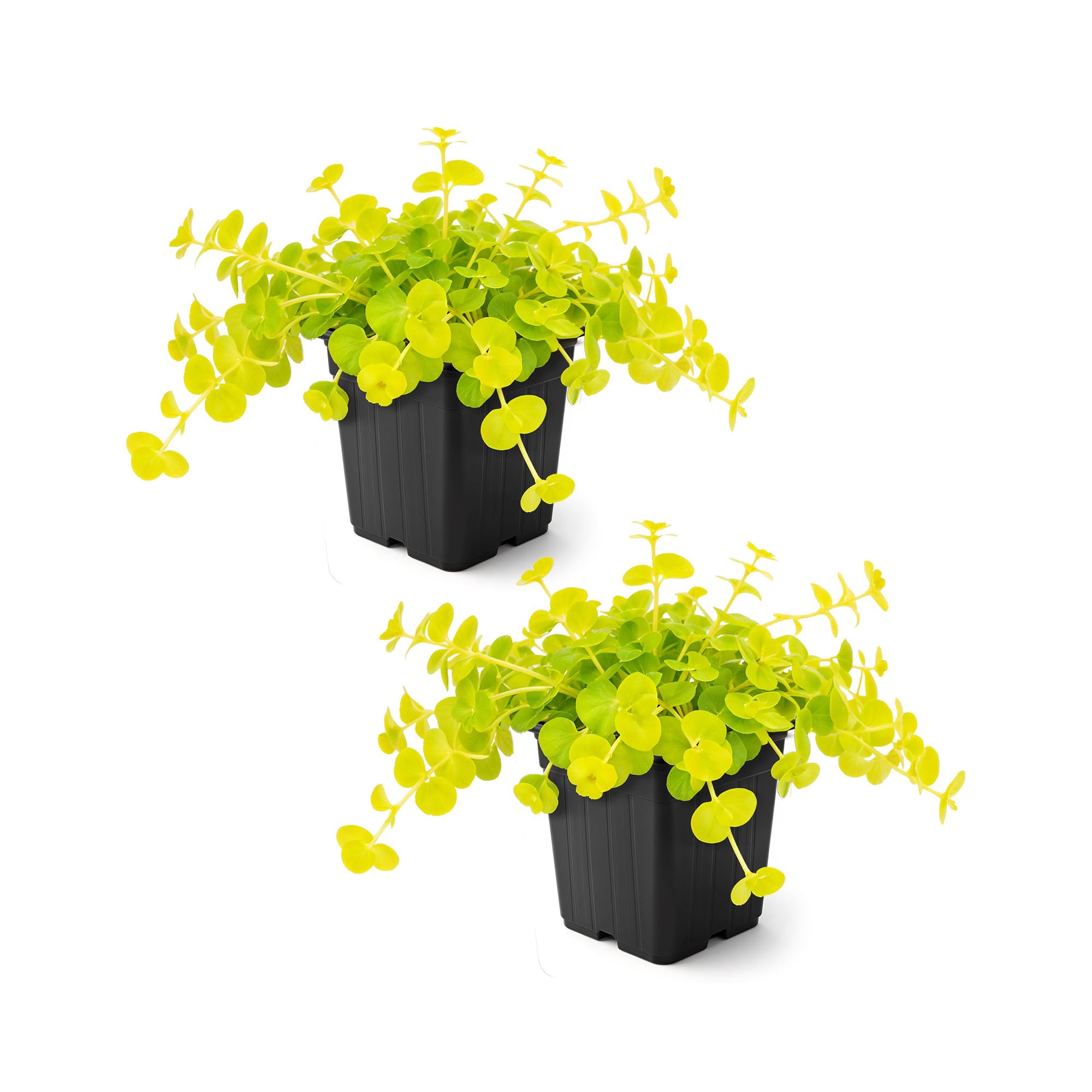
Creeping Jenny (Lysimachia nummularia) offers the brightest foliage in the border category — its chartreuse-green leaves create a vivid ground-level carpet that pops against dark mulch or deeper green neighbors. At just 4 inches tall with an 18-inch spread per plant, this is a true front-edge groundcover that softens hard boundaries between bed and lawn.
The 2-pack arrives as live plants in 1-pint pots. Customer reports confirm that even wilted specimens revive quickly after soaking and a few days in shade. It grows equally well in sun or partial shade, tolerates a range of soil moisture levels, and suppresses weeds naturally once it fills in. The common name “moneywort” comes from its coin-shaped leaves.
This plant spreads by trailing stems, so it requires occasional perimeter trimming if you prefer a crisp lawn edge. Some shipments arrived in bulb-sized boxes without adequate padding, causing stem damage — inspect immediately and contact the seller if foliage arrives crushed. For fastest coverage, plant two feet apart and water regularly through the first growing season.
Why it’s great
- Unmatched chartreuse color contrast for borders
- Grows in sun or partial shade
- Natural weed suppression at ground level
Good to know
- Delicate stems may arrive damaged in small boxes
- Needs trimming to keep off lawn edges
7. Variegated Liriope (18 Pack)
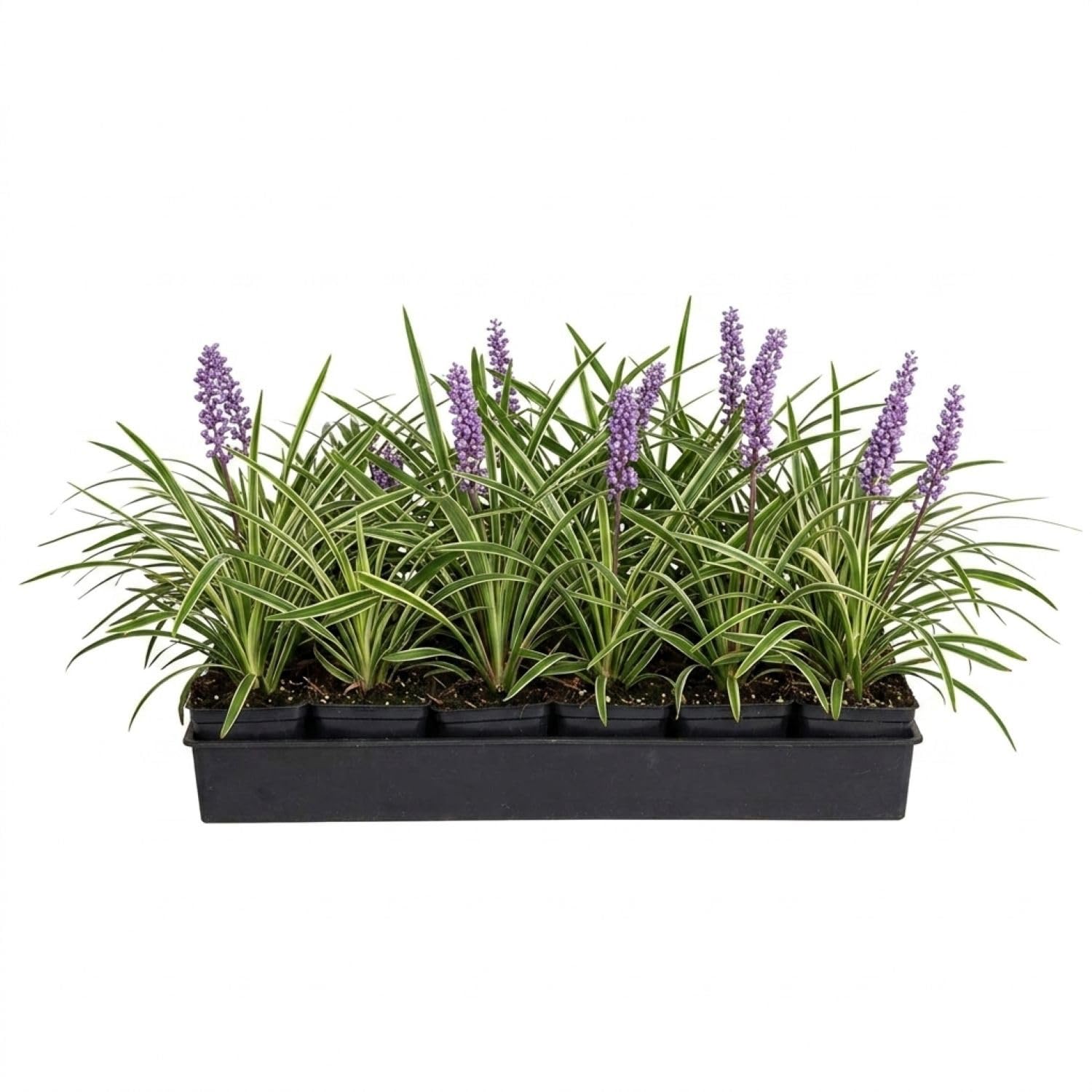
Variegated Liriope, also called Lilyturf, is the most versatile shade-to-partial-shade border plant in this guide. Its green-and-white striped leaves form dense clumps 12-18 inches tall that stay evergreen in zones 5-10. The 18-pack provides enough material to edge an entire 30-foot bed with a uniform, weed-proof line. Late-summer purple flower spikes add a bonus vertical accent.
Plants by Mail ships each Liriope in separate 4-inch pots with moist soil and healthy root systems — customers consistently rate the packaging and plant condition as the best they have received from any online nursery. Once established, this plant requires almost no watering beyond natural rainfall and tolerates root competition from trees.
The warranty terms are clear: inspect within seven days, photograph any damage, and email for replacement. Avoid overwatering, as Liriope is prone to root rot in soggy soil. Plant 12-15 inches apart in partial shade for a solid edge within one season. For borders that receive less than 3 hours of direct sun daily, Liriope is the clear winner.
Why it’s great
- Evergreen foliage for year-round border definition
- Thrives in full shade where most perennials fail
- Large pack covers long borders affordably
Good to know
- Susceptible to root rot in poorly drained soil
- Slow to establish in deep cold zones
FAQ
How far apart should I plant border perennials?
Can I mix evergreen and deciduous plants in the same border?
Final Thoughts: The Verdict
For most users, the border plants winner is the Encore Azalea Autumn Bonfire because it combines year-round evergreen foliage, spring-through-fall re-blooming, and a compact 3-foot habit that fits medium borders without overwhelming them. If you need a drought-tolerant edging plant for full-sun arid regions, grab the Silverado Sage. And for shaded borders where few perennials thrive, nothing beats the Variegated Liriope 18-pack for filling a long bed edge with evergreen texture.