
Our readers keep the lights on and the weekend projects moving. As an Amazon Associate, I earn from qualifying purchases.
Most bottled teriyaki sauces are either syrupy sweet corn syrup masquerading as Asian flavor or watery soy sauce with a splash of sugar. The real distinction comes down to whether the bottle delivers a clingy, lacquer-like glaze that caramelizes on your protein or a thin marinade that runs off into the pan. Serious home cooks know the difference, and it dictates everything from stir-fry night to meal-prep chicken thighs.
I’m Rikta — the co-founder and writer behind FitlyFast. I’ve spent hundreds of hours cross-referencing nutrition labels, scanning ingredient decks for hidden soy, high-fructose corn syrup, and excess sodium, and analyzing the real-world viscosity and flavor balance of these sauces so you don’t waste money on a bottle that disappoints on the grill.
This guide breaks down the top contenders by thickness, sodium content, soy-free viability, and overall versatility to help you find the best sauce for your kitchen. Whether you need a thick glaze for basting chicken or a low-sodium stir-fry base, each option here earns its spot. Read on to find your perfect best bottled teriyaki sauce.
How To Choose The Best Bottled Teriyaki Sauce
The right bottle starts with knowing your cooking method. A thin marinade that works beautifully for a 30-minute soak will fail as a stir-fry sauce because it won’t coat the noodles. Conversely, a thick glaze designed for basting will caramelize too quickly under a broiler if you treat it like a marinade. Match the viscosity to the task.
Viscosity and Cooking Application
Thin sauces—like standard Kikkoman Teriyaki Marinade—seep into meat fibers during a long marinade but run off vegetables in a hot wok. Thick sauces—like a honey-pineapple baste—cling to the surface and create a lacquered finish ideal for grilling chicken thighs or salmon fillets. If you want one bottle for everything, a medium-thick sauce with a syrup-like consistency that doesn’t drip is your best bet.
Dietary Profile: Soy, Gluten, and Sodium
Soy allergy? Look for coconut aminos-based sauces like Coconut Secret. Need gluten-free? San-J uses tamari (a wheat-free soy sauce). Watching sodium? “Lite” doesn’t mean low—check the mg per tablespoon. Best of Thailand’s sesame teriyaki clocks in at roughly 90mg per TBS, while full-sodium versions can exceed 300mg. That swing affects both health and flavor balance.
Ingredient Purity and Organic Certification
Many mass-market bottles lead with high-fructose corn syrup or caramel color. Premium and organic options—like Kinder’s Organic or Coconut Secret—use whole-food sweeteners and USDA-certified ingredients. If you avoid GMOs or want a clean label with fewer than ten ingredients, prioritize USDA Organic or Non-GMO Project verified seals on the label.
Quick Comparison
On smaller screens, swipe sideways to see the full table.
| Model | Category | Best For | Key Spec | Amazon |
|---|---|---|---|---|
| Kinder’s Organic Teriyaki | Organic | All-purpose cooking & marinating | 30 oz / USDA Organic | Amazon |
| Coconut Secret Teriyaki | Soy-Free | Soy allergy & clean label | 20 fl oz / 6 ingredients | Amazon |
| San-J Gluten Free Teriyaki | Gluten-Free | Gluten-free cooking & tamari base | 64 fl oz / Non-GMO | Amazon |
| Best of Thailand Lite Teriyaki | Low-Sodium | Everyday low-sodium marinade | 47.3 fl oz / 85% less sodium | Amazon |
| Kikkoman Honey Pineapple Glaze | Thick Glaze | Basting & grilling | 85 oz / pre-thickened | Amazon |
| Kikkoman Teriyaki Marinade | Value Marinade | Large-batch marinating | 40 fl oz / thin consistency | Amazon |
| Oceans Halo Soy-Free Teriyaki | Soy-Free Budget | Soy-intolerant, entry-level | 24 fl oz / organic | Amazon |
In‑Depth Reviews
1. Kinder’s Organic Teriyaki Marinade & Dipping Sauce

Kinder’s hits a rare balance: thick enough to glaze chicken on the grill, fluid enough to work as a stir-fry base. The flavor profile leads with garlic and ginger rather than pure sugar, which gives it a complexity most competitors lack. It is USDA Organic, contains no high-fructose corn syrup, and the 30-ounce bottle lasts through multiple weekly meal-preps without running out.
Longtime home cooks have reported retiring their homemade teriyaki recipes after trying this bottle. The sweetness is present but not cloying, and the savory depth from organic tamari carries through even after reduction in a hot pan. It works well as a finishing sauce for pot stickers and as a 30-minute marinade for flank steak.
The only downside is availability—Costco has rotated it out in some regions, making Amazon the most reliable source. Among all the options in this guide, Kinder’s offers the widest utility window, performing equally well on the grill, in the wok, and as a dip.
Why it’s great
- Balanced garlic-ginger flavor profile that doesn’t rely on sugar alone
- USDA Organic with no HFCS appeals to clean-label buyers
- Versatile thickness works for marinade, glaze, and dip
Good to know
- Harder to find in big-box stores; Amazon is the steady source
- Some users wish it were slightly thicker for grilling
2. Coconut Secret Coconut Aminos Teriyaki Sauce
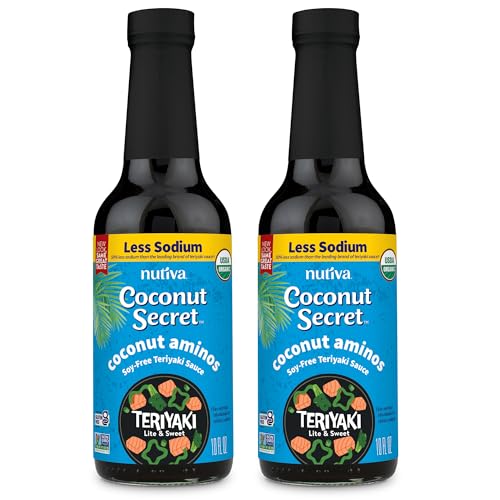
Coconut Secret proves you don’t need soy to deliver a convincing teriyaki experience. The base is organic coconut tree sap—low-glycemic and packed with amino acids—mixed with just five additional ingredients: organic garlic, sea salt, organic ginger, organic onion, and organic cayenne. The result is a clean, tangy sauce that doesn’t taste coconutty at all.
Users with soy and gluten intolerances report that this sauce settles well with their digestive systems while delivering the umami hit they missed. It works beautifully brushed over salmon, drizzled over sushi rice, or tossed into a vegetable stir-fry. The 2-pack of 10-ounce bottles gives you flexibility without committing to a giant jug.
The main trade-off is the price-per-ounce versus standard soy-based bottles. And because it’s made with coconut sap, the flavor profile is slightly brighter and less fermenty than traditional soy-based teriyaki—some purists may find it an adjustment. But if you need soy-free, this is the gold standard.
Why it’s great
- Only six whole-food ingredients; soy-free and gluten-free
- USDA Organic and Non-GMO Project verified
- Low-glycemic coconut sap base with a neutral flavor profile
Good to know
- Premium price-per-ounce compared to soy-based sauces
- Slightly brighter, less fermenty flavor than traditional teriyaki
3. San-J Gluten Free Teriyaki Sauce
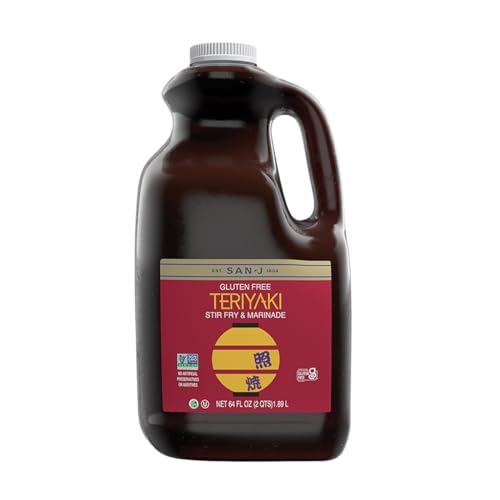
San-J uses tamari—a Japanese soy sauce made without wheat—as its backbone, making this sauce naturally gluten-free and certified by the Gluten-Free Certification Organization. The flavor is tangy rather than sweet, with a balanced saltiness that makes it a closer substitute for soy sauce in stir-fries and noodle bowls than most bottled teriyaki options.
The 64-ounce container is the largest in this roundup, making it the most economical choice for heavy users who go through a bottle every few weeks. When cooked, the sauce thickens noticeably—starting watery in the bottle but transforming into a clingy glaze after a few minutes in a hot pan or on grilled meat. It’s also Non-GMO Project verified and FODMAP friendly.
If you’re looking for that sweet, sticky, restaurant-style teriyaki flavor, this is not the bottle. San-J leans savory and tangy, which makes it better suited for marinades and cooking applications where sweetness isn’t the star. The large jug is not easy to pour from, so a separate squeeze bottle may help.
Why it’s great
- Certified gluten-free via tamari base; GFCO seal
- 64-ounce jug provides exceptional value for regular cooks
- Non-GMO, FODMAP friendly, no artificial additives
Good to know
- Tangy-savory profile, not sweet like restaurant teriyaki
- Large jug is awkward to pour; best transferred to a condiment bottle
4. Best of Thailand Sesame Teriyaki Soy Sauce Lite

This two-bottle pack delivers 47.3 fluid ounces of low-sodium teriyaki with roughly 90mg of sodium per tablespoon—roughly 85% less than standard soy sauce. The formula includes whole sesame seeds, which provide a pleasant textural crunch and nutty undertone that sets it apart from smooth sauces. It’s Kosher-certified, MSG-free, and brewed using traditional Asian methods.
Users consistently report that this sauce works best as a finishing glaze or dipping sauce rather than a marinade. The thick, sweet consistency with visible sesame seeds clings well to fish, seafood, and chicken. The squeezable dispenser bottles are a practical design touch, though the sesame seeds can occasionally clog the spout if you’re not careful.
The main catch is that it’s sweeter and thicker than soy sauce, so it doesn’t work as a direct replacement in recipes that call for standard soy. But as a dedicated low-sodium teriyaki, it currently holds the throne after the discontinuation of Annie Chun’s popular alternative. It’s the best option for anyone actively managing blood pressure without sacrificing flavor.
Why it’s great
- 85% less sodium than standard soy sauce
- Whole sesame seeds add texture and authentic flavor
- Convenient 2-pack of squeeze bottles for daily use
Good to know
- Sesame seeds can clog the spout if sauce thickens
- Sweeter than soy sauce; best as a glaze, not a marinade
5. Kikkoman Teriyaki Baste and Glaze with Honey and Pineapple

This 85-ounce jug is the heaviest hitter in the line-up, both in volume and consistency. Pre-thickened with honey and pineapple concentrate, it comes out of the bottle with a syrup-like body that clings aggressively to meat and vegetables. It’s designed specifically for basting and grilling—brush it on chicken thighs or salmon fillets and the sugars caramelize into a sticky, lacquered crust.
The flavor strikes a careful balance: sweet from honey and pineapple, savory from traditionally brewed soy sauce and wine. Users report that it’s excellent for Costco-style teriyaki bowls, flank steak marinades, and stir-fries where you want the sauce to coat every grain of rice. The size means it lasts for months even with frequent use.
The thickness is also the limitation—it’s not suitable as a thin marinade for tenderizing, and it can burn under high heat if left unattended. If you need a versatile all-in-one bottle that work for marinating, this is not it. But if you specifically want a thick, ready-to-use baste for grilling, nothing else in this guide matches its application-specific performance.
Why it’s great
- Pre-thickened; no reduction needed before glazing
- Honey and pineapple provide complex sweetness beyond plain sugar
- Massive 85-ounce container offers exceptional value per ounce
Good to know
- Too thick for light marinating or stir-fry tossing
- Can burn quickly under a broiler or high grill heat
6. Kikkoman Teriyaki Marinade & Sauce

The classic Kikkoman bottle is water-thin by design—it’s formulated to penetrate meat fibers during a long marinade rather than sit on the surface. This makes it ideal for tougher cuts like skirt steak or pork chops that benefit from overnight soaking. The sweet-savory profile is familiar and crowd-pleasing, even if it lacks the glaze power of dedicated baste formulas.
Users rave about its performance in beef jerky recipes and as a base for custom blends. It doesn’t caramelize well on its own because the sugars are diluted, but it takes well to additional ingredients like garlic powder or chili flakes. The 40-ounce bottle is large enough for frequent cooking without requiring a separate container.
The thin consistency is also the biggest weakness. If you pour it directly onto stir-fry, it drips to the bottom of the wok rather than coating the noodles or vegetables. It’s also the highest-sodium option in this lineup, so it’s not ideal for anyone watching their salt intake. Buy this for marinating—not for finishing or dipping.
Why it’s great
- Water-thin consistency penetrates meat for deep flavor
- Reliable, familiar taste that works in countless recipes
- Generous 40-ounce bottle suitable for regular use
Good to know
- Too thin for stir-fry glazing or dipping
- Higher sodium content than low-sodium alternatives
7. Oceans Halo Organic Soy Free Teriyaki Sauce

Oceans Halo offers a soy-free entry point that doesn’t compromise on taste. Users with soy-triggered digestive issues—including spastic colon and IBC—report that they tolerate this sauce perfectly while still enjoying a rich, umami-forward flavor. The organic formula works well as a stir-fry and fried rice base, and its thickness is comparable to mid-range standard teriyaki sauces.
The main criticism centers on packaging consistency. Several buyers note that the 2-pack advertised sometimes arrives with only one bottle, and the seal on the bottle isn’t always tight, leading to sticky residue during shipping. The flavor itself earns near-universal praise, making it a solid candidate if you’re just starting your soy-free journey and want a familiar teriyaki taste without the digestive fallout.
The 24-ounce total volume is smaller than many options here, so heavy users will reorder more frequently. However, the organic certification and soy-free integrity at this price point make it a compelling starter bottle. If you’re unsure whether soy is affecting you, this is a low-risk test bottle that delivers real flavor.
Why it’s great
- Organic and soy-free with strong umami flavor
- Well-tolerated by users with soy-related digestive issues
- Versatile thickness suitable for stir-fry, rice, and chicken
Good to know
- Packaging and seal quality inconsistent between batches
- Smaller 24-ounce total volume requires frequent reordering
FAQ
What’s the difference between teriyaki marinade and teriyaki baste and glaze?
How do I know if a teriyaki sauce is truly soy-free?
Why do some teriyaki sauces recommend refrigeration after opening?
Final Thoughts: The Verdict
For most users, the best bottled teriyaki sauce winner is the Kinder’s Organic Teriyaki Marinade & Dipping Sauce because it delivers the ideal balance of viscosity, flavor complexity, and clean ingredient sourcing for everyday cooking. If you want a soy-free option with the cleanest label possible, grab the Coconut Secret Teriyaki Sauce. And for a low-sodium daily driver with visible sesame seeds and an 85% salt reduction, nothing beats the Best of Thailand Sesame Teriyaki Lite.