
Our readers keep the lights on and the weekend projects moving. As an Amazon Associate, I earn from qualifying purchases.
The concern about microplastics in drinking water has moved from a fringe worry to a central factor in how health-conscious shoppers choose their hydration. The decision often comes down to material science—aluminum and glass present fundamentally different risks for particle shedding compared to standard plastic bottles.
I’m Rikta — the co-founder and writer behind FitlyFast. By analyzing third-party lab testing data, packaging material science, and hundreds of customer reports, I’ve focused this guide specifically on which brands deliver water with the lowest measurable microplastic content.
After filtering the market by packaging integrity, purification rigor, and independent particle-test results, this guide presents the most reliable options for the bottled water with least microplastics available right now.
How To Choose The Best Bottled Water With Least Microplastics
The single most important factor is the container material. Studies have shown that plastic bottles, especially when exposed to heat or stored for long periods, can shed hundreds to thousands of microplastic particles per liter into the water. Switching to glass or aluminum is the most direct way to reduce that number to near zero. After container choice, the source and purification method determine the baseline particle count. Spring waters from protected sources, when bottled in inert materials, typically score best.
Container Material: Plastic vs. Aluminum vs. Glass
Standard PET plastic bottles are the primary source of microplastic contamination in bottled water. Aluminum cans have an internal epoxy lining that is BPA-free in most modern brands, and they show drastically lower particle counts in third-party studies. Glass bottles, being chemically inert, present the lowest risk of any container—the only particles present would be from the water source itself. For the best results, choose brands that specifically advertise their packaging as BPA-free and use aluminum or glass.
Purification Method: Reverse Osmosis and Multi-Stage Filtration
Reverse osmosis (RO) systems are the industry standard for removing dissolved solids and particles down to 0.0001 microns, effectively stripping out nearly all microplastics from the source water. Brands that use RO followed by a proprietary ionization or electrolyte blend offer the highest purity baseline. For spring waters, the particle count depends on the geological protection of the aquifer, and reputable brands test for this. Always look for brands that publish particle testing results or third-party certifications.
Quick Comparison
On smaller screens, swipe sideways to see the full table.
| Model | Category | Best For | Key Spec | Amazon |
|---|---|---|---|---|
| Mountain Valley Spring Water | Glass Bottle | Zero-plastic packaging | 16.9 oz glass bottle | Amazon |
| RAIN Spring Water | Aluminum Bottle | Resealable aluminum bottle | 16 oz aluminum bottle | Amazon |
| Open Water Still | Aluminum Can | Ultra-purified + electrolytes | 12 oz BPA-free can | Amazon |
| Essentia Ionized Alkaline | Plastic Bottle | 99.9% pure ionized water | 9.5 pH or higher | Amazon |
| Boxed Water | Paper Carton | Sustainable carton packaging | 11.2 oz paper carton | Amazon |
| NO DAYS OFF Premium Water | Aluminum Can | 8.1 pH alkaline + minerals | 8.4 oz BPA-free can | Amazon |
| GRAYL UltraPress | Purifier Bottle | On-the-go purification | 0.3 micron filter | Amazon |
In‑Depth Reviews
1. Mountain Valley Spring Water (Glass Bottle)
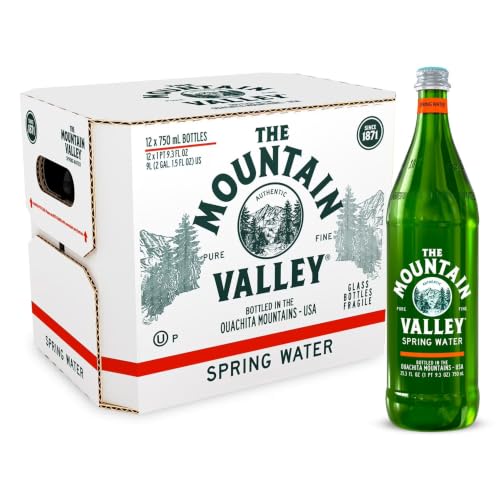
Mountain Valley is the gold standard for anyone who wants the absolute lowest possible microplastic count. The water comes exclusively in glass bottles, which are chemically inert and do not shed particles under any storage condition. The spring source is from a protected Arkansas aquifer, providing naturally balanced mineralization without any chemical aftertaste.
Customers consistently praise the clean, crisp taste and note that the glass bottle eliminates any plastic-related concerns. Reviewers switching from plastic bottles report a noticeable difference in freshness and a complete absence of that “plastic taste” that even premium plastic bottles can develop over time.
One important practical consideration is that the glass bottles are heavier and more fragile than any other packaging option. Shipping can occasionally result in breakage, though most customers report solid packaging. The 16.9 oz size is ideal for a single serving, and the glass is fully recyclable.
Why it’s great
- Zero microplastic shedding from glass container
- Protected spring source with natural mineral balance
- Clean, crisp taste with no chemical afterflavor
Good to know
- Glass bottles are heavy and prone to breakage during shipping
- Higher cost per ounce than aluminum or plastic alternatives
2. RAIN Spring Water (Aluminum Bottle)
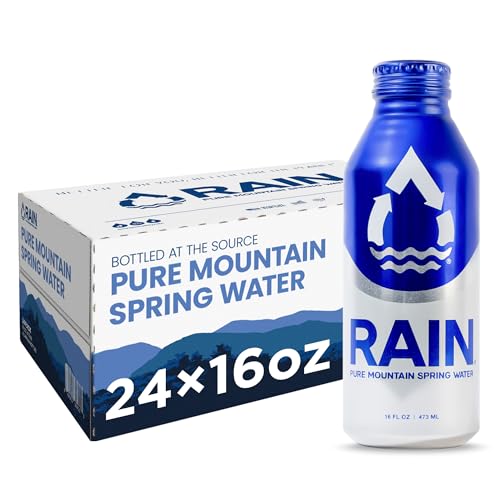
RAIN offers a rare combination: spring water bottled at the source using natural underground pressure, packaged in resealable aluminum bottles that eliminate plastic concerns. The packaging is the key differentiator here—aluminum has a much lower microplastic risk compared to standard PET, and the resealable cap makes it more practical than a can for on-the-go use.
Customers highlight the fresh, clean taste that seems to stay colder than plastic bottles due to aluminum’s superior thermal conductivity. The 16 oz size is generous and the resealable cap allows for sipping throughout the day without worrying about spillage. The brand’s commitment to reducing plastic waste also resonates with environmentally conscious buyers.
Some users have reported occasional dented bottles during shipping due to the lightweight aluminum material, though the water quality itself remains uncompromised. The bottles require an opener for the initial seal, which is a minor inconvenience compared to standard screw caps.
Why it’s great
- Resealable aluminum bottle—no plastic exposure
- Spring source bottled without mechanical pumping
- Gets colder faster and stays crisp in aluminum
Good to know
- Aluminum dents easily during shipping
- Bottles require an opener for the initial seal
3. Open Water Still (Aluminum Can)
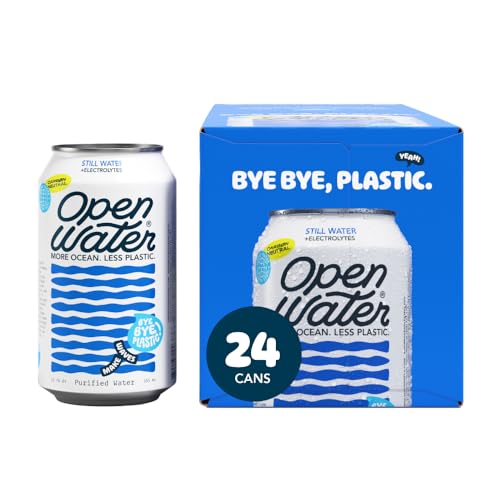
Open Water attacks the microplastic problem from two angles: ultra-purification and aluminum packaging. The water goes through a multi-step reverse osmosis and carbon filtration system, then has a balanced pH with added electrolytes for taste. The packaging is 100% BPA-free aluminum that gets recycled at higher rates than plastic or glass.
Customers consistently describe the taste as “tasteless” in the best possible way—meaning no mineral aftertaste, no plastic flavor, just clean water. The 12 oz can size is convenient for slipping into a backpack or lunchbox, and the brand’s Climate Neutral certification adds legitimacy to their environmental claims.
A few users noted the cans are easy to open but don’t reseal, so each can is a single-serve. For emergency water storage, this is actually a benefit since aluminum has a longer shelf life than plastic without the risk of particle shedding.
Why it’s great
- Multi-step RO filtration removes particles down to sub-micron level
- BPA-free aluminum cans with no plastic lining concerns
- Excellent for long-term emergency water storage
Good to know
- Cans are single-serve with no resealable option
- Smaller 12 oz size may require multiple cans per day
4. Essentia Ionized Alkaline Water (Plastic Bottle)
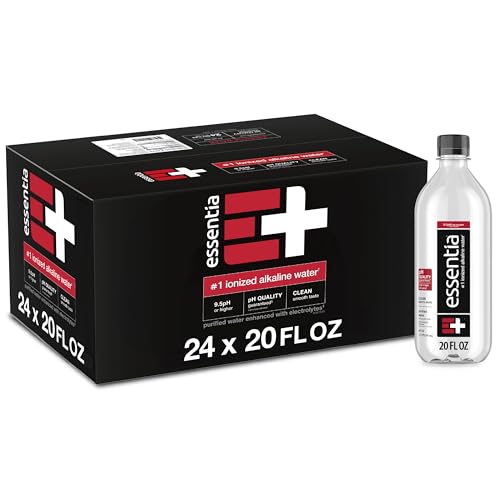
Essentia uses a micro-filtration and reverse osmosis process that strips water to 99.9% purity before adding electrolytes and ionizing it to a pH of 9.5 or higher. While this level of filtration is excellent for removing dissolved solids and potential contaminants, the packaging remains standard PET plastic, which introduces some microplastic risk.
Customers love the exceptionally clean, smooth taste and consistently mention that it helps with acid reflux and general hydration. The company states the bottles are BPA and phthalate-free, which is a positive step, but the fundamental issue of plastic shedding from storage and transport remains.
For those who prioritize the highest purification standard in a widely available format, Essentia is a strong choice. However, if absolute microplastic minimization is the primary goal, the plastic bottle is a limiting factor. The 20 oz size is practical, and the water quality itself is outstanding.
Why it’s great
- 99.9% pure through micro-filtration and RO process
- 9.5 pH with added electrolytes for smooth taste
- BPA and phthalate-free plastic bottles
Good to know
- Plastic bottles still carry microplastic shedding risk
- Higher pH may not suit everyone’s digestive system
5. Boxed Water (Paper Carton)
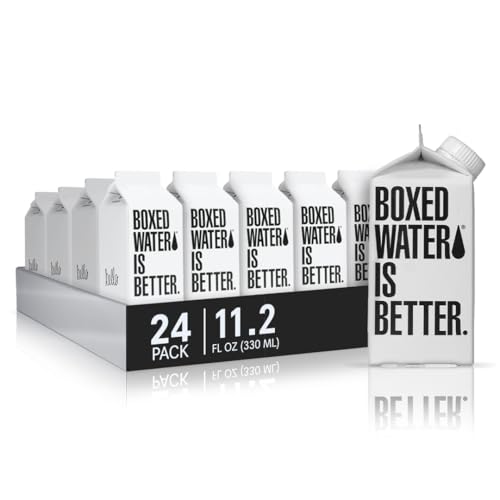
Boxed Water uses paper-based cartons made from 92% renewable materials, with a plant-based bioplastic cap. The purification process combines reverse osmosis and carbon filtration to deliver a clean, additive-free taste. The carton format significantly reduces plastic usage compared to standard bottles, though the internal lining typically includes a thin layer of polyethylene for waterproofing.
Customers frequently mention the clean taste with no plastic afterflavor, and many appreciate the aesthetic design that fits well in cup holders. The cartons are also refillable, which extends their useful life beyond a single use.
The trade-off is that the 11.2 oz size is relatively small, and the carton format may not be as durable as aluminum or glass for rough handling. The brand’s commitment to planting trees with each purchase adds a feel-good factor that resonates with eco-conscious buyers.
Why it’s great
- 92% renewable materials with plant-based cap
- Clean, additive-free taste from RO/carbon filtration
- Refillable and recyclable carton design
Good to know
- Internal polyethylene lining may still introduce trace particles
- Smaller 11.2 oz size requires more units per day
6. NO DAYS OFF Premium Water (Aluminum Can)
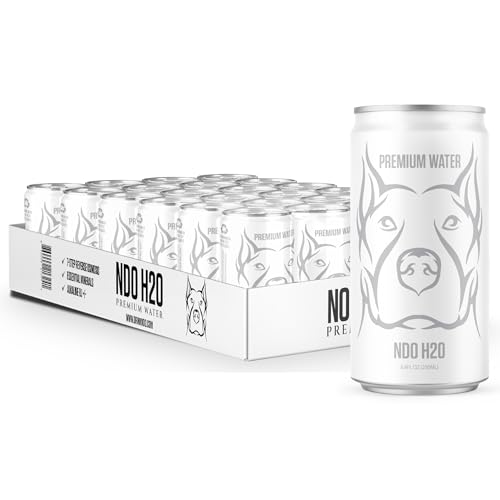
NO DAYS OFF combines BPA-free aluminum can packaging with reverse osmosis purification, resulting in water that is ultra-pure and free from plastic contamination. The addition of calcium, magnesium, and potassium creates a balanced 8.1 pH that supports hydration without the extremes of highly alkaline water.
Customers describe the taste as crisp, clean, and refreshing with no chemical aftertaste. The 8.4 oz can size is compact and fits easily in a cup holder, gym bag, or backpack, making it a practical choice for on-the-go use. Many users note that the water satisfies extreme thirst more effectively than other options.
The cans are lightweight and the aluminum is fully recyclable, though some customers mention the material dents easily during shipping. The brand sources and cans the water in the USA under strict quality standards.
Why it’s great
- RO purification in BPA-free aluminum—no microplastic risk
- Added electrolytes for balanced hydration
- Compact 8.4 oz size fits all standard cup holders
Good to know
- Small can size may not be enough for full-day hydration
- Aluminum is lightweight and can dent in transit
7. GRAYL UltraPress Water Purifier Bottle

The GRAYL UltraPress offers a fundamentally different approach: instead of buying pre-bottled water, you purify any freshwater source on the spot. The replaceable filter cartridge removes 99.9% of viruses, 99.9999% of bacteria, and 99.9% of protozoan cysts, along with particulates including microplastics, many chemicals, and heavy metals.
Customers traveling internationally find it transformative—no need to boil water or worry about local water quality. The 16.9 oz capacity can produce a full bottle of purified water in about one minute with the press-action system. It’s ideal for hiking, backpacking, and global travel where tap water quality is uncertain.
The main drawbacks are the physical effort required to press the water through the filter and the small capacity. The filter must be dried between uses to prevent mold growth, and replacement cartridges are an ongoing cost.
Why it’s great
- Removes microplastics, viruses, bacteria, and heavy metals
- No single-use plastic bottles needed
- Compact design fits in a daypack or carry-on
Good to know
- Requires significant strength to press and filter
- Filter must be dried 2-4 days after each use
FAQ
Does aluminum can lining contain BPAs or phthalates?
How do I know if a brand tests for microplastics?
Can I reduce microplastics from standard plastic bottles at home?
Final Thoughts: The Verdict
For most users, the bottled water with least microplastics winner is the Mountain Valley Spring Water in glass because the inert glass container eliminates all packaging-related particle contamination. If you want a resealable, portable option that avoids plastic, grab the RAIN Spring Water in aluminum bottles. And for travelers and outdoor enthusiasts who want to eliminate single-use bottles entirely, nothing beats the GRAYL UltraPress for producing clean water from any source.