
Our readers keep the lights on and the weekend projects moving. As an Amazon Associate, I earn from qualifying purchases.
That sharp, burning ache on the outside of your ankle — the one that flares up every time you push off on your toes or shift your weight — signals the classic strain of peroneal tendonitis. The right brace doesn’t just mask the pain; it offloads the inflamed peroneal tendons, stabilizes the lateral ankle against excessive inversion, and restores your ability to stride without guarding.
I’m Rikta — the co-founder and writer behind FitlyFast. After spending intense hours analyzing compression knit structures, figure-8 strapping patterns, and lateral stability features across top-selling ankle supports, this guide gives you the precise spec-level comparison you need to stop the instability cycle.
Whether you are recovering from an acute overuse injury or managing chronic lateral ankle instability, the right brace for peroneal tendonitis will deliver targeted compression to the peroneal tunnel and limit the rolling motion that aggravates the tendons.
How To Choose The Best Brace For Peroneal Tendonitis
Peroneal tendonitis demands a brace that targets lateral stabilization, not just general ankle compression. Without controlling the tendon glide path inside the peroneal retinaculum, the pain persists. Focus on three core differentiators.
Stabilization Architecture: Straps vs. Laces vs. Knit
The most effective braces for peroneal tendonitis use a lace-up chassis reinforced with figure-8 cross straps. This dual-layer system locks the heel into the brace and applies direct pressure along the peroneal tunnel, preventing the subluxation sensation that triggers sharp pain. Pure compression sleeves lack the lateral rigidity needed to control the rolling motion that inflames the tendons.
Fit Depth and Contour Padding
A brace that sits too high or too shallow on the lateral malleolus misses the peroneal tendon insertion point entirely. Look for braces with anatomically contoured pads — either integrated viscoelastic massage pads or removable stabilizers — that sit directly over the peroneal groove behind the fibula. This targeted padding redistributes pressure away from the inflamed tendon during gait.
Durability of Lateral Materials
The peroneal tendons bear force during every push-off phase. A brace constructed with 800D ballistic nylon or a reinforced eyelet area resists the stretch that cheaper knits develop after weeks of use. Check the material composition: nylon-dominant blends hold their shape longer than all-polyester bodies, maintaining consistent compression at the lateral ankle throughout the day.
Quick Comparison
On smaller screens, swipe sideways to see the full table.
| Model | Category | Best For | Key Spec | Amazon |
|---|---|---|---|---|
| Med Spec ASO Ankle Stabilizer | Lace-Up | Peroneal tendon recovery | Figure-8 straps + lace-up chassis | Amazon |
| Bauerfeind MalleoTrain | Compression Knit | All-day proprioception | Viscoelastic massage pads | Amazon |
| DonJoy Speed Pro | Lace-Up | High-impact sports | 800D ballistic nylon | Amazon |
| McDavid Ultralight 195R | Lace-Up | Agility sports | Figure-6 strapping pattern | Amazon |
| Fitomo Triple-Lock | Stabilizer | Transitional rehab | Dual removable side splints | Amazon |
| WHCOOL Flat Knit 7-Zone | Compression Sleeve | Mild peroneal irritation | 7 adaptive compression zones | Amazon |
| WHCOOL Low-Profile Pair | Compression Sleeve | Daily circulation | Wider figure-8 strap | Amazon |
In‑Depth Reviews
1. Med Spec ASO Ankle Stabilizer
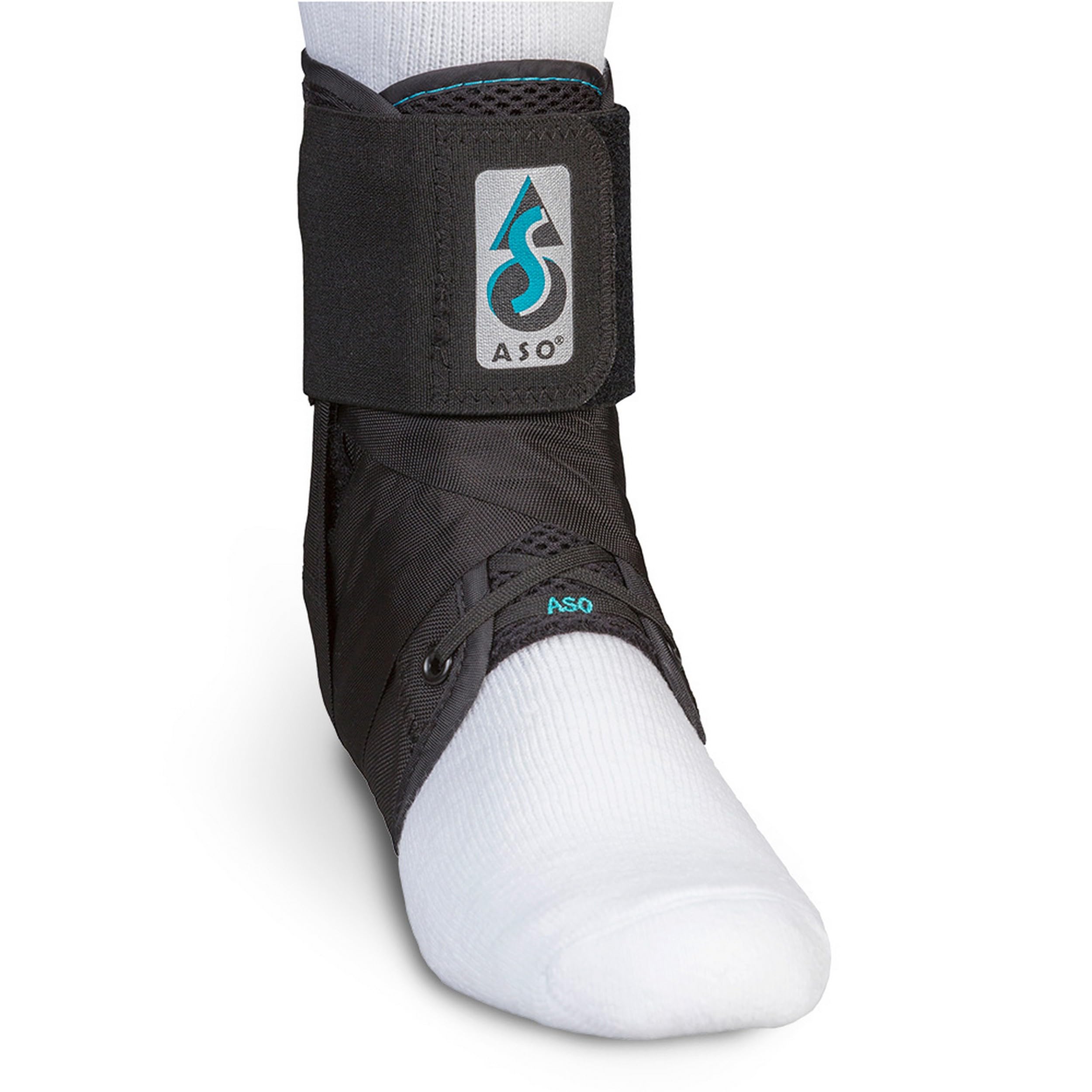
The Med Spec ASO is the brace most frequently recommended by athletic trainers and orthopedic PTs for peroneal tendonitis because its lace-up chassis + figure-8 strap system directly limits the lateral talar tilt that inflames the peroneals. The CoolFlex padding prevents the edge-rubbing that cheaper nylon braces produce, and the center-marked laces allow you to tie even tension across both sides of the peroneal retinaculum.
Real user feedback confirms its dominance: one buyer with chronic peroneal soreness reported that the ASO reduced pain from a 9 to a 2-3 on daily walks, and another recovering from a sprain found it light enough to fit inside barefoot shoes while still providing the lateral stability that sleeves cannot match. The heel counter holds firm without digging into the malleolus.
The lace-up system requires full loosening before application — not a quick-pull sleeve — but the support payoff is immediate. Over weeks of rehab, the 800D-equivalent nylon resists stretch, so the compression at the peroneal tunnel stays consistent. For anyone serious about peroneal recovery, this is the standard.
Why it’s great
- Combined lace-up + figure-8 straps control lateral inversion effectively.
- Breathable CoolFlex padding prevents skin irritation during all-day wear.
- Bilateral design fits either foot with consistent tension.
Good to know
- Not a slip-on; requires unthreading laces for application.
- Size chart must be followed closely — sizing differs from shoe size.
2. Bauerfeind MalleoTrain Ankle Support

The Bauerfeind MalleoTrain takes a fundamentally different approach to peroneal support: instead of external strapping, it uses medical-grade compression knit integrated with anatomically contoured viscoelastic massage pads that sit directly over the lateral malleolus and the peroneal tendon groove. These pads redistribute the pressure away from the inflamed tendons during movement, and the flat-knit construction prevents the fabric from rolling into the peroneal tunnel.
Users recovering from post-ORIF surgery and chronic lateral instability report that the MalleoTrain improves gait symmetry and reduces the “giving way” sensation better than any lace-up brace they tried. The pad design keeps the brace in place without constant readjustment — the compression is firm enough to stimulate proprioception but soft enough for a full workday inside dress shoes.
The downside is the premium investment. The MalleoTrain also runs large compared to US sizing, so measure the ankle circumference precisely. For someone who needs a low-profile, comfortable stabilizer for daily wear rather than max-lock sports performance, this German-made brace delivers a level of material quality that outlasts three budget sleeves.
Why it’s great
- Viscoelastic pads directly target peroneal tendon irritation points.
- Medical-grade knit retains shape and compression after machine washing.
- Ultra-low profile fits inside almost any shoe without bulk.
Good to know
- Highest investment among all options reviewed.
- Size down if between sizes and prefer firmer compression.
3. DonJoy Stabilizing Speed Pro

The DonJoy Speed Pro uses 800D ballistic nylon — the same weft density used in tactical gear — giving it a durability advantage over any lace-up brace in this list. The speed-lace system with two Velcro tabs lets you achieve a locked-in fit in under ten seconds, crucial for athletes who need to tighten the peroneal tunnel compression between basketball quarters or volleyball sets.
Users transitioning from a cam boot after a fracture or severe sprain specifically call out the Speed Pro’s ability to provide rigid lateral stabilization without the bulk of a full splint. The removable articulated medial/lateral stays add an extra layer of proprioceptive feedback, helping the brain re-learn ankle positioning after injury. The full circumferential elastic strap also compresses the proximal fibula, reducing the pull on the peroneus longus tendon.
The trade-off is bulk: at 0.17 kg and with the reinforced eyelet area, it fits less easily into narrow sneakers than a compression sleeve. Some users also note that the D-rings on the Velcro tabs can press into the lateral foot during sharp cuts. For aggressive court sports where peroneal stability is the priority, the Speed Pro is the most rugged option available.
Why it’s great
- 800D ballistic nylon resists stretch and wear longer than standard braces.
- Speed-lace system with Velcro tabs enables fast, secure adjustment.
- Removable stays provide extra proprioceptive training for the peroneal muscles.
Good to know
- Bulky build may not fit well inside narrow or low-cut athletic shoes.
- D-rings on the top strap can create pressure points during lateral movement.
4. McDavid Ultralight 195R
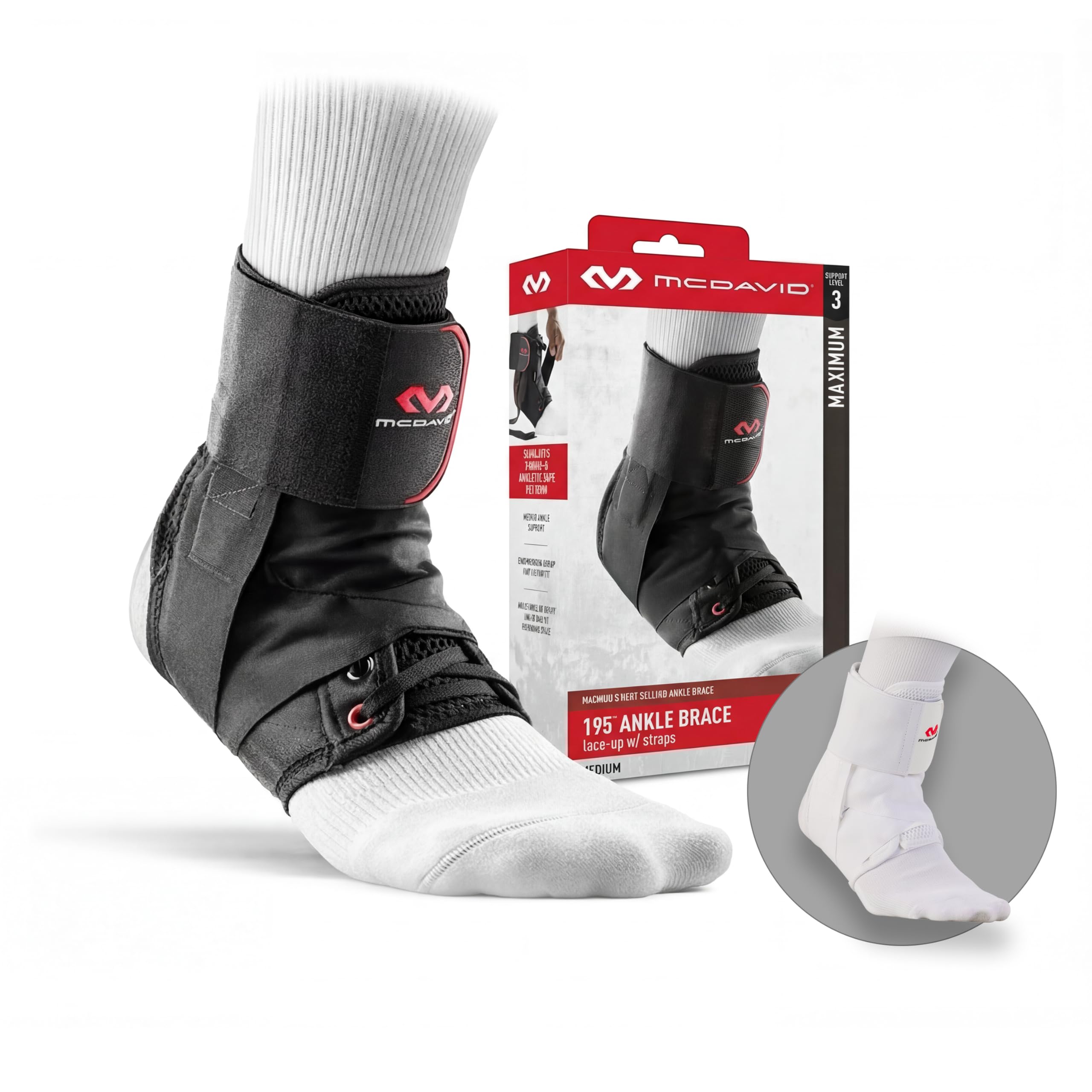
McDavid’s Ultralight 195R cleverly mimics athletic taping with its figure-6 strapping pattern rather than the typical figure-8. This design prioritizes the peroneal tendon by directing compression in a continuous sweep from the medial arch, under the heel, and up across the lateral ankle. The result is a brace that isolates the lateral pain point without restricting dorsiflexion — critical for jumping and cutting sports.
Weekend hoops players and tennis competitors report that the 195R stays locked in through full-court sprints and prevents the “tweak” sensation after landing on an opponent’s foot. The ventilated tongue enhances breathability, and the lace-up + hook-and-loop combo provides incremental fit adjustment without needing to fully re-lace. One user with peroneal tendonitis noted dramatic pain reduction on stairs once the brace was tightened correctly.
Initial setup requires threading the laces through the eyelets, but after that the brace is quick to put on. The Velcro tab at the top can scratch bare skin, so crew socks are recommended. For the price point, the 195R delivers excellent peroneal support without the bulk of a full stabilizer brace.
Why it’s great
- Figure-6 strapping provides targeted peroneal compression.
- Light enough for agility sports without sacrificing lateral support.
- Ventilated tongue keeps foot cool during extended activity.
Good to know
- Velcro strap can irritate bare skin — wear longer socks.
- Tight fit may feel restrictive for users with wider feet.
5. Fitomo Triple-Lock Ankle Brace
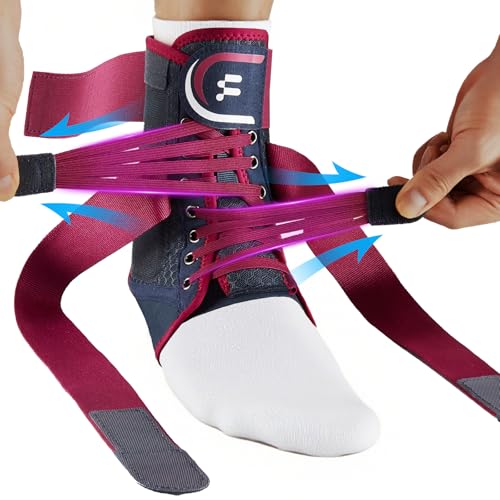
The Fitomo Triple-Lock stands out for its dual removable side stabilizers — rigid plastic inserts that physically resist the inversion force that aggravates peroneal tendons. Combined with the top strap compression and the figure-8 cross strap, this creates a three-layer defense system. For early-stage rehab where the peroneal tendons are still reactive, the splints prevent the ankle from rolling at all.
Recovery users recovering from broken ankles after weeks in a walking boot praised the easy application — the hook-and-loop closure is simpler than traditional laces, yet the figure-8 strap provides the lateral lock that a simple wrap cannot. The brace also offers room to loosen the stabilizers for daily walking while keeping them tight for sports transitions. One stroke survivor with foot drop reported that the brace corrected inversion gait.
The materials are durable, but the brace runs slightly large for skinny ankles — some users needed to downsize for a snug peroneal fit. The removable splints also add profile bulk, making it less ideal for narrow dress shoes. For someone navigating the transition from immobilization to active movement, the Fitomo Triple-Lock is a versatile mid-range pick.
Why it’s great
- Removable side splints provide maximum inversion control during early healing.
- Hook-and-loop closure enables quick on/off without unlacing.
- Versatile enough to loosen stabilizers for daily wear.
Good to know
- Runs slightly large — measure ankle circumference carefully.
- Splint profile adds bulk that may not fit all shoe types.
6. WHCOOL Flat Knit 7-Zone Compression Sleeve

The WHCOOL Flat Knit sleeve solves the biggest weakness of standard compression sleeves — they squeeze uniformly rather than addressing specific peroneal zones. This design uses flat-knit German PA66 nylon to create seven different compression levels across the arch, heel, Achilles, peroneal tendon area, and instep. The flat knit prevents the fabric from settling into skin folds that can dig into the peroneal tunnel.
The 3-Point Lock flex strap adds an extra layer of stability that pure sleeves lack: it wraps from the lateral ankle under the arch, providing targeted peroneal offloading without the rigidity of a lace-up. Users with mild peroneal irritation found that the 7-zone compression reduced swelling and improved circulation during long work days. The moisture-wicking fabric also prevents the sweat buildup that causes sleeve migration.
This brace is not designed for high-impact cutting sports. The flex strap provides gentle resistance, not the rigid lock of a metal stabilizer. Removal can be difficult for users with wide feet, as the flat-knit sleeve has less give than traditional elastic weaves. For daily walking, running, or light rehab where peroneal compression is the goal, this is a solid mid-range sleeve.
Why it’s great
- Seven-zone compression delivers precise support around the peroneal area.
- Flat-knit construction prevents fabric rolling and skin irritation.
- Flex strap adds targeted lateral stabilization without bulk.
Good to know
- Not rigid enough for severe chronic instability or high-impact pivoting sports.
- Difficult to remove for users with wide or swollen feet.
7. WHCOOL Low-Profile Ankle Braces (Pair)
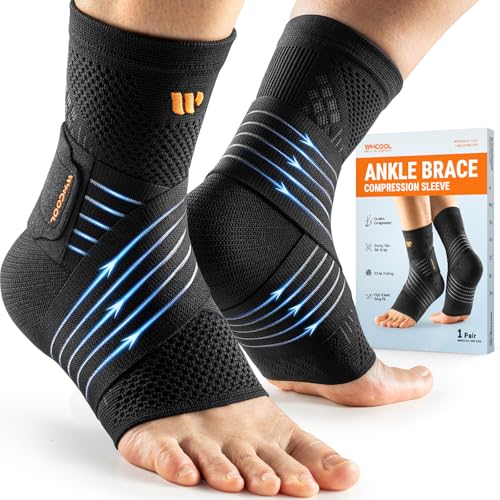
The WHCOOL Low-Profile pair offers a 30% wider strap than standard 1-inch ankle wraps, which distributes the peroneal compression across a larger surface area and reduces focal pressure on the tendon. The X-shaped design contoured to the natural ankle anatomy improves proprioception — your brain receives clearer positional cues from the lateral ankle, helping you avoid the rolling motion that triggers tendon pain.
As a two-pack, the value proposition is obvious for users who need a brace for both feet or want a backup for washing. The 3D Air Knit fabric keeps the brace at just 41 grams, making it the lightest option here — perfect for wearing inside ballet flats, dress shoes, or barefoot footwear. A 10-year-old dancer recovering from a sprain was able to wear this seamlessly under ballet shoes.
The trade-off is support depth: the wider strap and X-shape provide mild to moderate peroneal offloading, but without a lace-up chassis or rigid stabilizers, this brace cannot control severe inversion. Users with significant swelling also reported difficulty removing the tight sleeve. For light peroneal irritation, daily circulation, or preventative maintenance, this budget-friendly pair is a practical choice.
Why it’s great
- Two-pack provides excellent value for daily rotation.
- Wider strap distributes peroneal compression more evenly.
- Extremely lightweight (41g) for discreet wear in any shoe.
Good to know
- Limited lateral stabilization — not suitable for severe chronic instability.
- Tight fit can be difficult to remove if ankle swells during activity.
FAQ
Can a compression sleeve help peroneal tendonitis or do I need a lace-up brace?
How tight should a peroneal tendonitis brace feel around the lateral ankle?
Is it safe to sleep with a peroneal tendonitis brace on?
Final Thoughts: The Verdict
For most users, the brace for peroneal tendonitis winner is the Med Spec ASO Ankle Stabilizer because its lace-up chassis with figure-8 straps provides the mechanical inversion control and durably consistent compression that peroneal recovery demands. If you want targeted, low-profile relief for daily wear without the lacing hassle, grab the Bauerfeind MalleoTrain. And for aggressive court sports where peroneal stability is your top concern, nothing beats the DonJoy Speed Pro.