
Our readers keep the lights on and the weekend projects moving. As an Amazon Associate, I earn from qualifying purchases.
When you’re managing stage 3 chronic kidney disease, that morning slice of toast or the bread holding your lunch sandwich becomes a daily puzzle. The hidden sodium in most commercial loaves can quietly push your blood pressure and fluid balance in the wrong direction. Finding a bread that respects your renal diet while still tasting like real food takes more than just grabbing the first “low-sodium” label you see.
I’m Rikta — the founder and writer behind FitlyFast. I’ve spent years analyzing food labels, reading nephrology diet guidelines, and studying renal-friendly product lines to help people navigate the narrow aisle of safe, satisfying bread options.
This guide is built around the hard specs that matter for kidney health — milligrams of sodium per serving, phosphorus additives, and protein content — to help you find the right bread for ckd stage 3 without the guesswork.
How To Choose The Best Bread For CKD Stage 3
The renal diet for stage 3 CKD is not a one-size-fits-all prescription, but the bread aisle is where many people trip up first. The right choice hinges on three non-negotiable factors that directly affect kidney workload and overall health markers.
Sodium content per serving
This is the single most critical spec for kidney health. A general target is under 150 mg of sodium per serving, but for strict renal management, sub-100 mg or even sub-50 mg options provide more daily flexibility. Many standard bread slices pack 150–200 mg per slice, which adds up fast when you account for the rest of your meals.
Phosphorus and phosphate additives
In stage 3 CKD, the kidneys begin to lose their ability to filter excess phosphorus from the blood. Naturally occurring phosphorus in whole grains is generally less concerning, but added phosphorus in the form of dough conditioners (disodium phosphate, calcium phosphate) can be absorbed at nearly 100% and should be avoided. Always scan the ingredient list for any ingredient ending in “phos.”
Protein quality and quantity
Stage 3 CKD often calls for a moderate protein restriction to ease the filtration burden. Breads that are high-protein may seem healthy, but for renal needs, a lower protein content (around 2–5 grams per serving) is typically safer unless your nephrologist recommends otherwise. Pair this with a high biological value protein source when you do eat bread.
Quick Comparison
On smaller screens, swipe sideways to see the full table.
| Model | Category | Best For | Key Spec | Amazon |
|---|---|---|---|---|
| Toufayan No Added Salt Whole Wheat Pitettes | Pita | Zero added salt | 0 mg sodium per serving | Amazon |
| Food For Life Ezekiel 4:9 Low Sodium | Loaf | Sprouted whole grains | ~75 mg sodium per slice | Amazon |
| Joseph’s Low Carb MINI Pita | Mini Pita | Low carb / carb control | 5g net carbs per pita | Amazon |
| ROYO Bread Co. Artisan Bread | Loaf / Bagel | Ultra-low calories | 30–80 calories per serving | Amazon |
| Toufayan Everything Smart Pockets Pita | Pocket Pita | Low sodium / low calorie | ~65 mg sodium per pocket | Amazon |
| Wheat Thins Hint of Salt | Cracker | Crunchy snack alternative | ~35 mg sodium per serving | Amazon |
| Joseph’s Bakery Lavash Bread Flax | Flatbread | Versatile wrap / pizza base | 6g net carbs per lavash | Amazon |
In‑Depth Reviews
1. Toufayan No Added Salt Whole Wheat Pitettes Pita Bread
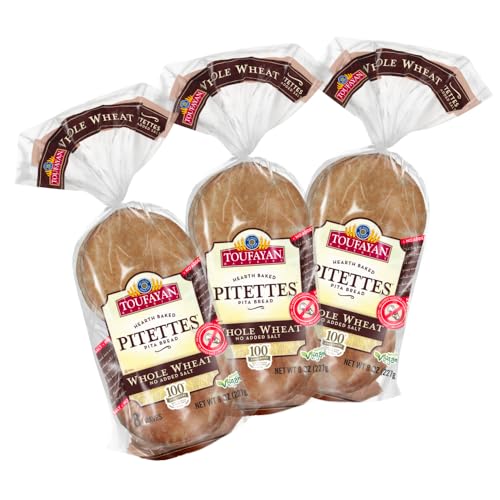
Toufayan’s no-added-salt pita is the closest thing to a renal-diet workhorse you will find in the bread aisle. At zero milligrams of sodium per serving, this pita gives you complete control over your daily sodium budget — you could eat two pockets for a sandwich and still have 140 mg of sodium remaining within the sub-150 mg per meal window. The whole wheat base provides a modest amount of fiber without the heavy protein load that some sprouted breads carry, landing around 2–3 grams of protein per pocket, which fits well into a moderate-protein renal meal plan.
The texture is soft and pliable, with a genuine pocket that actually holds fillings without disintegrating — a common complaint among low-sodium breads that tend toward crumbly or gummy. Because the bread has no added salt, the flavor is mild and slightly sweet from the whole wheat itself. It works best when toasted and paired with a savory protein (eggs, low-sodium cheese, or grilled chicken) or spread with a low-sodium cream cheese. Multiple reviewers noted it “tastes great” even without salt, which is a rare compliment in the low-sodium bread space.
The only catch is that Toufayan stamps a manufacturing date on the bag, not an expiration date, so you must freeze these immediately upon arrival and thaw only what you need. Freezer life is up to 8 months, and thawed pockets last about 5 days in the fridge. If you buy the 3-pack (24 pitas total), that is more than enough for a full month of lunch bread without any risk of spoilage if stored properly.
Why it’s great
- Zero added sodium per serving — maximum renal safety
- Soft, pliable texture with real pockets
- Freezes well for long-term storage
Good to know
- No expiration date — must track manufacturing date and freeze
- Mild flavor without salt may not satisfy everyone
2. Food For Life Ezekiel 4:9 Sprouted Grain Low Sodium Organic

Ezekiel 4:9 is one of the most recognized names in the health-food bread world, and their low-sodium variant delivers the same sprouted-grain nutrition with a drastically reduced salt profile. Each slice contains roughly 75 mg of sodium, which is about a third of what standard supermarket whole wheat bread carries. The bread is made from organic sprouted grains and legumes (wheat, barley, millet, lentils, soybeans, spelt), offering a complete protein profile that includes all nine essential amino acids — rare for a bread product.
The sprouting process breaks down some of the anti-nutrients in grains, making the minerals more bioavailable, but it also creates a denser, heavier loaf than standard bread. You will notice a distinctly nutty, sweet flavor and a crumb that holds together well for toast but can feel dense for sandwiches. The low-sodium version does not contain the usual added salt used to mask the inherent bitterness of sprouted grains, so the flavor is honest and grain-forward — something most reviewers appreciated for its “healthy” taste but a few found “stale” or “heavy.”
One practical issue is that this bread molds relatively quickly after opening because it contains no preservatives. The 24-ounce loaf is best stored in the freezer and thawed slice by slice. If you get a fresh shipment, consume it within a few days and freeze the rest immediately. For CKD purposes, the complete protein content (around 4–5 grams per slice) is worth monitoring if your nephrologist has you on a tighter protein restriction.
Why it’s great
- Complete plant protein from sprouted grains
- Low sodium at ~75 mg per slice
- Organic and Non-GMO verified
Good to know
- Molds quickly; must freeze immediately
- Dense, heavy texture not for everyone
3. Joseph’s Low Carb MINI Pita Bread 6-Pack
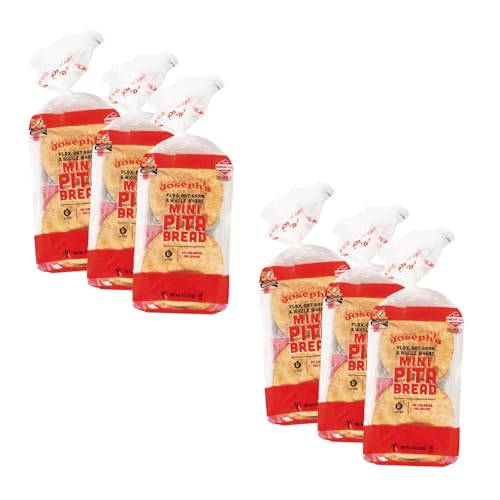
Joseph’s MINI pitas are designed for people who want the structure of bread without the carbohydrate load that can stress overall metabolism — and by extension, kidney function. Each 5-inch diameter pita contains only 5 grams of net carbs, 50 calories, and a moderate 3 grams of protein, making it one of the most carb-efficient bread options on the market. For CKD stage 3, this is particularly useful if you are also managing diabetes or insulin resistance alongside your kidney concerns, because lower blood sugar spikes reduce the overall inflammatory burden.
The pitas are made from a blend of flax, oat bran, and whole wheat, which gives them a nutty, slightly earthy taste that works well with savory fillings. The texture is surprisingly bread-like, though the MINI version is thinner and more delicate than a standard pita. Multiple reviewers praised them for being “perfect size & pre-cut for easy use,” noting they work for mini sandwiches, gyro-style wraps, and even as soft taco shells. The thinness does mean they tear more easily if over-stuffed, so gentle handling is required.
The 6-pack ships fresh, not frozen, and must be consumed within roughly two weeks or frozen for up to a year. The 48-count total (8 pitas per pack, 6 packs) is generous, but the price per pack is higher than standard bread, so consider whether you will actually use all 48 before freezing. The flax content provides a small amount of Omega-3 ALA, which has mild anti-inflammatory benefits — a nice bonus for renal health.
Why it’s great
- Very low net carbs (5g) — supports metabolic health
- Low calorie at 50 per pita
- Pre-cut and convenient for portioning
Good to know
- Thin and can tear under heavy fillings
- Must be frozen for long-term storage
4. ROYO BREAD CO. NON-Assorted 2-Pack Low Carb Artisan Bread
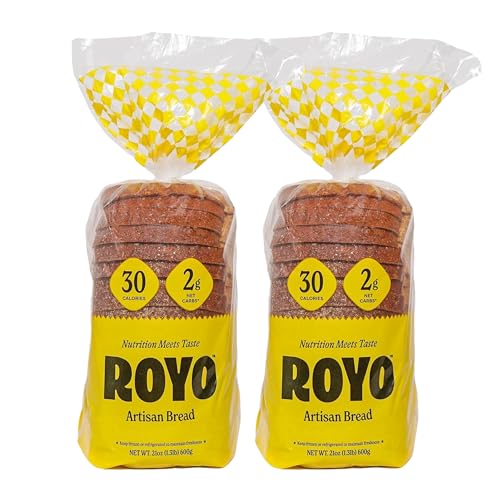
ROYO has carved out a niche by making artisan-style bread that squeaks in at just 30 calories per serving for the bread option and 80 for the bagels, while keeping carbs low and fiber high. The ingredient list is clean — all natural, vegan, Non-GMO, and certified kosher by both cRc and OK Kosher — with no artificial flavors, colors, or preservatives. For renal patients, the high fiber (the bread uses inulin and oat fiber to bulk up volume without carbs) helps manage blood sugar and promote regular bowel movements, which can be a side effect of the restricted renal diet.
Customer reviews consistently describe the bread as “indistinguishable from whole wheat” when toasted, with a “soft” texture that “feels like bread” — a major achievement for a product with so few calories. The bagel variant is denser but still praised for toasting well and holding up to spreads like low-sodium cream cheese or almond butter. The 2-pack is a sampler (one bread, one bagel) and is ideal for someone who wants to test before committing to a larger bulk order.
The primary trade-off is the price-to-volume ratio. For the cost, you get a relatively small amount of actual bread compared to a standard loaf. If you are not strict on calorie restriction, the ROI may not justify the premium. But for renal patients who also need to watch total caloric intake and carbohydrate load, the precise nutritional control ROYO offers is hard to beat.
Why it’s great
- Ultra-low calorie (30–80 per serving)
- Clean, Non-GMO, no artificial ingredients
- Toasts well and tastes like real bread
Good to know
- Small quantity for the price
- Bagel is bread-shaped, not a classic chewy bagel
5. Toufayan Everything Smart Pockets Pita Bread
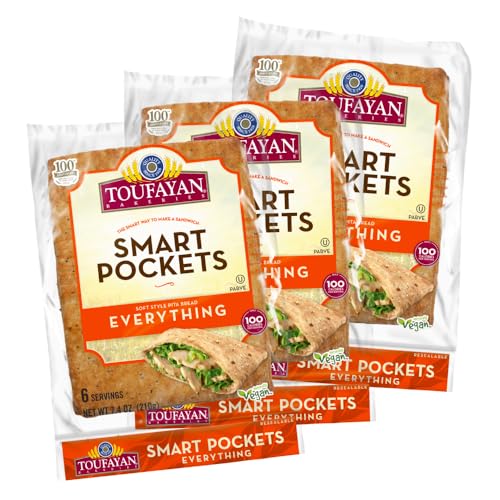
Toufayan’s Everything Smart Pockets are the entry-level workhorse for renal diets on a tighter grocery budget. Each pocket contains roughly 65 mg of sodium, which is low enough to be safe for most stage 3 CKD patients (staying under the typical 150 mg per serving threshold), and the pockets are sturdy enough to actually hold fillings without falling apart. The “everything” seasoning — typically sesame seeds, poppy seeds, garlic, and onion — adds genuine flavor without the salt crunch, which is a major point of satisfaction for customers missing the savory kick of a traditional sandwich.
The calorie and carb profile is moderate: around 130–150 calories per pocket, with about 5 grams of protein and 25–30 grams of carbs. This is not a low-carb bread, so if you are also managing diabetes, you will need to account for the carb count in your meal plan. But for pure sodium management, the Smart Pockets deliver a reliable sub-70 mg option that fits easily into a renal-safe daily menu. Multiple reviewers praised the fact that the pockets “don’t fall apart” and have “good flavor” — two things that are surprisingly hard to find in the low-sodium bread category.
The 3-pack (18 pitas total) is one of the most cost-effective options in this list, coming in at a per-pita price that is hard to beat. The manufacturing date system (same as the No Added Salt variant) means you must freeze immediately. The pockets thaw quickly and work well for toasted sandwiches or panini presses.
Why it’s great
- Low sodium at ~65 mg per pocket
- Sturdy pockets hold fillings without tearing
- Budget-friendly for the 18-count pack
Good to know
- Not low-carb; ~25g carbs per pita
- Must be frozen upon arrival
6. Wheat Thins Hint of Salt Low Sodium Snacks

Wheat Thins Hint of Salt crackers serve a different role than sandwich bread, but they are an important category for CKD patients who need a crunchy snack that does not wreck their sodium budget. Each serving (about 16 crackers) contains only 35 mg of sodium, which is one of the lowest cracker options on any shelf. The crackers are made from whole grain wheat, providing 22 grams of whole grain per 31-gram serving, and they contain no artificial flavors or colors.
The flavor profile is exactly what the name suggests — a very light salt touch that allows the roasted wheat taste to come through. Reviewers consistently note that they are “tasty and crisp” and work well with tuna salad, cheese, dips, and soups. The low salt content does not leave them tasting flat, which is a common complaint with other reduced-sodium crackers. The bulk box (6 boxes of 8.5 oz each) is a practical way to keep a steady supply at home for snacks and lunch pairings.
For CKD purposes, pay attention to the serving size. It is easy to double or triple the portion when snacking, which would double the sodium to 70 or 105 mg. Also, while the crackers are whole grain, the total carb load per serving (around 20–22 grams) should be factored into your daily meal plan if you are watching blood sugar.
Why it’s great
- Very low sodium at ~35 mg per serving
- Crunchy, satisfying texture with real whole grain flavor
- Bulk box keeps pantry stocked
Good to know
- Easy to overeat; portion control needed
- Not a bread substitute for sandwiches
7. Joseph’s Bakery Lavash Bread, Flax Oat Bran & Whole Wheat
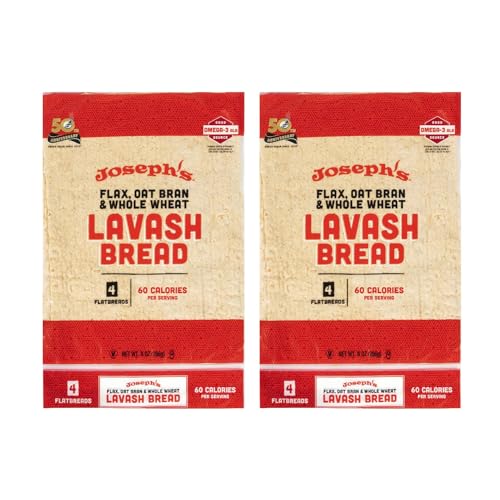
Joseph’s Lavash is a large, thin flatbread (11.5 x 8.25 inches) that can serve as a wrap, pizza base, or even a roll-up for fillings. Each lavash contains only 6 grams of net carbs and 60 calories, with a moderate protein count of about 4 grams. The flax and oat bran blend gives it a slightly nutty, earthy flavor that is more bread-like than most low-carb wraps, which often have a gummy or rubbery texture. Multiple reviewers describe it as “superior wrap” and note it is a “great bread for making lower carb pizza.”
For CKD stage 3, the Lavash’s versatility is its biggest strength. You can fold it into a pocket for fillings, use it as a flatbread for grilled vegetables and lean protein, or cut it into chips and bake for a low-sodium crunch alternative. The modest protein and carb load keeps it safely within moderate renal diet parameters. The 8-count pack ships fresh and must be consumed within two weeks or frozen for up to a year (30-day shelf life after thawing).
The main drawback is that the Lavash is thin and can tear if you over-stuff it, especially when using it as a wrap for dense fillings. It also tends to dry out faster than standard bread once opened, so store it in an airtight bag. The price per lavash is higher than a slice of standard bread, but for the nutritional precision and versatility, many users find it worth the premium.
Why it’s great
- Extremely versatile — wrap, pizza, chips, sandwich
- Low net carbs (6g) and low calories (60)
- Bread-like texture, not gummy
Good to know
- Thin and can tear if overstuffed
- Must be frozen for long-term storage
FAQ
Is sourdough bread safe for stage 3 CKD?
Can I eat whole wheat bread on a renal diet?
How many slices of bread can I eat per day with CKD stage 3?
Does Ezekiel bread have phosphorus additives?
Are gluten-free breads better for CKD stage 3?
Final Thoughts: The Verdict
For most users, the bread for ckd stage 3 winner is the Toufayan No Added Salt Whole Wheat Pitettes because it delivers zero milligrams of sodium per serving, uses clean whole wheat ingredients without phosphorus additives, and the soft pocket texture actually makes sandwiches enjoyable again. If you want a sprouted, nutrient-dense loaf with proven nutritional pedigree, grab the Food For Life Ezekiel 4:9 Low Sodium. And for versatile low-carb needs that also support metabolic health, nothing beats the Joseph’s Low Carb MINI Pita for a wrap or a quick lunch base.