
Our readers keep the lights on and the weekend projects moving. As an Amazon Associate, I earn from qualifying purchases.
Navigating the bread aisle when you value digestive wellness is a test of patience. Most commercial loaves are packed with refined flours, preservatives, and additives that can trigger bloating, brain fog, and inflammation. The real question isn’t whether you can eat bread—it’s which bread works with your body, not against it.
I’m Rikta — the co-founder and writer behind FitlyFast. I’ve spent years parsing ingredient labels and analyzing fermentation methods to find loaves that support digestion, steady energy, and gut microbiome health without sacrificing the simple pleasure of a great slice.
This guide cuts through the marketing noise to deliver the top recommendations for anyone seeking the best bread for gut health that you can actually buy and enjoy without compromising your wellness goals.
How To Choose The Best Bread For Gut Health
Not all bread affects your digestion the same way. A gut-friendly loaf hinges on three core elements: the type of grain used, the preparation method, and the ingredient list length. Focus on these factors and you’ll skip the bloating and get the nourishment.
Fermentation Method Matters Most
True sourdough—made with a live starter and slow-fermented for 12+ hours—partially breaks down phytic acid and complex carbs before you even take a bite. This natural process makes the bread easier to digest and releases more minerals for absorption. Avoid breads labeled “sourdough” that list commercial yeast or vinegar as a shortcut.
Fiber Content and Grain Source
Look for at least 3 grams of fiber per slice from whole grains, rye, or heritage wheat. Pre-hybridized grains like Turkey Red and White Sonora contain a different gluten structure that many sensitive individuals tolerate better than modern dwarf wheat. The fiber feeds beneficial gut bacteria and promotes regular bowel movements.
Quick Comparison
On smaller screens, swipe sideways to see the full table.
| Model | Category | Best For | Key Spec | Amazon |
|---|---|---|---|---|
| Jim’s Amazing Bread | Whole Wheat | Gluten-sensitive & high fiber | 5g fiber per slice | Amazon |
| Dr. B’s Frankie Sourdough | Low-Carb Sourdough | Keto & low FODMAP | 3g net carbs per slice | Amazon |
| Dr. B’s Wilbur Multigrain | Multigrain | High protein & low sugar | 7g protein per slice | Amazon |
| Mestemacher Pumpernickel | Whole Rye | High fiber & gluten-free | 9g fiber per slice | Amazon |
| Sunrise Flour Mill Heritage Blend | Baking Flour | Baking with easy-digest grains | Heritage wheat, single pass milled | Amazon |
| Bread Sourdough Boston Rosemary Olive | Sourdough Loaf | Convenient artisan sourdough | Crunchy crust, soft interior | Amazon |
| Sturdiwheat Bread Limpa Sweet Rye | Bread Mix | Easy rye baking at home | All-natural, yeast included | Amazon |
In‑Depth Reviews
1. Jim’s Amazing Bread

Jim’s Amazing Bread uses a unique “whole-cell wheat” process where the entire grain kernel is included but the gluten is rendered inactive through a proprietary method. Each slice delivers a massive 5 grams of fiber from just six all-natural ingredients: whole-cell wheat, honey, flax, yeast, water, and salt. No preservatives or chemical dough conditioners.
This is a dense, hearty loaf that holds up well to toasting and sandwiches without turning gummy. Many users with gluten sensitivity and IBS report zero bloating, which is rare for a wheat-based bread. The 3-loaf pack is generous, though the bread’s dryness can be an issue if not stored properly or if the loaf arrives squashed in transit.
The ingredient label is as clean as any ready-to-eat bread you’ll find. If reducing processed foods while still enjoying real bread is your goal, this is a standout daily driver for gut health.
Why it’s great
- 5g fiber per slice from whole-cell wheat
- Only 6 clean ingredients, no preservatives
- Many gluten-sensitive users report no bloating
Good to know
- Loaves can be dry and crumbly
- Packaging during shipping sometimes leads to damage
2. Dr. B’s Frankie New York Style Sourdough
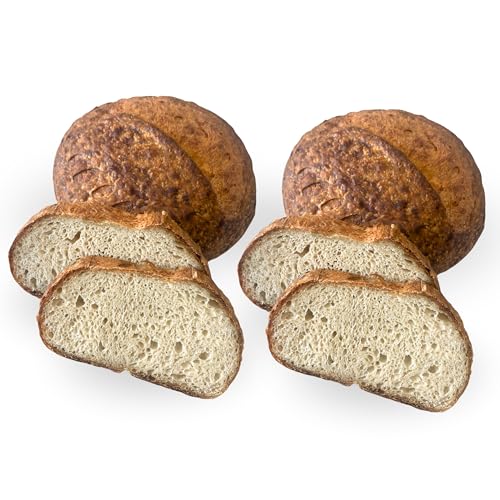
Dr. B’s Frankie is a legitimately fermented sourdough leavened with a live starter rather than commercial yeast. This slow process breaks down complex carbohydrates and improves mineral absorption, which makes the bread notably gentler on the digestive system than fast-produced loaves. Each slice offers just 3 grams of net carbs and 6 grams of plant protein at only 60 calories.
The texture is where Frankie shines: a chewy crumb and crisp crust that toasts beautifully without becoming brittle. It is also low FODMAP, vegan, nut-free, and sugar-free—making it one of the most inclusive options for sensitive diets. A few reviewers find the tangy flavor too pronounced, but for true sourdough lovers, this is a massive win.
If you follow a keto protocol or struggle with IBS and FODMAPs, this bread delivers the authentic sourdough experience without the gut turbulence. It is a premium product, and the price reflects the quality of ingredients and slow fermentation.
Why it’s great
- Authentic long-fermented sourdough starter
- Low FODMAP, vegan, nut-free, and sugar-free
- Crisp crust and chewy crumb, stays fresh
Good to know
- Tangy sourdough flavor is strong for some palates
- Premium price tier for an everyday staple
3. Dr. B’s Wilbur Five Flour Multigrain
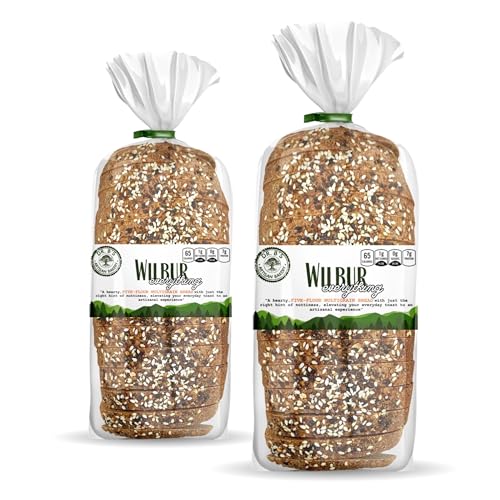
Dr. B’s Wilbur is a multigrain loaf built from a five-flour blend of almond, oat, wheat, dark rye, and freshly ground flax seeds. It packs 7 grams of plant protein and only 1 gram of net carbs per slice, with no resistant starches, sugar alcohols, or artificial preservatives. The protein and fiber combo supports stable blood sugar and extended satiety.
The texture is soft for a multigrain bread—no gritty dryness—and it holds up well to both sweet and savory toppings. Users with diabetes and keto dieters specifically note zero blood sugar spikes. Some moistness issues are reported, and the crumb can be slightly tough if not toasted, but the overall nutritional profile is hard to beat.
For anyone wanting a high-protein, low-carb bread that actually tastes like real multigrain and supports gut health with fiber from whole seeds, Wilbur is a strong contender.
Why it’s great
- 1g net carbs and 7g protein per slice
- Clean ingredient list with no chemical additives
- Soft, non-gritty multigrain texture
Good to know
- Moistness and crumb texture vary between batches
- High shipping cost outside subscription
4. Mestemacher Pumpernickel Bread
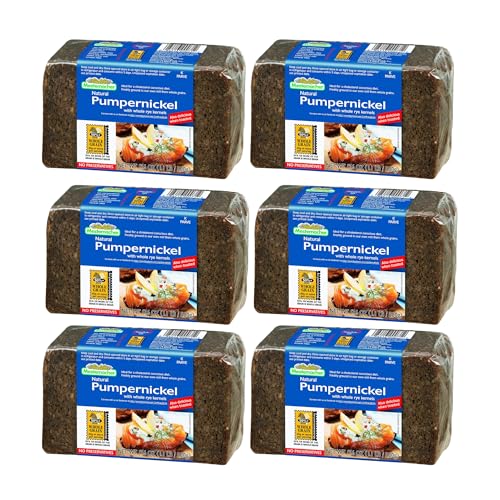
Mestemacher Pumpernickel is an authentic German whole rye bread that undergoes a traditional slow-baking process lasting up to 24 hours. This method develops a deep, malty flavor and a dense, moist crumb without any added sugars or preservatives. Each thin slice provides 9 grams of fiber, making it one of the highest-fiber breads on the market.
Because it is 100 percent whole rye, this bread is naturally gluten-free and suitable for those avoiding wheat gluten. The long shelf life and pre-sliced format make it a convenient pantry staple. However, the slices are thin and fragile—they break apart easily, so this is not a bread for assembled sandwiches unless you toast it or use it open-faced.
If your primary goal is maximum fiber intake from a whole-food source, Mestemacher delivers. Pair it with smoked salmon, avocado, or cheese for a gut-healthy, satisfying meal.
Why it’s great
- 9g fiber per slice from whole rye
- Naturally gluten-free with no preservatives
- Long shelf life, shelf-stable storage
Good to know
- Slices are thin and fragile, break easily
- Not suitable for traditional sandwiches without toasting
5. Sunrise Flour Mill Heritage Organic Bread Flour Blend
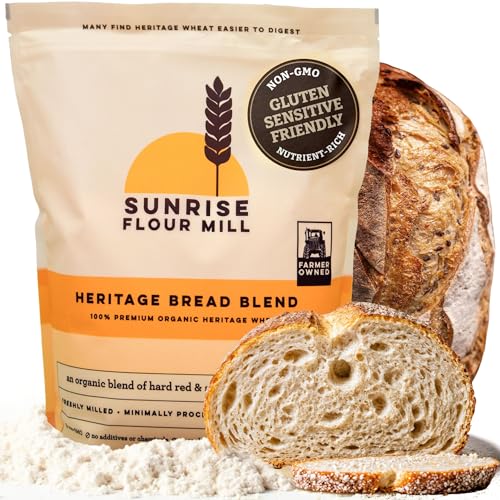
Sunrise Flour Mill’s Heritage Blend is a flour, not a finished loaf, but it deserves a spot because it lets you control the fermentation process from scratch. Milled from pre-hybridized Turkey Red and White Sonora wheats, it is USDA Organic and processed via a 1930s single-pass mill that yields a super-fine, fluffy texture without overheating the grain.
Users with gluten sensitivity and IBS consistently report less bloating and no stomach upset when baking with this flour vs. standard whole wheat. When used with a 24-hour cold fermentation for sourdough, the heritage wheat’s protein structure is even more digestible. Expect a nutty, creamy-gold crumb with excellent rise.
If you are a home baker committed to gut-friendly bread, this flour gives you full control over ingredients and fermentation time. One 5-lb bag yields roughly 6 loaves, making it cost-effective for committed bakers.
Why it’s great
- Pre-hybridized heritage wheat, easier to digest
- USDA Organic, single-pass milled for fine texture
- Excellent for long-fermentation sourdough baking
Good to know
- Requires home baking; not a ready-to-eat loaf
- Water hydration may need adjustment for different recipes
6. Bread Sourdough Boston Rosemary Olive
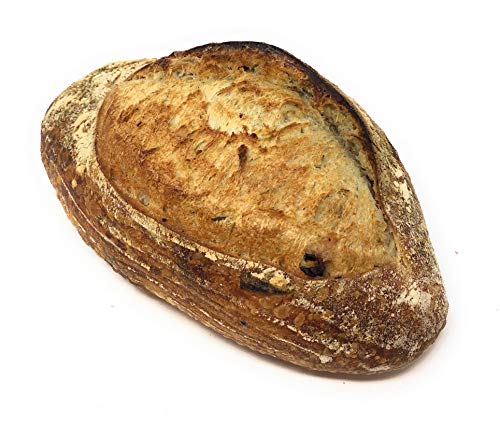
This ready-to-eat sourdough loaf from Boston delivers real artisan quality without the bakery trip. The crust is crunchy and the interior is soft and chewy, studded with real kalamata olive pieces and rosemary. It stays springy for up to a week without refrigeration, which is impressive for a preservative-free product.
The long fermentation that defines true sourdough supports digestibility by breaking down gluten and phytic acid. Users love it toasted with butter or as a sandwich base. Some recent batches reportedly contain fewer olives than before, which reduces the flavor punch. Still, for a convenient, no-bake sourdough option, this is a top-tier pick.
If you want the gut benefits of sourdough fermentation without baking or buying flour, this is your easiest entry point. Just check the olive distribution when it arrives.
Why it’s great
- True sourdough fermentation for digestibility
- Crunchy crust and soft interior, stays fresh a week
- Real olive and rosemary pieces throughout
Good to know
- Olive quantity can be inconsistent between loaves
- Premium price for a single loaf
7. Sturdiwheat Bread Limpa Sweet Rye

Sturdiwheat’s Limpa Sweet Rye mix is an all-natural Swedish-style loaf that comes with yeast included—just add water. It works equally well in a bread machine or conventional oven. The finished bread is soft, lightly sweet, and aromatic with caraway and citrus notes, reminiscent of a traditional Swedish limpa.
Rye flour is naturally higher in soluble fiber than wheat, which feeds beneficial gut bacteria and promotes slower glucose absorption. This mix contains no preservatives or artificial flavors. Users in humid climates may need to add extra flour to manage stickiness, but the instructions are straightforward for any skill level.
If you enjoy a slightly sweet, aromatic rye bread and want the satisfaction of baking it yourself with minimal effort, this mix is a solid entry-level option for gut-conscious bakers.
Why it’s great
- All-natural rye mix with no preservatives
- Easy to use in bread machine or oven
- Soft, aromatic loaf with traditional flavor
Good to know
- Dough can be very sticky in humid conditions
- Sweetness level may be higher than some prefer
FAQ
Is sourdough bread better for gut health than regular bread?
Can I eat bread if I have IBS or gluten sensitivity?
How much fiber should gut-healthy bread have per slice?
Final Thoughts: The Verdict
For most users, the best bread for gut health winner is the Jim’s Amazing Bread because it delivers 5g of fiber per slice from whole-cell wheat with only six all-natural ingredients, and many gluten-sensitive users report zero bloating. If you want the proven digestibility of a true sourdough fermentation with a low FODMAP, keto-friendly profile, grab the Dr. B’s Frankie Sourdough. And for the highest fiber count from a whole-grain source, nothing beats the Mestemacher Pumpernickel.