
Our readers keep the lights on and the weekend projects moving. As an Amazon Associate, I earn from qualifying purchases.
Every breakdancer knows the feeling of a shoe that grips the floor one second and skids the next — a betrayal that turns a clean freeze into a stumble. The right pair of break dance shoes solves this by delivering a spin sole that rotates freely without sacrificing the lateral grip you need for power moves and footwork.
I’m Rikta — the founder and writer behind FitlyFast. I’ve spent years analyzing the specific sole compounds, toe-box shapes, and split-sole constructions that separate a shoe built for headspins from one that belongs on a casual walk.
Whether you are drilling a six-step or competing in a battle, choosing the right break dance shoes means balancing floor feel, rotational control, and enough durability to survive months of practice on gym floors and cardboard.
How To Choose The Best Break Dance Shoes
Breakdancing places unique demands on footwear that running shoes and cross-trainers simply cannot meet. The constant pivoting, sliding, and weight shifting means your shoes need a specific sole pattern that allows rotation while still gripping when you dig in for a power move. Here is what to look for before you buy.
Spin Sole Material and Grip Balance
The most critical spec in break dance shoes is the spin sole — it is a smooth patch on the ball of the foot that lets you rotate with minimal friction. Look for a suede or hard-wearing woven synthetic that provides consistent, predictable glide. Some dance sneakers use a full smooth sole, while others integrate a split design that leaves the heel grippy for controlled stops. The wrong material will either stick too hard, twisting your knee, or slide without warning during a freeze.
Split-Sole Construction for Flexibility
Unlike standard sneakers, a break dance shoe benefits from a split sole that separates the forefoot from the heel. This construction allows the shoe to bend precisely at the ball of your foot, enabling you to point your toes during freezes and achieve a clean line when holding a pose. A full-sole shoe can feel board-like when you are trying to roll onto the top of your foot. The trade-off is that split soles may wear faster at the separation point, so check for reinforced stitching or overlays.
Toe Box Shape and Fit
Breakdancing involves a lot of time on your toes and the balls of your feet. A toe box that is too narrow will pinch during a freeze or a sustained floor run, while one too roomy lets your foot slide inside, causing blisters and unstable weight transfer. Many dance shoe brands run small — buyers routinely report needing 0.5 to 1 full size larger than their street shoe size. Always check whether the manufacturer’s sizing chart matches the real-world feedback for that specific model before ordering.
Quick Comparison
On smaller screens, swipe sideways to see the full table.
| Model | Category | Best For | Key Spec | Amazon |
|---|---|---|---|---|
| Very Fine Breaker | Unisex | Spins & Slides | Spin sole with white outsole | Amazon |
| Bloch Alcyone | Women’s | All-Round Support | Low-profile, slip-on with arch support | Amazon |
| Unisex Pulse Dance Sneakers | Unisex | Social Dancing | Full spin sole for salsa & bachata | Amazon |
| Bloch Boost Split Sole | Women’s | Jazz & Hip Hop | Canvas upper, split-sole flexibility | Amazon |
| Theatricals Jazz Sneaker | Unisex | Budget-Friendly | Split sole, painted heel | Amazon |
| Bloch Broadway Lo | Women’s | Wide Toe Box | Suede sole, soft almond toe | Amazon |
| Sansha Hi-Step Sneaker | Unisex | Entry-Level Use | Lightweight, air pocket cushion | Amazon |
In‑Depth Reviews
1. Very Fine Unisex Adult Breaker
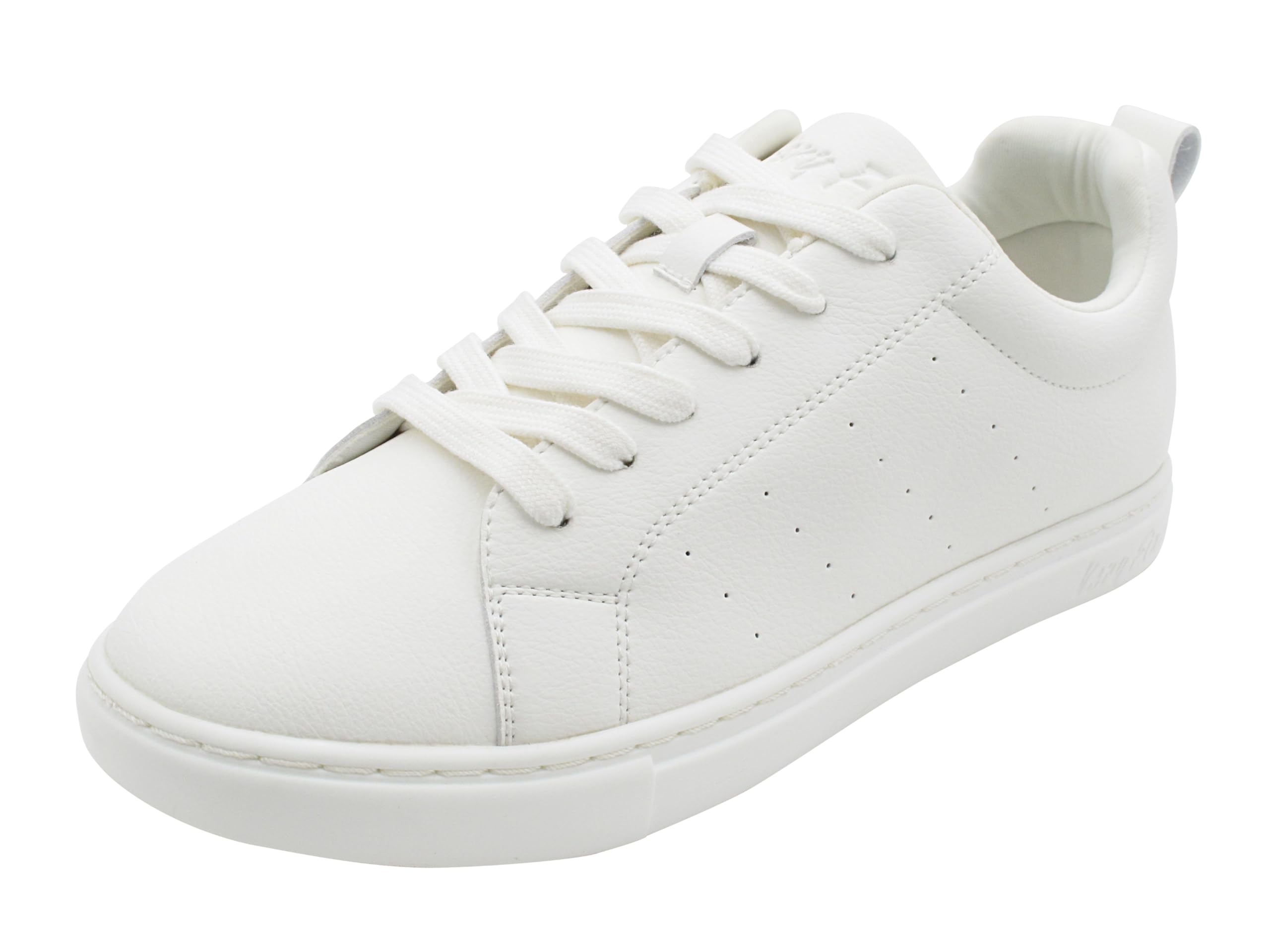
The Very Fine Breaker is built specifically for breakdancing, with a spin sole that users describe as offering excellent slide on wood floors without feeling slippery. The unisex sizing accommodates wider feet comfortably, and the shoe is lightweight enough that dancers report being able to practice for two-hour sessions without noticing the footwear. The white outsole is a deliberate design choice to avoid leaving scuff marks on dance floors, a detail that stage and competition dancers will appreciate.
Several reviewers who switched from standard sneakers noted a significant improvement in their ability to execute smooth spins and pivots. The shoe runs slightly large, so sizing down by a half to full size from your normal street shoe is recommended. While the structure feels basic compared to more padded training shoes, this minimalism translates directly into better floor feel — an essential quality when you need to sense the surface for balance during a freeze.
Where the Very Fine Breaker falls short is in lateral support for demanding power moves. The material around the tongue can feel stiff initially, and some dancers with high arches felt unstable during quick transitions. If your style involves heavy kicking or aggressive toprock, the lightweight build may not offer enough ankle hold. Still, for the dancer whose routine revolves around smooth footwork and controlled spinning, this shoe delivers exactly what the name promises.
Why it’s great
- Specifically designed spin sole for predictable rotation
- Lightweight and comfortable for long practice sessions
- Runs large, allowing for thick socks if needed
Good to know
- Lacks lateral support for aggressive power moves
- Tongue material may cause irritation without ankle socks
2. Bloch Women’s Alcyone

The Bloch Alcyone is a low-profile slip-on sneaker that prioritizes comfort and arch support for dancers who also teach or move through multiple class formats. Its split-sole design allows for decent foot articulation, and the outsole provides enough grip for step and cardio classes. The flexible construction makes it easy to slip on and off during transitions, and reviewers emphasize that it works best without socks for a glove-like fit.
Sizing is a recurring conversation with this model. Most buyers report needing to go up at least a half size, with some a full size larger. The toe box is short relative to the overall length, so dancers with longer toes should size aggressively. The shoe offers exceptional comfort for standing and walking, with one fitness instructor noting it relieved chronic foot pain that other sneakers failed to address.
The main concern with the Alcyone is its sole grip — it can actually be too grippy for dancing that requires slides and spins. One reviewer reported knee torque when trying to pivot in this shoe because the rubber grabbed the floor rather than rotating cleanly. If your breakdance style is heavily rotational, the Alcyone may fight you on certain surfaces. It is better suited for dancers who need a supportive shoe for floor exercise, light footwork, and studio work rather than pure breakdance battle conditions.
Why it’s great
- Phenomenal arch support for all-day wear and teaching
- Easy slip-on design with secure heel hold
- Comfortable for wide feet and bunion-prone dancers
Good to know
- Too grippy for smooth rotational dancing
- Reports of sole separation after only a few weeks of heavy use
3. Unisex Dance Sneakers Spin Sole
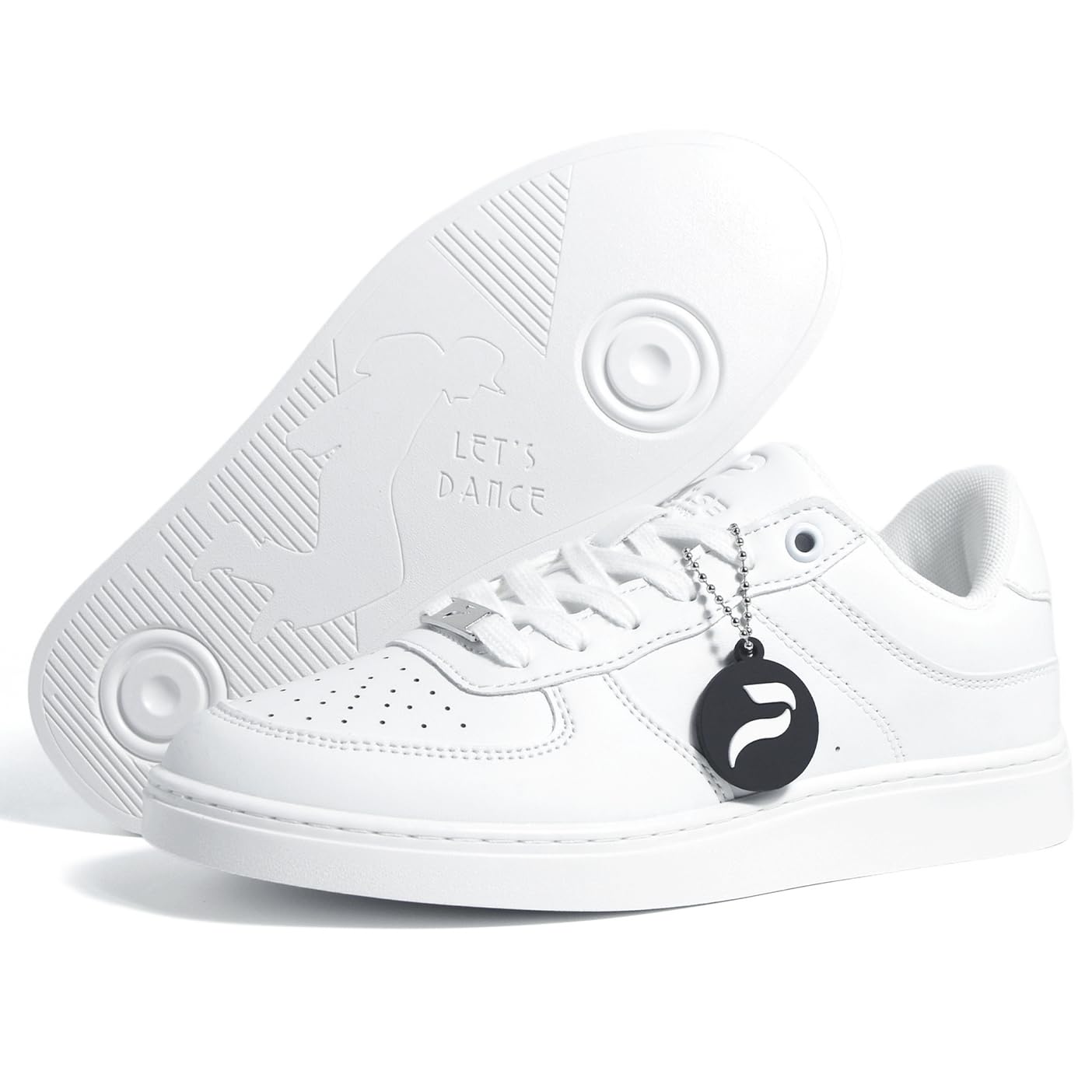
These Pulse Dance Sneakers are purpose-built for Latin and social dancing, but their full spin sole and lightweight build make them relevant for breakdancers who want maximum rotational freedom. The sole is designed to minimize friction, allowing effortless turns and slides on smooth floors. Users dancing salsa and bachata report significantly less fatigue after social events compared to using regular sneakers.
Durability is a mixed bag — the shoe holds up well for moderate use, but the material around the tongue can cause friction against bare skin. Several reviewers recommend wearing ankle socks to prevent blisters from the tongue stitching. The toe box is roomier than many dance-specific options, which is helpful for dancers with wider forefeet, but the lack of arch support means dancers with flat feet may need custom insoles.
The most common complaint is a sharp crease across the front of the shoe that digs into the toes during walking. This seems to be a design flaw where the upper meets the sole at an aggressive angle. Despite this, dancers who primarily use them for actual dancing rather than walking find the spin performance worth the trade-off. They are best suited for dancers whose routine involves heavy spinning on smooth surfaces.
Why it’s great
- Excellent spin sole for effortless turns on smooth floors
- Durable construction for frequent social dancing
- Versatile look for both practice and performance
Good to know
- Uncomfortable tongue material requires ankle socks
- Sharp crease at the toe can be painful when walking
4. Bloch Dance Canvas Boost Split Sole

The Bloch Boost Split Sole has been a mainstay in dance studios for years, and for good reason. The canvas upper breathes well during intense sessions, and the split-sole construction provides the toe articulation needed for pointing and rolling through the foot during freezes. The outsole strikes a smart balance between grip and glide, allowing controlled pivoting without the grabby feel of a normal athletic shoe.
Dancers with wide feet and bunions find this model exceptionally comfortable because the toe box does not squeeze aggressively. The arch support is present but not aggressive, letting the foot move naturally while still offering some structure. Sizing is notoriously small — virtually every reviewer recommends ordering one full size larger than your normal street shoe. With the correct size, the shoe fits securely and feels lightweight on the foot.
Where the Boost shows its age is in materials. The canvas can wear through in high-friction areas if used on rough surfaces, and the split-sole seam has been known to separate after extended use. These are not daily-driver shoes for aggressive breakdance training on concrete — they are studio shoes best suited for practice on proper dance floors. For the dancer who rotates between hip-hop classes and freestyle sessions, the shape and feel are hard to beat.
Why it’s great
- Split sole allows excellent toe point and foot articulation
- Comfortable for wide feet and dancers with bunions
- Good balance of grip and slide for pivoting
Good to know
- Canvas upper wears quickly on rough surfaces
- Split-sole seam may separate with heavy use
5. Theatricals Adult Split-Sole Jazz Sneaker
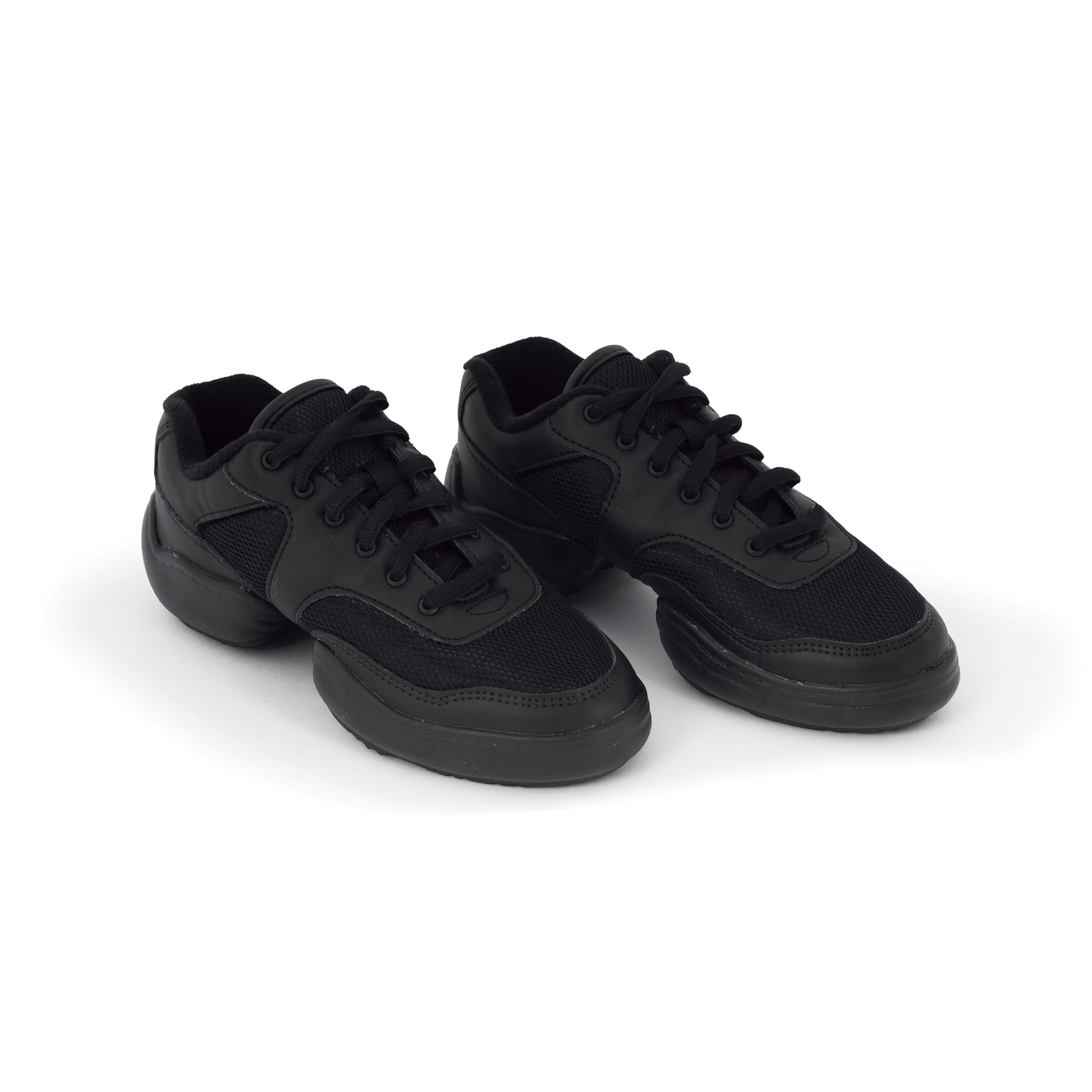
The Theatricals Jazz Sneaker is the budget-conscious entry point for dancers who need a split-sole design without spending heavily. It provides the fundamental flexibility of a dance sneaker at a fraction of the cost of premium brands. Buyers consistently mention that the style works well for hip-hop and jazz classes, with a fit that runs slightly small — most users size up by half a size for a comfortable dance fit.
The shoe delivers acceptable cushioning and support for 45-minute classes, but it is not built for marathon practice sessions. The split sole does allow for decent foot articulation, though the materials feel simpler than what Bloch or Sansha offer. Several dance parents appreciate the reasonable price point for growing children who will outgrow shoes quickly anyway.
The durability ceiling is the main limitation. Reviewers note that the split sole can detach after several months of regular use, and the painted black heel leaves scuff marks on light-colored floors. For serious breakdancers who practice multiple times a week, this shoe will wear out faster than the premium alternatives. It is a capable starter shoe or a backup pair, but not a long-term training companion for aggressive footwork.
Why it’s great
- Solid split-sole design at a budget-friendly price point
- Stylish look suitable for hip-hop and jazz classes
- Good comfort for shorter practice sessions
Good to know
- Split sole may separate after a few months of use
- Painted black heel leaves marks on dance floors
6. Bloch Dance Broadway Lo

The Bloch Broadway Lo is a classic dance sneaker appreciated for its roomy toe box and comfortable suede outsole. Dancers with wider feet consistently report that this model accommodates them better than most competitors. The suede sole provides a smooth gliding surface that works well for pivoting, though it can wear down faster than rubber on rough floors.
Sizing is the biggest hurdle. Bloch’s built-in sizing chart on Amazon does not match real-world fit, and nearly every buyer emphasizes ordering one full size up from your measured foot length. The almond toe shape means the toe box tapers slightly at the front, so dancers with square toes may feel pressure at the tip. Once sized correctly, the shoe feels comfortable out of the box with minimal break-in required.
The main criticisms involve material quality relative to the mid-range price point. Some units arrive with inconsistent sizing between the left and right shoe, and the synthetic upper does not breathe as well as canvas alternatives. The sole allows for good spinning on wood floors, but the overall construction feels synthetic rather than premium. For a dancer who prioritizes a wide toe box and smooth glide, this is a reliable option, but it is not a durable choice for heavy training.
Why it’s great
- Roomy toe box accommodates wider feet comfortably
- Suede sole provides smooth gliding on dance floors
- Comfortable out of the box with little break-in
Good to know
- Sizing inconsistency between left and right shoes reported
- Synthetic upper lacks breathability for long sessions
7. Sansha Unisex Adult Sneaker

The Sansha Hi-Step Sneaker is an ultra-lightweight option that appeals to dancers who prioritize low weight above all else. The shoe features an air pocket in the heel that provides noticeable cushioning for hops and jumps, making it popular among Zumba and line dancers. Its lightweight construction makes it easy to move freely during basic footwork, and the suede and breathable cloth upper looks presentable enough for casual club wear.
Reviews are polarized on quality control. Some users love the shoe for walking and dancing all day, while others report that recent production runs have suffered from falling apart after only hours of light use. The split in quality appears to be recent, with older models holding up better than newer ones. Sizing is inconsistent — some users size up a full number, while others find their regular size fits fine.
For breakdance specifically, the Sansha lacks the dedicated spin sole that more purpose-built options offer. It performs adequately for basic shuffling and footwork, but the outsole does not provide the controlled slide needed for smooth spins. It is best viewed as an entry-level shoe for someone exploring movement or as a secondary pair for light practice on forgiving surfaces. If your breakdance focus is on power moves or spinning, this is not the shoe to lean on.
Why it’s great
- Extremely lightweight for unrestricted foot movement
- Air pocket heel cushion absorbs impact from hops
- Breathable cloth upper for ventilation
Good to know
- Reports of poor durability in recent production batches
- Outsole lacks spin-specific design for controlled rotation
FAQ
Should break dance shoes be tight or loose?
Can I use regular sneakers for breakdancing?
How long do break dance shoes typically last?
Do I need a split sole or a full sole for breakdancing?
Final Thoughts: The Verdict
For most dancers, the best break dance shoes winner is the Very Fine Breaker because it offers a purpose-built spin sole, lightweight construction, and a comfortable unisex fit that works for extended practice sessions. If you want maximum arch support and slip-on convenience for studio work, grab the Bloch Alcyone. And for dancers whose style revolves around aggressive spinning on smooth floors, the Pulse Dance Sneakers deliver the rotational freedom you need.