
Our readers keep the lights on and the weekend projects moving. As an Amazon Associate, I earn from qualifying purchases.
A waterproof jacket that seals you in a plastic bag isn’t rainwear; it’s a sauna suit. The friction between guaranteed dryness and clammy discomfort is the central battle of any outer-shell purchase, and the wrong choice leaves you either soaked from the outside or drenched from your own exertion. A true breathable waterproof jacket manages both, letting vapor escape while keeping liquid water out.
I’m Rikta — the co-founder and writer behind FitlyFast. I’ve spent years analyzing outdoor gear specifications, from membrane technologies like Gore-Tex and NanoPro to DWR treatments and seam-sealing standards, to separate marketing hype from real-world performance.
Whether you’re hiking alpine ridges, commuting through city drizzle, or standing deck watch in a squall, the best breathable waterproof jacket for you is the one that matches your activity level, climate, and budget without compromising either dryness or airflow on the trail.
How To Choose The Best Breathable Waterproof Jacket
Not all shells are built for movement. A jacket that works for standing in a downpour at a football game will stifle you on an uphill climb. The key is matching the membrane construction, ventilation features, and fit to your primary environment.
Membrane Layer Count
Two-layer (2L) jackets are the most common. The waterproof membrane is bonded to a face fabric, with a separate mesh or taffeta liner hanging loose inside. They are affordable and packable but trap more heat. Two-point-five-layer (2.5L) jackets add a protective coating over the inner membrane instead of a liner, saving weight but risking delamination over years of use. Three-layer (3L) jackets bond the face fabric, membrane, and an inner knit layer into one unified fabric. They are the gold standard for breathability and durability — you see this in premium Arc’teryx models. If you plan to wear your shell every day for years, 3L is the right investment.
Ventilation Architecture
Pit zips are the single most effective vapor-dumping feature on any jacket. Underarm zippers that open 12–20 inches let heat and moisture escape without unzipping the main front zipper, which compromises waterproofing in driving rain. For high-output activities like trail running or cycling, pit zips are non-negotiable. For casual wear, a highly breathable membrane alone may suffice. Some jackets also feature mesh-lined pockets that double as vents.
DWR and Seam Sealing
A Durable Water Repellent (DWR) finish makes water bead and roll off the face fabric, preventing “wet-out” — the moment the outer layer saturates, blocking vapor from escaping. PFC-free DWR is now common in eco-conscious models like the Marmot PreCip Eco. Fully seam-sealed construction is critical for prolonged rain; exposed stitching is a direct entry point for moisture. Verify all critical seams are taped or sealed before buying.
Quick Comparison
On smaller screens, swipe sideways to see the full table.
| Model | Category | Best For | Key Spec | Amazon |
|---|---|---|---|---|
| Arc’teryx Beta AR | Premium 3L Shell | Alpine climbing, multi-day trips | Gore-Tex Pro 80D/40D | Amazon |
| Arc’teryx Beta Jacket | Mid-Weight Shell | Hiking, PNW rain | Gore-Tex ePE 40D | Amazon |
| Helly Hansen Crew 2.0 Men’s | Marine Shell | Sailing, coastal commutes | HELLY TECH Protection | Amazon |
| Helly Hansen Crew 2.0 Women’s | Marine Shell | Sailing, windy fall walks | HELLY TECH Protection | Amazon |
| Carhartt Shoreline Men’s | Work Shell | Outdoor jobs, stormy commutes | Storm Defender waterproof | Amazon |
| Marmot PreCip Eco | Eco Travel Shell | Backpacking, cycling | NanoPro 2.5L, 235g | Amazon |
| TNF Venture 2 () | 2.5L Rain Shell | Everyday rain protection | DryVent 2.5L | Amazon |
| Columbia Hikebound II | Entry-Level Shell | Budget travel, light rain | Omni-Tech fully seam-sealed | Amazon |
| TNF Venture 2 () | 2.5L Rain Shell | Price-conscious layering | DryVent 2.5L | Amazon |
In‑Depth Reviews
1. Arc’teryx Beta AR Men’s Jacket

The Beta AR is the reference standard for alpine shells. The 3-layer Gore-Tex Pro construction uses a rugged N80d face fabric on high-wear areas (shoulders, sleeves) and lighter N40d elsewhere, balancing durability with pack weight. This is a jacket built for ice climbing, ski touring, and multi-day ridge hikes — environments where a vapor-lock failure is dangerous, not just uncomfortable.
Owners report excellent heat retention without bulk, though the sleeve length runs intentionally long for reaching overhead without the cuffs riding up. The helmet-compatible DropHood and RECCO reflector add technical utility, while the WaterTight zippers keep rain out even under pressure. It packs down well for a heavyweight shell, making it a go-to for varied elevations.
Size for a mid-layer if you plan to use it in winter. The standard fit is trim, and the sleeves are long — both features of a genuine mountaineering shell. Some users received used or mis-sized units, so inspect on arrival.
Why it’s great
- Bomber 3L Gore-Tex Pro that breathes well under load
- Helmet-compatible hood with internal collar seals warmth
- Durable enough for alpine abuse, light enough for travel
Good to know
- Sleeves are very long — expect 3 inches past wrist
- Premium tier investment; sizing errors in fulfillment reported
2. Arc’teryx Beta Jacket Men’s
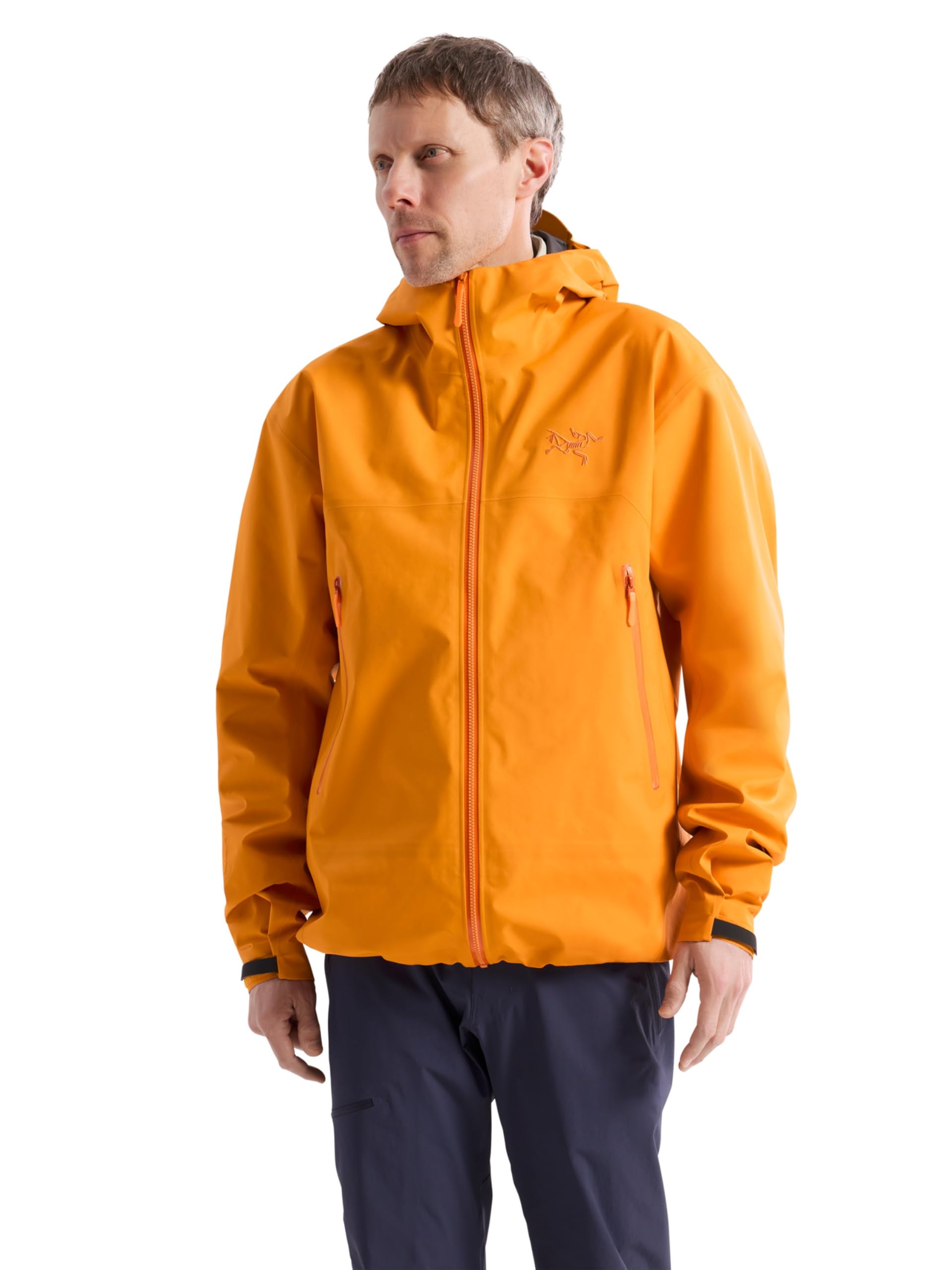
The non-AR Beta is a lighter, more versatile sibling that sacrifices some abrasion resistance for daily comfort. It uses Gore-Tex ePE, a PFC-free membrane that breathes well during steady-state hiking and dries quickly. The 40D face fabric makes it noticeably quieter than the Beta AR, which matters for anyone who dislikes the crinkle of a stiff shell on a walk.
Five-foot-eleven users at 160 pounds report that a size Medium fits true, with enough room for a fleece mid-layer. It packs into itself easily, making it a strong choice for PNW rain where you might stow the jacket between showers. One reviewer noted lighter weight and less noise than the Beta SV, confirming this is a more approachable Arc’teryx shell.
Note that the ePE membrane, while eco-friendly, is not as durable as the Pro variant under pack straps or against rock abrasion. It is excellent for hiking and travel, less suited for bushwhacking or ice climbing.
Why it’s great
- Remarkably light and quiet for a Gore-Tex shell
- ePE membrane breathes well in humid conditions
- Packs small — perfect for variable weather day hikes
Good to know
- Not as abrasion-resistant as 3L Pro models
- Sizing runs small for some — try before relying on your usual size
3. Helly Hansen Crew 2.0 Men’s Jacket
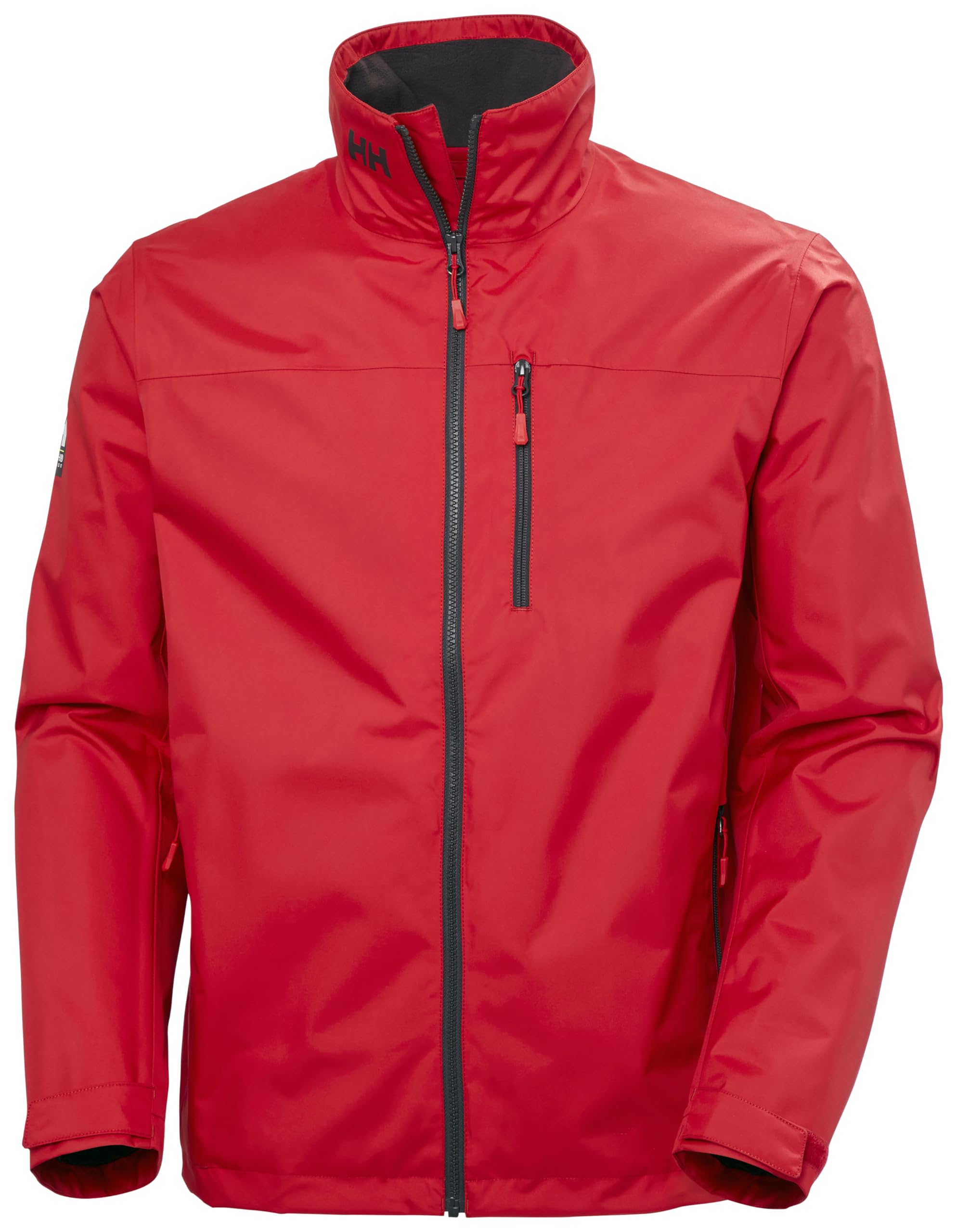
The Crew 2.0 is engineered for wet, windy marine environments — a different challenge than hiking. It uses a HELLY TECH waterproof/breathable laminate with a windproof outer, designed to handle spray, sustained rain, and buffeting gusts common on the water. The cut hits just below the waist, so it doesn’t ride up when bending over lines or engine hatches.
Buyers consistently praise the fit, with many noting it looks sharp enough for harbor-side wear while being fully functional. The fabric feels substantial but not stiff, and the DWR coating sheds light spray without wetting out quickly. A few owners bought second units for a different location, which speaks to its reliability as a go-to jacket.
It runs slightly long in the torso, which is intentional for marine use. If you want a snug athletic cut, consider sizing down. Not designed for high-output aerobic work like trail running — the breathability is tuned for active deck work, not uphill exertion.
Why it’s great
- Tough enough for marine spray, stylish for daily wear
- Windproof laminate keeps chill off at speed
- Consistent quality — repeat buyers are common
Good to know
- Torso runs longer than typical walking jackets
- Breathability adequate for active deck work, not aerobic output
4. Helly Hansen Women’s Crew Hooded Jacket 2.0
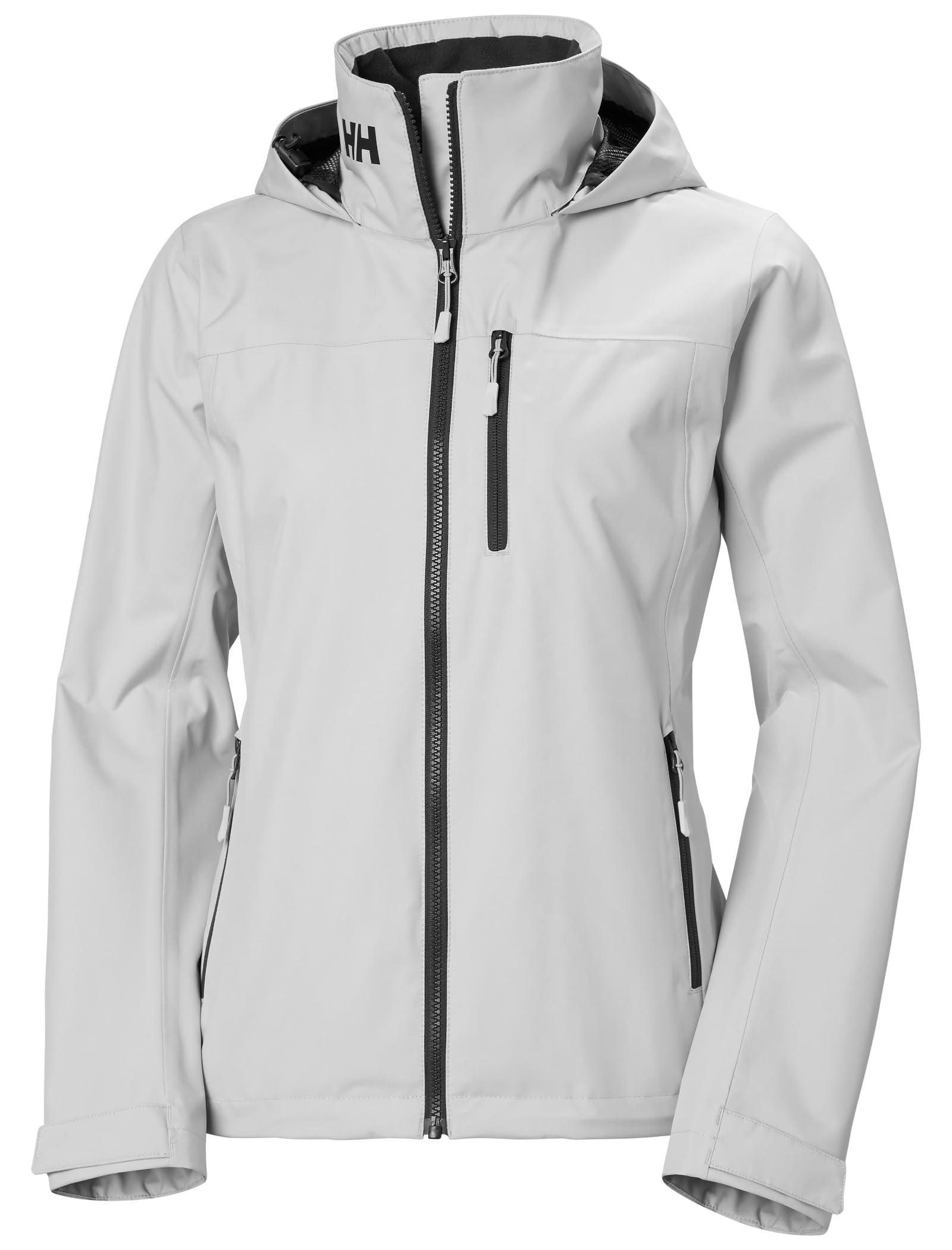
The women’s Crew 2.0 shares the same marine-grade HELLY TECH laminate as the men’s version but with a fit tailored for female proportions. Owners report that a size Medium works well for 5’4″ 117-pound frames, with room to layer without feeling bulky. The hood is well-proportioned and doesn’t restrict peripheral vision.
One five-foot-four reviewer who already owned the same model in light blue bought a second in a different color, calling it the perfect spring jacket. This tracks with the Crew 2.0’s reputation as a crossover piece — technical enough for wet, windy conditions, but clean-lined enough to wear in town. The fabric retains body heat despite being unlined, making it warmer than the slim profile suggests.
If you plan to layer heavily underneath, consider sizing up. Some users reported that going from a size 12 to an XL was necessary for wearing a thick fleece beneath. The DWR coating requires gentle washing with specialized detergent to maintain waterproof performance.
Why it’s great
- Thermally efficient even without a liner
- True-to-size fit with clean, flattering lines
- Holds up well to repeated washing
Good to know
- Size up if you want room for a thick mid-layer
- DWR needs specific detergents to stay effective
5. Carhartt Men’s Shoreline Jacket

The Shoreline is Carhartt’s take on a breathable waterproof jacket aimed at people who work outdoors for hours. The Storm Defender membrane is backed by fully taped seams and a DWR finish that handles light-to-moderate rain well. Multiple reviewers mention wearing it under postal coats or on construction sites, reporting dry, comfortable shifts even in steady drizzle.
The loose fit is deliberate — it accommodates a hoodie or insulated vest underneath without restricting arm movement. The detachable hood has a reinforced brim that fits over hard hats or baseball caps, and the thigh-length cut prevents rain from soaking your waistline. The nylon face fabric feels tougher than typical rainwear, aligning with Carhartt’s reputation for work-grade durability.
If you want a trim cut for casual wear, size down. Users report that an XL fits a 5’11” 180-pound frame with plenty of room for layering but looks bulky without it. The breathability is good for moderate work output but won’t match a mountain shell for high-aerobic activity.
Why it’s great
- Tough face fabric survives scrapes from tools and gates
- Fits over safety helmet brim — real work-site usability
- Thigh-length cut keeps lower back dry in driving rain
Good to know
- Loose fit runs large — order one size down for slim wear
- Heavier and less packable than hiking-oriented shells
6. Marmot PreCip Eco Jacket

The PreCip Eco is a classic 2.5-layer shell that balances weight, price, and function. It uses a 100% recycled nylon ripstop face with Marmot’s NanoPro membrane, which offers solid breathability for its price tier. The PFC-free DWR is a meaningful environmental upgrade over older versions.
Pit Zips are the standout feature here — long underarm vents that let you dump heat during uphill sections without breaking the waterproof seal. The jacket also stuffs into its own pocket, making it a reliable packable backup for variable weather. Users report it survived jungle downpours in Central America without a drop getting through. The DriClime-lined chin guard adds comfort, and the adjustable hood works well over cycling helmets.
Know that the 2.5-layer construction is susceptible to inner lining flaking over time. Several two-year owners report peeling or white flakes on the interior, especially if the jacket is stored compressed for long periods. The crinkle noise is moderate — quieter than some budget shells, but not silent.
Why it’s great
- Pit zips provide excellent dump ventilation for active use
- Packs into its own pocket — ideal for travel
- PFC-free DWR with recycled fabric reduces environmental impact
Good to know
- Inner nano-coating may peel after two years of use
- Crinkle noise is moderate — not as quiet as 3L shells
7. The North Face Venture 2 Jacket

The Venture 2 is a workhorse 2.5-layer shell that delivers consistent rain protection without breaking the bank. It uses TNF’s DryVent fabric, which is fully seam-sealed and rated waterproof. The jacket is extremely lightweight, making it easy to ball up in a daypack for unexpected showers.
Customer feedback highlights the fit as a key consideration. Multiple buyers say it runs small and fitted, meaning you should size up if you plan to wear a sweater or fleece underneath. A user who normally wears Large found an XL necessary for room to layer. The unlined interior keeps the weight down but contributes to a clammy feel in sustained rain, per some reviews.
This is a solid urban rain jacket or a backup shell for fair-weather trips. It lacks pit zips, so breathability depends entirely on the membrane. For short walks between car and office, it works fine. For all-day hikes, the clamminess becomes noticeable.
Why it’s great
- Very light and packable for travel
- DryVent membrane provides solid waterproofing
- Fully seam-sealed construction at an accessible price
Good to know
- Runs small — size up for layering
- Feels clammy in prolonged rain, no pit zips
8. Columbia Hikebound II Jacket
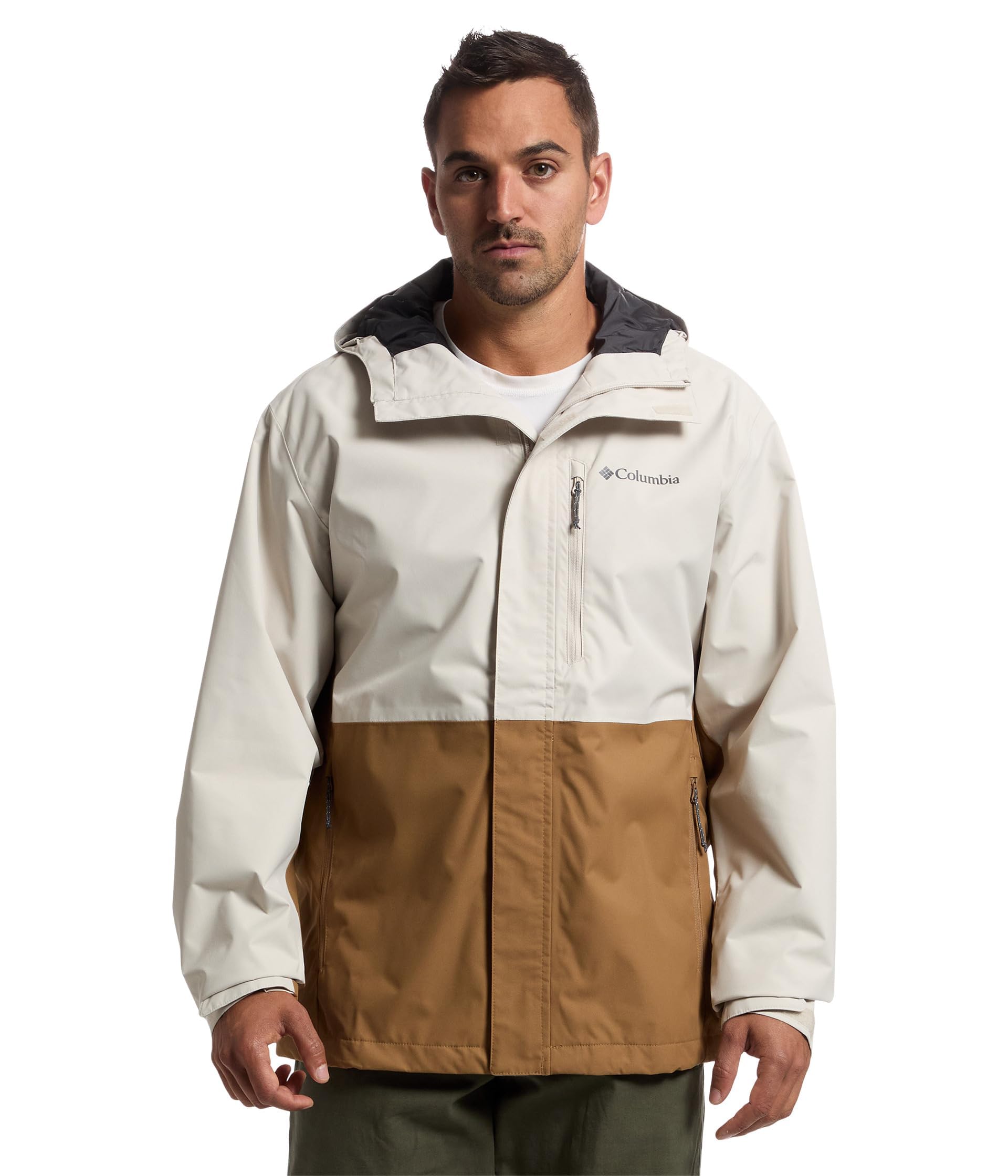
The Hikebound II puts Omni-Tech — Columbia’s own waterproof/breathable membrane — into a value-priced package that outperforms its price tier. The fully seam-sealed construction means you stay dry even in sustained downpours, and the 100% polyester face fabric offers decent wind resistance. The adjustability touches — drawcord hood, Velcro cuffs — are welcome at this price point.
Owner feedback is consistently positive for rain protection. One reviewer tested it in heavy rain while handling muddy pumpkins and reported zero issues after machine washing. The fit is generous enough for layering without swimming in fabric, and the red color option is bright without being garish. Breathability is adequate for moderate activity, though it won’t match technical shells in vapor transmission rate.
The lightweight build means it layers well under a heavier coat for winter use. The anorak silhouette is simple, with zippered chest and hand pockets for storage. For a budget-friendly option that actually keeps water out, the Hikebound II is hard to beat.
Why it’s great
- Omni-Tech membrane is genuinely waterproof in heavy rain
- Generous, true-to-size fit for easy layering
- Machine washable with no performance loss after cleaning
Good to know
- Limited breathability for high-output activities
- Anorak style means less adjustability than full-zip shells
9. The North Face Venture 2 Jacket
The Venture 2 at this lower entry point offers the same DryVent 2.5-layer construction as the higher-priced configuration, making it a smart grab for those who need a basic rain shell without extra features. The construction is lightweight and packable, and the fully seam-sealed design ensures water doesn’t sneak in through stitching.
Buyers report that it works well as a travel or emergency rain jacket. One reviewer described it as the perfect lightweight storm layer, though they noted the unlined interior can feel clammy in steady rain. The fit is on the slimmer side, consistent with TNF’s athletic sizing.
For the price, it delivers reliable short-term rain protection. It is not built for sustained backcountry use or high-output activities. Consider it a quality urban commuter shell or a backup jacket to keep in your car.
Why it’s great
- Rock-bottom entry price for a brand-name waterproof shell
- DryVent membrane is proven and reliable
- Very lightweight — easy to carry as a backup
Good to know
- Fitted cut runs small — size up for layering
- No ventilation features; clammy in extended rain
FAQ
What does “breathable” mean in a waterproof jacket spec?
How do I restore the DWR on my jacket when it stops beading water?
Can I wear a breathable waterproof jacket for running or high-intensity sports?
Final Thoughts: The Verdict
For most users, the best breathable waterproof jacket winner is the Arc’teryx Beta AR because it combines proven 3L Gore-Tex Pro durability with a weight and packability that works for everything from alpine climbs to city downpours. If you want a lighter, more versatile shell for hiking and travel, grab the Arc’teryx Beta Jacket. And for a budget-friendly workhorse that punches above its price, nothing beats the Columbia Hikebound II.