
Our readers keep the lights on and the weekend projects moving. As an Amazon Associate, I earn from qualifying purchases.
Specs are compiled from manufacturer listings and verified buyer reviews and can change over time — please confirm the key details on the product page before buying.
Open-back headphones let you hear the music, not the headphones — that wide, airy, speaker-like stage is the whole point, but it usually costs a fortune. This guide cuts through the noise to find the models that deliver that expansive, natural sound without wrecking your wallet. You will learn exactly which specs matter (driver size, impedance, comfort) and which budget-friendly picks genuinely punch above their weight class.
I’m Rikta — the founder and writer behind FitlyFast. This guide is built by comparing the manufacturers’ published specifications and the patterns across verified customer reviews, so you get each pick’s real strengths and trade-offs instead of marketing spin.
If you want the room-filling, concert-hall sound of premium audio gear without the premium price, these budget open back headphones prove you don’t need to spend big to hear everything.
Our Picks at a Glance
How To Choose The Best Budget Open Back Headphones
Buying your first pair of open-back headphones is notable, but the specs can feel like a foreign language. Here is the plain-English version of what actually changes your listening experience.
Driver Size: The Engine of Your Sound
The driver is the speaker inside each ear cup, and its size is measured in millimeters. A larger driver, like a 50mm one, usually moves more air, which gives you deeper, punchier bass and a bigger overall sound. Smaller 40mm drivers can still sound fantastic, but they often trade a little low-end weight for speed and clarity.
Impedance: How Much Power Your Music Needs
Impedance, measured in ohms, tells you how hard the headphones are to drive. Lower numbers (around 32-50 ohms) are easy for a phone or laptop to power to full volume. Higher numbers (like 120 or 250 ohms) need a dedicated headphone amplifier to sound their best — plugging them straight into a phone usually results in quiet, lifeless audio.
Comfort and Build: You Will Wear These for Hours
Because open-backs are made for long listening sessions, comfort is king. Look for plush velour or mesh earpads that let your ears breathe, and a lightweight frame you will forget is on your head. Also, check what materials the build uses — budget models with thin plastic hinges or weak headband straps can be prone to failure down the road.
Quick Comparison
| Model | Best For | Driver Size | Impedance | Key Feature | Amazon |
|---|---|---|---|---|---|
| Kiwi Ears Altruva★ Best Overall | Overall Value | 50mm | — | Wood & Steel Build | Amazon |
| DROP + Grell OAE1Unique Stage | Unique Soundstage | Biocellulose | — | Front-Firing Drivers | Amazon |
| FIFINE HD18 LiteStudio Mic Pick | Studio & Mic | 53mm | — | Detachable Boom Mic | Amazon |
| FiiO JT3 | Gaming + Music | 50mm | — | Aluminum-Magnesium Build | Amazon |
| OneOdio Monitor 80 | Amped Setups | 40mm | 250 Ohm | Planar Magnetic | Amazon |
| Audio-Technica ATH-R30X | Everyday Listening | 40mm | — | Lightweight Reference | Amazon |
| SENNHEISER HD 599 | Proven Comfort | — | 50 Ohm | Velour Earpads | Amazon |
| Audio-Technica ATH-R50X | Reference Detail | — | — | Ultra-Light 207g | Amazon |
| AKG K612 PRO | Neutral Studio Tone | — | 120 Ohm | Varimotion Diaphragm | Amazon |
In-Depth Reviews
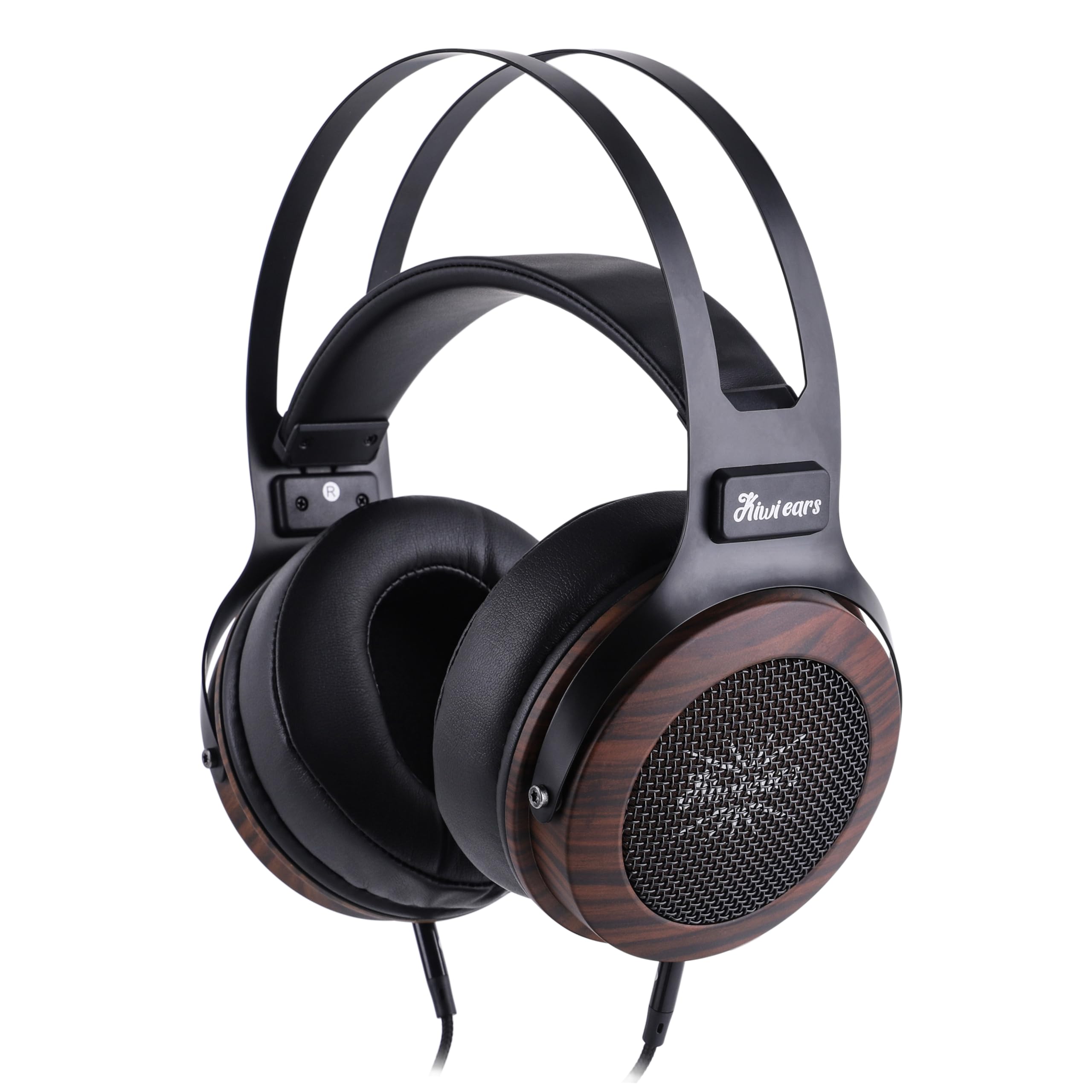
1. Linsoul Kiwi Ears Altruva
Audiophile tuning and a wood-and-steel build that makes you forget it’s a budget pick.
Its studio-monitor tuning delivers punchy bass that never masks the mids, keeping vocals and instruments crisp. The PVD-coated steel, real wood, and vegan leather build gives it a premium heft rare at this price. Owners consistently say the sound and build quality make it the smartest value on this list.
A lightweight metal headband and soft ear cups keep it comfortable for long sessions. The cable is a long, thick 3-meter braided one, and you get both velvet and pleather pads in the box so you can choose your preferred feel. It is efficient and easy to drive, so you won’t need an expensive amp to enjoy it straight from your laptop or phone.
Durability is the trade-off: some buyers report the headband strap snapping within weeks, and the earcups lack a locking mechanism. It also lacks a detachable mic, so gamers need a separate solution for chat. Treated gently, its natural, well-tuned sound rivals sets costing three times as much.
The Wins
- Studio-grade tuning with punchy, non-intrusive bass
- Premium PVD steel and wood construction
- Velvet and pleather pads included
- Easy to drive without an amplifier
The Watch-Outs
- Headband strap can snap and loosen the fit
- No detachable microphone for gaming chat
- Earcups have no locking mechanism
Reach for these if: you want the most audiophile-grade sound and premium feel for the smallest cash outlay.
Handle with care: the durability questions mean this is best for careful owners, not rough-and-tumble use.
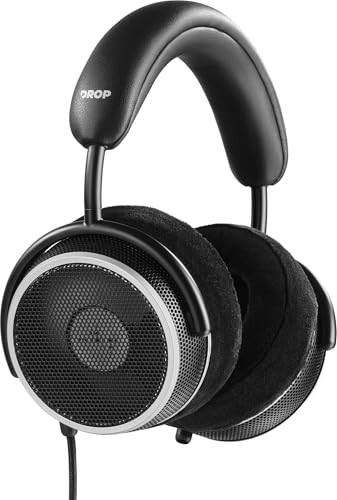
2. DROP + Grell OAE1
A legendary engineer’s front-firing drivers that mimic concert speakers instead of typical headphones.
What makes these special is the driver placement — instead of firing straight down your ear canal, they sit in front of your ears to mimic the sound of real speakers in a room. This creates a surreal, room-like staging that owners describe as closer to listening to live music than to headphones. Designed by Axel Grell, the engineer behind some of the most iconic audiophile headphones ever made, this is a unique piece for the price.
The solid metal build has a tasteful, understated design, and the cable entry is reversible for convenience. It delivers a warm, bassy profile with good detail, and owners say it competes with headphones costing twice as much. That said, it does need an amplifier to really shine — plugged straight into a phone at full volume, the soundstage collapses, so factor that into your setup.
The fit is the sticking point: the yoke is short and tight, and owners with huge heads report it hurts after about 3 hours of wear. It also clamps hard from the start, though it loosens up over time. If you have an average-to-large head and an amp on hand, the unique soundstage makes it a standout value — these launched at a clearance price well above what you’ll pay now.
Who it’s for: Audiophiles with an amp who want a genuinely different, speaker-like presentation instead of the usual headphone sound.
The catch: The tight fit and high power requirement mean it’s not the grab-and-go pick for phone listening.
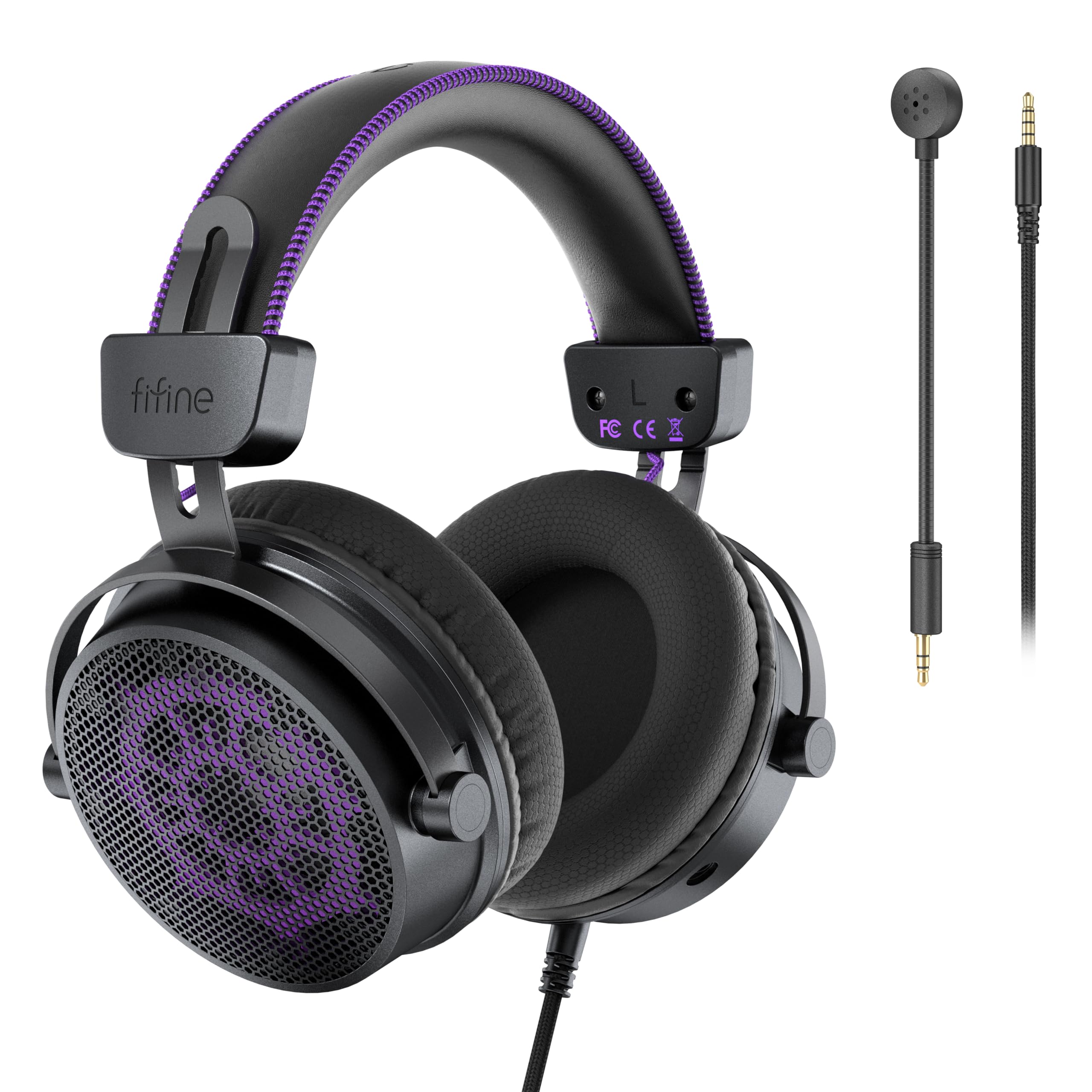
3. FIFINE Amplitank HD18 Lite
The only budget open-back here with a proper detachable boom mic for streaming and calls.
Owners say the mic is top-tier, so you can monitor your voice or talk to your audience without buying a separate mic. The sound is tuned flat for studio accuracy, and the wide, 3D open-back soundstage (the open design lets air through, creating a spacious, speaker-like feel) helps you pinpoint exactly where each instrument sits in a mix.
At the heart of it is a large 53mm dynamic driver — the biggest on this list, even edging out the 50mm drivers found on the Kiwi Ears and FiiO picks above. That translates to crisp highs, natural mids, and controlled bass for a balanced full-range sound. The breathable mesh earcups keep your ears cool and comfortable, with owners reporting fatigue-free 4-hour sessions without heat buildup.
The trade-off is that the flat studio tuning isn’t the most notable for casual music listening — some owners find music playback a bit tinny and harsh with high-pitched instruments. It’s built for accurate monitoring, not necessarily for fun, bass-heavy listening. If your priority is a versatile studio workhorse with a great mic, this is a compelling value; if you only want to kick back and enjoy music, the Kiwi Ears above is the more musical choice.
Built for Creators
- Detachable boom mic with mute switch
- Largest 53mm driver on this list
- Breathable mesh pads for long sessions
- Wide, precise 3D soundstage for gaming
Keep in Mind
- Flat studio sound can feel harsh for casual music
- Not bass-heavy for fun listening
Grab this for: streaming, podcasting, and studio work where a clear mic and accurate sound matter more than musical warmth.
Look elsewhere if: you want an notable, bass-forward sound for pure music enjoyment.
4. FiiO JT3
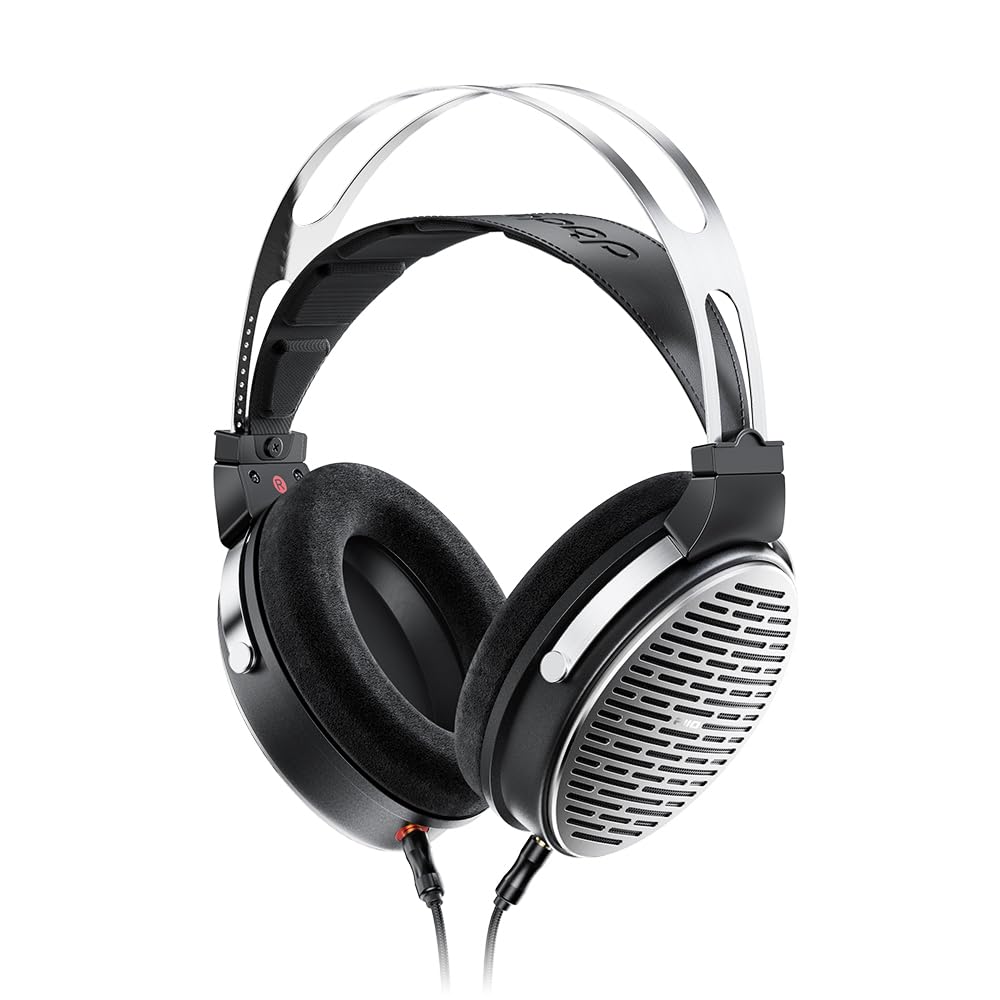
A featherweight aluminum frame with a U-shaped sound that reveals details you’ve never heard.
FiiO is a trusted name in budget audio, and the JT3 lives up to that reputation with a durable aluminum-magnesium alloy build that stays light on your head. The 50mm dynamic driver delivers a wide soundstage with strong, punchy bass and fantastic treble, though vocals sit a bit subdued in the mix — a U-shaped signature that’s great for gaming and cinematic listening. Owners say it reveals new details in familiar tracks, even from bit-perfect CDs.
Comfort is a highlight, with large, soft velvet earpads and memory foam that breathe well, plus a light clamping force that won’t squeeze your head. It comes with a detachable dual 3.5mm cable that has an inline microphone and controls, so you get basic chat functionality without a separate mic. A 6.35mm adapter is also included for connecting to amps and audio interfaces, and it supports both single-ended and balanced cables.
The slight downsides are mostly cosmetic: the headband can slip easily on some heads, the stock cable is stiff and picks up microphonics (noise when it rubs against things), and the included bag feels flimsy. One owner compared it against the Sennheiser 598SE and found it lacking in balance, preferring the pricier FiiO FT1 Pro instead. But at this price, the combination of build, comfort, and revealing sound makes it a strong gaming-and-music hybrid.
Best for: Gamers and detail hunters who want a comfy, solidly-built open-back with usable inline controls for chat.
Standout spec: The N52 neodymium magnets and CCAW voice coil give it fast response — punchy bass without bloat.
5. OneOdio Monitor 80

A planar magnetic driver at a budget price — but it demands serious amplification to wake up.
This is the wildcard of the list: a planar magnetic driver (a technology usually reserved for far more expensive headphones) inside a budget open-back shell. The 250-ohm impedance means it delivers a stable, solid, and powerful sound, but only when properly driven by an amplifier. Plugged straight into a phone or laptop, it sounds weak and lifeless — owners are unanimous that you need an amp, with tube amps working particularly well.
When powered properly, the sound is detailed and slightly warm-analytical, with tight bass, neutral mids, and smooth highs that separate instruments beautifully. The velour earpads are soft and comfortable, and the adjustable headband accommodates even very large heads. It’s Hi-Res audio certified, and the aluminum honeycomb housing protects the precision-etched diaphragms while the open-back design reduces distortion for accurate full-range sound.
The build quality is the recurring concern here — one owner’s plastic adjustment slide broke after 10 weeks, the fourth OneOdio pair to fail that way for them. It’s light and comfy, but the plastic parts feel like the weak link. You also need to accept that open-backs leak sound both ways, so this is strictly for a quiet room. If you already own an amp and want to dip into planar sound on a budget, this is a fascinating option; if you’re plugging straight into a laptop, skip it.
The Appeal
- Planar magnetic driver for precise detail
- Hi-Res certified sound
- Comfy velour pads, great for glasses
- Coiled and straight cables included
The Reality
- 250-ohm impedance requires an amplifier
- Plastic adjustment slides are a durability risk
Only buy this if: you have a headphone amp on your desk already and want to explore planar detail on a budget.
Think twice if: you plan to run these from a phone or laptop — they’ll sound disappointingly quiet and flat.
6. Audio-Technica ATH-R30X
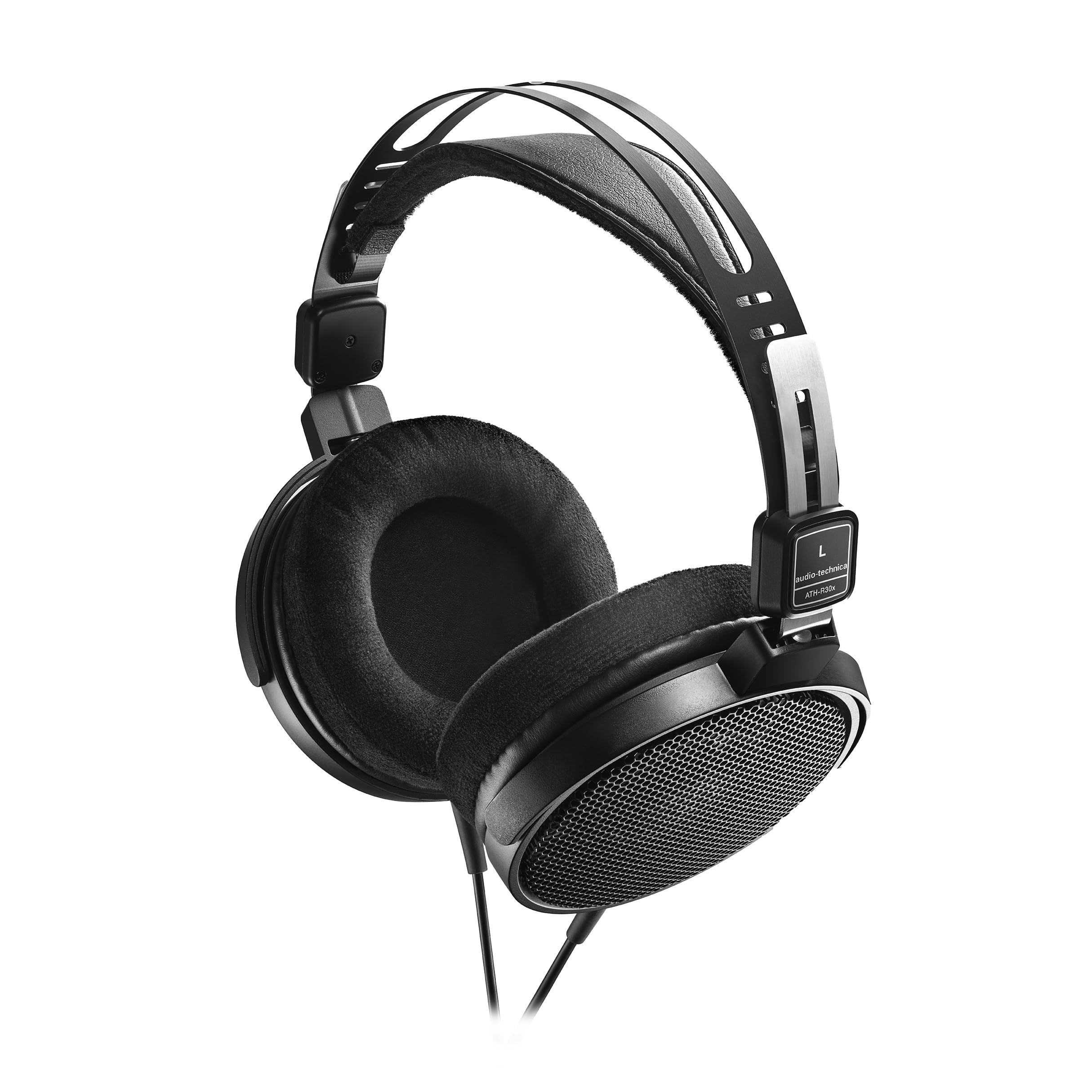
A trusted brand’s no-fuss entry point into open-back clarity for home listening and content creation.
Audio-Technica is a household name in studio gear, and the ATH-R30X is their accessible gateway into open-back sound. The enhanced 40mm drivers deliver well-defined lows, transparent mids, and smooth, extended highs — a clear, natural signature that owners say puts similarly priced wired headphones from other brands to shame. It’s a versatile pick for home studio production, multimedia content creation, and detailed everyday listening.
The open-back design lets you hear others around you, which is a feature if you’re working at home or editing videos and need to stay aware of your surroundings. The sound is genuinely natural and spacious, akin to listening to a pair of monitor speakers. The crowd is split on it being comfortable for many hours of use, though several owners mention wearing them for extended sessions without complaint.
The main complaint from owners is the fit — the ear cups run small, so people with larger ears find them tight over extended periods. The cable is also non-detachable and comes as two wires instead of the usual one, which some find odd. If you have average-sized ears and want a trusted brand’s take on open-back sound without spending much, this is a safe, quality choice.
Who it suits: First-time open-back buyers who want a reliable brand name and a natural, clear sound for mixed use.
Fit warning: Ear cups run small — measure your expectations if you have larger ears.
7. Sennheiser HD 599
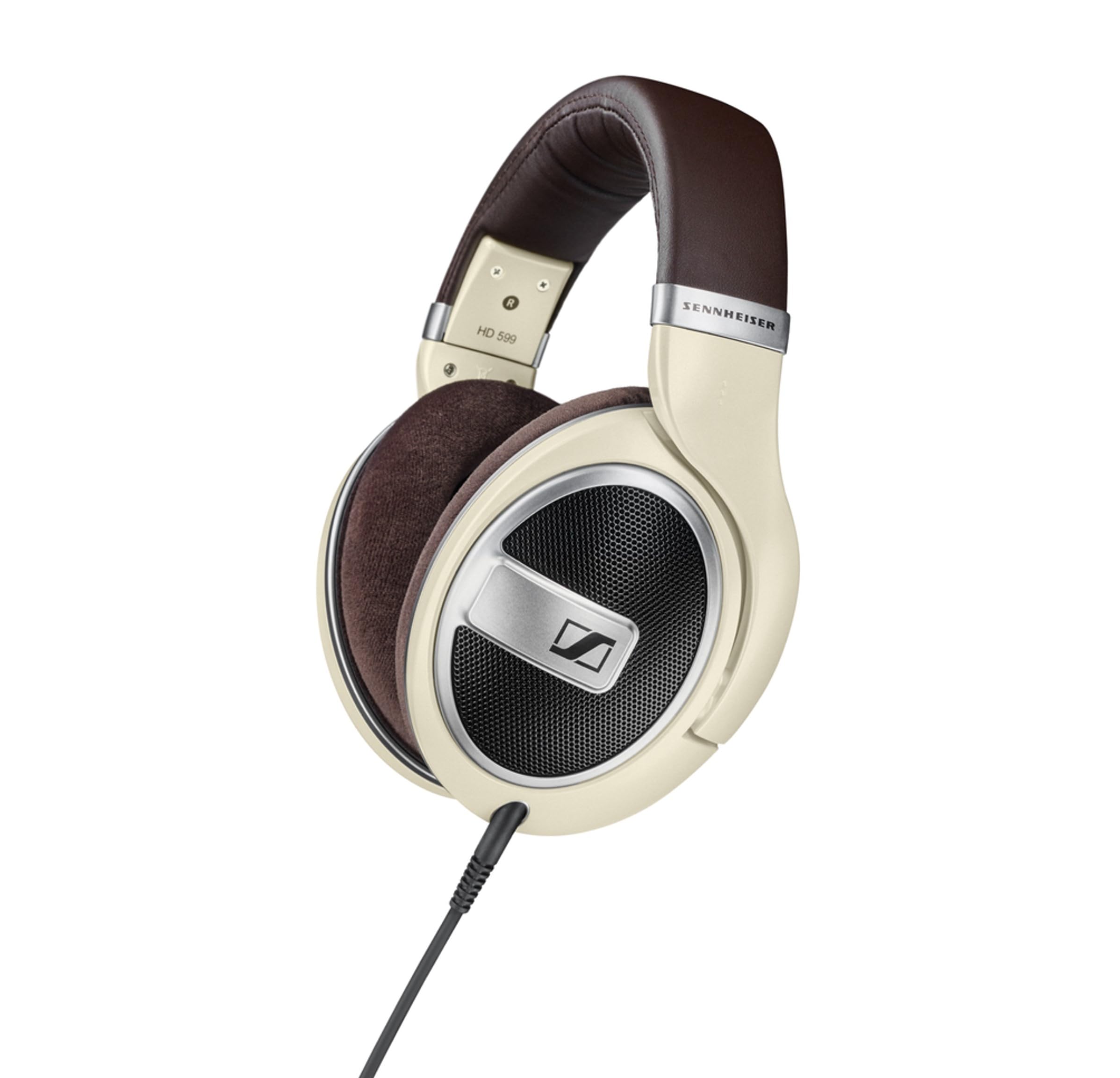
The comfort legend that owners happily wear for six-plus-hour marathons without fatigue.
If there’s one open-back that defines “easy to live with,” it’s the Sennheiser HD 599. The 50-ohm impedance makes it one of the easiest high-end-sounding headphones to drive — no amp needed, just plug into your laptop, phone, or console and go. The sound is warm and fatigue-free, with excellent directional audio that makes it a top-tier choice for gaming, especially FPS titles where you need to place footsteps precisely. Owners who’ve owned them since 2019 still reach for them daily.
You can wear these all day without your ears getting hot, thanks to plush velour earpads and a soft clamping force that fits large heads comfortably. The ivory and matte metallic finish with brown stitching looks like a classic vintage headphone, so it feels more expensive than it is. You get a sturdy 3-meter detachable cable, plus a shorter 1.2-meter cable with a 3.5mm jack (the standard headphone plug) and a 6.3mm adapter for studio gear.
The trade-offs are real: the plastic frame feels less sturdy than metal, the open-back design leaks sound both ways (so skip it in noisy rooms or shared spaces), and the fake leather on the headband can flake after years of use. There’s no noise cancellation, and the warm mid-bass (the lower-mid frequencies that add body to vocals and guitars) benefits from a little EQ if you want a perfectly neutral sound. But as a starter audiophile pick you can wear all day, the value is tough to top.
Why It Wins Fans
- Easy to drive from any device — no amp needed
- Exceptional all-day comfort with velour pads
- Excellent directional audio for gaming
- Two detachable cables included
The Caveats
- Plastic frame feels less premium
- Leaks sound in both directions
- Fake leather headband can flake over time
Pick this up if: you want a proven, comfortable, easy-to-drive open-back for gaming and all-day music listening.
It’s not for: anyone who needs noise isolation or a pair that feels rugged in the hand.
8. Audio-Technica ATH-R50X
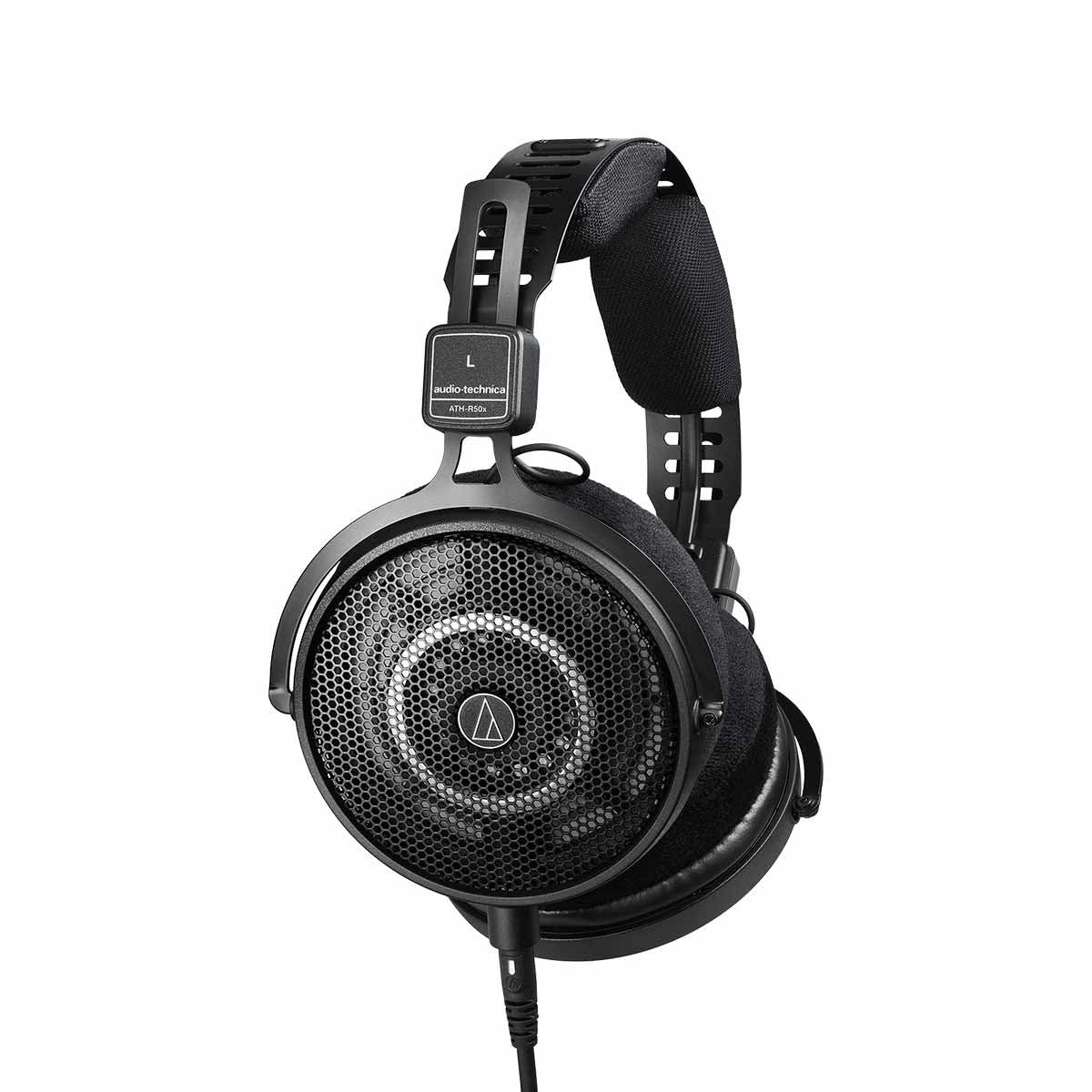
A featherweight 207-gram pro reference that’s so light you’ll forget it’s on your head.
The standout number on the spec sheet is 207 grams — that’s remarkably light for a professional reference headphone, and it makes marathon studio sessions or long gaming nights genuinely comfortable. The fully open-back design eliminates internal resonance for extremely quick transient response, giving you a clean, fast sound that’s ideal for demanding audio production. Owners describe the sound as balanced with tight bass, clear mids, and detailed highs — a bright, wide soundstage with excellent vocal reproduction.
It’s also incredibly efficient, hitting comfortable listening levels at just 20% volume on a PC, so you don’t need a separate amp. The new headband design is simple and sturdy, and the metal build feels solid despite the low weight. It comes with two detachable cables (3.0m and 1.2m) each with a 2.5mm twist-lock connector, plus a 6.3mm adapter and a carrying pouch — the included cables cover most situations, from desktop use to on-the-go listening.
The trade-offs are modest: the sub-bass rolls off a bit (though it’s EQ-friendly), and there’s no microphone included, so gamers will need an aftermarket mic. One owner notes the stock cable retains memory (kinks), which is a minor annoyance. Compared to the Sennheiser HD 599, the R50X offers a more neutral reference sound that some owners actually prefer over Sennheiser for studio work. If you want a light, accurate, no-fuss professional tool, this is it.
Best for: Production work and long listening sessions where weight and accuracy matter most.
Standout spec: At 207 grams with a low clamp force, it’s the most forget-you’re-wearing-it pick here.
9. AKG K612 PRO

A studio legend’s most neutral, honest sound — the reference standard for critical listening.
The AKG K612 PRO is built for one thing above all: truth. Its Varimotion Diaphragm Technology (a specially shaped driver that moves air more accurately) delivers a natural, spacious sound that owners call the cleanest and most neutral in the AKG line — with a wide soundstage that’s fantastic for FPS gaming and critical studio monitoring. The frequency range spans from a deep 12Hz to a shimmering 39,500Hz, so you hear the full detail in any mix, and the high sensitivity of 101 dB SPL/V @ 1 kHz means it responds well to quality amplification.
At just 8.4 ounces, it’s designed for all-day comfort, with soft ear pads that don’t make your ears hot and sweaty, and a self-adjusting real leather headband that finds the perfect fit automatically. The 3-meter cable gives you flexibility in any studio setup. Owners consistently praise its clean bass, crisp mids and highs, and excellent imaging — one listener calls it more neutral and better at imaging than the far more expensive HD6XX, though slightly less detailed.
The compromises are real: the plastic frame and non-detachable 3-meter cable feel cheap, and the high 120-ohm impedance (electrical resistance that needs more power) means you’ll need a good soundcard or amp to hear it at its best. Customers note the bass rolls off and the clamping force is high at first, though it does break in. Reliability is a concern — some report soldering issues and the elastic headband degrading over time. For a pure, honest reference sound in a quiet room, it’s superb; for rugged daily use, look at the Sennheiser HD 599 instead.
The Professional Edge
- Most neutral, honest sound in the AKG line
- Ultra-wide 12Hz–39,500Hz frequency range
- Light 8.4-ounce all-day comfort
- Self-adjusting real leather headband
The Studio Reality
- Mediocre plastic build, non-detachable cable
- 120-ohm impedance needs an amp
- Reliability concerns with soldering and elastic band
Choose this for: critical listening and studio monitoring where pure neutrality beats everything else.
skip it if: you need a rugged daily driver or don’t own a headphone amplifier.
Understanding the Specs
Driver Size (mm)
Think of the driver as the tiny speaker inside each ear cup. Its size, measured in millimeters, tells you how much air it can move. Bigger drivers (like 50mm or 53mm) generally produce deeper bass and a bigger, more spacious sound. Smaller 40mm drivers often sound faster and clearer but may trade away some low-end punch.
Impedance (Ohms)
Impedance measures how much electrical resistance the headphones have, which tells you how much power they need. Low impedance (around 32-50 ohms) works fine straight from a phone or laptop. High impedance (like 120 or 250 ohms) sounds best with a dedicated headphone amplifier — without one, they’ll be too quiet and flat.
Frequency Response (Hz)
This is the range of pitches the headphones can reproduce, from the deepest bass (low Hz) to the highest treble (high Hz). Human hearing spans roughly 20Hz to 20,000Hz. A wider range, like the AKG’s 12Hz to 39,500Hz, means the drivers can reach beyond typical limits, which can add air and sparkle to the sound.
Open-Back Design
Open-back headphones have grilles on the outside of the ear cups that let air and sound flow freely in both directions. This creates a wide, natural, speaker-like soundstage — the music feels like it’s in the room around you, not trapped in your head. The trade-off is that they leak sound out and let ambient noise in, so they’re best for quiet spaces.
FAQ
Do I need an amplifier for budget open-back headphones?
Why do open-back headphones leak sound?
Are bigger drivers always better?
Can I use open-back headphones for gaming?
What is the difference between open-back and closed-back headphones?
Will these headphones work with my phone?
How long do budget open-back headphones last?
What is a planar magnetic driver?
Final Thoughts: The Verdict
Across the board, the best budget open back headphones is the Kiwi Ears Altruva because it delivers the most audiophile-grade sound and premium wood-and-steel build for the smallest amount of money. If you want a proven comfort legend that’s easy to drive from anything, grab the Sennheiser HD 599. And for streaming and studio work with a real microphone, the FIFINE HD18 Lite is the one to reach for — the crowd favorite with thousands of owners behind it is the Sennheiser, and its reputation for easy comfort is why it remains the safe, satisfying choice.
How We Picked
We do not accept paid placement. Every pick is matched to a real buyer and a real use-case; we do not hands-on test units.
Sources & Methodology
Specifications: manufacturer listings and product documentation. Review insights: verified customer reviews, as of August 2026. Pricing: not shown on this page (it changes often); check the current price via the retailer link.
As an Amazon Associate, FitlyFast earns from qualifying purchases. This does not affect which products we feature.