
Our readers keep the lights on and the weekend projects moving. As an Amazon Associate, I earn from qualifying purchases.
Specs are compiled from manufacturer listings and verified buyer reviews and can change over time — please confirm the key details on the product page before buying.
Editing a photo on a washed-out screen is like mixing paint under dim light — you just do not see what you are actually making. You fix the shadows, then open the file on another device and everything looks harsh or off. A monitor built for color work fixes that blind spot. The catch is that serious color accuracy usually costs serious money. But a few models now deliver it without blowing your budget.
The challenge is finding a screen with wide color coverage and factory calibration at a budget price. That is what this roundup of the best budget screen for photo editing solves, one honest pick at a time.
Our Picks at a Glance

How To Choose The Best Budget Screen For Photo Editing
A photo editing monitor must display true color, not a monitor-invented version. Three specs determine if a budget screen can deliver true color.
Color Coverage: The Number That Matters Most
Look at the percentage of sRGB or DCI-P3 the screen covers. For photo editing, aim for at least 99% sRGB. That means the monitor can display almost every color in the standard web and print space. A wider gamut like 90% DCI-P3 or 99% Adobe RGB is even better if you work with high-end camera files or plan to print.
Panel Type: IPS is the Safe Bet
IPS (In-Plane Switching) panels keep color consistent even when you are not staring dead-center at the screen. Cheaper VA (Vertical Alignment) or TN (Twisted Nematic) panels shift colors when you lean back or look from the side — a problem when you share your screen with a client or move around your desk.
Connectivity: One Cable Changes Everything
A monitor with USB-C power delivery lets you plug a single cable into your laptop to send video, transfer data, and charge the computer all at once. For a clean desk setup, this is worth prioritizing over models that require separate power and video cables.
Quick Comparison
| Model | Best For | Resolution | Panel Type | Color Coverage | Amazon |
|---|---|---|---|---|---|
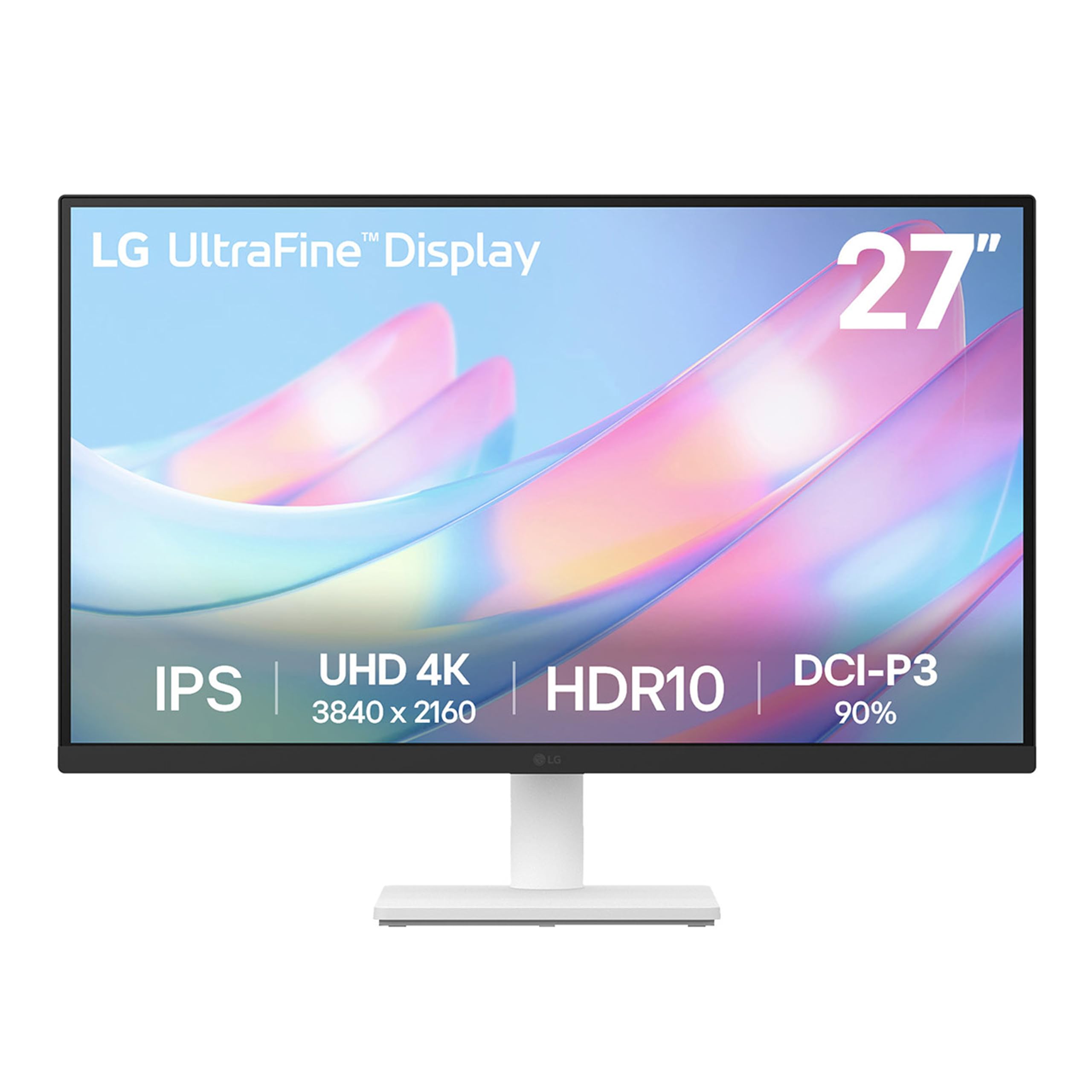
| LG 27US500-W★ Best Overall | Budget 4K with wide color gamut | 3840 x 2160 | IPS | 90% DCI-P3 | Amazon |
| Dell S2725QSBest Value | Best overall value with high contrast | 3840 x 2160 | IPS | 99% sRGB | Amazon |
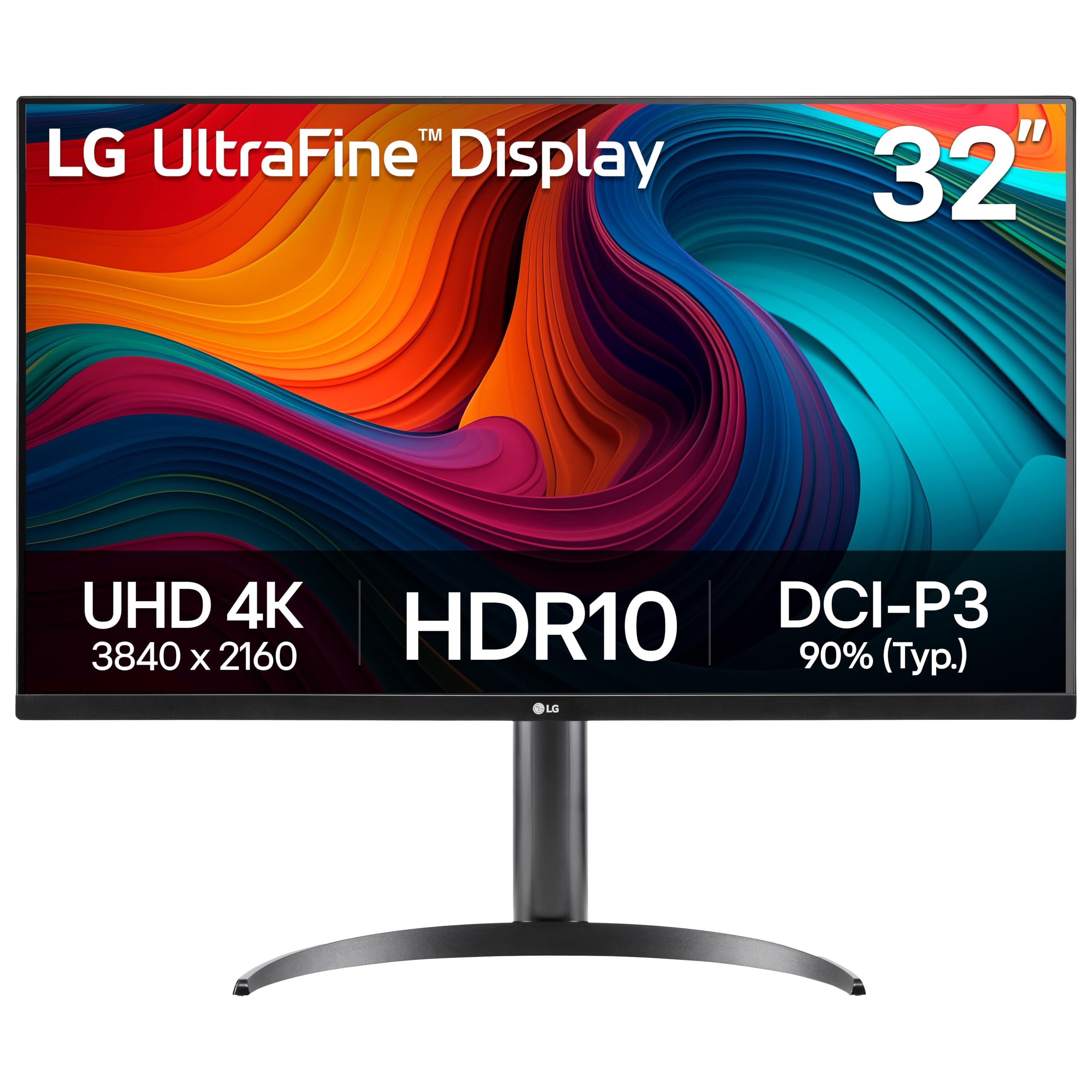
| LG 32UR550K-BLarge Canvas | Large 32-inch canvas for detail work | 3840 x 2160 | VA | 90% DCI-P3 | Amazon |
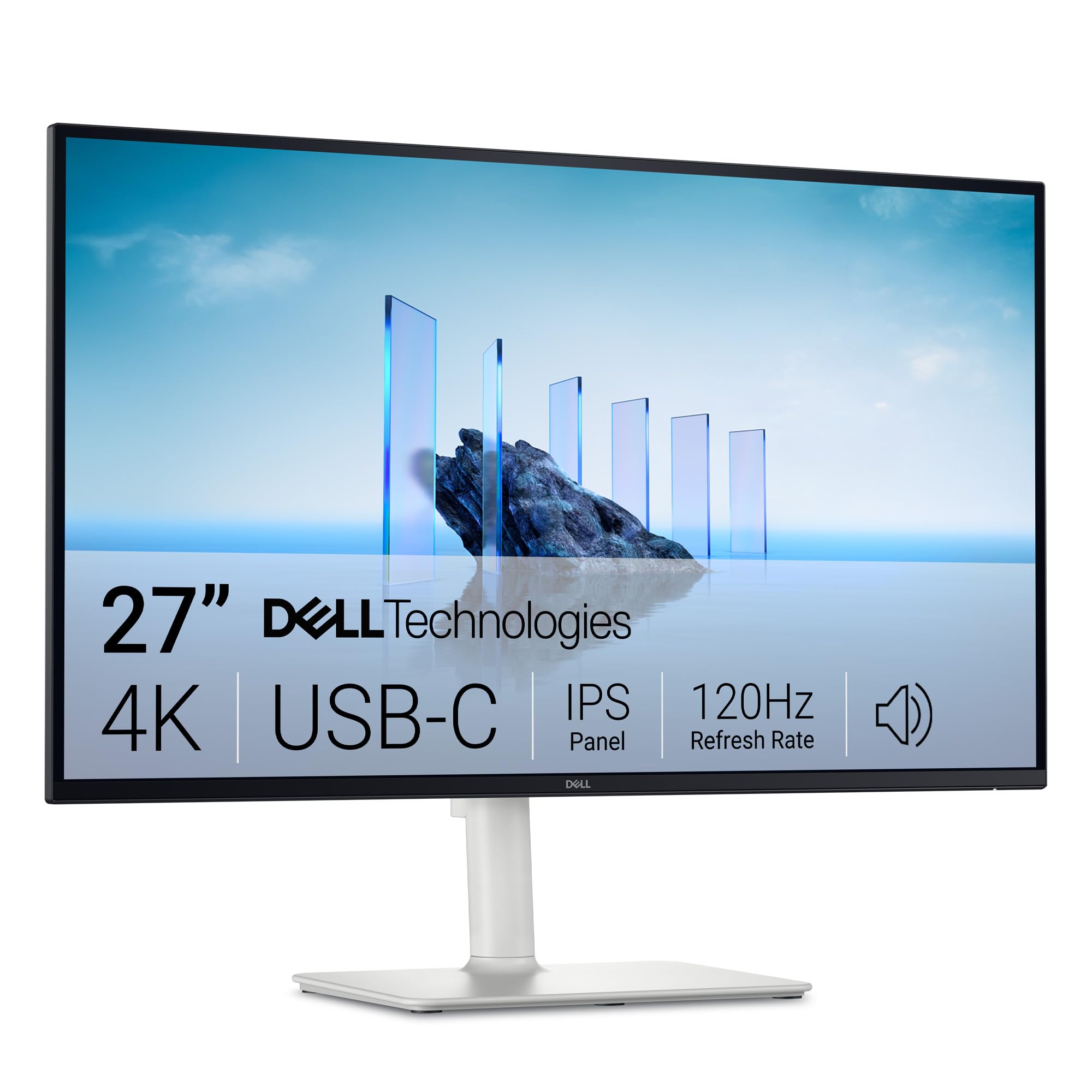
| Dell S2725QC | USB-C single cable convenience | 3840 x 2160 | IPS | 99% sRGB | Amazon |
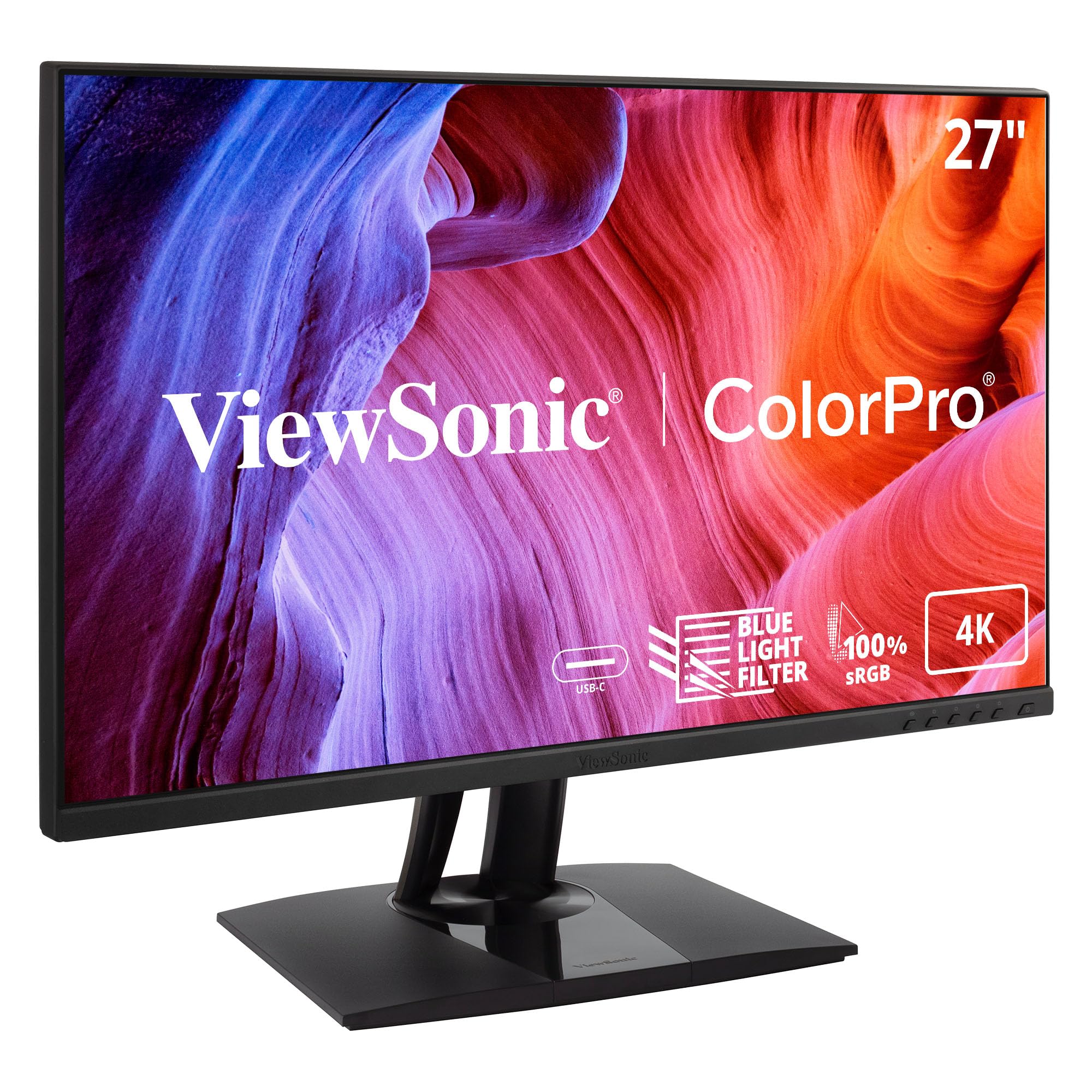
| ViewSonic VP2756-4K | Certified color accuracy on a budget | 3840 x 2160 | IPS | 100% sRGB, Pantone Validated | Amazon |
| ViewSonic VP2768A | Hardware-calibrated QHD professional | 2560 x 1440 | IPS | 100% sRGB, Pantone Validated | Amazon |
| ASUS ProArt PA279CV | Calman Verified accuracy with 4K | 3840 x 2160 | IPS | 100% sRGB, ΔE < 2 | Amazon |
| ASUS ProArt PA279CRV | Pro-grade color with 96W USB-C power | 3840 x 2160 | IPS | 99% DCI-P3, 99% Adobe RGB | Amazon |
| BenQ MA270UP | MacBook color match specialist | 3840 x 2160 | IPS | P3 Wide Color Gamut | Amazon |
In‑Depth Reviews
1. LG 27US500-W 27-Inch 4K Monitor
Pop a true 4K canvas on your desk without the sticker shock that usually follows.
You see a much wider color range here than a standard monitor shows. The 3840 x 2160 resolution and 90% DCI-P3 (a wide color space used in digital cinema) let you edit with vivid reds and greens. The IPS (In-Plane Switching) panel keeps those colors steady from any angle — useful when you lean sideways for a mouse. The 1000:1 contrast ratio handles shadows and highlights reasonably for the price, though the Dell S2725QS below beats it with a 1500:1 ratio that gives 50% deeper blacks.
The screen uses flicker-safe technology and includes a reader mode, both of which help during late-night editing sessions. Buyers report that 10-point font at 200% scale looks perfectly clear. The stand only offers tilt adjustment, so you may need a VESA (Video Electronics Standards Association) mount for height or pivot changes. The included HDMI cable gets you started, but some owners note the power adapter cable is only about 4 feet long, which limits outlet placement.
Where it shines
- 90% DCI-P3 color gamut for vivid photo edits
- IPS panel keeps colors true at wide angles
- Flicker-safe and reader mode cut eye fatigue
What to watch for
- Stand is tilt-only and some describe it as wobbly
- Short power cable limits where you place it
- Menu button location is not obvious
Grab it if: you want a 4K IPS monitor with wide color coverage at a price that leaves room for a calibration tool.
Think twice if: you need a fully adjustable stand or a USB-C connection for single-cable laptop charging.
2. Dell S2725QS 27-Inch 4K Monitor
The rare monitor that serves both color-critical edits and buttery-smooth scrolling.
You get deeper blacks here than on most budget monitors. The 1500:1 contrast ratio is a noticeable step up from the 1000:1 ratio on the LG 27US500-W, making photo shadows look natural rather than muddy. It covers 99% sRGB (standard red-green-blue for web and print), exactly what you need for accurate color editing. On top of that, the 120Hz refresh rate (with AMD FreeSync Premium, which reduces screen tearing) makes every scroll through Lightroom feel fluid. The 0.03ms response time eliminates ghosting as you move between images.
Owners mention the 4K 120Hz IPS panel is bright, sharp, and affordable. The built-in speakers are usable for conference calls or casual listening, freeing up desk space. The ergonomic stand offers height, tilt, swivel, and pivot adjustments so you find a comfortable angle for long sessions. ComfortView Plus cuts blue light emissions to 35% or less without washing out colors — a feature editors appreciate during all-day work.
Why it stands out
- 1500:1 contrast ratio for noticeably deeper blacks
- 99% sRGB coverage for accurate color editing
- 120Hz refresh rate makes navigation feel instant
Trade-offs to know
- Matte coating adds a slight grain in dark room conditions
- Some customers note a slight vignette on one side
- Not ideal for hardcore competitive gaming due to some ghosting
Best for: anyone who edits photos and also wants a buttery desktop experience for browsing and casual gaming.
Pass if: you need a dedicated sRGB mode with hardware calibration included from the factory.
3. LG 32UR550K-B 32-Inch 4K Monitor
A 32-inch 4K workspace that gives you room to see every layer and mask.
You get real depth in black areas here. This LG Ultrafine uses a VA (Vertical Alignment) panel with a 3000:1 contrast ratio — double the typical IPS contrast. So the dark parts of your photos look truly black rather than gray. The 90% DCI-P3 color gamut brings a punchy, vibrant look right from the start. The 3840 x 2160 resolution on a 32-inch screen gives you more physical room than a 27-inch panel, keeping tool palettes open alongside your main image.
The stand offers height, tilt, and pivot, so you can spin the screen into portrait mode for vertical shots. It has built-in speakers and supports both FreeSync and G-Sync compatibility (systems that match the screen refresh to your graphics card to prevent stutter). The Switch app lets you split the screen into up to six sections for referencing a mood board or brief next to your editing window. Reviewers point out the picture quality is stunning and the HDR (High Dynamic Range) performance is excellent, though SDR (Standard Dynamic Range) content can look a little washed out compared to HDR mode.
Strengths
- 3000:1 contrast ratio delivers deep, true blacks
- Full ergonomic stand with height, tilt, swivel, and pivot
- 90% DCI-P3 gamut for vivid color grading
Considerations
- VA panel has some viewing-angle dimming on the sides
- No USB-C port or built-in USB hub
- Slight yellow uniformity issue reported at bottom edge
Reach for it if: you want the biggest usable 4K canvas for the money and prefer deep contrast over wide viewing angles.
skip it if: you share your screen with clients or need wide-angle color consistency from every seat.
4. Dell S2725QC 27-Inch 4K USB-C Monitor
One USB-C cable to charge your laptop, send the 4K signal, and clear your desk clutter.
You clean up your desk with one cable. The USB-C connection delivers up to 65 watts of power delivery to your laptop, meaning you plug one cable into your MacBook or PC, and you get video, data, and charging all at once. The panel matches the S2725QS in quality: 99% sRGB, 1500:1 contrast, 350 nits brightness, and a smooth 120Hz refresh rate with AMD FreeSync Premium. For photo editors working from a laptop, this keeps your desk clean and your battery full.
Shoppers say the image quality is excellent with crisp resolution, deep blacks, and vibrant color. The built-in speakers are surprisingly good — several owners say they ditched their external soundbar after using this monitor. ComfortView Plus keeps blue light low without distorting color accuracy, so your eyes stay comfortable. The stand is fully adjustable with height, tilt, swivel, and pivot. The USB hub adds extra convenience for plugging in a keyboard or mouse.
Why it impresses
- USB-C with 65W power delivery — one cable for everything
- 1500:1 contrast and 99% sRGB for photo accuracy
- 120Hz refresh rate keeps the interface feeling fast
The fine print
- The stand feels slightly wobbly according to some owners
- VESA mounting requires spacer screws (M4x10mm) for arm setups
- No dedicated sRGB mode — you control via OSD
Perfect for: laptop-based photo editors who want a clean single-cable desk and 99% sRGB accuracy.
Not for you if: you already have a charging dock and want to save on the non-USB-C version.
5. ViewSonic VP2756-4K 27-Inch ColorPro Monitor
Pantone certification on a 4K IPS panel that proves color accuracy does not require a second mortgage.
You get color certification that most budget options lack. This ViewSonic carries Pantone Validation — it is certified to reproduce Pantone Matching System (PMS) colors accurately, a spec you normally see on monitors costing twice as much. It covers 100% sRGB, EBU (European Broadcasting Union), and SMPTE-C (Society of Motion Picture and Television Engineers color spaces), with a Delta E of less than 2, meaning the colors you see are extremely close to true values. For a freelance photographer or graphic designer delivering print-ready files, that certification is a serious confidence boost.
The USB-C port provides 60 watts of power delivery, enough to keep most ultrabooks charged while transmitting video and data through a single cable. The ergonomic stand includes tilt, swivel, pivot, and height adjustment. The monitor features flicker-free technology and a blue light filter. The audience consensus is that the picture quality is excellent with no visible pixels or artifacts, and the build quality feels reliable. The only real hiccup: the monitor cannot rotate 90 degrees on a Mac — check if you need portrait mode.
what separates it
- Pantone Validated for accurate reproduction of PMS colors
- 100% sRGB and Delta E < 2 factory accuracy
- 60W USB-C power delivery for single-cable setups
Things to check
- Rotation 90 degrees does not work with Mac computers
- On-screen display controls are a bit clunky
- Premium price compared to non-certified options
Ideal for: designers and photographers who need Pantone-grade color assurance without jumping to a thousand-dollar pro display.
Consider another if: you work on a Mac and need portrait rotation as a core part of your workflow.
6. ViewSonic VP2768A 27-Inch 1440p ColorPro Monitor
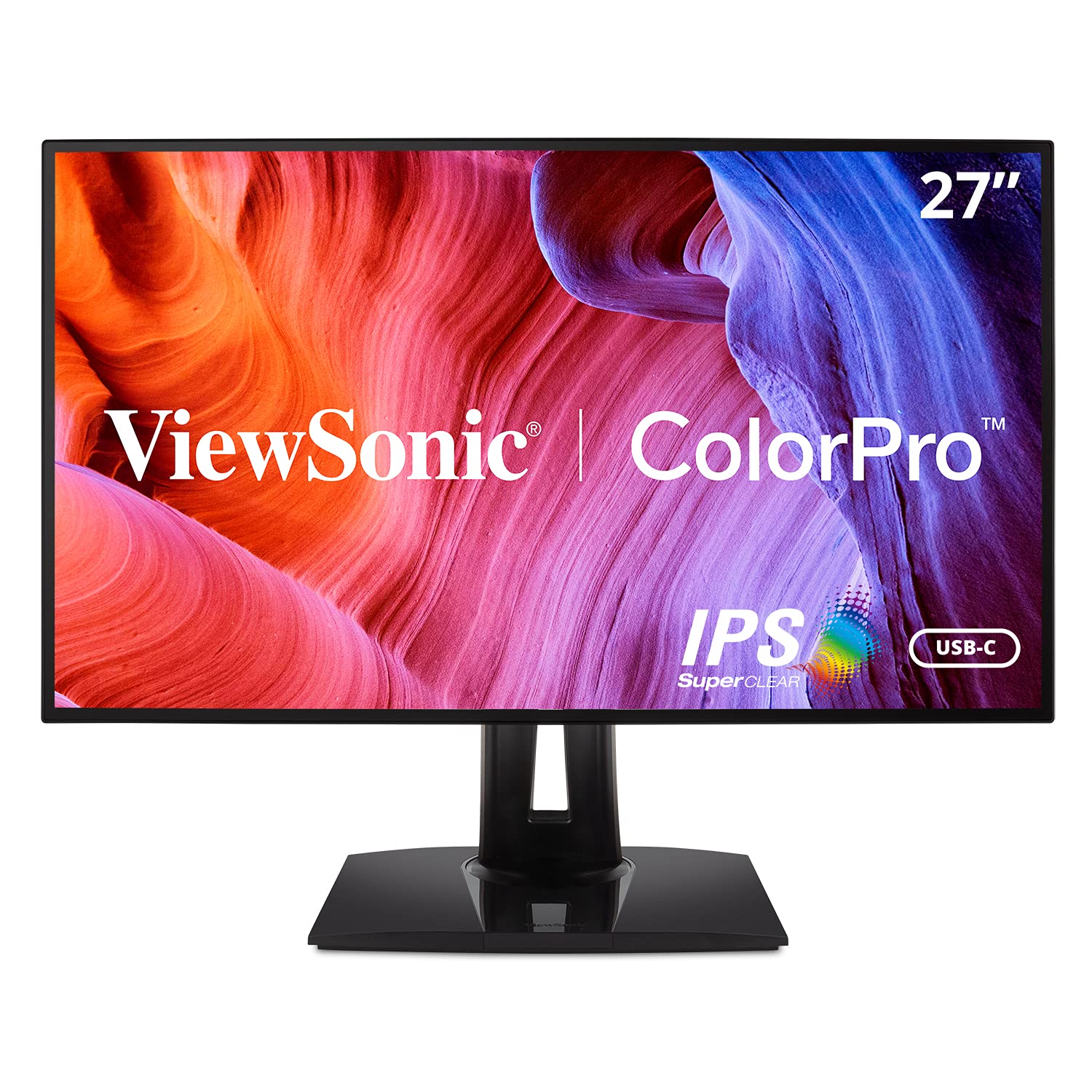
A factory-calibrated 1440p panel that puts color accuracy ahead of pixel count.
You get color you can trust from the first power-up. This monitor is Pantone Validated and covers 100% sRGB, plus Rec. 709 (the standard for HDTV) and DICOM-SIM (medical imaging standard) color spaces, all with a Delta E of less than 2. The key difference is hardware calibration — the factory calibration report comes in the box, so the color you see is the color you get immediately. The USB-C connection delivers 90 watts of charging power, enough to charge even a 16-inch MacBook Pro without draining.
The resolution is QHD (2560 x 1440) rather than 4K, which means you get good pixel density at 27 inches while demanding less from your computer’s graphics card during editing. The stand is fully adjustable with tilt, swivel, pivot, and height. The Ethernet RJ45 port (a standard wired network connector) is a nice addition. The main caveat: some buyers report USB-C port reliability issues on certain units, and the back-mounted buttons are awkward to reach. The color quality, however, is consistently praised for photo editing — and it outshines the LG 27US500-W in accuracy from the start.
Key advantages
- Hardware calibrated from the start with included report
- Pantone Validated with 100% sRGB coverage
- 90W USB-C power delivery and Ethernet port
Watch points
- QHD resolution, not 4K UHD
- Some units had USB-C port failures reported
- All ports are on the back, hard to access
Best for: print designers and photographers who want factory-guaranteed color accuracy right from the start, without needing to calibrate themselves.
Look elsewhere if: you need 4K pixel density and are willing to do your own calibration.
7. ASUS ProArt PA279CV 27-Inch 4K Monitor

ASUS puts a Calman-verified color engine and 4K resolution into a package that undercuts most pro displays.
You get verified accuracy without a pro price tag. The ProArt PA279CV is Calman Verified (a calibration certification by Portrait Displays) and factory calibrated to a Delta E of less than 2, with 100% sRGB and 100% Rec. 709 coverage. The 4K UHD IPS panel delivers sharp, consistent images at wide angles. The USB-C port supplies 65 watts of power delivery, enough to charge a standard ultrabook or MacBook Air while sending video and data through the same cable.
The monitor has a fully adjustable stand with height, tilt, swivel, and pivot, plus a built-in USB 3.1 hub with four ports. It also comes with a 5-year warranty (3 years plus 2 years with online registration), an unusually strong commitment for this price tier. However, customer data shows mixed reports on connectivity — some owners say USB-C does not work reliably with Macs, and the power functionality gets mixed feedback. It is a solid pick if you stay within HDMI or DisplayPort, but the USB-C reliability is a real variable.
Why it stands out
- Calman Verified with Delta E < 2 factory calibration
- 100% sRGB and 100% Rec. 709 wide color gamut
- 5-year warranty with online registration
Where it wobbles
- USB-C connectivity reported as unreliable with some Macs
- Mixed feedback on long-term power functionality
- Blue light filter and flicker-free, but not Pantone Validated
Great if: you are a Windows-based editor who wants Calman-verified color, a flexible stand, and a 5-year warranty.
pass on it if: you rely on USB-C connectivity with a Mac and need every port to work without fail.
8. ASUS ProArt PA279CRV 27-Inch 4K Monitor

Covers both DCI-P3 and Adobe RGB at 99% each, putting true high-end gamut into a sub-400-dollar frame.
You get a wider color range here than the PA279CV. This ProArt covers 99% DCI-P3 and 99% Adobe RGB (a color space for professional print photography), making it suitable for web, print, video color grading, and high-end photography. The USB-C port delivers a full 96 watts of power delivery, enough to charge even a 16-inch MacBook Pro at full speed. It is also Calman Verified with a Delta E of less than 2 and comes with a factory calibration report.
The panel is an IPS type with a 178-degree viewing angle and a 3000:1 contrast ratio. It includes built-in speakers and a fully ergonomic stand with height, tilt, swivel, and pivot adjustments. Daisy-chain support via DisplayPort lets you connect a second monitor without running another cable to your computer. Owners mention excellent color quality straight from the start — many use it for photo editing without any adjustments. The only complaint: default power saving settings can cause connection or wake issues, fixed by disabling eco mode and deep sleep in the on-screen menu.
What makes it special
- 99% DCI-P3 and 99% Adobe RGB for professional workflows
- 96W USB-C power delivery charges even large laptops
- Calman Verified with factory calibration report included
Minor quirks
- Power saving settings need adjustment to avoid wake issues
- Button controls on the back are not intuitive
- 60Hz refresh rate — fine for editing, not for gaming
Your pick if: you need Adobe RGB coverage for print and professional photography, plus full-speed laptop charging.
Consider another if: you want high refresh rates for gaming alongside your editing work.
9. BenQ MA270UP 27-Inch 4K Monitor for Mac
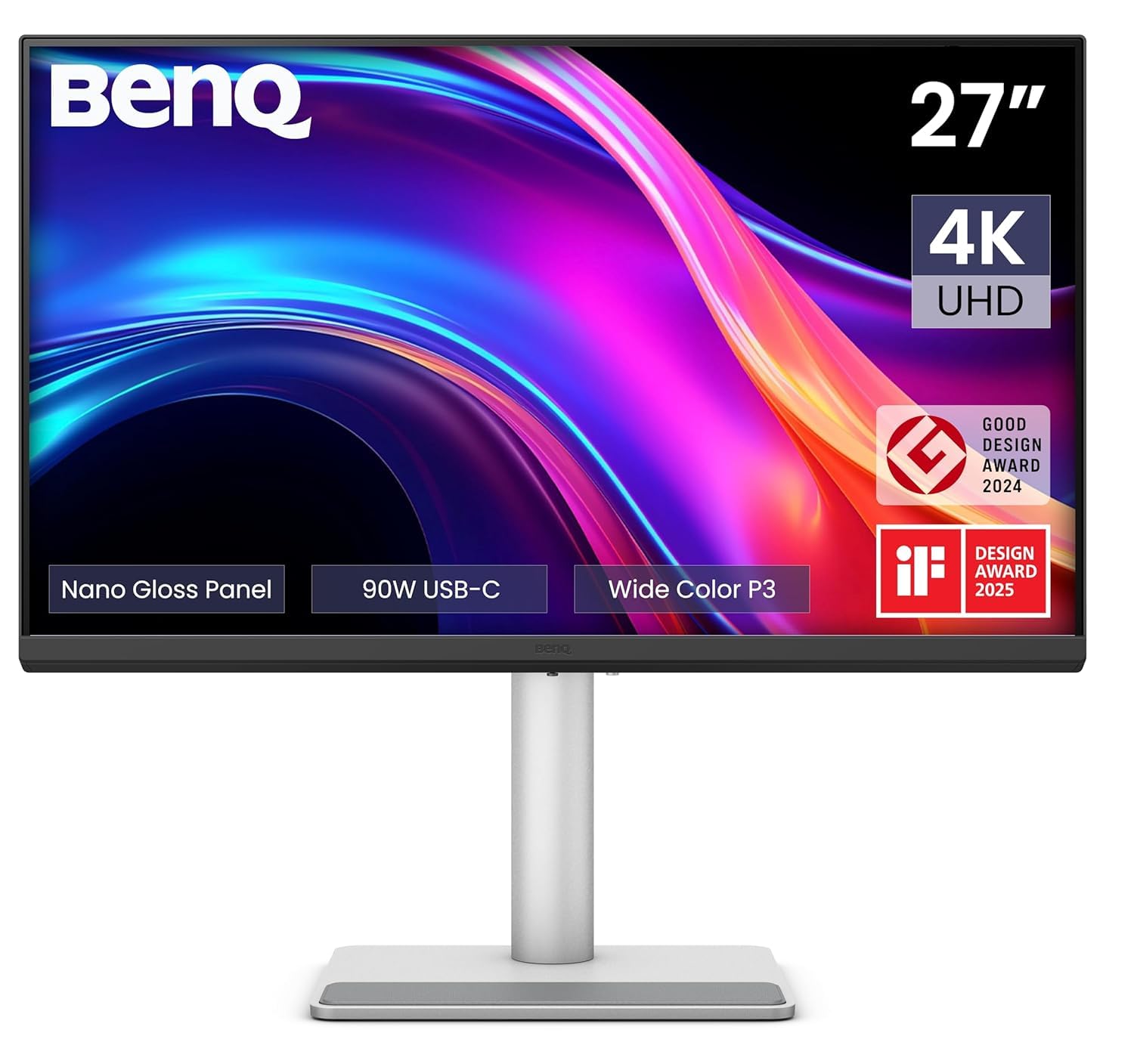
Built for MacBooks first, with color tuning that makes your external screen feel like an extension of your built-in display.
You get a screen that matches your MacBook. BenQ designed this monitor specifically for MacBook Pro and Air users, using exclusive color tuning to match the MacBook’s P3 wide color gamut, so photos look consistent whether on the laptop or external monitor. Connection is simple: a single USB-C cable handles video, data, and delivers 90 watts of charging power. A second USB-C port provides 15 watts for charging an iPad or iPhone on the side.
The 400 nits brightness is higher than most budget monitors, and the 2000:1 contrast ratio gives good depth for shadow detail. You can adjust the monitor’s brightness and volume directly from your MacBook keyboard — a small touch that makes a big daily difference. The stand is fully adjustable with height, tilt, swivel, and pivot. Customers note the text is crisp and the color is a near-perfect match to Apple’s own displays, which matters for designers who switch between devices.
Why Mac users love it
- P3 color gamut tuned specifically for Mac color matching
- 90W power delivery via USB-C, plus 15W for phone charging
- Keyboard brightness and volume control work natively
Honest considerations
- VESA mounting can be tricky — one owner reported a screw falling inside
- Built-in speakers are weak compared to Apple displays
- Stand finish feels cheaper than the screen’s premium image quality
No-brainer for: anyone editing photos on a MacBook who wants a smooth, one-cable external display with matched color.
Pass if: you use a Windows PC and would pay extra for Mac-specific features you do not need.
Understanding the Specs
Color Coverage (sRGB / DCI-P3 / Adobe RGB)
These numbers tell you how much of the visible color spectrum the monitor can display. sRGB is the standard for web and most print work. DCI-P3 (Digital Cinema Initiatives) is a wider gamut used in digital cinema and modern Apple devices. Adobe RGB is even wider and used for professional print photography. For photo editing, look for at least 99% sRGB. Higher percentages of DCI-P3 or Adobe RGB mean richer reds and greens in your images.
Delta E (Color Accuracy)
This measures how far the displayed color deviates from the true intended color. A Delta E of less than 2 means the human eye cannot reliably tell the difference between the on-screen color and the real one. Monitors with factory calibration to Delta E < 2 give you confidence that what you see is what you get in the final print or export.
Panel Type (IPS vs VA vs TN)
IPS (In-Plane Switching) panels are the standard for photo editing because they maintain consistent color and brightness across wide viewing angles. VA (Vertical Alignment) panels offer better contrast ratios (deeper blacks) but can shift colors when viewed from the side. TN (Twisted Nematic) panels are fast but have poor color and viewing angles — they are not suitable for photo work.
USB-C Power Delivery
This spec tells you how much power the monitor can send back to your laptop through the USB-C cable. A monitor with 60W or higher can keep most laptops charged during a full workday. A 90W or 96W rating is needed for larger laptops like the 16-inch MacBook Pro. This feature eliminates the need for a separate laptop charger cable on your desk.