
Our readers keep the lights on and the weekend projects moving. As an Amazon Associate, I earn from qualifying purchases.
Specs are compiled from manufacturer listings and verified buyer reviews and can change over time — please confirm the key details on the product page before buying.
Finding a pair of ski bibs that keeps you warm and dry without making your wallet wince is the real challenge. You want something that handles a full day on the slopes, shrugs off wet chairlifts, and still lets you move — all without costing what a season pass does. That is exactly what this guide is for: separating the real value picks from the ones that look good online but let you down in the snow.
I’m Rikta — the founder and writer behind FitlyFast. This guide is built by comparing the manufacturers’ published specifications and the patterns across verified customer reviews, so you get each pick’s real strengths and trade-offs instead of marketing spin.
After studying the build quality, waterproofing, warmth, and real-world feedback on over a thousand combined owner experiences, these are the budget ski bibs that actually perform where it counts.
Our Picks at a Glance


How To Choose The Best Budget Ski Bibs
The right pair of ski bibs keeps the snow out, traps warmth in, and lets you move freely all day. On a budget, you are trading off between waterproof rating, insulation type, and build quality. Here are the three things to check before you click add to cart.
Waterproof Rating Is Your First Filter
You want a bib that keeps you dry through a full day on the mountain, so look for at least a 10,000 mm waterproof rating — that handles light snow and a few sit-downs on slush. A 15,000 mm rating (often written 15K) is the balance for budget bibs: it sheds heavy snow, wet chairlifts, and most wipeouts without wetting through. Anything lower and you risk cold, damp layers by lunch.
Insulation vs. Shell — Know What You Need
Insulated bibs have a fixed layer of warmth built in, so you just add a thin base layer underneath. They are simpler and cheaper, but less flexible for varying temperatures. Shell bibs (non-insulated) let you layer exactly to the conditions — great if you ski both 20°F and 40°F days. Most budget bibs are insulated, which works fine for resort skiing where you move between cold chairlifts and warm lodges.
Fit and Adjustability Matter More Than You Think
A good bib should allow room for a base layer and maybe a mid-layer underneath without feeling like a sausage casing. Adjustable shoulder straps are a must — they let you dial in the torso length. Check the waist adjustment too: some brands cut for men’s straight hips, so a cinch or elastic panel makes a huge difference if you have a curvier build. And always look at the inseam length if you are tall or short — many budget bibs come in one length only.
Quick Comparison
| Model | Best For | Waterproof Rating | Insulation | Fit Style | Amazon |
|---|---|---|---|---|---|
| GSOU SNOW Bibs★ Best Overall | Best Overall Value | 15,000 mm | Insulated | Baggy / Relaxed | Amazon |
| Fly Racing Aurora BibsPremium Build | Premium Durability | Hydraguard weatherproof | 140g body / 180g seat | Adjustable / True to size | Amazon |
| The North Face Freedom Bib | Trusted Brand Performance | Waterproof (DryVent) | Non-insulated shell | True to size / Trim | Amazon |
| Women Men’s Ski Overalls | Warmth for the Price | Insulated waterproof | Insulated | Adjustable / Mixed | Amazon |
| SEARIPE Snow Bibs | Style on a Budget | Insulated waterproof | Insulated | True to size / Slimmer | Amazon |
In‑Depth Reviews
1. GSOU SNOW Men Women Snowboard Pants-Baggy Ski Snow Bibs
The baggy bib that balances waterproofing and price better than anything else at this level.
The 15,000 mm waterproof rating on this bib is the benchmark that keeps you dry through a full day of falls and slush, while the insulation provides enough warmth that most owners only need a base layer underneath. The baggy cut is intentional: it gives you full range of motion for snowboarding or skiing, and there is room to add a mid-layer when the temperature drops.
What people rave about most is the quality for the money. The seams hold up well, the removable suspenders and waistband add versatility, and the breathing vents let you dump heat on the way up the lift. At this price point, a 15K waterproof rating is rare — most competitors at this level sit at 10K. The trade-off is durability: a few owners have noted that the fabric can tear after several days of aggressive use, though that same crowd also says the bibs kept them warm and dry regardless.
The fit skews baggy, which most buyers love for movement. A 5’9″ 165-lb athletic build took a Medium and found it slightly long and baggy in a good way. A 6’2″ 190-lb owner found the same baggy fit accommodated a base layer well, though the crotch rode up a touch. Bottom line: if you want winter-proof protection without spending over, this bib is the pick.
Real-world warmth check: Not warm enough on its own — every owner pairs it with a thermal base layer; with that combo, buyers report being comfortable through Quebec-level chill.
Reach for this if: you want the best waterproof-to-dollar ratio and a relaxed fit that moves with you.
Think twice if: you plan to drag your knees across the snow park weekly and need bombproof fabric — the occasional tear is the reality at this price.
2. Fly Racing Aurora Snow Bib
The rugged snowmobile-grade bib that laughs at single-digit temps and keeps you bone-dry.
Fly Racing builds gear for snowmobiles, not just the resort — and it shows. The Hydraguard weatherproof system is windproof, waterproof, and breathable, so you stay dry even when you are sitting on a snowmobile at 30 mph with snow blowing. The 140g body insulation is backed by an extra 180g of thermal insulation in the dry seat insert, meaning your contact points get double the warmth. And the 450D abrasion-resistant polyester shell makes this the toughest bib on this list by a wide margin.
The adjustable leg length is a standout feature: it accommodates short, regular, and tall inseams, so the hem hits right over your boot gaiter without bunching. Reinforced knees add durability in high-wear areas, and the back expansion panels give you extra mobility for throwing a leg over a snowmobile or carving turns. Compared to the GSOU bibs above, this one is noticeably heavier and more substantial — it is built for the people who ride hard in the backcountry, not just the groomers. Owners confirm it kept their kids warm and dry snowmobiling in single-digit temps and well below zero with windchill.
The fit is true to size, but a bit baggy at the bottom for some skiers who prefer a tapered leg. A 5’11” 190-lb owner found the Medium fit great and praised the material as rugged. The pockets are deep, the zippers work well, and the adjustable shoulder straps and side stretch panels let you dial in the fit. The only minor complaint is the lower leg can feel loose if you are purely skiing in them — but for snowmobiling or backcountry riding, that bagginess is a feature, not a bug.
Snow-proof seal: The adjustable boot gaiter with elastic lace attachment keeps snow from creeping in, and high-visibility reflective panels add safety in low light.
Best for: anyone who needs serious warmth and durability for snowmobiling, backcountry riding, or extreme cold days on the slopes.
Skip if: you only ski on groomers and want a lighter, less bulky bib for warm spring days.
3. THE NORTH FACE Mens Freedom Ski and Snow Bib

The shell bib that layers like a pro and keeps snow out while you shred.
The North Face Freedom is a shell bib — meaning it is not insulated — which is actually a strength if you ski in varied conditions. You can wear it over a thin thermal on a 40°F spring day or add a mid-layer and puff jacket for a 10°F deep freeze. The DryVent waterproof technology keeps moisture out while letting sweat escape, and owners confirm it keeps them warm and dry down to single-digit temps with just long underwear underneath.
The fit runs true to size and accommodates ski and snowboard boots easily thanks to wide leg openings. Owners at 5’7″ and 190 lbs found the Medium Short snug in the midsection but the Large Short fit perfectly roomy. The adjustable straps and waist tabs let you fine-tune the fit, and the groin vents are a welcome addition for warm days. The built-in gaiter with stretchy inner cuff keeps snow from creeping up your boots — a detail that matters when you take a tumble in powder.
Compared to the Fly Racing Aurora, the Freedom is lighter and less rugged, but it packs better for travel and breathes better for active skiing. One caveat: a handful of buyers noted that the zipper placement can be on the side rather than the front, depending on the specific version, which changes how you access pockets. Overall, if you want a trusted brand that performs, layers, and lasts, this is a strong pick.
Why it wins
- Shell design allows flexible layering for all conditions
- Wide leg openings fit easily over ski boots
- Built-in snow gaiter keeps powder out
- Good pocket layout with a chest zip for a ski pass
Watch for
- No built-in insulation — you must layer for warmth
- Zipper placement can vary (side vs front depends on version)
Ideal for: skiers and snowboarders who want one bib that works across fall, winter, and spring by changing layers underneath.
Not for: someone who just wants to zip up once and be warm without thinking about base layers.
4. Women Men’s Ski Overalls Waterproof Snow Bibs
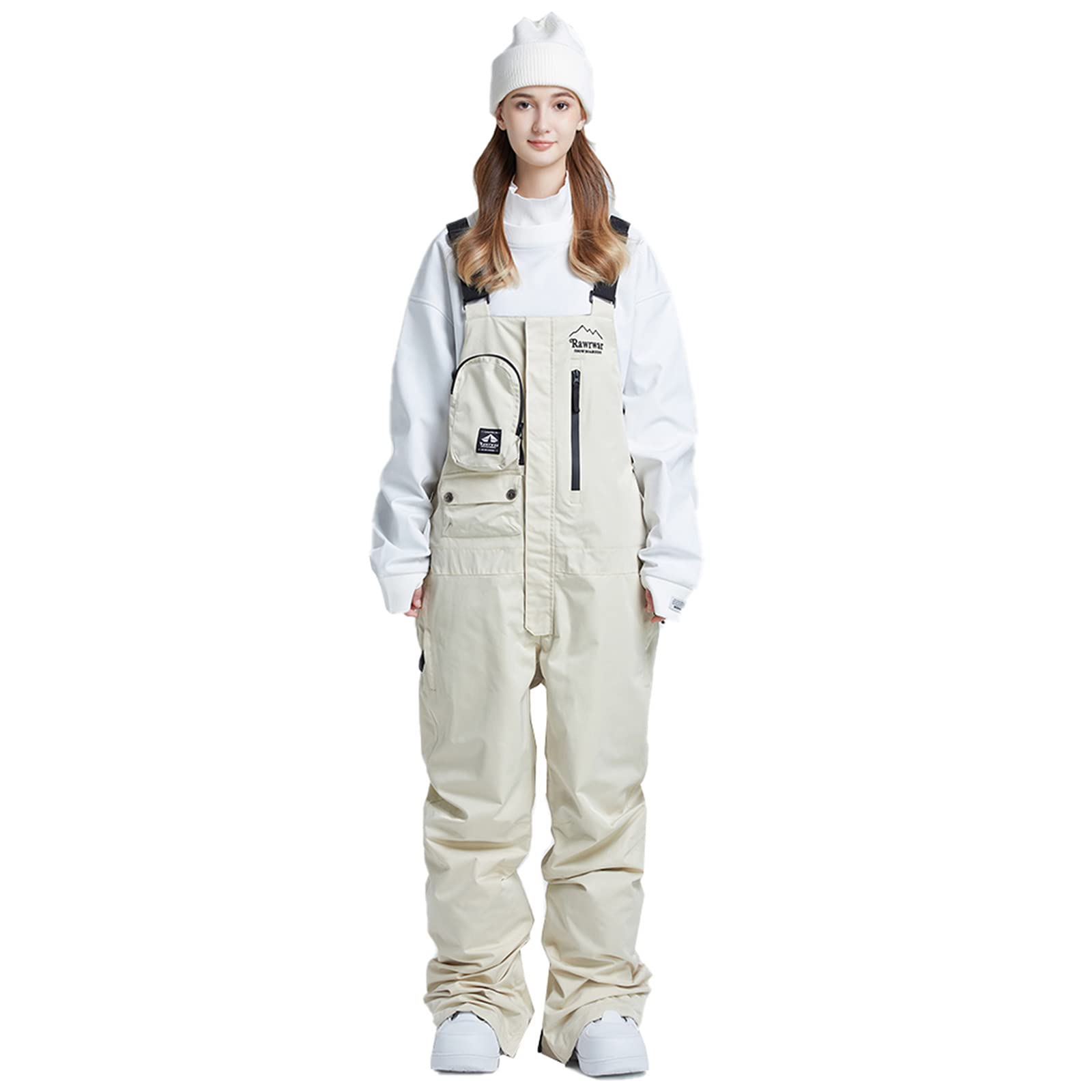
The insulated bib that kept one daughter completely dry while her friends soaked through after day one.
This is the warmest insulated option in the budget range. Owners consistently report that these bibs keep them comfortable in extreme cold — one reviewer took them on an Alaska trip where temps hit -36°F and stayed warm with proper layering. The insulation is substantial enough that you do not need to pile on layers, though some owners in milder climates (like California skiing) found them a touch warm and wore just a thin base layer underneath.
The fit is where things get tricky. The bibs have adjustable waist and chest panels, and the straps are flexible, but the sizing runs snug compared to the GSOU bibs above. A 5’2″ 135-lb owner with a 34DDD chest needed a Large to fit with a sweatshirt underneath, while a 110-lb 5’5″ teen took a Small and found it slightly loose. The mixed feedback on fit is the main reason this sits fourth — if you are in between sizes, size up for room to layer. The bibs come in a variety of colors, though some owners mention that the more vibrant shades can look a bit “cheap” in person.
The pocket layout is a highlight: multiple zippered pockets, including one on the front bib that fits a phone comfortably, and flexible straps that accommodate different torso lengths. One owner mentioned the straps do not shorten enough, but the waist tightens to compensate. For the price, the warmth-to-dollar ratio is tough to top.
Go for it if: you ski in consistently cold conditions (below 20°F) and want a bib that keeps you warm without complicated layering.
Pass if: you need a reliable fit without guesswork — the sizing varies enough that you may need to try two sizes.
5. SEARIPE Women and Mens Snow Bibs Adjustable Overalls Pants
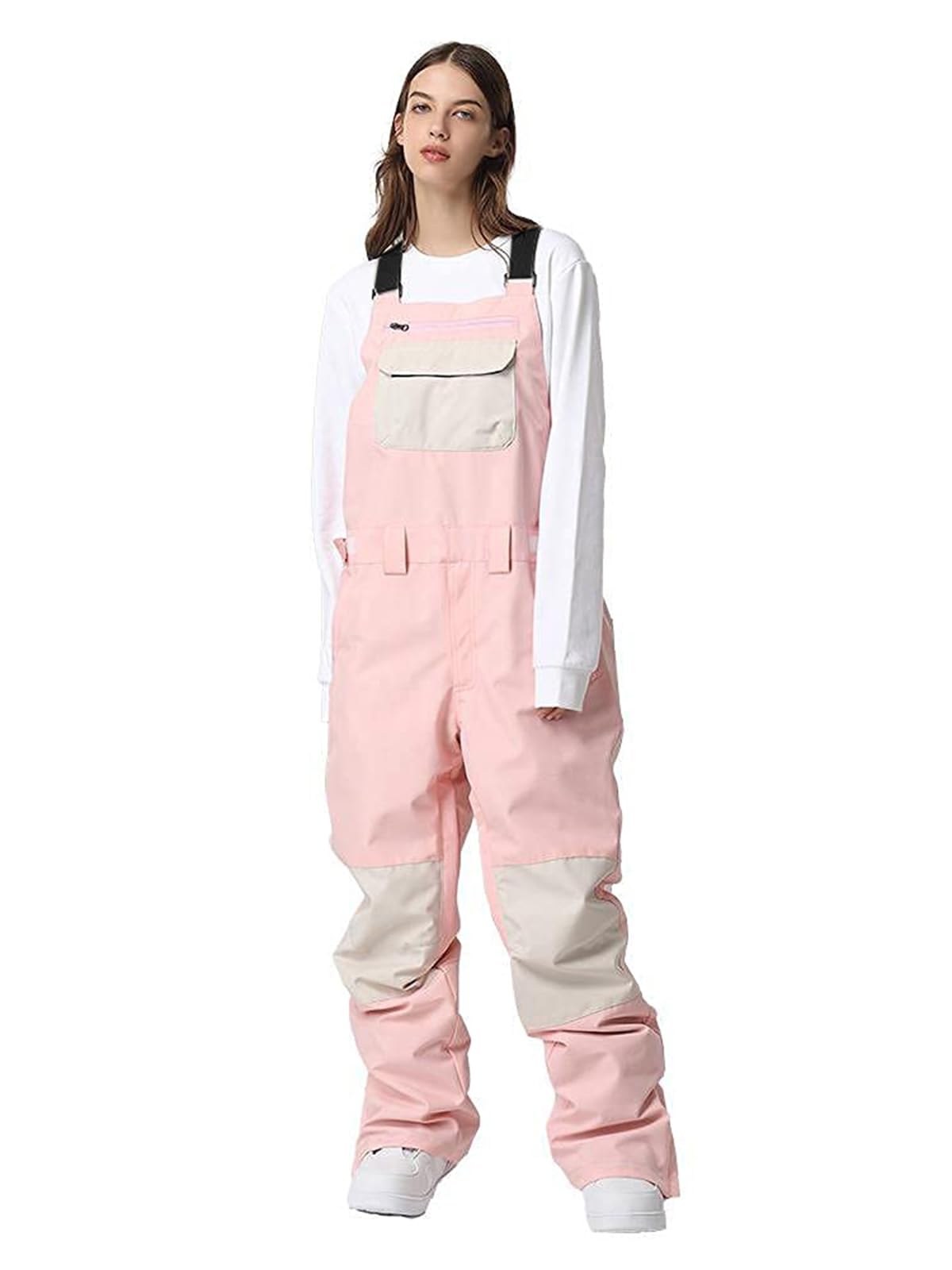
The cute and colorful bib that proves budget gear can still look good on the slopes.
Let’s be honest — most budget gear comes in black or basic blue. The SEARIPE bibs come in a range of bright, fun colors that make you easy to spot (and harder to lose) on the hill. Beyond the looks, they are genuinely functional: owners confirm these bibs keep you dry through wet chairlifts, have many pockets for your phone and lift pass, and are comfortable enough to wear all day. The insulation is present but thinner than the GSOU or Ski Overalls — one owner who usually wears North Face and Artix noted these are less warm, but there is plenty of room for layering underneath.
The fit runs small, particularly in the thighs and seat. A 5’4″ buyer at 170 lbs with a pear-shaped build had to size up two sizes (from L to XXL) to get a comfortable fit. The shoulder straps are not stretchy, which makes getting in and out of the bibs a bit of a chore — especially for bathroom breaks. A 5’5″ 150-lb owner with 41″ hips found them too snug in the thighs and butt and returned them. So this is a bib best suited for slimmer-to-average body types. If you are curvy or muscular in the lower body, you have been warned.
The material is thinner than the more expensive bibs on this list, but owners still report staying dry and warm on back-to-back mountain days. One owner wore them for two days straight in wet conditions and stayed completely dry. The fleece-lined phone pouch is a thoughtful touch. For the price, the SEARIPE is a solid choice for a beginner skier who wants to look good and stay dry without spending big — just size up.
What stands out
- Fun, bright color options that stand out on the mountain
- Fleece-lined phone pocket is a smart detail
- Kept owners dry through two days of wet conditions
The fit reality
- Runs small in thighs and seat — size up 1-2 sizes for curvy builds
- Non-stretchy shoulder straps make on/off a hassle
Best for: a slim-built skier on a budget who wants colors and basic protection without spending over.
Avoid if: you have a pear shape, muscular thighs, or want a bib that is easy to get on and off quickly.
Understanding the Specs
Waterproof Rating (mm)
This number — like 10,000 mm or 15,000 mm — tells you how much water pressure the fabric can handle before leaking. Think of it as a rain jacket for your legs: 10K handles light snow and casual sitting, while 15K keeps you dry through heavy snow, wet chairlifts, and repeated falls into slush. For a budget bib, 15K is the balance you want.
Insulated vs. Shell
An insulated bib has a fixed layer of padding sewn in — you zip it on and you are warm. A shell bib has no built-in insulation, so you control warmth by adding base layers and mid-layers underneath. Shells are more versatile for changing weather, but you need to own the layers. Insulated bibs are simpler and cheaper, and are the standard in the budget category.
Baggy vs. Trim Fit
A baggy cut gives you more room for layering, more freedom of movement for snowboarding, and a more relaxed look. A trim fit (or true-to-size fit) is closer to your body, which reduces flapping fabric but limits how many layers you can wear underneath. Baggy is better for deep powder and active movement; trim is better for skiing groomers and staying aerodynamic.
FAQ
What waterproof rating do I need for resort skiing?
Can I wear a budget bib for snowmobiling?
Should I size up in budget ski bibs?
Do I need insulated bibs or a shell?
How do I wash and care for waterproof ski bibs?
What is a snow gaiter and do I need one?
Are unisex ski bibs different from men’s or women’s bibs?
Can I find budget bibs that fit tall or short inseams?
Final Thoughts: The Verdict
For the majority of shoppers, the budget ski bibs winner is the GSOU SNOW Bib because it delivers a 15,000 mm waterproof rating and comfortable baggy fit at a price that leaves room for a good base layer. If you ride in extreme cold or backcountry terrain, grab the Fly Racing Aurora for its rugged build and extra insulation. And for a trusted brand that layers well across seasons, the The North Face Freedom is the one to reach for.
How We Picked
We do not accept paid placement. Every pick is matched to a real buyer and a real use-case; we do not hands-on test units.
Sources & Methodology
Specifications: manufacturer listings and product documentation. Review insights: verified customer reviews, as of July 2026. Pricing: not shown on this page (it changes often); check the current price via the retailer link.
As an Amazon Associate, FitlyFast earns from qualifying purchases. This does not affect which products we feature.