
Our readers keep the lights on and the weekend projects moving. As an Amazon Associate, I earn from qualifying purchases.
Specs are compiled from manufacturer listings and verified buyer reviews and can change over time — please confirm the key details on the product page before buying.
You want speakers that fill a room with clear sound without emptying your wallet. Many cheap models sound thin or break quickly, but a few deliver strong audio and sturdy build for the price. if you need a portable speaker for the beach or a wired pair for your desk, these picks actually hold up.
I’m Rikta — the founder and writer behind FitlyFast. This guide is built by comparing the manufacturers’ published specifications and the patterns across verified customer reviews, so you get each pick’s real strengths and trade-offs instead of marketing spin.
You will find eight of the best value-driven audio solutions right here, including portable Bluetooth speakers with marathon battery life and wired bookshelf models that outperform their price tags. These are the best budget speakers you can buy right now without second-guessing your purchase.
Our Picks at a Glance

How To Choose The Best Budget Speakers
Not all affordable audio is created equal. The cheapest speaker might sound decent in a store demo but fall apart when you take it outside or try to push the volume. A few key specs separate the keepers from the return-bin fodder, and knowing what to look for saves you both money and frustration.
Battery Life vs. Portability
If you are buying a portable Bluetooth model, battery runtime is the single most practical spec. A speaker that lasts 5 hours is fine for a quick park visit, but one that hits 24 hours lets you forget about charging entirely for days. That said, longer battery often means a heavier unit — check the weight if you plan to carry it in a bag every day.
Active vs. Passive
Active speakers have a built-in amplifier and plug straight into power — just connect your phone or computer and play. Passive speakers require a separate amplifier or receiver to drive them, which adds cost and complexity but can deliver better sound quality for the money if you already own an amp. For a first-time buyer, active is almost always the simpler, smarter route.
Water and Dust Resistance
The IP (Ingress Protection) rating tells you how well a speaker handles the elements. An IPX7 rating means it can survive submersion in a meter of water for 30 minutes — great for poolside or the shower. IP67 adds dust protection too. If your speaker will stay indoors, this matters less, but for a portable outdoor companion, a high IP rating is a must.
Quick Comparison
| Model | Best For | Battery Life | Power Output | Bluetooth Range | Amazon |
|---|---|---|---|---|---|
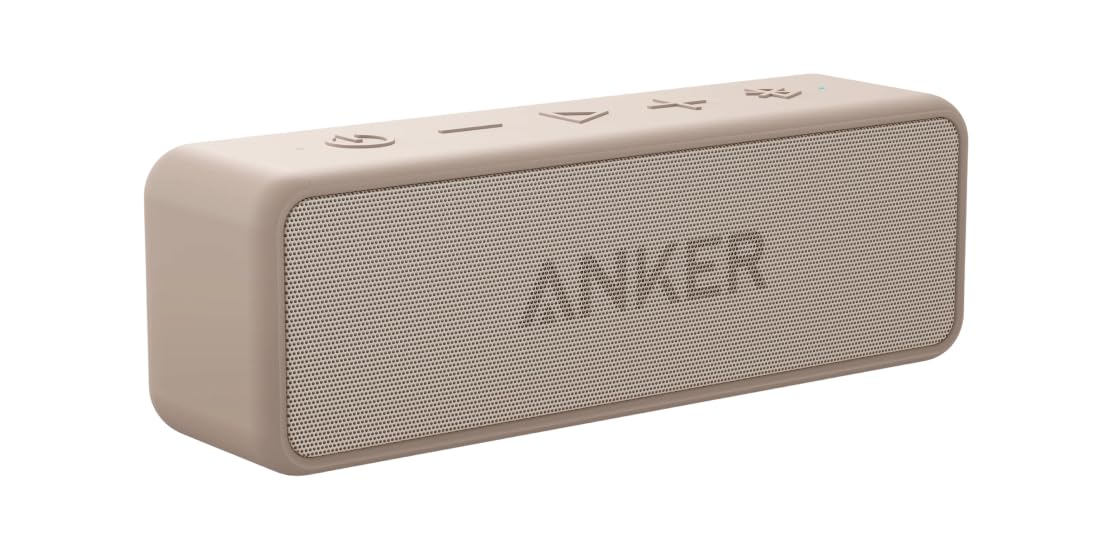
| Anker Soundcore 2★ Best Overall | All-day portable listening | 24 hours | 12W | 66 ft | Amazon |
| JBL Go 3Ultra-Compact | Ultra-portable travel | 5 hours | — | 33 ft | Amazon |
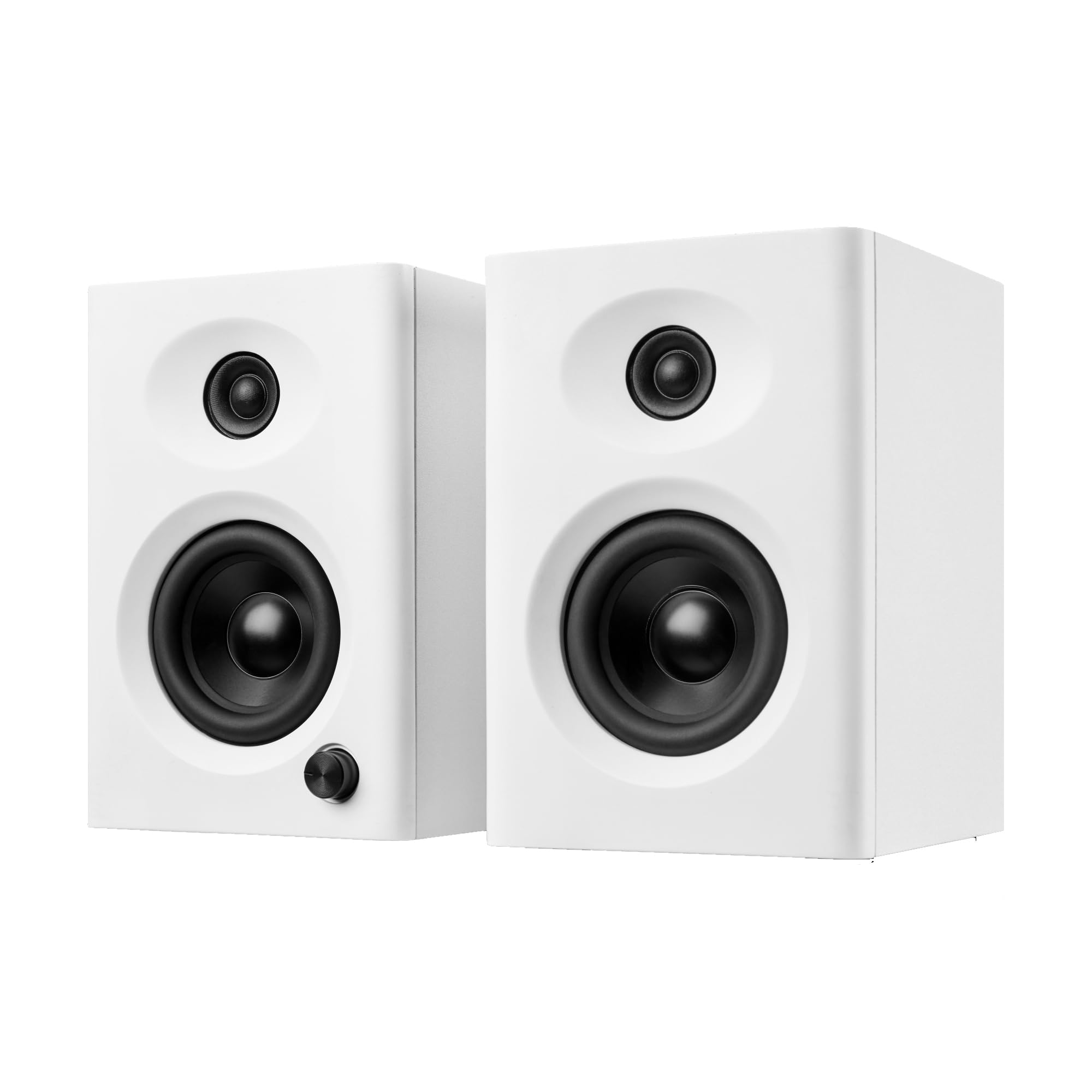
| NSY Audio Desktop SpeakersBest Value Desktop | Desktop PC / monitor upgrade | Wired | 60W | 33 ft | Amazon |
| Saiyin Passive Bookshelf | Small room with existing amp | Passive | 30W x 2 | — | Amazon |
| Electrohome Huntley | Turntable / retro setup | Wired | — | Bluetooth 5 | Amazon |
| OHAYO 60W | Gaming / desktop Hi-Fi | Wired | 30W x 2 | Bluetooth 5.3 | Amazon |
| Ortizan C7 | Near-field music production | Wired | — | 59 ft | Amazon |
| Edifier MR3 | Serious desktop monitoring | Wired | 18W x 2 | Bluetooth 5.4 | Amazon |
In‑Depth Reviews
1. Anker Soundcore 2
The pocket-sized powerhouse that keeps playing long after everything else needs a charge.
If you need a portable speaker that simply works, this is the one. The 5,200 mAh battery — a 6.9x gap compared to smaller portable units — delivers a full 24 hours of playback, meaning you can take it camping for a weekend and never hunt for an outlet. The 12W output with dual neodymium drivers and BassUp technology pushes surprisingly deep low-end for a unit this compact, and the IPX7 waterproofing means it handles splashes, waves, and even a drop in the sink without a flinch.
Buyers consistently report it is lightweight, easy to pack, and that the sound is clean enough to fill a kitchen or a small patio. The Bluetooth 5 connection reaches 66 feet, giving you a 2x range advantage over typical desktop Bluetooth speakers, and the simple touch controls keep operation fuss-free. A few owners mention that the BassUp feature can slightly muddy mid-range vocals at max, but for the price and battery life, that is a trade-off most are happy to make.
What wins people over
- 24-hour battery is top-tier at this price point
- Sound quality praised by over 11,000 owners for clarity and depth
- Rugged IPX7 build means it survives outdoor weather and shower use
The honest trade-off
- BassUp mode can mask vocal detail at very high volumes
- Charging is micro-USB, not USB-C
Who it is for: Anyone who needs a do-everything portable speaker — beach, shower, camping, or just moving around the house — that they do not have to charge every single day.
Who should look elsewhere: If you need a desktop pair for a serious music production setup, a wired studio monitor is a better fit.
2. JBL Go 3
A palm-sized speaker that punches way above its weight for sound and durability.
The JBL Go 3 is the definition of grab-and-go audio. It fits in your pocket, weighs almost nothing, and delivers the signature JBL sound — big audio and punchy bass from a 40mm dynamic driver inside a tiny chassis. The IP67 rating means it is fully waterproof and dustproof, so you can take it to the beach, rinse it off, and keep going without worry. Just be aware that the battery is rated for 5 hours, which is a 4.8x gap compared to the Anker Soundcore 2, so plan for daily charging if you listen a lot.
Buyers love the variety of colors and how instantly it pairs with any device. As owners put it: “Good sound, good value, good battery life, compact, and comes in a variety of colors! Love it!” The 200 ms audio latency is noticeable for video watching — audio may lag slightly behind lip movements — but for pure music streaming, the clarity and volume are genuinely surprising for something this small.
The defining strength: Unbeatable portability with a build that survives being left out in a storm — one owner even reported it worked perfectly after an overnight thunderstorm outdoors.
The reality check: The 5-hour battery means you will charge it more than you might like, and the Bluetooth range sits at 33 feet, noticeably shorter than the Anker Soundcore 2.
Reach for this if: Your priority is the smallest possible speaker that still sounds great and can handle anything the outdoors throws at it.
Think twice if: You need marathon battery life or want to watch movies without a slight audio delay.
3. NSY Audio Bluetooth 5.3 Desktop Speakers
The desktop companion that transforms tinny laptop audio into something you can actually feel.
If you spend your day in front of a computer, these 60W active speakers are a massive upgrade from built-in monitor or laptop speakers. The MDF wooden enclosure eliminates the plastic echo that plagues cheap desktop sets, while the 3-inch drivers deliver tight bass and a balanced mid-range that keeps dialogue and vocals clear. You can connect via Bluetooth 5.3 (33 ft range) or use the included RCA, USB, and 3.5mm AUX cables for a wired setup.
Buyers report the sound is clear, loud enough for a medium-sized room, and a “solid upgrade” from standard options. The front-panel dial combines power and volume for quick adjustments, which is handy during gaming or video calls. Some note that the bass can sound a bit soft from the start — a quick equalizer tweak fixes it. A recurring observation is a noticeable audio delay on video, so if you need tight sync for movies, stick to the wired connections rather than Bluetooth.
What makes it a steal
- 60W output with MDF wood cabinet for distortion-free sound
- Multiple wired inputs plus Bluetooth 5.3 for flexibility
- Plug-and-play setup with all cables included
One thing to know
- Bluetooth latency can cause lip-sync issues on video content
- Bass benefits from a little EQ adjustment from the start
Best for: Anyone upgrading a PC or Mac setup who wants room-filling stereo sound without spending on a separate amplifier.
Consider other options if: You need sub-30 Hz bass for cinematic audio — a subwoofer would be a better addition here.
4. Saiyin 2-Way Passive Bookshelf Speakers

A passive pair that rewards you with surprising bass depth if you already have an amplifier.
These are for the buyer who wants genuine Hi-Fi sound on a tight budget but already owns an amplifier or receiver. The Saiyin DS6700M speakers are passive — they have no built-in amp and no Bluetooth, so you need external gear to drive them. What you get in return is a flat frequency response from around 80 Hz to 4 kHz, with bass extending down to 60 Hz, and a silk dome tweeter that delivers detailed, non-harsh highs. The 3.5-inch woofer and 30W x 2 peak output handle everything from jazz basslines to movie explosions with surprising accuracy.
Buyers praise the build quality and the compact size — just 5 by 8 by 6 inches — making them perfect for a small room or office desk. The sound quality wins over most owners, with one noting they are “better than Realistic Minimus 7” classics. The catch is that you need to supply speaker wire (not included) and an amplifier, which raises the total cost. A few also note the tweeter rises above 4 kHz and benefits from a quick EQ adjustment.
The standout feature: Clean, accurate bass to 60 Hz from a speaker this small is rare at this price — owners with a decent amp are genuinely impressed.
The honest limit: They require an external amplifier and speaker wire, so if you do not already have an amp, an active speaker is simpler and cheaper overall.
Pick these if: You have a good amplifier and want the most accurate passive sound possible for a small room or desktop setup.
Skip them if: You want plug-and-play convenience or need deep sub-bass without adding a subwoofer.
5. Electrohome Huntley Powered Bookshelf Speakers

Wood-cabinet warmth and versatile connectivity for the turntable or TV user.
Electrohome’s Huntley speakers lean into a classic aesthetic with handcrafted wood cabinets and a rear-ported design that enhances bass response without needing a subwoofer. They are active (built-in amplifier), so you just plug them in and connect your device via Bluetooth 5, RCA, or the 3.5mm Aux input. The 3-inch drivers deliver a warm, natural sound profile — great for vinyl records, podcasts, and background music in a small room.
Buyers appreciate the easy setup and how the speakers look on a console or shelf, with many mentioning they pair well with a turntable. Sound quality gets mixed feedback — plenty of owners love the clarity, but some note the bass is not deep enough for punchy genres and that an external equalizer helps. Reliability is also mentioned as mixed, with a few units having connectivity quirks. For a studio apartment or a desktop where space is tight, these are a stylish and convenient pick.
What works well
- Warm, natural sound ideal for vocals and acoustic music
- Wood cabinets reduce resonance and look great
- Multiple inputs including Bluetooth 5 for wireless streaming
A fair warning
- Bass is not deep enough for EDM or hip-hop without a separate equalizer
- Reliability gets mixed feedback from some buyers
Reach for these if: You want a stylish, all-in-one speaker set for a turntable or small living space without fussing over an amp.
Look elsewhere if: You need loud, punchy bass for modern genres or plan to fill a large room.
6. OHAYO 60W Computer Speakers

Carbon-fiber drivers and a wood cabinet that brings studio-like clarity to your desktop.
The OHAYO 60W speakers blend premium materials with practical performance for a serious desktop audio upgrade. They use a 0.75-inch carbon fiber silk dome tweeter paired with a 3-inch carbon fiber full-range driver, all housed in an MDF wooden enclosure that cuts down on box resonance. The result is crisp highs, warm mids, and controlled mid-bass that works well for gaming, music, and video calls alike. The 30W x 2 output is loud enough for a small to medium room without distortion.
Buyers are impressed with the sound quality — over 270 owners praise it specifically — and find the multiple inputs (Bluetooth 5.3, RCA, AUX, USB) very convenient. The front volume knob doubles as a power switch, and some units include separate treble and bass knobs, giving you fine control. A few note the volume announcement at max level can be annoying, and that the speaker could be slightly louder for larger rooms. Overall, it is a strong performer that feels more expensive than it is.
The main draw: Carbon fiber drivers and a wood cabinet deliver clarity and reduced distortion that typical plastic budget speakers cannot match.
One small gripe: A loud “max volume” announcement lowers music briefly — a minor annoyance during quiet listening sessions.
Best for: Gamers and desktop users who want clear, detailed audio with flexible connectivity and a premium look.
Think twice if: You need extreme low-end bass for movie explosions — a subwoofer would complete the setup.
7. Ortizan C7 Dual-Mode Studio Monitors

Near-flat response and professional inputs that blur the line between budget and pro audio.
The Ortizan C7 monitors are built for accuracy. A built-in 24-bit DAC processes audio via USB, minimizing signal loss, while the 3.5-inch carbon fiber mid-bass driver and 0.75-inch silk dome tweeter deliver a near-flat frequency response that is essential for music production. Bass extends to roughly 45 Hz, which is impressive for the size, and the dual-mode switch lets you toggle between Monitor and Music modes depending on your task. Inputs include balanced TRS (6.35mm), RCA, AUX, and Bluetooth 5.3 with a range of 59 feet.
Buyers consistently say the sound accuracy rivals speakers costing much more, with crisp mids and highs that reduce ear fatigue during long mixing sessions. The ability to connect professional gear like mixers and electric guitars is a big plus for home studios. A few note that the volume dial feels slightly choppy, and the Bluetooth sound effects are less polished than the wired feed. No grille cover is included, so the drivers are exposed.
Why creators love them
- Near-flat response with bass reaching ~45 Hz for accurate monitoring
- Professional TRS balanced inputs plus USB DAC for low-noise audio
- Crisp, clear mids and highs that reduce ear fatigue
The cons to know
- Volume dial has a slightly choppy feel
- No grille cover — drivers are exposed to dust and bumps
Who these suit: Home studio creators and desktop producers who need accurate monitoring on a tight budget.
Who should skip: Casual listeners who want a simple plug-and-play speaker — the balanced TRS and DAC setup is overkill if you just watch YouTube.
8. Edifier MR3 Powered Studio Monitor Speakers

Hi-Res certified monitors that bring proper studio-grade tuning to a desktop-friendly price.
The Edifier MR3 is the most refined budget speaker on this list. It carries Hi-Res Audio certification, meaning it delivers a flat frequency response from 52 Hz to 40 kHz — a wider range than any other pick here — thanks to a 3.5-inch mid-low driver and a 1-inch tweeter. The 18W x 2 RMS output (92.5 dB peak SPL) fills a 10 by 11 foot room with clean, neutral sound. Bluetooth 5.4 supports multi-point connection, so you can switch between your phone and laptop without re-pairing.
Buyers praise the detailed clarity, the tight bass, and the fact that there is zero hiss or distortion even at higher volumes. The EDIFIER ConneX app lets you switch between Music, Monitor, and Custom modes, plus a full EQ for fine-tuning. The MDF cabinet reduces unwanted resonance. A few owners reported initial Bluetooth pairing issues that required reading the manual, and some note the mid-range can sound slightly flat without EQ adjustment, but overall this is widely considered the best-sounding budget monitor under.
The defining spec: Hi-Res Audio certified response from 52 Hz to 40 kHz — a wider, flatter range than any competitor here, making it ideal for both production and critical listening.
The small price to pay: Bluetooth pairing may require a quick read of the manual, and the mid-range benefits from a minor EQ adjustment to sound its best.
Reach for these if: You want the most accurate, detailed sound available in a budget monitor — perfect for music production, video editing, or discerning daily listening.
Consider the OHAYO instead if: You need more raw power (30W x 2 vs 18W x 2) and do not require the flat frequency response of a studio monitor.
Understanding the Specs
Battery Capacity (mAh)
This number tells you how much energy the speaker’s battery holds. A higher mAh (milliamp-hour) rating generally means longer playback time — the Anker Soundcore 2 has a 5,200 mAh battery that lasts 24 hours, while the JBL Go 3 uses a 750 mAh cell that lasts 5 hours. If you plan to take your speaker on trips or use it all day, pay close attention to this spec.
Water Resistance (IP Rating)
The Ingress Protection rating shows how well a speaker survives dust and moisture. IPX7 means it can be submerged in water up to 1 meter deep for 30 minutes. IP67 adds dust protection, meaning no sand or dirt gets inside. For poolside, beach, or shower use, look for at least IPX7. For indoor desktop speakers, this spec matters much less.
FAQ
Can I use passive speakers without an amplifier?
Is Bluetooth 5.3 noticeably better than Bluetooth 5.0?
How long do these budget speakers typically last?
Will the JBL Go 3 work for watching movies?
Do I need a subwoofer with budget bookshelf speakers?
Can I connect these speakers to a turntable?
How do I know if a speaker is active or passive?
What is the difference between a studio monitor and a regular speaker?
Final Thoughts: The Verdict
For most buyers, the budget speakers winner is the Anker Soundcore 2 because it combines 24-hour battery life, rugged IPX7 waterproofing, and genuinely good sound in a compact, affordable package. If you want a desktop setup for gaming or music production, the Edifier MR3 is the sharpest choice for accurate, Hi-Res certified audio. And for an ultra-portable companion that fits in your pocket, the JBL Go 3 is the one to reach for.
How We Picked
We do not accept paid placement. Every pick is matched to a real buyer and a real use-case; we do not hands-on test units.
Sources & Methodology
Specifications: manufacturer listings and product documentation. Review insights: verified customer reviews, as of July 2026. Pricing: not shown on this page (it changes often); check the current price via the retailer link.
As an Amazon Associate, FitlyFast earns from qualifying purchases. This does not affect which products we feature.