
Our readers keep the lights on and the weekend projects moving. As an Amazon Associate, I earn from qualifying purchases.
Specs are compiled from manufacturer listings and verified buyer reviews and can change over time — please confirm the key details on the product page before buying.
You do not need to drop thousands of dollars to start a vlog. The real challenge is finding a camera that gives you sharp video, decent audio, and easy handling without wrecking your budget. This guide cuts through the noise to help you pick a budget vlogging camera that actually works for real creators.
I’m Rikta — the founder and writer behind FitlyFast. This guide is built by comparing the manufacturers’ published specifications and the patterns across verified customer reviews, so you get each pick’s real strengths and trade-offs instead of marketing spin.
You want a budget vlogging camera that balances image quality, stabilization, and ease of use — without empty promises.
Our Picks at a Glance
How To Choose The Best Budget Vlogging Camera
Picking the right vlogging camera on a budget means focusing on a few key specs that directly impact your video quality and workflow. You do not need every bell and whistle, but skipping the wrong features can leave you with unusable footage.
Sensor Size and Low-Light Performance
A larger sensor captures more light, which means cleaner video when you are indoors or shooting at dusk. A 1-inch CMOS sensor (found on many mid-range models) is a huge step up from the tiny sensors in budget camcorders or phones. It gives you that blurred-background look (bokeh) without needing an expensive lens.
Stabilization — Gimbal vs. Electronic
Shaky footage is the fastest way to make a vlog look amateur. A 3-axis gimbal (a motorized arm that physically counteracts your movement) is far more effective than electronic image stabilization (EIS), which crops the image and can look wobbly. If you walk and talk often, prioritize a camera with a built-in gimbal.
Flip Screen and Audio Input
A side-articulating or top-flip screen lets you frame yourself while recording, which is essential for solo vloggers. A microphone jack (often called a “mic jack” or “aux port”) allows you to plug in an external microphone for clear audio — built-in camera mics almost always pick up handling noise and wind.
Quick Comparison
| Model | Best For | Sensor | Max Video | Stabilization | Amazon |
|---|---|---|---|---|---|
| Xoieod Camcorder★ Best Overall | Entry-Level All-in-One | Small (36MP stills) | 1080p HD | Electronic + Hood | Amazon |
| DJI Osmo Pocket 3Also Great | All-Round Vlogging | 1-inch CMOS | 4K @ 120fps | 3-Axis Gimbal | Amazon |
| Insta360 Luna Ultra | High-End Features | 1-inch + 1/1.3″ | 8K @ 30fps | 3-Axis Gimbal | Amazon |
| Sony ZV-E10 | Interchangeable Lenses | APS-C (24.2MP) | 4K @ 29.97fps | Electronic (Body) | Amazon |
| Xtra Muse | Smooth Footage on a Budget | 1-inch CMOS | 4K @ 120fps | 3-Axis Gimbal | Amazon |
| Sony ZV-1F | Wide-Angle Selfie Shots | 1-inch (20mm) | 4K @ 30fps | Electronic | Amazon |
| Canon PowerShot V10 | Ultra-Portable Pocket Cam | 1-inch BSI CMOS | 4K @ 30fps | Electronic | Amazon |
In‑Depth Reviews
1. Xoieod Camcorder Video Camera
A feature-packed camcorder that throws in everything including an external mic and two batteries.
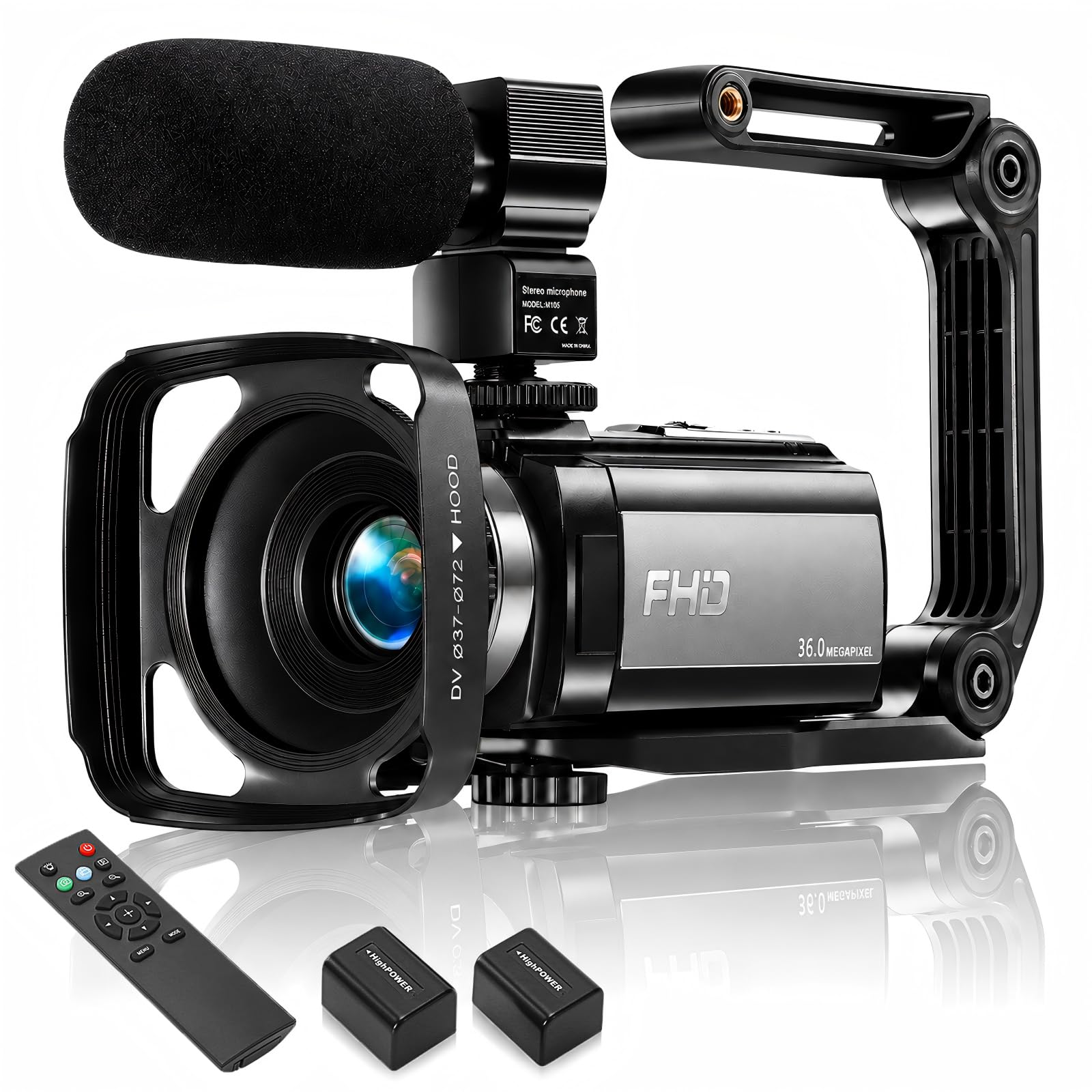
If your budget is tight but you need a do-it-all starter kit, the Xoieod Camcorder gives you the most accessories for the least money. It records 1080p HD video and captures 36MP still images — that still resolution is 36MP versus the Canon PowerShot V10’s 15.2MP, so you can crop photos more aggressively. The built-in infrared night vision mode lets you record in total darkness, which is a feature you will not find on most vlogging cameras at any price.
The kit is generous: two high-capacity batteries, a 16x digital zoom lens, an external X-Y stereo microphone, a wireless remote control (up to 16 feet range), a lens hood, a handheld holder, and a carrying bag. You can record while charging via USB, which means uninterrupted sessions for live streams or long meetings. It also works as a webcam when plugged into a computer — just connect via USB and it is recognized instantly for video calls or online classes.
The obvious trade-off is video resolution: 1080p is fine for social media but looks dated compared to the 4K output from the other cameras on this list. The digital zoom (16x) works by cropping the image, so zoomed footage will lose detail. Buyers mention that for the price, the included microphone is a welcome bonus that improves audio noticeably over the built-in mic. If your goal is to get started with vlogging on a very tight budget and you do not need 4K, this camcorder is a practical entry point.
Why It Stands Out
- 36MP still resolution (versus the Canon V10’s 15.2MP) for photo versatility
- Infrared night vision mode records in complete darkness
- Comprehensive kit includes external mic, remote control, and two batteries
Downsides to Know
- Limited to 1080p HD video, no 4K capability
- 16x digital zoom degrades image quality when zoomed in
Best for: absolute beginners who want a low-cost, full-kit camera to start vlogging right away.
pass on it if: you plan to upload in 4K or need a compact pocket camera for on-the-go use.
2. DJI Osmo Pocket 3 Vlog Combo
A pocket-sized powerhouse that eliminates shake without asking you to learn gimbal balancing.
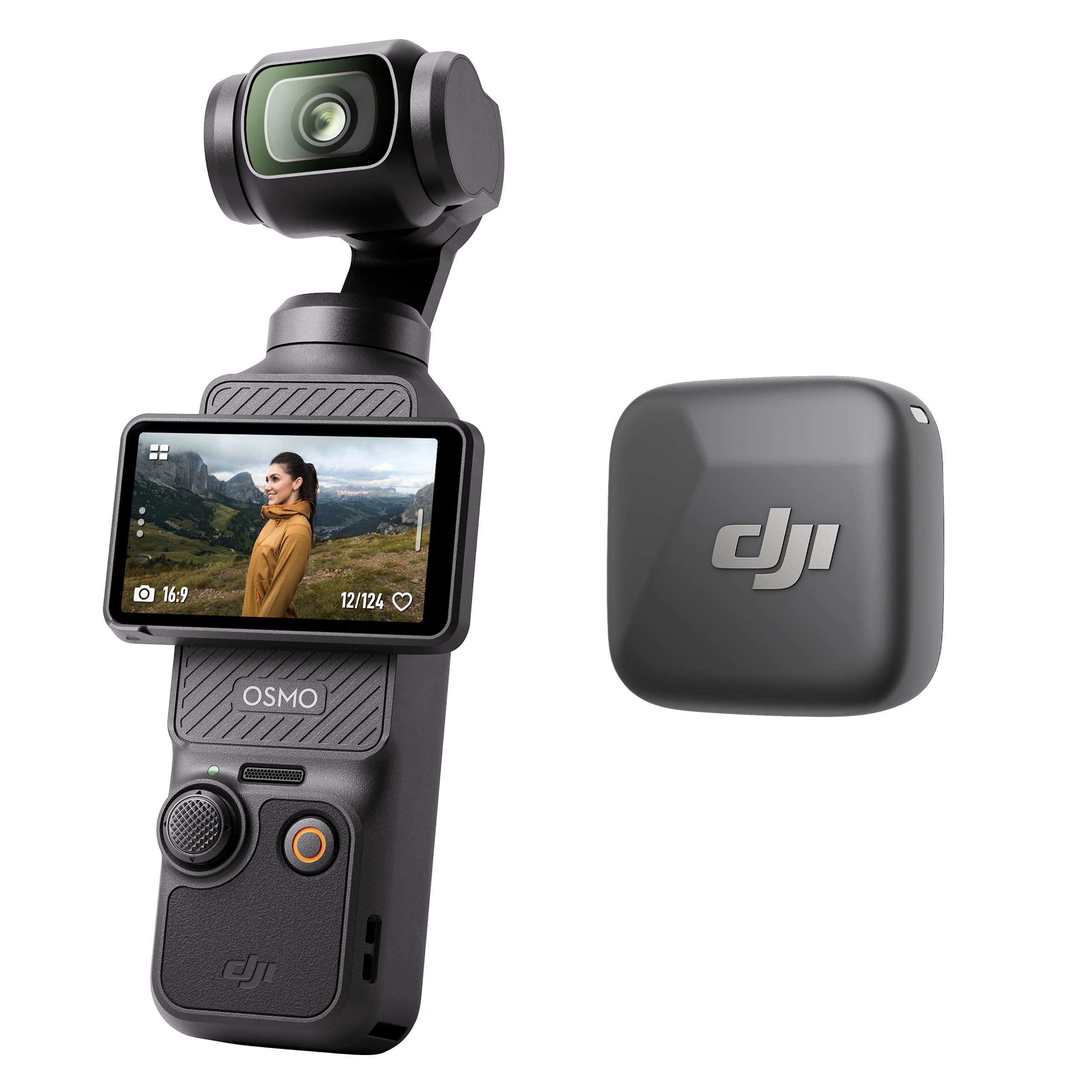
The DJI Osmo Pocket 3 is the benchmark for this category because it solves the two biggest vlogging problems — shaky footage and complicated setups — in one tiny body. Its 1-inch CMOS sensor and 4K recording at 120fps let you shoot buttery-slow-motion clips that look cinematic. The built-in 3-axis gimbal stabilizer does the work mechanically, so you can run, dance, or chase a pet and the footage stays smooth without any post-production fix.
For solo creators, the 2-inch rotatable touchscreen is a standout: it flips for horizontal or vertical framing, which means you do not need to guess your composition in a mirror. The DJI Mic Mini transmitter included in this bundle pairs directly with Pocket 3 via OsmoAudio technology, so your audio is clear and synced without wires. Buyers report that the ActiveTrack 6.0 feature locks onto them as they move, keeping the subject center-frame even during active shots like jumping or spinning.
One trade-off: the battery is built-in, so you cannot swap a dead pack mid-shoot (though a full charge lasts a full vlogging session). If you want interchangeable lenses or a bigger sensor for photography, the Sony ZV-E10 offers that flexibility, but for pure vlogging convenience with zero setup time, this DJI is the clear winner.
What Makes It Shine
- 3-axis gimbal stabilization eliminates the need for a separate stabilizer
- 4K at 120fps allows for smooth slow-motion in your vlogs
- ActiveTrack 6.0 keeps you in frame automatically while moving
What to Consider
- Non-replaceable battery (must recharge via USB-C)
- Fixed wide-angle lens, no zoom range for distant subjects
Reach for this if: you want zero-shake vlogs from day one and prioritize convenience over lens swapping.
Know this limit: the fixed lens will not zoom in for sports or wildlife, and you need the included USB-C charger to get back to full.
3. Insta360 Luna Ultra
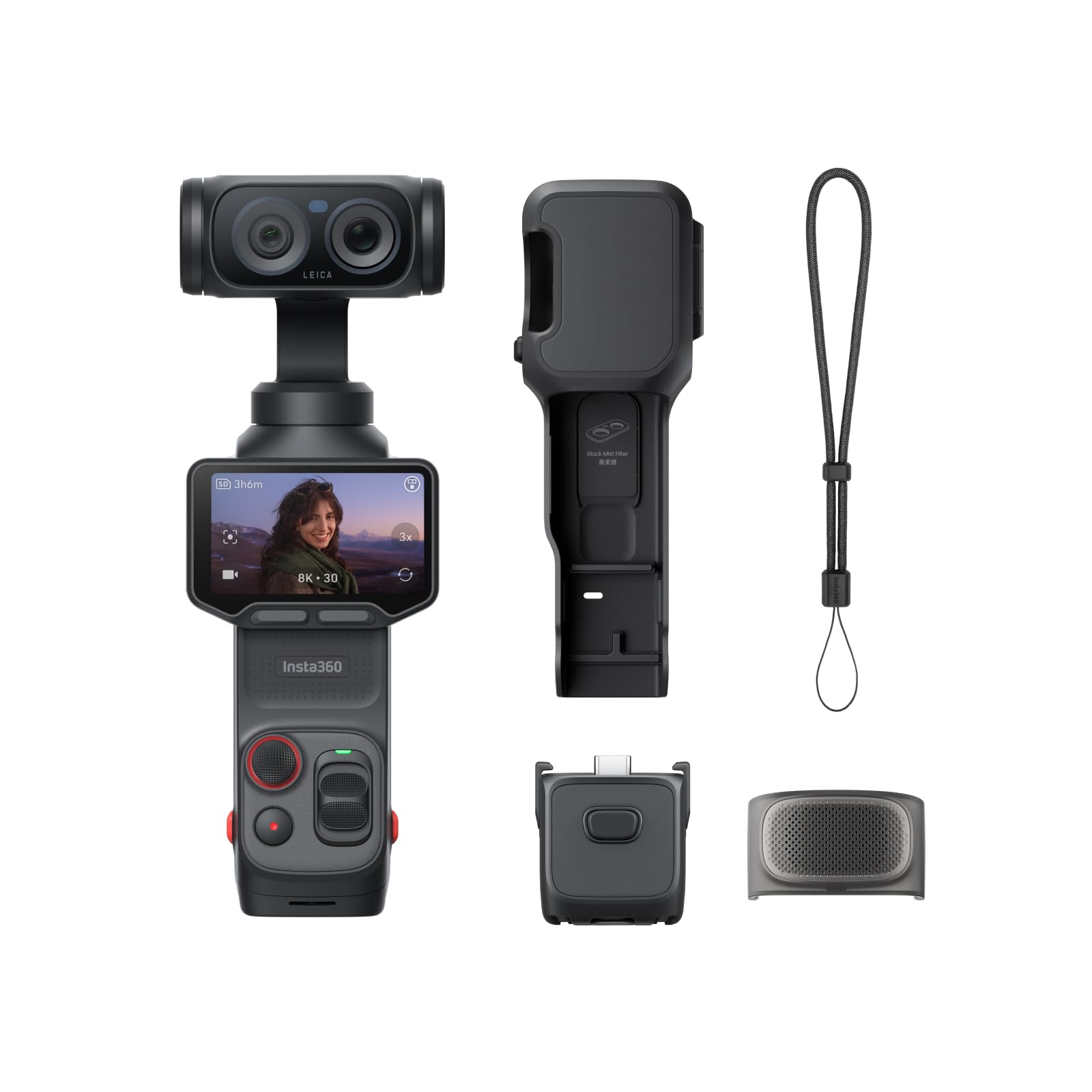
A dual-lens powerhouse that shoots 8K video and lets you monitor from across the room.
If your budget allows for a stretch, the Insta360 Luna Ultra brings features that usually cost double. Its dual Leica lenses combine a 1-inch main sensor with a second telephoto sensor (1/1.3-inch size), giving you a 12x zoom range. This means you can film a wide vlog scene and then zoom in for a close-up without losing detail — something the fixed-lens DJI Osmo Pocket 3 cannot do. It records up to 8K at 30fps with Dolby Vision HDR, capturing more color and contrast than any other camera at this price.
The detachable 2-inch OLED touchscreen is a smart design: you can pull it off the camera body and control the shot from up to 20 meters away. That is useful for solo vloggers who want a third-person walking shot or a group photo without running back to the tripod. The 3-axis gimbal stabilizer keeps footage smooth, and the 10-bit I-Log color mode gives you room to adjust colors in editing without banding.
The catch: at this premium price, you are paying for 8K resolution that most viewers will watch in 4K. But if you want the zoom flexibility and the detached-screen remote control, it beats the competition here. Owners mention the fast charging — 80% in 23 minutes — is a big help on long shooting days.
Standout Strengths
- Dual Leica lenses with 12x zoom range for flexible framing
- Detachable touchscreen for wireless remote control up to 20m away
- 8K Dolby Vision HDR video and 10-bit color for professional-grade footage
Trade-Offs
- Premium price point pushes it out of strict budget territory
- 8K files require a fast computer for editing
Ideal for: creators who want optical zoom and detached-screen control without carrying a full rig.
Heads up: you will need a recent laptop or desktop to edit 8K footage smoothly.
4. Sony Alpha ZV-E10
An interchangeable-lens camera that grows with your skills, starting with a sharp kit lens.
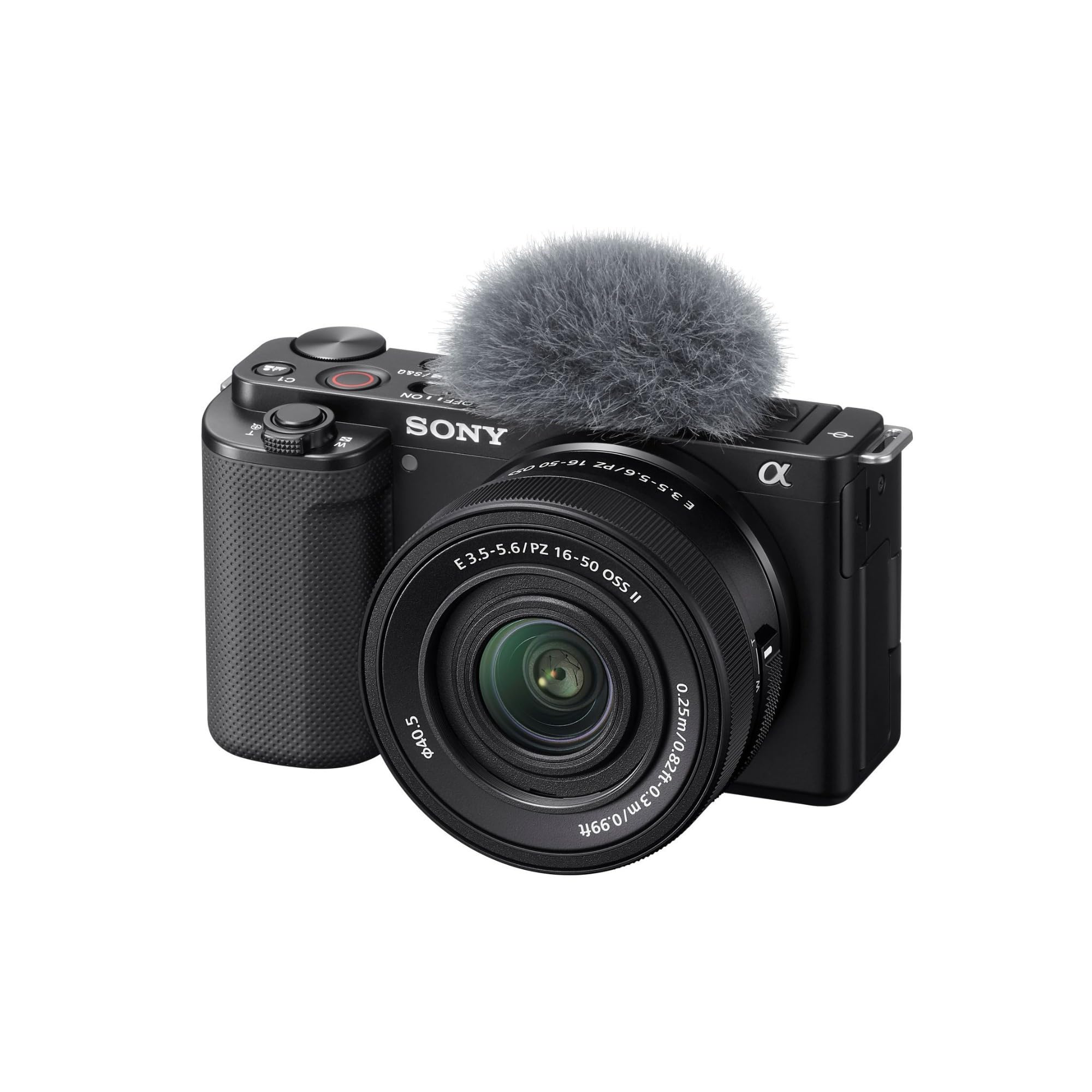
The Sony ZV-E10 is the pick for vloggers who want to move beyond fixed-lens cameras. Its APS-C sensor (24.2 megapixels) is significantly larger than the 1-inch sensors in the pocket cameras above, which means better low-light performance and more background blur. It shoots 4K video oversampled from a 6K readout (no pixel binning), so the footage is crisp and detailed even when you crop in. The included 16-50mm OSS II kit lens gives you a flexible zoom range for both wide selfies and tighter shots.
Two features make this especially useful for vlogging: the Product Showcase Setting (which transitions focus from your face to an object you hold up, ideal for reviews or unboxings) and the Background Defocus button (one press blurs the background instantly). The 3-inch side-articulating touchscreen flips out to face you, so you can frame your shot and see it clearly. With 425 phase-detection autofocus points, the camera locks onto your eye and stays there — even when you move around the frame.
What you lose compared to the DJI or Insta360 is built-in gimbal stabilization. The ZV-E10 relies on electronic stabilization, which works well for subtle movement but can look wobbly during active walking shots. If you plan to walk-and-talk often, you might want a gimbal accessory. On the plus side, you can swap lenses forever, which makes this camera a long-term investment rather than a disposable gadget.
what separates it
- APS-C sensor delivers superior low-light and bokeh over 1-inch competitors
- Product Showcase Setting and Background Defocus button for practical vlog tools
- Interchangeable lens mount gives you a path to upgrade glass over time
Things to Note
- No built-in gimbal; electronic stabilization is good but not as smooth as a gimbal camera
- Kit lens (16-50mm) is good to start, but you may want a faster prime lens eventually
Best for: creators who want to learn photography alongside vlogging and plan to invest in lenses later.
skip it if: you need immediate shake-free walking footage without buying a separate gimbal.
5. Xtra Muse Vlogging Camera

A gimbal-stabilized 4K camera that undercuts the big names on price without cutting corners on smoothness.
The Xtra Muse brings the same essential formula as the DJI Osmo Pocket 3 — a 1-inch CMOS sensor, 4K at 120fps, and a 3-axis gimbal — at a lower entry point. This means you get the same mechanically stabilized footage that makes walking shots look like you are on a dolly track. The 2-inch touchscreen is responsive and switches between horizontal and vertical shooting for social-media-ready clips.
Where the Xtra Muse separates itself is in its color grading capability. It records in 10-bit X-Log color mode, which captures up to one billion colors — that gives you enormous flexibility to adjust hues in post-production without introducing banding. This is a feature usually reserved for cameras costing much more. The Master Follow mode locks onto your face and keeps you centered while you move, similar to DJI’s ActiveTrack.
The standard bundle includes a handle with a 1/4-inch thread (standard tripod mount), a carrying bag, and a wrist strap. Buyers have noted that the user interface is intuitive and the battery lasts about 161 minutes of recording time, which is enough for a day of casual vlogging. One limitation compared to the DJI: the ecosystem of accessories is smaller, so you will not find as many third-party cases or mounts.
Key Advantages
- 1-inch sensor combined with 3-axis gimbal for premium stabilization at a lower price
- 10-bit X-Log color mode for professional-grade color grading
- Records 4K at 120fps for smooth slow-motion vlogs
Consider These
- Smaller accessory ecosystem compared to DJI or Sony
- Battery life is adequate but not class-leading for all-day shoots
Go for it if: you want gimbal-stabilized 4K and advanced color tools without the premium markup.
Keep in mind: you may have fewer third-party mounts and cages to choose from compared to the DJI line.
6. Sony ZV-1F Vlog Camera

An ultra-wide lens that keeps you and your background in the frame even at arm’s length.
The Sony ZV-1F is built around one specific idea: making selfie-style vlogging easy. Its 20mm ultra-wide lens (35mm equivalent) is wider than most pocket cameras, so when you hold it at arm’s length, both your face and the scenery behind you stay in the shot without needing a selfie stick. The 1-inch sensor and F2.0 lens let in plenty of light, creating a defocused background (bokeh) that makes you pop out from the background — useful for indoor vlogs or street interviews.
Sony’s Eye-AF (eye autofocus) technology locks onto your eyes and tracks them as you move, so you do not drift in and out of focus. The side-articulating touchscreen flips out to face you for easy framing. For audio, the ZV-1F features a directional 3-capsule microphone with an included windscreen, which captures clear voice while reducing background noise — a real advantage over cameras that require an external mic purchase.
Unlike the DJI Osmo Pocket 3 or Xtra Muse, the ZV-1F relies on electronic image stabilization rather than a mechanical gimbal. This means walking shots will have a slight wobble that gimbal-stabilized cameras do not. If your vlogs are mostly stationary (talking head, desk setup, cooking), this is not an issue. But if you plan to walk and talk frequently, the DJI or Xtra Muse will give you smoother footage for similar or less money.
Strong Points
- Ultra-wide 20mm lens captures more background in selfie mode
- Eye-AF and autofocus tracking keep you sharp while moving
- Directional 3-capsule mic with windscreen improves audio quality without accessories
Limitations
- Electronic stabilization only, not as smooth as a gimbal for walking shots
- No flash and no interchangeable lens, limiting low-light and lens upgrade options
Choose this for: sit-down vlogs, interviews, or desk content where wide framing and eye-tracking matter most.
Think twice if: you need shake-free walking footage without buying a separate gimbal accessory.
7. Canon PowerShot V10

A credit-card-sized camera with a retractable stand that sets up in seconds anywhere.
Canon designed the PowerShot V10 for absolute portability. It fits in a jeans pocket and weighs just 22 grams for the battery alone, yet it packs a 1-inch back-illuminated CMOS sensor that records 4K video at up to 29.97fps. The retractable front-facing screen is clever: it pops up so you can frame yourself without needing a flip-out screen that adds width. The built-in stand folds out from the body, allowing you to set it down on a table for hands-free recording without a tripod.
For audio, Canon included three microphones — two stereo mics and a third center mic that helps cancel background noise. You also get a micro-HDMI output and an external mic auxiliary port, so you can plug in a lavalier mic for better vocal clarity. The V10 supports USB-C charging and can be used as a webcam for streaming. Customers note that the 19mm wide-angle lens (35mm equivalent) is good for selfies, though it is fixed and cannot zoom.
The trade-off is its 15.2-megapixel still resolution, which is 15.2MP versus the 36MP from the Xoieod camcorder. For still photography, the V10 is serviceable but not a primary camera. Electronic stabilization is decent for subtle motion but, like the Sony ZV-1F, it is not gimbal-smooth for walking shots. If your priority is a jacket-pocket camera that you can pull out and start recording in seconds, the V10’s clever stand and flip screen make it a unique option.
Where It Wins
- Extremely compact and lightweight with a retractable front screen
- Built-in folding stand for hands-free tabletop recording without a tripod
- Three-microphone system with external mic port for better audio
What Holds It Back
- 15.2MP still resolution is low compared to the 36MP from the Xoieod camcorder
- Fixed wide-angle lens with no zoom, limiting framing options
Perfect for: travelers and quick-capture vloggers who want to pull a camera from their pocket and record hands-free.
Note the catch: you cannot zoom or swap lenses, and the still-image resolution is modest.
Understanding the Specs
Sensor Size (1-inch vs APS-C)
The sensor is the light-capturing chip inside the camera. A larger sensor collects more light, giving you cleaner video in dim conditions and more background blur (bokeh) in well-lit scenes. A 1-inch CMOS sensor is the baseline for good budget vlogging cameras — it beats phone sensors easily. An APS-C sensor, like the one in the Sony ZV-E10, is roughly 3x larger than 1-inch and delivers even better low-light results and more natural blur.
Gimbal Stabilization (3-Axis Mechanical)
A 3-axis gimbal uses tiny motors to physically counteract your hand movements, keeping the camera steady even while walking or running. This is different from electronic image stabilization (EIS), which crops the video and can create a wobbly “jello” effect on fast movement. For walking vlogs, a gimbal is far superior. The DJI Osmo Pocket 3 and Xtra Muse both include 3-axis gimbals; the Sony ZV-1F and Canon V10 rely on EIS, which is fine for stationary shots.
Frame Rate (fps) and Slow Motion
Frame rate is how many individual frames the camera captures each second. Standard video is 30fps (30 frames per second). Recording at 120fps (frames per second) allows you to slow the footage down to 25% speed in editing while keeping it smooth — perfect for dramatic slow-motion of action shots like dancing, jumping, or pets. Not all budget cameras offer 120fps; check the specs if slow-mo is important to you.
Flip Screen and Microphone Jack
A flip screen (also called an articulating or rotating screen) is essential for solo vloggers because it lets you see yourself while recording. Without it, you are guessing whether you are in frame. A microphone jack (aux input or 3.5mm port) lets you connect an external lavalier or shotgun microphone, which dramatically improves audio quality over the camera’s built-in mic. Most built-in mics pick up handling noise and wind rustle that ruin vlog audio.
FAQ
Is 1080p good enough for YouTube vlogging in 2025?
Do I need a camera with a gimbal built in?
What is the difference between a 1-inch sensor and an APS-C sensor for vlogging?
Can I use a budget vlogging camera as a webcam for streaming?
How important is a flip screen for solo vlogging?
What is the best microphone setup for a budget vlogging camera?
Does 4K video use a lot of storage space?
Which budget vlogging camera is best for beginners with no experience?
Can a budget vlogging camera take good photos too?
How long do the batteries last on these cameras for a full day of vlogging?
Final Thoughts: The Verdict
For the majority of shoppers, the budget vlogging camera winner is the DJI Osmo Pocket 3 because its 3-axis gimbal, 4K at 120fps, and compact size solve real vlogging problems without extra gear. If you want interchangeable lenses and room to grow, grab the Sony ZV-E10. And for the tightest budget with a full kit included, the Xoieod Camcorder gets you started for the least money.
How We Picked
We do not accept paid placement. Every pick is matched to a real buyer and a real use-case; we do not hands-on test units.
Sources & Methodology
Specifications: manufacturer listings and product documentation. Review insights: verified customer reviews, as of July 2026. Pricing: not shown on this page (it changes often); check the current price via the retailer link.
As an Amazon Associate, FitlyFast earns from qualifying purchases. This does not affect which products we feature.