
Our readers keep the lights on and the weekend projects moving. As an Amazon Associate, I earn from qualifying purchases.
Specs are compiled from manufacturer listings and verified buyer reviews and can change over time — please confirm the key details on the product page before buying.
Your front yard is the first thing anyone sees, and the right bushes can turn a plain house into a welcoming one. The trouble is, most of us don’t have the time or the expertise to keep finicky shrubs alive. This guide cuts through the noise to help you pick bushes that will actually thrive by your front door, whether you have a green thumb or can barely keep a houseplant going.
I’m Rikta — the founder and writer behind FitlyFast. This guide is built by comparing the manufacturers’ published specifications and the patterns across verified customer reviews, so you get each pick’s real strengths and trade-offs instead of marketing spin.
We’ve dug through the data on the best bushes for front of house to find which ones stay healthy, look great, and fit your yard’s sun and climate.
Our Picks at a Glance

How To Choose The Best Bushes For Front Of House
Choosing the right bush for your front yard means matching the plant to your specific conditions, not just picking what looks pretty in a photo. The biggest factors are your local climate, how much sun the spot gets, and how much upkeep you are willing to do.
Check Your USDA Hardiness Zone First
Before you buy anything, figure out your USDA hardiness zone. This number tells you the average coldest winter temperature for your area, and every plant listing includes the zones it can survive in. A bush rated for zones 6-10, for example, will likely struggle in a zone 5 yard with harsher winters, so matching this number is the single best way to avoid a dead plant in spring.
Match the Bush to Your Sunlight
Take a walk outside and notice how many hours of direct sun your front bed actually gets. Some shrubs, like the Thuja Green Giant, demand full sun to grow at their fastest rate, while others are more forgiving and tolerate part shade. If you plant a full-sun shrub in a shady corner, you will get thinner growth and less vibrant color, no matter how well you water it.
Decide Between Evergreen and Deciduous
You get year-round privacy and color from an evergreen, which keeps its leaves all winter. A deciduous shrub, like a spirea or forsythia, drops its leaves in fall and regrows them in spring, so you get seasonal blooms but a bare look for part of the year. Pick an evergreen if you want constant structure; choose a deciduous shrub if you enjoy a plant that changes with the seasons.
Quick Comparison
| Model | Best For | Type | Mature Height | USDA Zones | Amazon |
|---|---|---|---|---|---|
| Obsession Nandina★ Best Overall | Year-round color | Evergreen Shrub | 48 inches | 6-10 | Amazon |
| Silverado SageDrought Tolerant | Drought-tolerant pots | Evergreen Shrub | — | — | Amazon |
| Thuja Green GiantFastest Growing | Fast privacy screen | Evergreen Tree | 50 feet | 5-9 | Amazon |
| Double Play Doozie Spirea | Compact flower color | Deciduous Shrub | 24 inches | 3-8 | Amazon |
| Lynwood Gold Forsythia | Early spring blooms | Deciduous Shrub | — | 5-9 | Amazon |
| 10 Thuja Green Giants | Bulk hedge planting | Evergreen Tree | 40 feet | 5-9 | Amazon |
| Magic Carpet Spirea | Golden foliage contrast | Deciduous Shrub | 2-3 feet | 4-8 | Amazon |
| Mavis’s Diary Cedar | Zero-maintenance realism | Artificial Set of 2 | 48 inches | — | Amazon |
| ECOLVANT Topiary | UV-resistant faux pots | Artificial Set of 2 | 35 inches | — | Amazon |
In‑Depth Reviews
1. Southern Living 2 Gal. Obsession Nandina Shrub
Our pick — over 4.5★ from 900+ verified ratings; the strongest balance of quality and price.
The crowd-pleasing shrub that delivers fiery red foliage all year with almost zero effort.
If you want a bush that anchors your front bed with bold color without you having to fuss, this Nandina is the one. It is an evergreen, so it holds its leaves through winter, and the “Obsession” variety is prized for its bright red new growth that stands out against the green. Buyers report the plants arrive looking like they came straight from a nursery — “Delivered moist & happy just like it was in a nursery! Very healthy plants that are hard to find.”
You get a two-pack here, which makes it easy to flank your entryway or start a low hedge line. This shrub grows to a manageable 48 inches tall, so it frames a doorway without blocking windows, and it thrives across USDA zones 6-10. It handles sun to part shade, giving you flexibility on where you can place it.
The care routine is forgiving: water twice per week until it is established, then you can cut back to once per week. The main thing owners flag is that it is a slow grower, so you aren’t getting instant height. Also, this variety does not produce blossoms — its appeal is purely the foliage color, which is exactly what most front-of-house buyers want.
What wins people over
- Vibrant red and green foliage keeps color in your yard year-round
- Arrives healthy and well-packaged, per the vast majority of feedback
- Two shrubs in one order for a balanced front-door look
What to keep in mind
- Growth is on the slower side, so patience is required
- Drops its leaves in winter despite being evergreen
Reach for this if: you want a reliable, colorful evergreen that looks great by the door with minimal care.
Think twice if: you need a fast-growing privacy screen — this one takes its time.
2. 1G Silverado Sage Plant by Plants for Pets
A rugged, sun-loving sage that shrugs off drought and brings soft silvery texture to your porch.
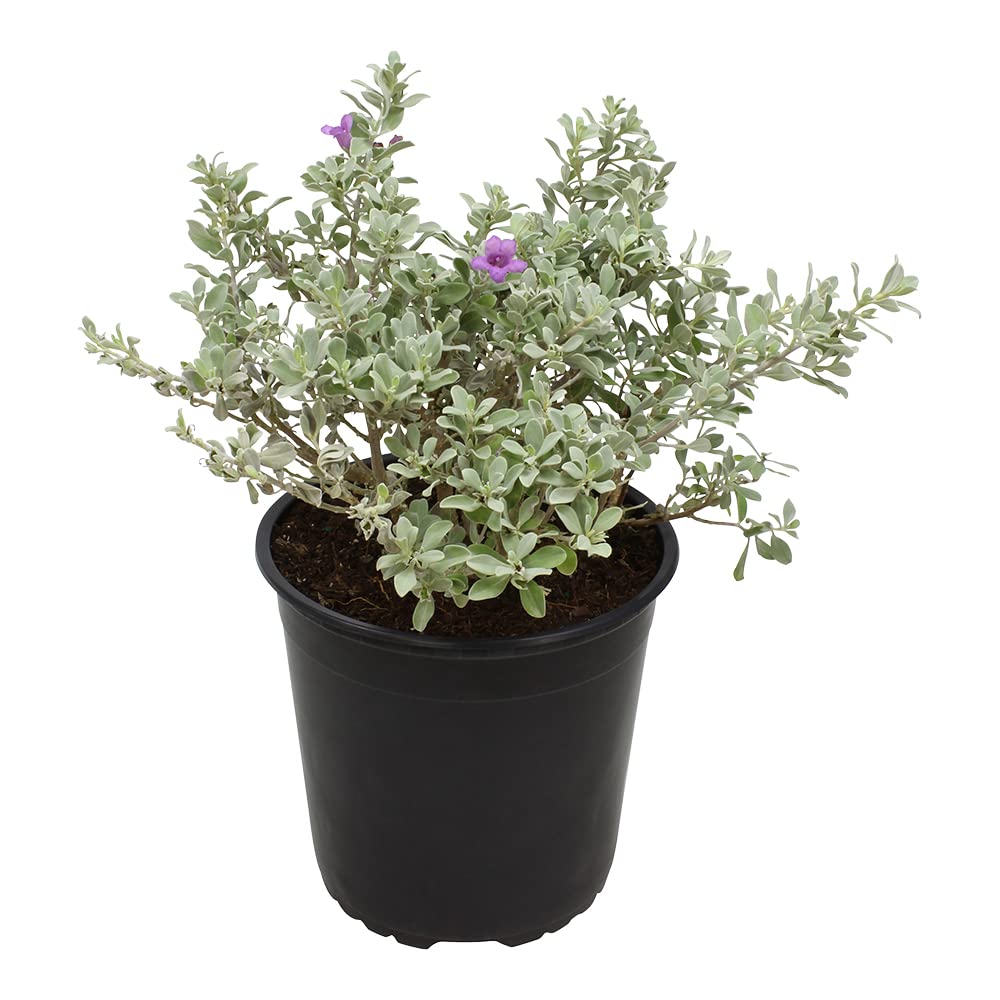
This Texas sage is the answer for the hot, sunny spot where everything else crisps up. It is a drought-tolerant perennial, meaning it can handle long dry spells once it is settled, which is a huge win if you travel or simply forget the hose. Buyers were impressed right from the start — “Wow, what a beautiful plant. Very well planted and packed. Larger and more mature sized than expected. Very healthy.”
It ships in a 1-gallon nursery pot and is designed to be repotted into a decorative planter or placed straight into a garden bed. You can use it to edge a walkway or as a front porch accent, and it grows happily as a full sun plant. The soft gray-green foliage pairs beautifully with brighter blooms if you want a layered look.
One honest caveat is that the size is a point of debate. Some found it larger than expected, while others felt it was on the small side for the price. The plant is also a winter bloomer, so don’t expect a big flower show in the heat of summer — the appeal here is the durable, textured foliage itself.
Best for: the sunny, dry corner of your yard where you want a tough, pretty plant that doesn’t demand constant attention.
The trade-off: size can vary, so expect a starter plant that needs a season to fill out.
3. Perfect Plants Thuja Green Giant Arborvitae
The legendary fast-growing evergreen that turns into a towering privacy screen in just a few years.
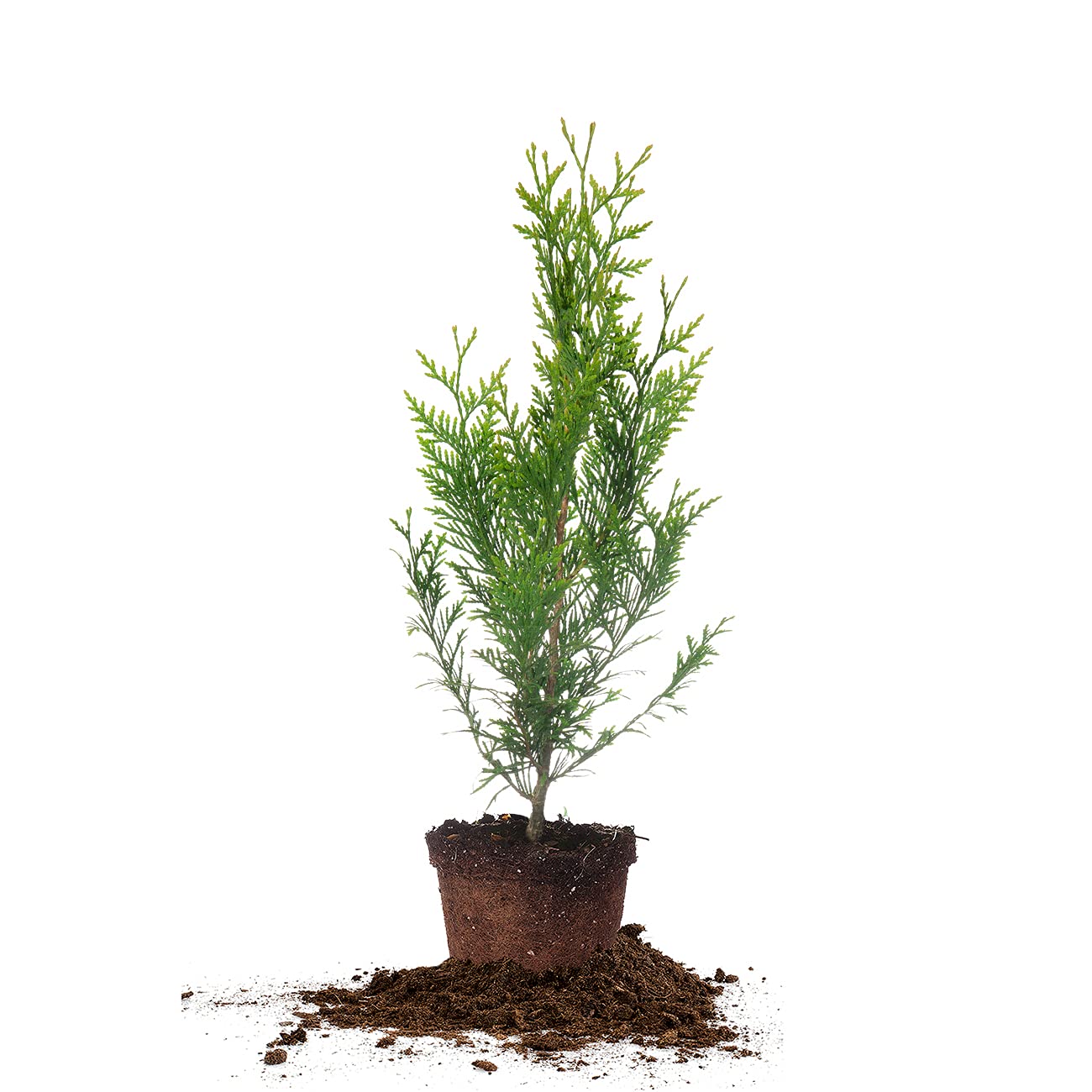
If your goal is to block the view from the street or your neighbor’s window, the Thuja Green Giant is the classic choice. It is known as a premier fast-growing privacy tree, putting on serious height each year once established. This is a tree for the long game, with a mature height reaching up to 50 feet, so give it plenty of room to become the centerpiece of your landscaping.
It thrives in USDA zones 5-9, which covers most of the United States, and it has dense, dark green foliage that gives off a pleasant, Christmas-tree-like scent when the leaves are crushed. The shape is a wide-bottomed pyramid, and you can prune it to keep it at a size that works for your yard. Buyers repeatedly praise the value, noting the trees arrive healthy at a good height and nearly double in size after a season in the ground.
The catch is that this is a full-sun plant that wants regular watering while it establishes itself. It also gets big — think 60 feet tall and 20 feet wide at full maturity — so it is not the right pick for a tiny front bed right next to the house. This is a statement tree for creating a natural fence or defining a property line.
Plant this if: you have the space and want a fast, dense evergreen screen that adds real privacy.
skip it if: your front yard is small — this tree will quickly outgrow a cozy foundation planting.
4. Proven Winners Double Play Doozie Spirea

A tidy, flower-packed shrub that stays small enough for the tightest front-of-house beds.
This spirea earns its “Double Play” name by delivering two seasons of interest: fresh spring foliage and then abundant red-to-purple blooms that last from spring into fall. It stays compact at a mature size of just 24-36 inches wide by 24-36 inches tall, which makes it an easy fit for a foundation planting or a low hedge along a walkway without constant pruning.
It is a deciduous shrub, so it will lose its leaves in winter, but that is a fair trade for the long bloom period. It is also remarkably cold-hardy, thriving in USDA zones 3-8, which means it can handle freezing winters that would kill more tender plants. Buyers were consistently impressed by the size and health on arrival, with many noting it arrived already showing blooms.
Plant these 24 inches apart, and a few will form a full, smooth hedge line. In a front bed, a row creates a neat, colorful border that attracts pollinators. Give it full sun to part shade and moderate watering, and expect it to ship dormant in late winter—that is normal, not a defect.
The highlights
- Long bloom season from spring through fall
- Small mature size fits tight spaces without heavy pruning
- Cold-hardy down to zone 3 for northern yards
The considerations
- Loses all leaves in winter since it is deciduous
- Needs full sun to part shade to bloom its best
Choose this for: a compact, colorful hedge or accent that brings flowers to a small front bed.
Pass if: you want evergreen structure in winter — this one goes bare.
5. Lynwood Gold Forsythia Bush by DAS Farms

The unmistakable herald of spring, exploding with golden-yellow blooms before anything else wakes up.
Few shrubs announce the arrival of spring quite like a forsythia. This Lynwood Gold variety is covered in bright yellow flowers early in the season, giving your front yard a dramatic pop of color when most other plants are still bare. It is a dependable, hardy shrub that thrives in zones 5 through 9 with full to part sun.
It ships as a bare-root plant, 1 to 2 feet tall, and is double boxed for safe transport. There are a couple of important things to know about bare-root plants: they need to go straight into the ground according to the included instructions, and it is recommended not to transplant them into a container. The seller stands behind it with a 30-day successful transplant guarantee if you follow the planting guide.
Owners who have had theirs for years report it comes back reliably every spring and survives long, cold winters. The honest complaints are about size and value — some felt the single stem was small for the price, especially compared to free divisions from a neighbor. It also takes time to reach full size, with full growth taking up to ten years, so this is a plant for patient gardeners who want a classic, joyful bloom.
Plant it for: an early-spring showstopper that returns faithfully year after year.
Expect: a modest bare-root start that needs a few seasons to become a substantial bush.
6. 10 Thuja Green Giant Arborvitae Saplings

A ten-pack of fast-growing evergreens built to create a tall, dense privacy screen on a budget.
This is the bulk option for anyone planning a serious privacy hedge. You get ten Thuja Green Giant saplings in one order, which is enough to start a substantial screen along a property line. Each tree is a fast grower, adding about 3 feet per year, and they mature to a towering 40 feet tall and 15 feet wide, so space them 6 to 7 feet apart for a quick, solid screen.
These are hardy evergreens suited to zones 5-9, meaning they hold their color and foliage through the winter. They arrive as potted plants in their own soil and container, which helps them settle in quickly. Buyers who planted them in full sun reported impressive growth — some saw several feet of new height in the first season and a half.
The key to success here is water. Owners stress that these trees need regular watering and some feeding to perform their best, especially in the first year. One detailed report showed a clear pattern: saplings in full sun grew fastest, while those in shadier spots grew much slower. This is a project for someone ready to commit to some care, but the payoff is a towering, living wall of green.
The payoff
- Ten trees per order is the most cost-effective way to start a long hedge
- Fast growth of around 3 feet per year once established
- Evergreen foliage provides year-round privacy
The investment
- Needs consistent watering and feeding to hit its growth potential
- Requires ample space given the 40-foot mature height
Grab this pack if: you’re building a long privacy screen and want the best per-tree value.
Look elsewhere if: you only need one or two accent trees by the door — this is a bulk hedge play.
7. Green Promise Farms Magic Carpet Spirea

A premium, fully-rooted shrub with golden foliage and pink blooms that brightens any front bed.
This is the upgrade pick if you want a bush that looks substantial from day one. It arrives in a #3 size container — a large nursery pot — so the root system is fully established and ready to plant immediately upon arrival. The plant’s defining feature is its golden foliage, which provides a lovely contrast to its profuse pink flowers and adds a bright spot to the landscape all season.
It is a compact grower with a mature height of 2-3 feet and a spread of 4-5 feet, making it a great choice for a low, mounding accent or a front-of-border plant. It grows best in full sun and is suited to USDA zones 4-8. Buyers have been consistently wowed by the size and health of the plant on arrival, with many describing it as enormous and packed with blooms right from the start.
The main drawback is packaging under rough shipping conditions. A few owners received plants with torn boxes or broken branches, though nearly all noted the plant recovered well once planted. As a deciduous shrub, it will go dormant in late fall and lose its leaves for winter, which is completely normal, and it will leaf out again in spring.
Invest here if: you want a large, established plant with instant visual impact and gorgeous two-tone color.
Note: it goes dormant and bare in winter, so plan around that seasonal change.
8. Mavis’s Diary 4 ft Artificial Topiary Cedar Trees

Realistic, weatherproof cedar trees that look alive but need zero watering, pruning, or sunlight.
If you love the look of evergreens but have a black thumb, or you’re tired of replacing plants that wildlife keeps destroying, this artificial set is your answer. These are 4-foot faux cedar trees made from high-quality PE material that looks remarkably lifelike, right down to the textured trunk and delicate buds at the leaf tips. They come as a set of two, perfect for flanking a front door.
Each tree comes in a heavy-duty black pot that is concrete-filled for stability, and the base is finished with artificial moss for a polished look. They are built for the outdoors, with weather-resistant construction, and the set works just as well indoors by a window or in a living room corner. Assembly is simple — the two sections connect easily, and you just fluff the leaves to get the full shape.
The biggest thing to know is that these trees are top-heavy. In exposed, windy spots, buyers strongly recommend placing them in larger decorative planters weighted with stones, or even digging the pot into the ground for stability. One owner lost one in a storm, but also loved that they never had to water them. Durability of the branches got mixed feedback, so gentle handling when fluffing is wise.
Perfect if: you want the look of a lush evergreen entrance with literally no plant care.
Plan for: extra weight in windy locations to keep these tall trees standing.
9. ECOLVANT Artificial Topiary Cedar Trees
Out-of-the-box faux firs that keep their deep green color all year without a drop of water.
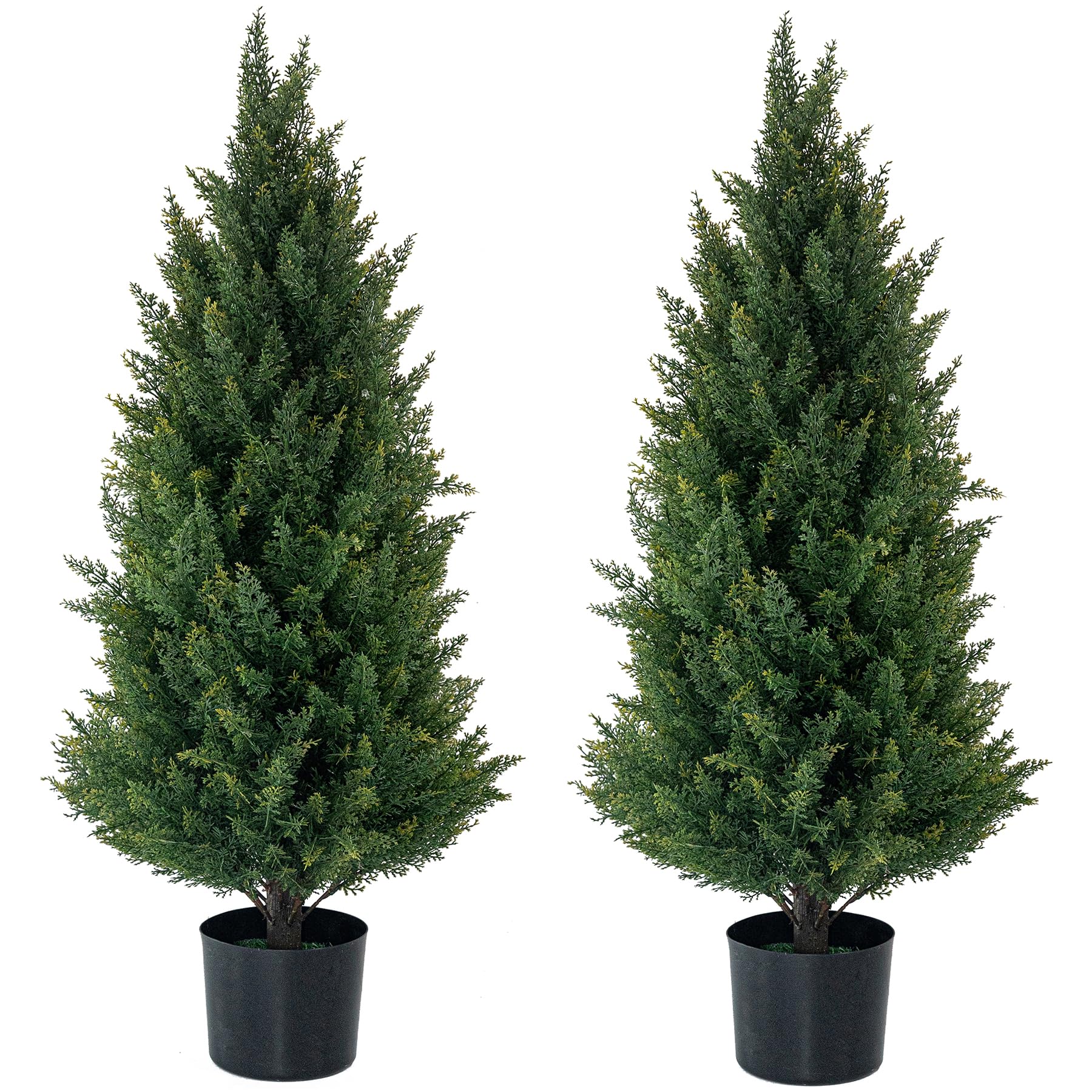
These 3-foot artificial cedar trees are all about convenience. There is no assembly required — you open the box and they are ready to place by your front door, on a balcony, or on a patio. They are made from upgraded, fade-resistant, UV-protected PE plastic, which means they can handle the sun’s rays without turning pale and brittle over time.
The design uses a mix of dark and light green leaves to create a realistic, layered look that holds up even on close inspection. Each tree comes in its own planter, and the set of two is perfectly sized for framing an entryway without overwhelming a small porch. Owners noted they look great even after a full winter outdoors, which is a solid test of durability.
There are two small things to plan for. First, the leaves arrive compressed from shipping, so you will want to spend about 10-20 minutes per tree hand-shaping and fluffing them to get the full effect. Second, like many faux trees, they are light for their size, so buyers recommend seating them in a larger planter with added weight for stability in heavy wind. The realism, though, is what people rave about.
The appeal
- UV-resistant plastic stands up to sun without fading
- No tools, no assembly, and no maintenance required
- Realistic two-tone green foliage for a natural look
The details
- Needs a few minutes of shaping after unboxing to look full
- Lightweight base may need extra weight in windy spots
Choose these for: an instant, maintenance-free evergreen look that stays green through every season.
Consider: weighting the pots if your front porch is exposed to strong gusts.
Understanding the Specs
USDA Hardiness Zones
This is the map of how cold your winters get, divided into numbered zones. Every plant is labeled with the zone range it can survive in. If you live in a zone colder than the plant’s rating, it will likely not survive the winter outdoors. Always match the plant’s zone to your local zone for a thriving bush.
Evergreen vs. Deciduous
An evergreen shrub keeps its leaves year-round, giving you constant color and privacy even in winter. A deciduous shrub drops its leaves each fall and grows new ones in spring, often rewarding you with brilliant seasonal flowers. Your preference for year-round structure versus seasonal change is the deciding factor between these two types.
FAQ
What is the best low-maintenance bush for the front of my house?
How do I know if a bush will survive the winter in my area?
What is the difference between full sun and part shade for shrubs?
Should I choose an evergreen or a deciduous bush for my front yard?
How often should I water a newly planted shrub?
Will a bare-root plant like the forsythia survive shipping and planting?
What is the fastest growing shrub for front yard privacy?
Are artificial bushes a good idea for the front porch?
What does it mean if a plant is marked “deciduous”?
How far apart should I plant shrubs for a hedge?
Final Thoughts: The Verdict
For most people, the bushes for front of house winner is the Southern Living Obsession Nandina because it pairs stunning year-round color with genuinely low maintenance in a tidy, entryway-friendly size. If you want the fastest-growing privacy screen, grab the Thuja Green Giant. And for a no-water, no-fuss front door that always looks perfect, the Mavis’s Diary Artificial Cedar set is the one to reach for.
How We Picked
We do not accept paid placement. Every pick is matched to a real buyer and a real use-case; we do not hands-on test units.
Sources & Methodology
Specifications: manufacturer listings and product documentation. Review insights: verified customer reviews, as of August 2026. Pricing: not shown on this page (it changes often); check the current price via the retailer link.
As an Amazon Associate, FitlyFast earns from qualifying purchases. This does not affect which products we feature.