
Our readers keep the lights on and the weekend projects moving. As an Amazon Associate, I earn from qualifying purchases.
Specs are compiled from manufacturer listings and verified buyer reviews and can change over time — please confirm the key details on the product page before buying.
New England winters are brutal on shrubs. The freeze-thaw cycle heaves roots, desiccating winds strip moisture from leaves, and a plant that thrived in October can be brown by March. The real challenge isn’t finding a bush you like — it’s finding one that wakes up alive after a polar vortex. This guide cuts through the marketing to nine proven performers that handle real New England conditions.
I’m Rikta — the founder and writer behind FitlyFast. This guide is built by comparing the manufacturers’ published specifications and the patterns across verified customer reviews, so you get each pick’s real strengths and trade-offs instead of marketing spin.
if you need a winterberry for November color or a spirea that handles snow load, these are the proven bushes for new england that seasoned gardeners trust.
Our Picks at a Glance

How To Choose The Best Bushes For New England
New England spans USDA plant hardiness zones 3 through 7. A bush that thrives in coastal Connecticut may die in a Vermont hollow. The first rule is matching your exact zone — but zone rating alone isn’t enough. You also need plants that handle wet springs, summer humidity, and the rapid temperature swings of late fall.
USDA Zone Matching
Every shrub in this guide lists its hardiness zones. If the listing says zones 4-8 and you live in zone 5, you are safe. If it says 6-9, it is a risk for most of New England. Always check your specific zone — not your state’s range — before buying.
Pollinator Requirements
Berry-producing shrubs like winterberry and some hollies require a separate male plant nearby to set fruit. Without a male pollinator (a shrub that produces pollen but no berries), the flowers appear but never form berries. If you want winter color, a single female shrub won’t deliver it.
Container Size vs. Bare Root
Plants shipped in gallon pots arrive with an established root ball and can be planted immediately. Bare-root plants (dormant shrubs with no soil around the roots) are cheaper, but they require careful handling and typically take a full season to catch up. For first-time New England gardeners, a potted plant is the lower-risk choice.
Quick Comparison
| Model | Best For | Zones | Mature Height | Sun Exposure | Amazon |
|---|---|---|---|---|---|
| First Editions Winterberry★ Best Overall | Winter color | 4–8 | 6–7 ft | Full sun | Amazon |
| Boxwood WintergreenBest Value | Evergreen hedge | 4–9 | 60 in | Sun to part shade | Amazon |
| Golden Euonymus (3-pack)Most Versatile | Fast privacy screen | 6–9 | 10 ft | Full to partial sun | Amazon |
| Eastern Snowball Viburnum | Showy white blooms | 6–9 | 8–12 ft | Full to partial shade | Amazon |
| Dwarf Burning Bush | Fall foliage color | 4–8 | 6–10 ft | Full sun, partial | Amazon |
| Proven Winners Spirea | Low-maintenance landscaping | 3–8 | 24–36 in | Sun to partial shade | Amazon |
| Lynwood Gold Forsythia | Early spring blooms | 5–9 | — | Full to part sun | Amazon |
| Japanese Snowball (2-pack) | Pollinator-friendly accent | — | — | Partial sun | Amazon |
| Mohawk Viburnum | Fragrant spring garden | 5–8 | 8 ft | Full to part sun | Amazon |
In‑Depth Reviews
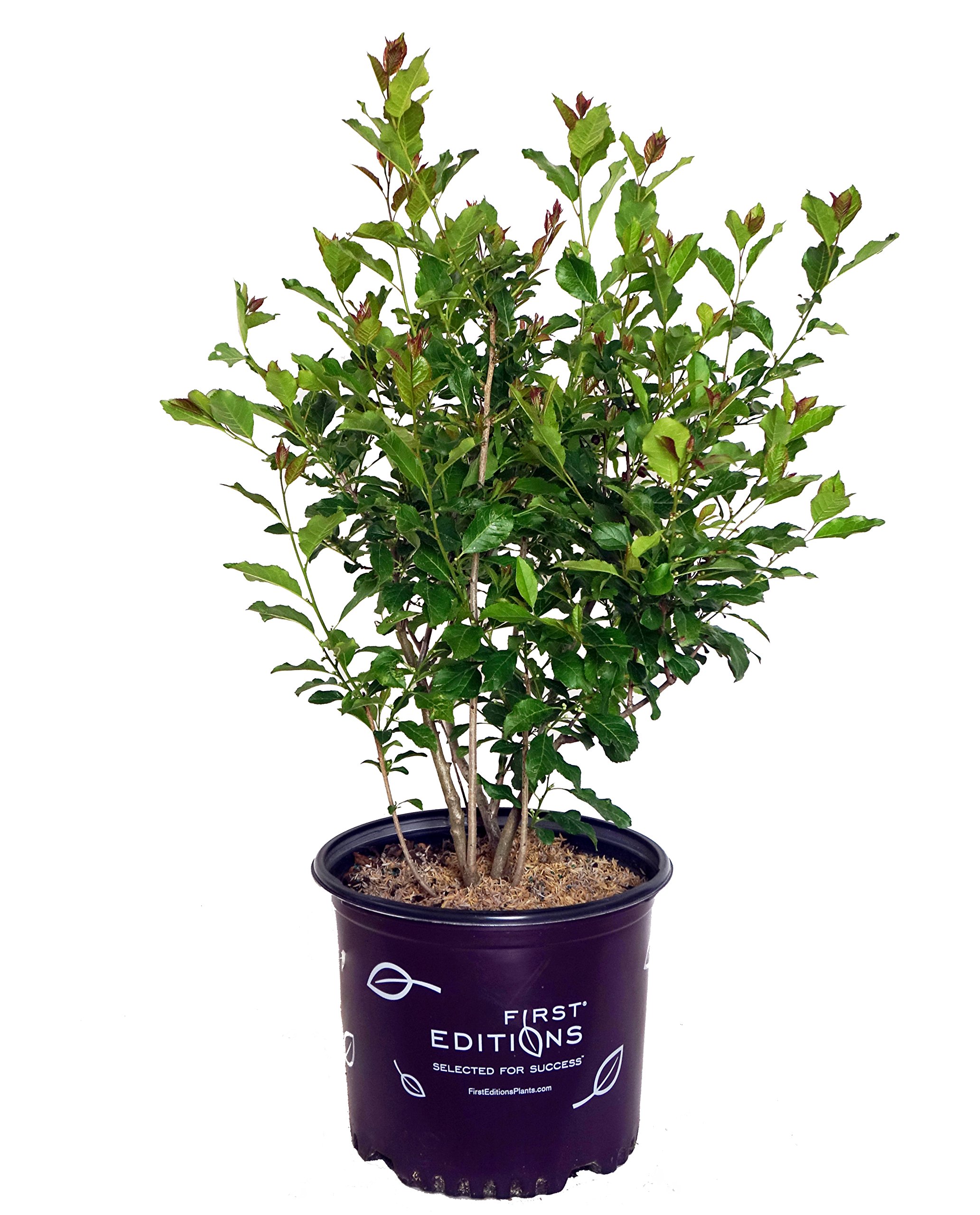
1. First Editions Winterberry Shrub
Our pick — over 4.5★ from 500+ verified ratings; the strongest balance of quality and price.
The winterberry that paints your January yard like Christmas never ended.
What wins people over here is the sheer health of the plant on arrival — the thing everyone raves about is how the vivid red berries stay intact even when the bush is shipped across state lines. At 12 pounds in a #3 container (a 3-gallon pot with a well-established root ball), this is a genuinely full shrub, not a starter plant. It reaches 6 to 7 feet tall with a spread of 7 to 8 feet, and those bright red berries deliver late fall through early winter interest when most New England gardens are bare.
It requires a male pollinator for berry production, so you cannot plant just one and expect fruit. The bush is fully rooted in soil and can go straight into the ground. Customers in zone 5 report no winter damage, which beats the experience some have had with less hardy hollies like Nellie Stevens (a popular holly variety that struggles in cold winters). The seasonal patience is real: it goes dormant (leafless) late fall through winter and leafs out in spring — that is normal, not dead.
Vibrant Winter Berries: the healthiness and appearance are the most-discussed aspects here — owners consistently say these arrive with no broken limbs, no dropped leaves, and berries still holding. Buyers report plants arriving “packaged to perfection” with “red berries all over,” and many say the value beats local nurseries at a fraction of the price.
Showstopper: you want winter color in a New England garden and are willing to plant a male pollinator alongside it for berries.
Space Hog: you want a low-maintenance single shrub that fruits on its own — this needs a partner to produce those famous red berries.
2. Boxwood Wintergreen, 1 Gallon
The compact evergreen that builds a proper hedge while staying affordable.
This boxwood grows to a mature size of 36 inches wide by 60 inches tall, and it thrives in USDA zones 4 through 9 — which covers virtually all of New England. The wintergreen variety keeps its green color through cold months, unlike some boxwoods that bronze (turn brownish-yellow) in harsh sun. Owners mention that the plants arrive healthy and show new growth within days.
The main conversation here is about size. While many owners describe it as “bigger than expected” and praise the “good size from the start,” a vocal minority find it smaller than a typical gallon pot. The data shows that size is the most-mentioned aspect but carries a mixed verdict — meaning it varies. For a reliable boxwood at a budget-friendly price, this is the most affordable way to start a hedge that will fill in over its first full season.
One owner summarized it plainly: “beautiful, healthy, bigger than I expected.”
Foundation Plant: building a low evergreen hedge across zones 4 through 9 without paying premium nursery prices.
Impatient Gardener: you can wait for a full season of growth — the initial pot size may be smaller than a typical gallon for some buyers.
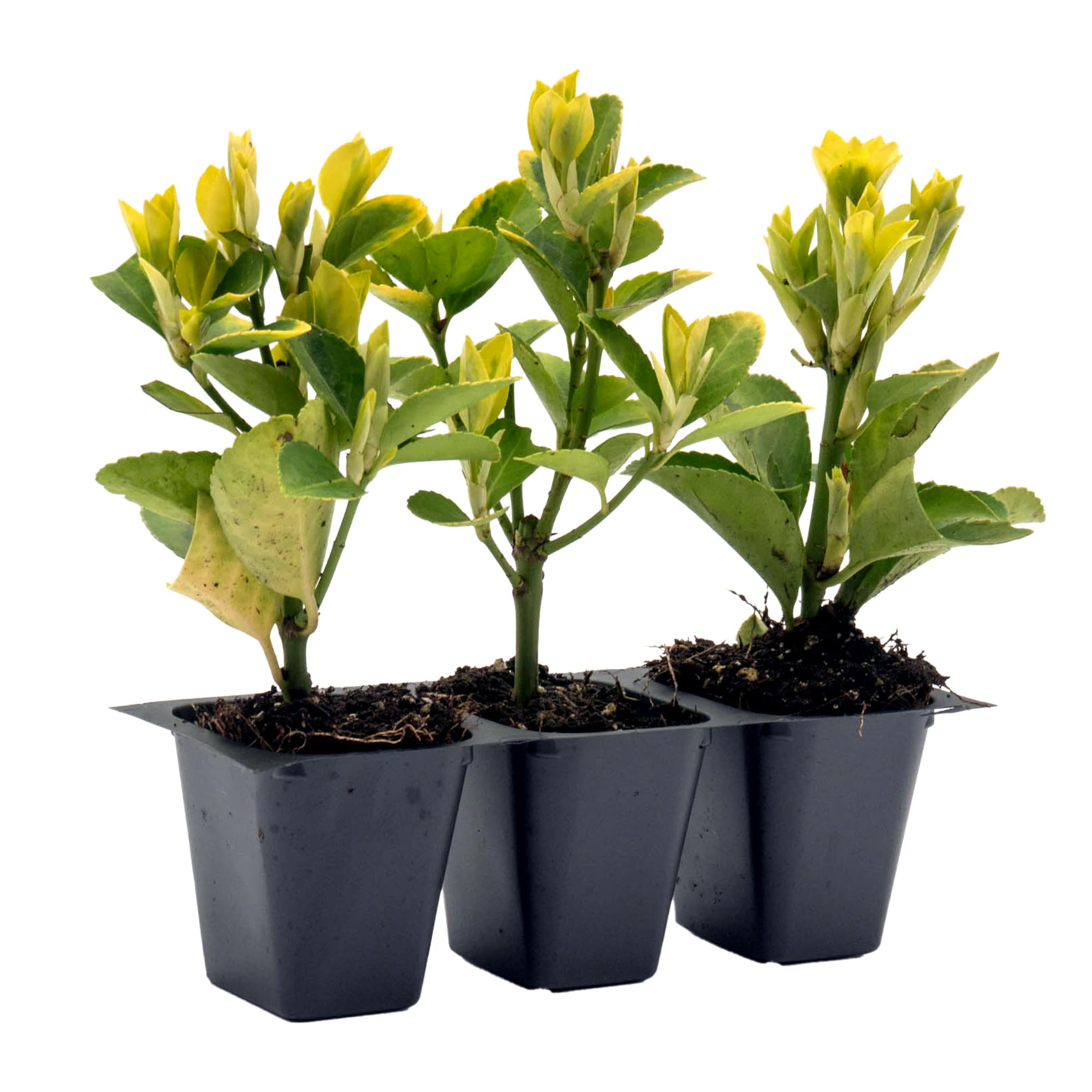
3. Golden Euonymus Shrubs (3-pack)
Three bright shrubs that turn a bare border into a year-round screen.
These come as 3 plants in 2.5-inch nursery cubes (small starter plugs, not pots), so they are starter-size — expect 2-inch plants on arrival. But what these lack in initial stature, they make up for in speed and vigor. The Golden Euonymus can reach 10 feet tall and is described as drought-tolerant, deer resistant, and low maintenance. The bold yellow-green variegated foliage (leaves with two colors) provides year-round appeal, and the dense growth works well for hedges, privacy screens, or accent pieces.
The zone rating is USDA 6-9, which means it is best suited for southern New England (coastal Connecticut, Rhode Island, Massachusetts). In colder zones 4 and 5, winter dieback (branches dying from cold) is a real risk. Buyers who have ordered these two years in a row report that the plants arrive small but healthy, with vibrant color after planting. The packaging gets consistent praise — individual corrugated cardboard sleeves keep each cube intact during shipping.
Color Pop: quick-growing privacy in zone 6 and above, where the variegated foliage handles full sun without scorching.
Native Purist: northern New England gardens in zones 4 or 5 — the cold tolerance just is not there.
4. Eastern Snowball Bush (Viburnum)

A cloud of pure white blooms that makes spring feel like a celebration.
The Eastern Snowball Viburnum produces abundant clusters of large pure white flowers that look exactly like snowballs clinging to the branches. It is a hardy deciduous shrub that grows 8 to 12 feet tall with a spread of 10 to 15 feet, so it needs room. The bright green foliage has reddish overtones in fall and is shaped like an oak leaf — distinct from most other viburnums.
This plant ships in a quart pot (one-quarter the size of a gallon, so it is a young plant), and the listing notes it cannot guarantee flowers at the time of purchase. Patience is the recurring theme here: the plant requires time to establish before it reaches its full 12-foot height and produces the showy white balls. It is suited for zones 6 through 9 and works well as a foundation plant, shrub border, or hedge. Owners consistently say the plant arrives healthy, and those who planted it the previous summer report it “bloomed beautifully” the following year. It is slower to bloom than the Mohawk Viburnum (product 9), which ships at a larger size.
Cottage Gardens: a long-term statement shrub in zones 6-9 that rewards patience with massive spring flowers.
Instant Impact: this arrives as a small quart-pot plant, and reaching the full 8-12 foot height takes multiple growing seasons.
5. Dwarf Burning Bush (Greenwood Nursery)

The bush that turns October into a wall of fire.
The Dwarf Burning Bush is known for its brilliant red fall foliage — the deep dark red leaves are what make New England gardeners want this as a foundation plant or hedge. It is a fast-growing deciduous shrub that reaches 6 to 10 feet tall and thrives in zones 4 through 8, making it among the most cold-hardy options here. It requires full sun to produce that vibrant red fall color; in shade the foliage stays muted.
The plant ships in a 3.5-inch pot, so it is a starter size. The data shows size is the most-discussed aspect and opinions are mixed — some describe the plants as large and healthy, while others note they are smaller than expected from a pot that size. The strong corky barked branches hold snow well in colder climates, and the red fruit provides winter food for wildlife. One owner noted the plant “doubled in size in one week in full sun” after repotting. It has a faster growth rate than the First Editions Winterberry (product 1), which takes longer to reach its 6-to-7-foot height.
Small Spaces: brilliant fall color across zones 4-8 — this is one of the few fast-growing shrubs that handles harsh New England winters.
Containment: it ships as a small potted plant, so give it a full season of sun and care before judging the size.
6. Proven Winners Double Play Doozie Spirea

The compact shrub that blooms nonstop without demanding a thing from you.
This spirea from Proven Winners is an outlier in the best way. It is rated for USDA zones 3 through 8, which means it handles the coldest New England winters without complaint. It grows to a compact 24 to 36 inches wide and 24 to 36 inches tall — ideal for small borders, containers, or accent spots. The red to purple flowers appear from spring all the way through fall, which is an unusually long bloom season for a deciduous shrub (a plant that loses its leaves in winter).
The thing everyone raves about is the size at delivery. Buyers consistently say this is “not little like most mail-order shrubs” — it arrives in a 2-gallon pot full and healthy. The plant ships dormant (leafless and resting) from winter through early spring, but even then customers note blooms already appearing on arrival. It goes dormant in winter and leafs out in spring, which is standard for a deciduous plant in New England. One owner summed it up: “I am in shock and awe at the health and lushness.”
Continuous Color: a low-maintenance, compact shrub that blooms for months across zones 3 through 8 — the widest cold-hardy range here.
Low Maintenance: it is deciduous, so you will have bare branches from late fall through early spring in cold zones.
7. Lynwood Gold Forsythia Bush

The first yellow blooms of spring, shipped as a bare root ready to wake up.
The Lynwood Gold Forsythia is the earliest bloomer in this lineup — those bright yellow flowers appear before the leaves, often when snow is still on the ground. It thrives in zones 5 through 9 and ships as a bare root plant (dormant with no soil around its roots) measuring 1 to 2 feet tall. Bare root means the plant is dormant with no soil around the roots, which keeps shipping weight low but requires immediate planting.
The data on size is mixed: some owners say the plant is “nice and large,” while others say it is “smaller than advertised” for the price. The seller offers a 30-day transplant guarantee if the included planting instructions are followed. For a zone 5 gardener, this forsythia has been reliable — one owner who planted it three or four years ago reports it “survives a long and cold winter” and blooms every year. Forsythia takes about ten years to achieve full growth.
Early Bloomer: that first burst of yellow in early spring — the standout is this for announcing the end of winter in zones 5-9.
Neat Freak: this is bare root and must go straight into the ground, not a container, for the guarantee to apply.
8. Japanese Snowball Bushes (2-pack)
Two bare-root snowballs that promise a spring performance — if they survive the journey.
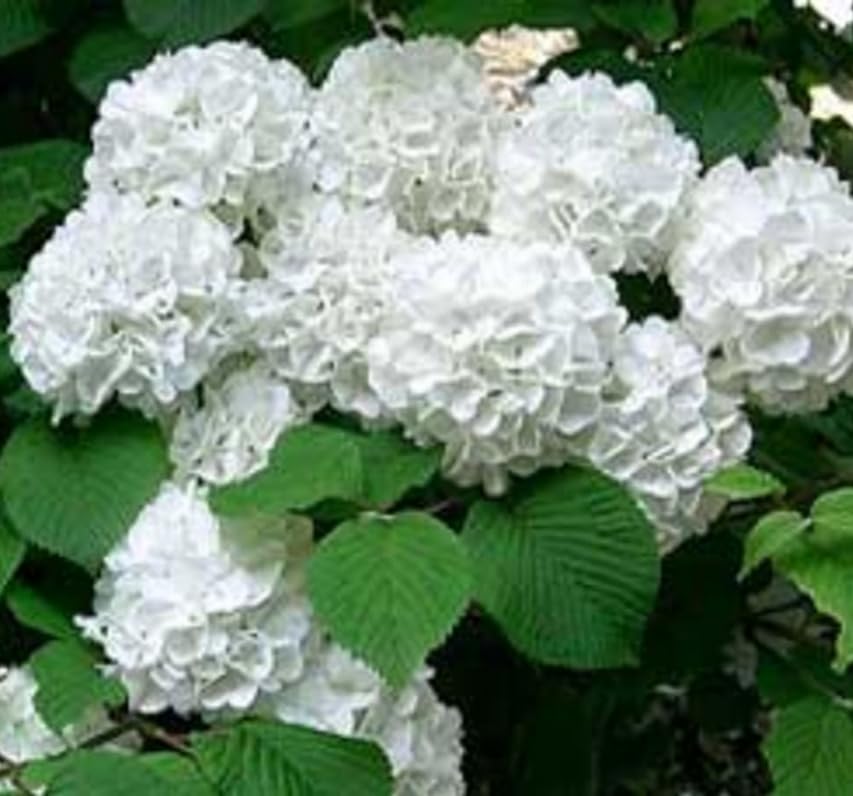
These Japanese Snowball bushes (Viburnum plicatum, a species known for layered flower clusters) arrive as 2 bare-root plants measuring 12 to 18 inches tall. The mature plant produces large, rounded clusters of pure white flowers that resemble snowballs, and the dark green foliage turns shades of red, orange, or burgundy in fall. The blooms attract butterflies and other beneficial pollinators.
The honest talk: this is the riskiest pick in the lineup. The data includes reports of plants arriving dead, and the shipping time from overseas can take 7 to 8 weeks. That said, owners who received healthy plants praise them: “a few days after planting, the buds have began to open and they all seem healthy.” The 2-pack is the best value for anyone wanting to fill a larger space without buying individual shrubs. It requires partial sun and is labeled low maintenance.
Paired Planting: you want two pollinator-friendly shrubs for the price of one and are willing to accept the shipping wait and variable arrival condition.
Disease Worry: some plants arrive dead due to the overseas shipping process, and the 3.4-star average reflects that inconsistency.
9. Mohawk Viburnum (DAS Farms)

The fragrant snowball that arrives already two feet tall and ready to grow.
The Mohawk Viburnum ships at 2 to 3 feet tall in a trade gallon container (a standard nursery pot holding about 1 gallon of soil) — not a starter plant but a genuine, established shrub. It thrives in zones 5 through 8 and reaches a mature height of 8 feet. The spring blooms are pure white snowball clusters, and the plant is labeled for extended bloom time. The “Mohawk” variety is specifically known for its fragrance, which separates it from the Eastern Snowball (product 4), which has little to no scent.
The healthiness of this plant at delivery is the most-discussed positive aspect. Owners consistently say it arrives “very healthy” with a good root ball. One buyer in zone 5 reported “beautiful growth after just a few weeks of natural light” while waiting to plant outside. The loam soil preference (a balanced mix of sand, silt, and clay) and regular watering needs are standard. It must go into the ground, not a container, and the seller guarantees successful transplant for 30 days if instructions are followed.
Scent Garden: a fragrant, fast-starting viburnum in zones 5-8 that arrives large enough to make an impact in its first season.
Fruit Mess: you want the fragrance of a Mohawk snowball and are willing to pay a premium for a plant that ships at 2-3 feet tall rather than a starter.
Understanding the Specs
Cold Hardiness (USDA Zones)
Every shrub in this guide is rated for a range of USDA hardiness zones (a numbered map dividing the country by average winter low temperatures). The lower number tells you the coldest climate it can survive. A plant rated zone 4 can handle minus 30°F, while a zone 6 shrub may die back in a true New England winter north of Massachusetts. Always pick a plant rated at least one zone colder than your location to account for microclimates and unusual cold snaps.
Container Size at Delivery
The container size (quart, gallon, #3) tells you how established the root system is before you plant. A #3 container (3-gallon pot) means the plant has been growing in that pot long enough to develop a substantial root ball. A quart pot or bare root means the plant is younger and will need more careful watering and protection its first season. Larger containers cost more but give you a stronger head start.
FAQ
What does a male pollinator mean for my winterberry?
Can I plant bare root bushes in late fall in New England?
How long does it take a 1-gallon shrub to reach full size?
Will a zone 6 shrub survive in zone 5 with winter protection?
What is the difference between a bare root plant and a potted plant?
How do I know if a dormant shrub is alive or dead?
Why does my new shrub have no leaves in its first spring?
Is Golden Euonymus invasive in New England?
Final Thoughts: The Verdict
For most New Englanders, the bushes for new england winner is the First Editions Winterberry because it delivers winter color at a 12-pound, #3-container size that arrives healthy and ready to establish. If you want reliable, nonstop blooms across zones 3 through 8, grab the Proven Winners Spirea. And for a fast-growing fall color statement in zones 4 through 8, the Dwarf Burning Bush is the one to reach for.
How We Picked
We do not accept paid placement. Every pick is matched to a real buyer and a real use-case; we do not hands-on test units.
Sources & Methodology
Specifications: manufacturer listings and product documentation. Review insights: verified customer reviews, as of July 2026. Pricing: not shown on this page (it changes often); check the current price via the retailer link.
As an Amazon Associate, FitlyFast earns from qualifying purchases. This does not affect which products we feature.