
Our readers keep the lights on and the weekend projects moving. As an Amazon Associate, I earn from qualifying purchases.
Specs are compiled from manufacturer listings and verified buyer reviews and can change over time — please confirm the key details on the product page before buying.
Nothing kills a clutch moment in a competitive shooter like a lag spike. The problem often isn’t your gaming PC or console — it is the rented cable modem your internet service provider stuck you with. Most ISP-issued modems use older DOCSIS 3.0 hardware that cannot handle the low-latency, high-bandwidth demands of modern online gaming. The right modem does one thing: it sits between your coax wall outlet and your router, translating the cable signal into a clean, fast, stable internet connection with minimized bufferbloat.
I’m Rikta — the founder and writer behind FitlyFast. This guide is built by comparing the manufacturers’ published specifications and the patterns across verified customer reviews, so you get each pick’s real strengths and trade-offs instead of marketing spin.
We break down eight of the top-rated, Docsis 3.1-powered modems on the market so you can find the best cable modem for gaming that fits your internet plan, your ISP, and your budget — no engineering degree required.
Our Picks at a Glance


How To Choose The Best Cable Modem For Gaming
Picking the right gaming modem is about more than just the fastest number on the box. You need a modem that keeps latency low under load, supports your internet plan’s top speed, and works with your specific ISP. Here is what actually matters.
DOCSIS 3.1 is the only standard worth considering
DOCSIS 3.1 is the current-generation technology that your cable internet provider uses. More importantly for gaming, it supports much lower latency through features like Active Queue Management (AQM). AQM is a small piece of software inside the modem that prevents the “bufferbloat” lag spike you get when someone else on the network starts streaming or downloading. Every modem on this list is DOCSIS 3.1, so you are covered on that front.
Speed rating vs. your actual plan
A modem has a theoretical maximum data transfer rate, measured in gigabits per second (Gbps). If you have a 1 Gbps internet plan, you need a modem rated for at least 1 Gbps to get the full speed you pay for. If you have a slower plan, say 300 Mbps, a modem rated for 2.5 Gbps will still work perfectly — it just has headroom for when you upgrade your plan later. Do not overspend on a multi-gig modem if your ISP does not offer those speeds yet, but do not buy a modem that is slower than your plan.
ISP compatibility is the most common headache
Not every modem works with every cable internet provider. Comcast Xfinity, Spectrum, and Cox are the most commonly supported, but even then a specific model might be “certified” on one and not the other. Always check your ISP’s official approved modem list before buying. Fiber optic services from AT&T, Verizon, or CenturyLink do not use cable modems at all, so a DOCSIS modem is useless for those connections. The same goes for DSL and satellite internet.
Quick Comparison
| Model | Best For | Max Speed | Ethernet Ports | Weight | Amazon |
|---|---|---|---|---|---|
| Motorola MB8600★ Best Overall | Best Overall | 6 Gbps | 1x 1 Gbps | — | Amazon |
| NETGEAR CM3000Future Ready | Future-Proof | 2.5 Gbps | 1x 2.5Gb + 2x 1Gb | 1.1 pounds | Amazon |
| ARRIS S33Multi-Gig Value | Multi-Gig Value | 2.5 Gbps | 1x 2.5Gb + 1x 1Gb | 14.4 ounces | Amazon |
| Hitron CODA56 | Budget Multi-Gig | 2.5 Gbps | 1x 2.5Gb | — | Amazon |
| NETGEAR CM2500 | High Upload Speeds | 2 Gbps | 2x 1Gb | 1.1 pounds | Amazon |
| Motorola B12 | Compact Design | 2.5 Gbps | 1x 2.5Gb | — | Amazon |
| Arris S33-RB | Budget Multi-Gig | 2.5 Gbps | 1x 2.5Gb + 1x 1Gb | — | Amazon |
| Hitron CODA | Budget Pick | 1 Gbps | 1x 1Gb | 1.8 pounds | Amazon |
In‑Depth Reviews
1. Motorola MB8600
Our pick — 4.5★ from 10,000+ verified ratings; the strongest balance of quality and price.
The crowd-favorite workhorse that actually delivers on its speed promise for gaming and streaming.
You get rock-solid reliability with the Motorola MB8600, backed by a large owner base that proves it works. This DOCSIS 3.1 modem (the latest cable standard for fast internet) handles a data transfer rate of 6 gigabits per second — that is 6.0 times the capacity of a standard 1 Gbps modem like the Hitron CODA. That extra headroom keeps your lag flat even when multiple devices pull data at once. The key feature for gamers is Active Queue Management (AQM), which actively cuts down Internet latency during gaming and video calls, so you avoid rubber-banding (the jerky movement in games) when someone starts a 4K stream in the next room.
Setup is straightforward: plug in the coax cable, connect the Ethernet port to your own Wi-Fi router (there is no built-in Wi-Fi here, which is what you want for a pure modem), and call your ISP with the MAC address. Buyers report that after activation it works flawlessly at gigabit speeds. The modem is large and has no wall-mounting option, but good ventilation is a plus for long gaming sessions.
What wins people over
- Massive 6 Gbps speed rating leaves room for future multi-gig plans
- Active Queue Management keeps ping stable under network load
- Physical power switch for easy reboots
The honest trade-offs
- Single 1 Gbps Ethernet port limits you if you want 2+ Gbps link aggregation
- No built-in Wi-Fi — you must buy a separate router
Reach for it if: you want the modem with the most owner confidence (~10,000+ ratings) and AQM for stable low-latency gaming.
skip it if: your internet plan exceeds 1 Gbps and you need a multi-gig Ethernet port.
2. NETGEAR Nighthawk CM3000
The premium pick that open up your ISP’s fastest upload speeds for smooth streaming and cloud gaming.
The NETGEAR Nighthawk CM3000 is engineered specifically for the newest mid/high-split technology that ISPs like Xfinity are rolling out. That means it can handle up to 2.5 Gbps download and a massive 1 Gbps upload — roughly ten times faster upload speeds than older modems. For gamers who stream their gameplay, host game servers, or upload large video files, that upload bandwidth is a standout.
What makes this a future-proof investment is the port layout. It has a single 2.5 Gigabit Ethernet port for connecting directly to a multi-gig router, plus two standard Gigabit ports that you can combine using link aggregation for up to 2 Gbps. Owners on Cox and Xfinity report it delivers the full range of their gigabit plan with stable latency. A small caveat: a few owners found compatibility issues with certain camera-heavy setups.
Standout strengths
- Mid/high-split support for up to 1 Gbps upload speeds
- Link aggregation via two Gigabit ports for 2 Gbps throughput
- Easy setup with all major providers
Know before you buy
- Premium cost — this is an investment in future speed tiers
- Some owners mention disconnections with complex home networks
Best for: serious streamers and competitive gamers who want the absolute fastest upload speeds available on cable.
Think twice if: your ISP doesn’t support mid/high-split yet — you won’t open up the upload advantage.
3. ARRIS SURFboard S33
A compact, dual-port multi-gig modem that punches above its size for 4K gaming and streaming.
The ARRIS S33 is a favorite among owners who want multi-gig speed without a bulky footprint. It supports cable internet plans up to 2.5 Gbps using DOCSIS 3.1 and has a versatile port layout: one 2.5 Gigabit Ethernet port for your high-speed router and one 1 Gigabit Ethernet port for a secondary wired device like a gaming PC. This means you can connect your gaming rig directly without needing a separate switch.
At only 14.4 ounces and just over 5 inches wide, it is much smaller than most other multi-gig modems. Setup is straightforward with the Xfinity or Cox app. Owners consistently report getting 900+ Mbps on their 1 Gbps plans, but a few note that the unit can run hot and that activation with some ISPs can take a long support call. Still, the savings on rental fees make the upfront cost worthwhile for most.
Why owners love it
- Dual Ethernet ports (2.5Gb + 1Gb) for direct wired gaming
- Small footprint fits easily on a desk or shelf
- Plenty of headroom for future multi-gig plans
The honest downsides
- Some units run hot in enclosed spaces
- Activation with certain ISPs can be a multi-hour process
Reach for this if: you want a compact, dual-port modem that can handle 2.5 Gbps plans and connect a wired gaming PC directly.
Look elsewhere if: you have a very tight budget — the S33 costs more than the Hitron CODA56 but offers an extra Ethernet port.
4. Hitron CODA56

The budget multi-gig modem that delivers surprising real-world speeds on Xfinity and Spectrum.
The Hitron CODA56 is a sleek, white DOCSIS 3.1 modem that supports internet plans up to 2.5 Gbps through a single 2.5 Gbps Ethernet port. While it is technically a budget-friendly pick in the multi-gig category, its real-world performance is anything but budget. Customers note that on an Xfinity 1.2 Gb/s plan, the CODA56 delivers 2.3 Gb/s down and 300 Mb/s up with a ping of just 17 ms — that’s a noticeable improvement over an older modem.
The thing everyone raves about is reliability. from the start, it works perfectly with Xfinity, Spectrum, and Cox. Setup takes three steps: plug in the coax cable, connect the power, and run an Ethernet cable to your router. Users consistently say it “just works” without advanced configuration. The only knock is that the web interface is very basic — there are no settings for advanced users to tweak.
Why it stands out
- Delivers over 2.3 Gbps down on compatible Xfinity plans
- Rock-solid, simple setup — no configuration needed
- Excellent value for a multi-gig DOCSIS 3.1 modem
Know this
- Single 2.5 Gbps port — no secondary port for extra wired devices
- Basic interface with no advanced diagnostic options
Best for: anyone on Xfinity or Spectrum who wants a future-proof 2.5 Gbps modem without spending a premium.
Check before buying: make sure your ISP supports the CODA56 on your specific speed tier — some older plans may not take advantage of the multi-gig port.
5. NETGEAR Nighthawk CM2500

Renewed mid/high-split modem that open up Xfinity’s faster upload speeds for homes with heavy upload needs.
The NETGEAR Nighthawk CM2500 is a mid/high-split DOCSIS 3.1 modem (a newer standard that splits upload and download channels for faster uploads) designed to open up the faster upload speeds that ISPs like Xfinity are now offering. It is not the absolute fastest modem on paper (2 Gbps downstream, 100 Mbps upstream) but it is among the most affordable ways to get those new high-split speeds. For a gamer who streams to Twitch or hosts game servers, that upload boost is critical.
It connects via two Gigabit Ethernet ports that you can combine with link aggregation on a compatible router for up to 2 Gbps. Setup is straightforward with Cox or Xfinity. Owners say it “looks futuristic and sleek” and that after a quick online chat with the ISP to register the MAC address, the connection is rock solid. The caveat is that the CM2500 is a refurbished (renewed) unit, which means a lower price but only a 90-day limited warranty.
What owners praise
- Mid/high-split support for faster uploads
- Link aggregation via dual Gigabit ports
- Easy setup and registration with major ISPs
What to note
- Only 90-day warranty since it is a renewed unit
- No 2.5 Gbps port — max speed is 2 Gbps via aggregation
Perfect for: streamers and Xfinity users who need faster upload speeds without paying for a brand-new, full-price modem.
Worth knowing: the short warranty means you should test it thoroughly in the first 90 days.
6. Motorola B12
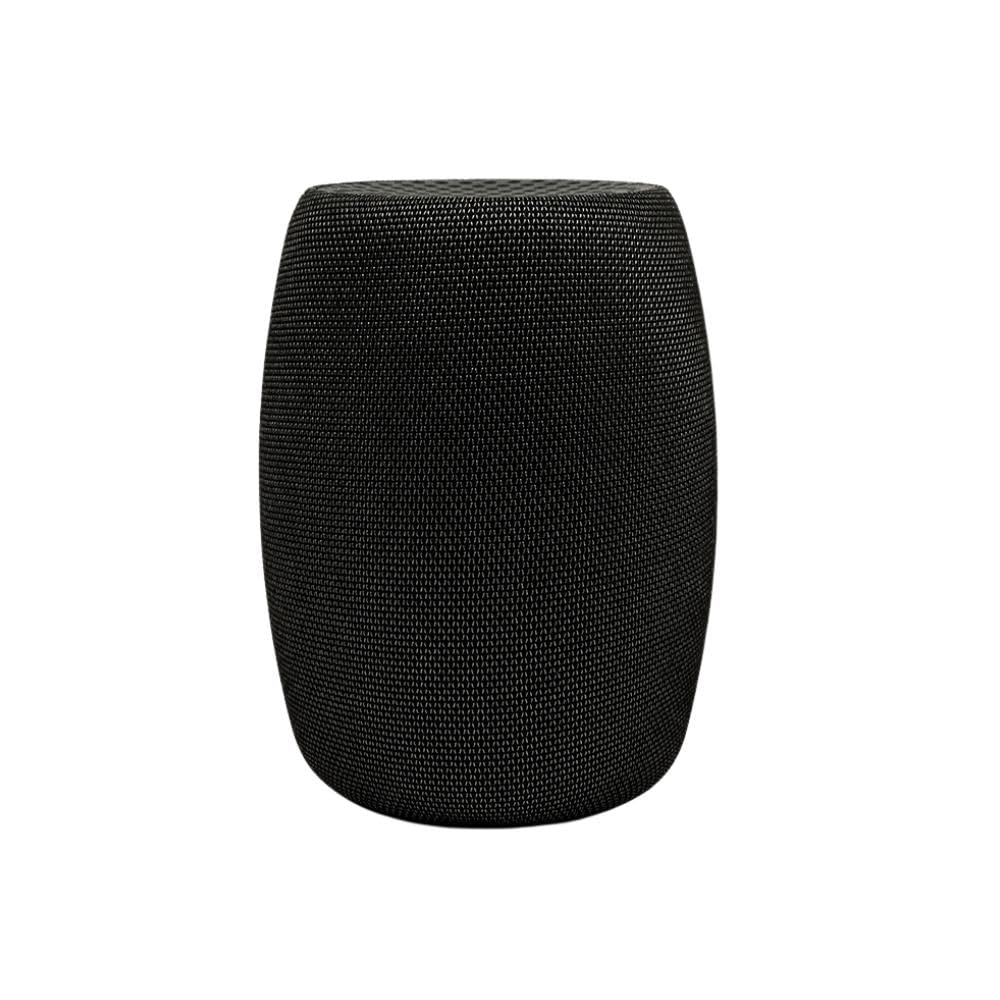
A next-gen compact modem that squeezes 2.5 Gbps and AQM into a tiny footprint.
The Motorola B12 is the newer, smaller version of the famous MB8600. It packs the same DOCSIS 3.1 technology and Active Queue Management into a much more compact chassis — just 3.5 inches square and 5.5 inches tall. The 2.5 Gbps Ethernet port and downstream speeds just below 2,500 Mbps with upstream speeds up to 800 Mbps make it capable of handling the fastest internet plans available.
Owners praise its small, unobtrusive design with a single solid white status light — no flashing LED disco. Setup with Xfinity and Optimum is generally smooth. But this modem has drawn mixed reviews on reliability, with some owners reporting that the unit stopped working after a few months of use. The fabric-covered chassis also runs hot and can look dirty over time. If you buy it, make sure there is good airflow and keep your purchase receipt handy for the 2-year warranty.
Where it shines
- Very small footprint saves desk space
- 2.5 Gbps port with AQM for low-latency gaming
- 2-year warranty and US-based tech support
Where it stumbles
- Mixed reliability reports — some units failed early
- Fabric chassis runs hot and can look dirty
Reach for this if: you need a super-compact modem with 2.5 Gbps speed and a physical size that hides behind a monitor.
Proceed with caution if: long-term reliability is your top priority — the MB8600 has a better track record.
7. Arris S33-RB

The same multi-gig hardware as the S33 at a lower price — if you can handle a few setup quirks.
The Arris S33-RB is the renewed version of the ARRIS SURFboard S33, meaning you get the same DOCSIS 3.1 performance with 2.5 Gbps max speeds at a discount. It has both a 2.5 Gigabit Ethernet port and a 1 Gigabit Ethernet port, giving you the same dual-wired flexibility as the full-price S33. It is approved for Cox, Spectrum, and Xfinity.
The customer feedback here is a mixed bag. The S33-RB has an average rating of 4.1 stars across nearly 500 ratings, but a notable subset of reviewers point out it “breaks connection every day or two” and that firmware updates can “break the device and reset passwords.” If you buy it, be ready for a potentially rocky setup with some ISPs. Most owners who get a good unit report it delivers stable gigabit speeds and saves them the per year in rental fees.
Why it is popular
- Same dual-port hardware as the full-price S33 at a lower cost
- Approved for major ISPs like Xfinity, Cox, and Spectrum
- Good speeds when it works — 940+ Mbps down
The real trade-offs
- Some shoppers say regular disconnects and DHCP issues
- Renewed unit — condition and lifespan can vary
Best for: bargain hunters who want multi-gig hardware and are comfortable troubleshooting if issues arise.
pass on it if: you want low-maintenance plug-and-play — the Motorola MB8600 or Hitron CODA56 are more reliable from the start.
8. Hitron CODA

A no-frills 1 Gbps modem that gets the job done while staying affordable.
The Hitron CODA is the entry-level DOCSIS 3.1 modem on this list, supporting internet plans up to 1 Gbps. It is a certified, refurbished unit that works with Comcast Xfinity, Charter Spectrum, Cox, and a handful of smaller ISPs. It is a pure modem — no Wi-Fi, no phone ports — so you will still need your own router for wireless connectivity. But that simplicity is a feature: it keeps the price low and the failure points minimal.
The most-discussed trait across owner reviews is reliability for the price. Spectrum buyers report the modem “delivered the paid-for internet speed” even when the ISP claimed it wouldn’t. Setup is genuinely plug-and-play: connect the coax, power, and Ethernet, then call your provider. The main downsides are the lack of a physical manual and the basic web interface. For a budget pick on a 1 Gbps plan, it is a solid choice. Just be aware that its data transfer rate of 1 Gbps is a 6.0x gap behind the Motorola MB8600, so it offers no multi-gig headroom.
What wins people over
- Certified for major ISPs with easy setup
- Small size fits in a home lab rack
- Great value for a DOCSIS 3.1 modem
The honest limits
- 1 Gbps max — no future-proofing for multi-gig plans
- Renewed unit may have cosmetic wear or missing accessories
Reach for this if: you are on a 1 Gbps plan, need a budget-friendly DOCSIS 3.1 modem, and do not plan to upgrade speed tiers soon.
it’s not for you if: you already have (or plan to get) a multi-gig internet plan.
Understanding the Specs
DOCSIS 3.1 vs. 3.0
DOCSIS stands for Data Over Cable Service Interface Specification. It is the technical standard your cable internet provider uses to send data through the coaxial cable in your wall. DOCSIS 3.1 is roughly ten times faster than the older DOCSIS 3.0 and introduces important features like Active Queue Management (AQM) that keep your ping stable during heavy use. For gaming, 3.1 is mandatory if you want to avoid the lag spikes caused by bufferbloat.
Active Queue Management (AQM)
AQM is a small software feature inside the modem that manages data packets during congestion. Without it, your modem’s buffer fills up and creates a spike in latency (bufferbloat) when someone on your network starts streaming or downloading. AQM prevents that by intelligently dropping or delaying packets instead of letting the buffer overflow. The result: your in-game ping stays low even when the family is watching 4K Netflix.
Mid/High-Split Technology
This is a newer upstream frequency range that cable ISPs like Xfinity are rolling out. Older modems used a “low-split” that capped upload speeds around 35-50 Mbps. A mid/high-split modem like the NETGEAR CM3000 can support upload speeds up to 1 Gbps. This is important for gamers who stream their gameplay, host game servers, or upload large files.
Link Aggregation
Link aggregation lets you combine two Ethernet ports on a modem into a single, faster connection to your router. For example, if your modem has two 1 Gbps ports, link aggregation can give you a 2 Gbps connection to your router. This is only useful if your router also supports it and if your internet plan exceeds 1 Gbps. Most gaming setups will not need this, but it is nice headroom for multi-gig plans.
FAQ
Will any cable modem work with my internet provider?
Do I need a modem with a 2.5 Gbps port for gaming?
How much faster is DOCSIS 3.1 than DOCSIS 3.0 for gaming?
Can I use a cable modem with fiber optic internet?
What is the difference between a modem and a router?
How do I set up a new cable modem?
How much money can I save by buying my own modem?
Do I need a modem with link aggregation for gaming?
What is a mid/high-split modem?
Why does my ping spike when someone starts streaming?
Final Thoughts: The Verdict
For most buyers, the cable modem for gaming winner is the Motorola MB8600 because it has the best balance of proven reliability, Active Queue Management, and a massive 6 Gbps speed rating at a reasonable price. It is the crowd favorite for a reason. If you want future-proof multi-gig performance and faster upload speeds for streaming, grab the NETGEAR Nighthawk CM3000. And for a budget-friendly DOCSIS 3.1 modem that simply works on a 1 Gbps plan, the Hitron CODA is the value pick that gets the job done.
How We Picked
We do not accept paid placement. Every pick is matched to a real buyer and a real use-case; we do not hands-on test units.
Sources & Methodology
Specifications: manufacturer listings and product documentation. Review insights: verified customer reviews, as of July 2026. Pricing: not shown on this page (it changes often); check the current price via the retailer link.
As an Amazon Associate, FitlyFast earns from qualifying purchases. This does not affect which products we feature.