
Our readers keep the lights on and the weekend projects moving. As an Amazon Associate, I earn from qualifying purchases.
Specs are compiled from manufacturer listings and verified buyer reviews and can change over time — please confirm the key details on the product page before buying.
You water your cactus once a week, maybe even less, yet the leaves go yellow and the stem turns mushy at the base. That sinking feeling is almost always the same culprit: the wrong soil. Regular potting mix holds moisture like a sponge, and desert plants hate wet feet. The fix is a mix that drains fast and dries out quickly — and that is exactly what a proper cactus soil delivers.
I’m Rikta — the founder and writer behind FitlyFast. This guide is built by comparing the manufacturers’ published specifications and the patterns across verified customer reviews, so you get each pick’s real strengths and trade-offs instead of marketing spin.
If you are repotting a barrel cactus or starting a collection of echeveria, the right cactus soil decides whether your plant just survives or truly thrives. One crowd favorite — rated 4.7 stars from over 19,000 reviews — sets the standard for what to look for.
Our Picks at a Glance

How To Choose The Best Cactus Soil
A cactus in the wild grows in sand, gravel, and decomposed granite — not in dense, moisture-clinging dirt. The bag you buy needs to mimic that lean, gritty environment indoors. Here is what to check before you click add to cart.
Drainage Is Everything
Cactus roots rot when they sit in water. A good mix should feel coarse and loose, not damp and heavy. Look for ingredients like perlite (white volcanic popcorn that creates air pockets), pumice, or lava rock — these are what let water run through instead of pooling around the roots.
Organic vs Inorganic Balance
Some organic material, like peat moss or coco coir, holds a little moisture so the roots can drink between waterings. Too much organic matter, and the soil stays wet too long. A healthy cactus soil strikes a balance: enough inorganic grit for drainage plus a smaller portion of organic matter for slight water retention and nutrients.
pH Level
Cacti prefer slightly acidic to neutral soil, typically in the 5.5 to 7.0 range. Many mixes are labeled pH-balanced specifically for desert plants. A proper pH helps the roots absorb nutrients efficiently, which supports steady growth and encourages blooming.
Ready-to-Use Vs Custom Blends
Most cactus soils labeled “ready-to-use” are fine straight from the bag. Some growers still add extra perlite or pumice for even faster drainage, especially if they water frequently or live in a humid climate. If you prefer a no-think solution, choose a pre-mixed formula from a brand with a strong track record.
Quick Comparison
| Model | Best For | Volume | Key Ingredients | pH Balanced | Amazon |
|---|---|---|---|---|---|
| Hoffman 10404★ Best Overall | Overall & Value | 4 Quarts | Peat Moss, Perlite, Sand | Yes | Amazon |
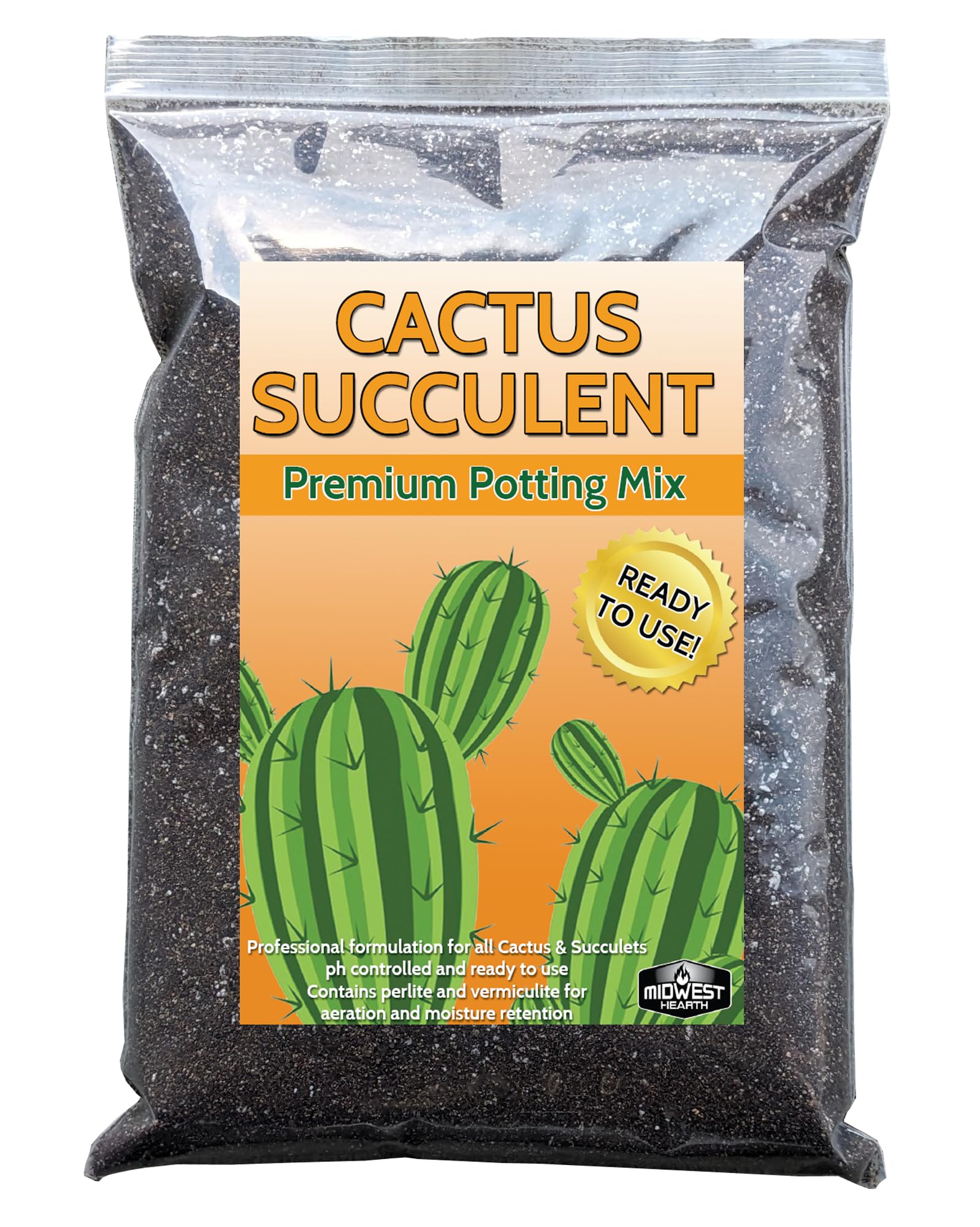
| Midwest HearthBest Value | Versatile Indoor/Outdoor | 4 Dry Quarts | Peat Moss, Perlite, Vermiculite | Yes | Amazon |
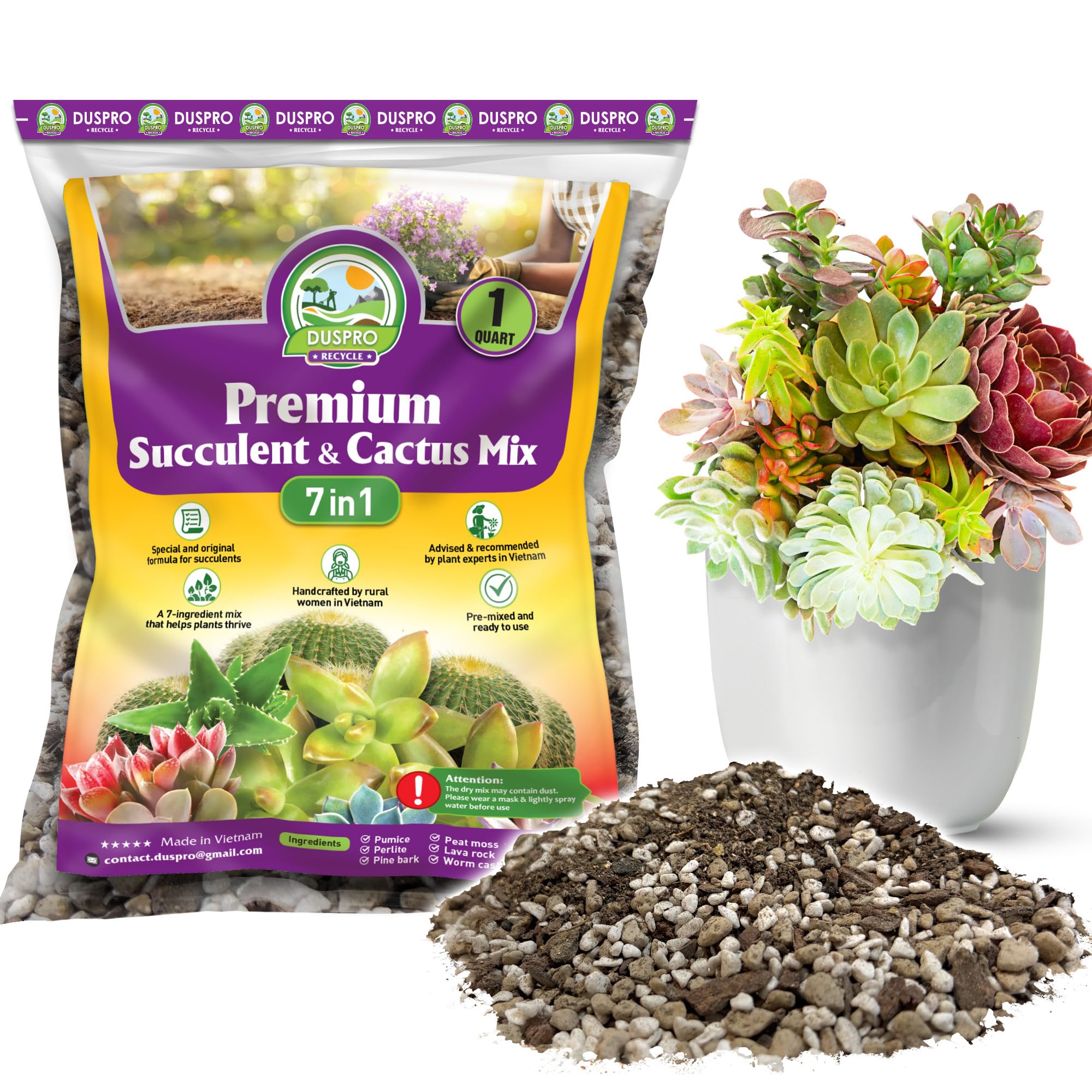
| DUSPRO 7-in-1Premium Pick | Premium Ingredients | 1 Quart | Perlite, Pumice, Lava Rock, Peat Moss, Pine Bark, Worm Castings, Vermiculite | — | Amazon |
| Bonsai Jack Gritty Mix | Advanced Drainage | 2 Quarts | Bonsai Block, Monto Clay, Pine Coir | tune at 5.5 | Amazon |
| GeoJava Cactus & Succulent | Eco-Conscious Growers | 6 Quarts | Buffered Coco Coir, Coffee Compost, Lava Sand, Expanded Shale | — | Amazon |
| Tinyroots Succulent Soil | Small & Delicate Plants | 2.25 Quarts | Pine Bark Fines, Calcined Clay, Pumice, Lava Rock | — | Amazon |
| Soil Sunrise Cactus Mix | Hand-Blended Grit | 8 Quarts | Pine Bark, Silica Sand, Calcined Clay, Pumice | — | Amazon |
| Hoffman 2-Pack (10QT) | Multi-Pot Projects | 10 Quarts (2 x 5QT) | Peat Moss, Perlite, Sand | Yes | Amazon |
| Molly’s Soilless Mix | Gnat-Free Indoor Care | 5 Dry Quarts | Akadama, Pumice, Hyuga, Lava Rock, Orchid Bark | Yes | Amazon |
In‑Depth Reviews
1. Hoffman 10404 Organic Cactus and Succulent Soil Mix, 4 Quarts
Our pick — over 4.5★ from 19,500+ verified ratings; the strongest balance of quality and price.
The crowd-sized favorite that has rescued more snake plants than any other bag on the shelf.
When nearly 20,000 owners converge on the same bag, the reason is usually simple: it works. This 4-quart formula from Hoffman is pH-balanced for both jungle and desert cacti, so whether you are potting a barrel cactus or a jade plant, the chemistry is right. The base of peat moss and perlite creates a light, fluffy texture that lets water pass through quickly — buyers report it eliminated persistent fungus gnats and root rot in snake plants after other mixes had failed.
It arrives ready to use, though some growers add a little extra perlite if they tend to water generously. The 128-ounce bag fills several standard pots, and the resealable design keeps leftovers fresh. Quality is the most-discussed strength here, with over 430 owners calling it out, and plant health runs a close second. The one thing to know: drainage gets a mixed note from a smaller group, so if your home is very humid or your pots lack holes, you may want to blend in more grit.
What Owners Love Most
- Proven track record — the go-to for reviving struggling plants with wet roots
- Light, fluffy texture that drains well straight from the bag
- Priced to work for large collections without stretching the budget
The Trade-Off
- A few bags arrive with minor packaging leaks in transit
- May hold slightly more moisture than ultra-gritty blends in humid climates
Reach for it if: you want the safest bet for a wide range of cacti and succulents, backed by thousands of happy owners who saw their plants bounce back.
Think twice if: you overwater habitually or live in a rainforest-like climate — an extra handful of perlite solves it.
2. Midwest Hearth Cactus & Succulent Potting Soil Mix, 4 Dry Quarts
A Midwestern blend that turns a jade plant into a whole new thing in 90 days.
This mix uses peat moss, perlite, and vermiculite to create the fast drainage desert plants demand, but it adds a subtle trick: the soil surface turns a lighter color when it is time to water. That visual cue alone saves beginners from the guesswork that drowns so many cacti. Owners mention their plants are thriving — one person noted a tiny plant turned into “a whole different plant” within 90 days of repotting.
The 4 dry quart bag fills 2 to 3 standard pots, and the resealable closure keeps the rest fresh. It mixes nicely with other soils if you want to customize. The catch is that the lightweight particles can blow around near an open window, so indoor use or a gentle top-dressing of pebbles helps. At a price that undercuts many competitors, it delivers solid quality without the premium markup.
Smart visual aid: the color-changing moisture cue is a genuine help for new cactus owners.
Best for: indoor windowsill gardeners who want a straightforward, ready-to-use mix with an easy watering signal.
skip it if: you keep pots on a breezy patio — the light particles can scatter.
3. DUSPRO 7-in-1 Succulents & Cactus Soil Mix, 1 Quart
A seven-ingredient cocktail blended specifically for saguaro seedlings and desert purists.
This mix combines perlite, pumice, lava rock, peat moss, pine bark, worm castings, and vermiculite into one pre-mixed, ready-to-use formula. The result is an airy, well-draining texture that reduces the heavy compaction regular potting soil is known for. An owner who has been growing desert plants for 30 years called it the best mix they had ever used for saguaro seedlings, noting it works perfectly after adding a little peatmoss and perlite.
The 1-quart size is compact — it fills two 4-inch pots — and is ideal for a small windowsill collection. The bag is smaller than some expect, but the formula itself earns high marks for soil quality and plant health. A quick rinse before use helps settle the dust that naturally comes with the lava rock and pumice components.
For the collector: the 7-ingredient blend gives you a richer mineral profile than simpler peat-perlite mixes, especially for species that crave sharp drainage.
Perfect for: owners of delicate desert plants like lithops, saguaro, and echeveria who want a complex mineral base.
Note the size: at 1 quart, it is best for a few small pots rather than a large repotting session.
4. Bonsai Jack Succulent, Cactus and Bonsai Soil – Jacks Gritty Mix, 2 Quarts

The gritty standard that banishes fungus gnats and mold for good.
Bonsai Jack Gritty Mix is built around calcined clay, pine bark, and Monto Clay — a trademarked blend that creates an ultra-lightweight, fast-draining structure. The pH is locked at 5.5, which suits acid-loving plants like lithops, haworthia, and crassula. Customers note that switching to this mix eliminated fungus gnats and mold entirely, since the coarse particles leave no organic mush for pests to breed in.
The trade-off is the learning curve: because it drains so fast, you will need to water more frequently — sometimes twice a week when the leaves go soft. The 2-quart bag is compact and best for small pots or as a top-dressing layer over a more organic base. Quality is the top praise, with nearly 290 owners calling it out, and suitability for succulents comes in second at 197 mentions. Value for money gets a mixed reaction — it is pricier per quart than standard mixes, but owners who value root health consider it worth it.
Why It Works
- Zero fungus gnats or mold — the gritty texture leaves no breeding ground
- Consistent quality batch to batch; repeat buyers confirm the same formula
- Great as a top dressing that also drains
What To Know
- Requires more frequent watering than soil-based mixes
- Small bag and higher cost per quart
Ideal for: growers who have battled root rot or gnats and want a near-failsafe drainage solution.
Not for: anyone who prefers a low-maintenance watering schedule or needs to fill large pots on a budget.
5. Java Cactus & Succulent Soil by GeoJava, 6 Quarts
Coffee compost and lava sand meet in a peat-free formula that revived a dying Christmas cactus.
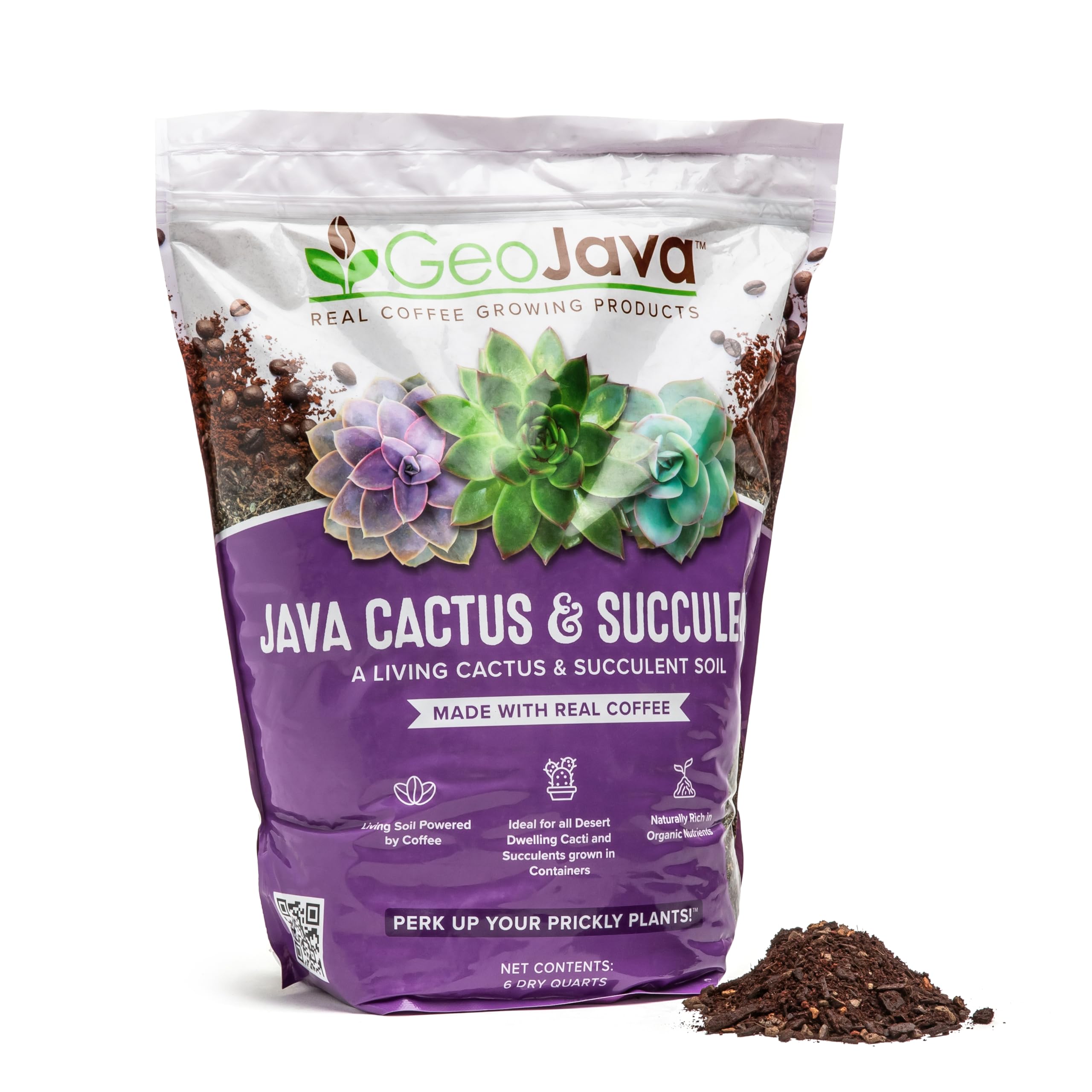
GeoJava replaces peat with buffered coco coir and coffee compost, then adds lava sand and expanded shale for drainage. The result is an odorless, naturally sourced mix that smells faintly of earthy compost rather than chemical fertilizer. One owner described a dying Christmas cactus bouncing back after switching from Miracle-Gro to this blend, noting the coffee content seemed to give the plant a boost.
At 6 quarts, the resealable bag offers generous volume for mid-size collections. The gritty texture is pre-mixed and ready to use, though some experienced growers find it holds a little more moisture than ideal for indoor succulents and recommend adding pumice or lava shards if your climate is humid. The USA-made production and eco-friendly ingredient list are the main draw for environmentally conscious buyers.
For the eco-minded: the coffee compost and coco coir base is a smart alternative to peat-heavy mixes, with good aeration for most desert plants.
Best suited for: growers who want a peat-free, USA-made mix with a unique compost ingredient for gentle feeding.
Consider amending if: you keep plants indoors in a humid zone — the base mix can stay damp a bit longer than pure gritty blends.
6. Tinyroots Succulent Soil, 2.25 Quarts

Finer grain that fits tiny lithops pots and still delivers the drainage of a professional greenhouse mix.
This 2.25-quart blend from Tinyroots uses double-sifted pine bark fines, calcined clay, pumice, and lava rock. The finer grain is a deliberate choice — it works beautifully for small succulents like lithops and tiny echeveria where chunky mixes leave big air pockets around delicate roots. One owner noted they got blooms on a cactus for the first time after switching to this soil.
The professional-grade formula prevents overwatering and reduces sogginess, which is the main cause of succulent failure. The bag is smaller than many options, reflecting the premium ingredients and the specific market (greenhouse growers and serious hobbyists). Quality is praised most, followed by drainage, but value for money gets a mixed note — it is definitely a splurge compared to basic bags. If your collection is built around small, rare specimens, the investment makes sense.
Small pots, big results: the finer texture means no perlite floating to the surface, and roots grip the mix evenly.
For the specialist: ideal if you grow lithops, haworthia, or tiny cactus seedlings that need a finer, well-draining medium.
Budget heads-up: the 2.25-quart size goes fast if you have more than a few pots.
7. Soil Sunrise Cactus and Succulent Potting Mix, 8 Quarts
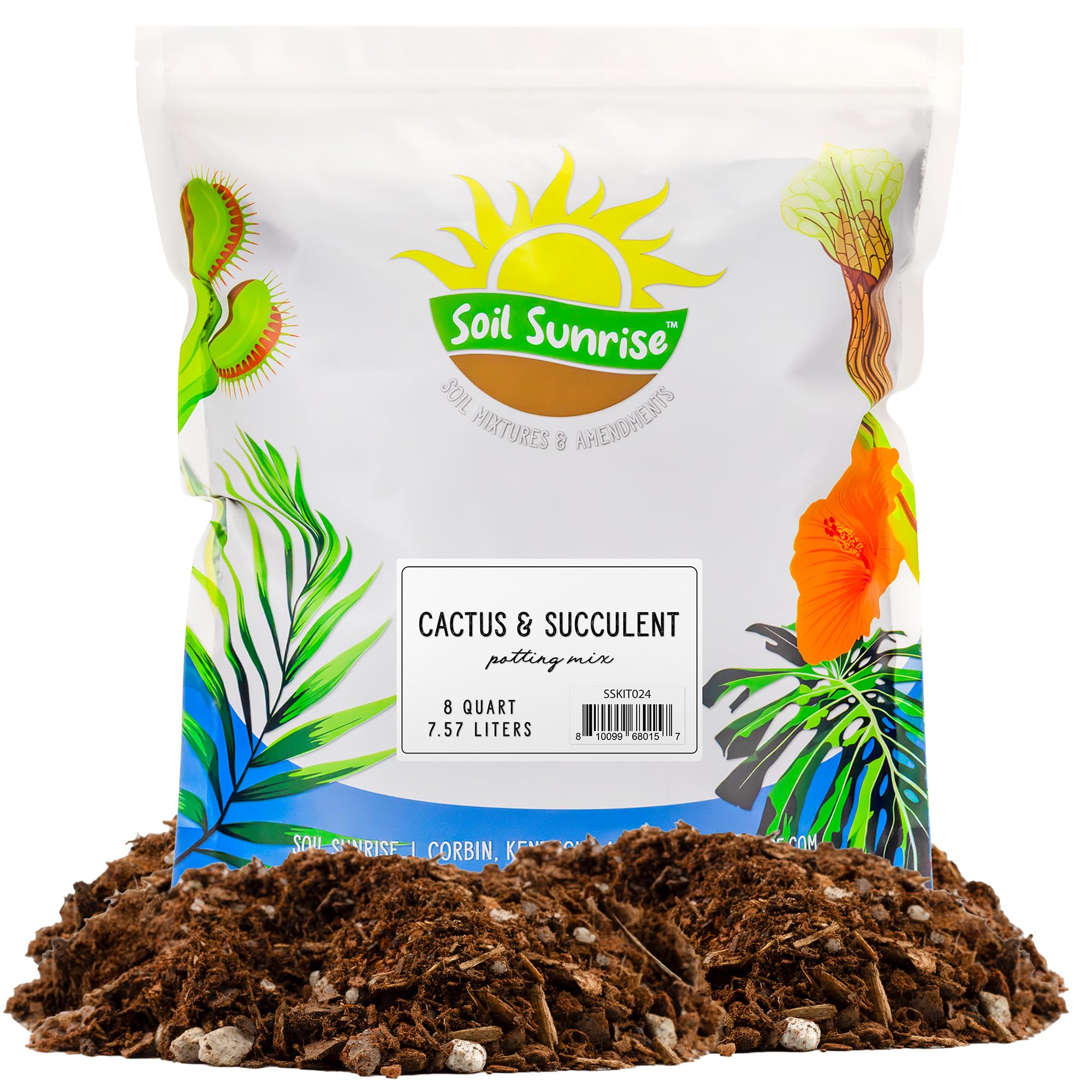
A hand-mixed gritty blend so visibly different from bagged standard soil that owners call it the “best gritty mix ever.”
Soil Sunrise combines pine bark, silica sand, calcined clay, and pumice into a formula that drains fast without needing any amendments. Owners consistently note that this is “true cactus soil” — visibly full of gravel and dry sand rather than the peat-heavy mixes sold by big brands. No bugs, no smell, and no gnats are common refrains, and the fresh, earthy scent is mentioned as a pleasant surprise.
The 8-quart bag fills a 12-inch pot, giving you room to repot a substantial collection. It works as a base mix that you can customize — one owner added pumice, perlite, and worm castings for a ponytail palm and reported it dried in about 8 days. Soil quality leads the praise with 24 mentions, followed by the mix composition. Drainage gets a mixed note from a few owners, so if you need bone-dry conditions for specific species, a little extra pumice is a safe addition.
Why It Stands Out
- Hand-blended, all-natural ingredients — no artificial fillers
- Generous 8-quart bag at a fair mid-range price
- Fresh, pleasant smell with zero bugs or gnats
Keep In Mind
- A few owners found it stays a touch damp for longer than expected
- Great as a base, but some species may need extra pumice for max drainage
Reach for it if: you want a large bag of hand-mixed grit that is ready to use and visibly different from commercial peat-based soils.
Add a little grit if: your plants are extra-sensitive to moisture — a handful of pumice dials it in perfectly.
8. Hoffman 10410 Organic Cactus and Succulent Soil Mix, 10 Quarts (2 Pack)

Two bags of the same trusted formula, bundled for anyone repotting a whole shelf or a terrarium project.
This 2-pack delivers 10 quarts of the same Hoffman organic mix found in the top pick, making it a straightforward choice for larger collections. The soil is fine-textured and fluffy, not bulky, and arrives ready to use with no mixing required. Reviewers point out excellent results with succulents, especially when blended with extra perlite or pumice to fine-tune the drainage.
Because the base formula is the same as the 4-quart version, it carries the same pH-balanced, peat-and-perlite composition. The drainage feedback is mixed — some say it drains extremely well, others find it retains moisture longer than expected. Adding perlite or pumice is a common practice that resolves the discrepancy. Soil quality leads the positive feedback, with 20 mentions, and effectiveness follows at 6.
Bulk convenience: at 10 quarts, this is the most economical way to fill multiple pots or a large planter with the Hoffman formula.
Best for: anyone repotting several plants at once and wanting the consistency of a known brand in a single purchase.
Still best with: a handful of perlite or pumice mixed in for faster drying, especially if you tend to water generously.
9. Molly’s Succulent Potting Mix, Cactus and Bonsai Gritty Blend, 5 Dry Quarts
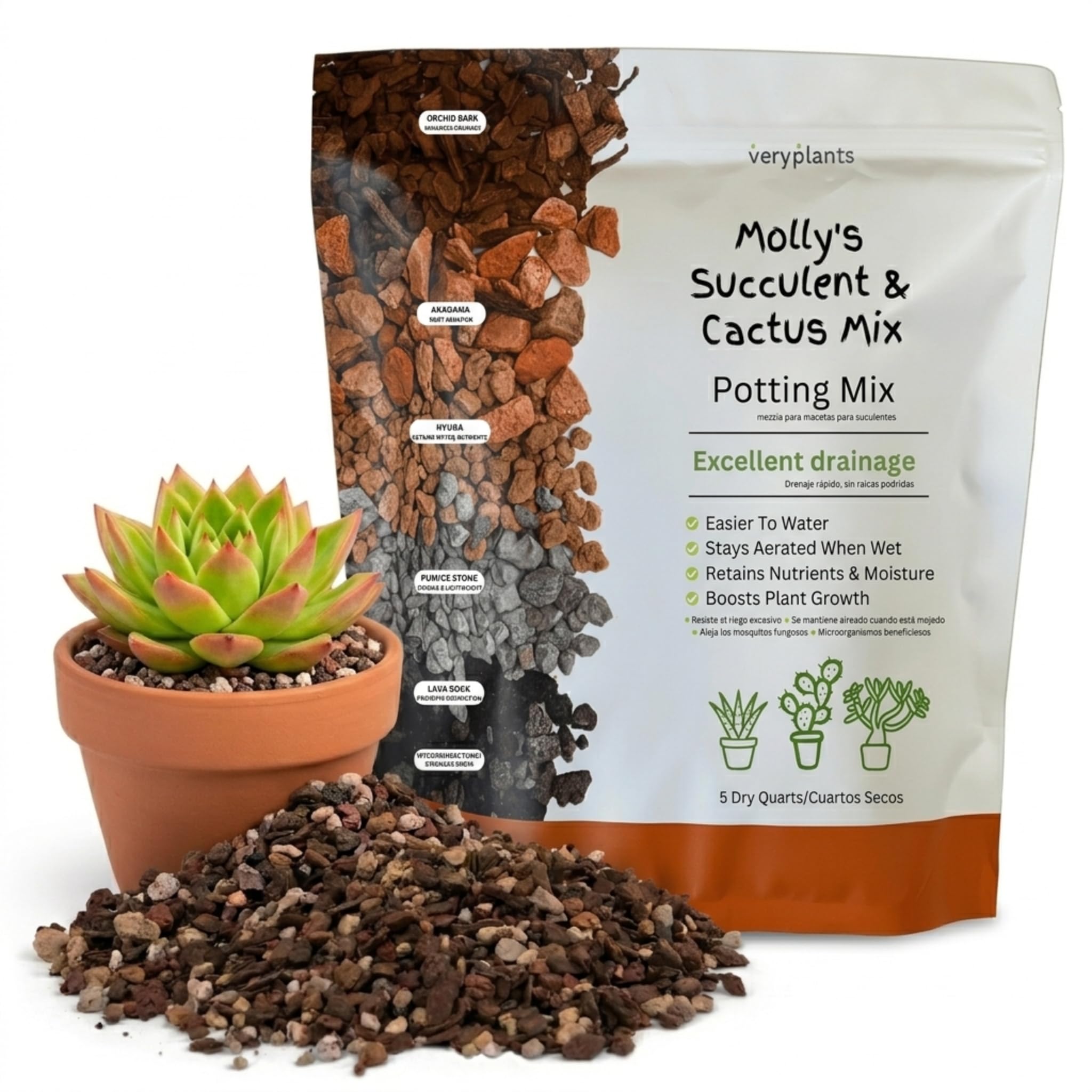
A soilless, gnat-resistant blend of akadama and lava rock that saved 13 out of 15 succulents from root rot.
Molly’s mix is completely soil-free, using akadama (a Japanese clay), pumice, hyuga, black and red lava rock, orchid bark, and a mycorrhizae carrier. Because there is no organic compost or peat, fungus gnats cannot breed in it — a huge relief for anyone who has battled those tiny flies around indoor pots. One owner reported it saved 13 of 15 succulents from root rot caused by their previous soil.
The 5 dry quart bag comes in a resealable, recyclable package. Because the surface dries fast, owners recommend using a moisture meter and deep watering trays to ensure the roots get enough to drink. The mix is expensive per quart, and a few owners note it is impractical for large pots or big collections. But for anyone struggling with overwatering, gnats, or persistent rot, the switch to a soilless mineral blend is often the permanent fix.
Why It Wins
- Zero soil means zero gnats — no organic matter for them to feed on
- Drains so freely that overwatering becomes nearly impossible
- Includes beneficial mycorrhizae for stronger root systems
The Real Cost
- Much pricier per quart than traditional soil-based mixes
- Smaller bag size limits use to a few pots rather than a whole collection
Ideal for: indoor growers fighting fungus gnats or owners of sensitive succulents who want the fastest possible drainage.
Not for: large-scale repotting on a budget — this is a premium solution for a handful of prized plants.
Understanding the Specs
Perlite, Pumice & Lava Rock
These are the drainage champions. Perlite is a white volcanic glass that looks like tiny popcorn pieces — it creates air pockets so water flows through quickly. Pumice is a heavier, longer-lasting volcanic rock that does the same job but doesn’t float to the surface when you water. Lava rock adds even more grit and aeration, plus a natural source of trace minerals. A mix with two or more of these ingredients will drain much faster than one relying on perlite alone.
pH Balance
Cacti need slightly acidic soil — ideally a pH (a measure of acidity or alkalinity) between 5.5 and 6.5. A mix labeled “pH balanced” means the maker tested and adjusted the ingredients to hit that range. When the pH is off, roots cannot absorb nutrients even if the soil has plenty of food. That is why a cactus may turn pale or stop growing in neutral potting soil, then recover in a properly balanced cactus mix.
Organic Matter vs Grit Ratio
The balance between moisture-holding ingredients (peat moss, coco coir, compost) and drainage ingredients (pumice, perlite, sand, lava rock) determines how often you need to water. A 50:50 ratio is common for general cactus use. More grit means faster drying and less risk of rot, but you water more frequently. More organic matter holds moisture longer, which can be helpful in hot, dry climates but dangerous in humid indoor conditions.
Bag Size and Volume
Cactus soil is sold in quarts, dry quarts, fluid ounces, and liters — these are not always the same measurement. A dry quart is slightly larger than a liquid quart. One quart of soil typically fills a single 4-inch pot or two 3-inch pots. A 4-quart bag is enough for 2 to 3 medium pots (6 to 8 inches), while an 8-quart bag can fill a 12-inch planter. Check the volume in quarts rather than the bag dimensions to gauge how much you are actually getting.
FAQ
Can I use regular potting soil for my cactus?
How often should I water my cactus in this soil?
What is the difference between cactus soil and succulent soil?
Does cactus soil expire or go bad?
Should I add perlite or pumice to my cactus soil?
Do I need drainage holes in my pot with cactus soil?
Why does my cactus soil grow mold on top?
Can I use cactus soil for other indoor plants?
How do I know if my cactus soil is draining fast enough?
Is organic cactus soil better than non-organic?
Final Thoughts: The Verdict
For most buyers, the cactus soil winner is the Hoffman 10404 Organic Cactus and Succulent Soil Mix because it combines a proven pH-balanced formula with a nearly 20,000-owner track record and a price that works for everyday potting. If you want a gritty, nearly gnat-proof mix for sensitive desert plants, grab the Bonsai Jack Gritty Mix. And for a hand-blended, visibly different alternative that comes in a large bag, the Soil Sunrise Cactus Mix is the one to reach for.
How We Picked
We do not accept paid placement. Every pick is matched to a real buyer and a real use-case; we do not hands-on test units.
Sources & Methodology
Specifications: manufacturer listings and product documentation. Review insights: verified customer reviews, as of July 2026. Pricing: not shown on this page (it changes often); check the current price via the retailer link.
As an Amazon Associate, FitlyFast earns from qualifying purchases. This does not affect which products we feature.