
Our readers keep the lights on and the weekend projects moving. As an Amazon Associate, I earn from qualifying purchases.
Specs are compiled from manufacturer listings and verified buyer reviews and can change over time — please confirm the key details on the product page before buying.
Breastfeeding pulls calcium straight from your bones to build your baby’s, and if you don’t replace it, your own skeleton pays the tab later. The right supplement for this season isn’t about the highest milligram count — it’s about a form your body can actually use while you’re already drained. This guide breaks down the real differences between carbonate, citrate, chelated, and liquid calcium so you can pick one that fits your stomach, your swallowing patience, and your baby’s feeding schedule.
I’m Rikta — the founder and writer behind FitlyFast. This guide is built by comparing the manufacturers’ published specifications and the patterns across verified customer reviews, so you get each pick’s real strengths and trade-offs instead of marketing spin.
You need a calcium supplement for breastfeeding that absorbs well and won’t upset a sensitive postpartum stomach, and these nine options cover every form and budget tier out there.
Our Picks at a Glance
How To Choose The Best Calcium Supplement For Breastfeeding
Your body prioritizes breast milk over your own bone bank, so a daily calcium habit during nursing is about protecting your long-term skeleton, not just your baby’s. The key is picking a form that fits how your digestive system behaves right now, because postpartum digestion is often slower and more sensitive than before.
Match the calcium form to your stomach
Calcium carbonate is the most common and cheapest form, but it needs stomach acid to break down, so you should take it with food. Calcium citrate absorbs well even on an empty stomach and is the go-to for anyone with digestive sensitivities, acid reflux, or a tendency toward kidney stones. Chelated forms like di-calcium malate are designed for maximum absorption per capsule, which means fewer pills for the same dose.
Check the vitamin D3 and K2 team
Vitamin D3 helps your gut absorb the calcium you swallow, while vitamin K2 directs that calcium toward your bones and away from soft tissues. A plain calcium pill works, but a formula with D3 and K2 does more of the job for you, which matters when you’re juggling a newborn and barely remembering your own meals.
Count the servings, not just the milligrams
A 1200mg bottle that requires four pills a day runs out four times faster than a 1200mg formula you take as two tablets. When you’re up at all hours feeding, the fewer daily doses, the more likely you’ll actually stay consistent for the months of breastfeeding ahead.
Quick Comparison
| Model | Best For | Calcium Form | Per Serving | Servings | Amazon |
|---|---|---|---|---|---|
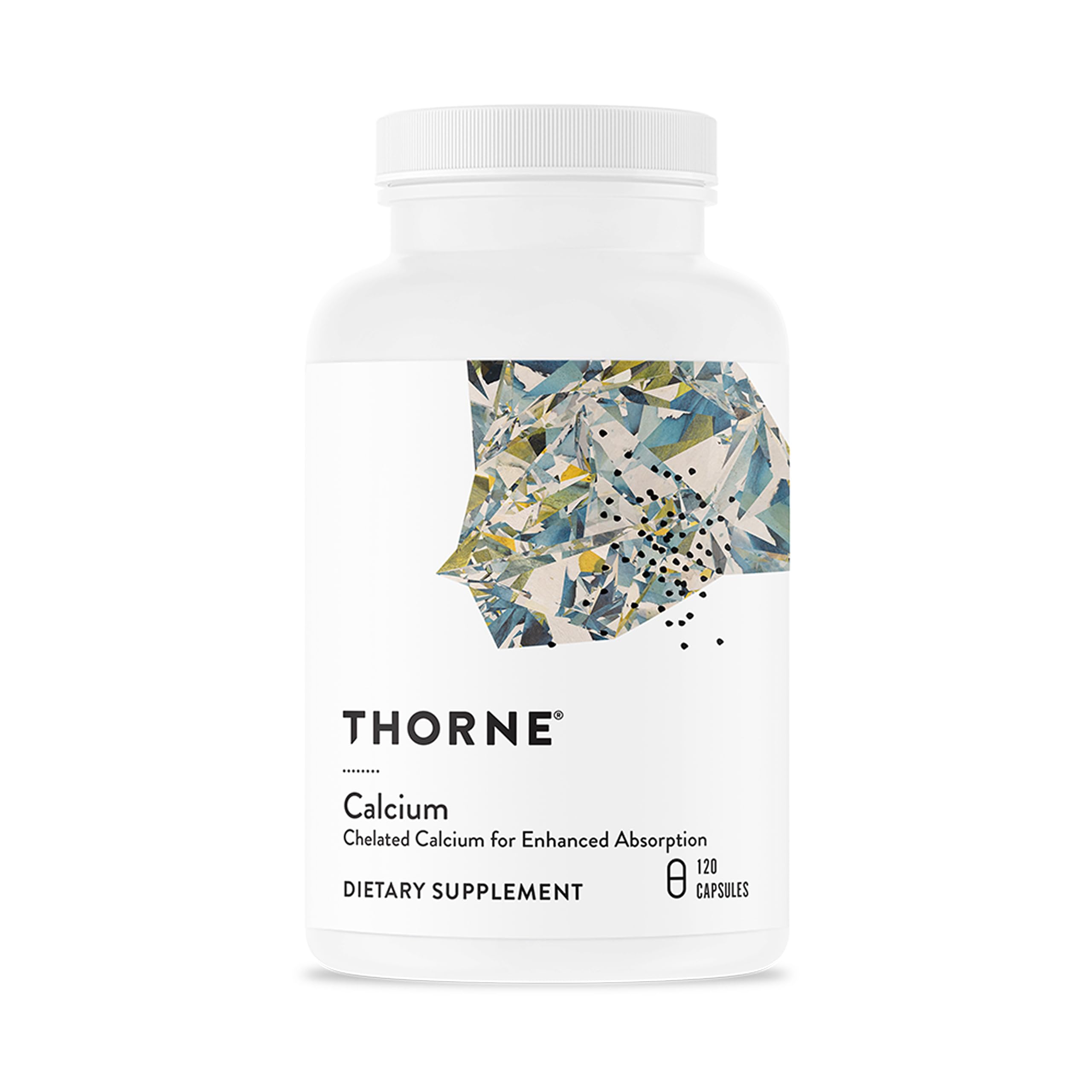
| THORNE DiCalcium Malate★ Best Overall | Maximum absorption per capsule | Chelated | 120 caps | 120 | Amazon |
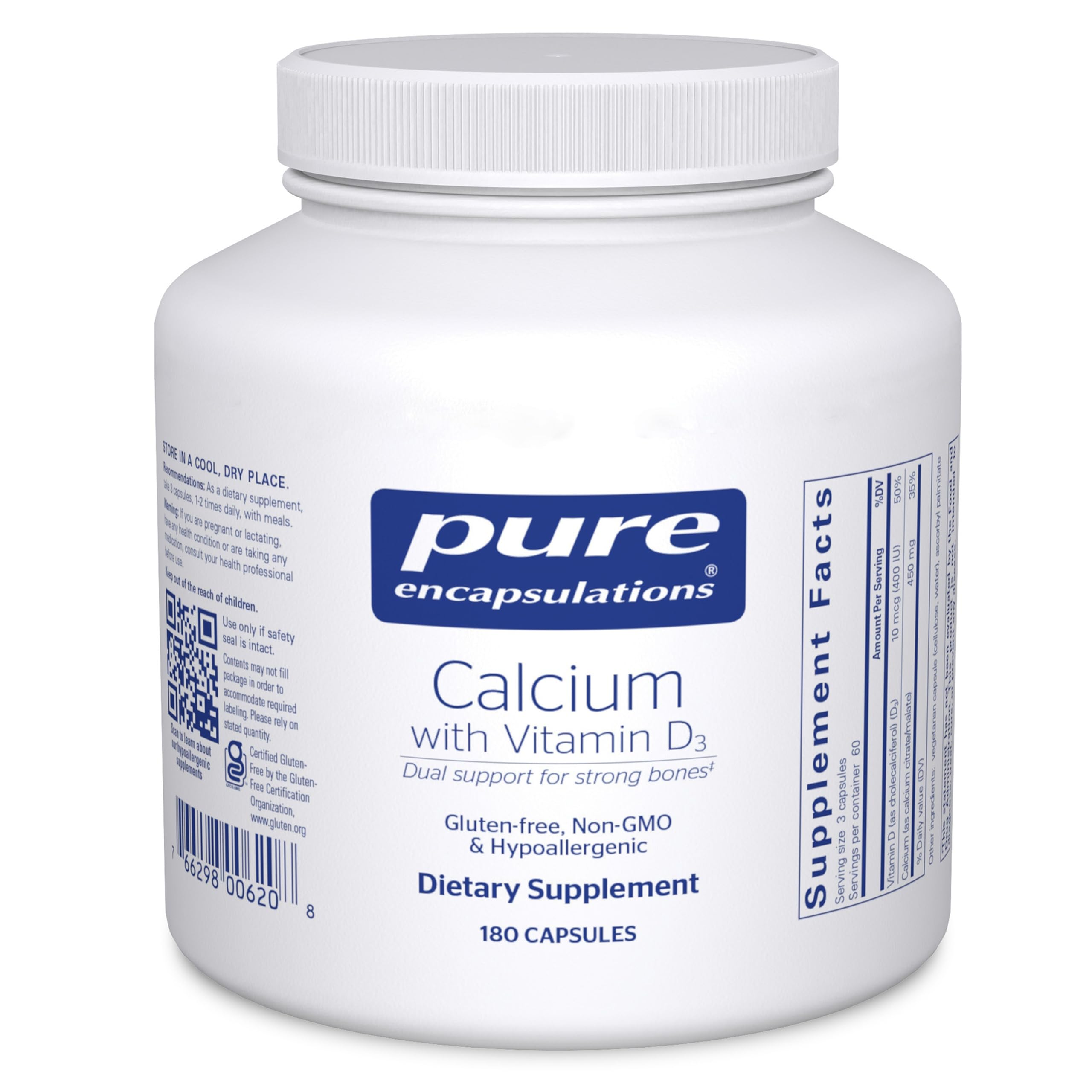
| Pure Encapsulations Calcium D3Premium Pick | Clean, allergen-free capsules | Carbonate | 180 caps | 180 | Amazon |
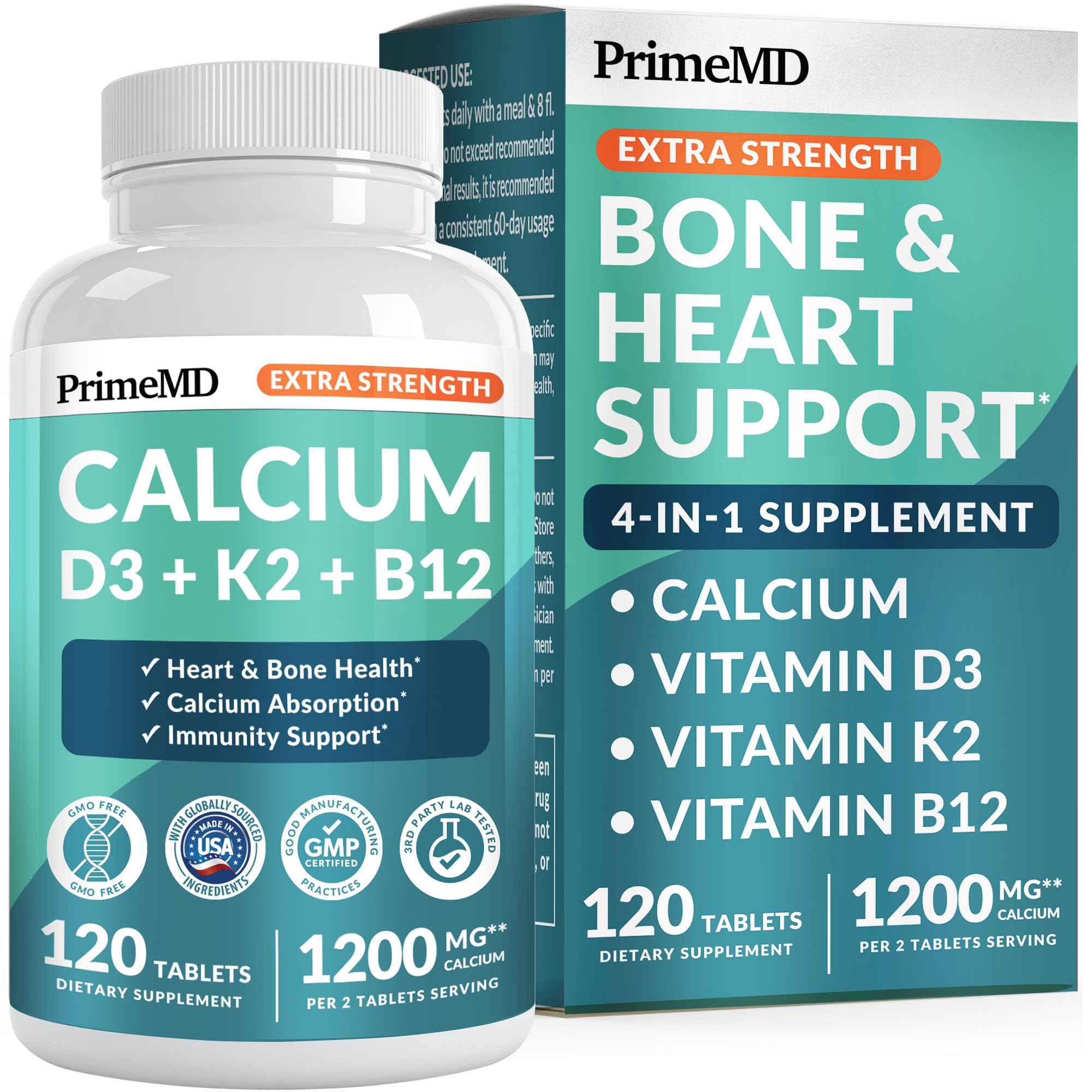
| PrimeMD 4-in-1 CalciumTop Performer | All-in-one D3, K2, B12 | Citrate + Carbonate | 1200mg | 120 | Amazon |
| Integrative Therapeutics Liquid | No-pill liquid alternative | Citrate liquid | 16 oz | 32 | Amazon |
| Micro Ingredients Calcium D3 K2 | Long-lasting value bottle | Carbonate | 1200mg | 300 | Amazon |
| NOW Foods Calcium Lactate | Budget-friendly easy tablet | Lactate | 250 tabs | 250 | Amazon |
| NatureWise Calcium Citrate | Gentle on a sensitive stomach | Citrate | 500mg | 90 | Amazon |
| NatureWise Calcium 1250 + D3 | Pregnancy-safe softgel | Carbonate | 1250mg + 1000IU | 60 | Amazon |
| Calcium 1200mg with D3 | One-pill simplicity | Carbonate | 1200mg + 1600IU | 120 | Amazon |
In‑Depth Reviews
1. THORNE Calcium, Chelated DiCalcium Malate
Our pick — over 4.5★ from 950+ verified ratings; the strongest balance of quality and price.
The absorption-first choice that packs more calcium per capsule so you swallow fewer pills.
This is the pick for a nursing mom who wants the most absorbable form without choking down a handful of tablets. The chelated di-calcium malate is a concentrated form of calcium, which means each small capsule carries more usable calcium than a standard pill of the same size. It’s also NSF Contents Certified, so an independent body has verified what’s actually inside the bottle.
Buyers report steady calcium levels confirmed by blood tests, with easy-swallow capsules and no aftertaste or stomach upset. The brand is trusted by 100+ professional sports teams and frequently recommended by healthcare practitioners.
The trade-off is honest: at 120 capsules for a 120-count bottle, this is the premium investment of the group, and it carries less vitamin D3 support than some combination pills. One sensitive owner noted the ingredient calcium laurate can be an issue for those with histamine intolerance or MCAS, so if you have those conditions, check with your provider first.
chelated absorption edge
- More concentrated calcium per capsule means fewer pills to swallow
- NSF Contents Certified adds independent quality verification
- No gluten, soy, dairy, shellfish, or fish in the formula
larger pill size
- Premium cost compared to basic carbonate options
- Not ideal if you have histamine intolerance or MCAS
best for chelate fans: you want the cleanest, most absorbable calcium in the smallest capsule.
skip if pills bother: your budget is tight or you have histamine sensitivities worth discussing with a doctor.
2. Pure Encapsulations Calcium with Vitamin D3
A 180-capsule clean-label formula that pairs calcium with D3 and skips common allergens entirely.
If you want the reassuring length of a 180-capsule bottle plus the simplicity of calcium and vitamin D3 in one capsule, this is the premium aisle. The brand’s whole pitch is what they leave out — no common allergens, no artificial ingredients, no GMOs — which is a strong fit for a nursing mom suddenly tracking every ingredient that passes into her milk.
Buyers describe the capsules as small and easy to swallow, with several reporting improved lab work and bone density after consistent use. The calcium and vitamin D3 pairing is backed by clinical trials for bone health.
The catch: it’s carbonate-based (a form of calcium that needs stomach acid), so take it with food for best absorption. A few owners find the pills fairly large, even though most call them easy to swallow.
clean label trust: free from common allergens and GMOs, with 180 capsules across a respected brand.
basic D3 only: carbonate needs food for absorption, so pair it with a meal.
3. PrimeMD 4-in-1 Calcium 1200mg with Vitamin D3 K2
One tablet that stacks calcium, D3, K2, and B12 so you skip a cabinet full of bottles.
This is the all-in-one answer for a mom who would rather take one thoughtful tablet than juggle three separate supplements. Each serving blends 1200mg of calcium citrate and carbonate with 125mcg of vitamin D3, 100mcg of vitamin K2, and 1000mcg of vitamin B12 — and it’s fully vegan with no fillers.
The smart part is the D3 and K2 pairing: D3 helps your gut absorb the calcium, and K2 directs it to your bones instead of soft tissue. Owners who switched from plain calcium pills say the extra vitamins are exactly why they stay consistent with this one, and the two-tablets-daily dose is easy to remember with a meal.
The honest complaint is size — a few owners find the tablets large and split them with a pill cutter, which is a workable solution but worth knowing before you buy.
four-in-one convenience: calcium, D3, K2, and B12 in a single vegan tablet.
capsule count high: large tablet size that some owners split in half.
4. Integrative Therapeutics Liquid Calcium Magnesium 2:1
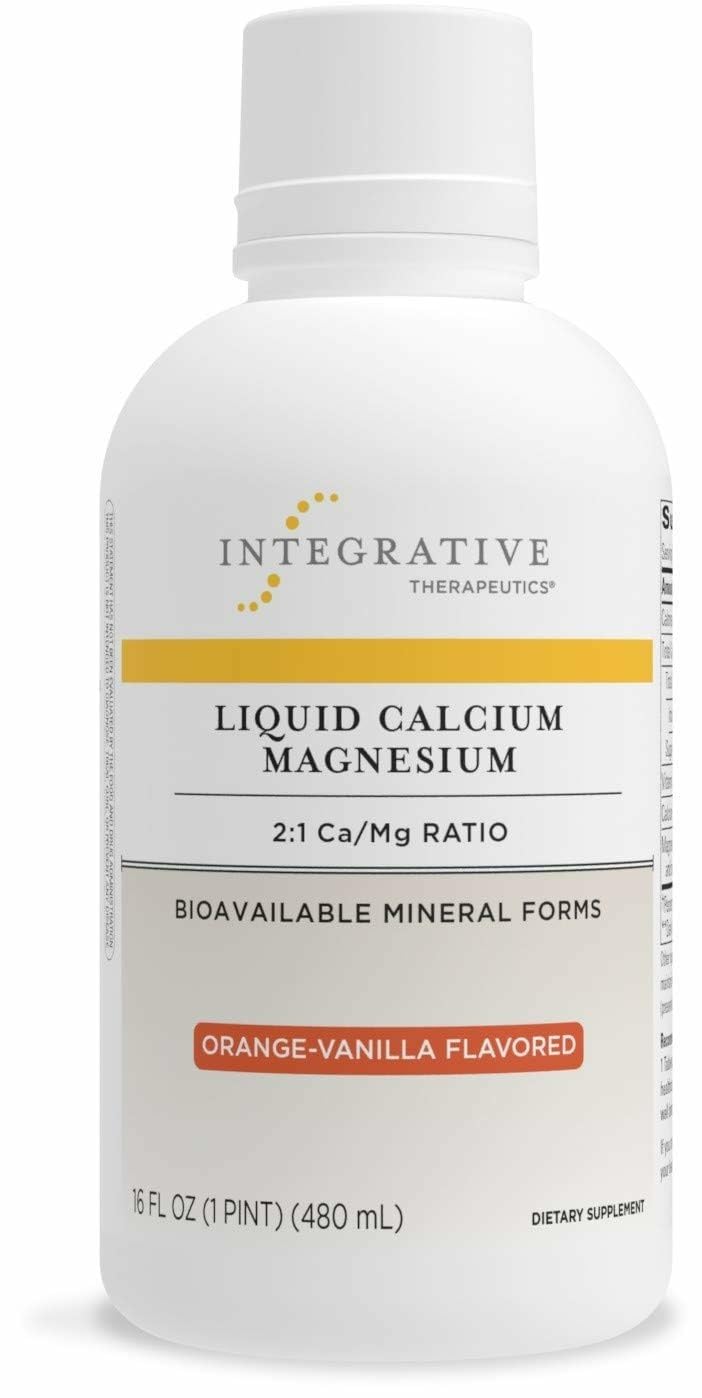
A dreamsicle-flavored tablespoon that rescues anyone who’s done fighting with giant pills.
If swallowing capsules has become a daily battle — common when your throat is tired and your patience is thin — this liquid is the escape hatch. One tablespoon of the orange vanilla formula delivers a 2:1 calcium-to-magnesium ratio in highly absorbable citrate form, plus 400 IU of vitamin D per serving. It contains no sugar, gluten, dairy, or artificial colors.
A 79-year-old owner keeping her calcium levels where they should be sums up the appeal: no more huge pills, just “a tablespoon of tastefully orange dreamsicle every morning.” Others report blood work improving after a month and praise the smooth texture and easy absorption. The added magnesium (a mineral that helps muscles relax) is a quiet win for sleep when you’re running on fragmented rest.
The practical catches: it needs refrigeration once opened, and the price per monthly supply runs steep compared to tablets. A few owners also note that taking it before bed can feel alerting, so the balance is after dinner.
best for liquid lovers: anyone who dreads pills or wants the magnesium bonus for muscle recovery.
skip if want calcium only: you want a fridge-free, budget-stretch bottle that lasts the whole month.
5. Micro Ingredients Calcium 1200mg with Vitamin D3 & K2

A 300-tablet bottle with D3, K2, and boron that keeps bone support going for months.
This is the endurance pick — 300 coated, bisected tablets mean you are not reordering every few weeks. Each serving gives you 1200mg of calcium carbonate with 25 mcg of vitamin D3, 25 mcg of vitamin K2, and 2 mg of boron, a four-in-one mineral complex aimed at bones, teeth, colon, and cardiovascular health.
Postpartum moms specifically praise it for recovery support, with one noting that missing more than two days in a row brings back intense milk cravings — a sign she feels it protecting her bones while building her baby’s. The bisected design means you can split tablets for smaller, personalized doses, and the coated surface makes them easier to swallow than uncoated calcium.
The recurring complaint is tablet size; a few owners find them too large to swallow whole and split them instead, so factor that in if you have a strong gag reflex.
best for high dose: long-term value with a full D3, K2, and boron team.
skip if sensitive stomach: you can’t manage larger tablets, even with the split line.
6. NOW Foods Calcium Lactate

A 250-tablet budget workhorse that’s famously gentle on the stomach and easy to swallow.
For a no-frills, family-owned brand making natural products since 1968, this is the value anchor of the list. The calcium lactate form is phosphorus-free and considered one of the easiest forms of calcium for your body to use, and the tablets are small enough that “easy to swallow” is the consistent owner refrain. A 250-tablet bottle at this price is tough to top for cost-per-day.
Owners mention it stopping leg cramps and describe it as a less expensive alternative to clinical brands with the same results. It’s Non-GMO, soy-free, dairy-free, and made without gluten, which checks most dietary boxes for a nursing mom.
The honest caveats: you take 3 tablets 1 to 2 times daily with food, so that’s up to 6 tablets a day at the higher dose. A few owners also note that exceeding the dose caused headaches, so stick to the label.
best for sensitive guts: the lowest cost-per-dose with a gentle, easy-to-swallow tablet.
skip if need high dose: you want fewer daily pills or a higher per-tablet dose.
7. NatureWise Calcium Citrate 500mg
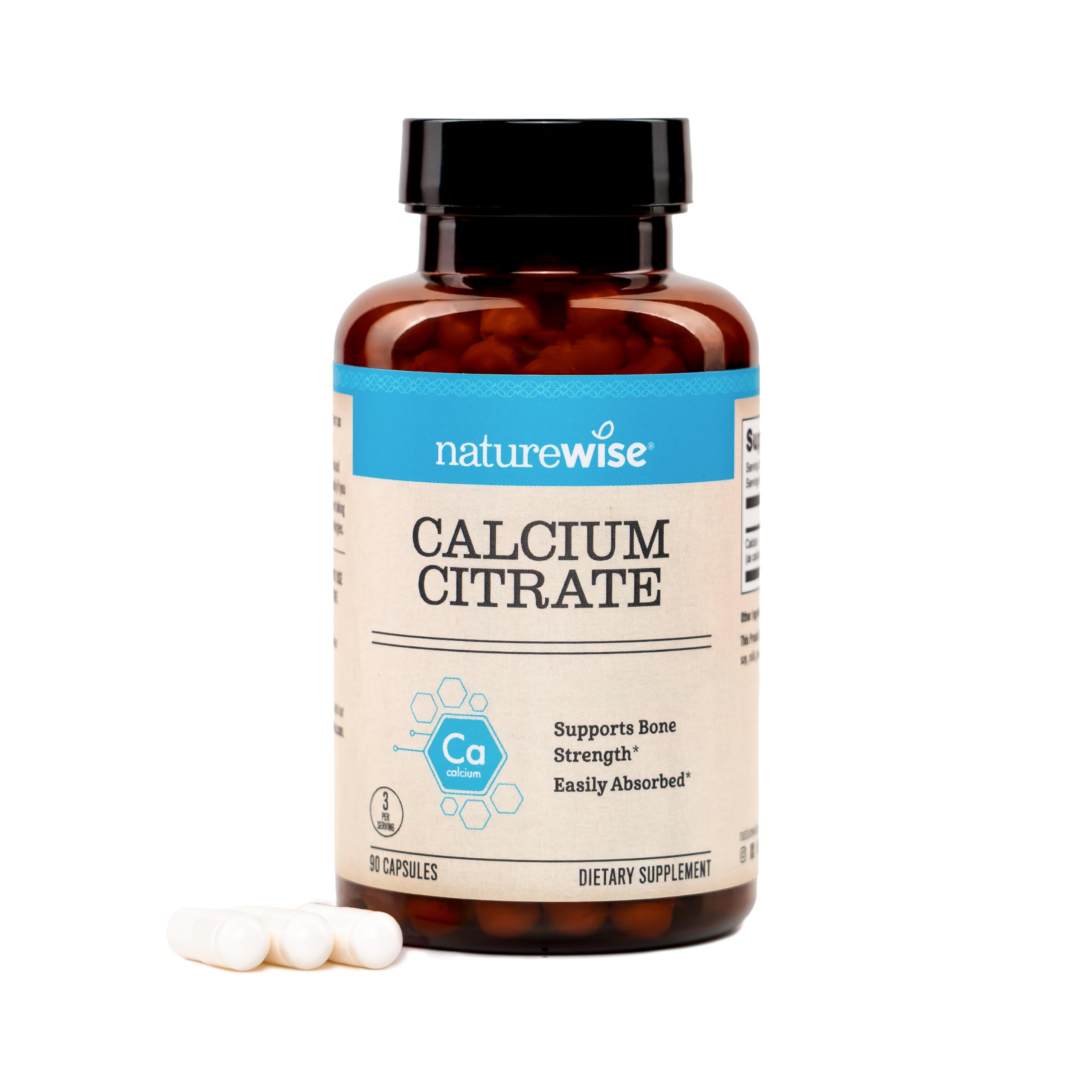
The vegan citrate capsule that digests easily even without food or stomach acid.
If your postpartum digestion is sensitive — and for many moms it is — citrate is the form that goes down easy. This NatureWise formula delivers 500mg of calcium citrate per vegan capsule, engineered to absorb well even without stomach acid, which makes it forgiving if you miss a meal or eat erratically with a newborn in the house.
Owners who choked on larger calcium carbonate pills call these genuinely swallowable, and the formula is free of magnesium stearate and titanium dioxide, which matters to label-checkers. It’s also fully vegan, non-GMO, and gluten-free, and buyers specifically note it doesn’t cause the bloating or constipation that carbonate sometimes does.
The trade-off is serving count — a 90-count bottle at 500mg each means multiple capsules per day to reach a typical 1000-1200mg target, so plan your reorder timing accordingly.
best for citrate fans: sensitive stomachs and anyone who wants a vegan, additive-free capsule.
skip if need more: you want a higher dose per capsule to minimize daily pill count.
8. NatureWise Calcium 1250mg + Vitamin D3
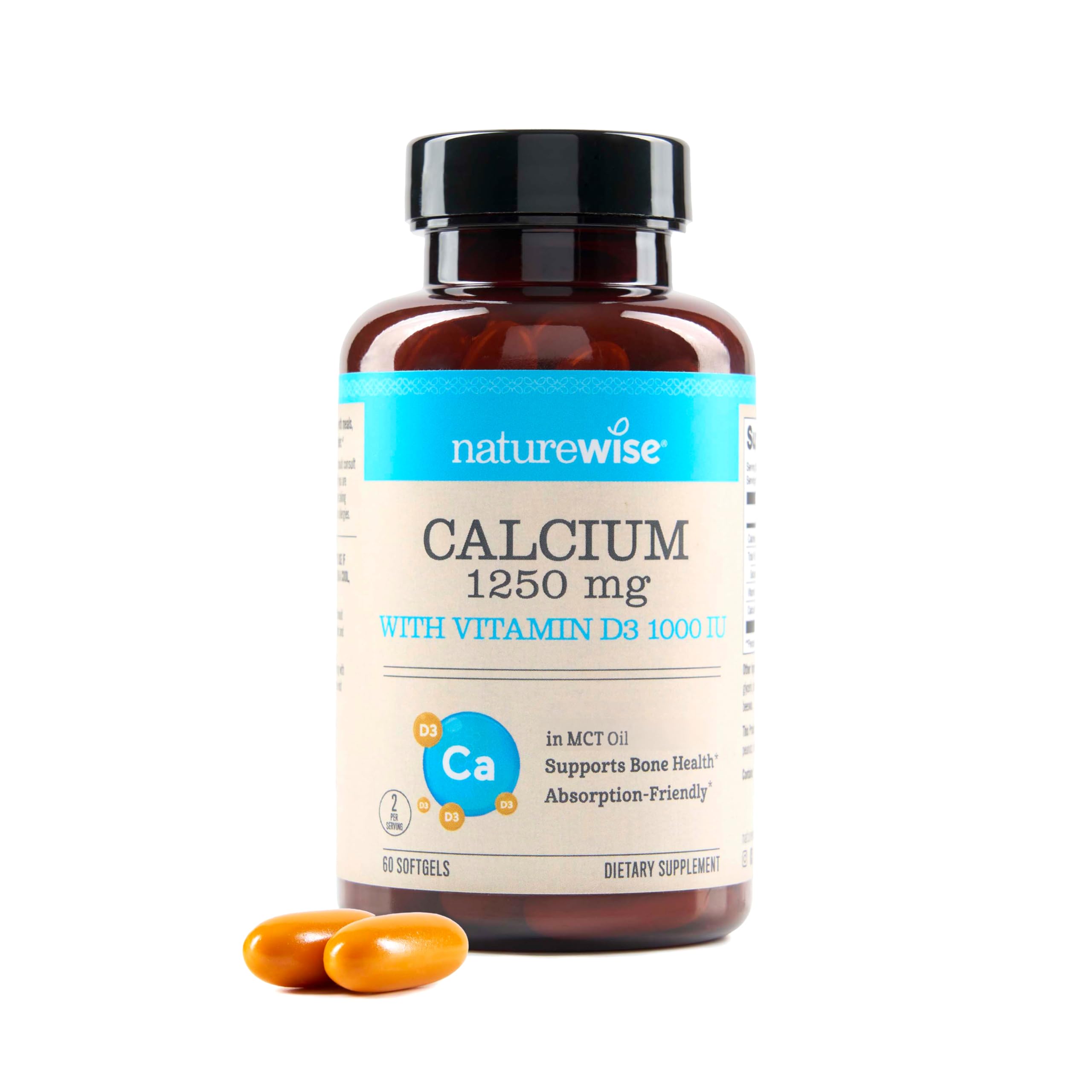
A high-dose softgel with organic MCT oil that helps fat-soluble nutrients actually absorb.
This one stands out because it solves a quiet absorption problem: both calcium and vitamin D3 are fat-soluble, meaning they absorb far better when taken with fat. Each softgel packs 1250mg of over-99%-pure calcium carbonate, 1000 IU of vitamin D3, and organic MCT coconut oil so the nutrients have the fat they need to work.
Buyers recovering from fractures and surgeries report it supporting healing, and the high-purity, ultra-low trace metal formulation is marketed as pregnancy-safe. The softgel coating gets consistent praise for being easy to swallow compared to hard tablets, and it’s non-GMO with halal gelatin and no artificial colors or flavors.
The main caveat is clear in the reviews: these are large softgels, and a few owners find them hard to get down — one buyer bluntly called it “a large pill to take but your health is worth it.” The formula also contains tree nuts via coconut oil, so that’s a hard skip if you or your baby has a coconut allergy.
best for D3 boost: you want a high-dose softgel with built-in absorption support and a pregnancy-safe label.
skip if want chelated: you struggle with large pills or have a tree nut sensitivity.
9. Calcium 1200mg with Vitamin D3 for Best Absorption

A single daily tablet that delivers 1200mg of calcium and 1600 IU of D3 without the juggling.
Sometimes the best supplement is the one you’ll actually remember, and this is built for that. One tablet a day gives you 1200mg of calcium carbonate and 1600 IU of vitamin D3, a women-focused formula that’s marketed as safe for pregnancy and designed to support bone density through breastfeeding. The “just one pill” feedback is the loudest theme in the reviews.
Owners love that it’s a little smaller than comparable calcium-D pills while still carrying a full dose, making it a rare combo of high milligrams and easy swallowing. The slow-release formula supports immune function alongside bone health, and the 120-tablet count means a four-month supply at one-a-day.
The main limit is the form: carbonate still needs food for best absorption, so take it with a meal or snack. It also lacks the K2 that directs calcium to bones, which you can add separately if you want that extra step.
best for absorption: the simplest possible one-pill daily habit with a full 1200mg dose.
skip if brand matters: you want K2 included or prefer citrate for empty-stomach absorption.
Understanding the Specs
Calcium Carbonate vs Citrate vs Chelated
Calcium carbonate is the most common and cheapest form, but it needs stomach acid to dissolve, so it should be taken with food. Calcium citrate absorbs well even on an empty stomach, making it the better choice when digestion is sensitive. Chelated forms like di-calcium malate bind calcium to an amino acid for maximum absorption per capsule, which means fewer pills for the same dose.
Vitamin D3 and K2 team
Vitamin D3 is the delivery driver that helps your gut pull calcium into your bloodstream, while vitamin K2 is the traffic cop that directs it into bones rather than soft tissue. A plain calcium pill works, but a formula with both does more of the heavy lifting for you. Many breastfeeding-focused formulas add one or both precisely because the body needs the whole team.
Serving count and pill size
A 1200mg bottle that requires four pills a day runs out four times faster than one you take once daily. If swallowing is hard — common after pregnancy — look for smaller tablets, softgels, or split lines. The honest rule is that the best supplement is the one you’ll actually take consistently for the months of nursing ahead.
Purity and allergen profile
When you’re breastfeeding, everything you eat can pass into your milk, so clean labels matter more than ever. Look for third-party testing, NSF certification, or clear allergen statements covering gluten, dairy, soy, and nuts. Vegan capsules and halal gelatin are extra signals of a thoughtful formula.
FAQ
How much calcium do I need while breastfeeding?
Is calcium citrate or carbonate better for a breastfeeding mom?
Can I take a calcium supplement while nursing without affecting my baby?
Why do some calcium pills cause constipation and bloating?
Should I take calcium with vitamin D3 and K2?
How do I take calcium if I have trouble swallowing pills?
Can I take my prenatal vitamin and a calcium supplement together?
How long should I keep taking calcium after I stop breastfeeding?
Final Thoughts: The Verdict
For most nursing moms, the calcium supplement for breastfeeding winner is the THORNE Chelated DiCalcium Malate because it delivers the most absorbable calcium in the fewest capsules, backed by NSF certification and a clinician-trusted name. If you want the one-pill simplicity of a full daily dose, grab the Calcium 1200mg with D3. And for a sensitive stomach that rebels against tablets, the Integrative Therapeutics Liquid Calcium Magnesium is the gentle, no-pill route worth reaching for.
How We Picked
We do not accept paid placement. Every pick is matched to a real buyer and a real use-case; we do not hands-on test units.
Sources & Methodology
Specifications: manufacturer listings and product documentation. Review insights: verified customer reviews, as of August 2026. Pricing: not shown on this page (it changes often); check the current price via the retailer link.
As an Amazon Associate, FitlyFast earns from qualifying purchases. This does not affect which products we feature.