
Our readers keep the lights on and the weekend projects moving. As an Amazon Associate, I earn from qualifying purchases.
Specs are compiled from manufacturer listings and verified buyer reviews and can change over time — please confirm the key details on the product page before buying.
Center shaft putters attach the shaft at the middle of the head instead of the heel, which changes how the face swings through impact. For golfers with a straight-back, straight-through stroke, this design fights face rotation and keeps the putter square to the target longer. The right pick depends on your stroke type, feel preference, and budget — here are six top-rated models to compare.
I’m Rikta — the founder and writer behind FitlyFast. This guide is built by comparing the manufacturers’ published specifications and the patterns across verified customer reviews, so you get each pick’s real strengths and trade-offs instead of marketing spin.
From high-MOI mallets to zero-torque blades, find the best center shaft putters that keep your face square and shave strokes off your round.
Our Picks at a Glance

How To Choose The Best Center Shaft Putters
Center shaft putters are a specialized tool. They suit golfers whose stroke moves the club straight back and straight through, rather than on an arc. If your putts tend to push or pull, a center shaft design can help you keep the face square through impact.
Match the stroke type to the head design
Face-balanced putters — where the face points up when you balance the shaft on your finger — suit the straight-back, straight-through stroke most center shaft models are built for. If your stroke has a pronounced arc, a center shaft putter can feel unnatural, and you may get better results from a toe-hang design that rotates with your natural motion.
Loft and roll matter more than you think
Loft is the angle of the putter face, and it gets the ball rolling end-over-end instead of skidding. A putter with too little loft can cause the ball to hop, while too much can make it bounce. Most center shaft putters land between 2.5 and 3.5 degrees of loft, which suits most greens and stroke speeds.
Weight and grip influence feel and control
Heavier putter heads feel more stable but can make distance control harder for some golfers, while lighter builds are easier to swing but can feel flimsy. Likewise, an oversized grip can reduce wrist action and help an arc stroke stay square, while a standard grip gives you more feel for the face. Try to match the putter’s weight and grip to your preference before you commit.
Quick Comparison
| Model | Best For | Loft | Head Type | Shaft Material | Amazon |
|---|---|---|---|---|---|
| TaylorMade Spider ZT★ Best Overall | Tour-level stability and feel | — | ZT Mallet | KBS Steel | Amazon |
| TaylorMade Spider XPremium Pick | High-MOI roll with premium finish | — | Spider Tour Mallet | Steel | Amazon |
| Wilson Infinite 606 | Zero-torque consistency on a budget | 2.5° | Mallet | Steel | Amazon |
| PGM Zero Torque | Beginners building confidence | 3.5° | Mallet | Graphite | Amazon |
| Cleveland HB Soft 2 | Soft feel and easy alignment | — | Mallet | Steel | Amazon |
| COOLO Low Torque | Budget-friendly value | 3° | Blade | Stainless Steel | Amazon |
In-Depth Reviews
1. TaylorMade Golf Spider ZT Putter
Our pick — over 4.5★ from 80+ verified ratings; the strongest balance of quality and price.
The tour-inspired mallet that blends stable low-torque design with a soft, confidence-inspiring roll.
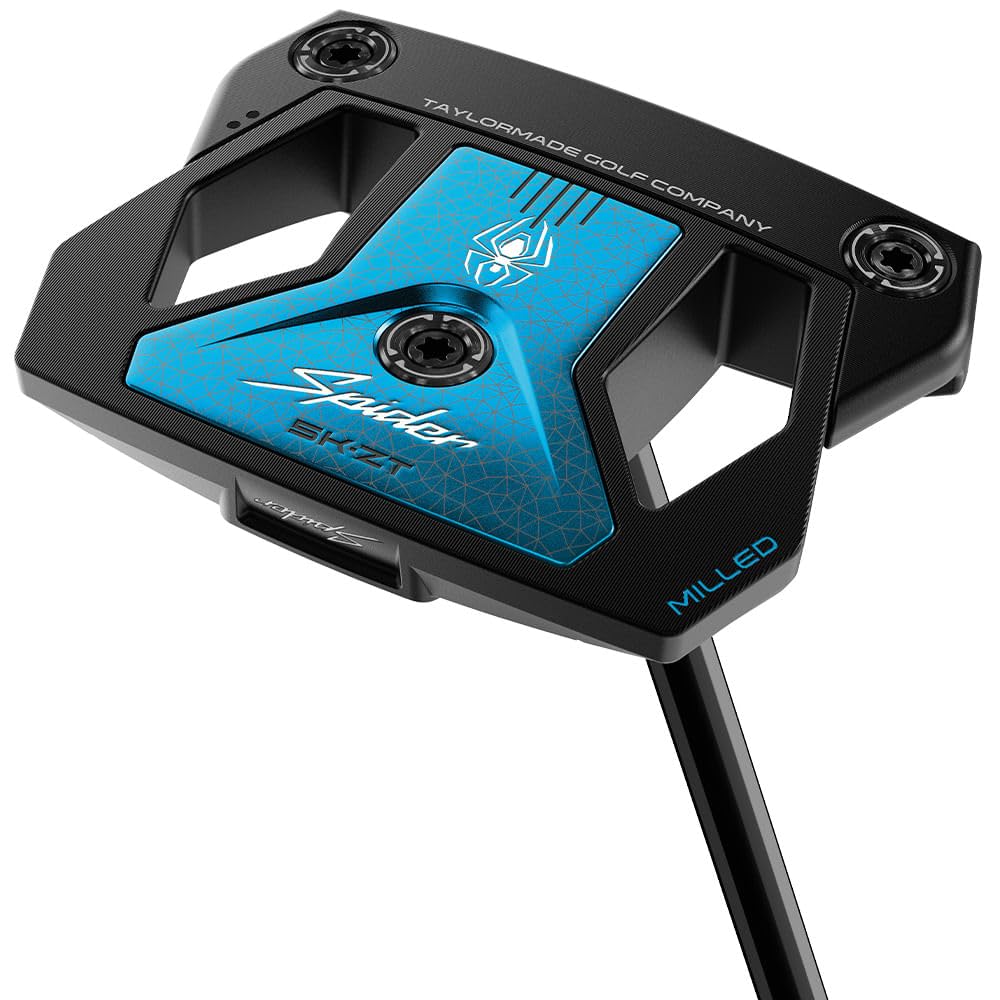
This putter’s defining feature is its low-torque design — the KBS shaft bores directly toward the center of gravity at a 1° lean with 25mm of onset, which keeps the head stable and toe-up through your stroke. What that means for you is less face rotation on off-center hits, so your putts start on line more often. The head combines high-density stainless steel with aerospace-quality aluminum, a Spider classic that delivers high MOI — forgiveness on mishits that keeps the ball rolling toward the hole.
The face features a Pure Roll insert made from Surlyn and aluminum, with grooves angled at 45° to promote forward roll and a softer feel at impact. Buyers report it aligns easily, rolls straight, and makes short putts feel automatic. The softer insert requires an adjustment period for distance control on slow greens, but its feel on downhill and lag putts wins over most buyers.
At 1.5 pounds, this putter carries a hefty, premium presence that inspires confidence at address. The off-axis pistol grip and counterbalanced build give a stable, weighted feel that suits golfers who want a putter that does the work for them. Owners consistently praise the premium build quality, smooth feel, and sleek appearance.
What owners rave about
- Easy to align — milled lines the width of the ball help you index center face
- Soft Pure Roll insert with 45° grooves for forward roll
- High-MOI Spider stability from stainless steel and aluminum build
Who should think twice
- Softer insert requires an adjustment period for distance control
- Premium pricing puts it at the top of the range
Reach for this if: you want a tour-level mallet with low-torque stability and a soft feel that forgives mishits.
Look elsewhere if: you prefer a firmer face or want to avoid the adjustment curve of a softer insert.
2. TaylorMade Golf Spider X Putter
The refined Spider that marries legendary stability with premium copper-accented looks.
This Spider X inherits the iconic high-MOI shape but strips away excess weight to create a super stable structure. The center shaft hosel — the point where the shaft meets the head — is the key upgrade here, helping golfers with straight strokes keep the face square through impact. The patented alignment system gives you a clear visual path to the hole, which makes lining up putts feel more intuitive.
Owners mention a noticeably better roll off this face, especially for those switching from a blade to a mallet. The TSS weights in the sole let you fine-tune the balance to match your preferred putter length and feel. The durable PVD coating — a protective finish that reduces glare — gives the putter a beautiful high-quality finish with copper accents that stand out in the bag.
This is one of the higher-priced options in the lineup, but the build quality and finish justify the premium for golfers who want a putter that looks as good as it performs. With 4.8 stars across 27 ratings, buyers nearly universally approve of its design and roll.
Solid premium build: The center shaft combined with TSS adjustable weights makes this a versatile mallet for straight strokes, wrapped in a PVD finish that looks sharp for years.
The trade-off: You are paying a premium for the finish and brand, and the standard pistol grip may not suit every hand size.
3. PGM Zero Torque Putter Golf Club
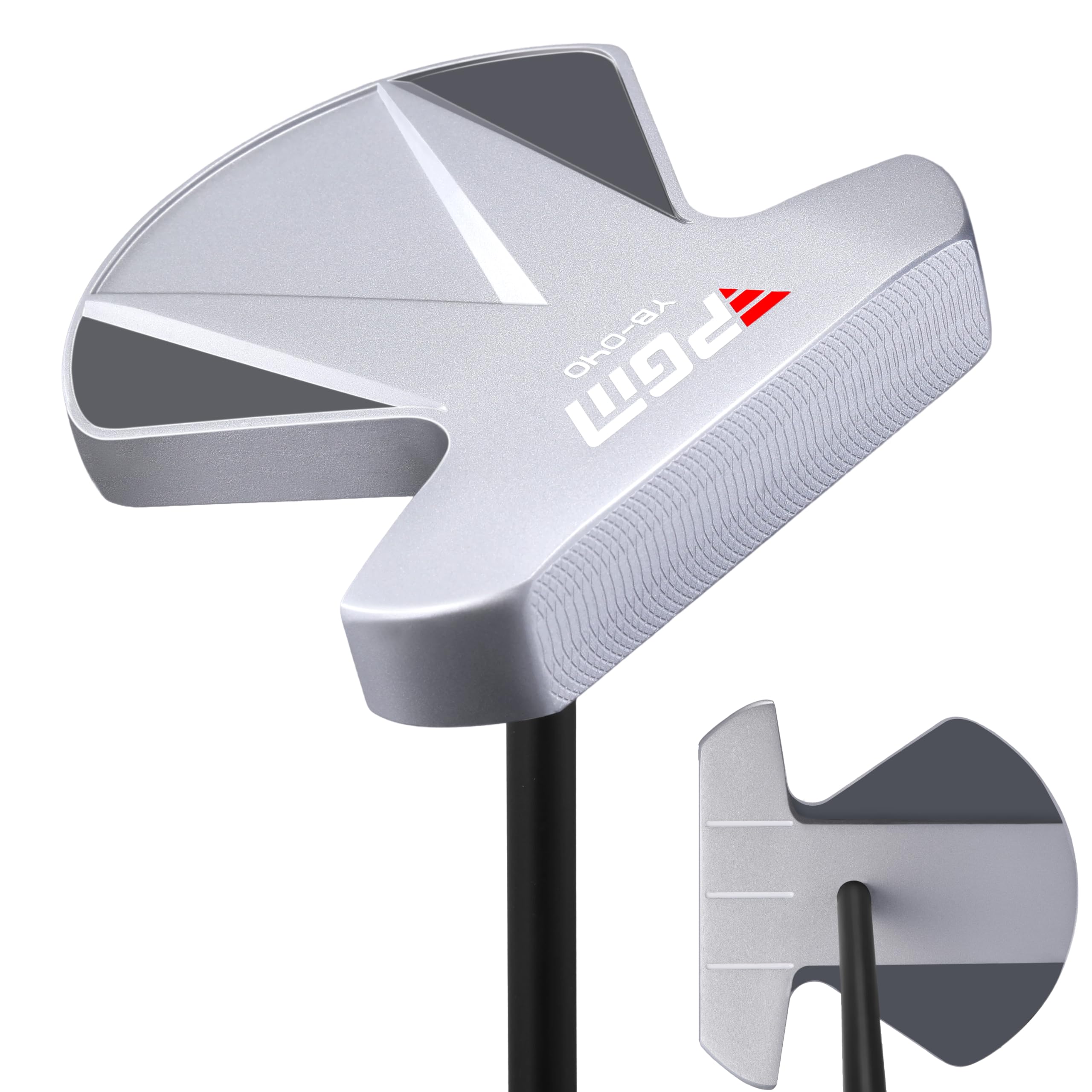
A face-balanced mallet with 3.5° of loft that builds confidence for straight-stroke golfers.
This PGM putter leads with zero-torque stability — a toe hang of 0°, meaning the face stays square through the stroke without twisting. The center shaft connects directly at the putter’s center of gravity, which keeps the face square for a straight-back, straight-through stroke. With a loft of 3.5 degrees — the highest in this lineup — this putter gives you a bit more launch angle to get the ball rolling smoothly.
The precision CNC-milled face ensures consistent ball contact, while the lightweight graphite shaft in regular flex reduces overall weight for better speed control. Buyer feedback is enthusiastic: “I have played three times with it and I three putt much less now,” and one golfer reported gaining strokes and confidence on 3-5 footers. The rubber anti-slip grip provides a secure hold that reduces hand slippage during the stroke.
The main caveat is that no putter cover is included — a few buyers called that out. But for the price, this putter delivers zero-torque tech that rivals putters costing far more, making it a smart entry point for beginners and mid-handicappers alike.
Best for: beginners and players wanting a forgiving, face-balanced mallet with a soft feel and graphite shaft.
The honest caveat: it ships without a headcover, so budget for one to protect the CNC-milled face.
4. Cleveland Golf HB Soft 2 Putter (Model 11)

The forgiving mallet that makes distance control feel easy for newer golfers.
Cleveland’s HB Soft 2 uses Speed tune Face Technology — a dynamic groove milling pattern that normalizes ball speed across an enlarged striking area. In plain terms, your putts travel a more consistent distance even when you strike the ball off-center. This forgiving face helps newer golfers achieve more consistent distance control, with one buyer noting it “definitely improved my game.”
The Model 11 is one of nine stroke-specific designs, each synced with a complementing hosel style, toe hang, and alignment system. The center shaft version suits straight-back strokes, and the 20g weight in the butt end of shafts 35″ and over ensures a consistent swing feel regardless of length. The soft feel at impact is consistently praised, and one reviewer noted the putter helped reduce their score by 3 strokes.
The grip — 4 1/4 inches in size — provides a comfortable, tacky hold, and the milled face delivers the soft contact that Cleveland is known for. The only minor gripe is the Velcro headcover instead of magnets, but that is a small price to pay for the performance and feel this putter delivers at a very approachable price.
Why it stands out
- Speed tune Face normalizes ball speed for consistent distance
- Soft milled face feel that beginners love
- Center shaft keeps the face square for straight strokes
The small letdown
- Velcro headcover — buyers wished for magnets instead
5. Wilson Infinite Zero Torque The 606 Golf Putter
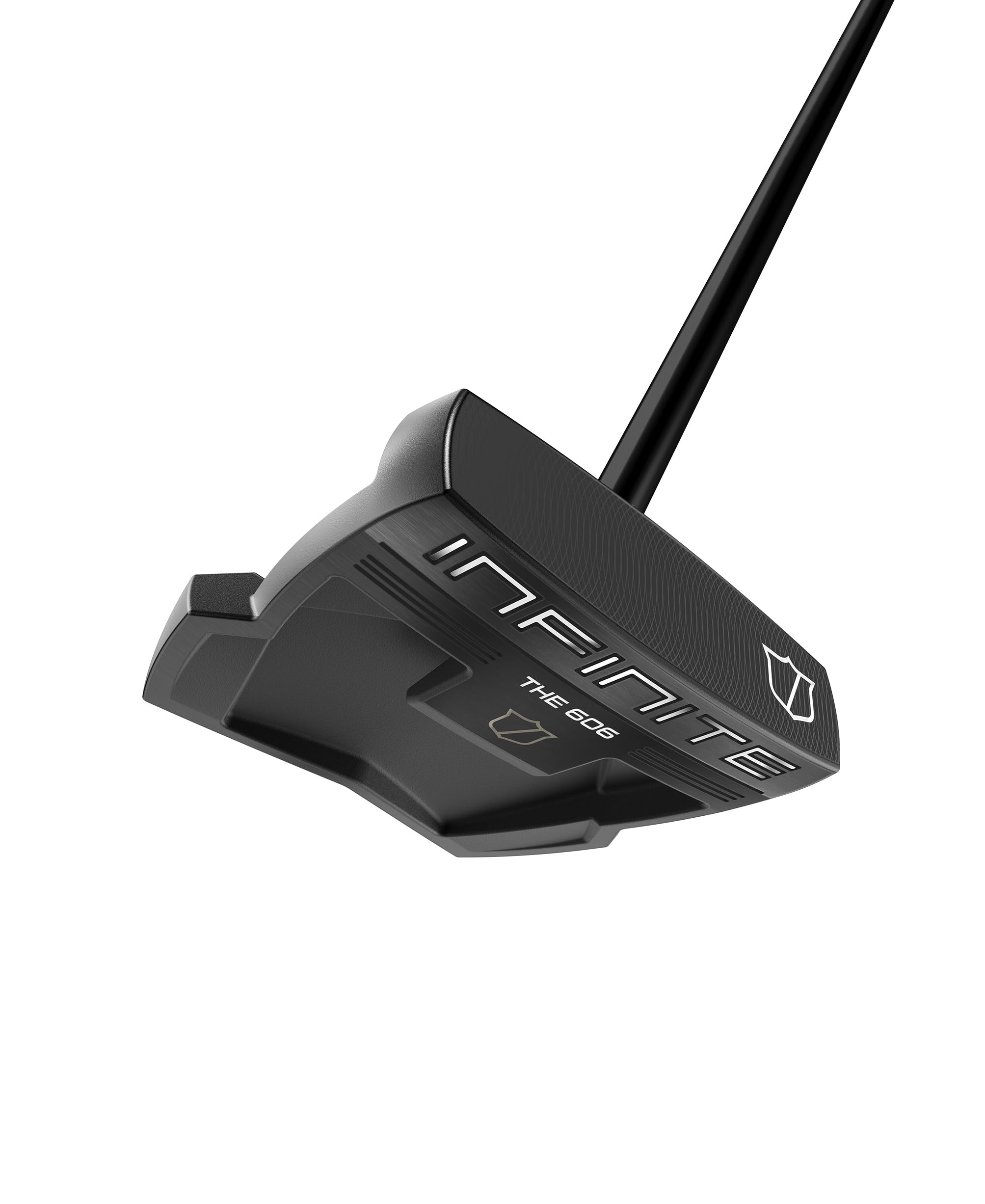
Zero-torque engineering that takes the arc out of your stroke for square contact.
This Wilson putter is built on Zero Torque Technology — the center of gravity is placed precisely under the central shaft axis to reduce torque and face rotation. That means your putter face stays square to the target longer through the stroke, which is exactly what a center shaft putter is supposed to do. The 2.5° loft is the lowest in this comparison, giving you a lower launching roll that suits firm, fast greens.
The double-milled face pattern ensures a consistent feel and roll no matter where you strike the ball, while the PVD anti-glare finish reduces distraction so you can focus on the ball as it falls into the hole. The MIM construction — metal injection molding — allows for meticulous mass placement in the head. Customers note it removes arc from their stroke and delivers their best putting performance in years.
The catch, as a few owners found, is that the threaded brass shaft insert can strip easily during re-gripping, so handle the shaft with care. The headcover’s Velcro also tends to fail within a few months. But for golfers with a straight stroke, the performance gains here are real and noticeable, making this a strong value pick over much pricier zero-torque models.
Performance-first design: Zero-torque tech plus a double-milled face delivers a soft, solid feel on the greens that buyers love.
Handle with care: The shaft threads and headcover need gentle treatment — re-gripping requires a vice to avoid stripping.
6. COOLO Low Torque Golf Putter
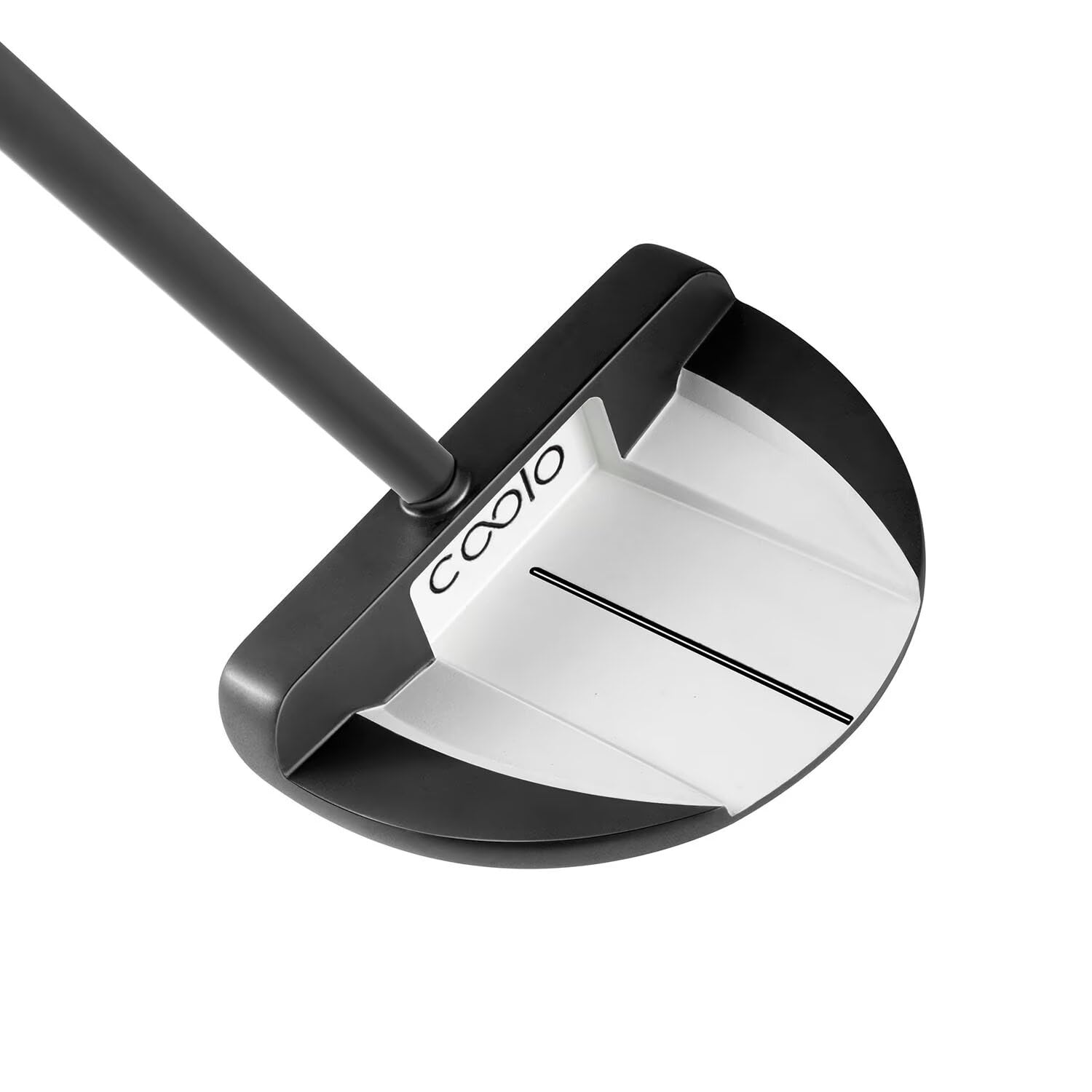
The budget blade with a 60-gram stainless steel shaft that shifts weight for better balance.
This COOLO putter uses a stainless steel shaft that weighs just 60 grams, redistributing weight into the head and butt end for nearly perfect balance. The lighter shaft lets the putter head move and rotate more freely, which is good for long putts where you rely on feel. The CNC-milled face adds “more grab” to the face, imparting spin and giving a softer feel at contact.
With a loft of 3 degrees, this blade-shaped putter sits between the PGM and Wilson in launch angle. The upper and lower alignment lines on the head give you a solid reference for eye position, and reviewers point out it “stays on line throughout the putting stroke.” The oversized pistol grip is soft without being too squishy, helping improve wrist alignment for arc-stroke players.
The balance and quality here are impressive for the price — buyers repeatedly call it great value compared to name brands. The main consideration is weight: at 0.54 kg, several buyers found it heavier than expected, which is either a feature or a drawback depending on your preference. The included headcover could also fit better, a minor cosmetic gripe.
Pick this if: you want a balanced, well-made blade putter at a budget-friendly price with a soft feel.
Think twice if: you prefer an ultra-light feel — this one runs on the heavier side, and the headcover is a loose fit.
Understanding the Specs
Loft (degrees)
Loft is the angle of the putter face relative to vertical. Center shaft putters typically range from 2.5° to 3.5° of loft. More loft helps get the ball rolling sooner on slower greens, while less loft suits firm, fast greens and produces a lower, more penetrating roll. Your stroke speed and typical course conditions should guide your choice.
Zero Torque vs. Face Balanced
Zero-torque putters place the center of gravity directly under the shaft axis, which minimizes twisting and keeps the face square through the stroke. Face-balanced putters — where the face points up when balanced on a finger — achieve a similar result for straight-back strokes. Both designs reduce face rotation on off-center hits, making them ideal for golfers who tend to push or pull putts.
MOI and Forgiveness
MOI — Moment of Inertia — measures a putter’s resistance to twisting on off-center strikes. High-MOI putters (often mallets with weight pushed to the perimeter) keep the face more stable on mishits, so the ball rolls closer to your intended line. Low-MOI blades are less forgiving but offer more feel and workability for skilled golfers.
Shaft Material and Weight
Shaft material changes how a putter feels and swings. Steel shafts are heavier and provide a firmer, more traditional feel. Graphite shafts are lighter, allowing the head to move more freely and reducing overall club weight. Lighter builds are often easier to control on long putts but can feel less stable for some golfers.
FAQ
Is a center shaft putter legal in tournament play?
What stroke type suits a center shaft putter best?
What is the difference between zero torque and face balanced?
How much loft should a center shaft putter have?
Will a center shaft putter help me stop 3-putting?
What length center shaft putter should I choose?
Why is a center shaft putter more expensive?
Can left-handed golfers use center shaft putters?
Do center shaft putters come with a headcover?
What is the difference between center shaft and face balanced?
Final Thoughts: The Verdict
For most straight-stroke golfers, the center shaft putters winner is the TaylorMade Spider ZT because its low-torque KBS shaft and high-MOI Spider construction deliver tour-level stability with a soft Pure Roll insert that owners consistently praise. If you want premium looks with adjustable weighting, grab the TaylorMade Spider X. And for the best value on a budget, the COOLO Low Torque is the one to reach for, delivering balanced feel and easy alignment at a fraction of the price.
How We Picked
We do not accept paid placement. Every pick is matched to a real buyer and a real use-case; we do not hands-on test units.
Sources & Methodology
Specifications: manufacturer listings and product documentation. Review insights: verified customer reviews, as of July 2026. Pricing: not shown on this page (it changes often); check the current price via the retailer link.
As an Amazon Associate, FitlyFast earns from qualifying purchases. This does not affect which products we feature.