
Our readers keep the lights on and the weekend projects moving. As an Amazon Associate, I earn from qualifying purchases.
Specs are compiled from manufacturer listings and verified buyer reviews and can change over time — please confirm the key details on the product page before buying.
Finding a pair of hiking shoes that won’t fall apart after a few rocky miles—without emptying your wallet—is the real challenge. The good news is that the budget tier has improved dramatically, and you can get genuine traction, cushioning, and waterproofing for less than you’d spend on a single night out. This guide cuts through the noise to focus on the nine pairs that actually deliver where it counts: grip on wet rock, comfort over long miles, and durability that surprises you.
I’m Rikta — the founder and writer behind FitlyFast. This guide is built by comparing the manufacturers’ published specifications and the patterns across verified customer reviews, so you get each pick’s real strengths and trade-offs instead of marketing spin.
You don’t need to spend a fortune to hike with confidence—these cheap hiking shoes focus on what actually matters: a grippy outsole (the rubber bottom that grips the trail) and a comfortable fit, not flashy branding.
Our Picks at a Glance


How To Choose The Best Cheap Hiking Shoes
Before you click “buy,” focus on three things that separate a great budget shoe from a painful one: the outsole’s grip, the midsole’s cushioning, and the fit through the toe box. Getting these right matters more than any logo on the side.
Outsole Traction: The Grip That Keeps You Safe
The rubber compound and tread lugs on the outsole are your only contact with the trail. Look for a deep, aggressive tread pattern with multi-directional lugs—these bite into loose dirt and grip wet rock. A flat, smooth sole might be fine for pavement, but it will leave you sliding on a muddy incline.
Fit and Toe Box: The Real Cause of Blisters
A narrow toe box causes pain and black toenails on downhill sections, regardless of cushioning. A roomier toe box lets many budget hikers wear shoes for hours without discomfort. Also, remember that your feet swell during a long hike, so a half-size up is often the right call—especially if a brand is known to run slightly small.
Cushioning and Support: The Difference Between Tired and Done
The midsole—the foam layer between the outsole and your foot—absorbs the shock of every step. A well-cushioned shoe with good arch support keeps feet fresh on a 10-mile day, while a thin, stiff sole transmits every rock into your heels. If a shoe feels good right from the start, that is a strong sign—you should never have to “break in” a painful pair.
Quick Comparison
| Model | Best For | Upper Material | Key Feature | Weight | Amazon |
|---|---|---|---|---|---|
| Amazon Essentials Waterproof Boot★ Best Overall | All-around value & wet trails | Waterproof | Memory foam insole | Light | Amazon |
| M-Tac Summer SneakersBest for Warm Weather | Hot weather & work use | Breathable mesh | Reinforced toe & heel | Very light | Amazon |
| NORTIV 8 Lightweight BootsBest Value | Water resistance & comfort | Waterproof | Cushioned sole | Lightweight | Amazon |
| CAMELSPORTS Hiking Shoes | Rocky terrain & toe protection | Breathable mesh | Protective toe cap | Lightweight | Amazon |
| Columbia Novo Trail | Women’s comfort & daily wear | Water & stain resistant | Foam heel cushioning | Lightweight | Amazon |
| adidas Terrex Eastrail 3 | Men’s all-day hiking | Sturdy construction | Quick-drying build | Lightweight | Amazon |
| adidas Terrex Anylander | Women’s sturdy support | Reinforced upper | Traxion outsole | Lightweight | Amazon |
| Columbia Vertisol Trail | All-terrain versatility | Durable build | OMNI-MAX cushioning | Lightweight | Amazon |
| Merrell Accentor 3 | Strong arch support | Suede & mesh | Grippy rubber sole | Standard | Amazon |
In‑Depth Reviews
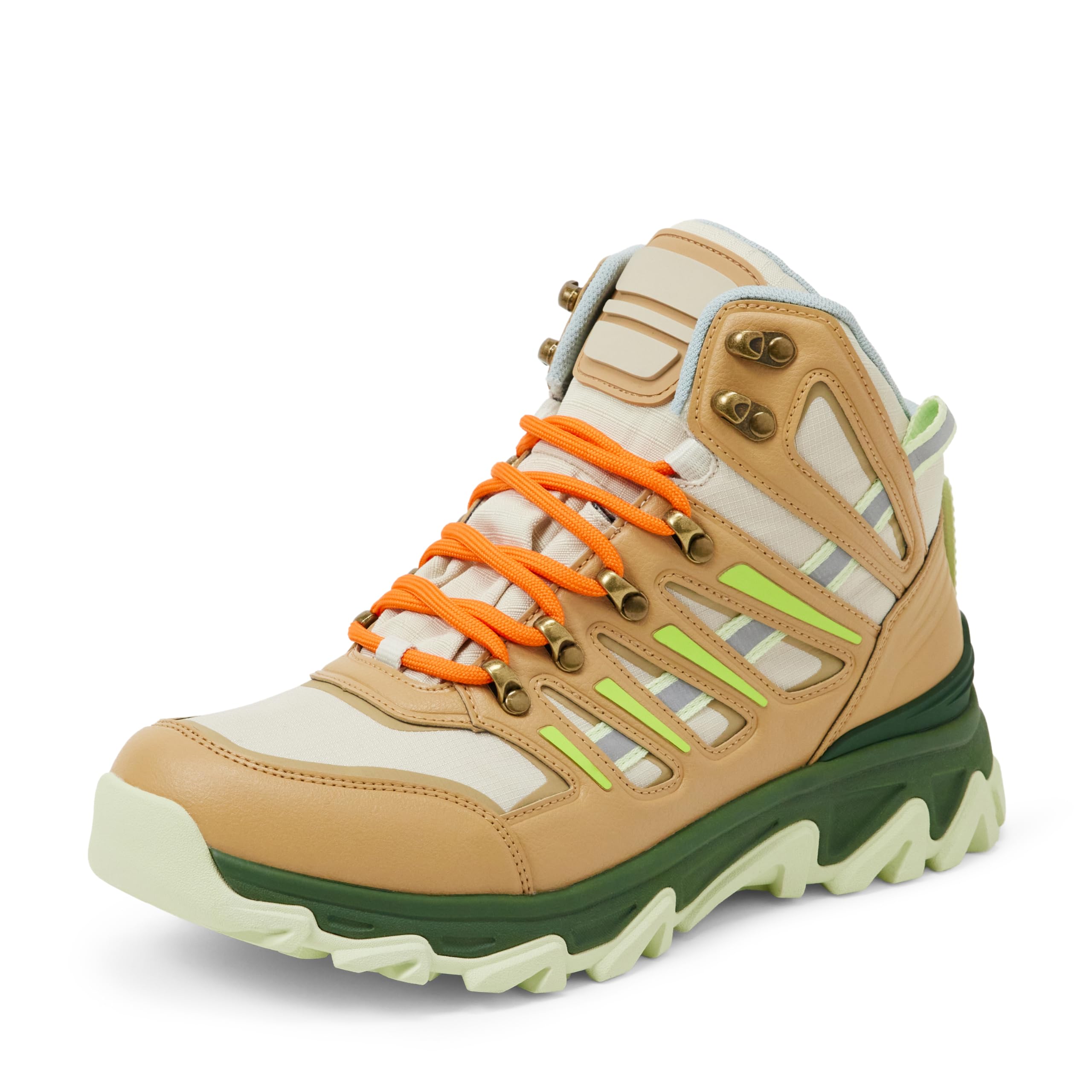
1. Amazon Essentials Men’s Waterproof Hiking Boot
The budget boot that punches far above its weight class for wet and muddy trails.
What wins people over here is the build quality—it is the single most-praised trait, with well over twenty owners flagging it in reviews. The waterproof upper keeps your feet dry on damp grass and light rain, and the memory foam insole (a foam that molds to the shape of your foot) delivers comfort that feels like a much pricier shoe. Buyers report these boots fit perfectly for wide feet, with one hiker noting they’ve worn them on several trips and they’re “wearing excellent.”
The flat tread pattern on the bottom is designed for walking and standing, making these a solid choice for steady trails and everyday wear rather than aggressive scrambling. One size-9.5 owner found sizing up to a 10 was the right call for a comfortable fit, which is a common trick with hiking footwear. At this price point, the waterproofing and memory foam combo is hard to argue with.
There is a recurring gripe about the toe box being stiff for some, and an occasional report of a lace loop breaking, so treat the laces gently. If you have a wider foot or want a shoe that handles wet conditions without soaking through, this is the one to beat.
What Owners Rave About
- Genuine waterproofing that keeps feet dry in damp conditions
- Memory foam insole molds for all-day comfort
- Flat, sturdy tread ideal for walking and standing
The Trade-offs
- Stiff toe box can be uncomfortable for some foot shapes
- Runs slightly large for some, so sizing up may be needed
- A few owners mention lace loops wearing out
Reach for these if: you want a waterproof boot with plush comfort for everyday trails and wet weather, without the premium price tag.
Think twice if: you have a sensitive toe joint or need a shoe for scorching-hot summer hikes, as the toe box runs stiff and the upper runs warm.
2. M-Tac Summer Sneakers for Men
A featherlight mesh sneaker that survives brutal daily wear and keeps your feet cool.
The breathable mesh upper (a fabric that lets air flow through) is the defining feature here, making these the pick for hot weather, long walks, and active daily use. Quality is what owners praise most—nearly seventy buyers call it out—followed closely by comfort. One long-term owner reports these held up through months of 10-to-12-hour daily use, with the tread holding well and the reinforced toe and heel areas shrugging off abuse.
The EVA sole (a lightweight foam used in the midsole) keeps the sneakers feeling featherlight, so you can wear them all day without that heavy, clunky sensation. They’re designed for walking, light hiking, travel, and training, making them more versatile than a dedicated trail shoe. Unlike the bulkier Amazon Essentials boot above, these slip on easily and breathe far better in the summer heat.
The honest trade-off is that the design looks budget-friendly, and some owners find the comfort “ok” rather than plush, with a few recommending an insert for extra support. One active buyer reported foot and knee pain after long range sessions, so this is not the pick for heavy backpacking loads. For everyday trails, work, and warm-weather walks, the value is outstanding.
Why it wins: The mesh-and-EVA combo delivers exceptional airflow and light weight, and the durable build holds up to punishing daily schedules.
The catch: The cushioning is basic, not plush—buyers with high arches or long-distance needs should plan on adding an insole.
3. NORTIV 8 Men’s Lightweight Breathable Hiking Boots
The crowd-pleasing boot that’s comfortable straight from the start, no painful break-in required.
You can wear these boots for 8-hour days right from the start—no break-in period needed, according to buyers. Nearly ninety owners praise the build quality, and over seventy mention comfort, with one calling them “very comfortable from the start.” The cushioned sole and roomy toe box (the front area where your toes sit) make them a strong pick for all-day wear.
Buyers also highlight the water-resistant design, which has handled rain, slush, and even Via Ferrata climbs (a protected climbing route with steel cables) without issue. The grey colorway resists dirt well, and the grip is solid on a variety of surfaces. One owner noted they’re great value at their price, especially versus name-brand competitors.
The sizing is the main challenge—reports are split. Some say true to size, but others warn they run very big, with one size-13 owner dropping all the way to an 11 for the right fit. The stock insoles are also on the thin side, so swapping in custom ones is a common upgrade. Order with a flexible return policy in mind.
Why It’s a Crowd Favorite
- Zero break-in period—comfortable from the first wear
- Genuine water resistance for rain and slush
- Roomier toe box for longer toes
Where to Be Careful
- Fit is inconsistent—some buyers need to go down two sizes
- Stock insoles are thin; many upgrade them
- Laces run long and hooks are a minor annoyance
4. CAMELSPORTS Hiking Shoes Men Lightweight
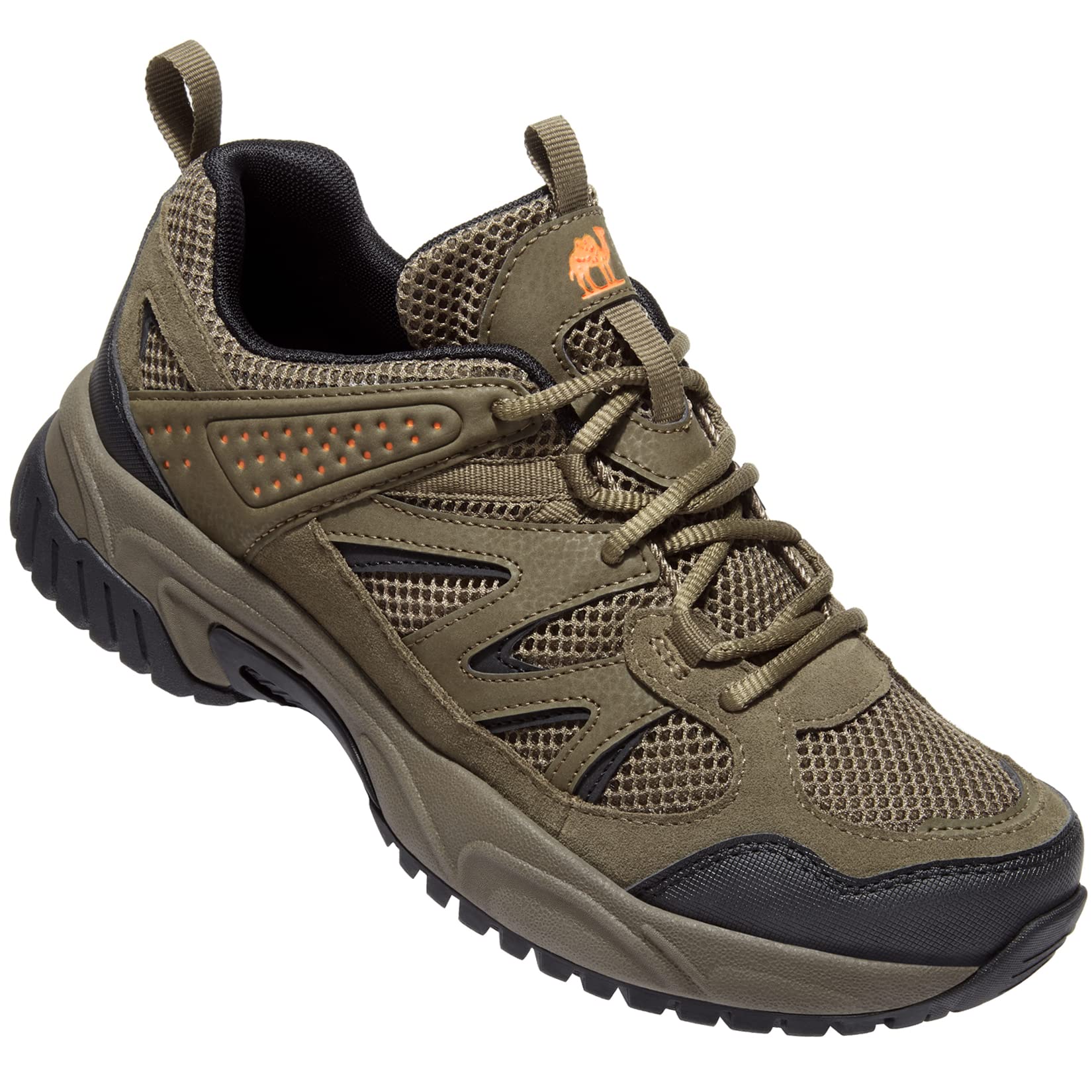
A grippy, lightweight sneaker with a reinforced toe that shrugs off kicked rocks.
The defining feature is the protective toe cap (a reinforced structure over the front of the shoe) that prevents toe injuries when you accidentally kick a rock or hard object. This makes it ideal for rocky trails and scrambling where a misstep is common. Customers note the grip is “amazing,” with one hiker using them at Yosemite with “no pain, no issues at all after hours of hiking.”
The three-layer RB+MD sole (a combination of rubber and phylon foam) enhances cushioning and wear resistance while providing arch support. The deep outsole lugs improve anti-slipping ability on uneven ground. One owner even took these on a trek to the Valley of Flowers in the Himalayas at 13,200 feet, reporting they “served flawlessly.” That’s a serious endorsement for a budget shoe.
The main caution is sizing—a meaningful number of reviewers point out these run small, so ordering a half-size up is the safest bet. Durability and arch support get mixed reviews, with one owner noting the sole wears faster on the inside heel. If you want a nimble, low-top sneaker for day hikes and rocky paths, this delivers.
Built for impact: The reinforced toe cap and deep outsole lugs make this the pick for boulder fields and root-strewn trails where foot protection matters.
Watch the fit: These run small for many buyers—size up to avoid a snug, uncomfortable squeeze.
5. Columbia Novo Trail™
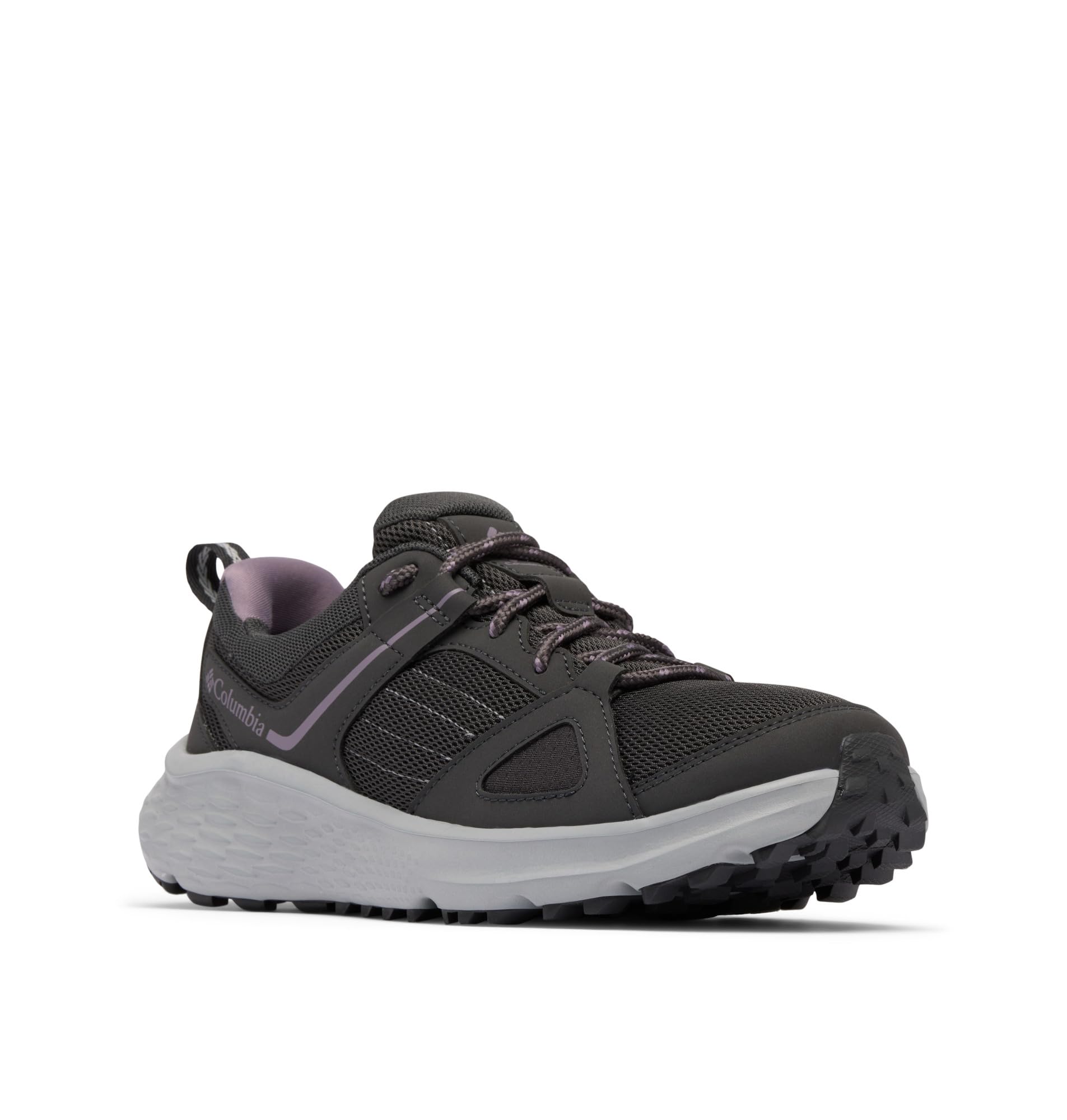
A performance sneaker for women that’s comfortable right from the start, no break-in required.
Comfort is the runaway star here—over one hundred owners single it out, making it the most-talked-about feature in the reviews. The shoe is designed specifically for women’s feet, with foam engineering in the heel that hugs your foot and a curved toe box that gives toes room to move. A regular 7.5 is reportedly plenty roomy for most, and shoppers say they “never feel like they’re going to slip.”
The water-and-stain resistant upper adds practical protection for damp mornings, and the cushioning system provides enhanced impact absorption. The aggressive tread adapts from rock scrambling to slick trails, with one buyer reporting a 4-mile rainy hike with “minor slip on wet cement” at worst. They’re lightweight enough for daily wear yet sturdy for off-road walking.
Durability gets mixed feedback—some say they hold up very well, while others found the outer sole wears faster than expected. They also run a touch warm in 90°F heat, so they’re best for fall and spring. For women who want a cute, cushioned shoe that works from the trail to the street, this is a top contender.
What Wins Owners Over
- Plush comfort with zero break-in period
- Wide, roomy toe box for toe movement
- Water and stain resistant upper for damp trails
The Honest Caveats
- Outer sole wears faster than the rest of the shoe
- Runs warm in sweltering summer heat
- Traction can slip slightly on wet cement
6. adidas Men’s Terrex Eastrail 3
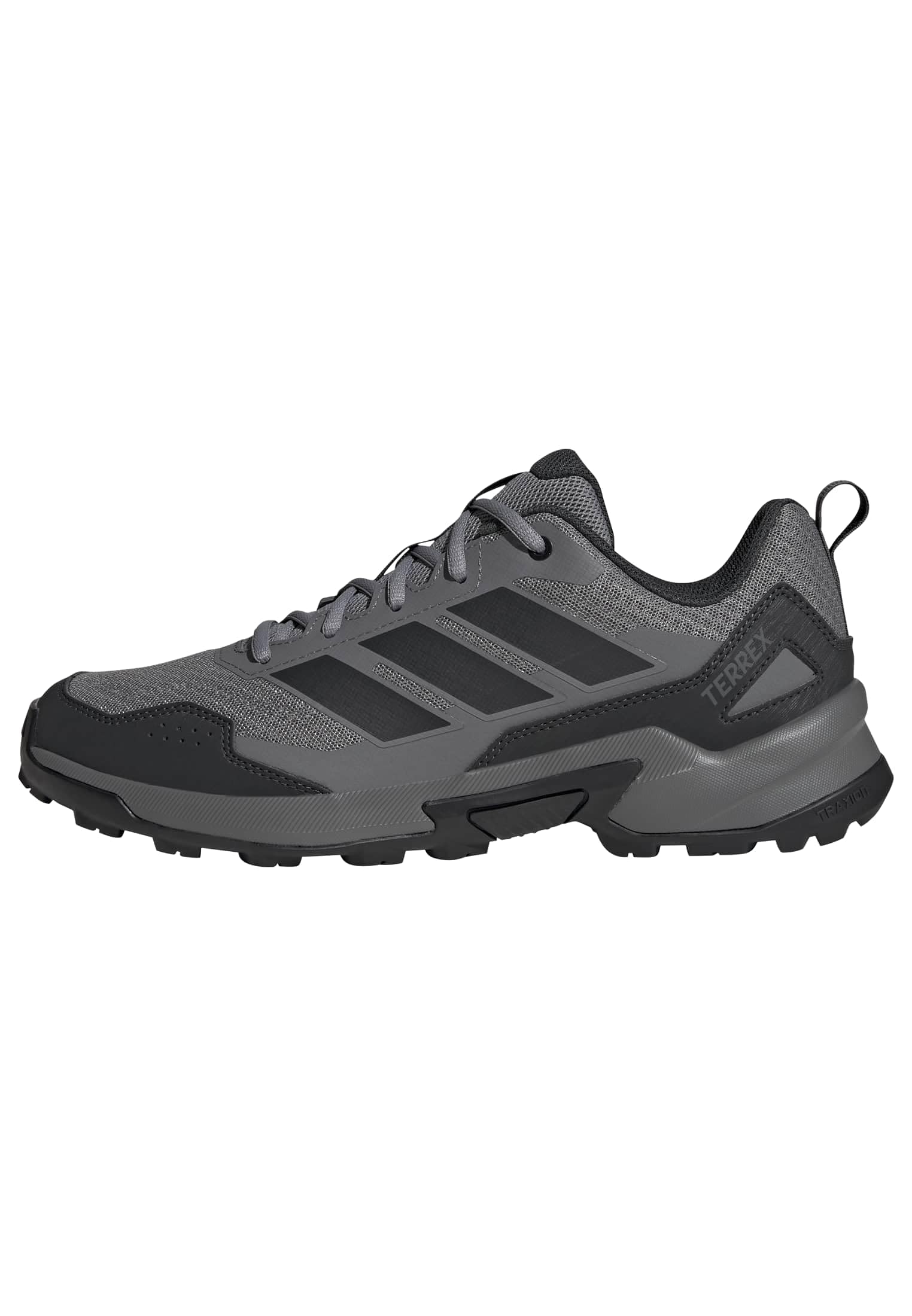
A quick-drying trail sneaker that’s sturdy enough to double as your everyday shoe.
The Terrex Eastrail 3 stands out for its quick-drying build and sturdy construction—qualities that matter when you hit inclement weather on the trail. Buyers report they dry out quickly after wet hikes, and while they’re not waterproof, that’s a fair trade for a shoe that doesn’t stay soggy all day. Comfort and quality are the most-praised aspects, each with fourteen mentions.
Owners mention these fit well in larger sizes and stay comfortable all day. One owner called them sturdy and well-built, with good traction (grip on the ground) that left them feeling like they “didn’t feel like I would slip.” The lightweight feel makes them easy to wear for hours, and several owners admit they’ve become their everyday shoes, not just trail kicks.
The main drawback: they run slightly snug on the sides, especially for flat-footed wearers, and may need a brief break-in. Some larger-size buyers found them a bit loose, so fit varies by foot shape. If you’re a man who wants a dependable, quick-drying trail shoe that also works for daily wear, this is a strong value—but skip it if you have wide feet and need room from the start.
Built for wet days: The quick-drying upper means you won’t be stuck in squelching shoes after a stream crossing or rain shower.
Fit varies: Snug on the sides for some, loose for others—know your foot shape before ordering.
7. adidas Women’s Terrex Anylander Hiking Shoes
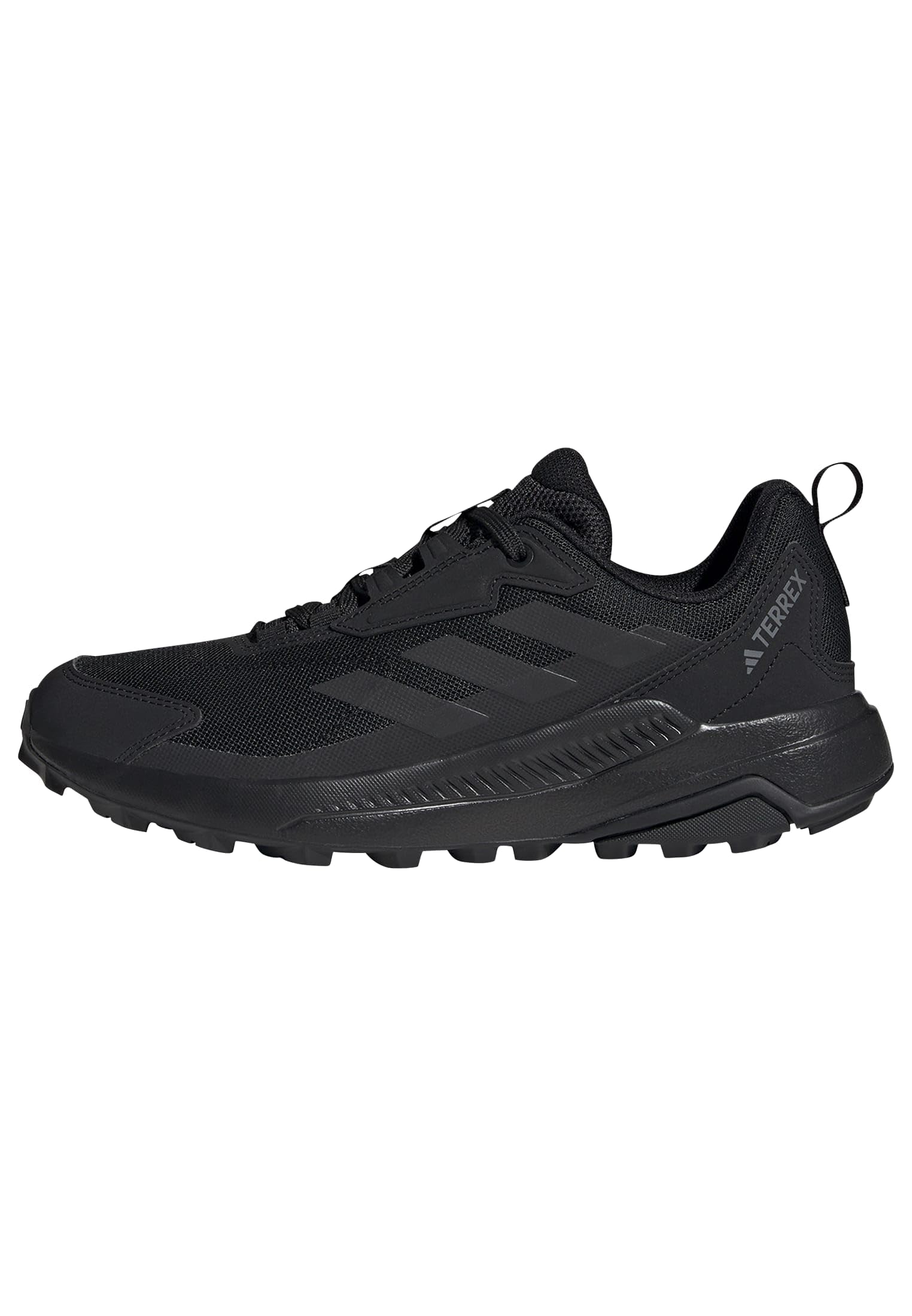
A reinforced trail shoe that tackles tough terrain without weighing you down.
Quality leads the feedback here, with over fifty owners praising the build, and comfort is a close second. The reinforced upper (a tougher fabric layer over the shoe) is built specifically for durability over rough ground. The Traxion outsole (adidas’s grip-enhancing tread pattern) improve traction, while the EVA midsole keeps things lightweight underfoot.
Customers note these hold up through full-day hikes with no pain, and one owner wears them at work walking 5-plus miles a day. No break-in time is needed—a buyer took them straight from the box on an uphill hiking trip and found them “very very sturdy.” The wide toe box (the front area where your toes sit) is a plus for many, and the arch support gets positive mentions.
The recurring note is that these run wide, with some buyers needing to size down for a secure fit. An occasional unit arrives used rather than new, so inspect on arrival. For women who want a sturdy, supportive shoe that handles work and trail alike, this is a dependable choice.
Why It Holds Up
- Reinforced upper survives tough terrain and daily wear
- No break-in period—sturdy from the first hike
- Wide toe box accommodates orthotics
Consider This
- Runs wide—many owners size down
- A few deliveries arrive as used pairs
8. Columbia Vertisol Trail™
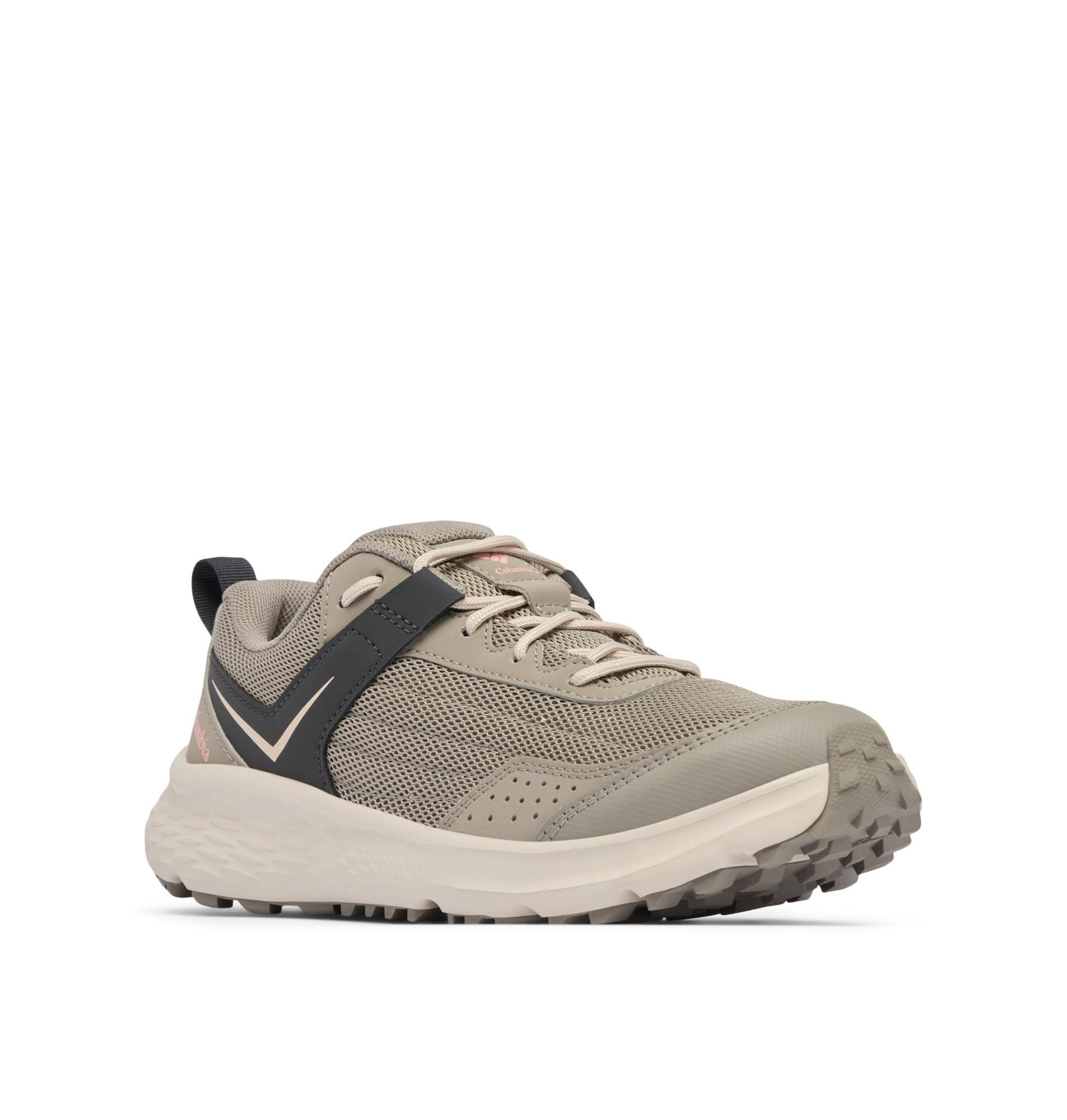
A do-it-all trail shoe that’s comfortable all day and grippy on any surface.
Comfort dominates the conversation here, with over 150 owners calling it out—the single highest comfort count in this lineup. The OMNI-MAX cushioning system delivers superior comfort, stability, and rebound for hours of wear. Durability also rates highly, with 51 owners praising how the shoes hold up through harsh conditions.
The traction rubber sole keeps you sure-footed on paved roads, dirt paths, caves, and slippery slopes. No break-in period is needed, and the roomy toe box accommodates wide feet while still allowing narrow-footed buyers to cinch the laces snugly. One owner reported these eliminated their Achilles pain, calling them a “holy grail.”
These are more of a versatile trail runner (a shoe for running on dirt paths) than a heavy-duty hiker, so they won’t offer the ankle support of a boot. If you want one shoe that moves smoothly from a summer outdoor job to a weekend mountain hike, this is arguably the most versatile pick here—but pass on it if you need ankle support on rocky terrain.
Comfort king: The OMNI-MAX cushioning is the standout feature, delivering all-day comfort that owners consistently rave about.
Not a boot: This is a low-top trail shoe—it’s not for you if you need serious ankle support for heavy loads.
9. Merrell Women’s Accentor 3 Hiking Shoes
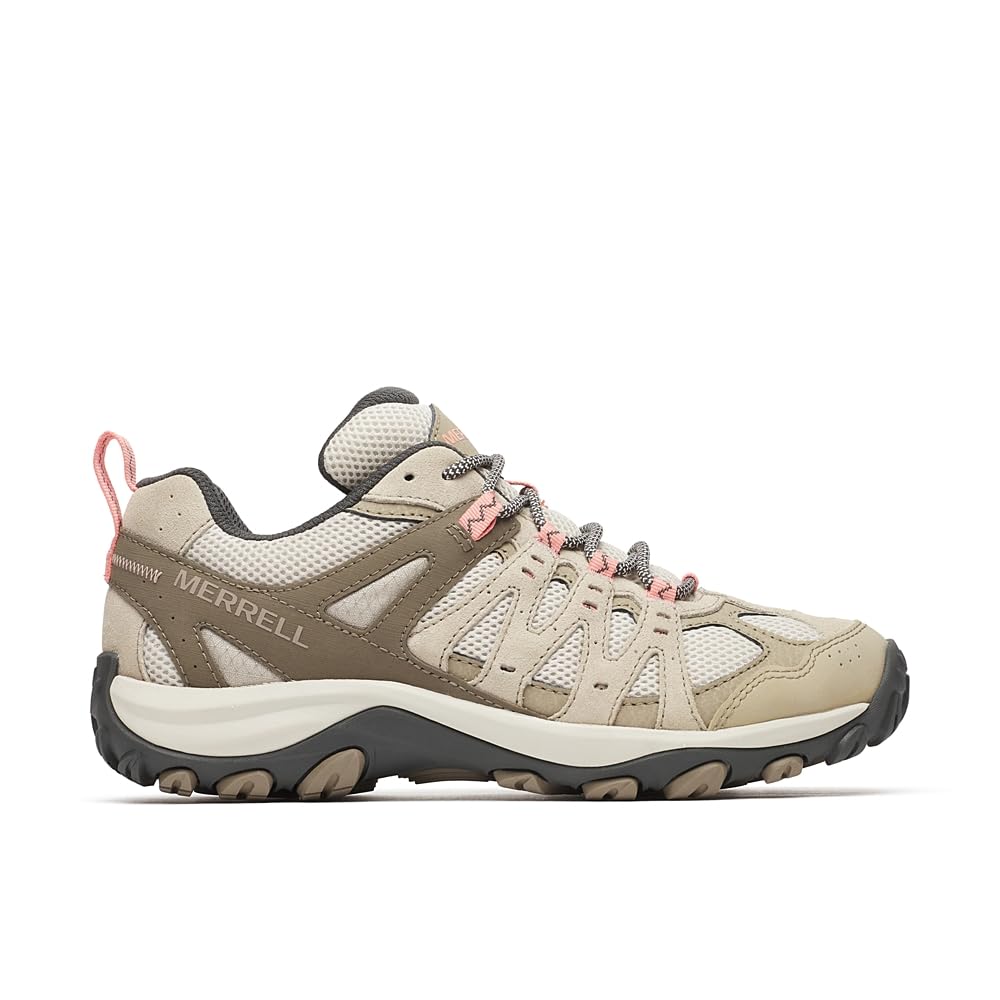
A suede-and-mesh hiker with strong arch support that cradles your foot all day.
The suede-and-mesh upper (a combination of durable leather-like material and breathable fabric) cradles your foot for all-day comfort, while the grippy rubber sole provides stable footing. Quality is the most-praised aspect, with 56 owners commending the build, and strong arch support is a standout feature—17 buyers specifically mention it. One owner wore these on a Grand Canyon hike with zero problems, calling them “comfortable and easy to get on and off.”
These shoes are flexible enough for gym use on a treadmill or bike, yet firm enough for walking parks and fields. Reviewers point out they can walk long distances without issues, with one noting they’re effective on specific trails like Pike’s Peak and Garden of the Gods. The wide toe box and good instep support make them a comfortable fit for many foot shapes.
The main caveat is that they are not truly waterproof despite some listings suggesting otherwise—one owner took them to an archaeological field school in Ireland and found that out the hard way. Sizing runs a bit small for some, so sizing up is a common recommendation. For strong arch support and versatile comfort, this is a solid premium pick.
Support first: The standout arch support and cushioned footbed make this ideal for all-day hikes and long standing sessions.
Not for wet trails: Despite the suede upper, shoppers say these are not truly waterproof—keep them for dry days.
Understanding the Specs
Outsole Traction
The outsole is the rubber bottom of the shoe, and its tread pattern—the lugs and grooves—determines how well you grip the ground. Deep, multi-directional lugs bite into loose dirt and shed mud, while a flatter pattern suits pavement and smooth trails. The rubber compound also matters: softer rubber grips better on wet rock but wears faster; harder rubber lasts longer but slides more on slick surfaces.
Midsole Cushioning
The midsole is the foam layer between the outsole and your foot, and it absorbs the shock of every step. EVA (ethylene-vinyl acetate) is a lightweight foam used in most budget shoes, offering a good balance of cushion and weight. Some shoes use a three-layer RB+MD design (rubber plus phylon foam) for enhanced cushioning and wear resistance. A well-cushioned midsole prevents foot fatigue on long descents.
Upper Material
The upper is everything above the sole. Mesh uppers are breathable and lightweight, ideal for warm weather, but offer less protection and water resistance. Suede, leather, or reinforced uppers provide more durability and structure but run warmer and heavier. Waterproof uppers keep feet dry in rain and streams but can trap heat and sweat on hot days. A water-resistant upper repels light moisture while staying more breathable than fully waterproof.
Toe Box Width
The toe box is the front section of the shoe that houses your toes. A roomy toe box allows your toes to splay naturally, which prevents blisters, black toenails, and pain on downhill sections. Many budget hikers find that a wider toe box means they can wear shoes for hours without discomfort. If you have wide feet or a longer second toe, look for shoes that specifically mention a wider fit.
FAQ
Do cheap hiking shoes need a break-in period?
How much should I spend on my first pair of hiking shoes?
Are waterproof hiking shoes worth it, or should I get breathable mesh?
Do cheap hiking shoes run true to size?
What is the difference between a hiking shoe and a hiking boot?
How long do budget hiking shoes typically last?
Can I use running shoes for hiking instead?
What should I look for if I have wide feet?
Are expensive hiking shoes always better than cheap ones?
How do I make my cheap hiking shoes last longer?
Final Thoughts: The Verdict
For most hikers, the cheap hiking shoes winner is the Amazon Essentials Waterproof Boot because it combines genuine waterproofing and a memory foam insole at an entry-level price that’s tough to top. If you hike in hot weather and want a breathable, featherlight option, grab the M-Tac Summer Sneakers instead. And for the most versatile pick that transitions from an outdoor job to a mountain trail, the Columbia Vertisol Trail is the one to reach for.
How We Picked
We do not accept paid placement. Every pick is matched to a real buyer and a real use-case; we do not hands-on test units.
Sources & Methodology
Specifications: manufacturer listings and product documentation. Review insights: verified customer reviews, as of August 2026. Pricing: not shown on this page (it changes often); check the current price via the retailer link.
As an Amazon Associate, FitlyFast earns from qualifying purchases. This does not affect which products we feature.