
Our readers keep the lights on and the weekend projects moving. As an Amazon Associate, I earn from qualifying purchases.
Stepping up from a smartphone or a point-and-shoot to a real interchangeable-lens camera feels like unlocking a new creative universe. That’s where the carefully curated selection of affordable mirrorless models comes in, offering a massive leap in image quality, control, and versatility without the financial sting.
I’m Rikta — the co-founder and writer behind FitlyFast. I’ve spent hundreds of hours dissecting sensor specs, autofocus systems, and real-world user feedback to separate the genuine bargains from the compromises in this value-driven corner of the market.
Whether you’re a budding vlogger, a travel enthusiast, or a parent wanting better photos of the kids, finding the right entry point can be tricky. This guide cuts through the noise to help you choose the perfect cheap mirrorless camera for your creative journey.
How To Choose The Best Cheap Mirrorless Camera
Buying a budget mirrorless camera is a balancing act between sensor size, lens availability, and features like stabilization or video capability. Knowing which compromises matter to your style of shooting is the first step to a satisfying purchase.
Sensor Size: The Foundation of Image Quality
The most important spec is the sensor. Larger sensors capture more light, giving you better low-light performance, more background blur (bokeh), and higher dynamic range. In this price range, you’ll primarily find APS-C sensors (used by Canon, Nikon, Sony, and Fujifilm) and Micro Four Thirds sensors (used by Panasonic and OM SYSTEM). APS-C is generally larger and offers a slight edge in light gathering, but Micro Four Thirds bodies and lenses are often smaller, lighter, and more affordable.
Image Stabilization: Your Safety Net
Shaky hands are the enemy of sharp images. In-body image stabilization (IBIS) physically moves the sensor to counteract your movement, which allows you to shoot at slower shutter speeds without blur. This is a massive benefit for low-light photography and for smooth handheld video. Some cameras rely solely on lens-based stabilization (OIS), but IBIS works with any lens you mount, making it a highly valuable feature.
Autofocus: Speed and Intelligence
A camera’s autofocus system determines how quickly and accurately it locks onto a subject. Look for models with phase-detection autofocus (PDAF), which is much faster than contrast detection alone. The number of autofocus points matters, but the real game-changer is subject-detection technology—eye tracking for people and animals. This makes it incredibly easy to keep moving subjects sharp, even if you are a beginner.
Quick Comparison
On smaller screens, swipe sideways to see the full table.
| Model | Category | Best For | Key Spec | Amazon |
|---|---|---|---|---|
| Panasonic G85 | Mid-Range | Stabilized 4K Video | 5-Axis IBIS | Amazon |
| Canon EOS R100 | Mid-Range | Beginner Simplicity | 24.1MP APS-C | Amazon |
| Nikon Z 30 | Mid-Range | Vlogging & Streaming | Eye-Tracking AF | Amazon |
| Sony ZV-E10 | Mid-Range | Content Creators | 425 Phase-Detect AF | Amazon |
| OM SYSTEM E-M10 IV | Premium | Compact Travel | 20MP + 5-Axis IBIS | Amazon |
| Panasonic G100 | Mid-Range | Vlogging Audio | 360° Mic Tracking | Amazon |
| Nikon Z50 II (Kit) | Premium | Dual Lens Flexibility | 20.9MP + 2 Lenses | Amazon |
| OM SYSTEM OM-5 | Premium | Weather-Sealed Travel | Weather-Sealed Body | Amazon |
| Sony a7 III | Premium | Full-Frame Entry | 24.2MP Full-Frame | Amazon |
| Fujifilm X-E5 | Premium | Film Sims & Style | 40.2MP X-Trans 5 HR | Amazon |
| Canon Rebel T7 | Budget | Budget DSLR Entry | 24.1MP APS-C | Amazon |
In‑Depth Reviews
1. Panasonic LUMIX G85

The Panasonic G85 remains a benchmark in the budget segment because it packs class-leading in-body image stabilization (IBIS) into a rugged, weather-sealed body. The 16-megapixel Micro Four Thirds sensor lacks a low-pass filter, which yields a noticeable bump in fine-detail resolving power. When paired with the included 12-60mm Power O.I.S. lens, you get dual stabilization that makes handheld long exposures and smooth 4K video fully practical.
The ergonomics are excellent, with a deep grip and intuitive control layout that makes shooting for hours a pleasure. The 2.36M-dot OLED viewfinder is clear and responsive, and the articulating touchscreen is perfect for waist-level or overhead shots. Autofocus is reliable in good light, though it can hunt in dim conditions.
For video shooters, the G85 offers unlimited 4K recording, clean HDMI output, and a microphone jack. The 4K Photo and Post Focus features are genuinely useful gimmicks that let you pull stills from video or change focus points after the shot. This camera represents the sweet spot of value, durability, and performance.
Why it’s great
- Excellent 5-axis IBIS for stills and video
- Weather-sealed magnesium alloy body
- Intuitive ergonomics and clear EVF
Good to know
- Autofocus can be sluggish in low light
- Battery life is average for the class
2. OM SYSTEM E-M10 Mark IV

The OM SYSTEM (formerly Olympus) E-M10 Mark IV is a beautifully retro-styled camera that prioritizes portability without sacrificing capability. Its 20-megapixel Micro Four Thirds sensor delivers sharp, vibrant images, and the 5-axis in-body stabilization rated for 4.5 stops means you can get sharp shots at shutter speeds that would be impossible on most rivals. The flip-down monitor enables a dedicated selfie mode for vloggers.
The camera body is compact and lightweight, making it easy to slip into a jacket pocket with the collapsible 14-42mm EZ pancake lens. The built-in flash and 16 Art Filters (including a nostalgic Instant Film mode) add creative flexibility straight out of the camera. The OI Share smartphone app is slow but functional for wireless transfers.
This camera is ideal for travelers and family photographers who want excellent image quality without carrying a heavy kit. The 4K video is solid, and the stabilization makes handheld clips look surprisingly polished. The main trade-off is the contrast-detection autofocus, which is slower than phase-detection systems, but it is perfectly adequate for still subjects and most everyday shooting.
Why it’s great
- Incredibly compact and lightweight
- Effective 5-axis in-body stabilization
- Dedicated selfie mode for vlogging
Good to know
- Contrast-detect AF is not ideal for fast action
- Backup battery recommended for all-day shoots
3. Canon EOS R100

The Canon EOS R100 is the smallest and lightest body in the EOS R series, and it serves as a fantastic entry point into the Canon RF ecosystem. The 24.1-megapixel APS-C sensor paired with the DIGIC 8 processor delivers excellent image quality with natural color science and good dynamic range. The Dual Pixel CMOS AF provides 143 zones with human face and eye detection, which is very reliable for portraits and casual shots.
This camera is very beginner-friendly, with a straightforward GUI and guided shooting modes. The 4K video is capped at 24fps, but it still produces detailed footage, and you can shoot 120fps in HD for slow-motion effects. The continuous shooting speed of 6.5fps is decent for capturing family moments and pets.
The R100’s strength is its simplicity and the future-proof RF mount. The kit lens is a versatile 18-45mm zoom with optical stabilization. Keep in mind that the camera lacks a fully articulating touchscreen and only has a single control dial, but these are reasonable compromises at this price point for someone taking their first step into mirrorless photography.
Why it’s great
- Excellent image quality from 24.1MP APS-C sensor
- Reliable Dual Pixel CMOS AF with eye detection
- Compact, lightweight, and easy to use
Good to know
- 4K video limited to 24fps
- Basic control layout with single command dial
4. Nikon Z 30

Designed from the ground up for vloggers and content creators, the Nikon Z 30 is a purpose-built camera that prioritizes video features. The 20.9-megapixel APS-C sensor is a solid performer, and the 209-point hybrid autofocus system with eye tracking for people and pets is fast and sticky. The flip-out touchscreen selfie monitor is bright and clear, making it easy to frame your shots.
A standout feature is its seamless plug-and-play webcam operation over USB-C, making it a fantastic choice for streaming and Zoom calls. It also supports 4K 30p with no recording time limit, so you can capture long interviews or lectures without interruption. The built-in stereo microphone has adjustable sensitivity, and there is a red REC light to assure you the camera is rolling.
The kit includes the NIKKOR Z DX 16-50mm VR lens, which is sharp and stabilized. The lack of an electronic viewfinder might disappoint some photographers, but the large rear screen compensates for framing. Battery life is fine for a camera this size, and the ergonomics are excellent. This is the best option if video content is your primary focus.
Why it’s great
- Designed for vlogging with flip-out screen
- Unlimited 4K 30p recording
- Easy USB-C streaming and webcam use
Good to know
- No built-in viewfinder
- Relies on electronic VR for stabilization
5. Sony Alpha ZV-E10
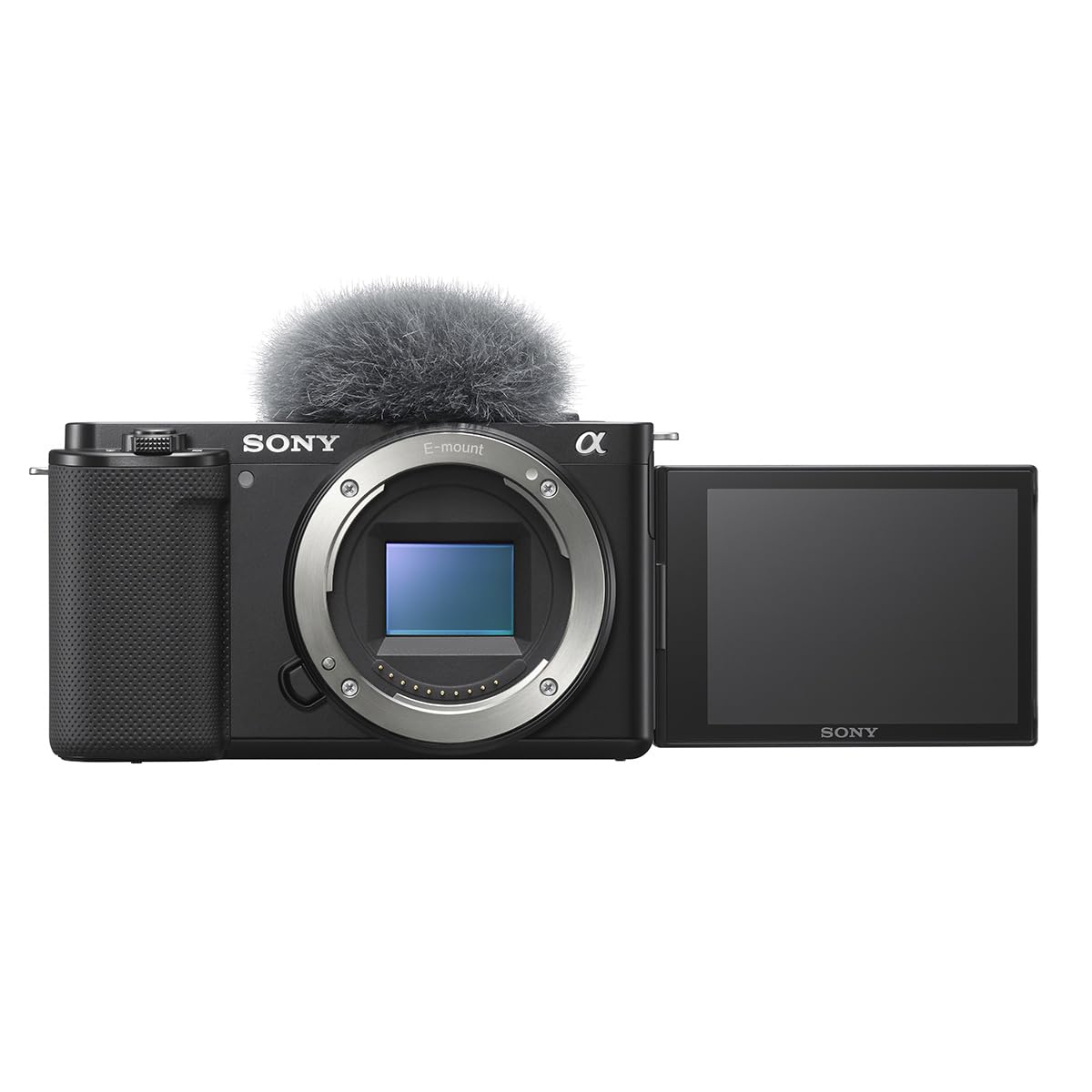
The Sony ZV-E10 is an APS-C powerhouse that borrows its 24.2-megapixel sensor from the highly respected a6400, meaning it delivers sharp, detailed images with excellent dynamic range. The 425 phase-detection autofocus points cover a vast area, and the Real-time Eye Tracking for humans and animals is nearly flawless, making it incredibly easy to keep the subject in focus.
It is built for content creation with features like the Product Showcase Setting, which transitions autofocus from the presenter’s face to an object held up to the camera. The Background Defocus button instantly blurs or sharpens the background, and the built-in directional microphone picks up clear audio. It also outputs 4K oversampled from 6K, resulting in very detailed footage.
The biggest caveat is the lack of in-body image stabilization; you will need stabilized E-mount lenses for smooth handheld video. The battery life is mediocre for video, and the menu system is famously dense. However, if you prioritize autofocus speed and sensor performance, the ZV-E10 is a top-tier tool for a very reasonable price.
Why it’s great
- Excellent 24.2MP APS-C sensor with great dynamic range
- Industry-leading autofocus with Real-time Eye Tracking
- Versatile content creation features
Good to know
- No in-body image stabilization
- Menu system is complex for beginners
6. Panasonic LUMIX G100

The Panasonic G100 is a featherlight Micro Four Thirds camera that stands out for its advanced audio system. It features a high-performance microphone with tracking that auto-adjusts to record sound clearly from all directions, making it an excellent choice for one-on-one interviews and casual voguing. The camera is compact enough for one-handed operation.
It shoots 4K 24p and 30p video and offers features like V-Log L for color grading. The iA (intelligent Auto) mode makes it simple for beginners to capture great shots, while full manual controls allow for growth. It also functions as a high-quality webcam over USB, and the frame marker helps you compose for different social media aspect ratios.
Image quality from the 16-megapixel sensor is good with characteristic Panasonic color tones. The major drawback is a very limited 4K video recording time (it stops at a modest maximum, which may be a problem for long events). For short clips, interviews, and social media content, the G100 is an affordable and capable tool with exceptional audio for its class.
Why it’s great
- Excellent built-in tracking microphone
- Compact and lightweight for one-handed use
- Good image quality with V-Log L support
Good to know
- 4K recording time heavily restricted
- No phase-detection autofocus
7. Nikon Z50 II with Two Lenses

The Nikon Z50 II is a significant step up, offering a sophisticated 20.9-megapixel APS-C sensor in a compact, travel-friendly package. This kit is exceptional because it includes both a 16-50mm VR standard zoom and a 50-250mm VR telephoto zoom, giving you an incredible range from wide-angle landscapes to distant wildlife. The 231-point hybrid autofocus system with subject detection (people, pets, birds, vehicles) is highly advanced.
A unique feature is the dedicated Picture Control button, giving you access to 31 built-in color presets that dramatically change the look of your photos and videos in real-time. You can even download bespoke presets from the Nikon Imaging Cloud. The camera handles beautifully, with a comfortable grip and a bright electronic viewfinder.
The Z50 II shoots 4K UHD 60p video and includes in-camera 120fps slow-motion in Full HD. The built-in flash is a handy addition for indoor shots, and the SnapBridge app makes wireless sharing fast and easy. While it is a pricier kit, the sheer versatility of the dual-lens set makes it the ultimate grow-with-you solution for the aspiring photographer.
Why it’s great
- Versatile twin-lens kit covers wide to telephoto
- Advanced 231-point hybrid AF with subject detection
- Creative 31 built-in color presets
Good to know
- Premium price for the dual-lens kit
- Menu system takes time to learn
8. OM SYSTEM OM-5
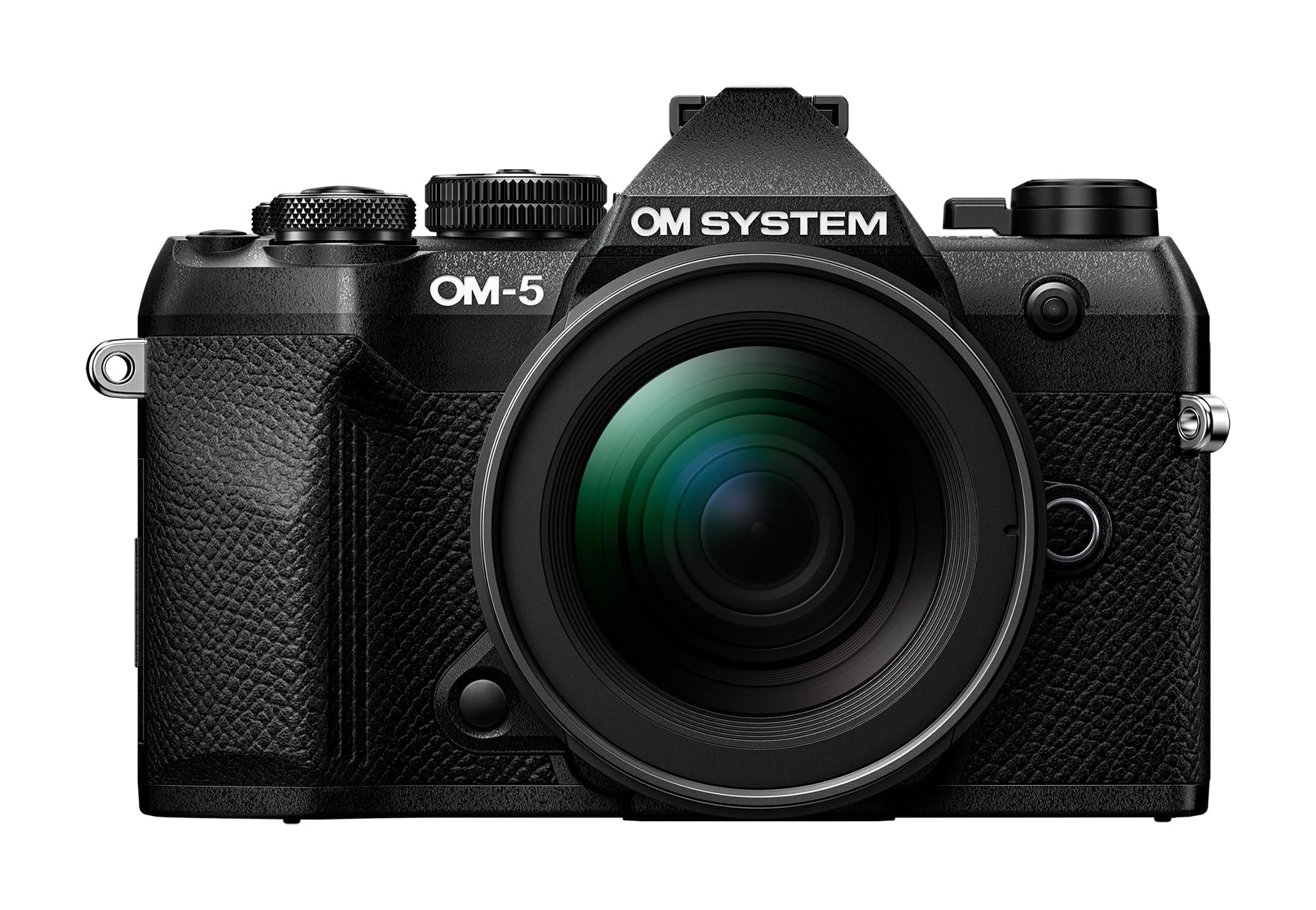
The OM SYSTEM OM-5 is a ruggedized, weather-sealed Micro Four Thirds camera built for adventurers who shoot in harsh conditions. It is incredibly compact but offers a 5-axis in-body stabilization system rated for an extraordinary 6.5 to 7.5 stops of compensation, making it possible to shoot sharp handheld images in near darkness. It pairs perfectly with the included 12-45mm F4.0 PRO lens, which is also splash- and dust-resistant.
Beyond stabilization, the OM-5 features computational photography tools like High-Res Shot mode (for 50MP images), Live ND, Focus Stacking, and a night vision mode that is surprisingly useful for astrophotography. The hybrid autofocus is quick and reliable, and the camera offers unlimited 4K video recording. The build quality feels premium and confidence-inspiring.
This camera is for the user who wants a do-everything tool that can withstand rain, dust, and freezing temperatures. The image quality from the 20-megapixel sensor is excellent, and the lens ecosystem is vast. The main downside is the small battery, which will require a spare for a full day of shooting. It is a specialized tool that excels in its intended environment.
Why it’s great
- Exceptional weather sealing for any condition
- Industry-best IBIS (6.5-7.5 stops)
- Advanced computational photography features
Good to know
- Small battery requires a spare for long days
- Premium price reflects rugged build
9. Sony a7 III

The Sony a7 III is a legendary full-frame camera that has set the standard for hybrid performance. Its 24.2-megapixel back-illuminated full-frame sensor delivers phenomenal low-light performance with 15 stops of dynamic range, and the 693 phase-detection AF points cover approximately 93% of the frame. The autofocus speed and accuracy are still competitive years later.
It shoots 4K video with full pixel readout and offers professional-level features like S-Log profiles, 10fps continuous shooting, and a massive battery life rated for 710 shots. The included 28-70mm kit lens is functional, but the real magic happens when you pair this body with high-quality E-mount glass. The body features 5-axis sensor-shift stabilization for both stills and video.
This camera is an excellent entry point for full-frame ownership, providing professional-level results at a price that once seemed impossible. The menus are complex, and the LCD screen is not touch-sensitive for menu navigation. For the photographer or hybrid shooter who wants the best image quality and is willing to invest in lenses, the a7 III is a 10/10 recommendation.
Why it’s great
- Exceptional full-frame image quality and dynamic range
- Fast and reliable 693-point AF system
- Excellent battery life for a mirrorless camera
Good to know
- Complex menu system
- Kit lens is decent but not extraordinary
10. Fujifilm X-E5
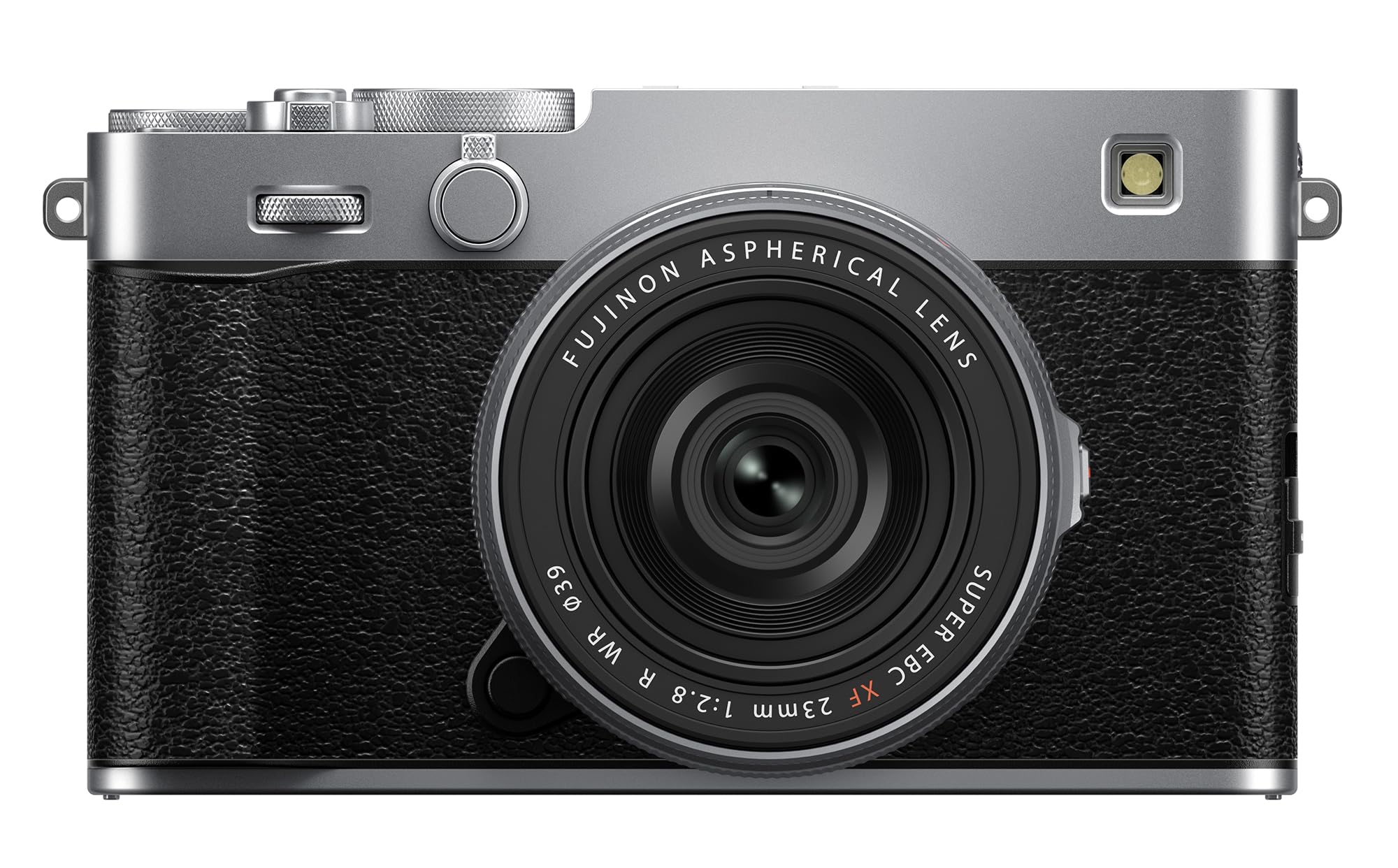
The Fujifilm X-E5 is a beautifully designed rangefinder-style camera that combines a retro aesthetic with cutting-edge technology. It boasts a 40.2-megapixel X-Trans 5 HR sensor, the highest resolution in this roundup, paired with the X-Processor 5 engine. The in-body image stabilization provides up to 7 stops of benefit, making this a very capable handheld camera.
The hallmark of any Fujifilm camera is its Film Simulation modes, and the X-E5 introduces a customizable Film Simulation dial for instant access to iconic looks like Provia, Velvia, and Classic Chrome. The AI-powered subject detection autofocus is highly advanced, capable of tracking a wide range of subjects with precision. The camera also features a two-step digital teleconverter for extra reach.
This is a camera for the enthusiast who values both form and function. It is not weather-sealed, and the battery life is not class-leading, but the 40MP sensor captures incredible detail, and the lens kit (23mm f/2.8) makes for a very compact everyday carry. The X-E5 is an inspiring tool to shoot with, offering stunning results straight out of the camera.
Why it’s great
- Stunning 40.2MP sensor with incredible detail
- Beautiful retro design with analog controls
- Excellent Film Simulations and IBIS
Good to know
- Not weather-sealed
- Battery life is average for the class
11. Canon EOS Rebel T7
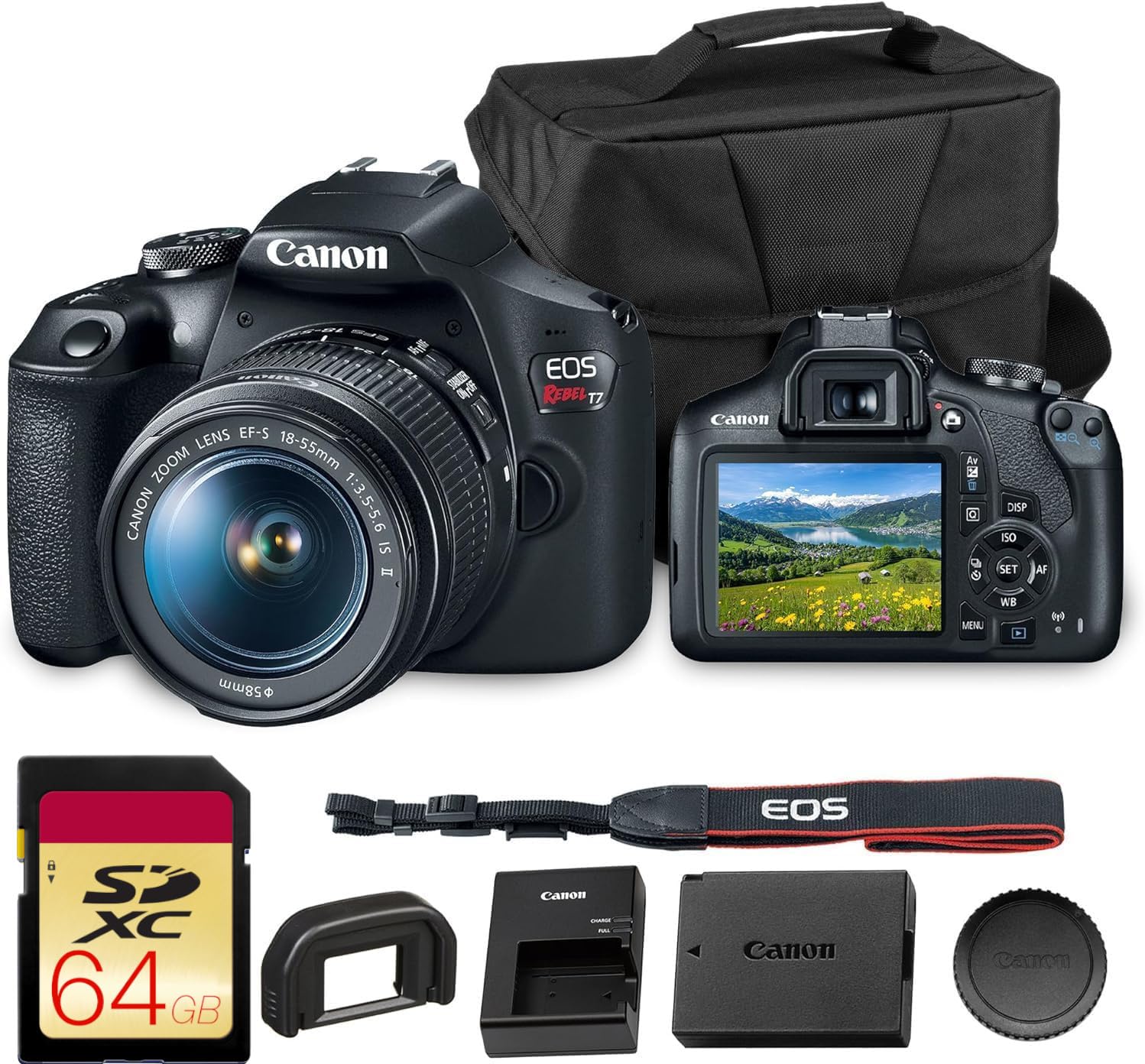
The Canon Rebel T7 is a classic entry-level DSLR that offers exceptional value for the price, especially in this kit which includes a shoulder bag and 64GB memory card. It features a solid 24.1-megapixel APS-C sensor and the DIGIC 4+ processor, producing great colors and good low-light performance for the price point. The included 18-55mm lens is a flexible starter optic.
It is incredibly easy to use, with an intuitive menu system and guided shooting modes perfect for absolute beginners. The built-in Wi-Fi and NFC allow for easy image transfer to a smartphone, and the optical viewfinder is bright and clear. The camera is lightweight and comfortable to hold, even for long shooting sessions.
The main technical limitation is the basic 9-point autofocus system, which is significantly slower and less accurate than the mirrorless cameras in this guide, especially for tracking moving subjects. It shoots 1080p video, not 4K. For someone who wants to learn photography fundamentals on a budget and doesn’t prioritize video or fast action shooting, this is a fantastic start.
Why it’s great
- Excellent value kit with accessories included
- Great 24.1MP image quality for the price
- Very easy to use for beginners
Good to know
- Basic 9-point autofocus system
- Only 1080p video, no 4K
FAQ
Is it better to buy a used full-frame camera or a new APS-C camera at the same price?
Do I need to buy an additional lens right away, or is the kit lens good enough?
What is the real benefit of a 24.2MP sensor versus a 16MP sensor in this price range?
How important is 4K video if I mostly take photos?
Final Thoughts: The Verdict
For most users, the cheap mirrorless camera winner is the Panasonic LUMIX G85 because it delivers the rare combination of professional-grade in-body stabilization, a weather-sealed build, and fantastic value for both photo and video. If you want a lightweight travel companion with great stabilization and retro style, grab the OM SYSTEM E-M10 Mark IV. And for the purest entry point into a modern, growing system with excellent image quality, nothing beats the Canon EOS R100.