
Our readers keep the lights on and the weekend projects moving. As an Amazon Associate, I earn from qualifying purchases.
Specs are compiled from manufacturer listings and verified buyer reviews and can change over time — please confirm the key details on the product page before buying.
If your child needs glasses, you already know the real problem: kids don’t sit still, and most frames can’t keep up. The good news is that a whole category of children’s eyewear is built to be bent, twisted, and dropped without snapping, so you’re not replacing them every other month. This guide breaks down the strongest flexible frames, blue light blockers for screen time, and prescription-ready options that actually stay on a moving child.
I’m Rikta — the founder and writer behind FitlyFast. This guide is built by comparing the manufacturers’ published specifications and the patterns across verified customer reviews, so you get each pick’s real strengths and trade-offs instead of marketing spin.
You’ll see which frames hold up to daily wear, which blue light glasses ease screen-time strain, and which sizes fit toddlers through tweens, all in one clear take on the best children’s glasses.
Our Picks at a Glance

How To Choose The Best Children’s Glasses
Buying glasses for a child is different from buying for yourself. You are not just picking a style — you are picking something that will be yanked, dropped, chewed, and worn through homework, recess, and sports. Focus on flexibility, fit, and if you need lenses or just a frame.
Start with the material: TR90 is the gold standard
Most durable kids’ frames are made from TR90, a type of nylon that bends and springs back instead of snapping. A TR90 frame can be twisted without breaking, which is exactly what you want when your five-year-old treats their glasses like a toy. Rigid plastic or metal frames are cheaper, but they are far more likely to end up in the repair shop.
Read the numbers on the temple arm
Every frame carries three measurements in millimeters, usually written like 48-16-125. The first number is the lens width, the second is the bridge width across the nose, and the third is the temple arm length. Smaller numbers mean a smaller frame. A 44-15-120 fits a toddler, while a 50-14-125 suits an older child around 6 to 9 years old. Match these numbers to your child’s age and face to avoid a slide-down or pinch.
Decide: blue light blocker or prescription frame?
If your child has perfect vision but stares at a tablet for hours, a blue light blocking pair is the simple fix. If your child needs corrective lenses, you want a prescription-ready frame that an optician can fit with your child’s lenses. Some frames come with demo lenses that must be swapped out, so check before you buy.
Quick Comparison
| Model | Best For | Frame Type | Size | Material | Amazon |
|---|---|---|---|---|---|
| DefenderShield Kid Series★ Best Overall | Evening screen wind-down | Blue Light Blocking | Kids / Small Adult | Amber-Lens Frame | Amazon |
| OWL Kids 10 PackClassroom Value | Classrooms & party favors | Blue Light Blocking | Kids | Clear Lens Nerd Frame | Amazon |
| TR90 Flexible FrameFlexibility Pick | Active kids who break frames | Prescription Ready | 5 x 3 x 0.1 in | TR90 Silicone | Amazon |
| ANYLUV Youth Glasses | Gaming & screen-heavy kids | Blue Light Blocking | Ages 4-14 | Real Lens Build | Amazon |
| Geborilma Kids 4-7 | Rough-and-tumble daily wear | Prescription Ready | 48-16-125 | TR90 | Amazon |
| Geborilma Toddler 1-3 | Toddlers who won’t keep glasses on | Prescription Ready | 44-15-120 | TR90 | Amazon |
| Geborilma Kids 4-7 Pro | Sports & school durability | Prescription Ready | 48-16-125 | TR90 | Amazon |
| Geborilma Bendable 6-9 | Kids needing a backup strap | Prescription Ready | 50-14-125 | TR90 | Amazon |
| Ray-Ban RY1531 | Style-conscious older kids | Prescription Ready | Junior | Ray-Ban Frame | Amazon |
In‑Depth Reviews
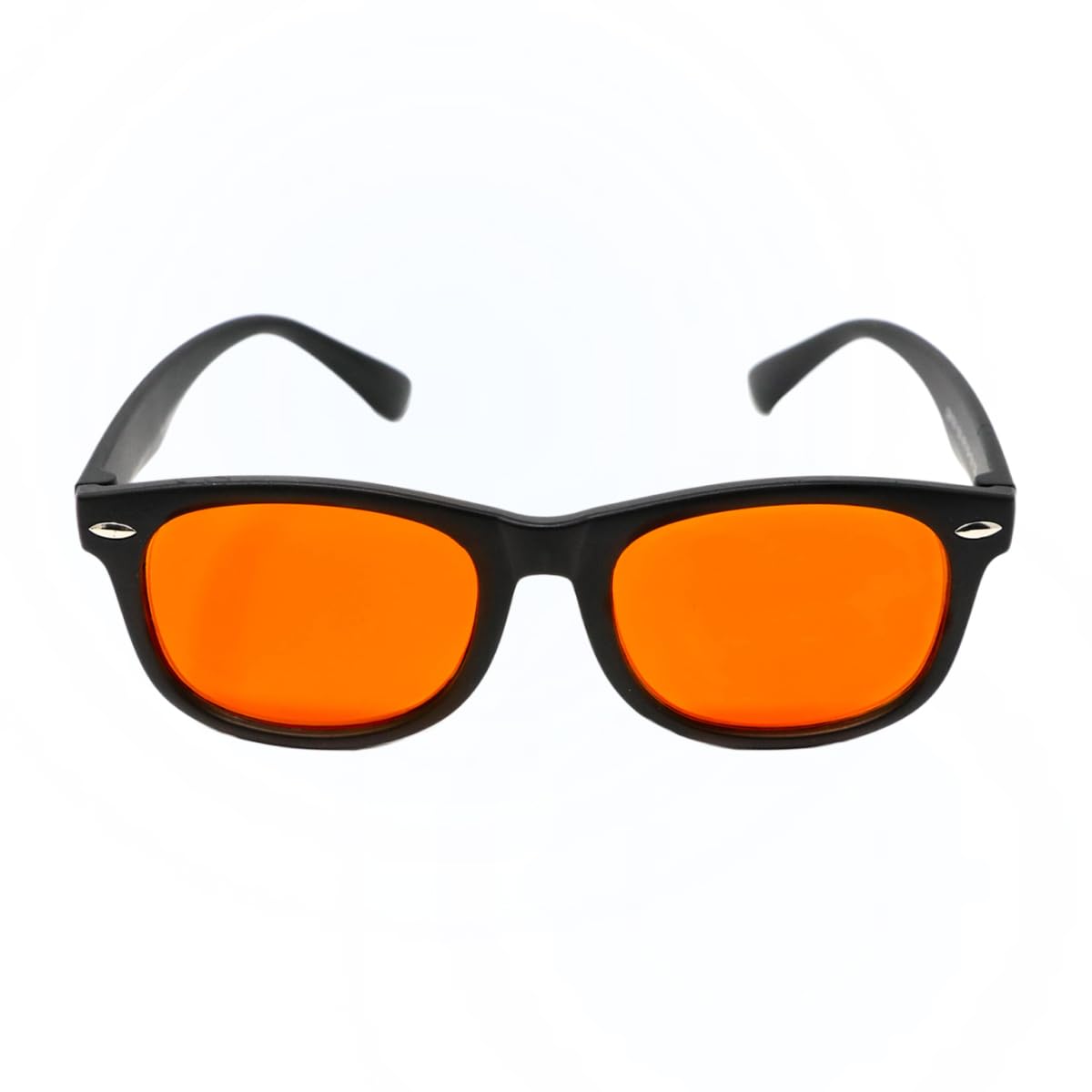
1. DefenderShield Blue Light Blocking Glasses Kid Series
Our pick — over 4.5★ from 100+ verified ratings; the strongest balance of quality and price.
The bedtime wind-down aid that earns its keep every single evening.
These amber-tinted lenses do one job, and buyers report they do it well: helping kids settle after screens. One owner says “My son uses these everyday at home in the evening,” and the payoff is falling asleep with less fuss. Over a dozen owners call the blue light blocking effective, so the payoff is a calmer bedtime routine.
The fit is genuinely versatile. These glasses fit kids across a wide age span — owners mention 2-year-olds keeping them on by day three, and petite adults wearing the kid size without issue. The build includes a sturdy case, bag, and cleaning cloth, so the pair survives being tossed in a backpack between uses.
The honest catch is the lens retention. A recurring gripe from owners is that the lenses can pop out too easily, with one parent resorting to super glue after losing a lens. Owners mention this is the trade-off for a frame that fits small faces so snugly. The tint also shifts colors slightly, which is normal for amber blue-light lenses but worth knowing before your child wears them for homework.
What wins parents over
- Blue light blocking is the standout — over a dozen owners call it out as effective
- Sleep quality improves, making bedtime easier after screens
- Fits a huge range, from 2-year-olds to size-small adult faces
What to handle with care
- Lenses can pop out easily — treat the frame gently
- The amber tint changes color perception while worn
- Ear tabs may bother some kids’ ears
Reach for these if: you want a screen-time-to-sleep routine that actually works, with a fit that grows with your child.
Think twice if: your child is rough on frames — the lens retention is the weak point here.
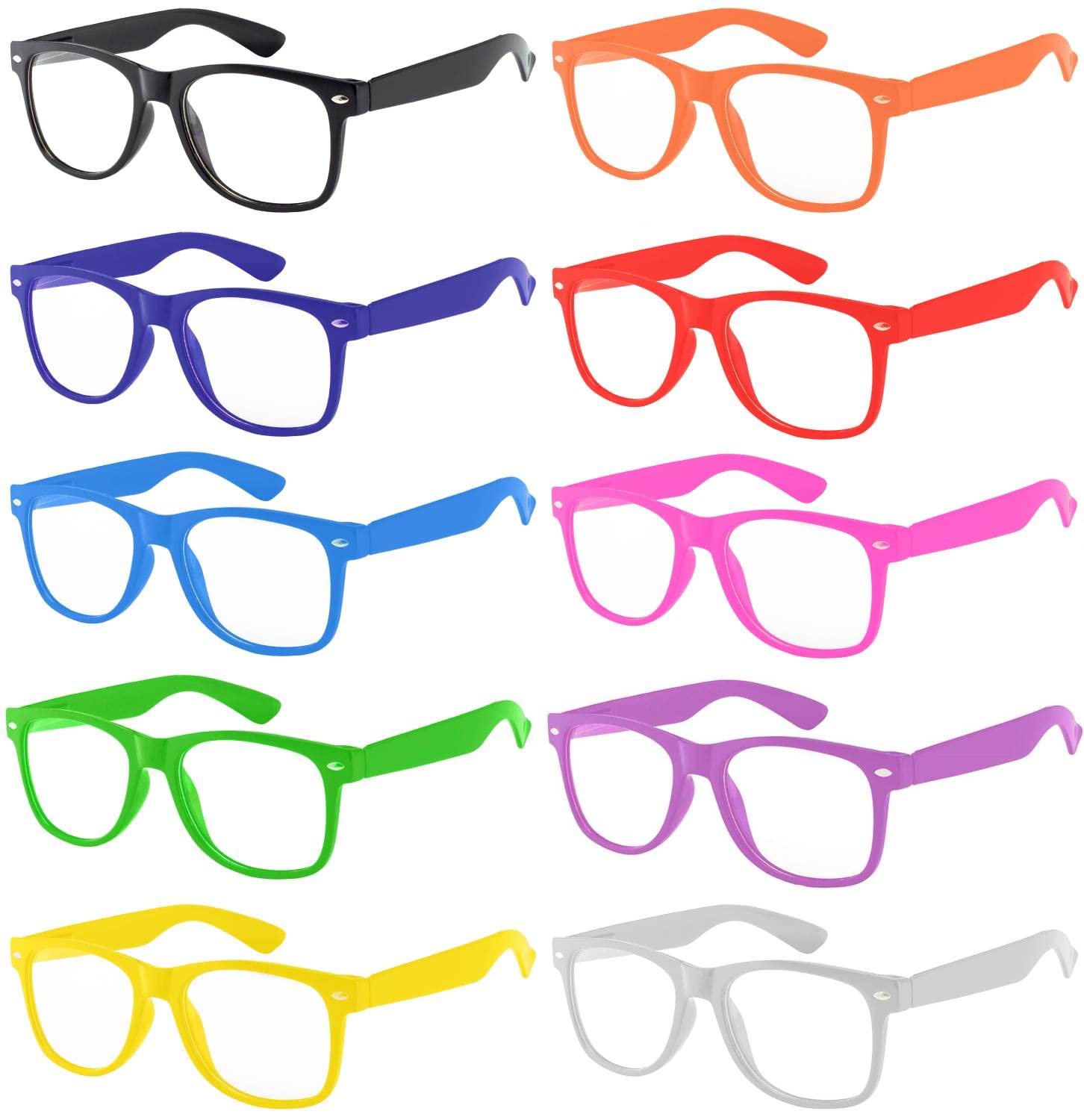
2. OWL Kids Blue Light Glasses 10 Pack
A ten-pack of clear-lens blockers that vanish into drawers, backpacks, and classrooms.
Need more than one pair? This set includes ten non-prescription frames in a variety of fun colors, all in the classic round “nerd glasses” style that kids actually like wearing. It is the bulk answer for teachers, parents of kids who lose everything, or party planners looking for a useful favor.
Each pair uses clear lenses with UV400 protection, which means they shield against ultraviolet light while helping to cut screen glare. The lightweight frame is sized for kids, so it works for homework, tablet time, and reading without adding strain on a small nose.
The trade-off is that this is a budget-tier functional tool, not a precision optical instrument. The classic style and clear lenses are perfect for everyday screen use, but if you need amber lenses for sleep or prescription-ready frames, this is not the pick. One owner summed it up simply: “These are good quality” — and for the sheer number of pairs you get, that is the whole pitch.
Best for: anyone who needs a bunch of pairs at once — classrooms, homes with multiple kids, or backup glasses stashed in every room.
Keep in mind: these are clear-lens blue light blockers for screen comfort, not sleep-tint or prescription frames.
3. Eyeglass Frame Child TR90 Flexible Bendable
The screw-free frame built for kids who stretch, bend, and wreck everything else.
This one is engineered for the most destructive members of the household. The TR90 material (a flexible nylon that bends and springs back) plus the screw-free design removes the tiny screws that usually loosen and fall out on active kids. Owners describe a 10-year-old boy who “has broken or stretched out all of his designer frames” loving these, and a 5-year-old saying they fit perfectly.
The comfort engineering is thoughtful. Silicone nose pads follow the curve of the nasal bridge so there is no pinching during long wear, and the soft temple tips hug the ear without pressing. That makes this a strong candidate for children with sensory sensitivities — the reviews specifically mention it working well for a child with autism who was newly prescribed glasses.
The catch is honesty about what these are: frames, not blue light glasses. One owner flagged that the lens info is printed on the demo lens and that this pair has no blue light filtering at all. These are for a child who needs real prescription lenses, not screen protection. The flexible temple tips also loosened over time for a child who fidgets with them constantly.
Built for tough kids
- Screw-free design avoids loose-screw failures
- Soft silicone pads reduce pressure on nose and ears
- Good for sensitive skin and sensory-sensitive kids
Know before you buy
- No blue light filtering — these are optical frames only
- Demo lens has printed info that must be replaced
Grab these for: a rough, active child who needs prescription lenses and has destroyed rigid frames before.
Look elsewhere if: you specifically want screen-time blue light protection.
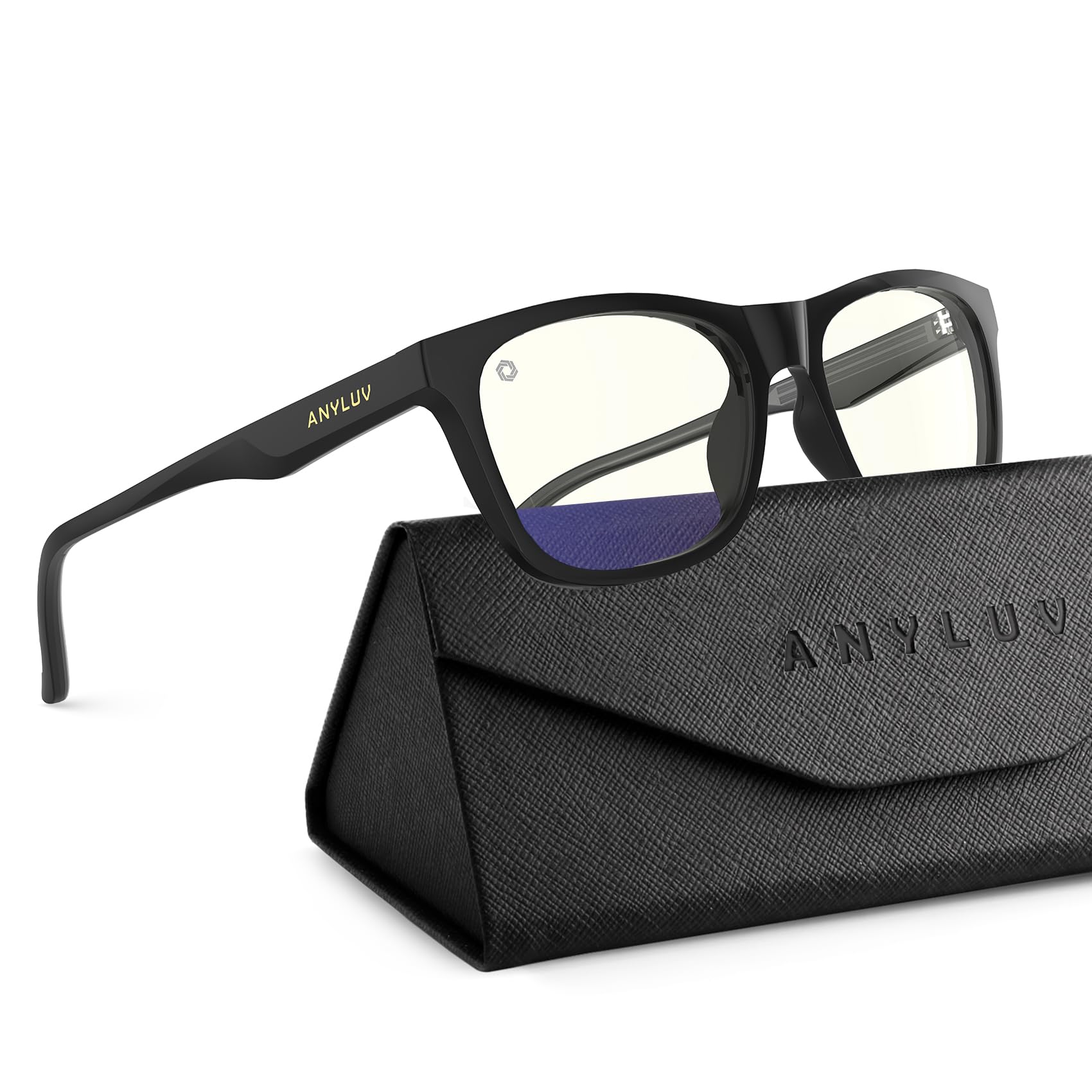
4. ANYLUV Blue Light Glasses for Kids
The good-looking pair that parents secretly want to wear themselves.
Over a dozen owners single out how cute these are, and the build quality backs up the good looks. These are not flimsy toy glasses; owners describe them as built like real glasses, with sturdy frames and lenses that do not feel like cheap plastic.
Functionally, they deliver on their one job. The most common story in the reviews is screen-time relief: “My daughter plays video games on her phone and iPad and these stopped her headaches she would get after staring at the screens over an hour.” A 9-year-old reports his eyes hurt far less, and a 13-year-old uses them for reading, gaming, and phone time.
The honest note is sizing. A couple of owners mention these run a bit large for smaller heads, so they fit the older end of the 4-14 range best. The slightly tinted lenses are expected for blue light blocking, and the included storage box and cleaning cloth are handy but not the sturdiest ever made.
Why kids keep them on
- Real-lens build quality beats cheap plastic toys
- Headache and eye strain relief after screen sessions
- Stylish enough that kids actually want to wear them
Size it right
- Runs large — best for the older half of the 4-14 range
- Included storage case feels a bit flimsy
Perfect for: the screen-heavy school-age kid who cares how they look while gaming or studying.
Skip if: you have a toddler or small preschooler — the frame will swim on a tiny face.
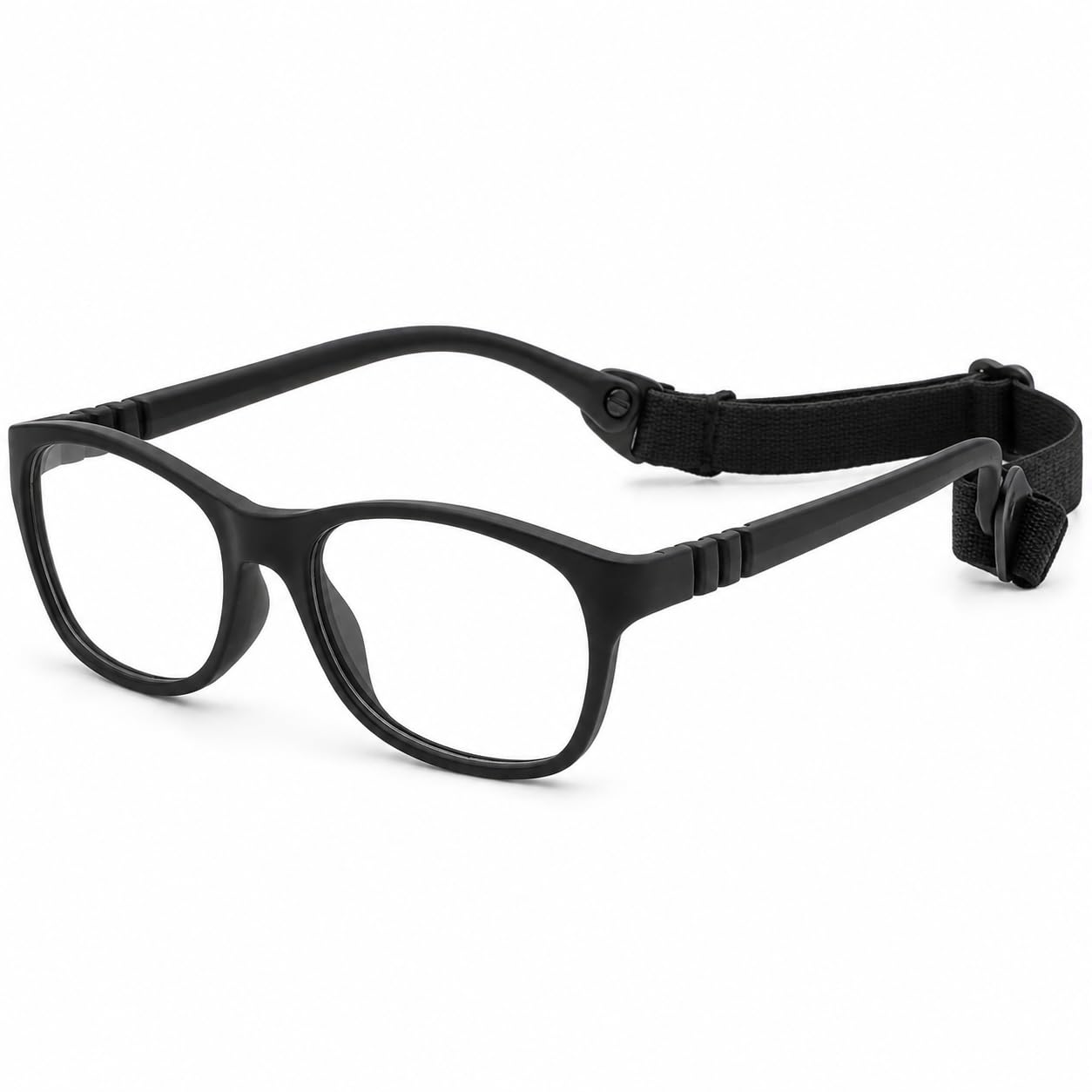
5. Unbreakable Kids Glasses Frames 4-7 Years
The sporty TR90 frame that stays put through recess, running, and daily chaos.
Fit is the single most-mentioned praise, with owners noting these hold their place during sports and daily wear. The 48-16-125 sizing (48 mm lens height, 16 mm bridge, 125 mm temple) fits the 4-7 range well, and parents of 3-year-olds report a good fit too. The frame flexes in any direction and springs back, which is the entire point.
Every pair arrives with clear demo lenses for display only, so you will visit an optician to fit your child’s real prescription. A matching adjustable strap is included, which is a genuine lifesaver for keeping glasses on a moving child during school and outdoor play.
The durability reputation is strong, but it is not literally unbreakable. One parent had an arm snap off after a month of a child putting them on and taking them off repeatedly — worth knowing if your child fidgets with their glasses constantly. For most families, though, these hold up far better than standard kids’ frames, and the value is a recurring theme in the reviews.
Built for the playground
- Fit is the standout — stays in place during sports
- TR90 flexes under pressure without breaking
- Adjustable strap keeps them on during active play
Reality check
- Demo lenses need replacing with a real prescription
- Not truly unbreakable — heavy fidgeting can stress the arms
Choose these if: you need a sport-ready frame for a 4-7 year old that survives daily abuse.
Pass if: you want blue light protection — these are prescription-ready optical frames only.
6. Toddler Flexible Frame Glasses 1-3 Years
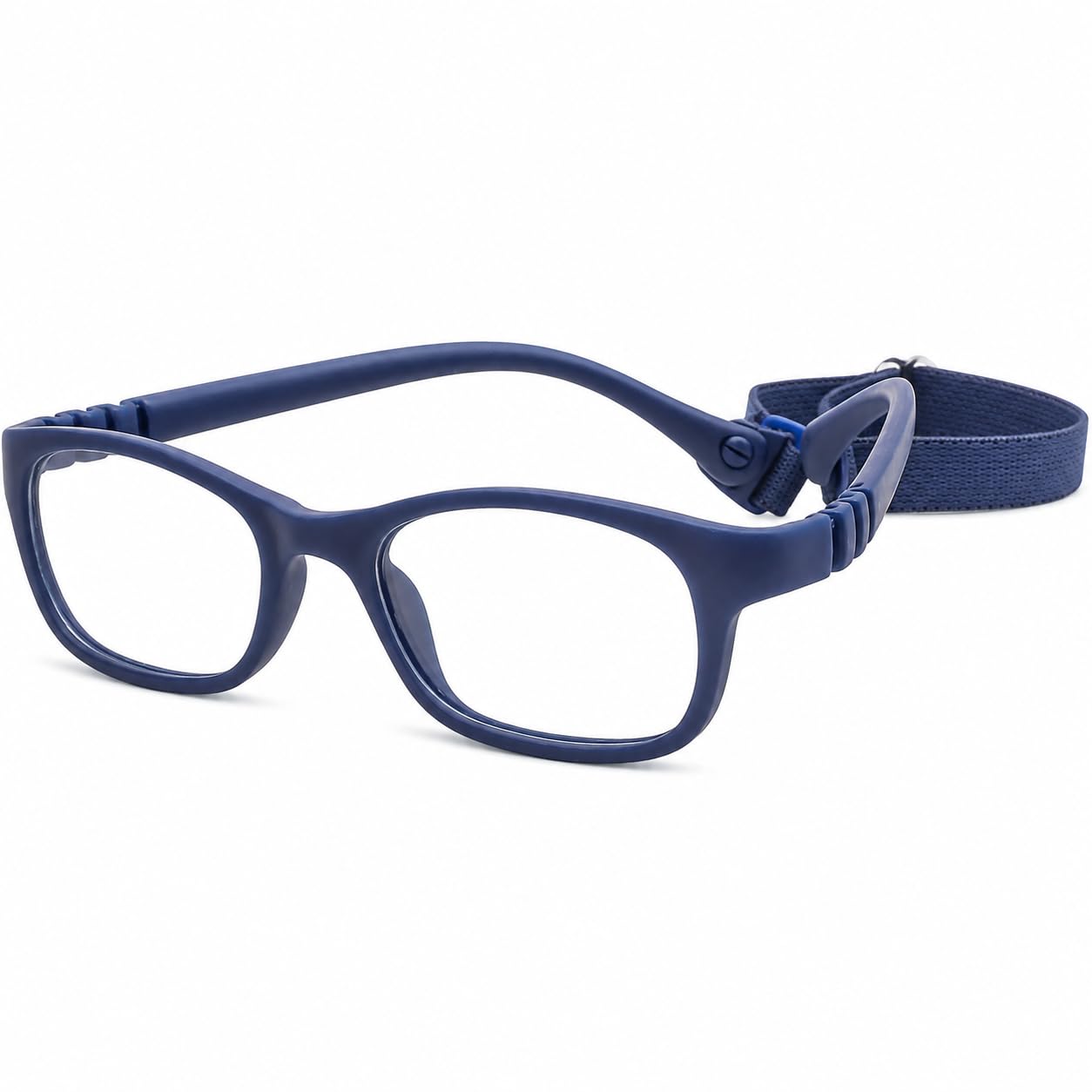
The little-kid frame that survives the rambunctious toddler years intact.
Durability is the top praise here, and it is exactly what you need from a frame for a 1 to 3-year-old. The 44-15-120 sizing (44 mm lens height, 15 mm bridge, 120 mm temple) is scaled down for the smallest faces, and customers note a perfect fit for 2 and 3-year-olds. The TR90 material bends and flexes instead of snapping when a toddler inevitably yanks them off.
The real-world test comes from a parent of a 3-year-old who had the lenses fitted by an optician and reported “a few months in and he is 3 and they are still holding strong.” The frame is lightweight enough that toddlers forget they are wearing it, which is half the battle at this age — if it pinches or slides, the glasses end up on the floor.
The caveat is that these run small, as any true toddler frame should. A couple of owners found them smaller than expected from the photos, so if your child is on the older or larger side of the range, size up. As with any prescription-ready frame, you will need to have lenses installed by an eye care professional.
Why toddlers keep them on
- Durability is the top praise — survives rambunctious play
- Perfect elasticity for the smallest faces
- Lightweight enough that toddlers forget they’re wearing them
Size it carefully
- Runs small, as expected for the 1-3 range
- Requires an optician visit for real prescription lenses
Ideal for: a toddler who needs prescription glasses and has already destroyed one pair.
Not for: kids older than 3 or those who need blue light filtering.
7. Unbreakable Kids Glasses Frames For Prescription 4-7
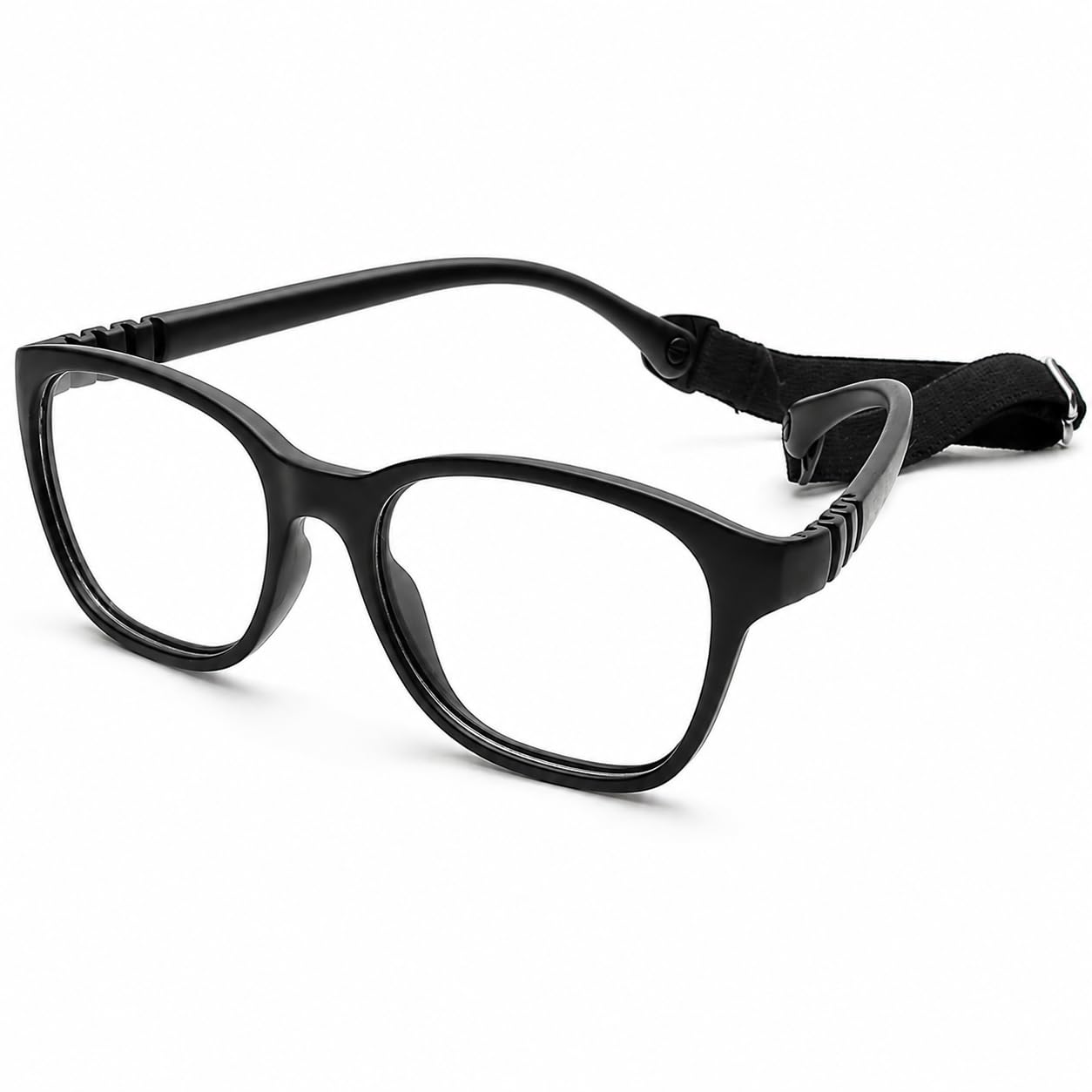
The frame that outlasted every pricier pair and quietly became the family favorite.
Quality leads the conversation here — it is the most-praised aspect, and owners note these last longer than frames that cost more. The 48-16-125 sizing fits the 4-7 range true to size, and the TR90 build flexes without snapping. One owner’s 8-year-old nephew has worn the same frame for a full year, and it is still intact.
This is also a standout for sensory-sensitive kids. An owner describes a child with autism who hated anything on his face or head, but these frames fit so comfortably with flexible temple pieces that he adjusted well. The included adjustable strap adds security for sports, and the frames handle drops without damage.
There is one fit caution worth noting: an occasional frame arrives in the wrong size for a child, so measure carefully against the 48-16-125 numbers. As with the other Geborilma frames, these come with demo lenses that you will swap for a real prescription at your optician.
The durability winner
- Quality is the top praise — outlasts pricier frames
- Flexible arms don’t hurt behind the ears
- Works well for children with sensory sensitivities
Fit first
- Check measurements — an occasional frame runs small for a child
- Demo lenses must be replaced with a real prescription
Best for: parents who want a quality frame that survives a full year of school and play.
Consider another if: your child is outside the 4-7 range or needs blue light lenses.
8. Bendable Kids Glasses For 6-9 Years
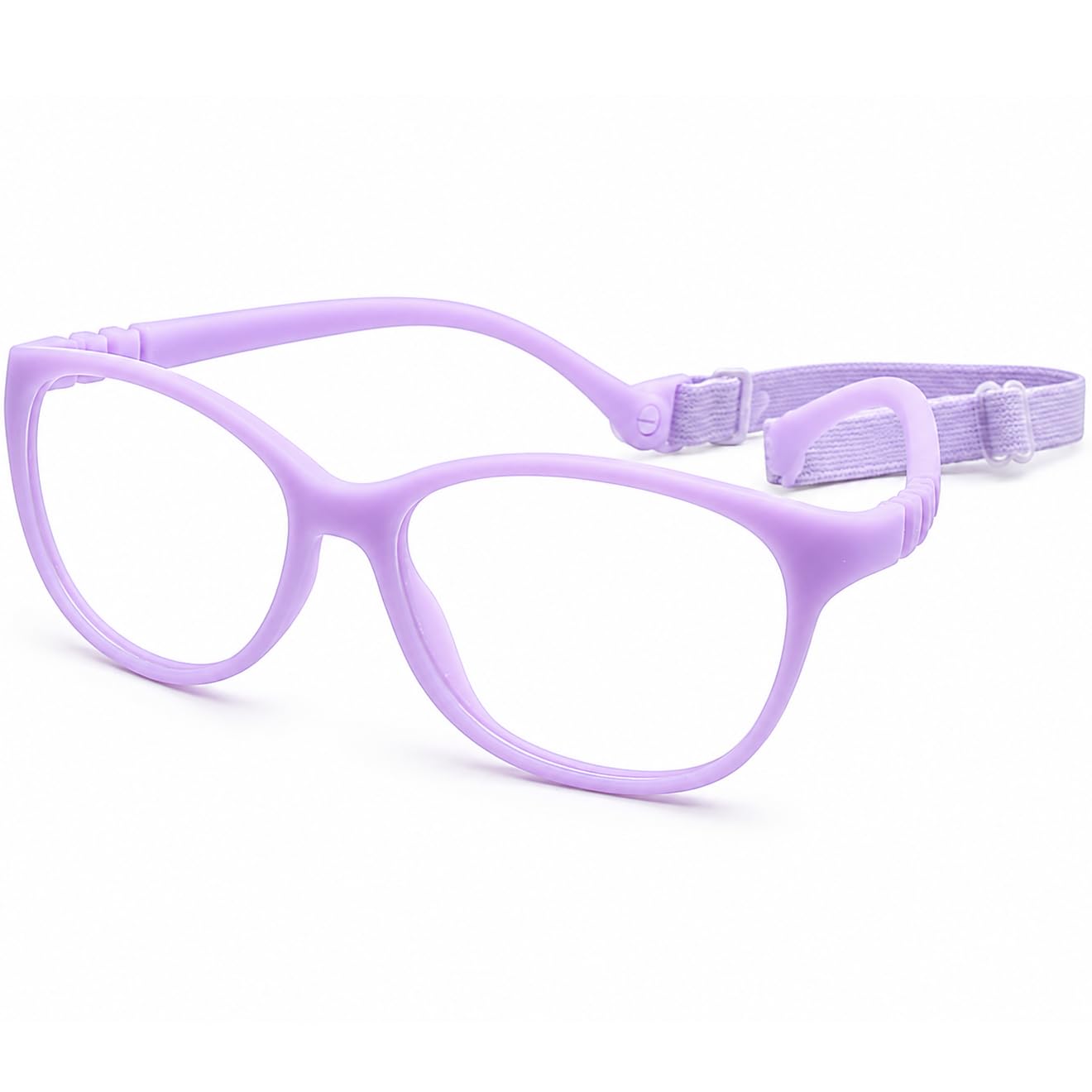
The bendable frame with a detachable back strap for the roughest play.
Rough-and-tumble play is the whole story here — durability and quality are the two most-mentioned themes, and owners describe frames that “stand up to the rough and tumble of an active kid.” The 50-14-125 sizing (50 mm lens height, 14 mm bridge, 125 mm temple) fits the 6-9 range, though a 5-year-old also wore them comfortably.
The detachable back strap is the differentiator. It keeps the glasses snug during sports and play, then comes off for everyday wear. The frame is lightweight, reducing pressure on the nose and ears, and the flexible TR90-style material bends instead of breaking.
The honest weak spot is the strap itself. A few reviewers point out the strap degrades after a few months of heavy use, and replacement straps from the same brand cost more than expected. The frames themselves hold up well — the strap is the part to watch. If your child mostly wears glasses at a desk, this is less of a concern.
Playground proof
- Durability is the top praise — survives rough play
- Detachable back strap keeps them on during sports
- Fits a 5-year-old comfortably despite the 6-9 range
Watch the strap
- Strap can degrade after a few months of heavy use
- Frame is prescription-ready, so you’ll need an optician visit
Reach for these if: your 6-9 year old needs glasses that stay on through sports and roughhousing.
Pass if: you are not willing to replace the strap occasionally — that is the known weak point.
9. Ray-Ban Ry1531 Square Prescription Eyeglass Frames
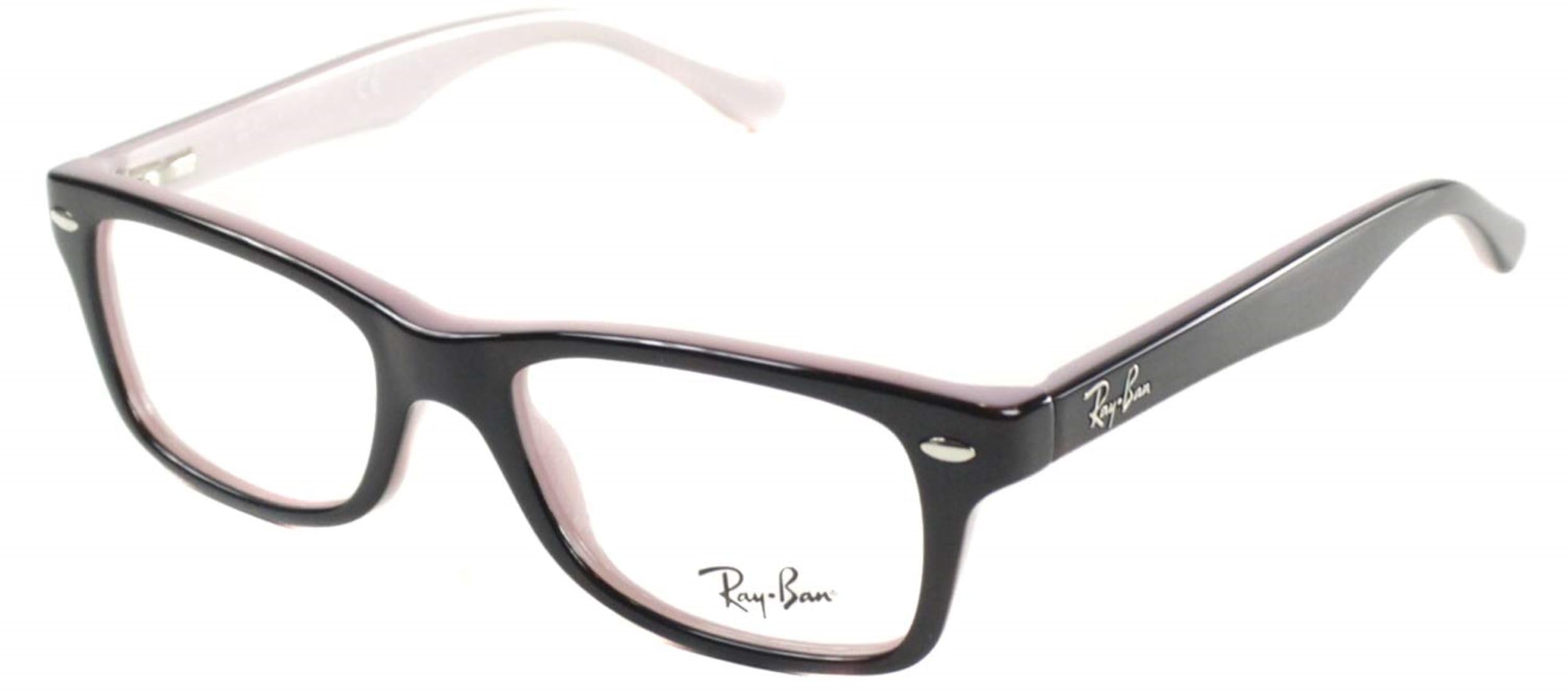
The premium name that makes kids actually want to wear their glasses.
Fit is the most-praised aspect, with owners describing a perfect match for 8-year-olds and even petite adults with narrow faces. The classic square shape in a range of colors from black to transparent blue makes it a genuinely fashionable accessory.
The quality reputation is the Ray-Ban promise. Owners specifically compare this model favorably against another Ray-Ban frame whose arms snapped repeatedly — these RY1531 arms are sturdy and hold up. The juniors line is available from authorized sellers and carries the manufacturer warranty, which is real confidence at this tier.
The catch is sizing. A couple of owners found these too small, and for a younger child they will likely be too large — one owner with a narrow adult face wears them comfortably. These are prescription frames, so expect an optician visit to fit your child’s lenses. You are paying for the brand and the build, not for budget value.
The brand name payoff
- Fit is the top praise — works for 8-year-olds and narrow adult faces
- Sturdy arms that hold up better than other Ray-Ban juniors
- Manufacturer warranty through authorized sellers
Know the sizing
- Runs large for younger children — best for 8 and up
- Premium price for the brand name
Splurge on these if: you want a durable, stylish frame your older child will be proud to wear.
Save your money if: you have a toddler or a child who routinely destroys glasses — go flexible instead.
Understanding the Specs
Frame Measurements (48-16-125)
Those three numbers printed on the temple arm are the cheat code to a correct fit. The first is lens height in millimeters, the second is bridge width across the nose, and the third is temple arm length. A 44-15-120 frame is a toddler size, a 48-16-125 fits ages 4-7, and a 50-14-125 suits older kids around 6-9. Match the numbers to your child’s age and you avoid the slide-down or the pinch.
TR90 Flexible Material
TR90 is a nylon-based material that bends and springs back instead of snapping. It is the single most important feature for a child’s frame because it survives drops, twists, and tumbles that would destroy rigid plastic. A flexible frame can be bent nearly in half and return to its shape, which is why it dominates this category.
FAQ
Will a blue light blocking pair work for sleep problems at night?
Do these frames come with prescription lenses already installed?
What does a frame size like 48-16-125 actually mean?
How long do flexible TR90 frames usually last?
Are blue light glasses safe for a toddler or young child?
What is the difference between blue light blockers and prescription-ready frames?
Which frame is best for a child who plays sports?
How do I know if the glasses will fit my child’s face?
Final Thoughts: The Verdict
For most families, the children’s glasses winner is the DefenderShield because it targets the most common pain point — screens disrupting sleep — with a fit that works from toddler to adult. If your child needs prescription lenses and a frame that survives rough play, grab the Geborilma 4-7 for its sport-ready strap and durable TR90 build. And for the style-conscious older child who will actually wear their glasses, the Ray-Ban RY1531 is the one to reach for — the crowd favorite with a sturdy frame that outlasts cheaper alternatives.
How We Picked
We do not accept paid placement. Every pick is matched to a real buyer and a real use-case; we do not hands-on test units.
Sources & Methodology
Specifications: manufacturer listings and product documentation. Review insights: verified customer reviews, as of August 2026. Pricing: not shown on this page (it changes often); check the current price via the retailer link.
As an Amazon Associate, FitlyFast earns from qualifying purchases. This does not affect which products we feature.