
Our readers keep the lights on and the weekend projects moving. As an Amazon Associate, I earn from qualifying purchases.
Specs are compiled from manufacturer listings and verified buyer reviews and can change over time — please confirm the key details on the product page before buying.
Picking a compact binocular is really about one trade-off: how much magnification you can pack into something that still slips into a jacket pocket. The best options here balance a clear, bright image with a frame light enough that you actually want to carry it every day. This guide breaks down the top performers so you can match the right one to your outings, whether that is a concert, a trail hike, or an afternoon watching bugs in the garden.
I’m Rikta — the founder and writer behind FitlyFast. This guide is built by comparing the manufacturers’ published specifications and the patterns across verified customer reviews, so you get each pick’s real strengths and trade-offs instead of marketing spin.
Find the right compact binos for daily carry by matching magnification, close focus, and durability to how you actually use them. The list ahead sorts the best from the merely adequate.
Our Picks at a Glance

How To Choose The Best Compact Binos
Start with the outing you plan most. A theater-goer wants a small frame and a wide view. A hiker needs something rugged that survives a drop. A nature lover might want to focus on a flower 3 feet away. There is no single perfect pair, only the right match for your usual routine.
Magnification vs. Objective Lens Size
Compact binos usually sit at 8x or 10x. The first number is magnification, the second is the diameter of the front lens in millimeters. A higher magnification like 10x pulls distant detail closer but can feel shakier in hand. A bigger objective lens like 32mm lets in more light for brighter images at dawn and dusk, though it makes the whole unit larger. For a true pocket pair, a 25mm lens is the standard trade-off between brightness and portability.
Close Focus and Field of View
Close focus is the shortest distance at which you can get a sharp image. If you want to study butterflies, dragonflies, or museum exhibits, a short close focus is a standout. Field of view tells you how wide a scene you see at a set distance; a wider field of view makes it easier to track birds in flight. These two specs separate a nature-tune binocular from a distance-only pair.
Build, Coatings, and Warranty
Rubber armor protects the body from knocks and gives you a secure grip in wet weather. Look for “fully multi-coated” or “XR” lens coatings because they boost light transmission for a brighter image. If you plan to be out in drizzle, a nitrogen-purged, waterproof pair prevents internal fogging. A lifetime warranty matters for an item that gets banged around in a pack.
Quick Comparison
| Model | Best For | Magnification | Close Focus | Weight | Amazon |
|---|---|---|---|---|---|
| Pentax Papilio II 6.5×21★ Best Overall | Close-up nature study | 6.5x | 18 inches | Lightweight | Amazon |
| Nikon ACULON T02 8×21Best Value | Purse & pocket carry | 8x | — | Under 7 oz | Amazon |
| Vortex Bantam HD 6.5×32Youth Pick | Kids & small faces | 6.5x | — | Lightweight | Amazon |
| Celestron Outland X 8×25 | Budget outdoor durability | 8x | — | Lightweight | Amazon |
| Pentax UP 8-16×21 Zoom | Versatile zoom flexibility | 8-16x | — | Lightweight | Amazon |
| Leupold BX-1 Rogue 10×25 | Stadium sports viewing | 10x | — | Lightweight | Amazon |
| Nocs Provisions Standard Issue 8×25 | Style & smartphone pairing | 8x | — | 11.85 oz | Amazon |
| Nikon Trailblazer 10×25 | Shirt-pocket high power | 10x | — | Ultra-light | Amazon |
| Vortex Vanquish 10×26 | All-purpose lifetime warranty | 10x | — | Lightweight | Amazon |
In‑Depth Reviews
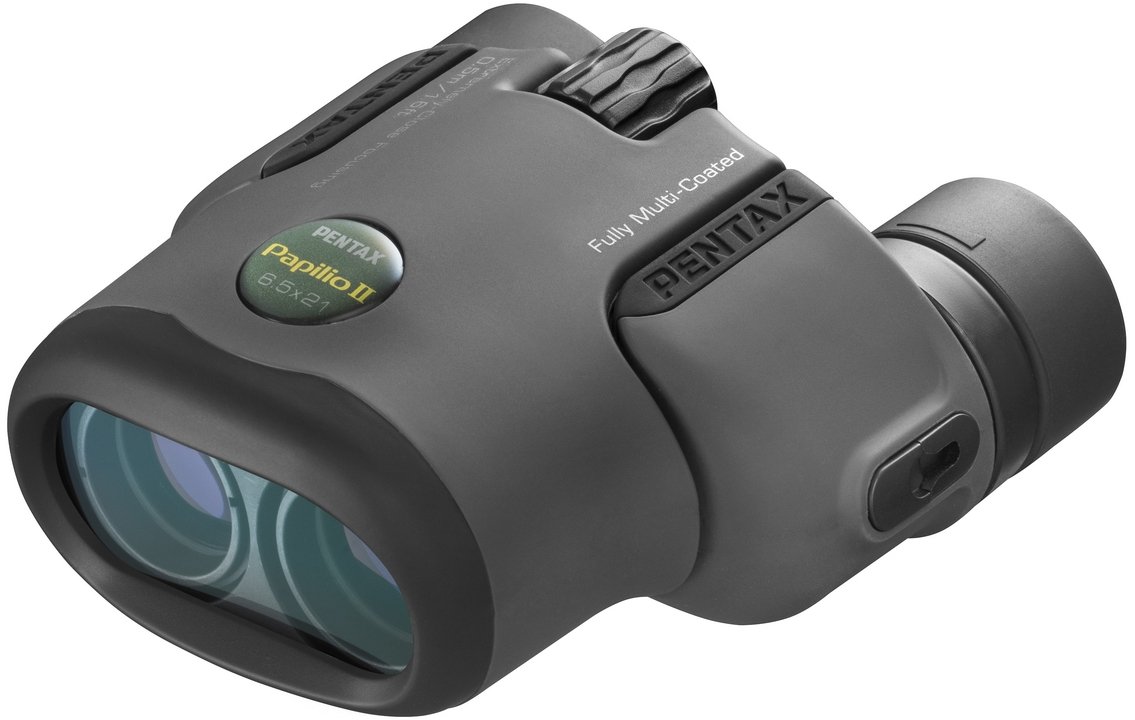
1. Pentax Papilio II 6.5×21 Binoculars (Gray)
Our pick — over 4.5★ from 750+ verified ratings; the strongest balance of quality and price.
The nature lover’s secret weapon, focusing on a flower just 18 inches away.
What wins people over here is image quality — it is the most-praised feature by a wide margin. The 6.5x magnification keeps the view steady for handheld study of a butterfly wing. Buyers report it delivers “excellent close focus and infinity,” meaning it handles the nearest and farthest subjects with equal confidence.
The a neat extra is the 50-centimeter macro focus. That lets you fill the frame with a dragonfly at 4 feet, a museum artifact, or a beetle crawling on a leaf. Its 393-foot field of view covers roughly 50% more ground than the Nikon ACULON T02, keeping moving birds easy to track. The fully multi-coated optics and Bak4 prisms keep the colors true and the edges sharp.
The honest trade-off is that the 21mm objective lens needs decent light. It performs particularly well in afternoon and early evening light, but it is not a pair for deep twilight or foggy mornings. It is not waterproof either, so keep it out of a downpour. Rubber-coated body gives a secure grip, and the included case, neck strap, and lens cover protect it in a pack.
What Stands Out
- Short 50cm macro focus is unique in this class
- 393-foot field of view beats most rivals
- Diopter adjusts for each eye
What To Know
- Not waterproof in rain
- Limited magnification for very distant subjects
Reach for it if: you spend time watching bugs, flowers, or museum pieces up close and want one pair for both near and far.
Look elsewhere if: your main use is scanning open landscapes at long range in low light.
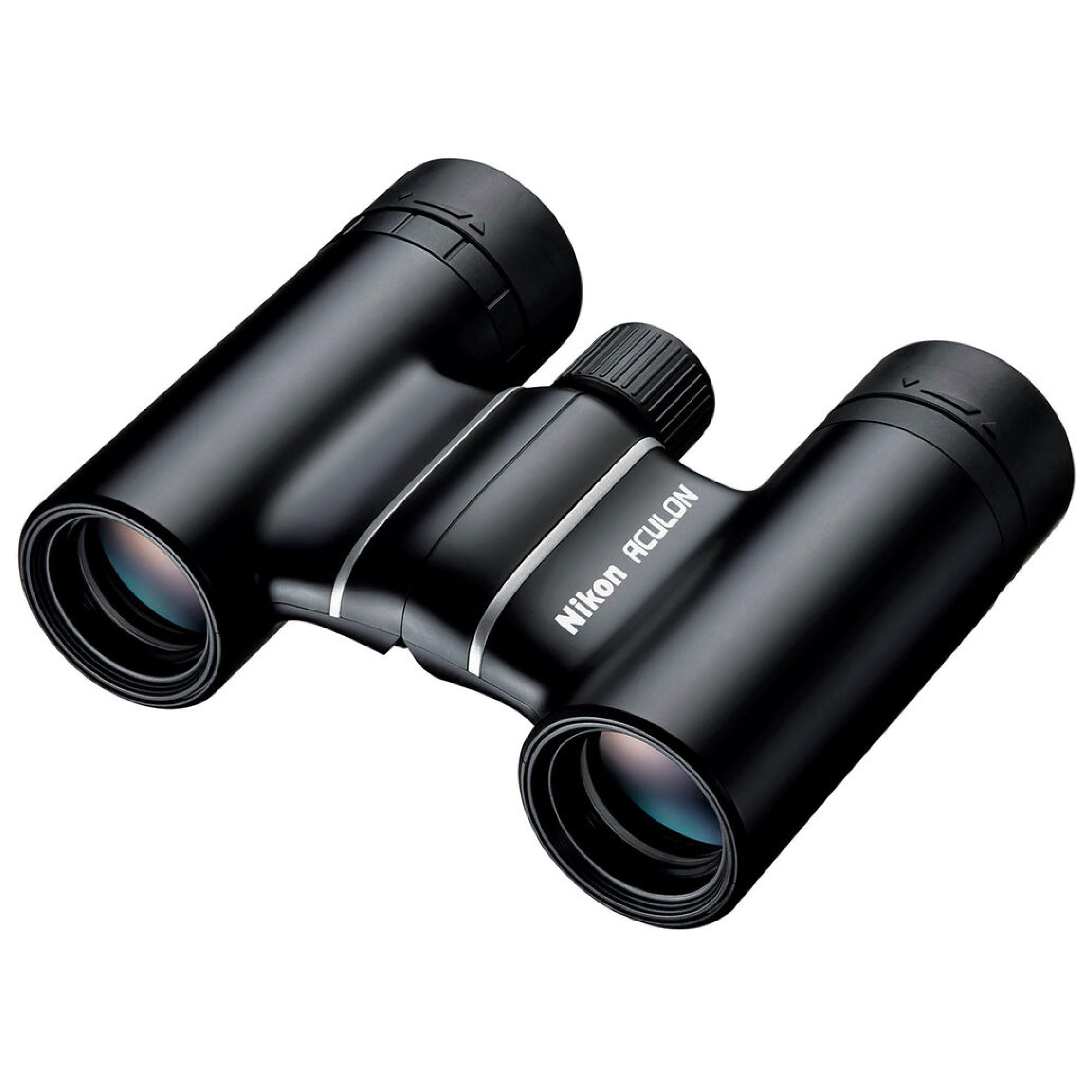
2. Nikon ACULON T02 Compact Binoculars
A featherweight 8x that rides in a purse and disappears from memory until needed.
You get the lightest pair in this roundup at under 7 ounces, so it slips into a pocket or daypack without weighing you down. Owners mention it stays “clear as heavier binoculars” in daily use. The 8x magnification suits travel, sports, and concerts, while fully multicoated lenses deliver a bright, vivid daylight image.
The turn-and-slide rubber eyecups are a real plus for eyeglass wearers since they adjust for precise eye positioning without strain during long sessions. The ergonomic, non-slip grip keeps it stable in your hand, and the lead- and arsenic-free glass keeps the weight down without harming optical performance. It is genuinely pocket-sized, which is the whole point of a compact pair.
There is a catch worth knowing. It is not waterproof or gas-filled, so a heavy rain is a risk, and it does not fold tightly for storage. A few buyers found the focusing knob can wear out with heavy use. The included case and strap are basic, so some owners upgraded those separately. For the money, though, this is the value pick that proves small can still be sharp.
Best for carry-everywhere use: the lightest option here, with optics that hold their own against pricier pairs.
The trade-off: a fragile focus mechanism and no weather sealing means it suits fair-weather, casual use.
Pick this if: you want a true pocket binocular for concerts and travel that you will barely feel hanging around your neck.
Think twice if: you are hard on gear or often out in the rain.
3. Vortex Bantam HD 6.5×32 Youth Binoculars
The kid-proof pair with a 32mm lens that punches far above its size.
The 32mm objective lens is 52% larger than the Pentax Papilio II’s 21mm, letting in significantly more light. That extra glass lets in significantly more light, which translates to a brighter, clearer image for early-morning or late-afternoon wildlife spotting. The HD optical system cuts chromatic aberration (the purple fringing you see around bright edges) for a clean, true-to-life picture.
The 6.5x magnification is a deliberate choice. At this power, the image stays stable in small, unsteady hands, which is exactly why it is such a hit with parents. Buyers found it “easier to focus without jitter” compared to larger binoculars, and the single-hinge design locks in the correct distance for a child’s face.
It is ruggedly built with rubber armor for a secure grip and a shockproof body that survives the knocks of daily kid use. The 18.7mm eye relief is generous for eyeglass wearers, and it is nitrogen-purged for waterproof and fog-proof performance. The unlimited, unconditional lifetime warranty covers repair or replacement if it gets damaged.
Why Families Love It
- 32mm lens is brightest in this compact class
- Stable 6.5x image for small hands
- Waterproof, fog-proof, and shockproof
- IPD adjusts down to 51mm for small faces
Who Should Skip It
- Not ideal for long-range distance viewing
- Small exit pupil needs steady hold
Best for: parents wanting a tough first binocular that a child can actually use with ease and grow into.
Not for: anyone needing high magnification for distant scenery.
4. Celestron Outland X 8×25 Pocket Binoculars
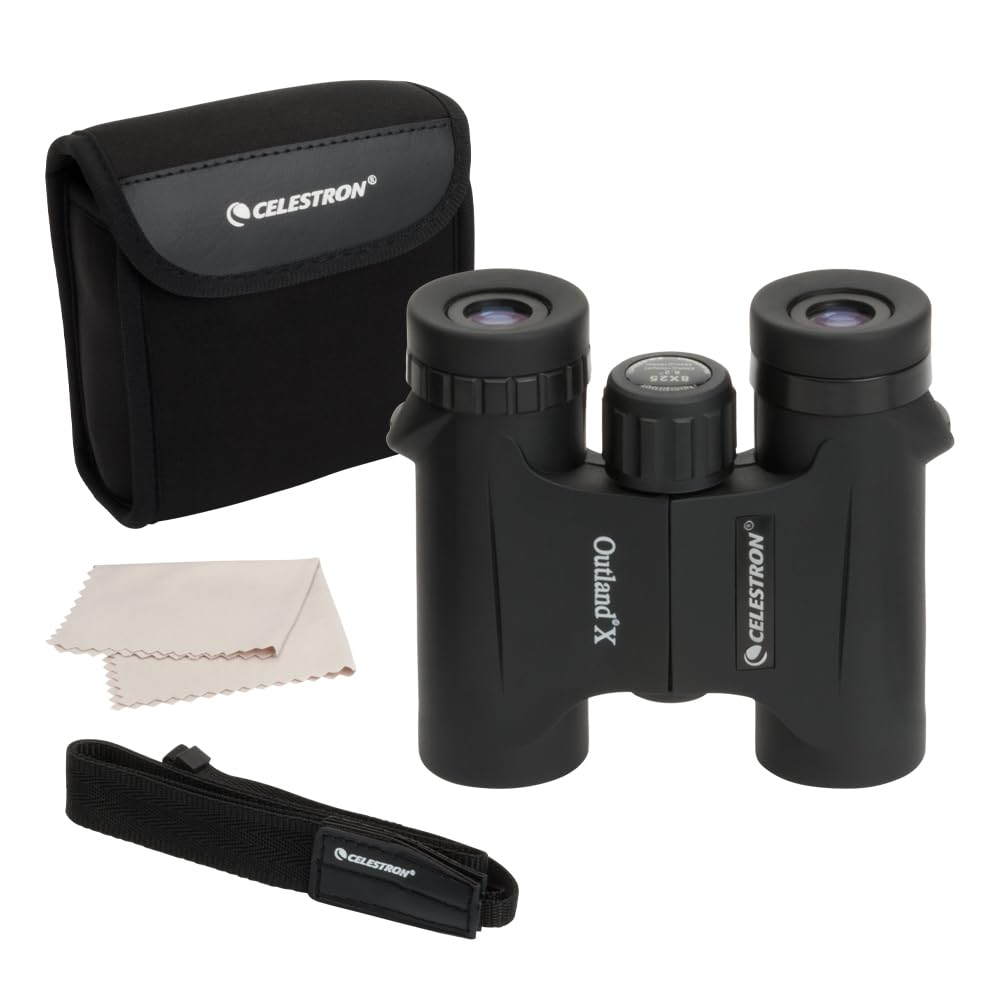
A rugged workhorse that shrugs off rain and bumps without emptying your wallet.
Durability is the defining trait here. The rubber-armored polycarbonate housing is waterproof and nitrogen-purged, so it will not fog up in rain, snow, or humidity. That makes it a dependable companion for hiking trails where the weather turns without warning. The multi-coated lenses boost light transmission, while the BaK-4 prisms deliver sharp, color-accurate images.
At 8x magnification with a wide 8.2-degree angular field of view, it is well-suited for scanning open landscapes and tracking birds in flight. Buyers repeatedly call it a “dependable workhorse” for backpack compartments and car doors. The wide depth of field means you rarely need to touch the focus wheel once it is set.
Some buyers find it smaller than expected, so check the dimensions if you have large hands. It is not the brightest pair at dusk, and a few owners note the eyecups (the rubber rings you press against your eyes) offer limited travel for eyeglass wearers. The Lifetime US Warranty and US-based tech support add real confidence for outdoor use.
Built for the trail: this is the budget pair that does not flinch in wet weather or rough handling.
Fair caveat: expect dimmer views in low light and limited eyecup adjustment if you wear glasses.
Reach for this if: you want a weather-proof, budget-friendly pair for hiking and spontaneous outdoor outings.
Look elsewhere if: you mostly glass at dawn or dusk and need maximum brightness.
5. Pentax UP 8-16×21 Zoom Binoculars

A zoom that adapts, pulling a stage performer close at 16x then widening out for the crowd.
This is the only model in the roundup with a zoom. The 8-16x magnification range is the standout spec because it adapts to the moment — stay at 8x for a wide stadium view, then crank to 16x for a close-up of the action. Customers note the image stays “clear and crisp up to 13x,” which is the practical limit for handheld viewing before shake and darkness take over.
The fully multi-coated optics minimize internal glare and flare for a bright, clear view. A unique uni-body design locks the objective lenses in a single housing and synchronizes the eyepiece movement, which reduces moving parts and should mean years of reliable function. The magnesium body is lighter than aluminum, and the ergonomic zoom dial on top is easy to reach.
The downside is shared by all small zooms: at maximum 16x, the image gets noticeably darker because the 21mm objective lens cannot gather enough light. It is not waterproof, so keep it dry, and performance weakens at dawn and dusk. For daytime use at sporting events or concerts, it is a versatile performer that buyers repeatedly call a great value.
The Zoom Advantage
- 8-16x range covers wide and close viewing
- Smooth, ergonomic top-mounted zoom dial
- Lightweight magnesium construction
- Push-pop diopter adjusts for each eye
Zoom Realities
- Image dims at the top of the zoom range
- Not waterproof for wet weather use
Best for: concert-goers and sports fans who want one pair that goes wide and zooms close without changing gear.
Not for: low-light enthusiasts or anyone needing sealed, waterproof optics.
6. Leupold BX-1 Rogue Binoculars, 10x25mm

The 10x that brings cheap seats to the front row without weighing down your neck.
If you live for live sports, the 10×25 Rogue is built for you. The 10x magnification is the defining spec, described by buyers as “perfect for viewing sports in a stadium from the cheap seats.” It pulls the action close enough to read jersey numbers, and the inverted Porro prism design (a prism layout that folds the light path) keeps the whole thing remarkably small and light.
Leupold’s Advanced Optical System delivers strong light transmission and glare reduction in harsh daylight, which is exactly what you face in an open-air stadium. The 15mm eye relief is decent for eyeglass wearers, and the armor-coated body gives a positive grip even with sweaty hands.
Owners call the image “extremely clear” and report the lens calibration was so accurate it needed zero adjustment. It is 100% waterproof and fogproof, backed by Leupold’s customer care. The main limitation is physics: a 25mm lens is not bright at dusk, and a few find the small eyepieces tight. For daytime stadium use, it is a standout.
Made for the stands: high magnification plus a light frame is a rare and useful combo for event days.
The limitation: small eyepieces and a small lens mean it shines in daylight, not twilight.
Choose it if: your main use is sports, concerts, and any event where you are far from the action.
skip it if: you need bright low-light views or have a wide facial fit requirement.
7. Nocs Provisions Standard Issue 8×25 Binoculars

The pocket pair that pairs with your phone and survives a splash in the creek.
This is the binocular for the modern explorer who wants to share the view. The 8×25 Standard Issue features fully multi-coated optics and a Swiss-designed Bak4p prism (a high-quality glass prism that boosts brightness) for a bright field of view, and it is designed to accommodate smartphone photography — just line up your phone to the eyepiece to capture and share what you see.
The build quality is where it earns its premium status. It is rated IPX7, meaning it is submersible in up to three feet of water for 30 minutes without compromising performance. The patented Rugged Wave Grip design ensures no slip in your palm, and the impact-resistant housing protects the optics from drops. At 11.85 oz, it is not the lightest pair here, but the durability and grip make it feel secure in hand.
The three-position twist-up eyecups give eyeglass wearers a precise fit, and the 357-foot field of view at 1000 yards is wide enough for easy bird tracking. Buyers praise its performance in both bright and low light settings, and mention it can “withstand some abuse” from rough handling. The lifetime “No-Matter-What” warranty rounds out a compelling package.
The Modern Edge
- IPX7 waterproof rating for real submersion
- Ergonomic Wave Grip feels secure in any weather
- Designed for smartphone digiscoping
- Scratch-proof, fog-proof, rugged housing
What To Weigh
- Heavier than some rivals at 11.85 oz
- Premium price for the name and colors
Best for: the style-conscious hiker and bird watcher who wants a rugged, waterproof pair and loves capturing phone photos through the lens.
Not for: minimalists who want the absolute lightest option or the tightest budget.
8. Nikon Trailblazer 10x25mm Binoculars
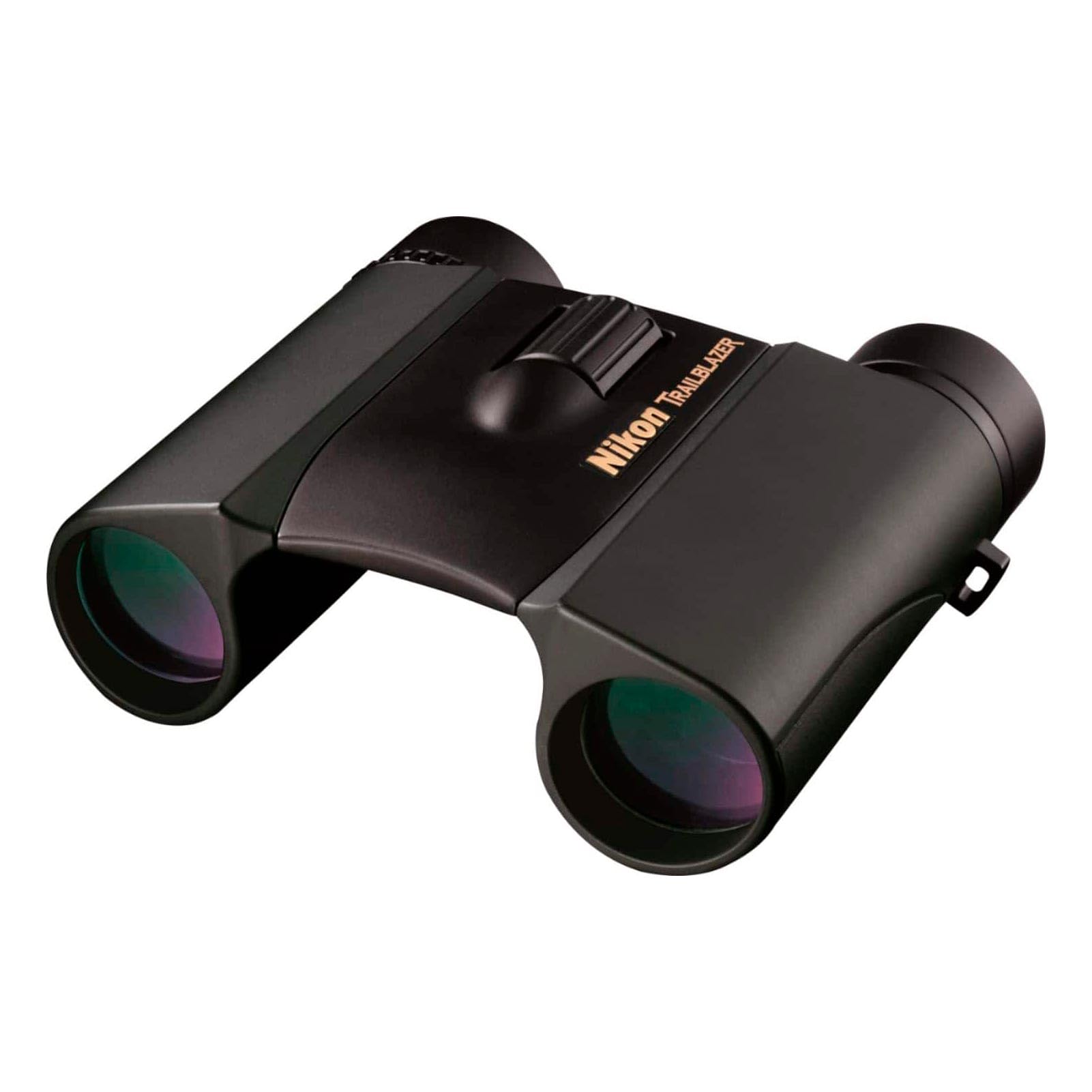
The shirt-pocket 10x that performs like a full-size pair for distance spotting.
Nikon’s Trailblazer crams 10x magnification into a foldable roof-prism design that fits in a shirt pocket. The fully multicoated lenses enhance brightness and color accuracy, delivering crisp, high-contrast views even in dim light. Buyers call it the “best pocket binoculars that exists,” with image quality near the Monarch 10×40 ATB in a fraction of the size.
It is built for all-terrain reliability. The nitrogen-filled, O-ring-sealed construction makes it fully waterproof and fogproof, so rain, mist, or cold will not compromise the view. The shock-absorbing, rubber-armored body provides a firm, non-slip grip and fatigue-free handling during long sessions. The 285-degree field of view is wide for a 10x, and the smooth central focus knob allows rapid, precise adjustments.
The 10x magnification needs light, and the 25mm objective lens is not bright in deep shade. Eye relief is a tight 6.3mm, so eyeglass wearers may find the view challenging without pressing close. The included case and strap are basic, and a few owners note the lens caps are easy to lose. For daytime distance work — birding across a lake, 3D shooting, hiking — it is a top-tier pocket performer.
Power in a pocket: the rare 10x that actually disappears into a shirt pocket and still produces a genuinely clear image.
Requires light: the 25mm lens dims in low-light conditions, so treat this as a daylight instrument.
Pick this if: you want maximum magnification in a truly pocketable frame for daylight birding and range work.
Think twice if: you wear glasses and need generous eye relief, or you glass in twilight.
9. Vortex Vanquish Reverse Porro Prism Binoculars

The truck-glove companion that proves a full-size image can come in a tiny package.
Vortex built the Vanquish around a simple idea: 10x magnification and 26mm objective lenses in one of their smallest, lightest, and most compact binoculars. The 26mm lens is slightly larger than the Nikon Trailblazer’s 25mm, which helps a touch with brightness, and the fully multi-coated lenses boost light transmission and resolution for a clean, crisp image.
The rubber-armored body provides a non-slip grip and added durability, while the nitrogen-purged, O-ring-sealed construction delivers waterproof and fog-proof performance for a lifetime of outdoor use. The twist-and-lock eyecups adjust to your preference, and the 16mm eye relief is comfortable for most users. At 294 feet, the field of view is solid for tracking wildlife.
The biggest draw is the warranty. Vortex’s unlimited, unconditional, lifetime VIP Warranty means repair or replacement if it is damaged or defective — fully transferable if you sell it. Buyers are effusive, calling it “crisp” with “no aberration” and a “comfortable grip.” The recurring minor gripe is that the lens caps sit only on the eyepieces and are not tethered. For a do-everything compact that is backed for life, this is a leading choice.
What Wins People Over
- Excellent clarity and image quality at 10x
- Lifetime unconditional warranty is top-tier
- Waterproof and fog-proof sealed body
- Triple-digit quality at a mid-range price
The Minor Gripes
- Focus mechanism can feel coarse to some users
- Lens caps are not tethered to the body
Best for: outdoor enthusiasts who want a rugged, sealed, high-power compact and value a lifetime guarantee above all else.
Not for: anyone who hates fiddly lens caps or demands a perfectly damped focus wheel.
Understanding the Specs
Magnification and Objective Lens
The two numbers on a binocular — like 8×25 — tell you its power and its light-gathering ability. The first number is magnification, or how many times closer an object appears. The second is the diameter of the front lens in millimeters; a bigger number means a brighter image, especially in low light. For compact binos, expect 8x or 10x with a 21mm to 32mm lens. A larger lens means less portability, so choose based on whether you value brightness or pocketability more.
Close Focus and Field of View
Close focus is the minimum distance at which you can get a sharp image. A short close focus — say under 2 meters — lets you study flowers, insects, and small objects in detail. Field of view is the width of the scene you see at a set distance, often listed in feet at 1000 yards or in degrees. A wider field of view makes it much easier to find and track moving subjects like birds in flight. These two specs together define how versatile a compact binocular really is.
Lens Coatings and Prisms
Lens coatings reduce glare and increase the light that reaches your eye. “Fully multi-coated” or “XR-coated” optics mean every air-to-glass surface gets multiple anti-reflective layers, which gives a brighter and more contrast-rich image. The prism type matters too: BaK-4 prisms are a higher-quality glass that delivers brighter, sharper images with true-to-life colors compared to cheaper BK-7 prisms. These are interior details, not marketing fluff.
Waterproofing and Warranty
A truly outdoor-ready binocular is nitrogen-purged and O-ring sealed. That means internal air is replaced with inert nitrogen to stop fogging, and the seals keep water out. Ratings like IPX7 mean the unit can be submerged in up to a meter of water for 30 minutes without damage. A lifetime warranty is valuable on a compact because it is small and easy to lose or drop; a good warranty covers repair or replacement for any defect.
FAQ
What does 8×25 mean on compact binoculars?
Is 10x magnification worth it in a compact binocular?
What is close focus and why does it matter?
Are compact binoculars good for eyeglass wearers?
Can I use compact binoculars for stargazing?
What is the difference between roof prism and porro prism binoculars?
Are these binoculars waterproof and fog-proof?
Can I take smartphone photos through a compact binocular?
What is the best magnification for a child’s binocular?
What does field of view mean for bird watching?
Final Thoughts: The Verdict
For most buyers, the compact binos winner is the Pentax Papilio II because its 50cm close focus and wide 393-foot field of view make it the most versatile nature companion here. If you want maximum magnification in a pocket frame, grab the Leupold BX-1 Rogue for stadium days. And for a rugged, lifetime-warranted all-rounder, the Vortex Vanquish is the one to reach for. Choose by your main outing, and you cannot go far wrong.
How We Picked
We do not accept paid placement. Every pick is matched to a real buyer and a real use-case; we do not hands-on test units.
Sources & Methodology
Specifications: manufacturer listings and product documentation. Review insights: verified customer reviews, as of August 2026. Pricing: not shown on this page (it changes often); check the current price via the retailer link.
As an Amazon Associate, FitlyFast earns from qualifying purchases. This does not affect which products we feature.