
Our readers keep the lights on and the weekend projects moving. As an Amazon Associate, I earn from qualifying purchases.
Specs are compiled from manufacturer listings and verified buyer reviews and can change over time — please confirm the key details on the product page before buying.
Swollen feet and ankles can turn a simple walk across the room into a painful chore, and the right pair of socks can make a real difference in how your legs feel by evening. You want a pair that is gentle on your legs, easy to slip on, and proven by other buyers—so here is what to look for in compression socks for elderly with swollen feet: gentle graduated pressure (tighter at the ankle, looser up the calf, which helps push fluid back up), easy on-and-off features, and real feedback from thousands of owners.
I’m Rikta — the founder and writer behind FitlyFast. This guide is built by comparing the manufacturers’ published specifications and the patterns across verified customer reviews, so you get each pick’s real strengths and trade-offs instead of marketing spin.
We’ve matched every pick to senior-friendly needs like edema relief, easy zipper access, and all-day comfort, so you can shop with confidence and find true relief.
Our Picks at a Glance


How To Choose The Best Compression Socks For Elderly With Swollen Feet
Picking the right compression sock is less about looks and more about matching the pressure to your daily comfort and the swelling you actually deal with. The two most common levels are 15-20 mmHg for mild swelling and everyday wear, and 20-30 mmHg for firmer support when swelling is more noticeable.
Match the Pressure to the Swelling
A 15-20 mmHg sock provides a gentle, even squeeze that helps move fluid back up the leg without feeling restrictive. If your feet swell during the day but settle overnight, this level is usually the most tolerable starting point. The 20-30 mmHg level delivers noticeably firmer support that some find helps more with varicose veins or post-surgery swelling, but it also means a tighter fit that can be harder to pull on.
Consider How You Will Get Them On
The single biggest reason seniors abandon compression socks is the struggle to put them on and take them off. A full-length sock that requires bending and tugging can be a daily battle. Zippered designs solve this completely by letting you open the sock wide, slip your foot in, and zip it up without pulling — a standout if you have limited grip strength or hip mobility.
Open Toe vs. Closed Toe vs. Toeless
Closed-toe socks wrap the whole foot and can feel cozy, but they can also squish sensitive toes. Open-toe and toeless designs leave your toes free, which improves airflow, reduces heat build-up, and feels far more comfortable if you have neuropathy or tender toes. They also let you wear sandals or flip-flops in warmer months.
Quick Comparison
| Model | Best For | Compression | Style | Pairs | Amazon |
|---|---|---|---|---|---|
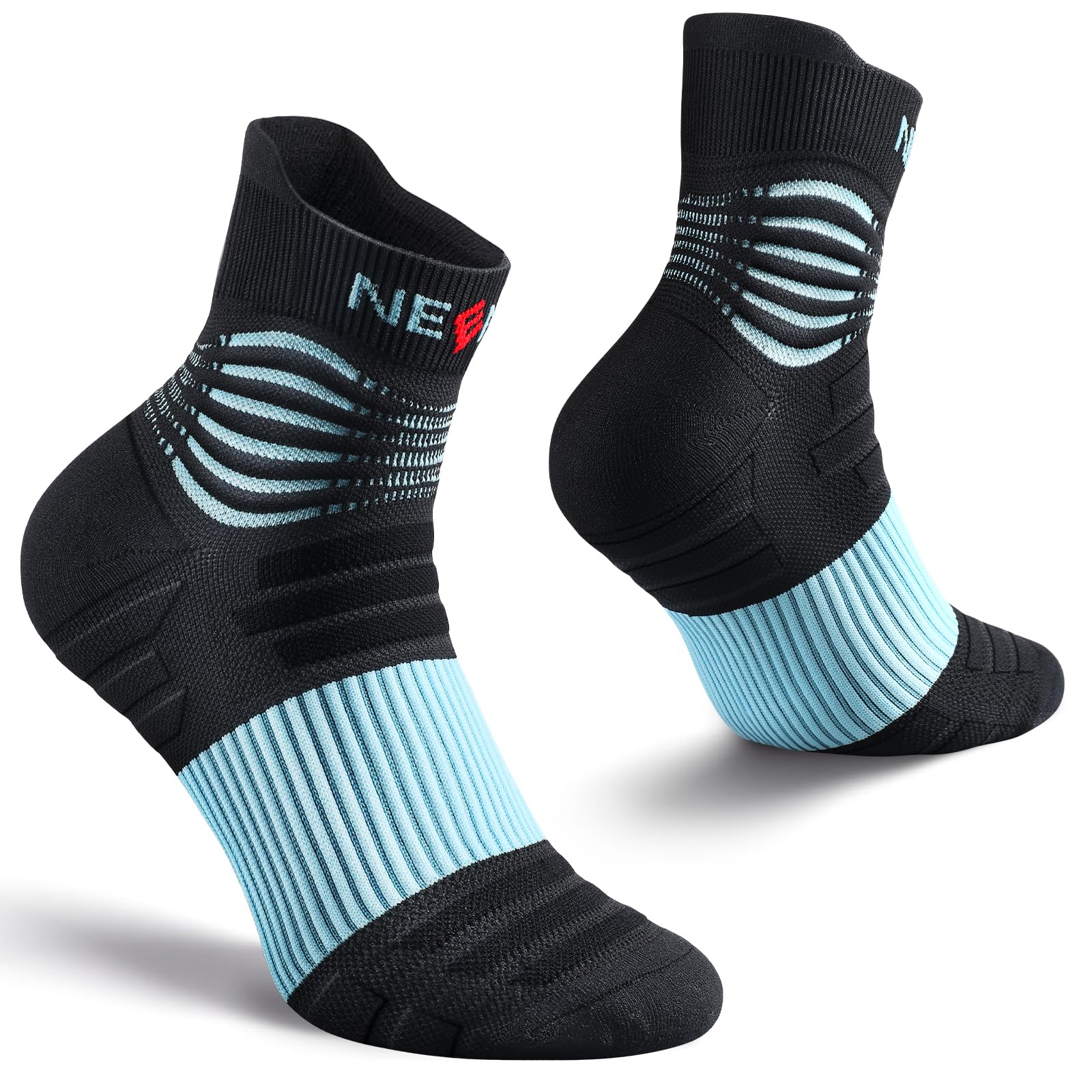
| NEENCA Professional★ Best Overall | All-day firm support | 20-30 mmHg | Closed Toe | 1 | Amazon |
| CASMON ZipperEasiest On & Off | Easy on & off | 15-20 mmHg | Closed Toe | 1 | Amazon |
| Sagry Toeless 6-Pair6-Pair Value | Neuropathy & night use | 15-20 mmHg | Toeless | 6 | Amazon |
| Ailaka Zipper | Zipper + open toe combo | 15-20 mmHg | Open Toe | 3 | Amazon |
| TOFLY Open Toe | Firm all-day compression | 20-30 mmHg | Open Toe | 1 | Amazon |
| Athbavib Thigh High | Swelling above the knee | 20-30 mmHg | Closed Toe | 1 | Amazon |
| Doc Miller Open Toe | Mild swelling & summer | 15-20 mmHg | Open Toe | 1 | Amazon |
| WAKEFEET 3-Pack | Value multi-pack | 20-30 mmHg | Closed Toe | 3 | Amazon |
| Tarpop 4-Pair Zipper | Zipper + thigh-high length | 20-30 mmHg | Closed Toe | 4 | Amazon |
In-Depth Reviews
1. NEENCA Professional Compression Socks
Our pick — over 4★ from 850+ verified ratings; the strongest balance of quality and price.
What wins people over here is the compression itself — it’s the thing owners talk about more than anything else. The sock applies 20-30 mmHg of graduated pressure, strongest at the ankle and easing up the leg, to push fluid out of swollen feet. As a registered medical device, it meets higher standards than a sports sock and qualifies for FSA/HSA.
The fabric blend of 65% nylon, 20% spandex, 8% polyester, and 7% cotton strikes a balance between stretch and breathability. Buyers report that the arch support is excellent and that the sock stays up all day without sliding down. As buyers put it after long shifts on concrete: “Helped me through each shift with minimal pain after walking on concrete floors 4 shifts per week.”
The honest trade-off is that firm 20-30 mmHg pressure means these are not the easiest socks to pull on, and a few owners note that they pill after several washes. That’s the nature of a tight compression knit — the comfort while wearing it is the reward.
easy on, easy off
- Firm 20-30 mmHg graduated support that reduces foot and ankle swelling
- Ankle Tuck patented design with reinforced arch for extra structure
watch sizing fit
- Firm pressure means a real struggle to get them on at first
- Several owners note pilling after repeated machine washes
reach for these if: you want strong, medical-grade support that keeps swelling down through a long day on your feet.
look elsewhere if: you have limited hand strength and can’t manage a tight sock without a zipper.
2. CASMON Zipper Compression Socks
The zipper that turns a daily struggle into a simple zip — the answer for weak hands or stiff hips.
This pick solves the problem every other sock ignores: getting it on. A durable YKK zipper runs down the side, so you open the sock wide, slide your foot in, and zip it closed without bending or tugging. Owners say the extended handle makes it possible to manage completely on your own — no partner needed, no special plastic donning device. It’s the most-discussed feature by far, and it’s easy to see why.
The compression level sits at a gentle 15-20 mmHg, which is the right starting point for mild to moderate swelling and tired legs. Because the pressure is lighter than the firm 20-30 mmHg of the NEENCA above, it’s more forgiving on sensitive skin while still promoting blood flow from the ankle up to the knee. The zippered design also wraps the toes completely, with a flat seam that owners say prevents rubbing and blistering.
The main sizing note is that a few buyers find these run long for the calf, so check the measurement chart before ordering. But for anyone who has given up on compression socks because they couldn’t get them on, this zipper design is the fix.
get this if: bending, gripping, and pulling are the real barriers — the zipper removes them completely.
think twice if: you need firmer 20-30 mmHg support (that’s a higher pressure level, measured in millimeters of mercury, often prescribed for more severe swelling) and prefer a totally smooth knit—this pair’s seams might bother you.
3. Sagry Toeless Neuropathy Compression Socks
Six pairs of toeless, breathable support that ease nighttime tingling and morning foot pain.
This set is built for a specific kind of comfort: the toeless design leaves your toes completely free, which owners say is a lifesaver for neuropathy-related tingling and pain. The compression is 15-20 mmHg, gentle enough for all-day and nighttime wear, and the breathable mesh knit keeps feet cool and dry. If you wake up with feet that ache or tingle, this is the pair designed to help.
The value here is tough to top — you get six pairs in six different colors, which means a week’s worth of socks in one box and no daily washing. The fabric blend of 65% nylon, 15% polyester, and 20% spandex gives enough stretch to be comfortable while still holding their shape. Owners mention that the swelling reduction, especially around the ankles, is among the most appreciated benefits, and that they’re easier to get on and off than tighter styles like the [Other Pick Name]—so you won’t struggle every morning.
The recurring caution is fit: the top band runs tight for some, and the brand advises sizing up if you have thick ankles or significant swelling. If you’re between sizes, the larger size is the safer bet.
ideal for: nighttime foot discomfort, neuropathy tingling, or anyone who wants a week’s supply in one buy.
not for: those who need a closed toe for warmth or a firmer 20-30 mmHg squeeze.
4. Ailaka Medical Zipper Compression Socks

The rare combo of zipper convenience and open-toe freedom, in a three-pair value pack.
This pick combines two features that each solve a real problem: a zipper for easy donning and an open-toe design for toe comfort and airflow. Made from 75% nylon and 25% spandex, it delivers 15-20 mmHg of graduated compression that’s strongest at the ankle and gradually eases up the calf. Owners who struggle with limited mobility say the zipper is the only reason they can wear compression at all.
The three-pair pack is a practical bonus, giving you rotation between washes so you always have a clean pair ready. The open-toe style means you can pair these with sandals or flip-flops in warmer months, which owners appreciate for summer wear. The sheer knit looks more like a fine stocking than a medical appliance, which helps with everyday confidence.
The honest caveats are sizing and durability. Several buyers found the fit runs small and tight, so measuring carefully is essential, and a few report the fabric can unravel with rough handling. These are best treated gently — hand washing is the safest route.
choose this for: the combination of zipper access and toe freedom, plus the convenience of three pairs.
pass if: you have very wide calves or want a heavier, more opaque fabric.
5. TOFLY Open Toe Compression Socks

Serious 20-30 mmHg support with five graduated zones, for swelling that needs firmer pressure.
If you’ve tried lighter socks and they didn’t do enough, this is the step up. TOFLY uses a 5-zone graduated compression system at a firm 20-30 mmHg level, which means the pressure is carefully distributed from the ankle upward to actively reduce swelling in the feet, ankles, and legs. It’s marketed for varicose veins, edema, and even shin splints — conditions that respond to real pressure, not just a snug fit.
The open-toe design keeps toes free and cool, and the soft top band is designed to avoid digging into your calf. Owners describe the compression as effective and the quality as solid, with one buyer noting the seams stayed intact even under very tight tension. Compared to the lighter 15-20 mmHg options above, this one delivers noticeably more squeeze, which is exactly what some swollen legs need.
Be aware that firm compression means these are harder to get on, and a few buyers on the shorter side found them too long and had to roll them below the knee. This is a sock for someone who wants maximum support and doesn’t mind the effort.
best for: noticeable swelling or varicose veins that need the firmer 20-30 mmHg level.
skip if: you have a shorter leg length or prefer a gentler 15-20 mmHg feel.
6. Athbavib Thigh High Compression Stockings

When swelling travels above the knee, this thigh-high design with a silicone grip band keeps support where you need it.
Most compression socks stop at the knee, which leaves upper-leg swelling and varicose veins unsupported. This pair extends all the way up the thigh, delivering 20-30 mmHg of graduated compression — tightest at the ankle, easing as it rises — to manage swelling that reaches higher up the leg. A non-slip silicone band at the top is designed to keep the stocking in place all day without digging in.
Owners who bought these for varicose veins, including hereditary cases and post-pregnancy, report feeling the difference immediately. One buyer who had tried more expensive brands said these stay up, which is the most common complaint with thigh-highs in general. The brand itself notes they’re suitable for anyone standing or sitting for long stretches, from nurses to travelers.
The sizing is the catch here — several customers note the stockings run small, and a few found them too tight to get on at all. Measuring your calf and thigh in the morning, before any swelling, is essential, and sizing up when between sizes is the brand’s own advice.
reach for these if: your swelling or varicose veins extend above the knee and you need full-leg coverage.
move on if: you only need ankle and calf support — a knee-high will be far easier to manage.
7. Doc Miller Open Toe Compression Socks
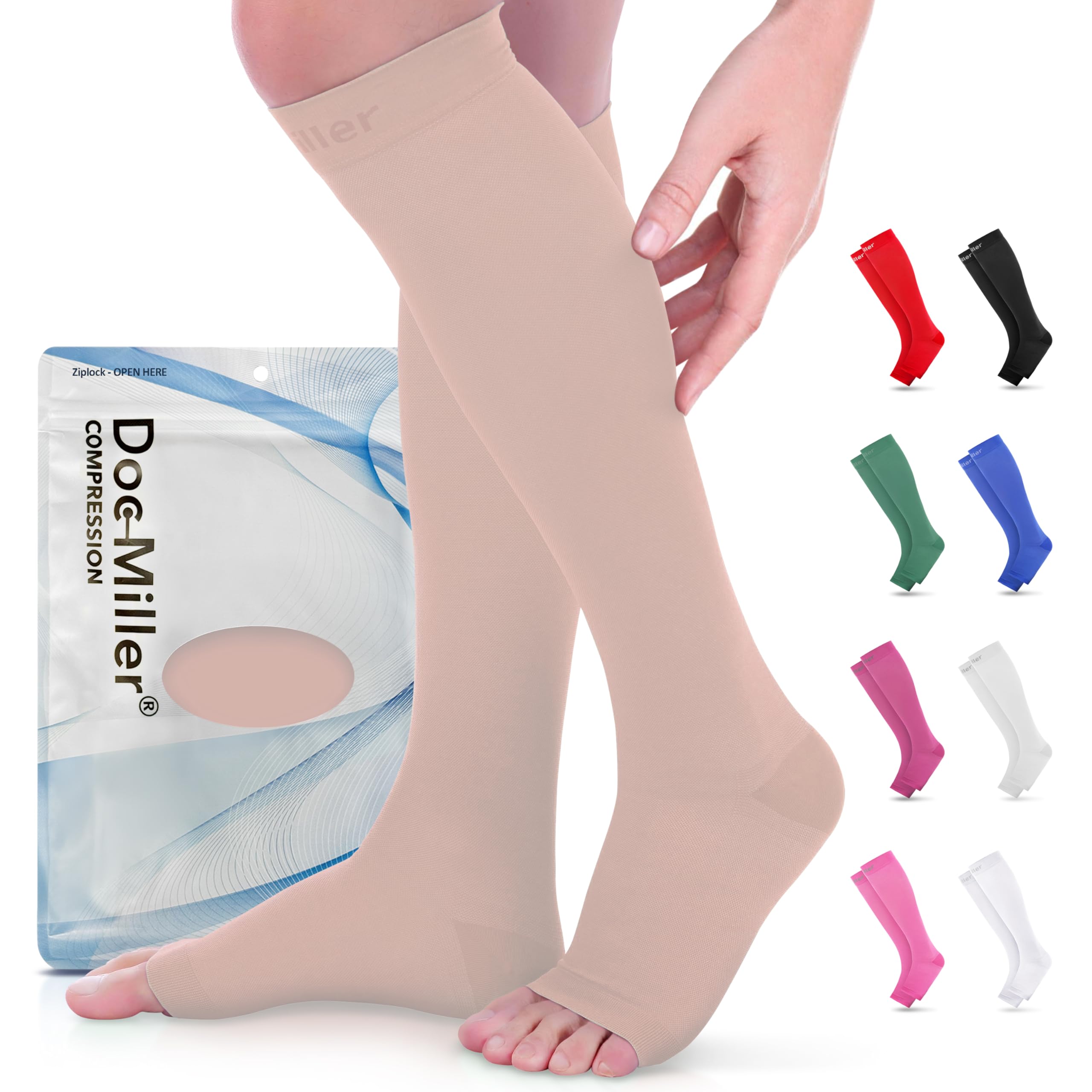
A lighter 15-20 mmHg open-toe knit that’s sheer enough for summer and sleeps comfortably.
At just 2.4 ounces, this is the lightest sock in the lineup, and that lightness translates directly into comfort. The 15-20 mmHg compression level is the gentler end of the scale, making it a smart first choice for mild swelling, ankle puffiness, or legs that tire easily. The sheer nylon-spandex knit is breathable and thin, which owners say makes it far more comfortable in summer heat or while sleeping than heavier compression.
The open-toe design is the defining feature here — it frees your toes completely and lets you wear the socks with sandals, sneakers, or even flip-flops. Owners with sensitive toes who found closed-toe compression restrictive describe this as the relief they were looking for. One buyer with size 10-12 feet found the medium fit with length to spare thanks to the four-way stretch.
The trade-off is that lighter compression means less aggressive swelling control, and the snug fit still takes some effort to pull on. If your swelling is significant, the firmer 20-30 mmHg options above will do more work.
perfect for: mild swelling, warm-weather wear, and toes that hate being squished by fabric.
not enough if: you need strong, firm pressure for significant daily swelling.
8. WAKEFEET 3-Pack Compression Socks
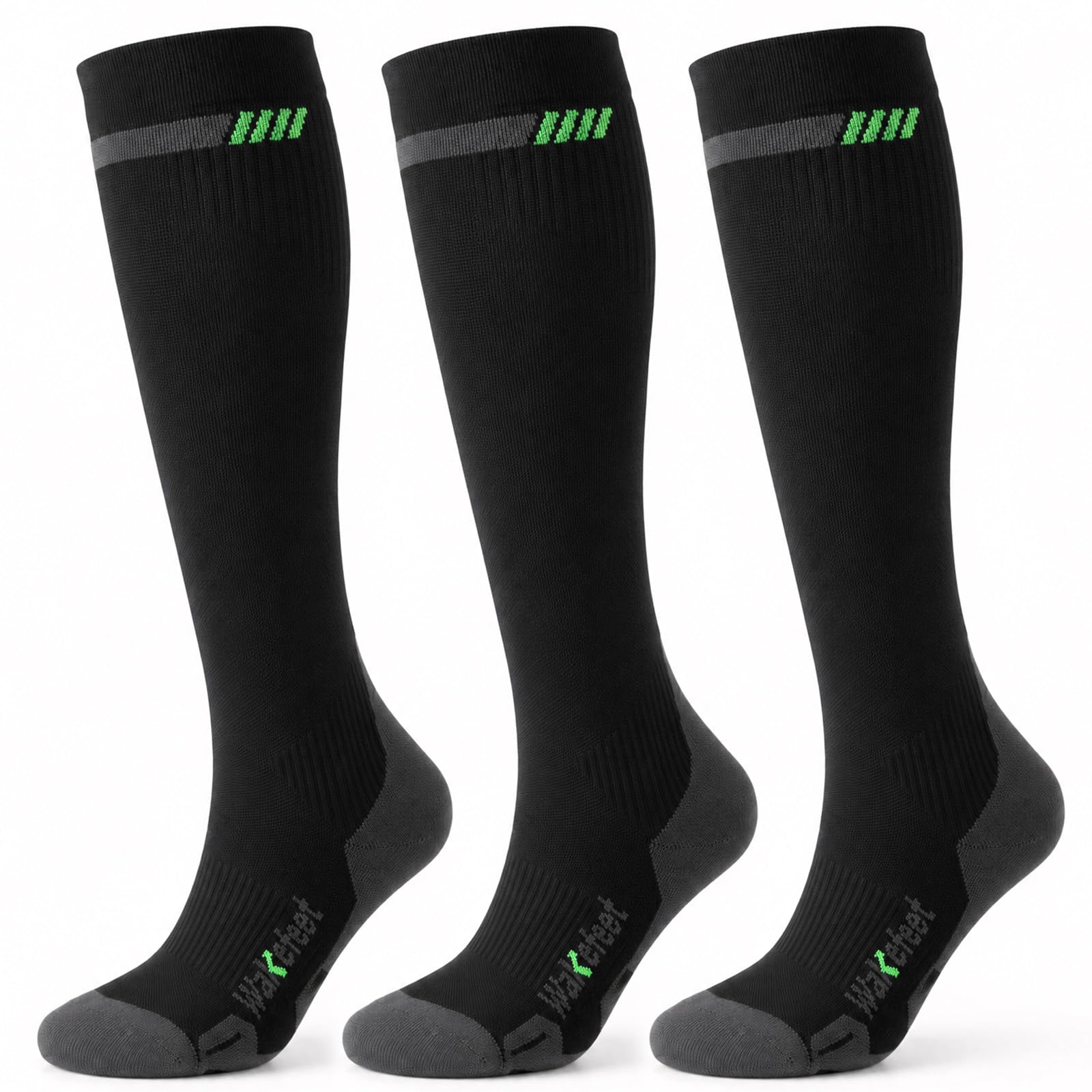
Three pairs of firm 20-30 mmHg support in a gift-ready box, with a smooth toe seam that won’t rub.
This set delivers firm 20-30 mmHg graduated compression with a thoughtful touch: a smooth toe closure that reduces friction and helps prevent blisters during all-day wear. The thick-knit sole and heel add cushioning, which owners appreciate for comfort when standing or walking for hours. It arrives as a set of three pairs in an elegant gift box, so you have rotation between washes right away.
The high-elasticity cuff is designed to grip a wide range of calf sizes without rolling down or cutting in, which is a common complaint with other firm socks. Owners describe the top band as comfortable and note the socks go on relatively easily for a 20-30 mmHg level. The brand even offers scented styles — strawberry, pine, lavender, lemon, and bluebell — to keep feet feeling fresh.
The recurring issue is fit: some buyers find them too tight, and an occasional owner says the top band cuts circulation. If you have sensitive skin or significant swelling, the lighter 15-20 mmHg options are a safer bet.
grab these for: firm compression on a budget, with the convenience of three pairs and a comfy top band.
skip if: you need a gentler pressure level or have particularly sensitive calves.
9. Tarpop Zipper Compression Socks
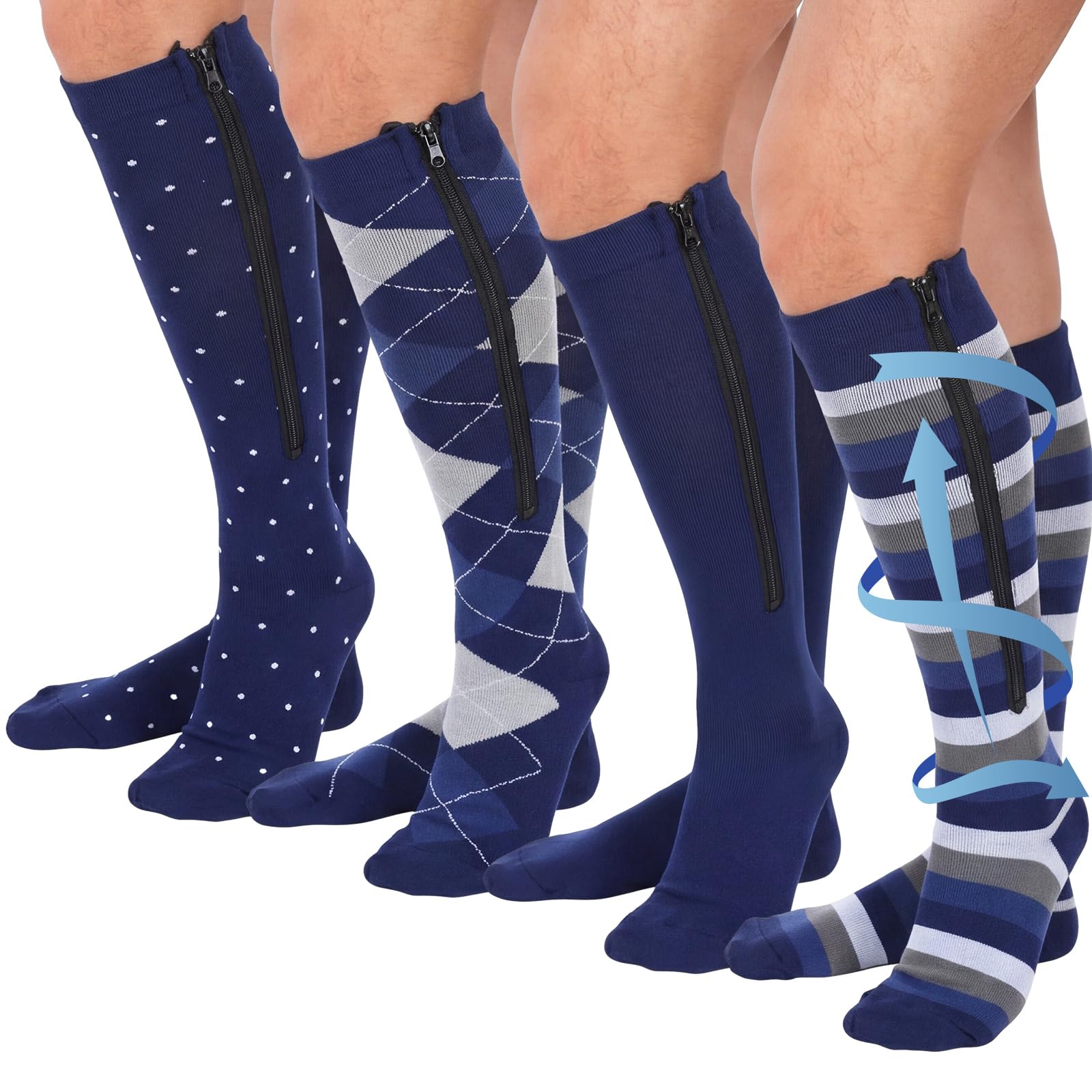
A four-pair zipper set that’s easy to zip on in seconds and covers the full calf to the knee.
This is the budget-friendly way to get zipper convenience in bulk. The innovative zipper design lets you slip these on in seconds, which owners say is the whole point — no more wrestling with tight fabric. The 20-30 mmHg compression offers firm support that reduces swelling and edema while promoting circulation. The extra length goes over the calf and up toward the knee, which owners say adds noticeably to the support.
The four-pair pack is the real value here, giving you nearly a week of socks without laundry. Owners describe the quality as decent for the price, and one buyer whose father has mild-to-moderate edema reported the socks supported his feet, ankles, and calves well, with caregivers finding them easy to manage. The zippers are durable and sturdy, holding up through many machine washes.
The fit caveat is length: because the socks run long, some buyers have to fold the top down to get a comfortable fit, and the zipper can leave a mark on the skin. If you’re between sizes, the brand’s own advice is to size up.
best for: caregivers or seniors who want firm zipper compression and a week’s supply at once.
consider others if: you have short legs (this sock may bunch at the knee) or you want a truly smooth knit without a zipper mark—the zipper’s seam can press into your skin.
Understanding the Specs
mmHg — The Pressure Number
mmHg (millimeters of mercury) is the unit that measures how much pressure the sock applies to your leg. A 15-20 mmHg sock is a gentle, everyday level that helps with mild swelling and tired legs. A 20-30 mmHg sock is noticeably firmer and is typically chosen for more significant swelling, varicose veins, or post-surgery recovery. The higher the number, the stronger the squeeze — and the harder the sock is to pull on.
Graduated Compression
Graduated means the pressure isn’t the same everywhere — it’s tightest at the ankle and gradually eases as it moves up the calf. This design pushes blood and fluid upward toward the heart, reducing swelling in feet and ankles. A true graduated sock should feel noticeably tighter at the bottom than at the top.
Zipper vs. Pull-On
A zippered compression sock opens wide so you can slide your foot in and zip it closed — no bending, pulling, or gripping required. This is a standout for anyone with limited hand strength, hip stiffness, or a large belly that makes bending hard. Pull-on socks offer a smooth knit but require you to wrestle them over your foot and up your calf, which many seniors find genuinely difficult—so if you have arthritis or back pain, the zipper saves you that daily struggle.
Open Toe vs. Closed Toe
Closed-toe socks wrap the entire foot and can feel warm and secure, but they can squish sensitive or neuropathy-affected toes. Open-toe (and toeless) designs leave your toes exposed, improving airflow, keeping feet cooler, and reducing pressure on tender toes. They also let you wear sandals or flip-flops in warm weather, which makes them a popular choice for summer.
FAQ
What is the best compression level for elderly swollen feet?
Are zipper compression socks easier for elderly people to put on?
Should I choose open toe or closed toe compression socks?
How tight should compression socks feel on swollen feet?
How do I measure my leg for compression socks?
Can I wear compression socks to bed?
How long do compression socks last before they wear out?
Is 15-20 mmHg or 20-30 mmHg better for edema?
Can compression socks make swollen feet worse?
Final Thoughts: The Verdict
How We Picked
We do not accept paid placement. Every pick is matched to a real buyer and a real use-case; we do not hands-on test units.
Sources & Methodology
Specifications: manufacturer listings and product documentation. Review insights: verified customer reviews, as of August 2026. Pricing: not shown on this page (it changes often); check the current price via the retailer link.
As an Amazon Associate, FitlyFast earns from qualifying purchases. This does not affect which products we feature.