
The safest bottled water isn’t just about what’s removed — it’s about what’s left in. Microplastics, chemical leachates, and questionable purification methods have turned a simple sip into a serious research project. Buyers are no longer satisfied with “just water” — they want proof of purity, responsible sourcing, and packaging that doesn’t poison the planet or the person drinking from it.
I’m Rikta — the co-founder and writer behind FitlyFast. I’ve spent years analyzing water quality reports, scrutinizing NSF certifications, and comparing filtration technologies to separate marketing claims from measurable purity.
This guide breaks down the key specs and safety markers that define the safest bottled water, helping you choose a source you can trust without the guesswork.
How To Choose The Best Safest Bottled Water
The safest bottled water is defined by three pillars: the purity of the water itself, the integrity of its container, and the transparency of its source. A brand that checks all three boxes delivers hydration that is genuinely clean — not just marketed that way.
Purification Method: Know What’s Removed
Reverse osmosis, distillation, and carbon filtration are the gold standards. Reverse osmosis removes dissolved solids, heavy metals, and most chemicals. Distillation vaporizes and recondenses water, stripping away minerals and pathogens. Carbon filtration handles chlorine and volatile organic compounds. Look for brands that explicitly state their process — “filtered” without detail is not enough.
Container Safety: Glass Over Plastic
Plastic bottles, even BPA-free ones, can leach microplastics and estrogenic chemicals over time. Glass is chemically inert, so nothing migrates into your water. Aluminum cans are a strong middle ground — they are lighter than glass and lined, but the lining quality varies. For the safest possible drinking experience, glass bottled water is the definitive choice.
Source Transparency and Mineral Profile
Spring water should name the exact spring location and ideally provide a public water analysis. Purified water should list the starting source and the purification steps. For infants or those needing a mineral-free profile, distilled water is the safest option. For daily drinking, a balanced electrolyte profile matters — too many minerals can cause digestive discomfort, while too few leaves the water tasting flat.
Quick Comparison
On smaller screens, swipe sideways to see the full table.
| Model | Category | Best For | Key Spec | Amazon |
|---|---|---|---|---|
| Mountain Valley Spring Water | Spring | Zero-plastic purity | Glass bottle, 16.9 oz | Amazon |
| RAIN Spring Water | Spring | Quick-chill aluminum | Aluminum bottle, 16 oz | Amazon |
| Boxed Water 11.2 oz | Purified | Eco-friendly cartons | Plant-based carton, 11.2 oz | Amazon |
| Bay Bay Water | Distilled | Infant formula safety | Distilled, BPA-free, 16.9 oz | Amazon |
| Core Hydration | Purified | Balanced pH hydration | pH 7.4, 100% rPET, 30.4 oz | Amazon |
| LIFEWTR | Purified | Electrolyte taste boost | RO purified, pH 6.4-7.4, 23.7 oz | Amazon |
| Deer Park Natural Spring Water | Spring | Classic spring water value | Natural spring, 16.9 oz | Amazon |
In‑Depth Reviews
1. Mountain Valley Spring Water

Mountain Valley delivers the safest possible water experience: natural spring water bottled in inert glass. There is zero risk of plastic leaching or microplastic ingestion, making this the definitive choice for anyone prioritizing absolute purity over convenience. The water itself is clean, crisp, and naturally mineral-balanced — no additives or adjustments required.
Customer reviews consistently praise the refreshing taste and the confidence that comes from drinking from glass rather than plastic. The brand’s long history and transparent sourcing add credibility. However, shipping glass is a risk — some users report breakage, and the weight makes it less portable than plastic or aluminum alternatives.
If you want the lowest possible contaminant risk from packaging, this is the benchmark. Treat it as a home-use staple rather than a grab-and-go option. The safety upgrade from standard plastic bottles is immediate and measurable.
Why it’s great
- Chemically inert glass — no leachates or microplastics
- Clean, natural spring taste without additives
- Transparent sourcing and long-standing reputation
Good to know
- Glass is heavy and prone to breakage during shipping
- Not the most convenient for on-the-go use
- Premium tier pricing reflects the glass packaging
2. RAIN Spring Water
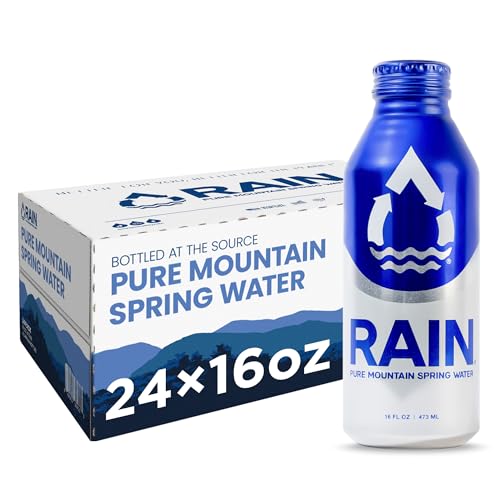
RAIN Spring Water combines a pure natural source with an aluminum container that cools faster and eliminates plastic contact. The spring is bottled using underground pressure — no mechanical energy is used in extraction — preserving the water’s natural mineral character. The aluminum bottle is infinitely recyclable and much lighter than glass.
User feedback highlights the crisp, clean taste and the absence of any chemical aftertaste common with plastic bottles. The resealable cap is convenient, though some reviews note that bottles arrived dented and that the taste is comparable to standard spring water — so the premium is largely in the packaging and sustainability angle.
For those who want a safer alternative to plastic without the fragility of glass, RAIN is a strong mid-range pick. It is especially well-suited for cooling quickly after refrigeration due to aluminum’s thermal conductivity.
Why it’s great
- No plastic contact — safe aluminum bottle
- Cools significantly faster than plastic
- Bottled at source without mechanical pumping
Good to know
- Aluminum bottles can dent during shipping
- Some find the taste comparable to standard spring water
- Requires a bottle opener for the initial seal
3. Boxed Water 11.2 oz
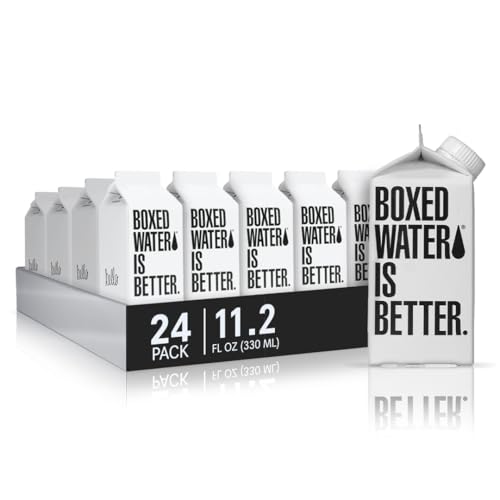
Boxed Water pushes safety and sustainability in tandem. The 92% renewable carton eliminates plastic entirely, and the water itself is purified via reverse osmosis and carbon filtration — no added minerals, no artificial flavors. The cap is plant-based bioplastic, making this one of the most complete zero-plastic packaging solutions available.
Reviews emphasize the clean, neutral taste and the aesthetic appeal of the cartons. Many users appreciate the refillable nature of the boxes, extending their utility beyond the first drink. However, the 11.2 oz size is smaller than standard water bottles, and some find the carton less durable than a plastic or aluminum bottle.
This is an excellent choice for schools, events, and families looking to minimize plastic exposure without resorting to heavy glass. The water quality is consistent and clean, and the environmental commitment adds peace of mind.
Why it’s great
- Renewable, plant-based carton — zero plastic
- RO and carbon filtered for clean taste
- Refillable and recyclable packaging
Good to know
- Smaller 11.2 oz size may not satisfy heavy drinkers
- Cartons are less durable than bottles
- Some may find the taste too neutral or “flat”
4. Bay Bay Water

Bay Bay Water is a dedicated distilled water brand certified to FDA quality standards and produced in a CGMP-registered facility. The multi-step distillation process removes everything — heavy metals, chlorine, fluoride, pesticides, bacteria, and minerals. This makes it the safest option for infant formula, where mineral overload can cause digestive upset.
Users confirm its effectiveness for CPAP machines and baby formula, with many switching to this brand exclusively for its purity. The BPA-free bottles are portable and convenient. The main trade-off is that distilled water tastes flat because all minerals have been removed — it’s not ideal for everyday drinking unless you specifically need zero-mineral water.
This is a purpose-specific product. Buy it if you need the highest purity for sensitive applications. For daily hydration, a balanced spring or purified water with added electrolytes is generally more palatable.
Why it’s great
- FDA-registered, CGMP-certified facility
- Removes all minerals, fluoride, and contaminants
- Perfect for infant formula and CPAP machines
Good to know
- Tastes flat due to complete mineral removal
- Not ideal for daily hydration without electrolyte balance
- Premium tier pricing relative to standard bottled water
5. Core Hydration
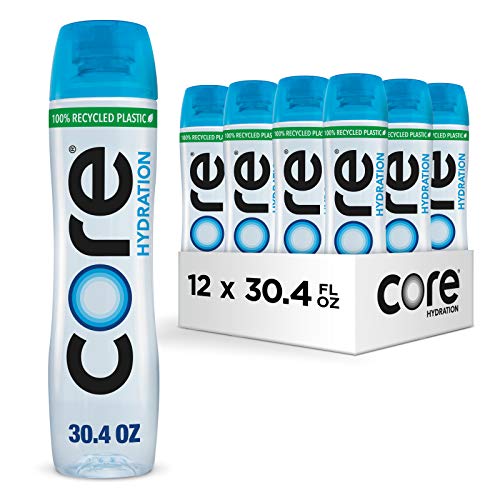
Core Hydration targets the sweet spot of safety and performance. The water is purified and then balanced with electrolytes and minerals to match the body’s natural pH of 7.4. The contoured 30.4 oz bottle is made from 100% recycled plastic (excluding cap and label), which reduces virgin plastic demand while remaining lightweight and shatterproof.
Customer reviews consistently describe the taste as smooth, refreshing, and clean, with many noting it feels lighter and more hydrating than standard purified water. The large bottle size is practical for gym use and long days out. The recycling commitment is transparent, though the bottle is still plastic — not as safe as glass or aluminum over repeated use or exposure to heat.
For daily hydration that balances safety, taste, value, and sustainability, Core Hydration is the most well-rounded option. It’s not the absolute purest on this list, but it delivers the best combination of features for the general consumer.
Why it’s great
- Balanced pH 7.4 for optimal body harmony
- 100% recycled plastic bottle reduces waste
- Smooth, clean taste with no chemical aftertaste
Good to know
- Still packaged in plastic (though recycled)
- Large bottle may not fit all cup holders
- Not suitable for those avoiding all plastic packaging
6. LIFEWTR

LIFEWTR is a reverse-osmosis purified water with added electrolytes for taste. The pH range of 6.4 to 7.4 is slightly broader than Core’s tight 7.4 target, but still within the safe range. The bottle is made from 100% recycled plastic, and the rotating artist labels add a touch of visual appeal. The flip cap is practical for one-handed drinking.
Reviewers consistently call out the great taste and the value for money. The electrolyte addition (magnesium sulfate and potassium bicarbonate) gives it a clean, slightly crisp finish that many prefer over standard spring water. The product is widely available and refillable, though the plastic bottle is a concern for those prioritizing packaging safety.
LIFEWTR is a reliable, mid-range option for those who want purified water with a consistent taste. It doesn’t compete with glass-bottled spring water for absolute purity, but it beats generic store-brand purified water hands down.
Why it’s great
- RO purification removes most contaminants
- Added electrolytes improve taste
- Bottle made from 100% recycled plastic
Good to know
- Plastic bottle may still leach over time
- pH range is broader than some competitors
- Art labels increase packaging cost
7. Deer Park Natural Spring Water

Deer Park is a classic natural spring water brand — no purification, no added minerals, just water from protected springs. The 16.9 oz bottle is convenient, lightweight, and familiar. It’s free of sweeteners and artificial colors, and the source transparency from Nestlé provides a baseline level of trust.
Reviews reflect that long-time fans appreciate the consistent, refreshing taste. The entry-level pricing makes it accessible for bulk buying. However, the plastic bottle is standard single-use PET, and the water is not purified beyond basic filtration. For those seeking the safest bottled water, the plastic packaging is a meaningful consideration.
Deer Park works well as an affordable, everyday spring water for those not concerned about plastic. If you want to upgrade your safety profile without a large price jump, consider the RAIN aluminum option or Boxed Water cartons instead.
Why it’s great
- Natural spring water from protected sources
- Consistent, refreshing taste
- Affordable entry-level pricing
Good to know
- Standard plastic bottle — microplastic risk
- Not purified beyond basic filtration
- Some find the price high for a basic spring water
FAQ
What is the most important safety spec to check for bottled water?
Is distilled water safe for everyday drinking?
How can I tell if a brand’s safety claims are real?
Are aluminum bottles safer than plastic bottles for water?
Final Thoughts: The Verdict
For most users, the safest bottled water winner is the Mountain Valley Spring Water because it combines a natural, mineral-balanced spring source with an inert glass bottle — eliminating all risk of packaging contamination. If you want a practical daily hydration option that balances safety, taste, and value, grab the Core Hydration. And for the ultimate zero-plastic experience in a lightweight format, nothing beats the Boxed Water.