
Our readers keep the lights on and the weekend projects moving. As an Amazon Associate, I earn from qualifying purchases.
Finding a pair of women’s athletic shoes that genuinely supports your activity—whether it’s a daily 5-mile walk, a heavy lifting session, or a high-intensity interval class—without causing blisters, foot pain, or premature wear is more challenging than most brands admit. The wrong shoe doesn’t just slow you down; it can introduce knee, hip, or back issues over time.
I’m Rikta — the founder and writer behind FitlyFast. I spend my days dissecting shoe construction, analyzing EVA foam densities and outsole rubber compounds, and cross-referencing hundreds of verified buyer experiences to separate real performance from marketing noise.
I’ve focused this guide on the seven models that deliver genuine value across walking, running, gym training, and all-day wear, making it a reliable resource for anyone searching for the best athletic shoes for women.
How To Choose The Best Athletic Shoes For Women
Women’s athletic shoes are not one-size-fits-all. The ideal pair depends on your foot shape (arch height, width), primary activity (walking, running, lifting, cross-training), and cushioning preference. Ignoring these variables leads to discomfort, injury, or wasted money within months.
Prioritize Activity-Specific Design
A running shoe prioritizes forward motion with a higher heel-to-toe drop and responsive forefoot cushioning. A training shoe, by contrast, needs a low, stable platform for deadlifts and lateral support for HIIT moves. If you do both, look for a model like the Under Armour Project Rock that bridges the two worlds without compromising either.
Evaluate Midsole Foam and Heel Drop
EVA-based foams (used by most mid-range shoes) offer a balance of weight, bounce, and durability. Premium foams like nitrogen-infused PEBA deliver more energy return but cost more. Heel drop—typically 8mm to 12mm for running, 4mm or less for lifting—dictates how your foot strikes the ground. A higher drop reduces Achilles load; a lower drop encourages a more natural gait.
Check the Upper Construction and Fit
A structured mesh upper with padded heel collar locks the foot in place without pinching. Look for a toe box that allows your toes to splay slightly—too narrow, and you risk neuromas and bunions over time. The Brooks Anthem 8 and Saucony Ride 18 are examples of models that accommodate wider feet without sacrificing lateral security.
Quick Comparison
On smaller screens, swipe sideways to see the full table.
| Model | Category | Best For | Key Spec | Amazon |
|---|---|---|---|---|
| Saucony Ride 18 | Neutral Cushion | Daily runs, long walks | 4mm drop, 2 lb weight | Amazon |
| Under Armour Project Rock 5 | Training Shoe | HIIT & weightlifting | TriBase outsole, low drop | Amazon |
| Brooks Trace 4 | Neutral Run | All-day standing, light jogging | DNA Loft v2 cushion, memory foam collar | Amazon |
| ASICS Gel-Cumulus 27 | Cushioned Runner | Daily walking, neutral gait runs | Rearfoot GEL, 1.4 lb weight | Amazon |
| Brooks Anthem 8 | Neutral Run | Aerobic classes, daily training | BioMoGo DNA midsole, wide toe box | Amazon |
| Under Armour Charged Assert 11 | Daily Trainer | Walking, gym cardio | Charged Cushioning midsole, 2.4 lb weight | Amazon |
| Skechers Go Walk Glide Step 2.0 | Slip-On Walker | All-day wear, easy on/off | Hands-free slip-in, ULTRA GO midsole | Amazon |
In‑Depth Reviews
1. Saucony Women’s Ride 18
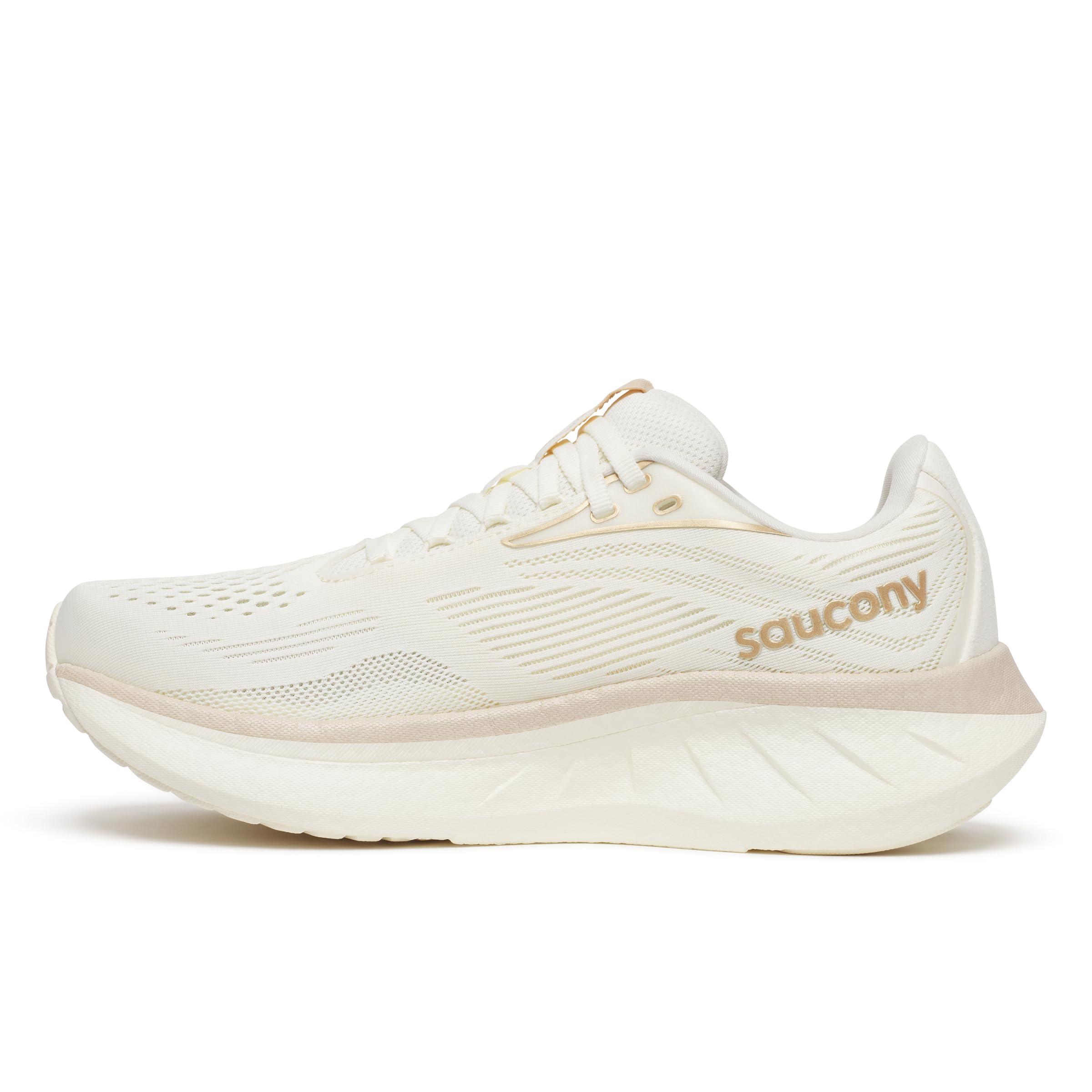
The Saucony Ride 18 earns the top spot because it does what most neutral daily trainers can’t: deliver a plush yet responsive ride without losing ground feel. The PWRRUN midsole foam (nitrogen-injected EVA blend) provides a balanced cushion that works equally well for 5-mile steady runs and all-day wear. At a low 4mm drop, it encourages a midfoot strike, reducing heel-strike impact for runners who want a more natural gait cycle.
The engineered mesh upper breathes well and has a wider toe box than previous iterations, a detail multiple reviewers highlight for accommodating foot issues like bunions or mild neuromas. Reviewers consistently mention zero break-in time and pain relief for back and plantar fascia discomfort. The outsole uses a dense carbon rubber layout with strategic flex grooves, giving it traction on wet pavement without excessive wear.
Two trade-offs stand out: the light-colored mesh upper stains easily if not sprayed with a protector, and the neutral color selection is limited. But for a shoe that blends walking, running, and daily activity with genuine support, the Ride 18 is the most balanced pick on this list.
Why it’s great
- Zero break-in period with immediate comfort for runs and walks
- Wide toe box and neutral support suit medium-to-wider feet
- Balanced cushioning preserves ground feel while damping impact
Good to know
- Light-colored mesh requires protective spray to stay clean
- Limited neutral color options available
2. Under Armour Women’s Project Rock Blood Sweat Respect 5
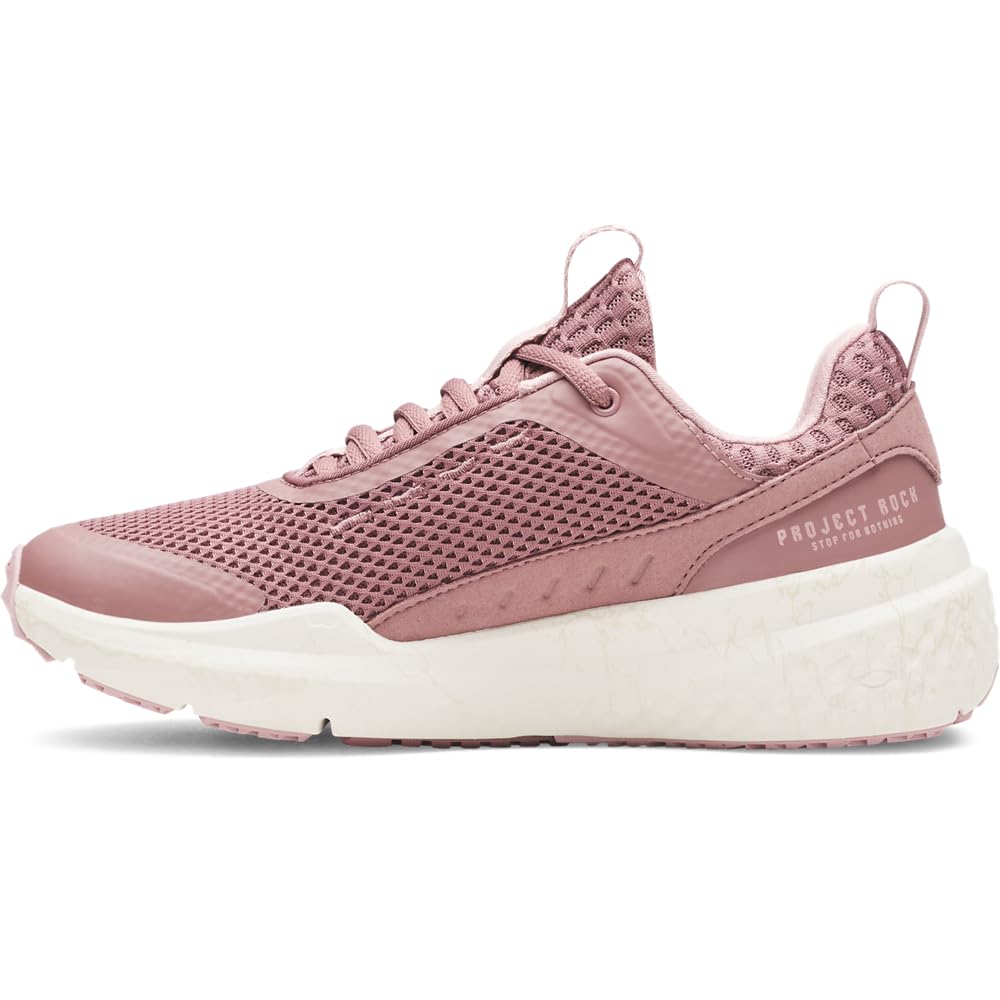
The Under Armour Project Rock 5 is engineered for the gym floor, not the road. It uses a low-to-ground platform with a TriBase outsole that widens at the forefoot for superior stability during squats and deadlifts. The midsole uses UA’s Charged Cushioning—denser than typical running EVA—to prevent compression during heavy lifts while returning a springy feel for burpees and box jumps.
Reviewers consistently call it a “go-to gym shoe” because it balances floor feel (important for stability) with enough padding for HIIT cardio. The mesh upper has a roomy toe box that doesn’t cramp the toes, and the shorter laces stay tied through intense lateral movement. The heel counter is stiff enough to lock the foot in place without creating pressure points.
The shoe is not designed for long-distance running—the low drop and denser foam lack the forefoot bounce for a 5K. It’s also noticeably heavier than a pure runner. But for anyone lifting three times a week and mixing in HIIT, the Project Rock 5 is the most durable, stable training shoe on this list.
Why it’s great
- TriBase outsole provides exceptional lateral stability for lifting
- Roomy toe box that accommodates wider foot shapes
- Dense midsole holds up to heavy use in HIIT and weight training
Good to know
- Not suitable for long-distance running due to low drop and dense foam
- Heavier than standard running trainers
3. Brooks Women’s Trace 4 Neutral Running Shoe

The Brooks Trace 4 brings the brand’s DNA Loft v2 midsole—a blend of EVA, rubber, and air that delivers a soft, forgiving ride without the heavy weight of older Brooks cushioning. The memory foam ankle collar wraps the heel securely, which reviewers with plantar fasciitis specifically note as a relief point during long shifts and post-run recovery.
The engineered mesh upper is structured but breathable, and the toe box is noticeably roomier than the Ghost 16 while maintaining a similar plush feel. Reviewers who work standing 8-9 hours swear by the Trace 4 for its all-day comfort and zero break-in period. The outsole uses a segmented rubber layout with flex grooves, providing predictable traction on dry pavement and gym floors.
It’s not a speed shoe—the DNA Loft v2 foam is designed for cushion, not energy return. Runners looking for a snappy feel for intervals should look elsewhere. But for neutral runners who prioritize soft landings and everyday comfort, the Trace 4 is a standout.
Why it’s great
- Memory foam collar and DNA Loft v2 midsole provide exceptional plushness
- Roomy toe box suits medium-to-wide feet and aids plantar fasciitis comfort
- True-to-size fit with excellent out-of-box comfort
Good to know
- Soft midsole lacks forefoot snap for speed workouts
- Not ideal for runners who prefer a firm, responsive platform
4. ASICS Women’s Gel-Cumulus 27 Running Shoes
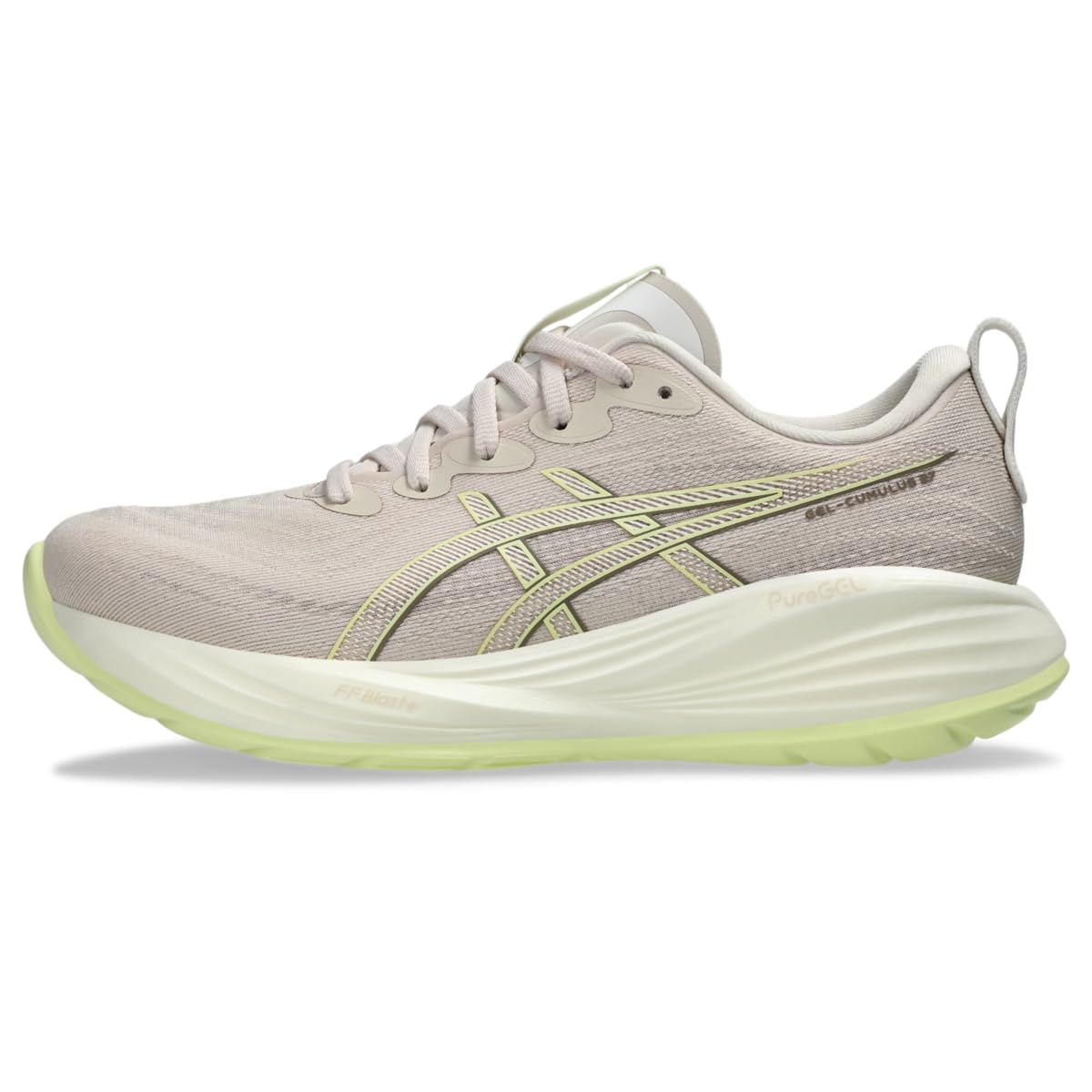
The Gel-Cumulus 27 is ASICS’ premium neutral daily trainer, now featuring a rearfoot GEL unit embedded in a FLYTEFOAM Blast Plus midsole. The result is a lightweight ride (under 1.5 lbs per pair) with pronounced heel-softening that reviewers with Morton’s neuroma and foot alignment issues specifically call out as beneficial. The improved lacing system uses shorter, non-slip laces that stay tied throughout a 5-mile walk.
The Ortholite X-40 sockliner contributes to step-in comfort, and the mesh upper is engineered with a more rigid heel counter than the Cumulus 26, improving foot lockdown without adding weight. Reviewers who walk 4+ miles daily report the shoe lasts about six months before midsole compression is noticeable, with outsole wear being minimal due to the dense AHAR rubber compound.
The main limitation is the toe box, which reviewers with wide feet or neuromas describe as snug—it’s acceptable for casual walking but restrictive for long runs. If your foot is medium-width and you want a light daily walker or jogger with proven heel cushioning, the Cumulus 27 remains a reliable choice.
Why it’s great
- Rearfoot GEL unit delivers targeted impact absorption for heel strikers
- Under 1.5 lbs per pair, making it one of the lightest cushioned trainers
- Improved lacing system with shorter, stay-tied laces
Good to know
- Toe box is narrow for wide-footed runners and long distances
- Midsole compression becomes noticeable around the six-month mark
5. Brooks Women’s Anthem 8 Neutral Running Shoe
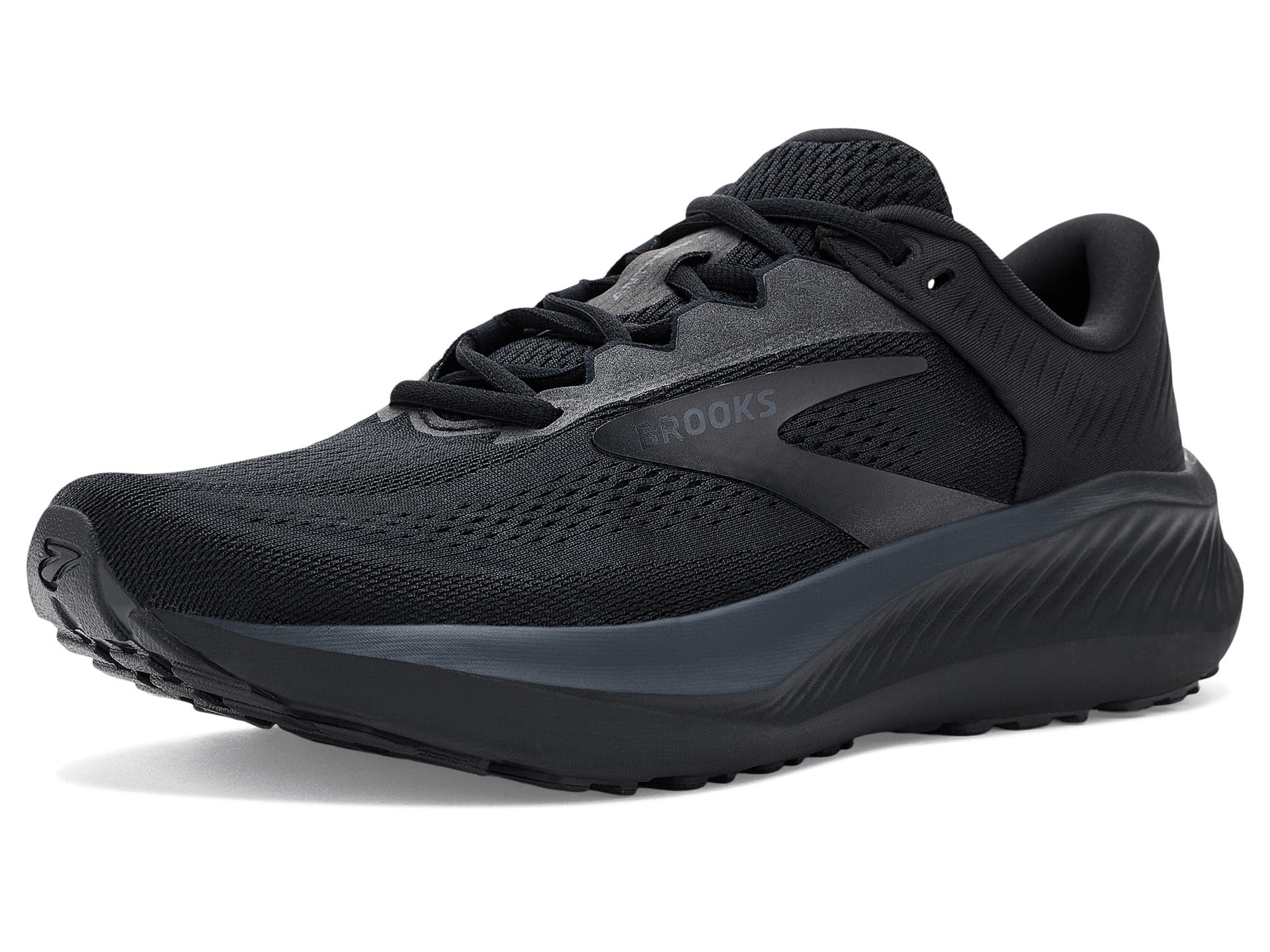
The Brooks Anthem 8 occupies a smart middle ground: BioMoGo DNA midsole foam that adapts to your stride but doesn’t cost as much as Brooks’ top-tier models. It provides reliable neutral support for daily training, jazzercise, walking, and gym cardio without the premium price tag of the Ghost or Glycerin lines. The heel counter is structured enough to prevent slipping for narrow heels.
Reviewers praise the color versatility and the wide toe box that fits medium-to-wide feet without looking bulky. The engineered mesh upper is lightweight and breathable, and the outsole uses a segmented tread pattern that offers dependable traction on gym floors. Multiple reviewers note they needed zero break-in time.
The arch support is moderate—reviewers with high arches report they wish it had more pronounced medial support. It’s also not a speed shoe; the BioMoGo foam is focus on absorption rather than energy return. But as a well-priced neutral trainer with a secure fit and attractive design, the Anthem 8 is an easy recommendation for low-mileage runners and fitness walkers.
Why it’s great
- Adaptive BioMoGo DNA midsole provides personalized cushioning
- Wide toe box with good lateral lock-down for narrow heels
- Attractive colors and zero break-in time
Good to know
- Moderate arch support not ideal for pronounced high arches
- Firm cushioning, not designed for speed or long-distance running
6. Under Armour Women’s Charged Assert 11 Running Shoes
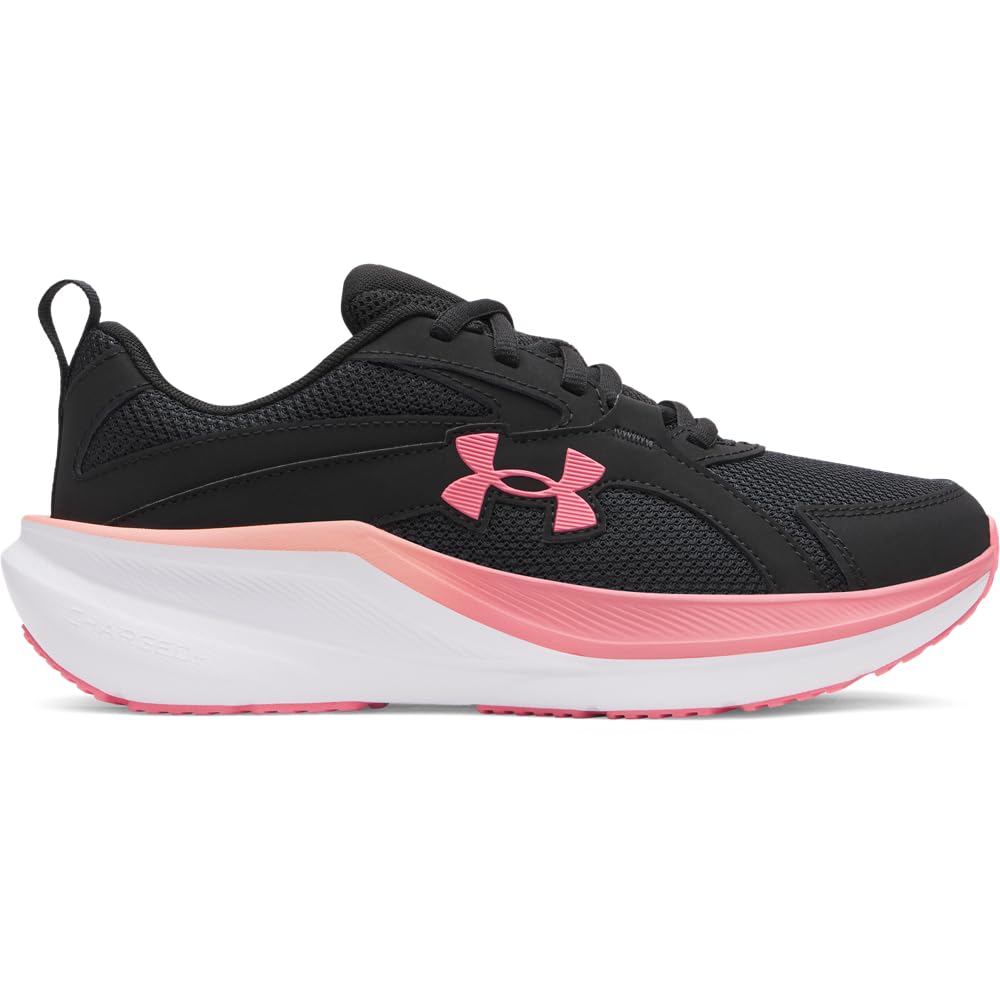
The Under Armour Charged Assert 11 is a no-frills daily trainer that focuses on the fundamentals: a Charged Cushioning midsole (compression-molded EVA) that delivers a responsive but not soft feel, and a performance mesh upper that keeps the foot cool during walking and treadmill sessions. The outsole uses a solid rubber layout with flex grooves for basic traction on pavement.
Reviewers consistently report true-to-size fit and immediate comfort for long walks and gym sessions. The heel counter is padded enough to prevent slipping without requiring a break-in period. Several buyers mention buying a second pair because the combination of fit, cushion, and reliability fits their daily routine perfectly.
The Charged Cushioning foam is firmer than the Saucony Ride 18’s PWRRUN, which means less energy return for running but better stability for walking and light jogging. The upper’s mesh is functional but not premium—it doesn’t have the structured engineered knit of higher-end models. For walkers and casual gym-goers on a budget, this is a solid, comfortable pick.
Why it’s great
- Firm, responsive cushioning provides stability for walking and light running
- True-to-size fit with consistent comfort out of the box
- Durable construction at a very accessible entry point
Good to know
- Midsole lacks premium energy return for serious running
- Upper mesh is basic, without structured knit support
7. Skechers Women’s Go Walk Glide Step 2.0 Elektra Hands Free Slip-ins
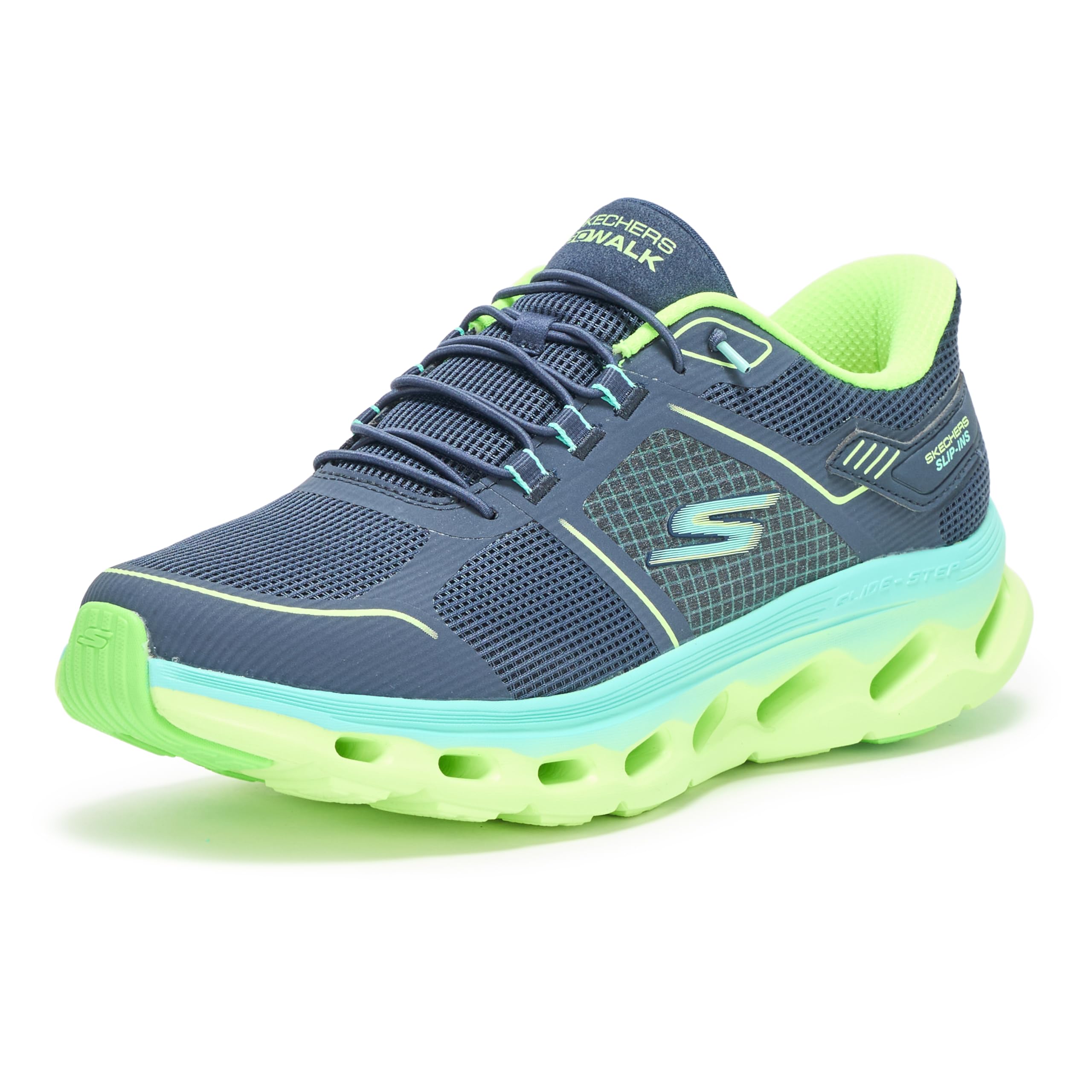
The Skechers Go Walk Glide Step 2.0 solves a specific problem: getting in and out of shoes without bending or using your hands. The Hands Free Slip-In technology uses a structured heel panel that compresses when you step in and then snaps back to hold the foot secure. The ULTRA GO midsole provides a soft, lightweight cushion that reviewers describe as “walking on clouds.”
Multiple reviewers who wear ankle or foot orthotic braces report that the slip-on design works perfectly with their gear, and the wide fit accommodates braces without requiring a size up. The outsole uses a rubberized foam with flex grooves, giving decent slip resistance on smooth floors. The arch support is noticeable and appreciated by nurses and retail workers on 12-hour shifts.
The main trade-off: the price-to-materials ratio feels high for what is essentially a foam-and-mesh walking shoe. The ULTRA GO midsole compresses faster than denser EVA foams, meaning the cushioning life is shorter than a traditional running-shoe midsole. This is a purpose-built slip-on for all-day standing—not for running or gym training.
Why it’s great
- Hands-free slip-in design is ideal for those with limited mobility or braces
- Soft ULTRA GO midsole provides immediate cloud-like comfort
- Decent arch support for long standing shifts
Good to know
- Midsole compresses faster than denser EVA shoes; shorter lifespan
- Overpriced relative to the materials and construction
FAQ
Can I wear running shoes for weight training?
How do I know if I need a neutral or stability shoe?
How often should I replace women’s athletic shoes?
Final Thoughts: The Verdict
For most users, the best athletic shoes for women winner is the Saucony Ride 18 because it delivers a balanced cushion that works for daily runs, long walks, and all-day wear without significant trade-offs. If you want gym-specific lateral stability and low drop for lifting, grab the Under Armour Project Rock 5. And for all-day standing in a slip-on format with immediate cloud-like comfort, nothing beats the Skechers Go Walk Glide Step 2.0.