
Our readers keep the lights on and the weekend projects moving. As an Amazon Associate, I earn from qualifying purchases.
Finding a liquid antihistamine a toddler will actually swallow without a fight is the real challenge — and the difference between a peaceful day and a constant battle over the dosing cup. The right formula needs to balance proven symptom control with a taste profile that doesn’t trigger an immediate refusal, while matching the specific allergen trigger your child faces.
I’m Rikta — the founder and writer behind FitlyFast. I’ve spent countless hours analyzing pediatric OTC antihistamine formulations, comparing active ingredients like cetirizine, loratadine, and levocetirizine, and studying real parent feedback on what actually makes a toddler accept or reject a dose.
This guide breaks down the top options by active ingredient, dosing format, and flavor acceptance so you can confidently choose the allergy medicine for toddlers that fits your child’s specific needs.
How To Choose The Best Allergy Medicine For Toddlers
Selecting the right antihistamine for a toddler means evaluating three core factors: the active ingredient’s mechanism, the dosing format’s practicality, and the flavor’s acceptance rate. A medicine that works on paper but gets spit out offers zero relief.
Active Ingredient: Cetirizine vs. Loratadine vs. Levocetirizine
Cetirizine (Zyrtec generic) is the most studied second-generation antihistamine for children ages 2 and up. It works quickly — often within an hour — but about 10-15% of children experience mild drowsiness. Loratadine (Claritin generic) is truly non-drowsy for nearly all kids but can take 2-3 hours to reach full effect. Levocetirizine (Xyzal) is the newer molecule, offering similar efficacy to cetirizine with a slightly lower drowsiness profile, but it is typically the most expensive option.
Dosing Format: Liquid Syrup vs. Chewable Tablet
Liquid syrups are the standard for toddlers because they allow precise weight-based dosing via a marked cup or syringe. Chewable tablets require the child to reliably chew and swallow — most pediatricians recommend waiting until age 4 or until the child can handle soft foods without gagging. For a 2- or 3-year-old, liquid is almost always the safer, more reliable format.
Flavor and Additives: What Matters for Compliance
A “kid-friendly” flavor label doesn’t guarantee acceptance. Grape is the most common and generally well-tolerated, but some children develop aversion to it. Bubble gum flavors often score higher in taste tests. Dye-free and sugar-free formulations reduce the risk of behavioral side effects from artificial colors and are recommended for daily or seasonal use.
Quick Comparison
On smaller screens, swipe sideways to see the full table.
| Model | Category | Best For | Key Spec | Amazon |
|---|---|---|---|---|
| Xyzal Children’s Liquid | Levocetirizine | Prescription-strength at OTC | Levocetirizine 0.5 mg/mL | Amazon |
| Claritin Children’s Liquid | Loratadine | Non-drowsy daytime use | Loratadine 1 mg/mL | Amazon |
| Claritin Chewables for Kids | Loratadine | Older toddlers who chew tablets | Loratadine 5 mg/tablet | Amazon |
| Camber Children’s Cetirizine | Cetirizine | Budget cetirizine alternative | Cetirizine 1 mg/mL | Amazon |
| Amazon Basic Care Loratadine | Loratadine | Value loratadine option | Loratadine 1 mg/mL | Amazon |
| Children’s Dimetapp Cold & Allergy | Antihistamine | Cold + allergy combo relief | Brompheniramine 1 mg/5 mL | Amazon |
| Cetirizine 3-Pack Syrup | Cetirizine | Stocking up for seasonal use | Cetirizine 1 mg/mL, 3 x 4 oz | Amazon |
In‑Depth Reviews
1. Xyzal Children’s 24 Hour Allergy Relief Medicine
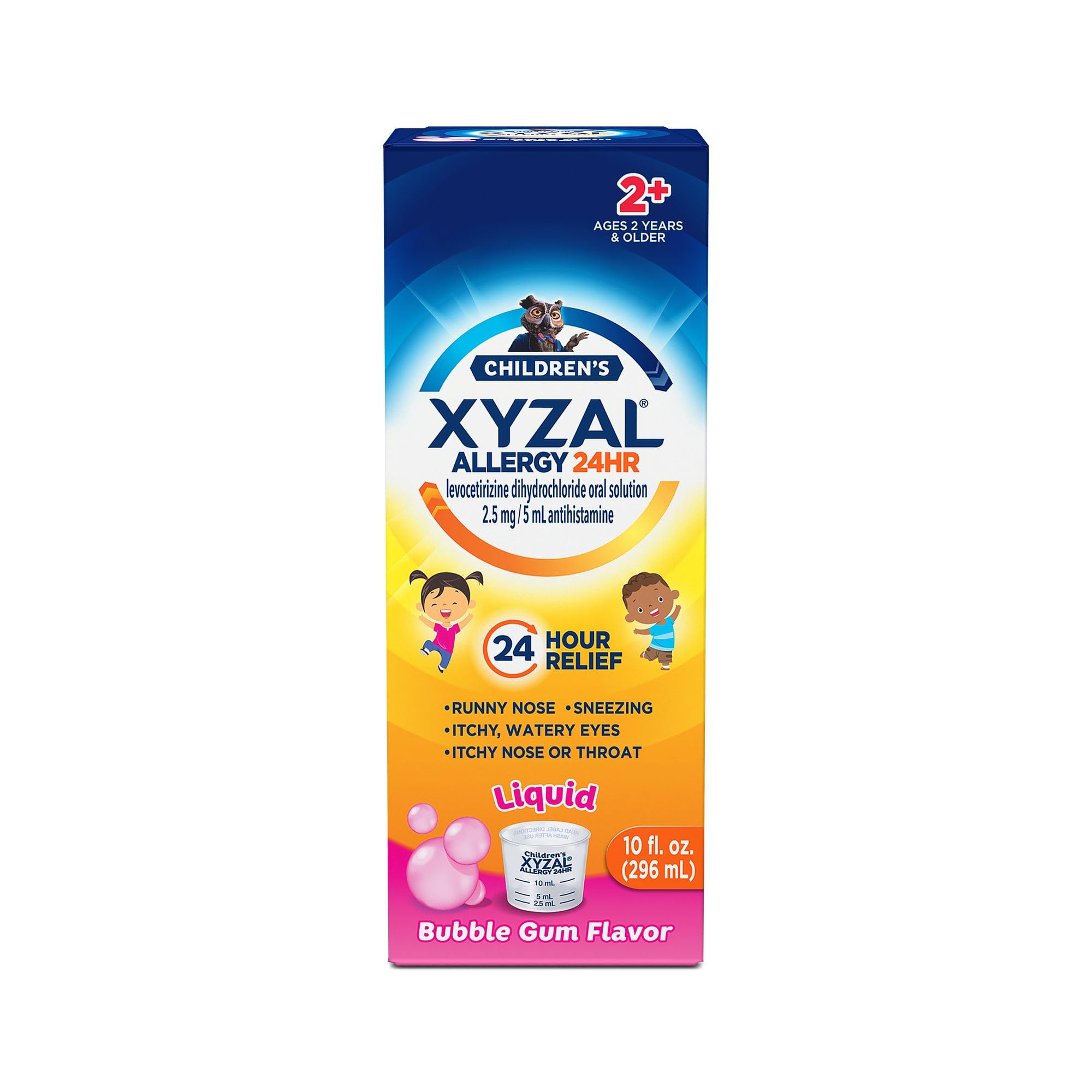
Xyzal uses levocetirizine, the active enantiomer of cetirizine, which means it delivers the same antihistamine effect at a lower molecular dose — potentially reducing the drowsiness side effect while maintaining full 24-hour coverage. The 0.5 mg/mL concentration allows for a smaller volume per dose, which many toddlers tolerate better than a full teaspoon.
The switch to a bubble gum flavor is a meaningful improvement over the old formula. Multiple parent reviews note that children who previously refused grape antihistamines accepted this one without complaint. The bottle provides 10 fluid ounces — roughly 59 doses for a 2-year-old — which is the largest single-bottle volume in this tier.
Some children do experience drowsiness with levocetirizine, and several reviewers specifically mention giving the evening dose to help with sleep. If your child has severe, persistent allergies that haven’t responded to loratadine, this is the most effective OTC step before a prescription.
Why it’s great
- Levocetirizine offers targeted efficacy with potentially less drowsiness
- Bubble gum flavor has high toddler acceptance rates
- Largest single-bottle volume (10 oz) in this comparison
Good to know
- Can still cause drowsiness in some children — best given at bedtime initially
- Higher price point than generic cetirizine or loratadine options
2. Claritin Children’s Allergy Medicine Liquid

Claritin Children’s is the #1 pediatrician-recommended non-drowsy oral allergy brand, and for good reason — loratadine at 1 mg/mL provides reliable 24-hour symptom control without the sedation that can interfere with a toddler’s play, learning, and sleep schedule. The grape flavor is the standard against which other kids’ antihistamines are measured.
The formulation is dye-free, sugar-free, and alcohol-free, which matters for daily use during long allergy seasons. Parents report that mixing the dose into refrigerated applesauce helps mask the taste for particularly picky children. The bottle lasts about 47 doses for a 2-year-old at the standard 5 mL dose.
Loratadine takes slightly longer to reach peak effect compared to cetirizine — about 2 hours versus 1 hour — so it’s less ideal for acute symptom flare-ups. However, for maintenance relief during pollen season or around known triggers like pet dander, its non-drowsy profile makes it the preferred choice for daytime use.
Why it’s great
- Pediatrician-recommended non-drowsy formula
- Dye-free, sugar-free, and alcohol-free for daily use
- Grape flavor is widely accepted by toddlers
Good to know
- Slower onset — takes 2+ hours for full symptom relief
- Some children dislike the grape aftertaste
3. Claritin 24 Hour Allergy Chewables for Kids

The chewable format is a practical alternative for toddlers who have developed reliable chewing skills — generally around age 4, though some 3-year-olds manage well. Each tablet contains 5 mg of loratadine and delivers 24-hour non-drowsy relief without the measuring cup hassle or sticky syrup cleanup. The bubblegum flavor is the standout feature here.
Parent reviews consistently highlight that the bubblegum flavor is significantly preferred over grape versions. One reviewer quotes their 5-year-old saying the bubblegum chewable is “so yummy that I don’t even need to drink water after.” This matters because a tablet that gets chewed and swallowed provides full dosing accuracy — unlike a liquid that can be partially spit out.
The child-proof packaging is notably secure; some adults report needing a razor to peel off the inner foil seal. If your child is still in the 2-3 age range and tends to gag on solid textures, stick with the liquid version. For the 4+ crowd, these chewables simplify the morning routine considerably.
Why it’s great
- Bubblegum flavor has exceptional toddler approval ratings
- No measuring required — precise 5 mg dose per tablet
- Portable and convenient for travel or daycare
Good to know
- Not recommended for children under 4 years
- Child-proof seal is very difficult to open
4. Camber Children’s Cetirizine Oral Solution
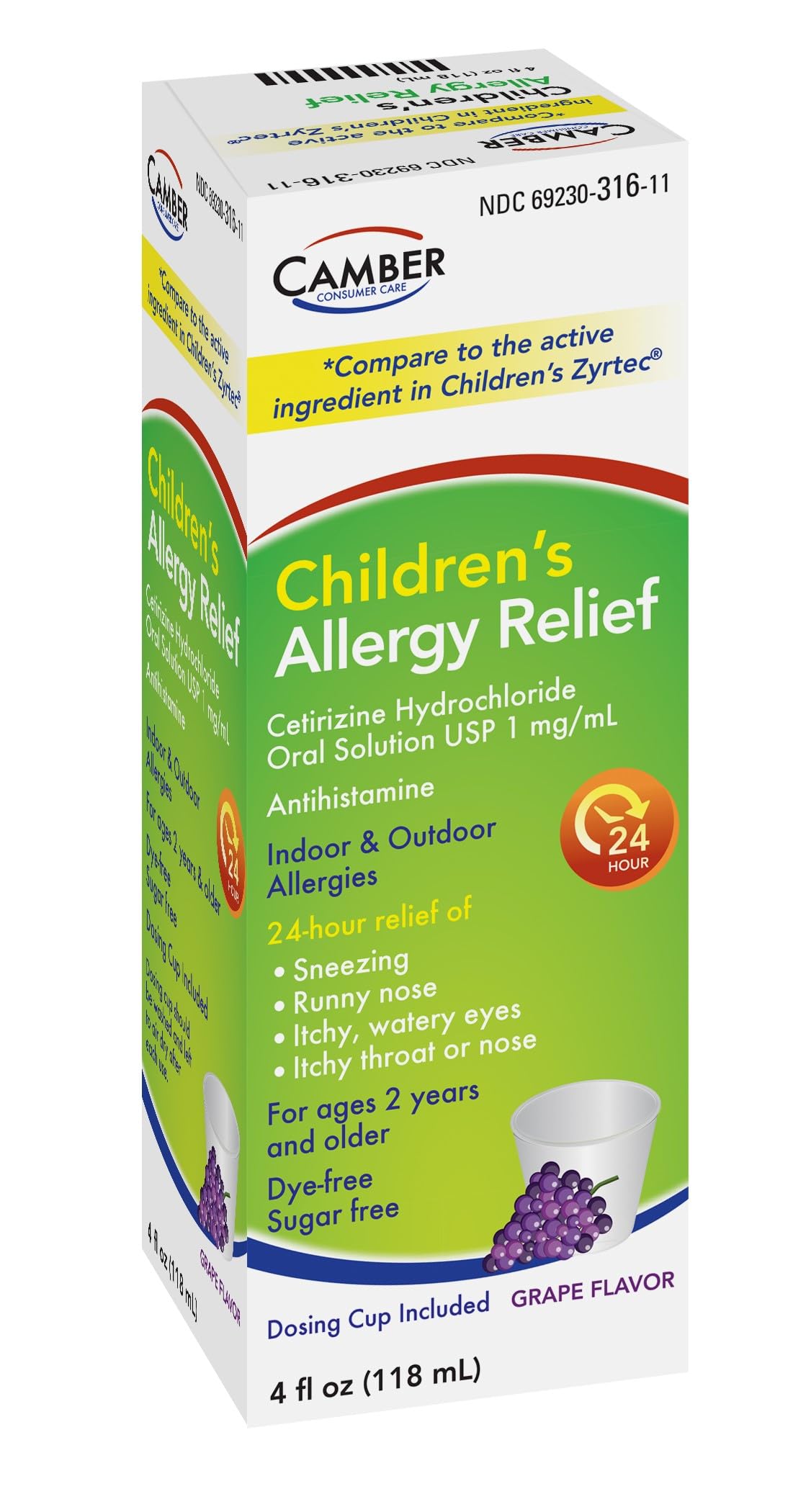
Camber’s cetirizine solution delivers the exact same active ingredient found in Children’s Zyrtec at a fraction of the cost. The 1 mg/mL concentration matches the brand standard, and the grape flavor is rated as tolerable by most parents — “not offensive” is a common description. The 4-ounce bottle provides about 24 doses for a 2-year-old.
The formula is dye-free and sugar-free, which makes it suitable for daily use without exposing toddlers to artificial colors linked to behavioral sensitivity. The dosing cup has clear markings in mL and teaspoon increments, reducing the risk of measurement errors that can happen with less legible cups.
Some parents report that the grape aftertaste is less pleasant than brand-name equivalents, though most children still take it without a fight. If your child is sensitive to taste, consider mixing the dose with a small amount of juice or applesauce. For the price, this is the most economical way to access cetirizine’s reliable 24-hour relief.
Why it’s great
- Identical active ingredient to Children’s Zyrtec at a lower cost
- Dye-free and sugar-free formulation
- Fast-acting cetirizine provides relief within 1 hour
Good to know
- Grape aftertaste is less refined than name-brand versions
- May cause drowsiness in some children — test with evening dose first
5. Amazon Basic Care Children’s Loratadine Oral Solution

Amazon Basic Care’s loratadine solution is the store-brand equivalent of Children’s Claritin, offering the same 1 mg/mL concentration at a significantly lower price. The 8-ounce bottle is the largest single-bottle loratadine option in this group, providing roughly 47 doses and making it an excellent choice for families managing a full allergy season.
The formula is dye-free, sugar-free, alcohol-free, and gluten-free. Parent feedback on the grape flavor is mixed — some children give it a thumbs up, while others find the aftertaste unpleasant enough to resist the dose. If your child is already sensitive to grape flavors, consider starting with a bubble gum option instead.
Reviewers consistently confirm that the efficacy matches the name brand. If your child accepts the taste, this represents the best value in the loratadine category. The dosing cup is included, and the bottle’s wide neck makes it easy to pour without spills.
Why it’s great
- Same active ingredient as Children’s Claritin at a lower price
- Largest loratadine bottle (8 oz) in this comparison
- Dye-free, sugar-free, alcohol-free, and gluten-free
Good to know
- Grape flavor has inconsistent acceptance among toddlers
- Some children may resist taking it daily
6. Children’s Dimetapp Cold & Allergy Liquid
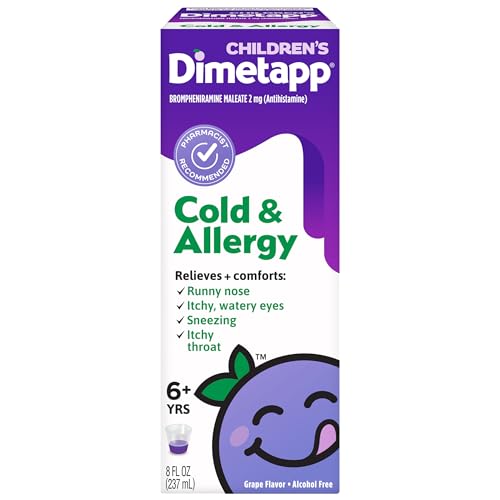
Dimetapp uses brompheniramine, a first-generation antihistamine that is more sedating than cetirizine or loratadine. This formulation is specifically labeled for children ages 6 and older, not for toddlers. It combines an antihistamine with a nasal decongestant to address both cold and allergy symptoms simultaneously.
The grape flavor is widely praised by older children and adults, who also report using this product for their own symptoms. Dimetapp is the #1 most trusted children’s cold relief brand among American pharmacists, and the alcohol-free, phenylephrine-free formula addresses concerns about unnecessary additives.
For a toddler specifically, this product’s age restriction puts it outside the recommended options. It is included here as a reference point for parents with older children or for families who need a combined cold-and-allergy solution. For a child under 6, stick with a pure antihistamine like cetirizine or loratadine.
Why it’s great
- Combines antihistamine and decongestant for dual symptom relief
- #1 trusted children’s cold brand among pharmacists
- Grape flavor is well-liked by children and adults
Good to know
- Formulated for ages 6+ — not suitable for toddlers
- First-generation antihistamine causes significant drowsiness
7. (3 Pack) Children’s Cetirizine Allergy Syrup
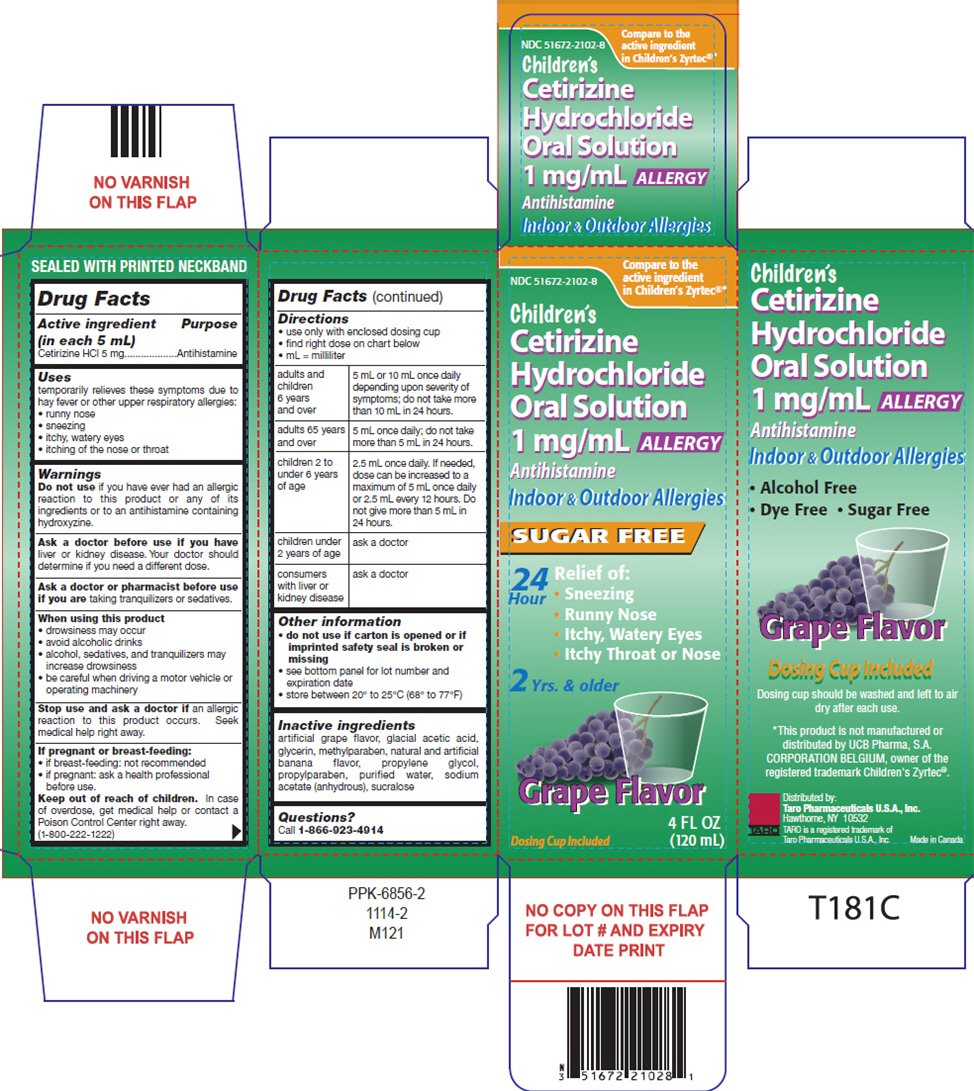
This 3-pack bundle contains three 4-ounce bottles of cetirizine syrup, totaling 12 ounces — enough for roughly 72 doses for a 2-year-old. The active ingredient matches Children’s Zyrtec, and parents who have used this for multiple allergy seasons confirm it provides the same symptom control at a fraction of the per-dose cost.
The grape flavor is described as manageable rather than delicious — it’s not candy-like, which some parents prefer because it doesn’t encourage children to seek out the bottle. The dye-free, alcohol-free formula is consistent across all three bottles, and each bottle includes its own dosing cup.
This pack is ideal for families who know cetirizine works for their child and want to avoid repeated pharmacy trips during peak allergy months. One parent notes that a single bottle lasts about a month when used nightly for allergy-induced ear congestion. The savings compared to buying individual brand-name bottles are substantial.
Why it’s great
- 3 bottles provide 72+ doses — excellent value for seasonal use
- Same active ingredient as Children’s Zyrtec at a lower per-dose cost
- Dye-free and alcohol-free formulation
Good to know
- Taste is less refined than name-brand alternatives
- Bulk purchase only makes sense if cetirizine is already confirmed effective
FAQ
Can I give my 2-year-old cetirizine every day?
What is the difference between loratadine and cetirizine for toddlers?
Why does my toddler resist taking grape-flavored allergy medicine?
Can I give my toddler allergy medicine at night to help with sleep?
Final Thoughts: The Verdict
For most families, the allergy medicine for toddlers winner is the Xyzal Children’s Liquid because its levocetirizine formula balances potent 24-hour relief with a bubble gum flavor that toddlers rarely reject. If you need a truly non-drowsy option for daytime use, grab the Claritin Children’s Liquid. And for budget-conscious parents who already know cetirizine works, nothing matches the value of the Cetirizine 3-Pack Syrup.