
Our readers keep the lights on and the weekend projects moving. As an Amazon Associate, I earn from qualifying purchases.
That first run doesn’t need to send shockwaves through your joints or leave you nursing shinsplints the next morning. The right pair of shoes absorbs the road’s chatter, supports your arches through the clumsy first mile, and makes you want to lace up again tomorrow instead of dreading it.
I’m Rikta — the founder and writer behind FitlyFast. I spend my weeks dissecting midsole foams, outsole rubber compounds, and drop measurements so you don’t have to guess what works for a beginner’s gait.
The wrong shoe can turn a promising habit into a painful memory. That’s exactly why finding the best beginner running shoes is the single most important gear decision a new runner will make.
How To Choose The Best Beginner Running Shoes
Starting a running routine means your body is asking for something it hasn’t had before — consistent impact. The shoe you pick either spreads that impact across your legs safely or concentrates it into a single spot. Beginners need forgiveness, not speed. Here is what to look for.
Cushioning Type and Stack Height
Not all cushioning is soft. Some foams bounce back like a spring (responsive), while others soak up impact and stay quiet (plush). A beginner should lean toward plush midsole compounds like Brooks’ DNA Loft, ASICS’ Gel technology, or New Balance’s Fresh Foam. Stack height — the distance between your foot and the ground — should sit between 22 mm and 30 mm in the heel. Too much stack and you lose ground feel; too little and every pebble announces itself.
Heel-to-Toe Drop
Drop measures the difference in millimeters between heel and forefoot cushion height. A drop of 8 mm to 12 mm is the sweet spot for newcomers because it encourages a heel-strike pattern (the natural landing style of an untrained runner) without stressing the Achilles tendon. Low-drop shoes (0 mm–4 mm) force a forefoot strike that requires strong calves and ankles — not ideal for someone still building those muscles.
Fit and Volume
Running shoes should leave one thumb’s width between your longest toe and the shoe’s end. The heel should lock in place without slipping, and the midfoot should feel snugged down — not squeezed. Beginners with normal-width feet do well in standard D (men’s) or B (women’s) widths. Those with wider feet need to look at specific wide-fit models or brands like New Balance that offer multiple width options. A toe box that is too narrow will create blisters on the pinky toe before you hit the two-mile mark.
Outsole Durability and Traction
Blown rubber outsoles grip dry pavement well but wear down fast on concrete. Carbon rubber lasts longer but feels firmer. For a beginner running primarily on roads or well-packed trails, a shoe with a mix of blown rubber in the forefoot and carbon rubber in the heel gives the best balance of traction and longevity. Avoid aggressive lug patterns designed for technical trail running — they reduce ground contact on flat surfaces and can cause tripping.
Quick Comparison
On smaller screens, swipe sideways to see the full table.
| Model | Category | Best For | Key Spec | Amazon |
|---|---|---|---|---|
| Brooks Revel 8 | Neutral | All-day comfort and road runs | BioMoGo DNA midsole, 10 mm drop | Amazon |
| Brooks Trace 4 | Stability | Flat feet and overpronation | DNA Loft v2 cushioning, 10 mm drop | Amazon |
| ASICS Gel-Excite 11 | Neutral | Narrow feet and daily training | Rearfoot Gel cushioning, 10 mm drop | Amazon |
| New Balance Fresh Foam X 1440 V1 | Neutral | Soft heel-to-toe transitions | Fresh Foam X midsole, 6 mm drop | Amazon |
| Saucony Endorphin Shift 3 | Stability | Plantar fasciitis recovery | PWRRUN PB midsole, 4 mm drop | Amazon |
| Skechers Max Cushioning Glide Step | Neutral | Easy slip-on convenience | Ultra Go cushioning, 1.5 inch heel | Amazon |
| adidas Terrex Tracefinder | Trail | Light off-road and mixed terrain | Traxion outsole, 2.13 lbs weight | Amazon |
In‑Depth Reviews
1. Brooks Men’s Revel 8 Neutral Running & Walking Shoe
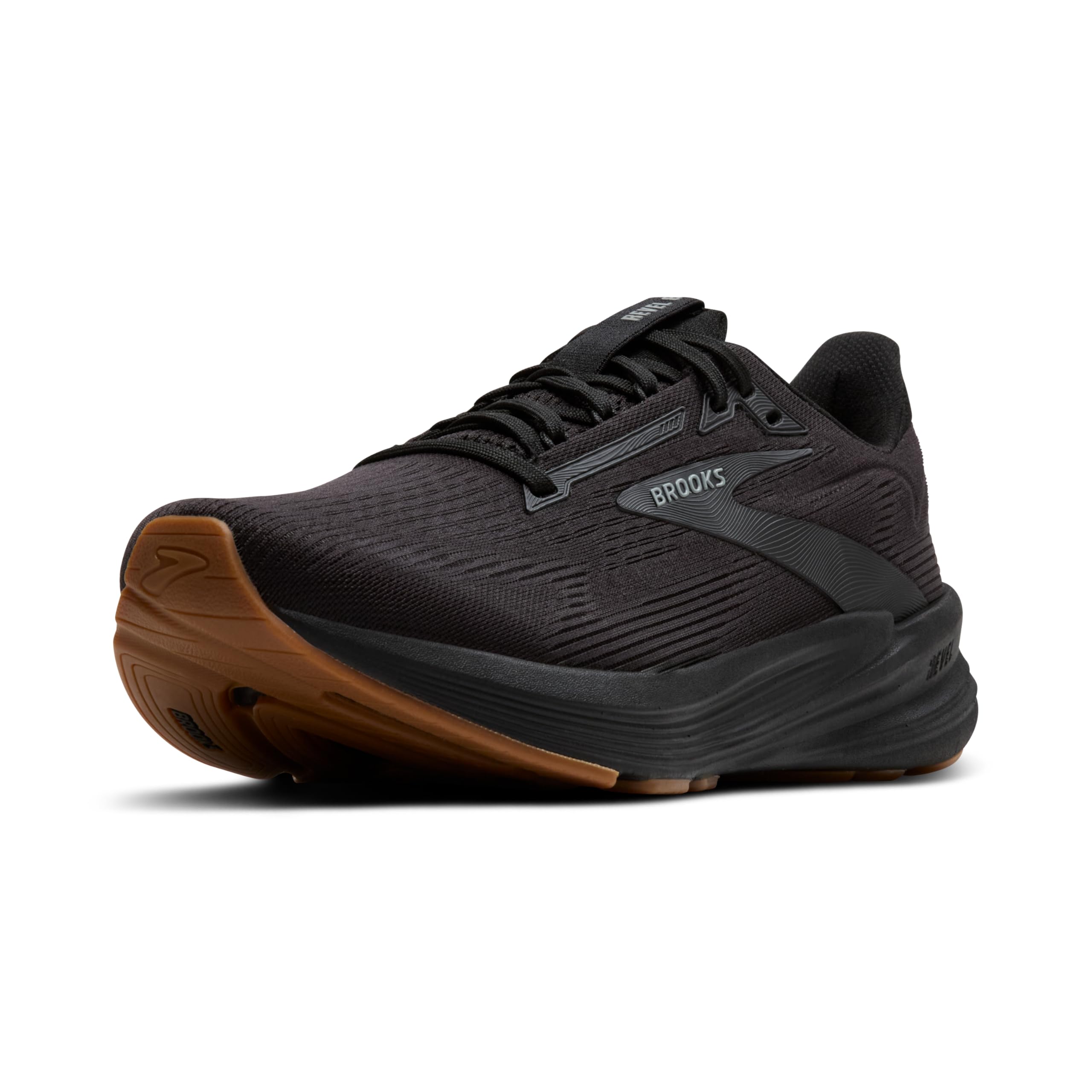
The Brooks Revel 8 uses a BioMoGo DNA midsole that adapts its density to your stride — softer on light landings, firmer when you push off. This self-adjusting foam is exactly what a beginner needs because it forgives imperfect form while still returning energy as stamina improves. The engineered mesh upper breathes well and doesn’t trap heat during longer runs.
One reviewer logged 274 miles refereeing soccer and reported that the Revel 8 eliminated the bloody toenails and foot pain they got from trail runners. Another noted that the fit feels like a “solid, supportive foundation” — exactly the stability a new runner needs without the rigid feel of a motion-control shoe. The outsole uses blown rubber in the forefoot and carbon rubber at the heel, balancing grip and durability.
The only catch is sizing. Multiple reviews recommend ordering a full size larger than your usual casual shoe size because Brooks runs slightly short. The included shoelaces are also a bit short, making it harder to do a runner’s loop lock. Beyond those small quirks, this shoe delivers the forgiving, medium-cushioned ride that beginners should prioritize over speed-oriented or minimalist designs.
Why it’s great
- BioMoGo DNA midsole auto-adjusts to stride weight
- Blown/carbon rubber outsole mix extends shoe life
- Lightweight feel at 1.5 lbs without sacrificing support
Good to know
- Runs short — order a full size up
- Shoelaces are shorter than average
2. Brooks Women’s Trace 4 Neutral Running Shoe
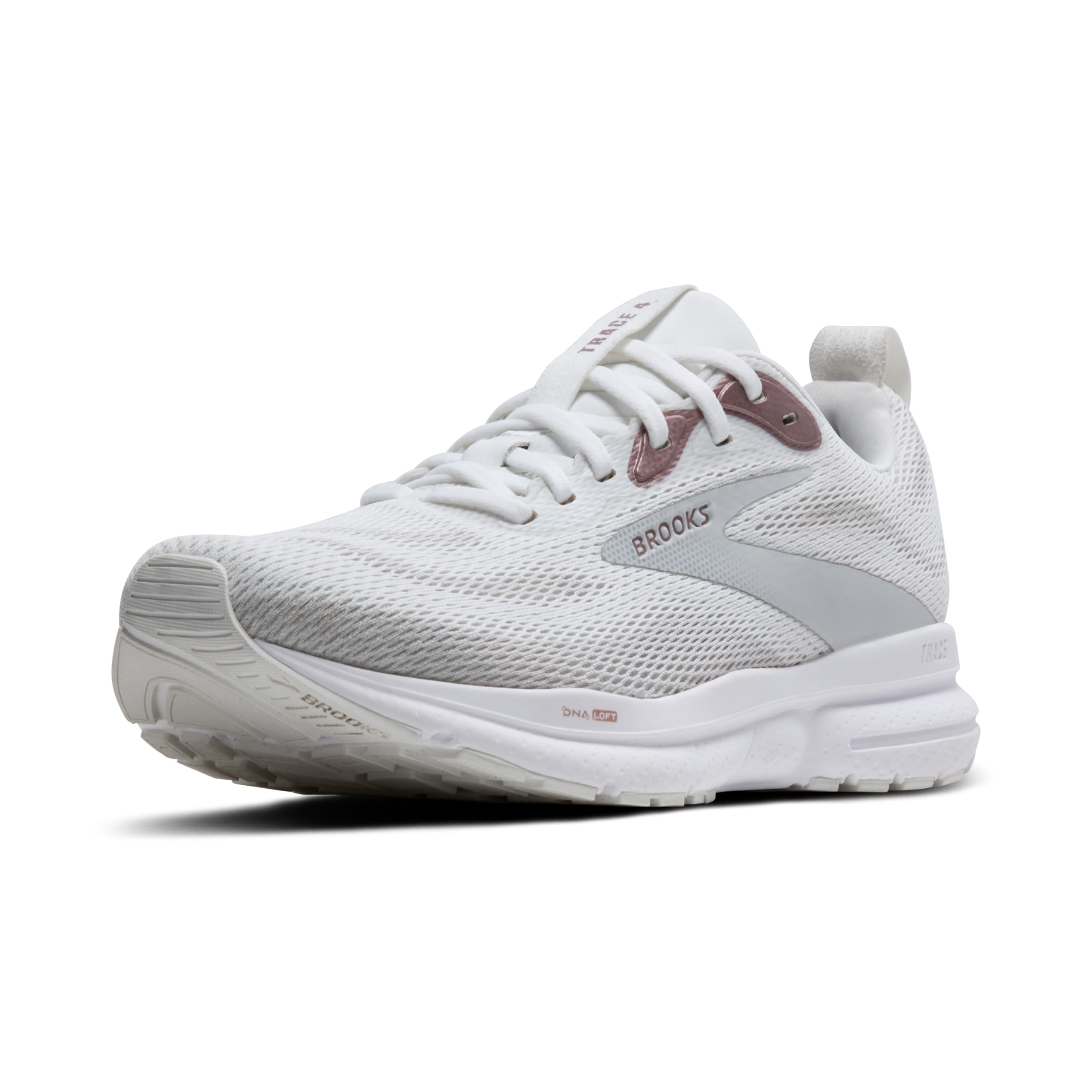
The Trace 4 is Brooks’ entry-level stability shoe, built with DNA Loft v2 cushioning that feels softer than the Revel 8’s BioMoGo. The midsole has a wider base through the heel and arch, which helps correct mild overpronation without forcing the foot into an unnatural position. Beginners who feel their ankles roll inward when walking will benefit from this subtle guidance.
Reviewers consistently mention zero break-in period — one healthcare worker reported wearing them for 8–9 hour standing shifts without foot fatigue. Another reviewer with plantar fasciitis and past foot injuries said the Trace 4 provided comparable stability to the Brooks Ghost 16 but with a roomier toe box. The memory-foam collar adds a plush feel around the ankle that prevents heel slip.
The trade-off is that the DNA Loft v2 foam compresses faster than denser EVA blends. Heavy runners (above 200 lbs) may notice the cushioning bottoming out around the 300-mile mark. Additionally, the 10 mm drop is relatively high for a stability shoe, so runners who eventually transition to a forefoot strike may need to adjust to a lower-drop shoe later.
Why it’s great
- Wider heel base provides subtle overpronation control
- Zero break-in needed — comfortable from the first run
- Roomier toe box than comparable Brooks models
Good to know
- DNA Loft v2 compresses faster for heavier runners
- 10 mm drop may feel high for eventual forefoot strikers
3. ASICS Men’s Gel-Excite 11 Running Shoes
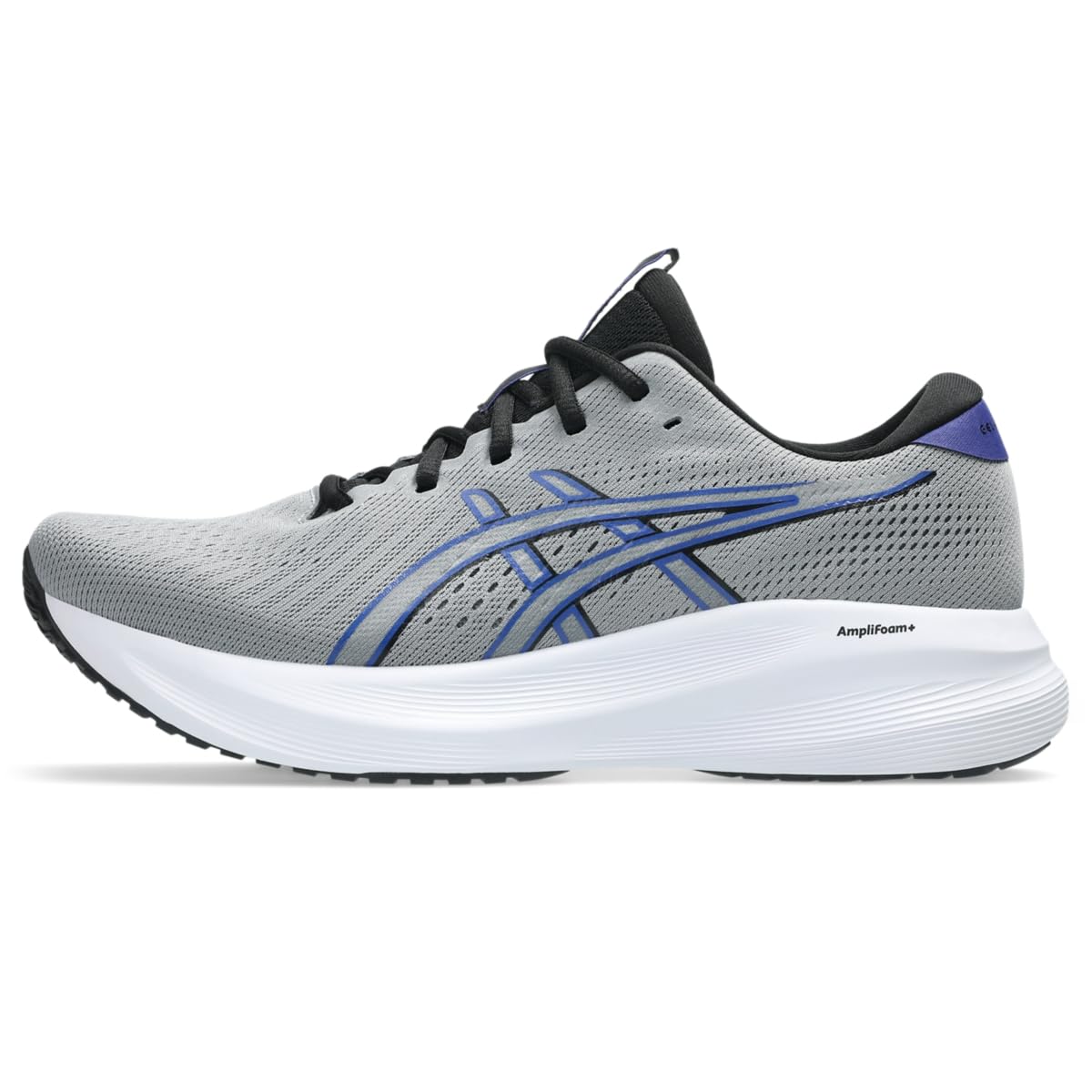
ASICS packs the Gel-Excite 11 with rearfoot Gel technology — a silicone-based insert embedded in the heel that absorbs impact at the exact moment of strike. This is the same cushioning technology ASICS uses in their premium line, simply applied here with a simpler upper and a more affordable outsole compound. The engineered mesh upper is highly breathable and dries quickly after wet runs.
One reviewer with severe foot issues who normally requires orthotic inserts reported wearing the Gel-Excite 11 without supports for the first time in years. Another praised the “thick stable sole” for asphalt running and noted that the shoe remains comfortable after months of use. The fit trends toward narrow — great for runners with slim feet, but those with wide feet should consider sizing up or skipping this model.
The main limitation is the outsole durability. The blown rubber compound wears faster on concrete than the carbon rubber found on higher-priced ASICS models like the Cumulus or Nimbus. Beginners running exclusively on pavement can expect 300–350 miles before the heel tread smooths out. The shoe also lacks the Ortholite sockliner found in pricier ASICS options, so the insole feels thinner out of the box.
Why it’s great
- Rearfoot Gel unit provides targeted heel impact absorption
- Exceptional breathability from the mesh upper
- Great option for narrow-footed runners
Good to know
- Outsole rubber wears faster on concrete
- Thinner insole compared to premium ASICS models
4. New Balance Women’s Fresh Foam X 1440 V1 Running Shoes

New Balance’s Fresh Foam X is a nitrogen-infused midsole that delivers a distinctly plush, almost marshmallow-like landing without the instability that sometimes comes with thick stack heights. The 1440 V1 uses a 6 mm drop — lower than the other neutral shoes on this list — which encourages a more natural midfoot strike but still offers enough heel cushion for beginners transitioning toward better form.
Reviewers highlight the “soft cushioning” and “great all-day support” from the knit upper, which stretches slightly to accommodate foot swelling during longer runs. The heel cup is well-padded and locks the foot in place without squeezing. One reviewer with wide feet ordered a 7.5W and confirmed the fit was true to the size chart. The reflective elements on the heel and toe add visibility for early-morning or evening runs.
Durability is the primary concern here. One high-mileage user reported that the insoles began ungluing after 15-hour work days, and the foam creased heavily after extended use. The Fresh Foam X compound is softer than competitors’ EVA blends, meaning it will compress faster under heavier runners. The outsole is also less aggressively patterned than road-specific shoes, so wet-pavement grip is merely average.
Why it’s great
- Nitrogen-infused Fresh Foam X offers plush landings
- Stretch-knit upper adapts to foot swelling on long runs
- Reflective details improve low-light visibility
Good to know
- Soft foam compresses faster under heavy runners
- Insole glue and foam creasing reported over extended use
5. Saucony Women’s Endorphin Shift 3 Shoes
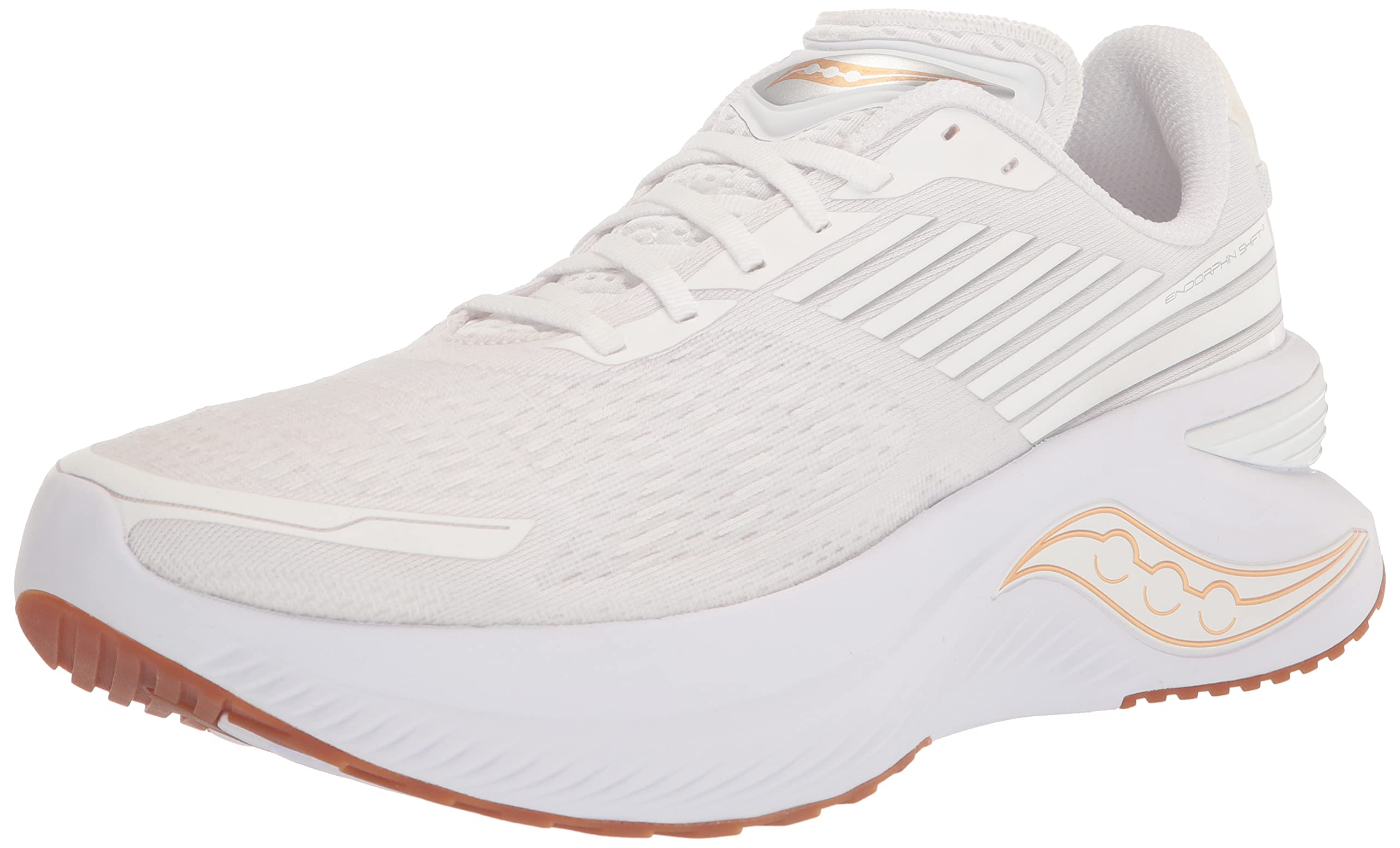
The Endorphin Shift 3 uses a PWRRUN PB midsole — Saucony’s top-tier polyether block amide foam, which is springier and more resilient than standard EVA. A Speedroll rocker geometry in the sole creates a smooth heel-to-toe transition that reduces the work your calf has to do, which is a huge advantage for beginners nursing plantar fasciitis or recovering from knee injuries.
One reviewer with flat feet and plantar fasciitis reported that the pain vanished on the first wear without orthotics — a claim backed by multiple users who said the arch support is noticeably better than Hoka Bondis. The shoe is heavier than the others on this list (3 pounds for the pair) due to the thick PWRRUN PB stack, but that weight translates to a solid, planted feel on the road. The non-slip outsole holds well on wet pavement.
The durability is a sticking point. Several reviewers noted that the arch goes flat after about six months of daily use, and the shoe is no longer in production (remaining stock is limited). The 4 mm drop is the lowest in this guide, so it demands slightly more ankle flexibility from a beginner than the 10 mm options. The tongue also tends to slip sideways during runs, requiring readjustment.
Why it’s great
- PWRRUN PB foam provides exceptional energy return
- Speedroll rocker reduces calf strain during runs
- Top-tier arch support helps plantar fasciitis sufferers
Good to know
- Arch flattening reported after 6 months of daily use
- Discontinued model — limited remaining stock
6. Skechers Men’s Max Cushioning Glide Step Advert Hands Free Slip-ins
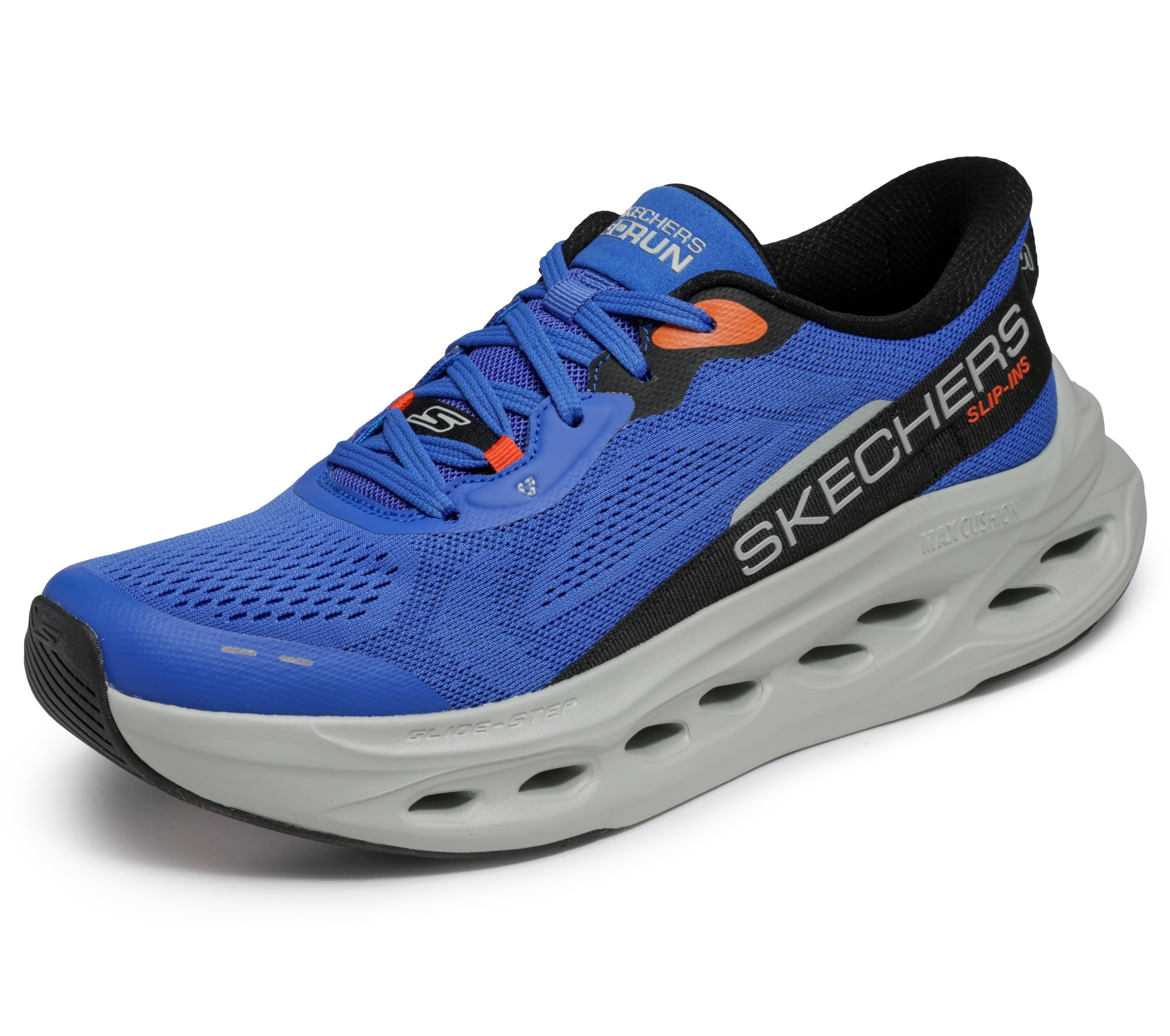
The Skechers Glide Step is built around a hands-free slip-in heel design — a collapsible heel counter that lets you step in without touching the shoe. The Ultra Go cushioning platform is Skechers’ thickest midsole foam, providing a cloud-like landing that is forgiving for new runners still adjusting to impact. The Goodyear rubber outsole adds durability that typical Skechers outsoles lack.
Reviewers praise the “cloud-like comfort” and the fact that there’s absolutely no break-in period — the mesh upper is soft and accommodating from the first step. One user reported that the real shoelaces (not the decorative ones found on earlier models) stay tied, preventing the tripping hazard that often comes with loose slip-on shoes. The shoe fits true to size and accommodates high-arch insoles if you need extra support.
The hands-free mechanism has a trade-off. While convenient, the collapsible heel counter lacks the heel-lock security of traditional shoes — some runners may experience heel slip during faster strides or on declines. The max-cushion platform also lifts the heel 1.5 inches off the ground, creating the highest stack height in this guide. This reduces ground feel significantly, which can feel unstable on uneven sidewalks or trail transitions.
Why it’s great
- Hands-free slip-in design is genuinely convenient for quick runs
- Goodyear rubber outsole outlasts standard Skechers shoes
- Zero break-in period — comfortable immediately
Good to know
- Heel counter can slip during faster or downhill running
- Very high stack height reduces ground feel and stability
7. adidas Men’s Terrex Tracefinder Trail Running Shoes

The Terrex Tracefinder is the only dedicated trail shoe in this lineup, built with a Traxion outsole that uses multi-directional lugs for grip on loose dirt, gravel, and grass. The upper is a lightweight mesh that drains water quickly, and the shoe weighs just 2.13 pounds — surprisingly light for a trail runner. Beginners who want to mix road running with park paths or rail-trails will appreciate the versatility.
One reviewer logged over 500 miles of walking on sidewalks, trails, and grass and reported that the shoes “exceeded expectations” in wear and tear, with the outsole lugs still functional after three months of heavy daily use. The fit is slightly generous — multiple reviewers with wide feet noted that the shoe accommodates their foot shape comfortably without pinching. The cushioning is firm compared to the road shoes on this list, using a standard EVA midsole rather than a premium foam.
The firm cushioning that makes the Tracefinder stable on uneven terrain also makes it less forgiving on hard pavement. Beginners running only on roads will find the ride harsh compared to the Revel 8 or Gel-Excite 11. The size chart also runs large — one reviewer noted that their usual size was too big, so be prepared to potentially size down by half a step. The upper lacks significant weatherproofing, so wet grass and puddles will soak through quickly.
Why it’s great
- Traxion outsole provides reliable grip on mixed terrain
- Very lightweight for a trail shoe at 2.13 lbs
- Generous fit works well for wide feet
Good to know
- Firm EVA midsole feels harsh on paved roads
- Sizing runs large — may need to go down half a size
FAQ
How much room should beginner running shoes have in the toe box?
Should a beginner buy stability or neutral running shoes?
How often should a beginner replace their running shoes?
Can beginners run in trail shoes on the road?
Final Thoughts: The Verdict
For most users, the best beginner running shoes winner is the Brooks Revel 8 because it combines a self-adjusting BioMoGo DNA midsole with a 10 mm drop that perfectly suits a new runner’s heel-strike pattern, all in a lightweight, well-ventilated package. If you need stability to control overpronation, grab the Brooks Trace 4. And for the best value with proven ASICS Gel cushioning, nothing beats the ASICS Gel-Excite 11.