
Our readers keep the lights on and the weekend projects moving. As an Amazon Associate, I earn from qualifying purchases.
The wrong pair of hiking boots turns a summit push into a blister fest, ruins your weekend with soggy socks, and leaves your ankles begging for a rescue call. Choosing a pair that balances waterproofing, ankle support, and outsole traction across varied terrain — from muddy singletrack to slick granite slabs — is the single most important gear decision you will make this season.
I’m Rikta — the co-founder and writer behind FitlyFast. I’ve spent years analyzing boot construction methods, membrane technologies, and Vibram versus non-Vibram compound performance to separate gear that actually delivers from marketing language that fades faster than a cheap DWR coating.
This guide focuses on models that handle it all — day hikes, light backpacking, and wet weather — without requiring a second pair for the weekend. If you are searching for the best all around hiking boots, you need a durable, waterproof mid that fits correctly straight out of the box.
How To Choose The Best All Around Hiking Boots
A jack-of-all-trades boot must handle wet rocks, loose gravel, and occasional stream crossings without feeling like a stiff ski boot on flat approaches. The three pillars to evaluate are waterproofing integrity, outsole rubber compound, and ankle support height relative to your pack weight.
Waterproof Membrane: Gore-Tex vs. OutDry vs. Proprietary
Gore-Tex remains the industry benchmark for breathability and long-term waterproofing, but Columbia’s OutDry bonds the membrane directly to the upper, eliminating moisture seepage through stitch holes. Proprietary membranes from brands like KEEN and Merrell can be effective if they are fully sealed, but they often sacrifice breathability during high-output ascents.
Outsole Rubber: Vibram vs. Standard Compounds
Vibram Megagrip is the gold standard for wet-surface traction because the compound uses a higher silica content that sticks to polished granite and wet roots. Standard rubber outsoles from Columbia and Merrell are fine on dry dirt but will slide on slick algae-coated rocks and wet wooden boardwalks.
Ankle Support Height and Midsole Stiffness
For all-around use, a mid-height boot (6–7 inch collar) provides enough leverage to stabilize your ankle on uneven side slopes without restricting dorsiflexion during steep climbs. A shank or torsion plate in the midsole prevents foot fatigue when carrying a pack over 20 pounds. Softer midsoles are comfortable immediately but break down faster under load.
Quick Comparison
On smaller screens, swipe sideways to see the full table.
| Model | Category | Best For | Key Spec | Amazon |
|---|---|---|---|---|
| Salomon X-Adventure Recon Mid Gore-Tex | Premium Mid | Rocky, technical terrain | Gore-Tex membrane | Amazon |
| KEEN Hightrail Mid Waterproof | Premium Mid | All-day standing & hiking | KEEN.DRY membrane | Amazon |
| ASOLO TPS 520 GV Evo | Premium Boot | Heavy backpacking & mountaineering | Full-grain leather upper | Amazon |
| Columbia Konos TRS Outdry | Mid-Range | Wet-weather day hikes | Outdry waterproof membrane | Amazon |
| Under Armour Hovr Dawn 2.0 | Mid-Range | Lightweight hunting & hiking | UA Hovr cushioning | Amazon |
| Merrell Speed Strike 2 Mid Waterproof | Mid-Range | Travel & everyday hiking | M Select DRY membrane | Amazon |
| Danner Mountain 600 | Mid-Range | Zero break-in performance | Danner Dry membrane | Amazon |
| Timberland White Ledge Mid Waterproof | Budget | Budget-friendly all-terrain use | Timberland waterproof membrane | Amazon |
| Columbia Burnsider Omni-heat Infinity | Budget | Cold-weather day hikes | Omni-Heat Infinity lining | Amazon |
In‑Depth Reviews
1. Salomon Men’s X-Adventure Recon Mid Gore-Tex
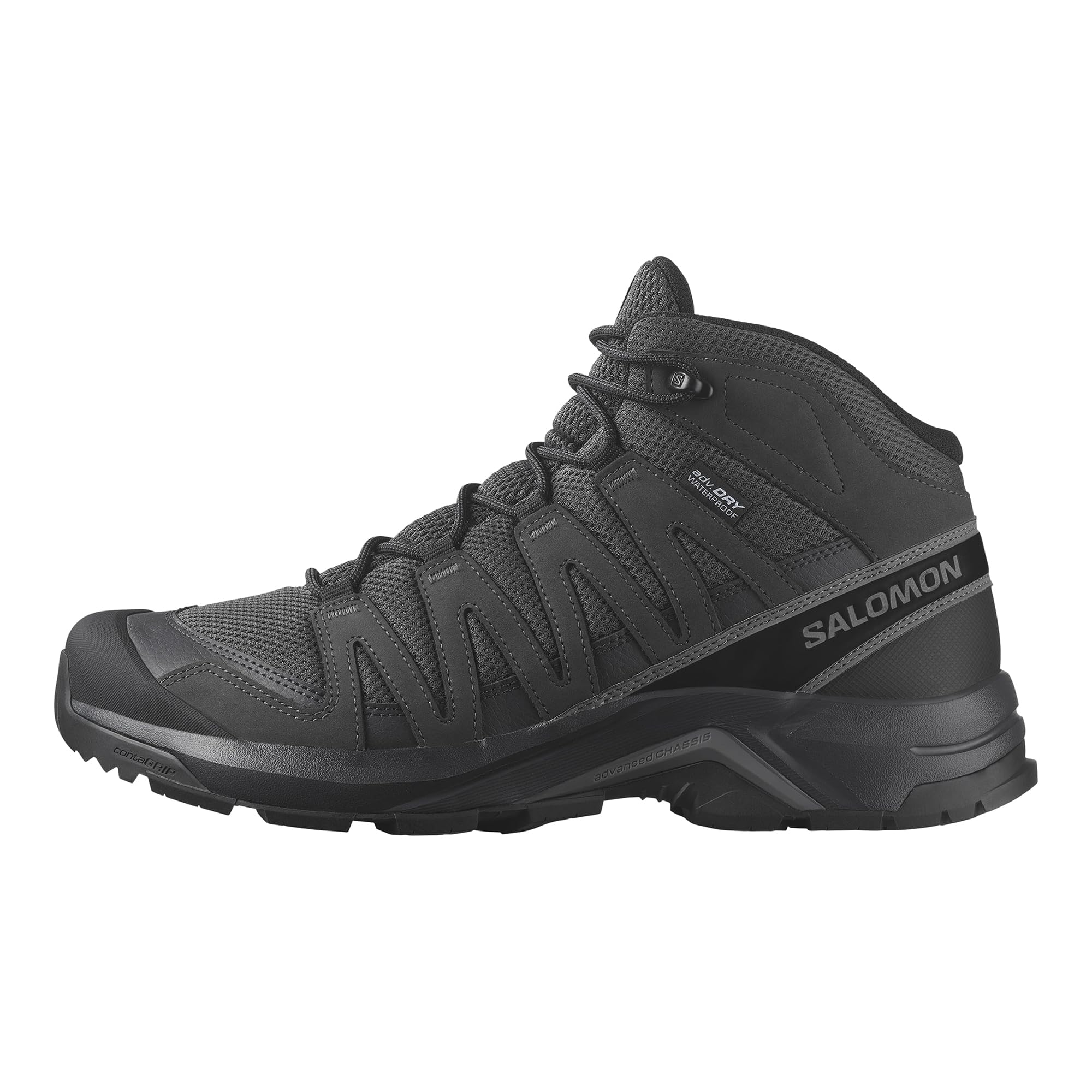
This boot delivers immediate out-of-box comfort that eliminates the typical blister-forming break-in period. Reviewers reported zero break-in issues even on a 27-mile, three-day traverse through rocky terrain, which directly validates the midsole’s pre-formed PU construction and the Contagrip outsole’s aggressive lug pattern.
The Gore-Tex membrane kept feet completely dry during ski-trip snow exposure in Keystone and Tahoe, while the high-cut ankle collar prevented injury during falls on uneven ground. The boot also handled temperature swings from the teens to the fifties when paired with thin merino wool socks, proving its versatile temperature regulation.
For a lightweight mid that offers proper ankle support without stiffening into a mountaineering boot, this Salomon is the most well-rounded performer on the list. The only caveat is that the Contagrip compound, while excellent on dry rock and snow, is slightly less confidence-inspiring on wet polished granite than Vibram Megagrip.
Why it’s great
- Zero break-in required even on multi-day treks
- Gore-Tex membrane provides reliable waterproofing
- Excellent ankle support prevented injury on falls
Good to know
- Contagrip outsole less sticky than Vibram on wet polished rock
- Sizing can be slightly narrow for wide feet users
2. KEEN Men’s Hightrail Mid Waterproof
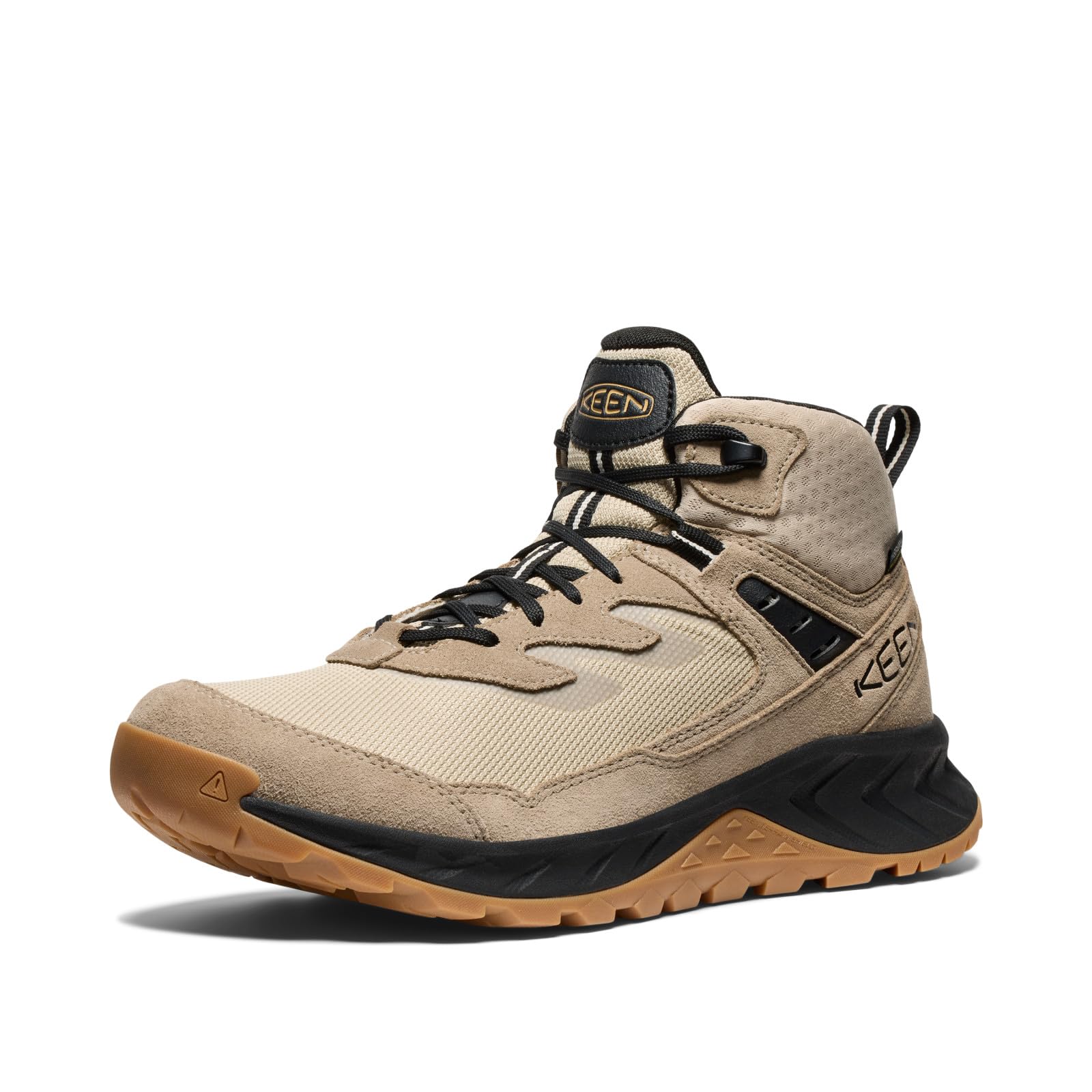
This boot was validated in the Swiss Alps above the tree line where it handled snow and ice without allowing cold feet, and it maintained comfort during a full day in Zion National Park. The KEEN.DRY membrane proved fully waterproof during creek crossings, and the toe box offers enough room for wool sock layering without causing pressure points on descents.
At 6’5″ and 285 pounds, one reviewer reported zero durability issues after thirty miles, with the midsole maintaining its cushioning and the outsole showing no premature wear. The boot also performed well for all-day standing, which suggests the insole and midsole density are tuned for both motion and static support.
Downhill comfort can degrade slightly on steep, sustained gradients, but that is true of most lightweight mids without a rigid heel brake. For the hiker who values a generous toe box and needs a boot that works from the trail to the office, this KEEN is a top-tier choice.
Why it’s great
- Roomy toe box accommodates thick socks and wide feet
- Lightweight yet durable construction showed no wear after 30 miles
- Effective waterproofing in snow and stream crossings
Good to know
- Downhill comfort diminishes on very steep terrain
- KEEN.DRY membrane less breathable than Gore-Tex on hot climbs
3. ASOLO Men’s TPS 520 GV Evo
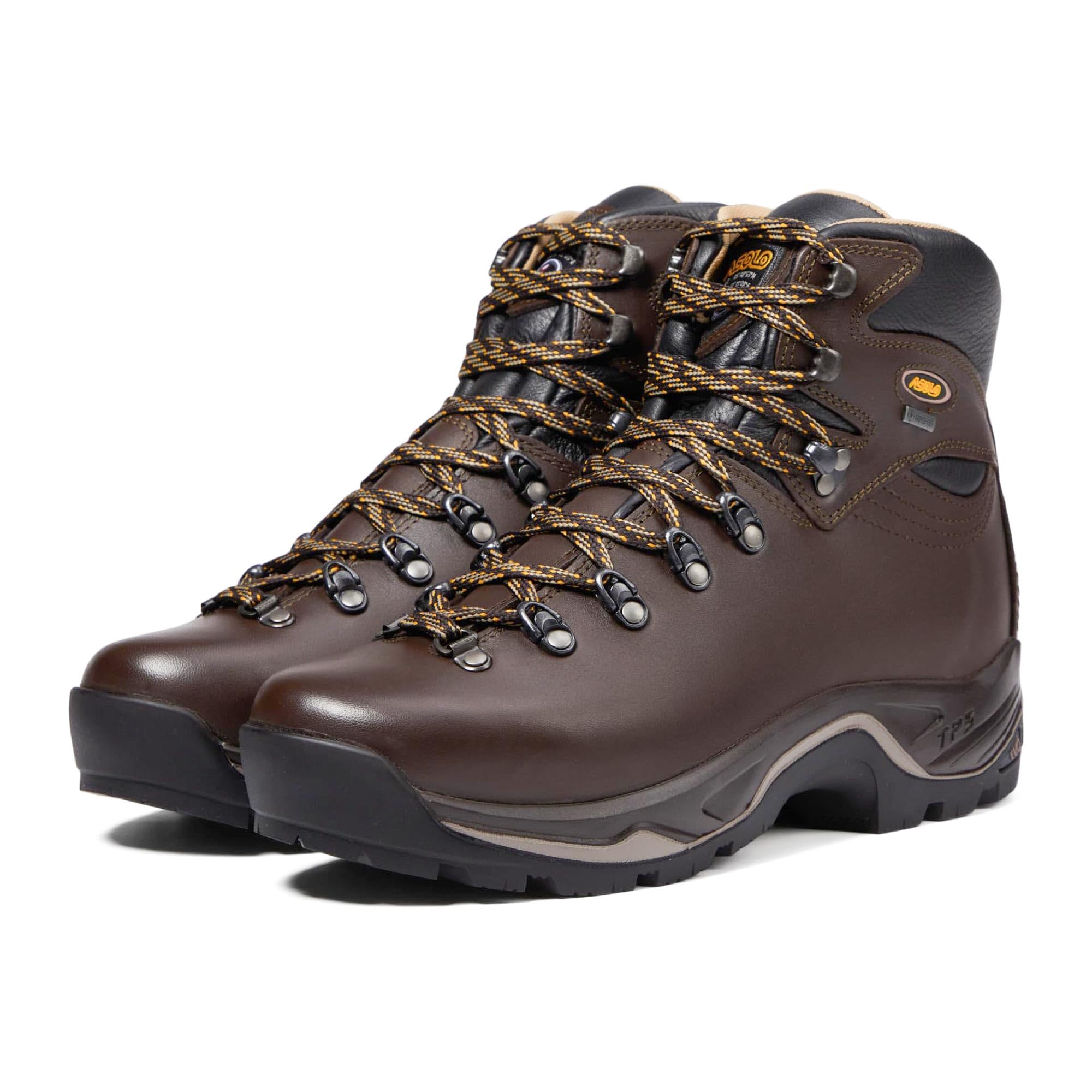
This full-grain leather boot is the most substantial option here, designed for heavy pack loads exceeding fifty pounds. The Vibram outsole and rigid torsion plate provide exceptional stability on uneven terrain, and reviewers with pre-existing knee and ankle issues reported that the boot aligned their stance and reduced joint pain during multi-day trips.
Despite the stiff construction typical of backpacking boots, multiple users confirmed zero break-in period required, with the leather upper conforming to the foot without causing hot spots. The boot also held up to rock climbing and off-trail scrambling without delamination or sole separation.
The trade-off is weight and flexibility. This boot is noticeably heavier than the mid-weight options from Salomon and KEEN, and it will feel overbuilt for casual day hikes on well-groomed trails. It is the right choice for the backpacker who prioritizes durability and load-bearing support over lightweight versatility.
Why it’s great
- Full-grain leather and Vibram sole offer unmatched durability
- Zero break-in period despite stiff construction
- Provides significant support for heavy packs and joint issues
Good to know
- Heavier than mid-weight boots; not ideal for light day hikes
- Annual price increases have been noted by repeat buyers
4. Columbia Konos TRS Outdry
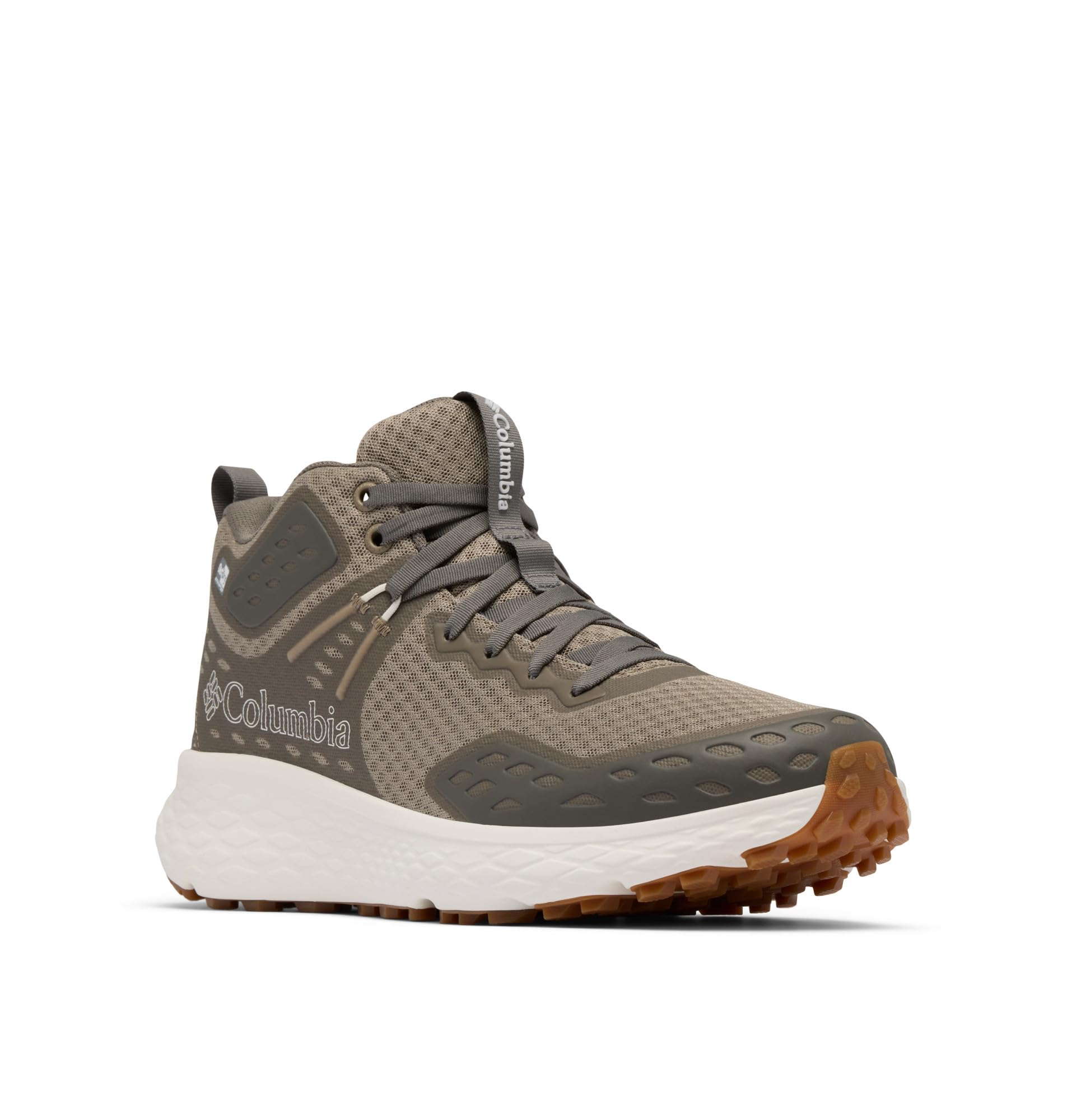
Columbia’s Outdry technology bonds the waterproof membrane directly to the upper, which eliminates the typical stitch-line failure point found in bootie-construction waterproof boots. The boot’s traction proved reliable on steep terrain during a twenty-plus mile hike by a 300-pound reviewer who reported no blisters — a strong testament to both the midsole cushioning and the outsole’s grip.
The toe box is relatively wide, accommodating bunions and allowing for thicker socks without constriction, and the design improves with wear as the upper molds to the foot. However, multiple users noted a loud squeaking noise during walking on hard surfaces, which can be distracting in quiet environments.
For day hikers who frequently encounter rain, mud, and wet grass, the Outdry membrane delivers reliable moisture protection without the weight of a full leather boot. Just be prepared for the audible squeak until the outsole breaks in against the midsole.
Why it’s great
- Outdry membrane eliminates stitch-line waterproofing failure
- Bunion-friendly toe box with good arch support
- Excellent traction on steep terrain with no blister formation
Good to know
- Notably squeaky on hard surfaces
- Warm due to waterproof layer; wicking socks recommended for hot days
5. Under Armour Hovr Dawn 2.0
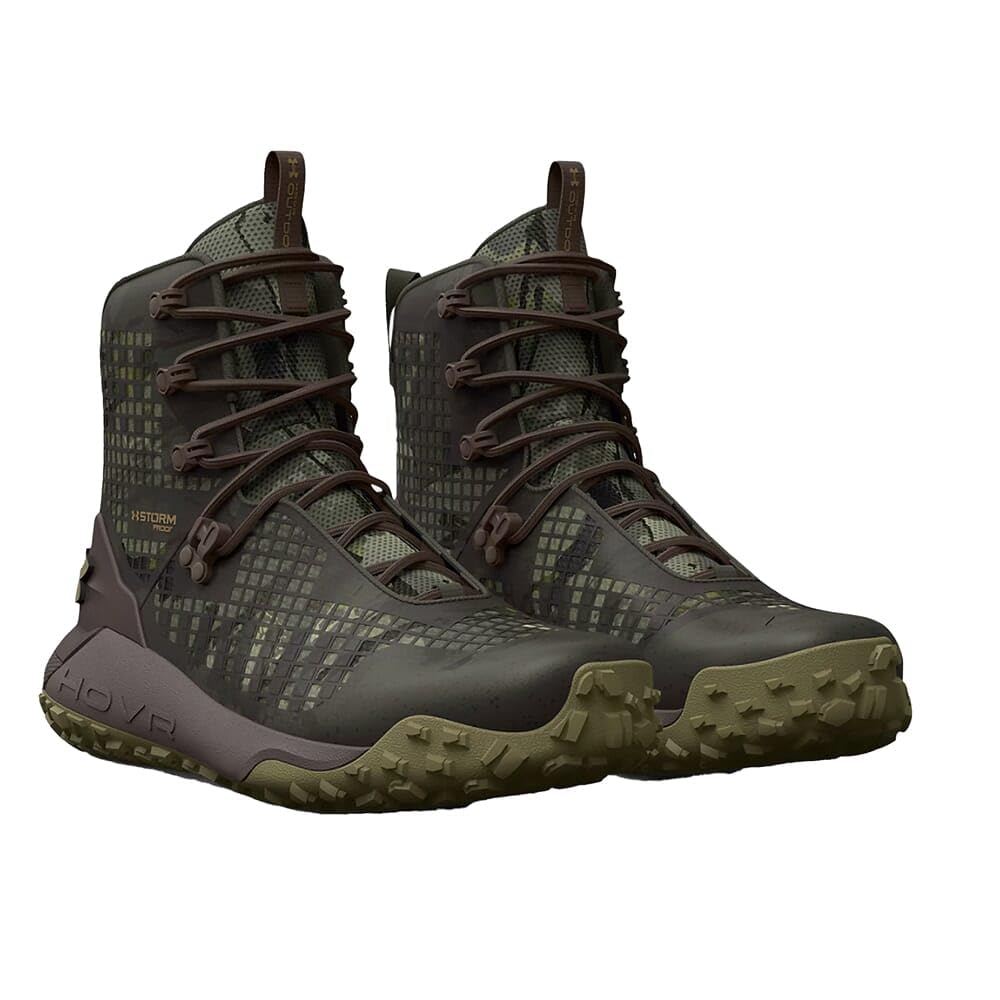
The UA Hovr Dawn 2.0 prioritizes weight savings and immediate comfort, making it a strong candidate for hunters who cover miles before dawn. Reviewers highlighted its ease of putting on in low-light conditions and its moisture-wicking performance during tall-grass cutting, though the laces require patience to thread through the upper eyelets.
The Hovr foam midsole provides excellent underfoot cushioning, but the trade-off came to light during heavy elk hunting use: the outsole showed tattering and partial tread separation within one week of intense backcountry abuse. This boot is not built for sustained rocky terrain under a heavy pack.
For day hikes, general outdoor work, and hunting on moderate terrain, the Dawn 2.0 delivers lightweight performance that feels more like a trail runner than a traditional boot. Serious backpackers should look at a boot with a more robust shank for load support.
Why it’s great
- Lightweight construction with immediate out-of-box comfort
- UA Hovr cushioning provides excellent underfoot feel
- Good ankle stability for its weight class
Good to know
- Outsole durability questionable under heavy hunting load
- Laces are difficult to thread through upper clips
6. Merrell Men’s Speed Strike 2 Mid Waterproof

This Merrell boot strikes a strong balance between aesthetics and trail performance, making it a common choice for travelers who need one shoe for cobblestone streets and muddy paths. The M Select DRY membrane provided reliable waterproofing during European travel, and the boot required zero break-in, fitting true to size with a roomy toe box.
The midsole’s arch support received mixed feedback, with some users finding it adequate for all-day wear while others expected more aggressive support. The Vibram outsole delivers good traction on mixed surfaces, though the boot is slightly stiffer than the Merrell Moab series, requiring a few miles to fully loosen the upper.
For the hiker who prioritizes versatility across travel, town, and occasional trail use, the Speed Strike 2 is a strong mid-range option. If you need robust arch support for flat feet, budget for an aftermarket insole.
Why it’s great
- Zero break-in with a comfortable, true-to-size fit
- Waterproof and breathable for travel and hiking use
- Roomy toe box suitable for wool sock layering
Good to know
- Arch support may be insufficient for some users
- Initially stiff; requires a few miles to fully break in the upper
7. Danner Mountain 600

The Danner Mountain 600 uses a suede upper and Danner Dry membrane to deliver immediate comfort without any break-in period. Reviewers wore these on a twenty-mile, five-thousand foot elevation gain hike in Yosemite without a single hot spot, crediting the Vibram outsole for secure grip on wet granite and the triple-density footbed for sustained arch support.
Ankle support is a standout feature, with users reporting that the high-top design stabilized weak ankles and prevented rolling on uneven terrain. The boot is warm enough for December hikes with thick wool socks yet breathable enough for use in warmer weather, demonstrating a versatile temperature range.
However, some users reported leather splitting at the eyelet after roughly nine months, and the waterproofing began to fail in that area. This suggests the build quality, while excellent initially, may not match the longevity of a full-grain leather boot for heavy users.
Why it’s great
- Vibram outsole provides excellent grip on wet rock and granite
- Comfortable immediately with no break-in period
- High-top design provides strong ankle stabilization
Good to know
- Leather split at eyelet reported around nine months of use
- Waterproofing may degrade prematurely at failure points
8. Timberland Men’s White Ledge Mid Waterproof

The large toe box is a major plus for hikers with wide feet or those who prefer thicker socks.
Users noted that the boot requires a short break-in period but becomes comfortable quickly, especially when paired with aftermarket insoles. The mid-height collar provides reasonable ankle support for easy to moderate hiking, though it is not stiff enough for heavy backpacking loads or technical terrain.
The leather upper requires regular maintenance, including air drying after wet outings and mink oil treatment to maintain waterproofing. Some users reported that the factory waterproofing is not as robust as higher-end membranes, so periodic reapplication is essential for keeping feet dry in sustained rain.
Why it’s great
- Proven durability across varied terrain with a large toe box
- Good value for the level of waterproofing and sole grip
- Comfortable for casual wear and easy hiking
Good to know
- Leather requires regular mink oil treatment for waterproofing
- Not suitable for heavy backpacking or technical terrain
9. Columbia Men’s Burnsider Omni-heat Infinity
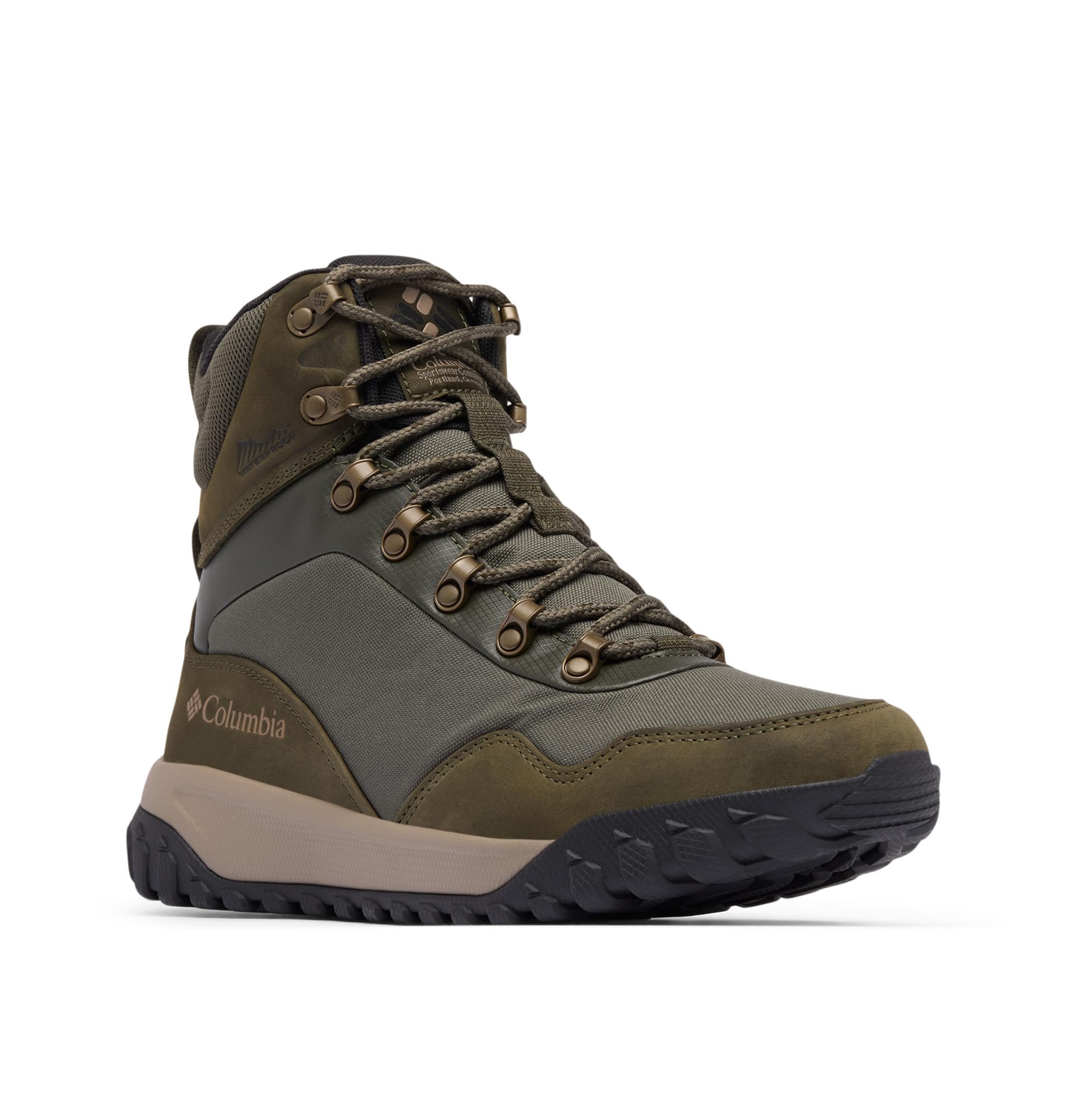
This Columbia boot is built specifically for cold-weather hiking, with the Omni-Heat Infinity reflective lining that retains body heat far more effectively than standard fleece linings. Reviewers confirmed that even in Quebec City winter conditions, their feet remained toasty warm, and the boot performed well on a glacier hike with crampons without compromising waterproofing.
The heel cushioning is generous, and the outsole provides adequate grip on packed snow and ice. The boot is easy to put on and remove, which is a practical benefit when transitioning between indoor and snowy outdoor environments. However, it is not designed for warm-weather use, as the insulation can cause overheating above freezing temperatures.
Sizing can be tricky: the men’s boot will fit a women’s size up if ordered a half to full size down, but some users found the boot ran small. This is the best option here for hikers who prioritize warmth over all-season versatility.
Why it’s great
- Omni-Heat Infinity lining keeps feet warm in extreme cold
- Comfortable heel cushioning for all-day wear
- Easy on/off design and effective grip in snow and ice
Good to know
- Insulation makes it too warm for use above freezing
- Sizing runs small; consider ordering a half size up
FAQ
How much ankle support do I really need in a hiking boot?
Is a waterproof membrane always necessary for hiking boots?
How should all around hiking boots fit compared to running shoes?
Final Thoughts: The Verdict
For most users, the best all around hiking boots winner is the Salomon X-Adventure Recon Mid Gore-Tex because it combines zero break-in comfort, reliable Gore-Tex waterproofing, and genuine ankle support in a lightweight package that works on rocky trails and wet snow. If you want a roomy toe box and all-day standing comfort, grab the KEEN Hightrail Mid Waterproof. And for heavy backpacking loads requiring a full-grain leather boot, nothing beats the ASOLO TPS 520 GV Evo.