
Finding a pair of headphones that delivers genuine high-fidelity sound without pushing past a sensible budget is a delicate balancing act. You want the detail retrieval and soundstage of enthusiast gear, but you need build quality that lasts and a tuning that works for your library, not just a review playlist.
I’m Rikta — the co-founder and writer behind FitlyFast. I’ve spent years analyzing frequency response graphs, driver technologies, and real-world durability reports to separate the genuinely great from the merely hyped in the sub-premium headphone market.
This guide breaks down the best options available for discerning listeners, focusing on measurable performance, build integrity, and real-world tuning. Whether you prioritize open-back air or closed-back isolation, these are our top recommendations for the 200 dollar headphones category.
How To Choose The Best 200 Dollar Headphones
The most expensive component in a headphone at this level is rarely the raw sound—it’s the engineering of the driver, the precision of the tuning, and the durability of the build. Your choice should be guided by your primary use case: critical listening, gaming, commuting, or professional monitoring. Each purpose demands a different set of priorities, from open-back soundstage to closed-back isolation and impedance compatibility.
Driver Technology: The Heart of the Sound
The driver type dictates the fundamental character of the headphone. Planar magnetic drivers, found in the HIFIMAN SUNDARA, use a thin diaphragm suspended in a magnetic field, offering incredibly low distortion, fast transients, and excellent detail retrieval. Dynamic drivers, like those in the Sennheiser IE 200 and ADAM Audio H200, offer a more traditional, often punchier presentation, particularly in the bass. Hybrid IEMs, like the Kiwi Ears KE4, combine multiple driver types to cover the frequency spectrum more completely, offering a blend of sub-bass slam from a dynamic driver and detailed highs from a balanced armature. For critical listening, planar magnetic sets a high bar for technical performance.
Open-Back vs. Closed-Back: Your Listening Environment
This is the single most important physical design choice. Open-back headphones (HIFIMAN SUNDARA) have vented ear cups that allow air and sound to pass through. This creates a much wider, more natural soundstage that mimics listening to speakers in a room, but they leak sound and provide no isolation. Closed-back designs (beyerdynamic DT 770 PRO, ADAM Audio H200, MEZE 99 NEO) isolate the listener from ambient noise and prevent sound from leaking out, making them essential for recording, commuting, or shared offices. If you need isolation, go closed-back; if you want the most immersive soundstage for home listening, open-back is the path.
Impedance and Sensitivity: Matching Your Source
Impedance, measured in Ohms, dictates how much power a headphone needs to reach a given volume. A low-impedance headphone (32 Ohms, like the MEZE 99 NEO) can be driven loudly by a phone or laptop. A high-impedance headphone (250 Ohms, like the beyerdynamic DT 770 PRO) requires a dedicated headphone amplifier to sound its best—plugging it into a standard phone will result in low volume and a thin, lifeless sound. Sensitivity (SPL) complements this: a high-sensitivity headphone (112.5 dB for the ADAM Audio H200) will sound louder at the same power level. Always match the impedance to your source. If you don’t have an amplifier, stick to 80 Ohms or lower for full-sized headphones.
Quick Comparison
On smaller screens, swipe sideways to see the full table.
| Model | Category | Best For | Key Spec | Amazon |
|---|---|---|---|---|
| Bose QuietComfort | Wireless ANC | Commuting & Travel | 24-hour battery life | Amazon |
| HIFIMAN SUNDARA | Planar Open-Back | Critical Home Listening | 80% thinner diaphragm | Amazon |
| beyerdynamic DT 770 PRO | Closed-Back Monitor | Studio Tracking & Mixing | 250 Ohm impedance | Amazon |
| MEZE AUDIO 99 NEO | Closed-Back Dynamic | Fun, Bass-Forward Listening | Self-adjusting headband | Amazon |
| ADAM Audio H200 | Closed-Back Monitor | Accurate Mixing & Mastering | 2 Hz – 23.5 kHz response | Amazon |
| Sennheiser IE 200 | Wired IEM | Portable Audiophile Sound | 7mm TrueResponse transducer | Amazon |
| Linsoul Kiwi Ears KE4 | Hybrid IEM | Detail & Sub-Bass Precision | 2DD + 2BA hybrid system | Amazon |
In‑Depth Reviews
1. HIFIMAN SUNDARA

The HIFIMAN SUNDARA sets a benchmark for planar magnetic performance in this price tier. Its ultra-thin diaphragm (80% thinner than previous models) delivers a level of detail, transient speed, and clarity that rivals far more expensive open-back designs. The sound signature is neutral-bright, with excellent extension on both ends—bass is flat but remarkably articulate and responds exceptionally well to EQ, while the treble is airy and extended without crossing into harshness or sibilance. The soundstage is wide and deep, with precise imaging that reveals layers in complex recordings that lesser headphones gloss over.
Build quality is a clear step up from the budget HIFIMAN models, featuring a metal frame and updated headband design that distributes weight evenly. However, two critical points demand attention: the SUNDARA requires a dedicated headphone amplifier to sound its best. Plugging it into a phone or laptop yields a thin, lifeless sound that does not represent its capabilities. Secondly, reports of quality control issues, such as driver rattling, appear in user feedback, though service is generally described as good. With an amplifier, the SUNDARA offers a level of technical performance that punches well above its price class.
This is the go-to recommendation for the dedicated home listener who already has or is willing to invest in a proper amplifier. It excels with acoustic, classical, jazz, and complex rock where instrument separation and micro-detail are prized. It is not the choice for bass-heads or those needing isolation for portable use. The SUNDARA is a true enthusiast-grade headphone that requires some system synergy, but delivers a genuinely high-end listening experience when paired appropriately.
Why it’s great
- Exceptional planar magnetic detail retrieval and transient speed
- Wide, immersive soundstage and precise imaging
- Excellent build quality with metal frame construction
Good to know
- Requires a dedicated headphone amplifier; not for portable use
- Bass is accurate but not impactful without EQ
- Some reports of build quality inconsistencies
2. beyerdynamic DT 770 PRO

The beyerdynamic DT 770 PRO is a legendary studio monitor, and for good reason. The 250 Ohm version, tested here, is built for professional mixing and mastering setups with high-quality headphone outputs. It delivers exceptional detail retrieval across the entire frequency range, with a notably clean, analytical sound profile. The bass is articulate and extends well, the midrange is clear, and the treble, while slightly emphasized for clarity, is smooth and controlled. The closed-back design provides excellent passive noise isolation, making it a go-to for tracking and monitoring in noisy control rooms.
Build quality is where the DT 770 PRO truly stands out. Handcrafted in Germany, these headphones are built to withstand years of daily abuse in professional environments. The velour ear pads are supremely comfortable for long sessions, and the coiled cable is a practical feature for studio use. However, the 250 Ohm impedance is a strict requirement—it demands a powerful headphone amplifier to sound its best. Without one, the headphone sounds thin, quiet, and veiled. The clamp force is also noticeably tight out of the box, requiring a break-in period to become comfortable.
This is the ultimate choice for the home studio engineer, producer, or serious gamer who needs a reliable, isolating headphone with a reference-grade sound signature and legendary durability. It is not suitable for direct use with phones or laptops. The DT 770 PRO is an investment in a tool that will likely outlast several other headphones in your collection. If you need lower impedance for portable use, the 80 Ohm version is a more practical choice, but the 250 Ohm is the definitive model for serious desktop setups.
Why it’s great
- Exceptional build quality and durability; made in Germany
- Highly detailed, analytical sound excellent for mixing
- Excellent passive noise isolation for closed-back design
Good to know
- Requires a powerful amplifier due to 250 Ohm impedance
- Very tight clamp force initially; needs break-in
- Tuning can be perceived as slightly bright for some listeners
3. ADAM Audio H200
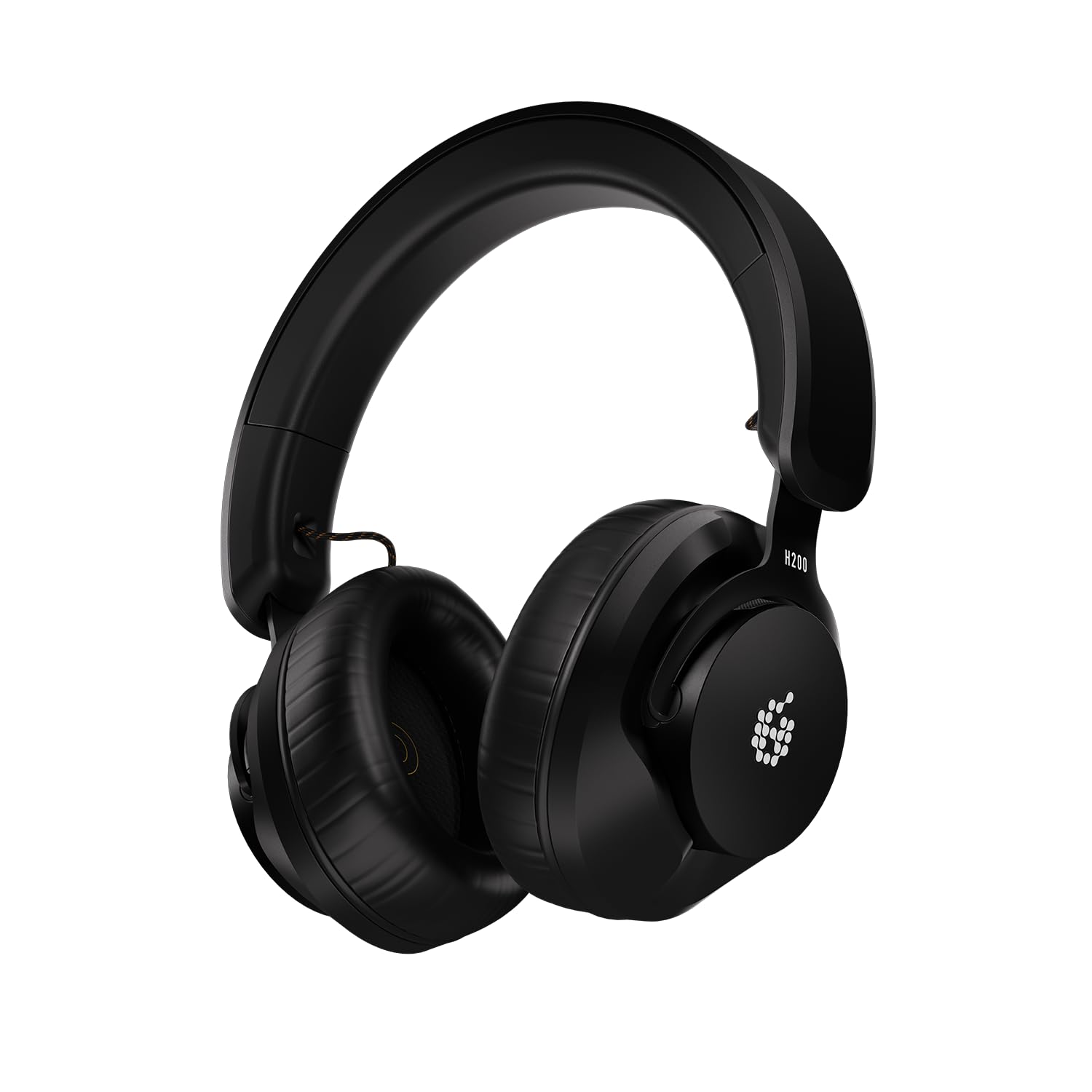
The ADAM Audio H200 brings a fresh perspective to the closed-back monitor market, leveraging the company’s renowned studio monitor expertise. The 40mm PEEK driver delivers an exceptionally smooth and balanced frequency response from 2 Hz to 23.5 kHz, with low distortion and a high sensitivity of 112.5 dB SPL. It is designed to be critical and unforgiving, revealing flaws in mixes and recordings that more consumer-friendly headphones would mask. The included Headphone Utility plug-in adds spatialization and tone-shaping tools, making this a powerful partner for mixing and mastering.
Build quality is solid, with a durable headband, faux leather memory foam earpads, and a robust aluminum yoke. At 32 Ohms, it is highly efficient and can be driven to loud levels from any standard audio interface, laptop, or even a phone, without sacrificing performance. The provided 3-meter cable is long and detachable. However, the neutral, detailed tuning is not flattering for casual listening. It will expose poor recordings and can be unforgiving if you are looking for a fun, boosted sound. Some users have reported headband durability issues after several months, which is a concern for a headphone in this price range.
This is the ideal choice for the mixing and mastering engineer who needs a neutral, revealing closed-back headphone for critical work. It is a direct upgrade from entry-level studio standards like the Sony MDR-7506, offering a level of refinement and accuracy that translates directly to better mixing decisions. It is not a good choice for casual listening, commuting, or anyone who wants a bass-boosted, fun sound signature. The H200 is a precision tool with a specific job—accurate monitoring—and it performs that job exceptionally well.
Why it’s great
- Extremely neutral, accurate reference sound for critical mixing
- High sensitivity (112.5 dB) runs loud from any source without an amp
- Excellent passive isolation for tracking or noisy environments
Good to know
- Very unforgiving tuning; not suitable for casual listening
- Some reports of headband durability issues over time
- Build is good but not as tank-like as the DT 770 PRO
4. MEZE AUDIO 99 NEO

The MEZE AUDIO 99 NEO takes a different approach from the analytical monitors above, prioritizing an engaging, fun, and musical listening experience. It is a closed-back, dynamic driver headphone with a low 32 Ohm impedance, meaning it runs easily from any phone, laptop, or gaming controller without the need for a separate amplifier. The sound signature is warm and bass-forward, delivering a satisfying low-end thump that makes pop, electronic, and rock music incredibly enjoyable. The midrange remains smooth and clear, and the treble is well-controlled, avoiding harshness despite the bass emphasis.
Build quality and aesthetics are a standout feature. The 99 NEO uses a self-adjusting headband, vegan leather ear pads, and a manganese spring steel outer band, all designed to be comfortable for long listening sessions. Crucially, it is built to be repairable—every component, from the ear cups to the driver, is replaceable using screws instead of glue. The included hard carrying case is a premium addition. However, the pleather pads can cause heat buildup over time, and the stock cable is a bit short for desktop use. Some listeners may find the sound too bass-heavy for critical classical or acoustic listening.
This is the best choice for the listener who prioritizes outright musical enjoyment and ease of use over clinical accuracy. It is perfect for gaming (where the bass adds impact), casual music listening, and commuting when paired with a phone or DAP. It does not require any additional gear to sound its best. The 99 NEO is a stylish, well-built, and genuinely fun-sounding headphone that proves high-fidelity doesn’t have to be boring or demanding. If you want isolation with a smile, this is it.
Why it’s great
- Fun, warm, and bass-forward sound signature that is highly engaging
- Fully repairable design with replaceable parts and screws
- Low impedance (32 Ohm) works great with any source, no amp needed
Good to know
- Pleather pads can cause heat and sweat buildup
- Stock cable is short for desktop use; inline mic is poor
- Not analytical; treble can be slightly bright which is a preference
5. Sennheiser IE 200

The Sennheiser IE 200 brings the company’s audiophile engineering into a compact, wired in-ear monitor form factor. The 7mm TrueResponse transducer delivers a remarkably neutral and detailed sound signature that rivals many full-sized headphones in resolution. The bass is controlled and accurate, the mids are expressive and natural, and the treble is smooth without being rolled off. The dual bass-tuning design (adjusting the ear tip mounting position) allows you to customize the low-end from tight and analytical to a warmer, more relaxed presentation—a genuinely useful feature for a stationary listener.
Comfort is a major strength. The small, ergonomic housing combined with a flexible ear hook design provides a secure and unobtrusive fit for long listening sessions. The included braided cable is durable and low-noise, with gold-plated MMCX connectors that allow for future upgrades. However, the IE 200 is a wired IEM, meaning it requires a device with a headphone jack. For iPhone users, a Lightning-to-3.5mm adapter or a dedicated DAC is needed. The stock cable can feel a bit tangle-prone, and the MMCX connector is proprietary to the IE 200 line, limiting aftermarket cable choices.
This is the ideal upgrade for anyone who values portability and sound quality above all else but doesn’t want the bulk of full-sized headphones. It is perfect for commuting, desk work, and concentrated listening sessions. It offers a level of neutral detail and transient speed that is very difficult to find in a full-sized dynamic driver headphone at this price. The IE 200 is not for those who want a thumping bass sound or the convenience of Bluetooth. For the wired audiophile on the go, it’s a compact powerhouse.
Why it’s great
- Exceptional neutral detail and clarity for a wired IEM
- Dual bass-tuning feature allows personalization of low-end
- Highly comfortable, ergonomic design for long wear
Good to know
- Requires a headphone jack or adapter for modern phones
- Stock cable is tangle-prone and proprietary MMCX connector
- Some find the sound flat out of the box; benefits from EQ tuning
6. Linsoul Kiwi Ears KE4

The Linsoul Kiwi Ears KE4 represents a highly sophisticated approach to IEM design, using a hybrid 2DD+2BA (dual dynamic driver, dual balanced armature) configuration with a precision-engineered three-way crossover. The result is a sound signature that is balanced, warm, and incredibly engaging, with a sub-bass impact that is both deep and clean, never bleeding into the mids. The mids are lush and textured, while the American-made Knowles tweeter delivers airy, extended treble without fatigue. The technical performance is a significant step up from single-driver IEMs, offering a level of layering and detail that reveals nuances in recordings.
Build quality is excellent, with handcrafted shells made from medical-grade resin and finished with unique faceplates. The fit is very comfortable, with no pressure points. The stock cable is soft, lightweight, and low-microphonics. However, the inclusion of a low-quality case and the fact that the provided ear tips can be a bit loose are minor drawbacks. The hybrid driver system means the KE4 is more demanding of a clean source, though it runs well from most modern smartphones and laptops. The tuning is very balanced, so those seeking a bass-heavy consumer sound may find it slightly analytical for their taste.
This is a fantastic choice for the IEM enthusiast or musician who wants a detailed, balanced, and technically accomplished sound that is still musical and fun. It excels across genres, from the sub-bass of electronic music to the complex layering of orchestral work. It is the best-sounding IEM in this list, but it is also the most expensive. The KE4 is a worthy endgame for many listeners who value tonal balance and high resolution in a portable form factor.
Why it’s great
- Exceptional hybrid driver system delivers balanced, high-resolution sound
- Powerful sub-bass impact without overpowering mids or highs
- Excellent build quality with hand-crafted resin shells
Good to know
- Case is low-quality for the price point
- May require a clean source for best performance
- Tuning is balanced, not a bass-heavy consumer sound
7. Bose QuietComfort

The Bose QuietComfort is the undisputed king of active noise cancellation and all-day comfort. Its adaptive ANC system is best-in-class, effectively eliminating the constant drone of engines, fans, and office chatter, while the Aware mode allows you to stay tuned into your surroundings. The sound signature is well-balanced, with a focus on clarity and a punchy, controlled bass that works well across genres. The adjustable EQ via the Bose app lets you tweak the sound to your preference, adding a layer of customization missing from the flagship Sony XM5.
Comfort is legendary. The plush, over-ear cushions and lightweight design allow for hours of continuous wear without fatigue. Battery life is a solid 24 hours, and a quick 15-minute charge yields 2.5 hours of playback. Multipoint Bluetooth allows seamless switching between devices. However, the Bose QuietComfort is significantly more expensive than the other options on this list, placing it at the very top of the budget. The sound quality, while very good, does not match the detail and technical performance of the wired monitors from HIFIMAN or beyerdynamic. The included app can be a bit clunky, and some find the clamping force slightly tight initially.
This is the ultimate choice for the frequent traveler, commuter, or office worker for whom silence and comfort are the top priorities. It is the best all-rounder for everyday life, offering excellent ANC, good sound, and unmatched comfort in a wireless package. It is not the best choice for critical music listening or professional monitoring. If your daily need is to block out the world and enjoy your music with zero wires, the Bose QuietComfort is the best headphone for the job.
Why it’s great
- Best-in-class active noise cancellation
- Extremely comfortable for all-day wear
- Good, balanced sound with adjustable EQ and excellent battery life
Good to know
- Most expensive option, pushing the budget limit
- Sound quality doesn’t match wired audiophile headphones
- App can be clunky; initial pairing can be frustrating
FAQ
Do I need an amplifier for headphones above 80 Ohms?
What is the difference between open-back and closed-back headphones?
What does a hybrid IEM driver system offer?
Final Thoughts: The Verdict
For most users, the 200 dollar headphones winner is the HIFIMAN SUNDARA because it sets a new standard for planar magnetic performance and detail retrieval at this price point, offering an immersive open-back experience that is genuinely end-game for many listeners. If you need robust isolation and a tank-like build for a studio or gaming setup, grab the beyerdynamic DT 770 PRO. And for the ultimate wireless and noise-canceling experience that prioritizes comfort and silence above all else, nothing beats the Bose QuietComfort.