
Our readers keep the lights on and the weekend projects moving. As an Amazon Associate, I earn from qualifying purchases.
Getting a berry patch established can feel like a gamble. You research varieties, imagine the harvest, then wait weeks only to watch a dried-up stick fail to leaf out. Success depends on choosing live plants that are already vigorous enough to handle transplant shock and adapt to your local soil and climate conditions.
I’m Rikta — the co-founder and writer behind FitlyFast. I focus on market analysis of fruiting plants, comparing root structure, shipping viability, and zone compatibility to identify the specimens most likely to thrive in home gardens.
This guide breaks down the top-rated live cane and bush options so you can confidently pick the best berry plants for your yard, patio, or raised beds.
How To Choose The Best Berry Plants
Before adding to your cart, consider your available space, sun exposure, and how patient you are. Some varieties fruit the first year; others demand a two-year wait. Your choice hinges on immediate reward versus long-term investment.
Understanding Cane vs. Bush Growth Habits
Blackberries and raspberries grow on canes that may be primocane (fruit on first-year wood) or floricane (fruit on second-year wood). Blueberries and elderberries grow on woody bushes that require a couple years to establish before producing full yields. Matching growth habit to your timeline is essential.
Zone Hardiness and Chill Hours
Every berry plant has a recommended USDA hardiness zone range. Blueberries also require a specific number of chill hours — hours below 45°F — to set fruit properly. Ignoring zone and chill requirements is the most common cause of flower drop and barren bushes.
Soil pH and Drainage
Blueberries demand acidic soil with a pH between 4.5 and 5.5. Blackberries and boysenberries are more forgiving, thriving in neutral to slightly acidic loam. Elderberries tolerate damp conditions better than most berries. Test your soil before planting, and prepare to amend if needed.
Quick Comparison
On smaller screens, swipe sideways to see the full table.
| Model | Category | Best For | Key Spec | Amazon |
|---|---|---|---|---|
| Prime Ark Freedom Blackberry | Blackberry | First-year harvest | Thornless primocane | Amazon |
| All Star Strawberry | Strawberry | Continuous season harvest | Day-neutral everbearing | Amazon |
| Boysenberry Original | Boysenberry | Unique flavor blend | 4-pack live plants | Amazon |
| Apache BlackBerry Bush | Blackberry | Drought tolerant southern gardens | 1-gallon bush | Amazon |
| Elderberry Live Plants | Elderberry | Cold-hardy zones 3-9 | 6-12 inch height | Amazon |
| Pink Icing Blueberry | Blueberry | Ornamental & edible | 2-gallon container | Amazon |
| Rabbiteye Blueberry 3-Pack | Blueberry | Warm climate abundance | 3 varieties cross-pollinate | Amazon |
In‑Depth Reviews
1. Prime Ark Freedom Blackberry
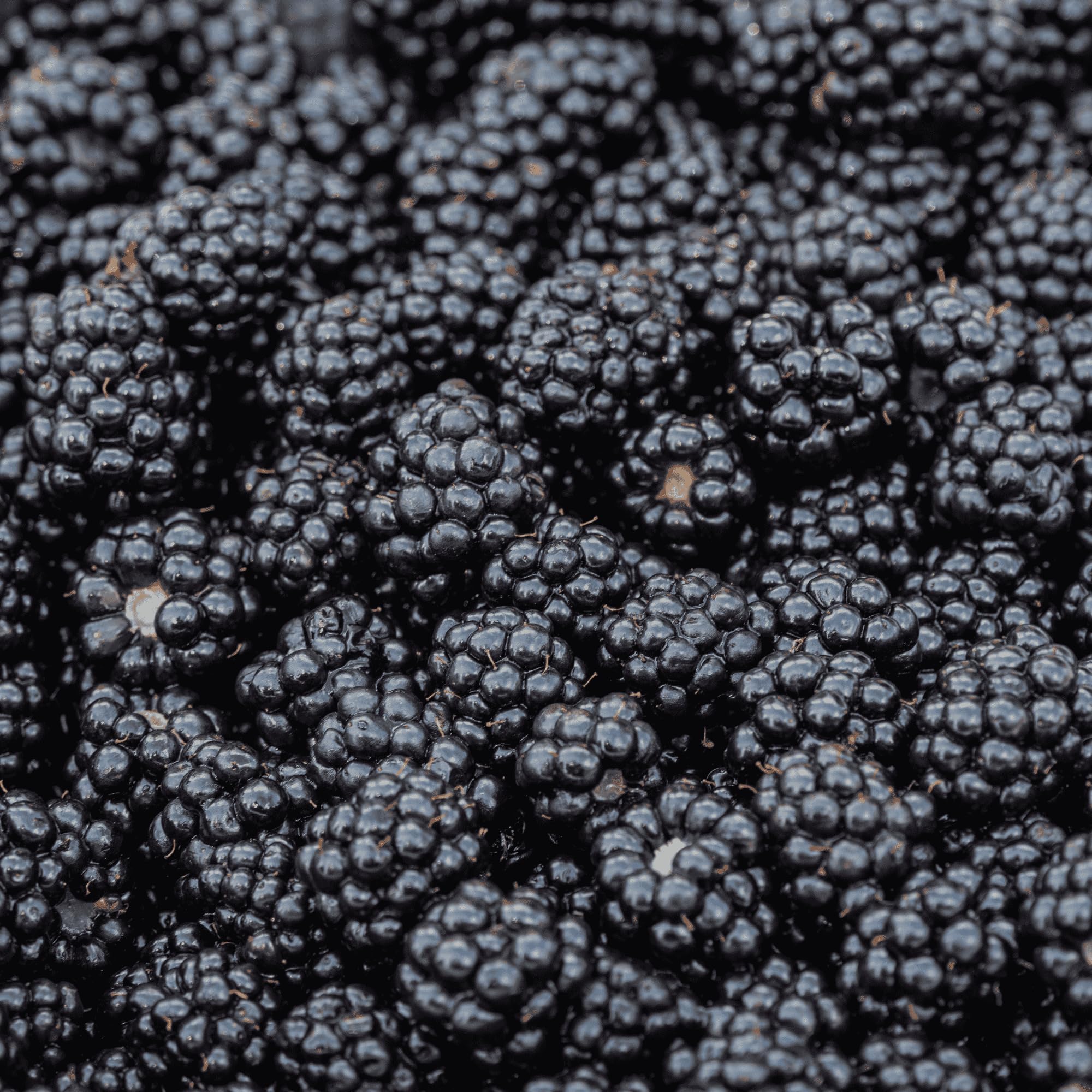
The Prime Ark Freedom is the first thornless primocane blackberry variety, meaning it fruits on first-year canes. You get a June harvest plus a second crop from late August through first frost. Reviews consistently mention healthy stems, vigorous root systems, and berries forming within weeks of planting. The thornless canes make pruning and picking far less painful than trailing blackberries.
Growers in zones 6-9 report the plants adapt quickly to loam soil and full sun. The everbearing trait is the standout feature — while many blackberries require an entire year before a single berry appears, this one delivers fruit in the same growing season. Hand Picked Nursery packages each plant with care, and customer photos confirm lush foliage upon arrival.
If you want the quickest path from bare root to berry bowl, this is it. The combination of thornless canes, primocane fruiting, and exceptional sweetness makes it the most rewarding choice for both beginners and experienced gardeners.
Why it’s great
- Fruits in first year on new canes
- Thornless stems for easy handling
- Large, exceptionally sweet berries
Good to know
- Limited to USDA zones 6-9
- Requires full sun for maximum yield
2. All Star Strawberry Plants
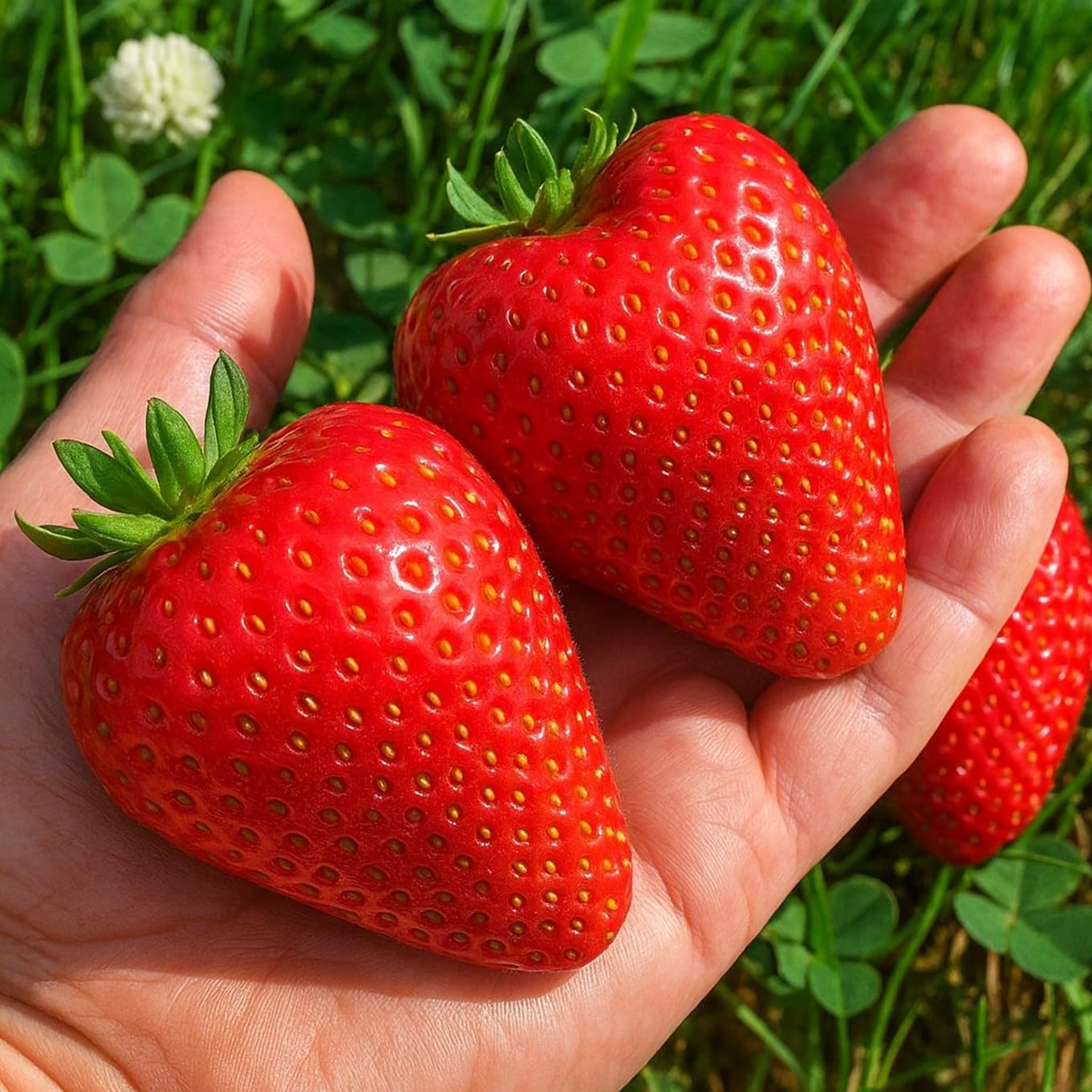
All Star strawberry plants are day-neutral everbearing varieties, producing firm, bright red berries continuously from late spring through the first hard frost. That means instead of one frantic week of picking, you get months of steady harvests for fresh eating, smoothies, and jam. The included growing instructions and video tutorial make this a strong option for beginners.
Several verified buyers note the bare roots arrived with green growth and rooted quickly indoors. One grower in a high-rise apartment window planter harvested daily berries from June through the following year. The variety is versatile enough for garden beds, raised beds, hanging baskets, and patio containers, though a few customers reported lower survival rates when planted late in the season.
This is the best entry-level berry plant for anyone who wants a low-commitment way to grow fruit. The day-neutral genetics guarantee production across the entire growing season, and the adaptability to containers means you do not need a huge yard to participate.
Why it’s great
- Continuous fruiting from spring to frost
- Works well in containers and raised beds
- Large, sweet berries with excellent flavor
Good to know
- Bare roots may have variable survival rates
- Needs moderate watering and partial to full sun
3. Boysenberry Original 4-Pack

This boysenberry is a genetic mash-up of raspberry, blackberry, loganberry, and dewberry, producing deep maroon fruit with a uniquely tart-sweet profile. The price includes four 2-inch tray-potted plants, each 1-3 inches tall, grown from the original boysenberry lineage. Hello Organics ships them with organic soil recommendations, and the plants are suitable for zones 5-9.
Buyers report the plants arrive looking small and dormant, but after transplanting into pots with good soil, they quadruple in size within two weeks. One gardener noted all four plants survived and are now producing fruit. The 4-pack setup allows you to hedge against any single loss, and the organic material features mean no synthetic chemicals are introduced to your garden.
For growers who want a conversation-starting berry that tastes unlike anything from a supermarket, this hybrid is the pick. The organic growing approach and multi-plant pack provide good odds for success even when starting with very small specimens.
Why it’s great
- Four plants in one purchase for higher success
- Unique hybrid flavor profile
- Organic material features for clean gardening
Good to know
- Plants arrive tiny; need patience for growth
- Expect fruit in year two, not first season
4. Perfect Plants Apache BlackBerry Bush

Apache is a thornless blackberry bush shipped as a 1-gallon live plant — significantly more mature than the bare-root or 2-inch pot options. It is already a bush with established roots and foliage. Growers in zones 6-9 report it fruits in the first year of planting and continues producing large, sweet berries for years. The Florida-grown plant is drought-tolerant once established and requires no harmful sprays.
Customers emphasize the plant arrived extremely healthy, with vigorous new growth and berries already forming. One reviewer planted it in spring 2025 and by the following year was harvesting large quantities from a 20-gallon cloth pot with a trellis. A small percentage of buyers experienced overwatered soil and plant decline, but the majority of reviews highlight the exceptional size and vitality of the bush.
If you prefer a bigger head start — a real bush, not a cutting — Apache delivers. The 1-gallon root ball and organic growing method make this a low-maintenance, high-confidence investment for southern homesteads.
Why it’s great
- Large 1-gallon bush fruits first year
- Drought tolerant once established
- Thornless canes for easy harvesting
Good to know
- Cannot ship to CA, HI, or AZ
- Some reports of overwatered soil on arrival
5. Elderberry Live Plants (2-Pack)

These black American elderberry plants from AVERAR come as 2 live starters, each 6 to 12 inches tall. Elderberries are among the most cold-hardy berry bushes, thriving in zones 3-9, which means they handle winters that would kill blackberries and blueberries. They produce fragrant white flower clusters in spring and summer, followed by dark berries rich in antioxidants.
Buyers report the plants arrived with root balls intact and vibrant leaves — unlike many competitors that ship desiccated sticks. One customer noted the plants were slightly bent from shipping but perked up within a day when placed by a window to acclimate. They will bear fruit 2 to 3 years after planting, so this is a long-game choice ideal for gardeners in northern climates or those who want a low-maintenance, high-variety shrub.
Elderberries are often used for syrups, teas, and immune support. This 2-pack is a budget-friendly entry into growing a functional food that requires minimal fuss once established.
Why it’s great
- Extremely cold hardy to zone 3
- Arrives with root ball and vibrant leaves
- Edible berries for syrups and immune support
Good to know
- Fruit production starts in year 2-3
- Prefers cool weather for best establishment
6. Bushel and Berry Pink Icing Blueberry

Pink Icing is a blueberry bush bred as much for its ornamental value as its fruit. It features stunning pink spring foliage that matures to a deeper blue-green in winter, producing large sweet blueberries on a compact 3-4 foot bush. It ships in a #2 container (2-gallon pot), fully rooted in soil, ready to plant immediately in zones 5-10.
Customers consistently praise the packaging — the plant arrives in pristine condition with no broken foliage, moist soil, and even tiny white flowers already developing. One reviewer noted it was much larger and more mature than expected. It thrives in both full sun and partial shade, making it suitable for decorative patio pots or as a landscape backdrop. The primary buyer caution is soil pH: blueberry bushes need acidic soil, so test and amend if your local dirt leans alkaline.
This is the plant for gardeners who care about aesthetics as much as yield. The year-round foliage color and elegant form make it a dual-purpose asset, and the mature container size removes the risk of starting from a fragile cutting.
Why it’s great
- Beautiful pink-to-blue-green ornamental foliage
- Large 2-gallon container for immediate impact
- Produces sweet blueberries in partial shade too
Good to know
- Requires acidic soil (pH 4.5-5.5)
- Matures to only 3-4 feet tall
7. Perfect Plants Rabbiteye Blueberry 3-Pack

This 3-pack from Perfect Plants includes three different rabbiteye blueberry varieties specifically chosen to cross-pollinate each other, extending your harvest across the entire summer. Each bush arrives as a 1-gallon live plant, and the set is designed for zones 7-9. They are heat and drought tolerant once established, and they grow well in both ground and containers.
Buyers are consistently blown away by the size and health of these bushes. One reviewer said the plants far exceeded expectations, arriving full of berries and looking “amazing.” Another noted they were not root-bound and transitioned into the ground seamlessly. The main limitation is agricultural restrictions: these cannot ship to CA, AZ, or WA, and they are best suited to warm southern climates.
If you have space for multiple bushes and want the highest possible yield, this trio is the definitive pick. The cross-pollination strategy is well proven to increase fruit set and berry size, and you get three established bushes instead of one.
Why it’s great
- Three differesnt varieties for maximum cross-pollination
- Plants arrive large, healthy, and often with berries
- Heat and drought tolerant for southern gardens
Good to know
- Restricted from shipping to CA, AZ, WA
- Limited to zones 7-9 only
FAQ
Can I grow berry plants in containers on a patio?
How long does it take for a blueberry bush to produce fruit?
Final Thoughts: The Verdict
For most users, the best berry plants winner is the Prime Ark Freedom Blackberry because it delivers thornless canes, first-year fruit, and exceptional sweetness without a two-year wait. If you want continuous harvest from spring to frost, grab the All Star Strawberry Plants. And for a southern garden with maximum blueberry production, nothing beats the Rabbiteye Blueberry 3-Pack.