
Our readers keep the lights on and the weekend projects moving. As an Amazon Associate, I earn from qualifying purchases.
Nothing ruins a winter outing faster than frozen, wet feet. Whether you’re shoveling the driveway, walking the dog in a blizzard, or commuting through slushy streets, the wrong pair of winter boots turns a minor inconvenience into a miserable experience. The trick is balancing insulation, waterproofing, and traction without ending up in a boot that feels like a lead weight.
I’m Rikta — the co-founder and writer behind FitlyFast. I’ve spent countless hours analyzing the technical builds, insulation ratings, and real-world feedback on the best winter boots to help you cut through the marketing noise and find the pair that actually works for your climate and lifestyle.
After digging through customer data on dozens of models, I’ve narrowed the field to seven top contenders that deliver on warmth, dryness, and durability. Read on for my complete guide to the best winter boots for men and women this season.
How To Choose The Best Winter Boots
Picking the right winter boot isn’t about brand loyalty or the highest price tag. The critical factors revolve around insulation type and weight, the waterproofing method, the outsole’s grip on snow and ice, and how the overall fit accommodates thicker socks without slipping.
Insulation Weight and Type
Most winter boots use synthetic insulation measured in grams per square meter. A 200-gram boot is suitable for moderate cold down to about 20°F, while 400-gram or higher is needed for extended sub-zero exposure. Pay attention to whether the boot uses a sealed thermal barrier or just a fleece lining — the latter provides less protection against conductive cold from the ground.
Waterproofing vs. Water Resistance
Look for boots with a sealed waterproof membrane like Omni-Tech or a rubber shell that extends above the ankle. “Water-resistant” often means snowmelt will soak through within an hour of steady contact. Real waterproofing is non-negotiable for slush, deep snow, or rain at freezing temperatures, as moisture quickly defeats insulation and causes rapid heat loss.
Outsole Traction
Wet ice and packed snow demand aggressive tread patterns with multi-directional lugs. Omni-Grip and Vibram compounds with deep, widely spaced lugs shed snow and bite into frozen surfaces. Avoid shallow, fashion-oriented soles — they turn slippery on ice and offer little bite on compacted snow.
Fit and Sizing for Socks
Winter boots typically require a half to full size up from your regular shoe size to accommodate a thick merino or wool sock. A boot that is too tight restricts circulation and makes feet colder. Look for a boot with a removable insole so you can swap in an orthotic or a thicker insulated liner for extra warmth and arch support.
Quick Comparison
On smaller screens, swipe sideways to see the full table.
| Model | Category | Best For | Key Spec | Amazon |
|---|---|---|---|---|
| SOREL Women’s Tivoli V | Premium | Fashion-forward warmth | Waterproof leather, 5mm washable liner | Amazon |
| Columbia Expeditionist Shield | Premium | Daily winter commuting | 200g insulation, Omni-Grip outsole | Amazon |
| Columbia Men’s Bugaboot III | Mid-Range | Sub-zero work and play | 200g insulation, Techlite midsole | Amazon |
| Columbia Minx IV | Premium | Extreme cold insulation | High-cuff design, soft thermal lining | Amazon |
| Columbia Moritza Shield | Mid-Range | Women’s all-day comfort | Omni-Heat reflective lining, rubber sole | Amazon |
| Trudave Rubber Boots | Budget | Wet mud and heavy snow | 6mm neoprene, rubber shell | Amazon |
| XPETI Crest Thermo | Budget | Light hiking and snow | High-traction rubber, all-rubber heel | Amazon |
In‑Depth Reviews
1. SOREL Women’s Tivoli V Tall Waterproof Boot
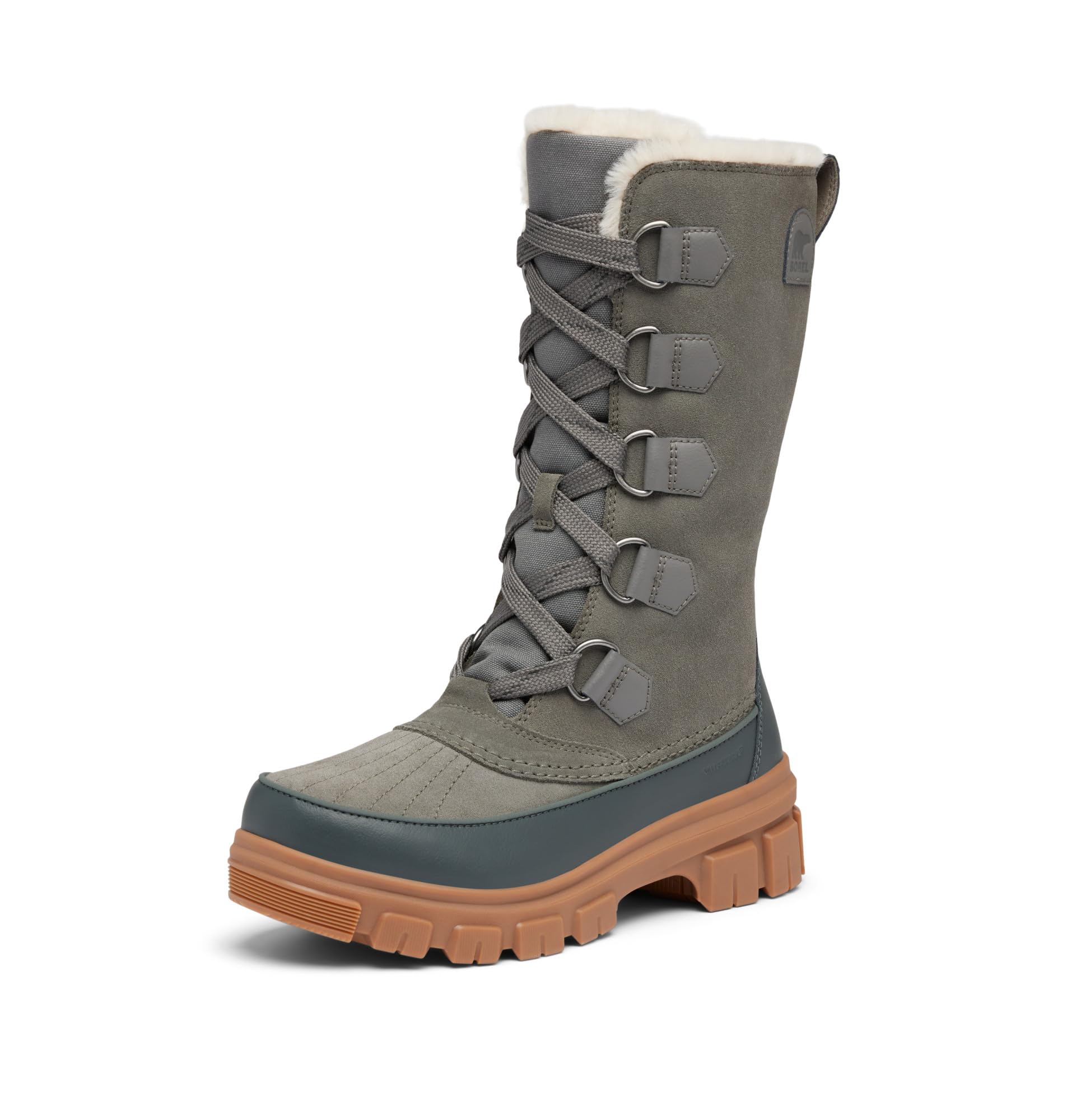
The SOREL Tivoli V is the rare winter boot that combines genuine cold-weather performance with an aesthetic you won’t mind wearing to brunch after shoveling. Its waterproof leather upper and sealed seams keep slush out, while the removable 5-mm washable liner provides adjustable warmth without feeling bulky. Multiple reviewers confirm staying dry and warm in deep snow and temperatures down to the teens, and the traction handles moderate ice well.
Fit and long-term comfort are clear strengths here. The boot fits true to size with room for a medium sock, and several owners report that their previous pair lasted over a decade. The thick, non-freezing laces and easy on-off design make it practical for daily wear. Some users with narrow feet found the ankle area rubbed when cinched tight, but looser lacing or a moleskin patch solved that quickly.
This boot excels as an all-rounder for women who want winter protection that doesn’t look like a chore boot. The only place it falls short is extreme sub-zero static use — below 0°F, those with poor circulation may need a heated insole. That same liner system, however, makes it adaptable for a wide range of winter conditions, from rain to powder.
Why it’s great
- Waterproof leather holds up to deep snow and slush
- Removable liner for easier drying and adjustable warmth
- Excellent durability with multi-year lifespan reported
Good to know
- Ankle area may rub when laced very tightly
- Not insulated enough for below 0°F without heated insoles
2. Columbia Men’s Expeditionist Shield

The Expeditionist Shield has become a daily driver for many users who need a boot that walks the line between a rugged hiker and a true winter boot. Its 200-gram insulation keeps feet warm down to about 10°F, and the Omni-Grip outsole provides confident traction on snow, packed trails, and ice. After three months of use, the boot stays durable, dries quickly after snow exposure, and remains lightweight enough for all-day wear.
Sizing is a common sticking point — multiple reviews note that the boot runs about half a size small, so ordering up is almost mandatory for thick wool socks. The insole is described as worthless by several owners, who recommend swapping it for a better aftermarket orthotic for all-day comfort. A quick treadmill break-in resolves the stiffness reported in the heel area, and the overall ground feel is solid without being clunky.
Where this boot really shines is as an approachable, mid-range option for men who want a single boot for commuting, light hiking, and errands in the snow. The only aesthetic complaint is the juvenile gold trim at the collar, but for the performance, most users happily overlook it. If you prioritize comfort and moisture management over hardcore sub-zero protection, this is a top pick.
Why it’s great
- Lightweight construction with hiker-like feel
- Omni-Grip outsole provides excellent snow and ice traction
- Dries quickly and manages sweat well with wool socks
Good to know
- Runs half size small; must size up
- Stock insole is poor and should be replaced
3. Columbia Men’s Bugaboot III

The Bugaboot III is a long-standing favorite for men who face brutal Northeast winters. It combines a waterproof leather and rubber shell with 200-gram insulation that, when paired with wool socks, keeps feet warm in sub-zero temperatures. The Techlite midsole adds cushioning that makes standing and walking for hours less fatiguing, and the Omni-Grip outsole provides reliable bite on ice. Multiple reviewers note it holds its shape for years, outlasting cheaper alternatives in the same price range.
Fit is the most critical detail with this boot. Several owners report that the toe box runs small and narrow, requiring a half to full size up or a wide-width option to avoid cramped toes. The lack of lace hooks at the top makes it harder to cinch a snug fit around the ankle, which is a minor design oversight for the price. Still, those who size correctly describe it as the best snow boot they’ve ever owned for warmth and dryness.
Cold sensitivity varies — some users find the 200-gram rating insufficient below 15°F, while others have worn it comfortably with extra socks in sub-zero conditions. The boot’s true strength is its rugged build and proven track record. If you need a dedicated snow boot for shoveling, sledding, or standing in the cold, the Bugaboot III is a solid, trustworthy choice.
Why it’s great
- Rugged waterproof shell with durable years-long lifespan
- Techlite cushioning reduces foot fatigue during long periods standing
- Excellent value compared to pricier mountaineering boots
Good to know
- Runs small and narrow in the toe box; size up
- Lacks lace hooks for a fully snug fit around the ankle
4. Columbia Minx IV
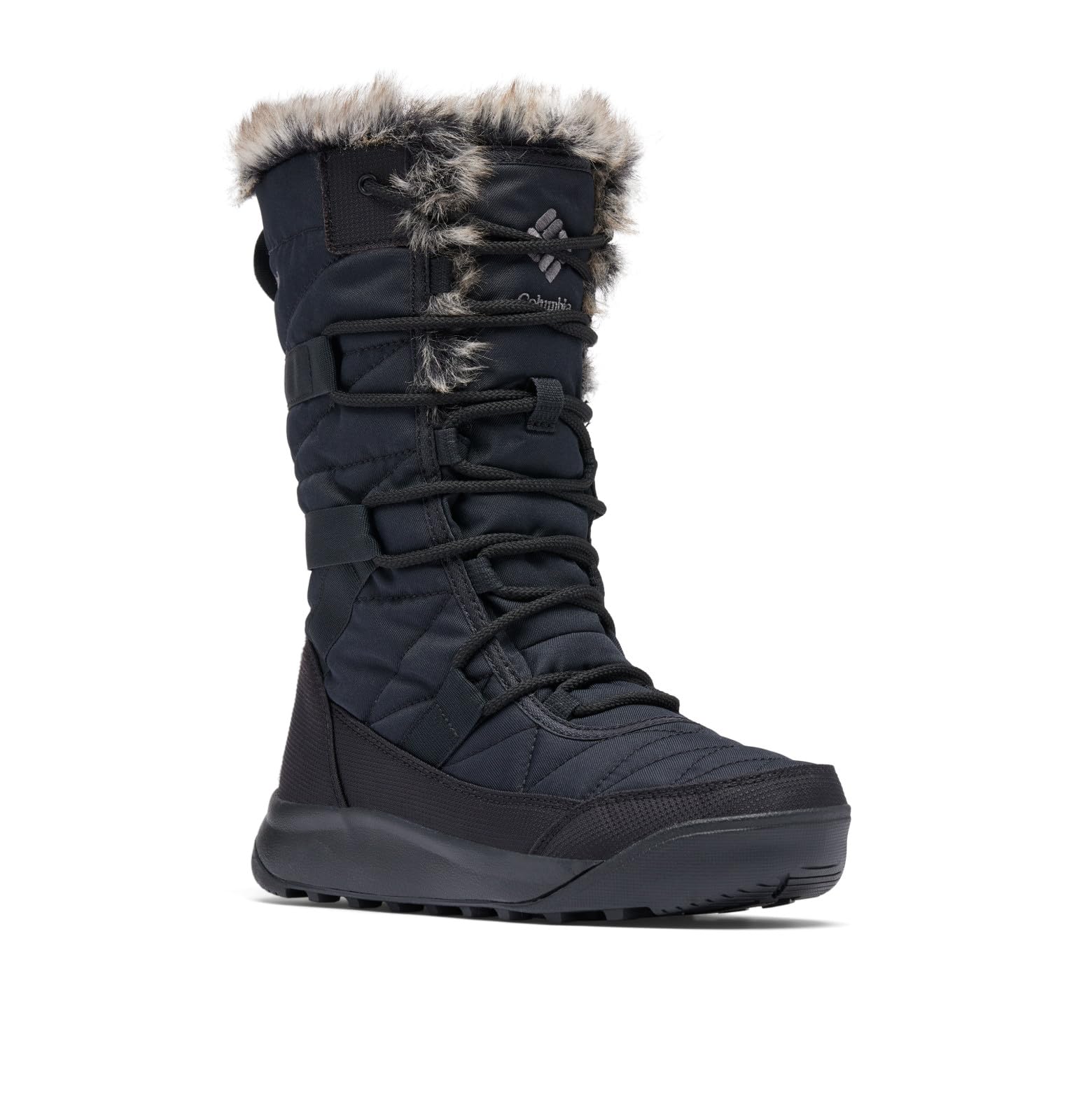
The Columbia Minx IV is built for extreme cold, with a mid-calf profile and a soft thermal lining that reviewers consistently describe as incredibly warm. Users report keeping feet toasty in sub-zero temperatures without needing thick socks, and the interior dries quickly after snow exposure. The waterproof build and good traction on snow have made it a go-to for northern Wisconsin and similar climates.
The biggest trade-off is the narrow fit. Multiple reviews mention that the boot runs extremely narrow, especially around the bunion area, and that the laces are too short to compensate. Ordering a wide width or sizing up a full size is strongly recommended. Some users solved the tightness by using the frozen water bag stretching trick. The boot is also notably slippery on bare ice despite being good on snow, so it may not be your best choice for icy sidewalks.
For anyone who needs serious warmth in a lightweight, non-stiff package, the Minx IV delivers. It’s not a great boot for daily casual wear indoors because it runs too warm for that, but for standing outside in deep cold, it’s a thermal fortress. Just plan your sizing carefully and accept that the outsole is more snow-focused than ice-focused.
Why it’s great
- Extremely warm thermal lining ideal for sub-zero temps
- Lightweight and flexible, not stiff like many heavy winter boots
- Waterproof with quick-dry interior after snow exposure
Good to know
- Narrow fit; order wide or size up a full size
- Slippery on bare ice despite good snow traction
5. Columbia Women’s Moritza Shield Omni-Heat Insulated Snow Boot

The Moritza Shield brings Columbia’s Omni-Heat reflective lining into a sleek combat-boot-inspired silhouette that women love for its style and substance. The reflective dots trap body heat without adding bulk, keeping feet warm in blizzard conditions even with low-cut socks. The waterproof construction and sticky rubber sole provide stable footing and complete dryness, and the shock-absorbing foam midsole reduces impact during long walks.
Sizing is a consistent topic in reviews. Many women report the boot runs small, especially in length, requiring a half-size to full-size up. Those with wider feet may find the toe box snug even after sizing up. The boot offers the look of a combat boot with a higher leg, reinforced toe, and roll-proof ankle support, which makes it a solid choice for winter city wear and shoveling alike. A few users found the ankle area slightly bulky, but that’s typical for this style.
If you want a winter boot that looks sharp, feels light, and keeps you dry without needing thick wool socks, the Moritza Shield is a top contender. It’s not designed for extreme sub-zero static use, but for active winter scenarios in the 15-30°F range, it performs beautifully. The 3/4-inch platform is appreciated for keeping soles off cold pavement.
Why it’s great
- Omni-Heat reflective lining keeps feet warm without bulk
- Lightweight and breathable with good shock absorption
- Stylish combat-boot silhouette with reinforced toe
Good to know
- Runs small in length and may be snug for wide feet
- Ankle area is bulky for some users
6. Trudave Rubber Boots with Steel Shank
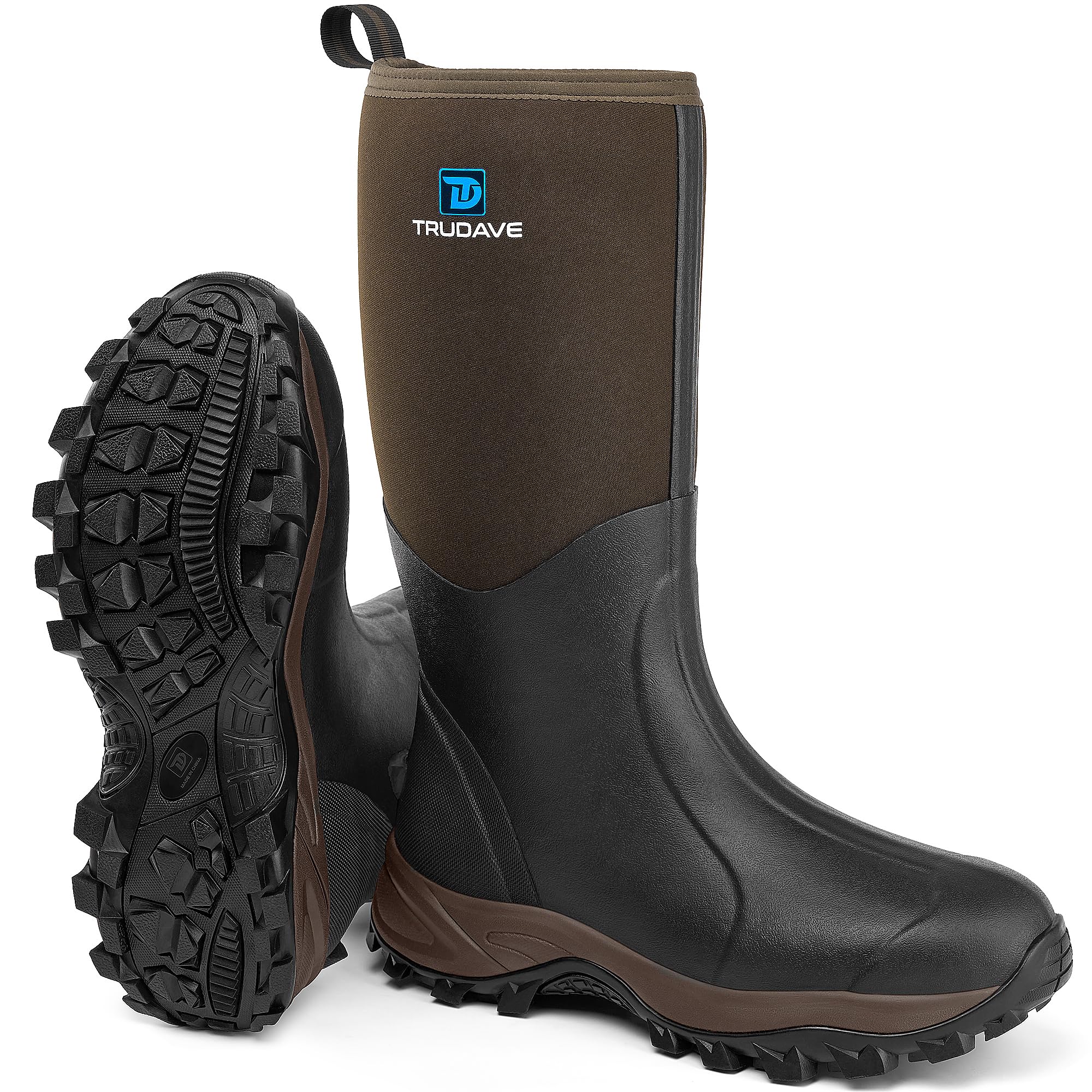
Trudave’s rubber boots are a strong budget-friendly alternative to name-brand muck boots, offering 6mm neoprene insulation inside a waterproof rubber shell. They keep feet warm and dry in deep snow and mud, with steel shank support that makes them practical for farm work, hunting, and heavy outdoor chores. Reviewers report excellent traction on snow and mud, though the boots are only average on wet ice.
The neoprene lining is thinner than premium competitors, which actually helps reduce sweating for active users. Multiple owners have worn them for 12-14 hour work days with no foot pain and no moisture leaks. The downside is the insulation level: some users found the boots less warm than expected, requiring thick wool socks for temperatures below 15°F. Foot odor after extended use is also mentioned by several buyers as a minor issue.
For the price, these boots offer surprising durability and utility. They run true to size and break in after about a week of wear. The main compromise is warmth — if you’re working hard and generating heat, they’re fine, but for stationary cold exposure, you’ll need extra socks. They are an excellent buy for anyone who needs a affordable, waterproof work boot for wet winter conditions.
Why it’s great
- Steel shank provides solid support for long work days
- Thinner neoprene reduces sweating compared to thicker muck boots
- Excellent traction on snow and mud; true to size
Good to know
- Insulation is less than premium competitors; needs wool socks in deep cold
- Some reports of foot odor with extended use
7. XPETI Men’s Crest Thermo High-Top Winter Hiking Boots
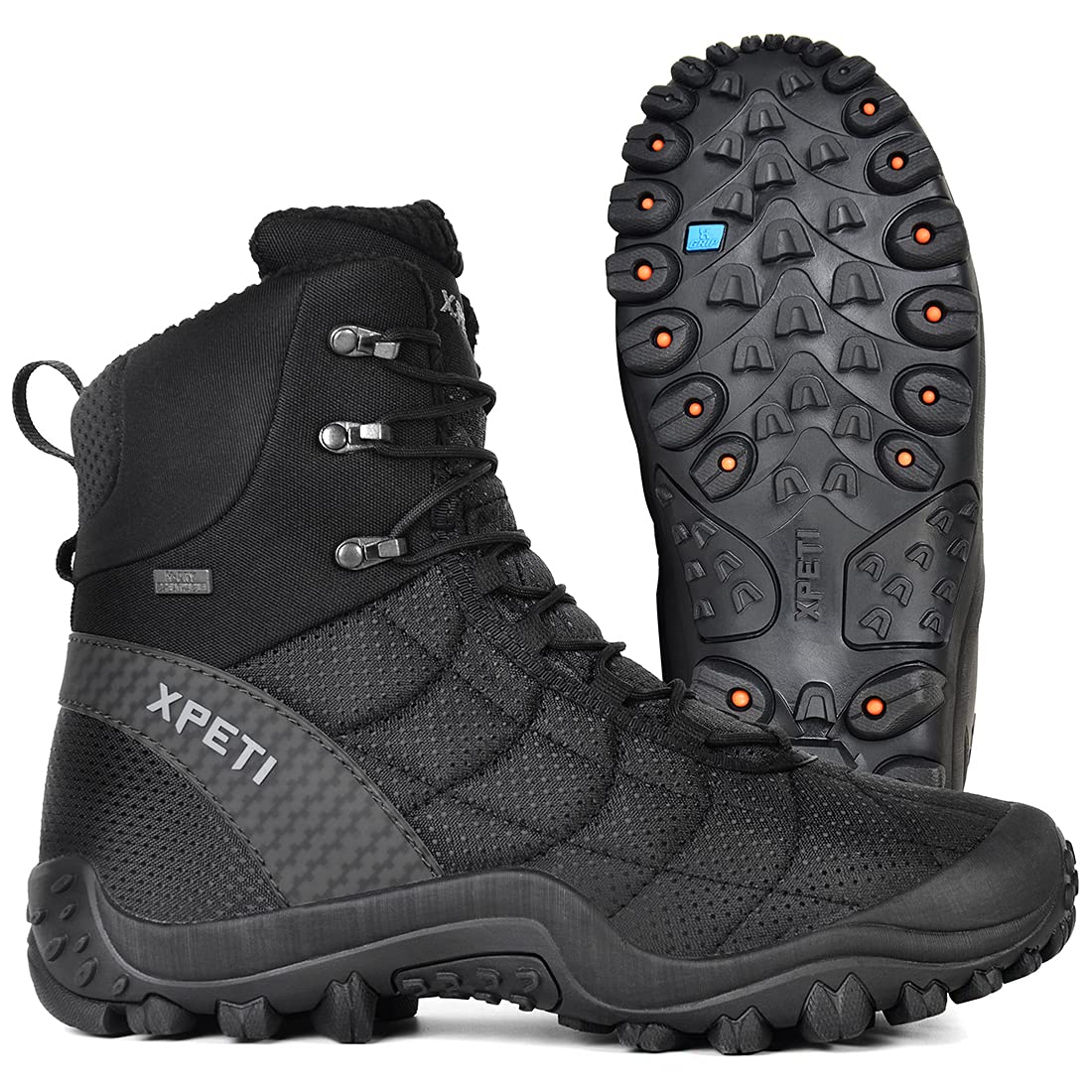
The XPETI Crest Thermo is a lightweight winter hiker that punches above its price point for comfort and traction. The all-rubber construction provides flexibility and easy cleaning, while the high-traction soles grip icy grass and mud with confidence. Reviewers praise the zero break-in period and the excellent ankle support, noting that the boots accommodate orthotic insoles and thick wool socks without feeling tight.
The most common limitation is waterproofing. While the boot is water-resistant and works well for light snow and rain, it is not fully waterproof. Several reviews note that snowmelt on the top of the foot can eventually soak through, especially during prolonged exposure. This makes the Crest Thermo better suited for hiking, errands, and short outdoor sessions rather than extended standing in deep snow or slush.
For active winter use where you need a comfortable, lightweight boot with great grip, the XPETI is an excellent entry-level choice. The lace hook that rubs the ankle bone on some wearers is a nuisance, but the overall build quality and value are impressive for the cost. It’s a great option for mild winter climates or for anyone who prioritizes secondary use as a hiking boot over maximum snow protection.
Why it’s great
- Zero break-in with excellent ankle support
- Flexible, all-rubber build is easy to clean
- High traction on icy grass and mud
Good to know
- Water-resistant, not fully waterproof — may soak through in deep snow
- Bottom lace hook can rub the ankle bone
FAQ
How many grams of insulation do I need for below freezing temperatures?
Should I size up for winter boots if I wear thick socks?
What makes an outsole good for ice traction?
Can I use a winter boot for hiking in warmer months?
Final Thoughts: The Verdict
For most users, the best winter boots winner is the SOREL Women’s Tivoli V because it offers the perfect blend of waterproof leather, removable liner warmth, and stylish design that works for daily wear without sacrificing performance. If you want extreme cold insulation in a lightweight package, grab the Columbia Minx IV. And for an affordable, no-fuss work boot for deep snow and mud, nothing beats the Trudave Rubber Boots.