
Our readers keep the lights on and the weekend projects moving. As an Amazon Associate, I earn from qualifying purchases.
A backpacking beanie has one job: deliver maximum warmth for minimum weight while disappearing into a jacket pocket when the sun comes up. The wrong choice means either a sweaty, overheated skull on the trail or a shivery night at camp when that synthetic fabric stops working. Every gram and every fiber type directly impacts your comfort on multi-day trips.
I’m Rikta — the co-founder and writer behind FitlyFast. My process for this guide involved cross-referencing fiber blends, weight claims, and real-user fit feedback across a range of mid-range and premium backpacking beanies to identify which designs actually earn their spot in a pack.
Whether you need a thin active layer for aerobic movement or a dense merino cap for static camp warmth, this breakdown of the best backpacking beanie options covers fit quirks, material performance, and packability trade-offs you won’t find in a typical product description.
How To Choose The Best Backpacking Beanie
The difference between a good beanie and a bad one on the trail often comes down to three things: the fiber’s ability to insulate when damp, the weight penalty in your pack, and whether the fit layers well under a hood. Ignore any of these and you’ll be dealing with cold ears, sweat buildup, or extra ounces you didn’t need.
Fiber Type: Merino Blends vs. Synthetics vs. Acrylic
Merino wool is the benchmark for backpacking because it retains warmth when wet and resists odor across multiple days of use. A 100% merino beanie is warm but slower to dry; a merino-acrylic blend offers the same odor resistance with quicker drying and lower cost. Pure synthetic beanies made of polyester or poly-elastane dry fastest and compress smaller but get stinky faster. Acrylic, common in budget fashion beanies, offers little warmth when damp and packs poorly.
Weight, Packability, and Fit
A backpacking beanie should weigh under 3 ounces. Anything heavier is acceptable only if it provides exceptional warmth for deep cold. Look for a snug but non-restrictive fit that stays put during movement and fits cleanly under a hood or helmet. Beanies that are too tall can bunch up, while overly short designs may expose the ears. The best backpacking beanies offer a cuff that can be pulled down for full ear coverage or rolled up for ventilation.
Warmth vs. Breathability Balance
Active layering demands a beanie that manages moisture vapor. Thick cables or dense fleece linings trap heat well at rest but cause sweat buildup during ascents. A thin merino micro-weight beanie performs better as an active layer alone, while a lined or double-knit design excels when used as a static camp cap under a hood. Consider the typical temperature range of your trips: sub-freezing camp nights favor heavier knits, while 30-50°F active use favors lightweight, stretchy options.
Quick Comparison
On smaller screens, swipe sideways to see the full table.
| Model | Category | Best For | Key Spec | Amazon |
|---|---|---|---|---|
| Helikon-Tex Merino Beanie | Wool | Cold weather, all-day camp | 100% Merino Wool | Amazon |
| The North Face Salty Dog | Lined | Deep winter warmth | FlashDry polyester lining | Amazon |
| Outdoor Research Juneau | Acrylic | XL head, casual camp | 100% Acrylic | Amazon |
| OUTDOOR SHAPING Merino | Blend | Budget merino, daily wear | Merino wool blend | Amazon |
| Minus33 Micro Weight | Wool | Active layering, ultralight | Micro-weight merino | Amazon |
| Mountain Hardwear Power Stretch | Synthetic | Under helmet, active use | Polartec Power Stretch | Amazon |
| MERIWOOL Beanie | Blend | Budget merino, warm layers | 50/50 Merino-acrylic | Amazon |
In‑Depth Reviews
1. Helikon-Tex Merino Wool Beanie

The Helikon-Tex beanie delivers a dense, double-knit merino wool construction that traps heat efficiently during cold camp downtime. Its high-stretch fabric accommodates a range of head sizes while maintaining a snug fit that covers the ears completely without constant adjustment. The classic USMC-inspired silhouette sits low on the brow, making it a reliable static layer for temperatures well below freezing.
At well under 3 ounces, this cap packs down small enough to stash in an empty stuff sack pocket or jacket pocket without noticeable bulk. The 100% merino fiber insulates when damp and manages odor across multi-day trips, a clear advantage over pure synthetics for extended backcountry use. Some users note the fit runs slightly small for hat sizes above 7, leaving earlobes exposed if not paired with a hood.
Slight pilling appears after prolonged daily use, but the warmth-to-weight ratio and natural fiber performance make this a standout pick for cold-weather backpacking. The double knit layer adds warmth without the weight penalty of a fleece lining.
Why it’s great
- Double-knit 100% merino insulates even when damp
- High stretch fabric fits well under hoods or helmets
- Lightweight and packable for multi-day trips
Good to know
- May be too snug for hat sizes over 7
- Slight pilling reported with heavy use
2. The North Face Salty Dog Lined Beanie
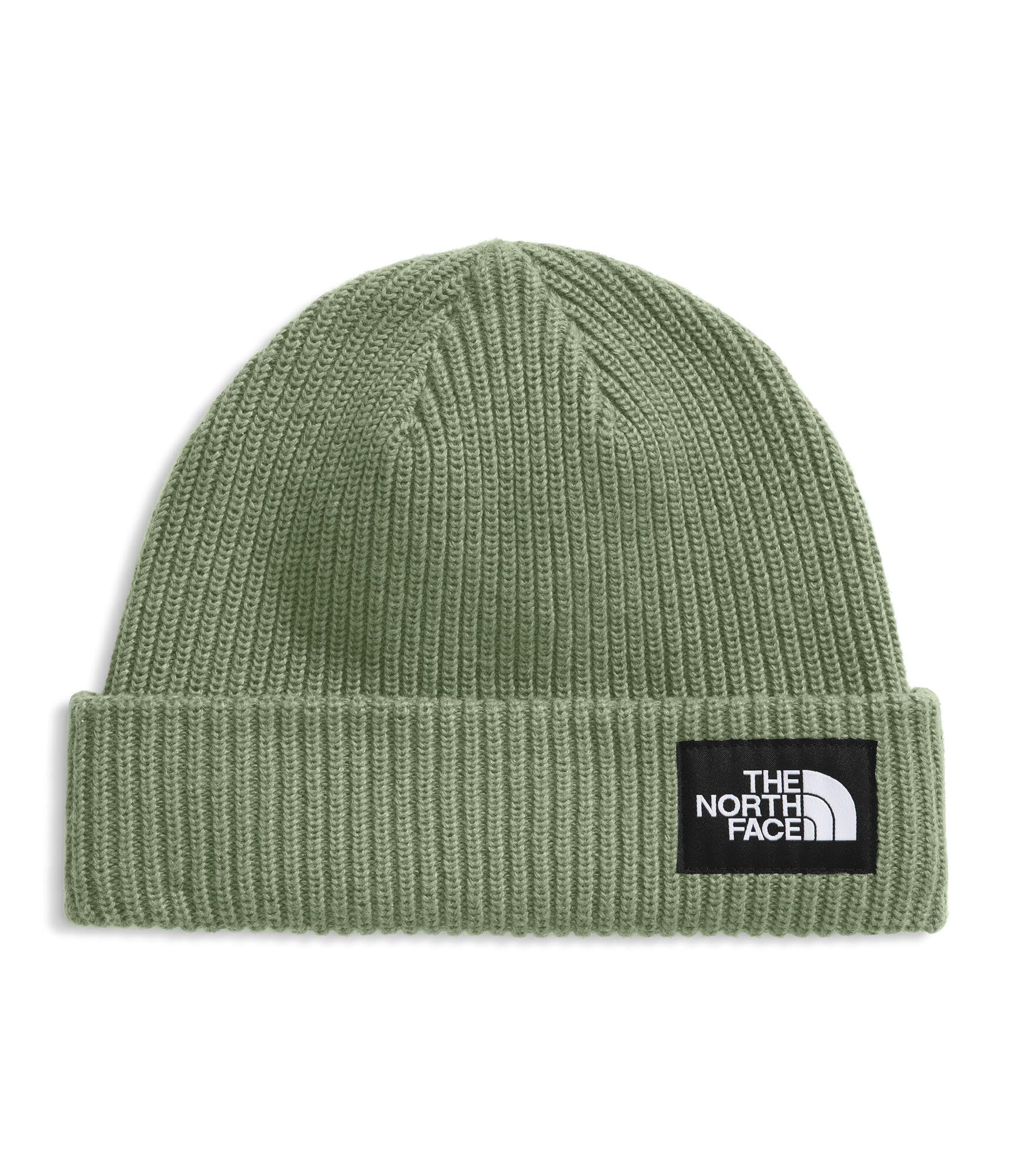
The Salty Dog Lined Beanie stands out for its FlashDry fleece lining, which wicks moisture vapor away from the scalp while trapping a layer of warm air against the head. The body is made from 100% recycled polyester, a sustainability nod that doesn’t sacrifice durability. The cable-knit exterior gives it a classic coastal aesthetic, but the internal lining is the real performance story for cold-weather sessions.
This beanie offers a 7.25-inch shallow fit or an 8-inch deep fit depending on how you wear the cuff, providing flexibility for different head shapes and ear coverage preferences. The stretch is minimal due to the cable construction, so the fit feels more structured than stretchy synthetics. Users with smaller heads report a snug fit that stays in place without sagging.
The lining adds noticeable warmth, making this cap better suited for static camp use or low-output activity rather than high-aerobic mountain travel. It packs slightly bulkier than thin merino options but rewards you with superior warmth retention in deep winter conditions.
Why it’s great
- FlashDry lining wicks moisture and retains heat
- Recycled polyester body for eco-conscious buyers
- Two fit options for customized ear coverage
Good to know
- Limited stretch may feel tight on larger heads
- Bulkier pack volume than unlined beanies
3. Outdoor Research Juneau Beanie
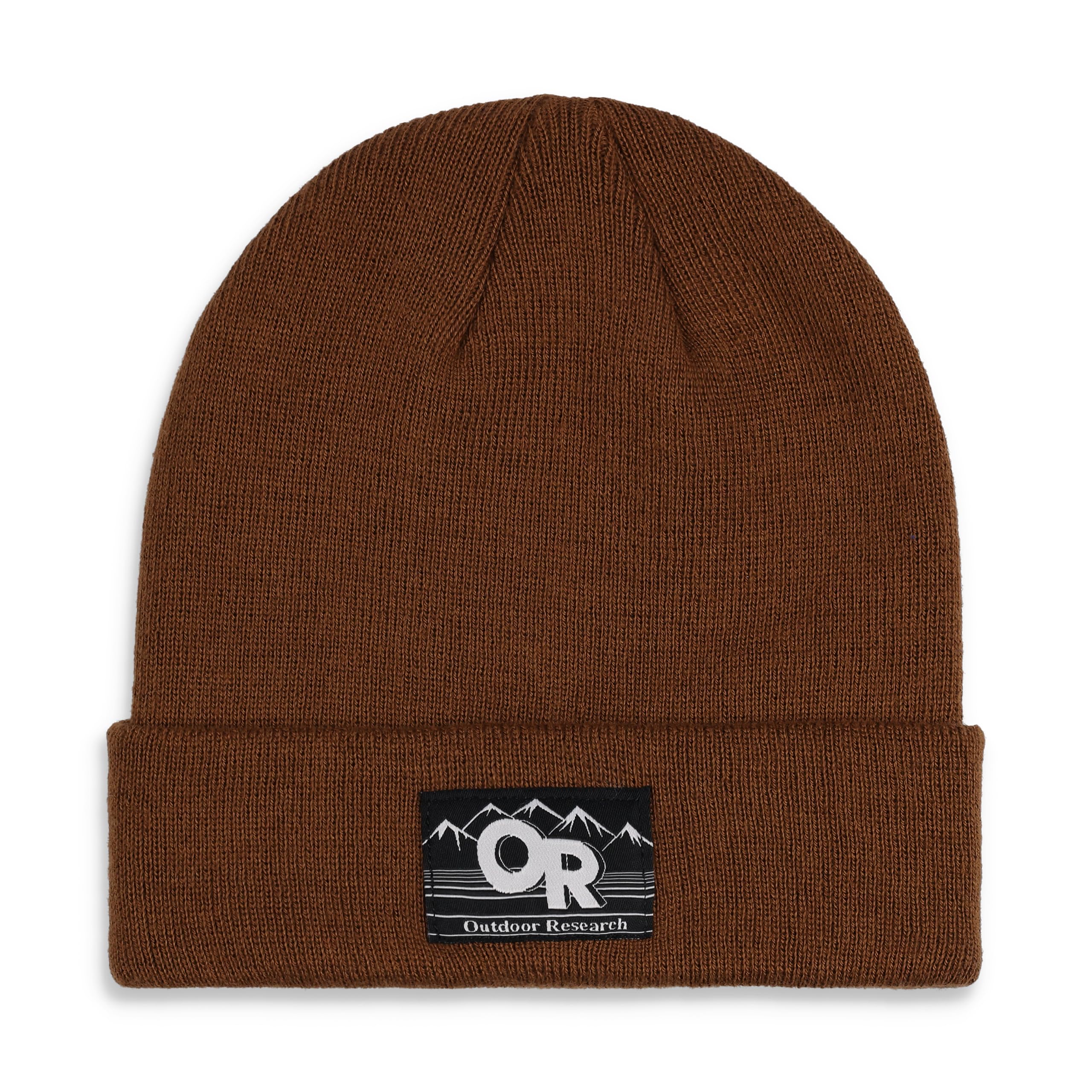
The Outdoor Research Juneau Beanie prioritizes fit comfort over natural fiber performance, using 100% acrylic construction with a medium-stretch ribbed knit that accommodates oversized heads comfortably. Multiple reviews confirm that this cap works well for hat sizes beyond what typical merino or stretch synthetics can handle, without the headache-inducing tightness of smaller designs. The vintage logo embroidery adds a clean aesthetic for trail-to-town transitions.
Acrylic is not the ideal insulator for damp conditions — it loses warmth when wet and doesn’t wick moisture like merino or polyester. The Juneau is best reserved for dry, cold camp use or as a low-weight backup cap in the pack. Its lightweight fabric class translates to easy packing, and the moisture-wicking label refers to airflow through the knit rather than active fabric technology.
Some users question the value given the acrylic material at this price tier, especially compared to similarly priced wool-beanies. But if your primary need is a comfortable, non-itchy cap that fits a large head without digging in, this cap delivers where many premium options fall short.
Why it’s great
- Exceptional stretch fit for XL heads
- Non-itchy material comfortable for sensitive skin
- Lightweight and easy to pack
Good to know
- Acrylic performs poorly when damp
- Less warmth retention than merino options
4. OUTDOOR SHAPING Merino Wool Beanie
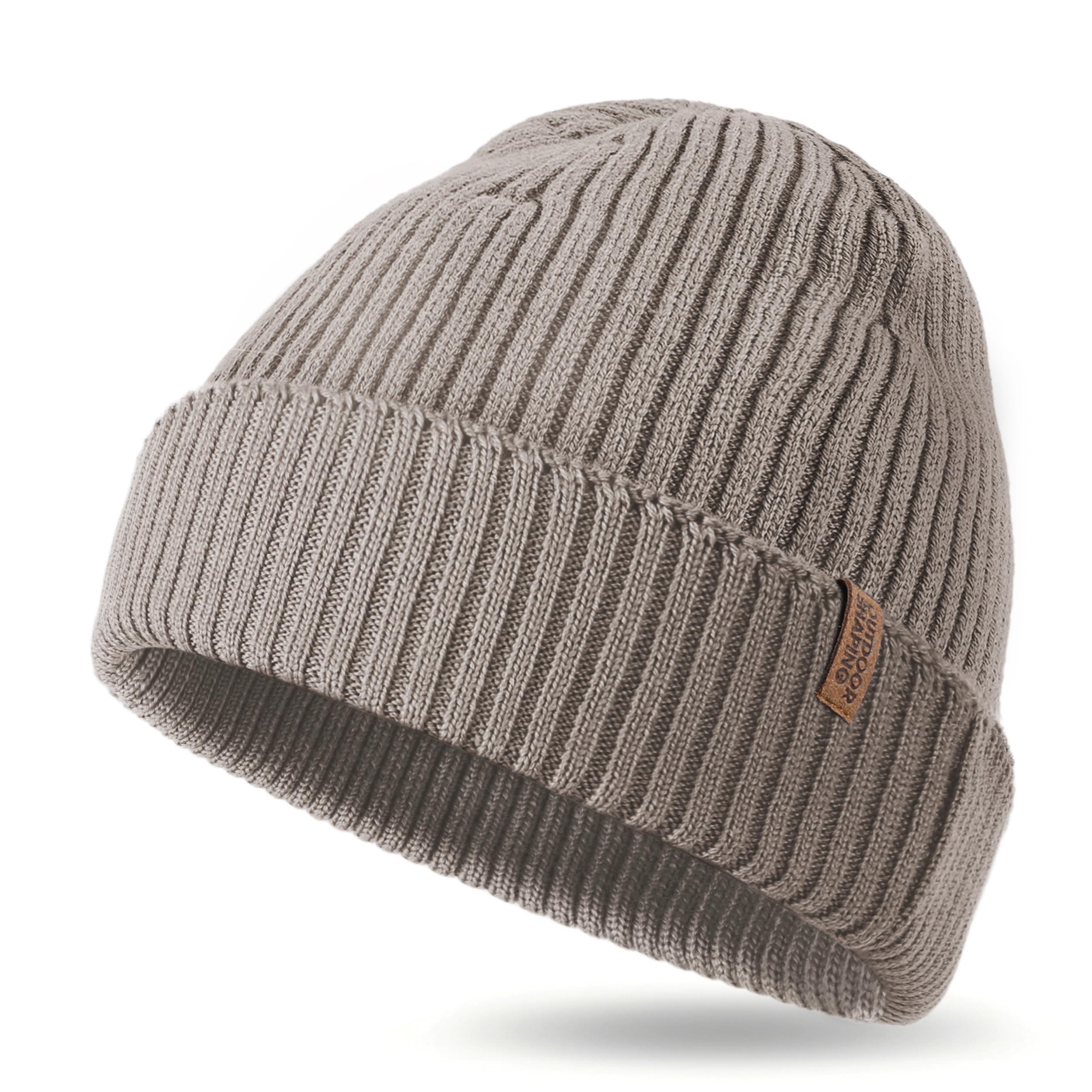
The OUTDOOR SHAPING beanie uses a merino wool blend that avoids the itch often associated with coarse wools while providing warmth comparable to higher-priced merino caps. The ribbed knit construction creates a cuffed silhouette that stays folded neatly, and the fabric offers enough stretch to accommodate head sizes up to 8 without feeling restrictive. Buyers consistently praise its comfort and fit for everyday wear and casual backpacking use.
Wind easily passes through this knit compared to denser merino options, so its warmth suffers noticeably in breezy conditions above treeline. In calm environments, it performs well down to near-freezing temperatures. The blend fabric is not specified, but its soft hand and decent warmth suggest a merino-acrylic mix that balances cost with performance.
This beanie packs small and weighs less than most all-merino double-knit caps, making it a reasonable choice for summer alpine starts or shoulder-season trips where wind protection is less critical. For the price, it offers a solid entry point into merino performance without the premium upcharge.
Why it’s great
- Soft merino blend without itch
- Stretches to fit large heads comfortably
- Compact pack size for backpacking
Good to know
- Wind penetrates the knit easily
- Blend ratio is not disclosed
5. Minus33 Merino Wool Micro Weight Reversible Beanie

The Minus33 Micro Weight Beanie is the thinnest merino cap in this lineup, purpose-built for active movement and easy layering under a hood. Its micro-weight merino fabric provides surprising warmth for its thickness — enough to keep you comfortable solo down to around 20°F, and excellent under a shell below zero. The reversible design offers a two-tone look, though the interior tag seam means it’s not fully reversible without visible stitching.
This cap wicks moisture effectively during high-output activity, staying warm even when damp from sweat. It packs down to almost nothing, making it a no-brainer for gram-conscious backpackers who want a dedicated active layer. The thin construction means it breathes well during climbs and doesn’t cause overheating as easily as thicker beanies.
For static camp use at truly cold temperatures, the micro weight may feel insufficient alone — you’ll want a hood or a heavier cap for deep winter. But for three-season backpacking and active use, this is arguably the most versatile merino beanie available at this weight class.
Why it’s great
- Extremely lightweight for gram savings
- Wicks moisture and stays warm when damp
- Works well as a mid-layer under a hood or helmet
Good to know
- Needs hood backup for deep winter static use
- Tag seam limits full reversibility
6. Mountain Hardwear Power Stretch Beanie

The Mountain Hardwear Power Stretch Beanie is a pure synthetic option built with Polartec Recycled Power Stretch fabric — a polyester and elastane blend engineered for high-stretch, moisture-wicking performance during aerobic activity. It’s extremely thin, fitting snugly against the head like a skull cap, which makes it ideal for layering under a bike helmet or climbing hood. The 84% polyester, 16% elastane construction dries rapidly and packs almost weightlessly.
This beanie functions best as a light barrier in cool conditions between 30-50°F. It provides minimal insulation for deep cold without a hood or thicker cap over it. Some users find the fit uncomfortably tight, including reports of headache after short wear, while those with smaller heads or short hair appreciate its sleek, low-bulk profile.
For backpackers who prioritize fast drying over natural fiber odor resistance, this cap excels as a dedicated active layer that can be washed easily on trail. The stretch construction stays put under a helmet without bunching, but the thin material and snug sizing mean it won’t work for everyone’s head shape.
Why it’s great
- Polartec Power Stretch wicks moisture and dries fast
- Ultra-thin design layers perfectly under helmets
- Lightweight and packable for active trips
Good to know
- Too snug for larger heads, can cause pressure
- Lacks warmth for deep winter stand-alone use
7. MERIWOOL Beanie (Merino Wool Blend)
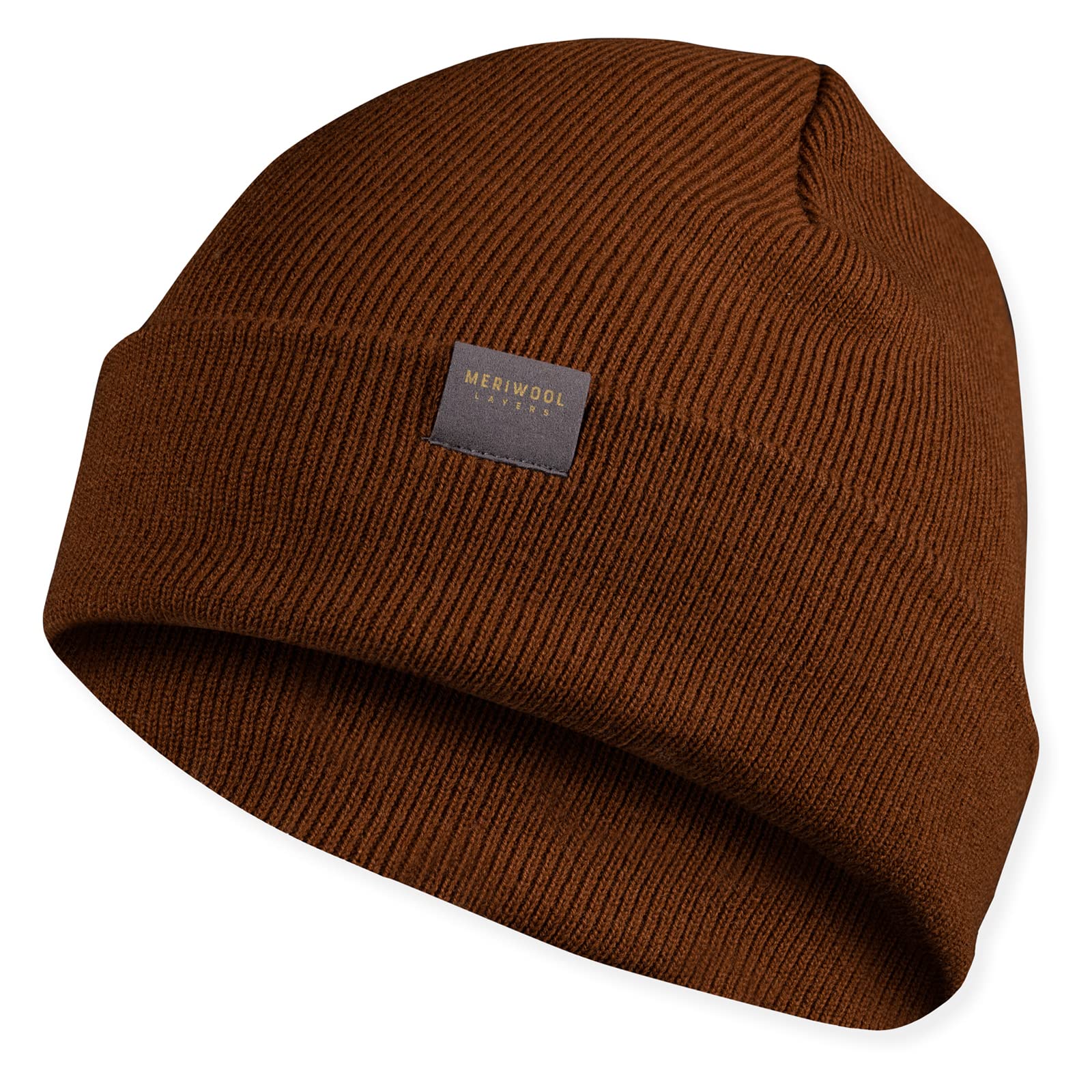
The MERIWOOL Beanie uses a 50% merino wool and 50% acrylic blend that delivers the odor-resistance and softness of natural fiber at a budget-friendly price point. The ribbed knit design stays folded neatly over the ears, and the fabric is lightweight enough for shoulder-season backpacking without weighing down your pack. Users praise the non-itchy feel and the warmth produced by this 50/50 construction in snow conditions ranging from Colorado to Alaska.
Some buyers note the hat runs tall, making it difficult to keep the cuff folded for a shorter fit. It also fits snugly on smaller heads despite the generous length, which can be an odd combination for some. The merio-acrylic blend provides moderate warmth retention when damp but not the same level as pure merino or high-loft synthetics.
For the price, this is a solid entry-level backpacking beanie that performs admirably in dry cold and offers better breathability than pure acrylic caps. The color options are subtle and stylish, though the fit quirks mean it’s worth trying on before committing to a multi-day trip.
Why it’s great
- Affordable merino-blend with odor resistance
- Soft, non-itchy fabric against skin
- Lightweight and warm for casual backpacking
Good to know
- Tall cut may not stay folded for all users
- Snug fit despite longer length
FAQ
Can I use a standard cotton beanie for backpacking?
How do I determine the right beanie fit for wearing under a hood?
What weight should a backpacking beanie be?
Final Thoughts: The Verdict
For most users, the backpacking beanie winner is the Helikon-Tex Merino Wool Beanie because it combines 100% merino insulation, double-knit density, and high-stretch fit into a packable design that works from active trails to freezing camp nights. If you want an ultralight active layer that disappears under a hood, grab the Minus33 Micro Weight Beanie. And for deep winter warmth with moisture-wicking lining, nothing beats the The North Face Salty Dog Lined Beanie.