
Our readers keep the lights on and the weekend projects moving. As an Amazon Associate, I earn from qualifying purchases.
Your hands are the first body part to surrender to a backcountry day—cold digits don’t just ruin the ski down, they kill your ability to dig a pit, adjust a binding, or pull out a phone for navigation. A backcountry glove needs to balance waterproof protection, durable palm materials, and enough insulation to keep you warm while you’re breaking trail, but not so much that you’re swimming in sweat when the climbing stops.
I’m Rikta — the co-founder and writer behind FitlyFast. I’ve spent months analyzing insulation weights, shell fabrics, and customer durability reports across dozens of models to find the gloves that actually perform when you’re miles from the trailhead.
If you want a pair of gloves that can survive multi-day tours, handle wet snow, and keep your fingers functional for zippers and skins, this guide to the best backcountry ski gloves breaks down the pros, cons, and real-world feel of seven top-tested models.
How To Choose The Best Backcountry Ski Gloves
Backcountry gloves face a different set of demands than resort gloves—they need to shed snow while you’re climbing, breathe enough to vent heat on the ascent, and keep your fingers warm during the long, static descent. Here are the key specs that separate a capable touring glove from a resort-only mitt.
Insulation Weight and Activity Level
Look for insulation measured in grams—100g to 200g is the sweet spot for backcountry touring. Heavier insulation (above 250g) will make your hands sweat on the skin track, leading to cold hands when you stop. Lighter insulation (under 100g) may not be enough for cold days above treeline. Some gloves use a combination of low-loft insulation on the palm for dexterity and higher-loft on the back of the hand for warmth.
Waterproof Membrane and Breathability
Gore-Tex is the gold standard for backcountry gloves because it combines waterproof protection with high breathability. A breathable membrane is critical—if moisture from sweat can’t escape, your hands will cool down rapidly once you stop moving. Look for a DWR (durable water repellent) finish on the shell to help snow slide off before it soaks in.
Palm Material and Grip
Leather palms offer superior durability and grip on ski poles, but they require more care. Synthetic palms (like Rubbertec or polyurethane) are lighter and dry faster but may wear out faster if you’re using poles aggressively or grabbing sharp edges. For backcountry use, a supple goat or deerskin leather provides the best balance of dexterity and longevity.
Quick Comparison
On smaller screens, swipe sideways to see the full table.
| Model | Category | Best For | Key Spec | Amazon |
|---|---|---|---|---|
| Hestra Army Leather Heli Ski Glove | Premium | Multi-day backcountry tours | Goat leather palm, Triton fabric back | Amazon |
| Dakine Leather Titan Gore-Tex | Premium | Wet snow and ice climbing approaches | Goat leather shell, 230g Hi Loft insulation | Amazon |
| Burton Men’s Gore-TEX Insulated Gloves | Mid-Range | Day tours with removable liner | Gore-Tex membrane, removable liner | Amazon |
| Dakine Titan Gore-Tex Snow Glove | Mid-Range | Ultra-light touring/trail breaking | ePE Gore-Tex, 110/230g Hi Loft insulation | Amazon |
| Gordini Mens Gore-tex Storm Glove | Mid-Range | Extreme cold (below 0°F) | Gore-Tex insert, hand warmer pouch | Amazon |
| The North Face Montana Ski Glove | Mid-Range | Resort-to-backcountry crossover | 250g Heatseeker Eco insulation | Amazon |
| The North Face Montana Ski Mitt | Budget | Ultra-warmth for cold days | 250g Heatseeker Eco insulation | Amazon |
In‑Depth Reviews
1. Hestra Army Leather Heli Ski Glove
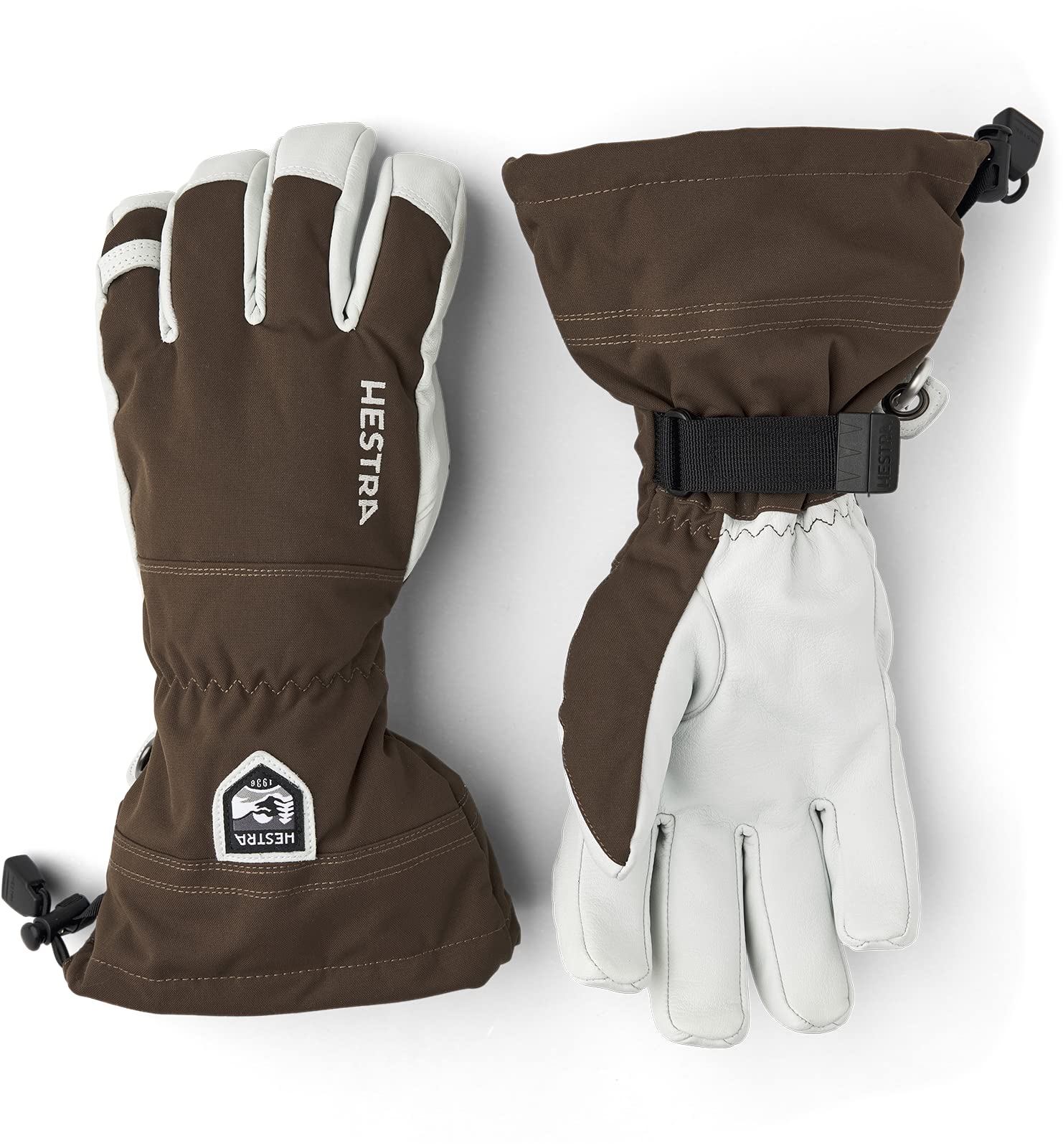
The Hestra Army Leather Heli is the benchmark for backcountry gloves—military-grade goat leather on the palm provides exceptional grip on icy poles and resists tearing from sharp edges, while the Triton fabric on the back sheds snow effectively. The 5-finger design gives you the dexterity to operate zippers, adjust skins, and pull out a phone without exposing your skin to the wind. Users consistently report that these gloves stay warm in temperatures as low as -5°C to -40°C depending on the liner you pair them with, and the fit feels precise right out of the box with zero break-in period.
The removable lining makes drying overnight in a backcountry hut straightforward—just pull the liner out and hang it. The wide gauntlet cuff slides easily over a jacket sleeve without bunching, and the included wrist leash prevents you from dropping a glove during a transition. The 9.7-ounce weight per pair feels substantial without being heavy, and the leather palm wicks moisture better than synthetics when you’re working hard on the ascent.
Buyers with larger hands appreciate that Hestra offers multiple size options, and the brand’s reputation for durability is backed by users who report four-plus seasons of hard use without de-lamination or stitching failure. The biggest downside is the price point—you’re paying for a glove that’s designed to last a decade with proper care. If you tour more than 20 days a season, this is the pair that will still be on your hands when others have been replaced.
Why it’s great
- Goat leather palm provides unmatched durability and grip on ski poles
- Removable liner dries quickly overnight in huts
- 5-finger design offers excellent dexterity for zippers and phones
- 2-Year Warranty covers manufacturing defects
Good to know
- High price point makes it a serious investment
- White leather palm gets visibly dirty after a few days
- Sizing up recommended if you plan to wear a liner underneath
2. Dakine Leather Titan Gore-Tex Snow Glove

The Dakine Leather Titan combines a full goat leather shell with a Gore-Tex membrane, making it an excellent choice for wet snow conditions where moisture resistance matters most. The 230g Hi Loft insulation on the back of the hand and 110g on the palm provides warmth without overwhelming your fingers during climbs—users report staying warm for 6-hour sessions in 10°F snow and sleet without needing chemical warmers. The leather palm is supple from the first wear, and the textured finish gives you solid grip on wet poles.
One of the standout features is the zippered stash pocket on the back of the hand, sized perfectly for an Ikon pass or a hand warmer. The extended gauntlet cuff offers excellent coverage over a jacket sleeve, and the removable liner lets you dry the glove out quickly after a wet tour. The 2-year warranty adds peace of mind for a glove that sees regular backcountry abuse. Users with sensitive digits report that this glove is the only one that kept their hands warm after frost nip incidents.
Some experienced backcountry skiers note that the insulation is slightly thin for extreme sustained cold (below 0°F), and the palm leather can stiffen slightly if not dried properly. The glove also runs large—if you have average-sized hands, consider sizing down. For wet coastal snow and spring tours, this is a top-tier option that balances warmth with dexterity.
Why it’s great
- Full goat leather shell resists wet snow better than synthetic fabrics
- Zippered stash pocket on the back for passes or warmers
- Removable liner dries fast for multi-day trips
Good to know
- Runs large—size down if you have average hands
- Insulation may feel thin for sustained below-zero temperatures
- Leather needs careful drying to avoid stiffness
3. Burton Men’s Gore-TEX Insulated Gloves
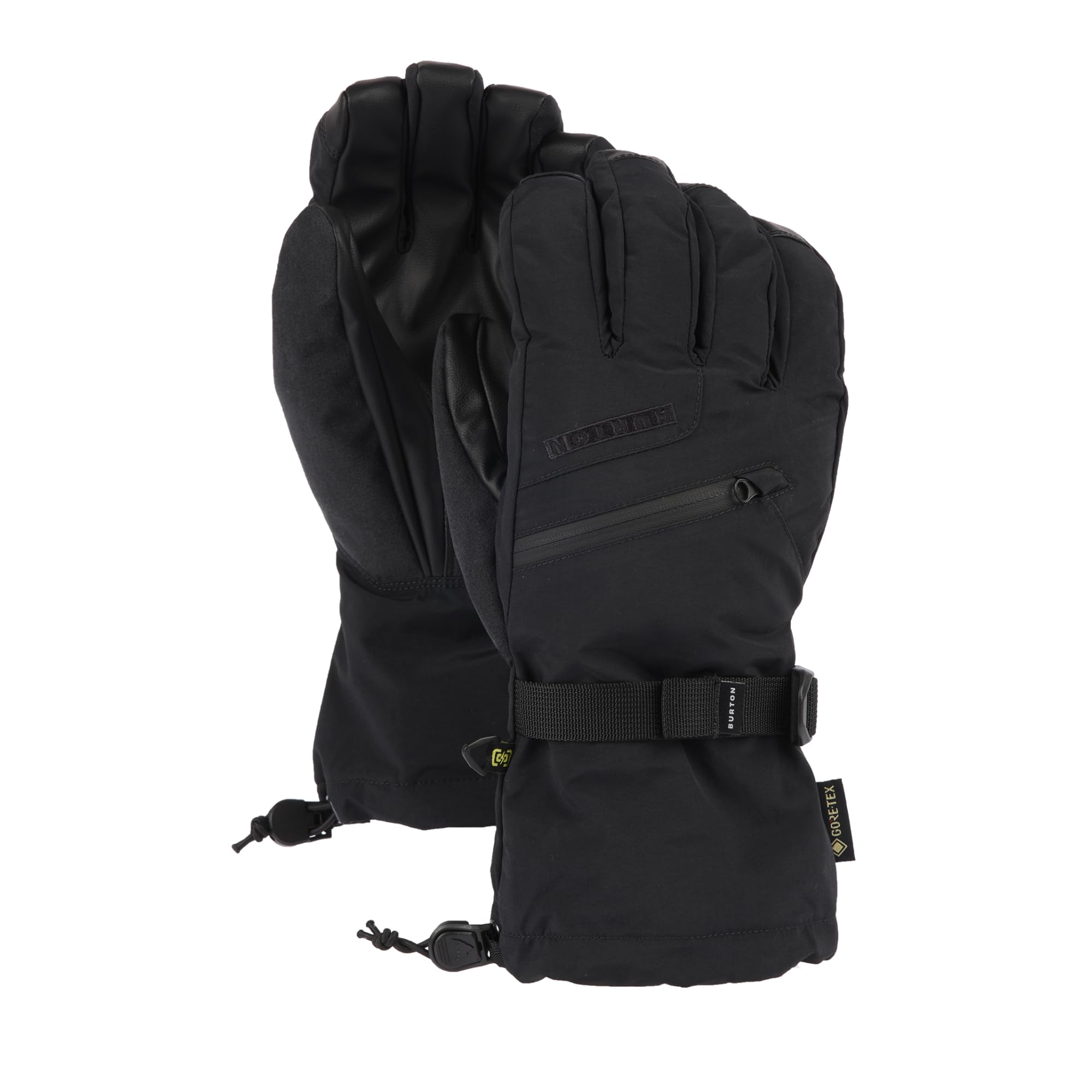
The Burton Gore-TEX Insulated Glove offers a versatile setup for backcountry users who want both a warm insulated glove and a separate liner—the removable liner can be worn alone for high-output ascents, and the outer shell adds protection on the descent. The Gore-Tex membrane provides reliable waterproofing, and the long adjustable leash prevents loss during transitions. Users with very large hands (size XL+) report that this glove is the only one that fits comfortably without squeezing the fingers at the tips.
The outer glove has a soft tricot lining that feels comfortable against the skin, and the removable liner adds an extra layer of warmth that makes this glove suitable for 15°F temperatures without chemical warmers. The gauntlet cuff covers the jacket sleeve effectively, and the touchscreen-compatible thumb and index fingers work well for quick phone checks without removal. Burton’s construction quality is consistent—users report getting 50-plus days per season out of previous versions of this glove before needing replacement.
Sizing is inconsistent—the outer glove can run short in the fingers for some users, leaving about an inch of the finger exposed. If you have longer fingers, consider sizing up to an XL even if your hand measurements suggest L. The removable liner also fits snugly, which can feel constricting for users with wide palms. Despite these quirks, the dual-glove system offers flexibility that pure-insulation gloves can’t match for warm-day touring.
Why it’s great
- Removable liner allows you to use the shell alone on warm ascents
- Gore-Tex membrane provides reliable waterproofing in wet snow
- Long adjustable leash prevents glove loss during transitions
Good to know
- Outer glove shell can run short in the fingers
- Removable liner fits snugly for wide palms
- Sizing up is recommended for longer fingers
4. Dakine Titan Gore-Tex Snow Glove
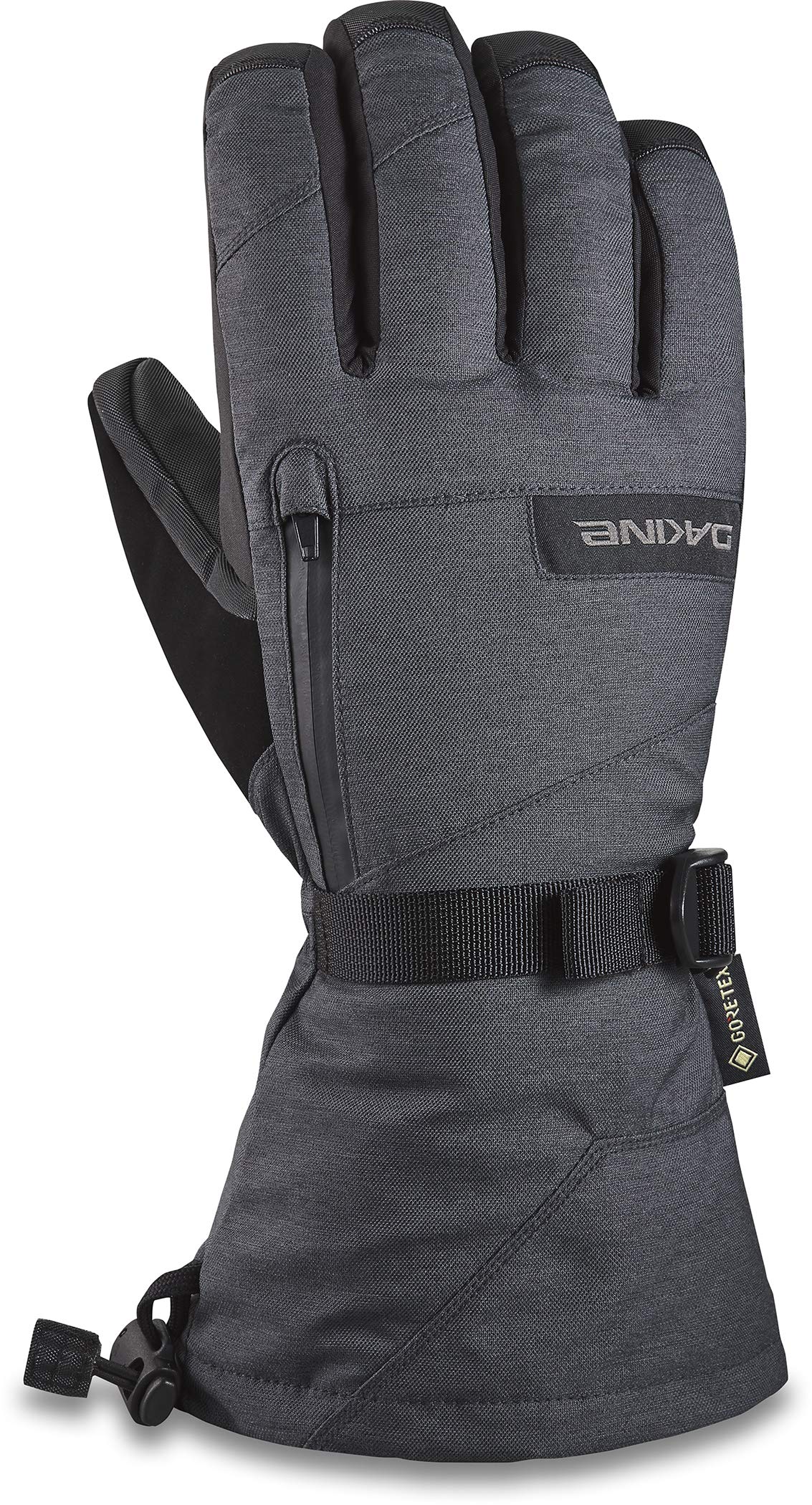
The Dakine Titan is the synthetic-shell counterpart to the Leather Titan, using 55% recycled polyester with a PFC-free DWR finish and a Gore-Tex ePE membrane that provides waterproofing with lower environmental impact. The 110g Hi Loft insulation on the palm and 230g on the back of the hand offers a decent warmth-to-weight ratio for day tours, and the Rubbertec palm provides excellent grip on poles even when wet. Users who prioritize ultra-light packing appreciate the 0.75-pound weight per pair and the thin profile that doesn’t feel bulky.
The glove includes a zippered stash pocket on the back for passes or hand warmers, and the extended gauntlet cuff seals well over a jacket sleeve. The DWR finish sheds light snow effectively, and the membrane breathes well enough for high-output climbing. Users who used previous Dakine Titan models report that they lasted 4 seasons of 25 days per year with no splitting or tearing at seams—impressive durability for a synthetic-palm glove. The wrist leash is a nice touch for transitions on windy ridges.
Some backcountry skiers find the insulation too thin for extended cold days below 10°F, and the synthetic palm doesn’t offer the same grip longevity as leather. The glove also tends to run true to size, so users who want to layer a thin liner underneath may need to size up. If your backcountry days are mostly in dry cold or you prioritize packability over absolute warmth, this glove delivers excellent performance per ounce.
Why it’s great
- Lightweight construction ideal for ultra-light touring setups
- ePE Gore-Tex membrane provides waterproofing with lower environmental impact
- Zippered stash pocket for passes and warmers
Good to know
- Insulation feels thin in temperatures below 10°F
- Synthetic palm doesn’t offer same grip longevity as leather
- Size up if you plan to wear a liner underneath
5. Gordini Mens Gore-tex Storm Glove

The Gordini Storm Glove is purpose-built for extreme cold, with a Gore-Tex insert that seals out moisture and a design that performs in temperatures below 0°F with wind chills reaching -35°F. The hand warmer pouch on the back of the hand lets you slip in chemical warmers without compromising dexterity, and the elastic gauntlet cords cinch the cuff tight over your jacket to block drafts. Users with circulation issues or Raynaud’s report that this glove keeps their hands warm when other gloves fail—the megaloft insulation provides serious heat retention.
The double-layer leather construction between the thumb and index finger adds durability where gloves typically wear out first, and the jacket clasps on the gauntlet make it easy to attach the gloves to your pack when they’re not on your hands. The fit runs large—buyers with average woman’s hands needed to go down to a size Small after trying Medium. The glove is bulky compared to lightweight touring gloves, but the trade-off is warmth that borders on overkill for most resort days.
Users note that the glove is not suitable for high-output ascents in mild temperatures because the insulation is too warm—you’ll end up with sweaty hands on the skin track. The gauntlet also feels slightly short for some jacket sleeves, so make sure your cuffs are long enough to seal properly. For cold-weather dedicated ski touring or splitboarding in the dead of winter, this is the glove that will let you stay out longer without retreating to the lodge.
Why it’s great
- Exceptional warmth for sustained below-zero temperatures
- Hand warmer pouch on the back for chemical warmers
- Durable double-layer leather between thumb and index finger
Good to know
- Too warm for high-output ascents in mild weather
- Gauntlet feels short for some jacket sleeves
- Sizing runs large—downsize if you have average hands
6. The North Face Montana Ski Glove
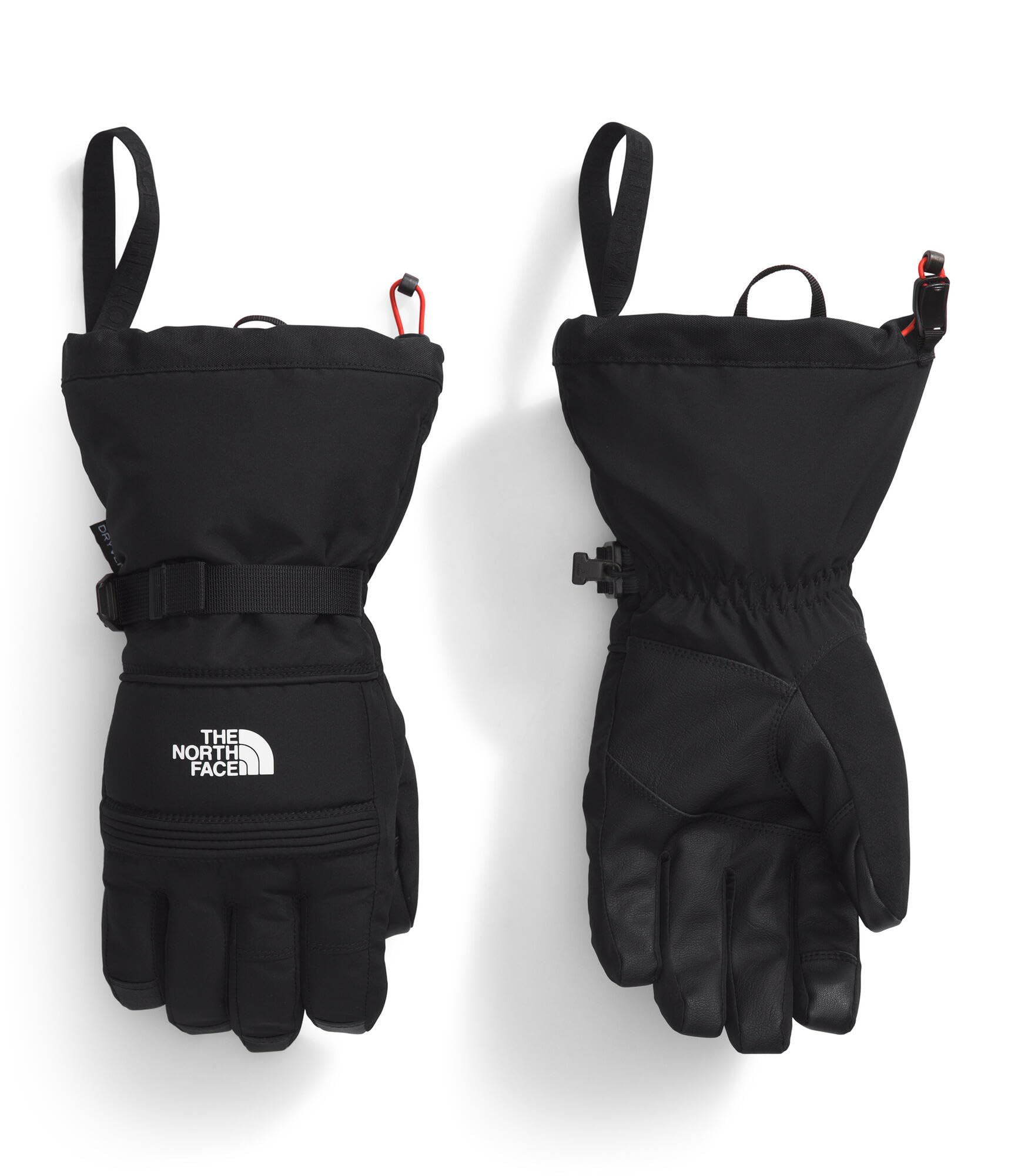
The North Face Montana Ski Glove bridges the gap between resort warmth and backcountry practicality with 250g Heatseeker Eco synthetic insulation made from recycled polyester. The DryVent insert provides waterproofing and breathability that works well for resort-to-backcountry crossover days, and the WindWall gauntlet lining helps block gusts on exposed ridges. Users consistently report that these are the warmest gloves they’ve ever worn—reviewers who tested them in Big Sky and Alaska confirm they handle 10°F days without cold digits.
The faux-leather palm overlay adds grip for poles and durability for grabbing ski edges, and the Progressive Precurve finger shaping reduces bunching when you’re gripping a pole for long stretches. The Etip touchscreen compatibility works well for quick phone checks, and the webbing strap with buckle secures the glove firmly around your wrist. The 100% recycled polyester shell with non-PFC DWR finish is environmentally conscious while still shedding light snow effectively.
The ambidextrous fit means you can’t distinguish left from right, which is fine for basic use but can feel less precise during dexterous tasks like adjusting buckles or tying knots. The 250g insulation is on the heavy side for high-output touring—if you’re breaking trail for miles, you may find your hands sweating faster than with lower-insulation gloves. For shorter tours with long descents, this glove offers exceptional warmth at a price that leaves room in your budget for other gear.
Why it’s great
- 250g Heatseeker Eco insulation provides exceptional warmth
- Touchscreen Etip works reliably for phone navigation
- Recycled polyester shell with non-PFC DWR is environmentally conscious
Good to know
- Insulation is heavy for high-output touring
- Ambidextrous fit lacks left/right specificity for precision tasks
- Gauntlet may not seal well over very large jacket cuffs
7. The North Face Montana Ski Mitt

The North Face Montana Ski Mitt is the mitt version of the Montana glove, offering the same 250g Heatseeker Eco insulation but in a design that naturally keeps fingers warmer by allowing them to share heat. The mitt is a popular choice for backcountry users who prioritize warmth over dexterity—when it’s truly cold and you need maximum heat retention, the mitt outperforms finger gloves every time. The wide opening makes it easy to slide liners in and out, and the elastic wrist and webbing strap with buckle keep the mitt secure even in deep snow.
Users report excellent performance in 10°F snowboarding conditions in Alaska, and the DryVent insert keeps hands dry even during wet days. The mitt features a pairing clip so you can stash both mitts together when transitioning, and the wrist leash prevents drops. The wide gauntlet slides easily over a jacket cuff, and the soft fleece lining feels comfortable against the skin. Reviewers with larger hands appreciate the generous interior space that doesn’t feel cramped.
The mitt design limits your ability to operate zippers, buckles, or phones without removing the mitt—if you need dexterity for skin adjustments or gear repairs, you’ll have to take it off. Some users note that the mitt isn’t as warm as expected on 22°F days, suggesting the 250g insulation may not perform as well in moist conditions where the interior liner absorbs sweat. For cold overnights or multi-day tours where you’ll be static for long periods, the mitt is a solid choice for keeping fingers functional.
Why it’s great
- Mitt design keeps fingers warmer by allowing heat sharing
- Wide opening accommodates liners and warmers easily
- Pairing clip and wrist leash prevent loss during transitions
Good to know
- Mitt design limits dexterity for zippers and phones
- Not as warm as expected in wet conditions below 20°F
- Ambidextrous fit lacks left/right specificity
FAQ
Should I get a mitt or a five-finger glove for backcountry touring?
How do I dry backcountry gloves overnight in a hut?
Can I use chemical hand warmers with backcountry gloves?
Are touchscreen gloves actually usable for navigation?
Final Thoughts: The Verdict
For most users, the best backcountry ski gloves winner is the Hestra Army Leather Heli Ski Glove because it delivers the precise balance of leather durability, 5-finger dexterity, and removable lining that serious backcountry touring demands. If you want lightweight packability for day tours and ultralight kit, grab the Dakine Titan Gore-Tex Snow Glove. And for extreme cold where every degree matters, nothing beats the Gordini Gore-tex Storm Glove.