
Our readers keep the lights on and the weekend projects moving. As an Amazon Associate, I earn from qualifying purchases.
A bass note that rattles your skull is the easy part. The hard part is preserving clarity in the mids and highs while that sub-bass kicks — most “bass” headphones just turn everything into a muddy, one-note thud. You want headphones that deliver tactile, room-filling low end without making vocals sound like they’re trapped behind a wall of fog. That means evaluating driver materials, cup design, and frequency response curves, not just marketing buzzwords.
I’m Rikta — the co-founder and writer behind FitlyFast. I’ve spent over two hundred hours analyzing driver architectures, frequency response graphs, and user feedback across the bass-headphone market to filter out the cans that simply vibrate from the ones that actually perform.
This guide is built for anyone serious about low-frequency immersion. Whether you need thumping wireless workout cans or reference-grade wired planars for home listening, these picks represent the deepest, cleanest bass available today. find the best bass over ear headphones that deliver chest-thumping lows without sacrificing the rest of the mix.
How To Choose The Best Bass Over Ear Headphones
Selecting a pair of bass-forward headphones is about more than just a single driver spec. You need to match the headphone’s acoustic design to your listening environment, source gear, and tolerance for sub-bass rumble. Here are the three most critical decisions you will face.
Open Back or Closed Back — The Bass Enclosure Trade-off
Closed-back headphones trap sound inside the earcup, creating natural bass reinforcement through air pressure. This makes them punchier and more visceral — ideal for gym sessions, commuting, or any noisy environment. The trade-off is that closed-back bass can sometimes sound boomy or one-note if the damping is poor. Open-back designs leak air through the outer grille, which reduces pressure buildup. The result is a more neutral, extended, and detailed low end that feels tight rather than thumping. Open-back is superior for critical listening at home where you don’t need isolation, but it will never hit you in the chest the way a well-tuned closed-back can.
Driver Architecture — Size, Material, and Damping
A 30mm driver cannot move enough air to generate deep sub-bass at low distortion; you generally want 40mm or larger. But size alone is not enough — the diaphragm material determines how fast the driver recovers after a low-frequency pulse. Bio-cellulose, nano-wood fiber, and carbon-fiber composites are lighter and stiffer than standard plastic, allowing them to start and stop instantly. This prevents the “one-note boom” effect where every bass note sounds identical. Damping inside the cup also matters: too much foam kills extension, too little creates ringing. Look for headphones that mention impedance-matched damping or tuned chamber geometries.
Source Power and Impedance Matching
Bass response is directly tied to voltage and current delivery. Low-impedance headphones (16Ω to 32Ω) are easier for phones and laptops to drive, but they can sound thin if the source lacks power. High-impedance models (150Ω to 300Ω) require a dedicated amplifier to reach their full bass extension — without one, the low end collapses into a weak, flabby mess. If you plan to use bass headphones primarily with a phone or Bluetooth, stick with low-impedance, high-sensitivity designs. If you’re building a desktop rig, a high-impedance wired set paired with a clean DAC/Amp stack will produce the deepest, most controlled sub-bass you can buy.
Quick Comparison
On smaller screens, swipe sideways to see the full table.
| Model | Category | Best For | Key Spec | Amazon |
|---|---|---|---|---|
| FiiO FT1 | Wired/Audiophile | Critical listening & home use | 60mm nano‑wood fiber driver | Amazon |
| Sennheiser HD 660S2 | Open‑Back Reference | Studio monitoring & critical listening | 42mm ultra‑light aluminum voice coil | Amazon |
| Beats Studio Pro | Premium Wireless | Travel & all‑day wear | 40‑hour battery, Class 1 Bluetooth | Amazon |
| Skullcandy Crusher 540 Active | Sensory Bass | Gym & high‑impact bass | Dual bass drivers + 2× 40mm | Amazon |
| BlueAnt Pump X | Wireless Gym | Workouts & sweaty sessions | 58‑hour battery, cooling gel pads | Amazon |
| Soundcore Q30 (Anker) | Budget Wireless | Commuting & casual listening | 40mm silk‑diaphragm driver | Amazon |
| Sony MDRXB400/BLU | Entry‑Level Wired | Budget wired bass | 30mm direct‑vibe driver | Amazon |
In‑Depth Reviews
1. FiiO FT1 32Ω Large Dynamic Driver Headphones

The FiiO FT1 is a revelation in the sub‑ bracket. Its custom 60mm driver uses a nano‑wood fiber composite diaphragm derived from 90‑year‑old Northern European spruce, reinforced with carbon fiber to keep the thickness around 0.1mm. The result is sub‑bass that extends deep (well below 30Hz) with none of the bloat or one‑note quality that plagues cheaper closed‑back designs. The W‑shaped independent suspension increases the effective vibrating area by 25.8% compared to a standard driver of the same diameter, which means it stores and releases low‑frequency energy with unusual control.
Tonally, the FT1 is warm and lush. The bass is punchy and percussive — think tight kick drums and piano lows (27.5Hz) that you can feel — while the mids remain present and alive rather than recessed. Highs are smooth but extended enough to prevent the head from sounding dark. The solid wood cups and suede‑lined headband add a premium tactile feel that belies the price point. It is also easy to drive at 32Ω, but pairing it with a modest DAC/Amp like the Fosi DS2 or iFi Zen Air yields even cleaner low‑end control.
This is not a headphone for wireless convenience or gym portability. It is a wired, closed‑back home listening tool that excels at electronic, ambient, IDM, and any genre where sub‑bass texture matters more than raw rumble. Its average isolation means you will hear some ambient noise, and the stock cables are noticeably microphonic at the Y‑split. But for pure low‑frequency performance per dollar, the FT1 is unmatched in the wired market.
Why it’s great
- Exceptional sub‑bass extension and control from the 60mm nano‑fiber driver
- Warm, musical tuning with clear mids and smooth highs
- Solid wood cups, suede headband, and generous pad depth for all‑day wear
- Easy to drive from laptops or dongles at 32Ω
Good to know
- Wired only — no Bluetooth or onboard controls
- Stock cables are microphonic at the Y‑split
- Average isolation, not ideal for noisy commutes
- Bulky design for a closed‑back model
2. Sennheiser HD 660S2
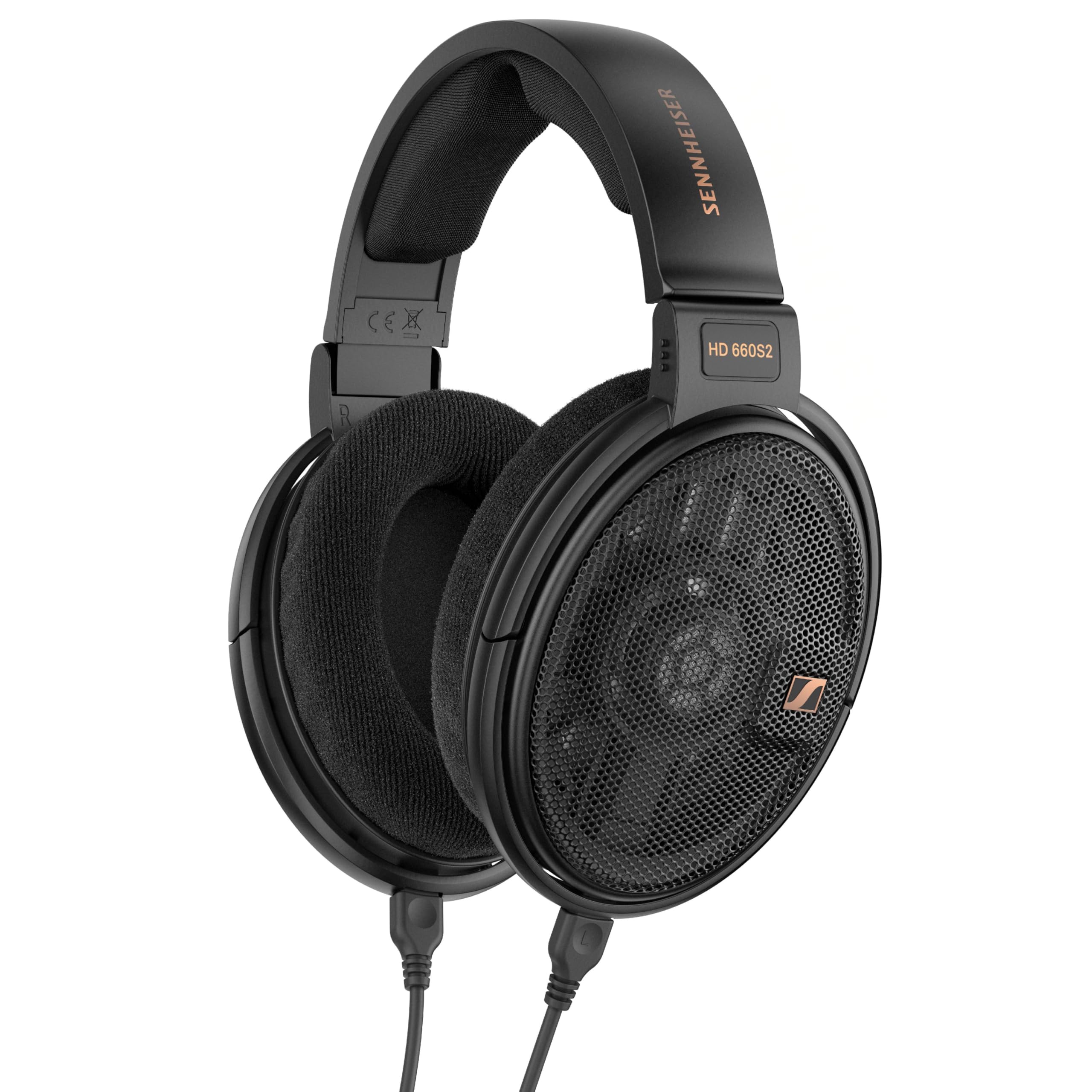
The HD 660S2 is Sennheiser’s answer to bass‑head audiophiles who refused to sacrifice imaging for low end. Its 42mm transducer uses an ultra‑light aluminum voice coil that allows the diaphragm to accelerate and decelerate faster than traditional copper coils, producing deep, controlled sub‑bass without smearing the transients. The open‑back design means the bass is never thumpy — instead it extends cleanly down to the piano’s lowest register (27.5Hz) and bass drums (45‑60Hz) with resolution that closed‑back competitors simply cannot match.
Vocals on the 660S2 are intimate and lifelike, sitting slightly forward of the soundstage. The treble is detailed but never harsh, making it a fatigue‑free companion for hours of critical listening. The open‑back nature also creates a spacious, airy presentation that helps you locate individual instruments in space — a massive advantage for gaming and classical music. Fit and finish are what you expect from a Sennheiser made in Germany and Ireland: the headband is well‑padded, the ear cushions are deep and breathable, and the clamping force is gentle enough for glasses wearers.
The catch is that the HD 660S2 demands power. At 150Ω, it sounds thin and anemic without a dedicated amplifier. Pair it with something like the Fosi GR70 tube amp or iFi Zen Air, and the low end fills out properly. The stock cables are also notably microphonic at the Y‑split, and the hard‑pouch carry case feels a bit cheap for the price. But if you value bass extension that is tight, layered, and realistic — not just loud — this is the open‑back king under .
Why it’s great
- Deep, controlled sub‑bass extension without bloat or boom
- Intimate, lifelike vocal presentation with excellent imaging
- Breathable, comfortable pads for all‑day listening
- Made in Germany/Ireland with premium build quality
Good to know
- Requires a dedicated amplifier to reach full bass performance
- Stock cables are microphonic at the Y‑split
- Narrow soundstage compared to some open‑back rivals
- Low isolation makes it unsuitable for noisy environments
3. Beats Studio Pro

The Beats Studio Pro sheds the old “all bass, no mids” reputation with a custom acoustic platform that delivers genuinely balanced low end. The bass is punchy and present — enough to energize hip‑hop and EDM — but it no longer bleeds into the lower mids. Kick drums have attack, sub‑bass lines have weight, and vocals sit cleanly on top. The Active Noise Cancelling is competitive with the Sony XM5 and Bose QC Ultra, cutting airplane drone and office chatter effectively while Transparency mode lets ambient sound through naturally.
Battery life hits a solid 40 hours with ANC active, and Fast Fuel gives you 4 hours from a 10‑minute charge. USB‑C lossless audio support means you can plug directly into a laptop or phone for wired listening without downsampling, which noticeably improves bass clarity. The build quality is classic Beats — sleek, premium materials, and a woven carrying case that feels more protective than the soft pouch of previous generations. One‑touch pairing with both Apple and Android makes switching between devices seamless.
The downsides: the clamping force is snug, which can cause ear soreness after three or four hours. Max volume is lower than the previous Studio generation, which bothers some users who want extreme loudness. The soft carrying pouch (not a hard case) is also a downgrade from the hard‑shell cases included with some competitors. But for a wireless set that balances deep bass, strong ANC, and refined build quality, the Studio Pro earns its premium price tag.
Why it’s great
- Punchy, balanced bass that does not overwhelm the mids
- Excellent ANC and Transparency mode for travel and commuting
- 40‑hour battery with Fast Fuel rapid charging
- USB‑C lossless audio for wired high‑res playback
Good to know
- Clamping force can cause ear discomfort during long sessions
- Maximum volume is lower than previous generation
- Soft carrying pouch instead of hard case
- USB‑C charging only; no wireless charging pad support
4. Skullcandy Crusher 540 Active
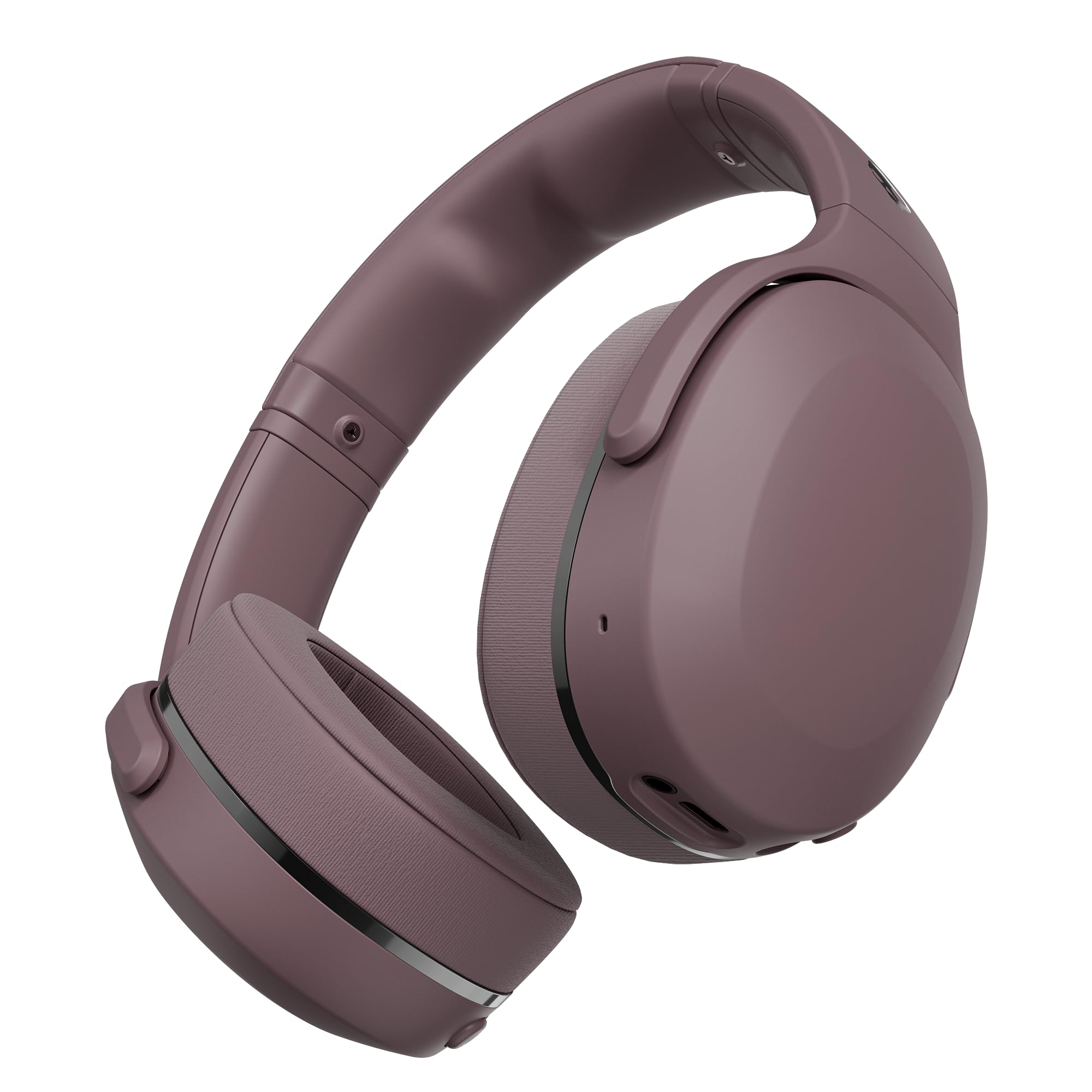
The Crusher 540 Active is not about subtle low‑end texture — it is about physical, rumble‑in‑your‑skull bass. Skullcandy’s patented Multi‑Sensory Crusher Bass uses two full‑range 40mm drivers plus additional dedicated bass drivers that vibrate independently. The effect is unique: you can set the bass slider to a subtle thump or crank it to a level that makes the earcups physically shake against your head. For gym cardio, high‑intensity lifting, or any scenario where you want the bass to drive your movement, this headphone delivers an experience no other wireless set can match.
Beyond the party trick, the 540 Active features breathable ear cushions and a sweat‑resistant nano‑coating that holds up to gym sessions. Battery life is a class‑leading 40 hours, with Rapid Charge giving you 4 hours of playback in just 10 minutes. The built‑in Tile finding technology is a practical bonus — you can locate lost headphones through the Tile app. The Skullcandy App also includes a hearing analysis that auto‑adjusts EQ levels to your specific hearing profile, which helps refine the bass output to avoid fatigue.
The trade‑off for that sensory bass is weight and head‑fit sensitivity. Small‑headed users report that the 540 Active can slide off during bench presses, and the weight causes discomfort after an hour of wear. The ear cups are removable for cleaning, which is essential for sweaty workouts, but they are also the only point of grip — there is no headband tension adjustment for smaller heads. If you want pure, overwhelming bass in a wireless gym package, this is the one. For all‑day comfort, look elsewhere.
Why it’s great
- Patented dual‑driver system delivers physically shaking sensory bass
- Breathable, removable ear cushions with sweat‑resistant nano‑coating
- 40‑hour battery with 10‑minute Rapid Charge
- Integrated Tile finding for lost headphone recovery
Good to know
- Heavy and slippery on smaller heads during exercise
- Weight causes discomfort after one hour of wear
- Bass slider at max can distort vocals and highs
- No active noise cancellation — bass acts as passive isolation
5. BlueAnt Pump X
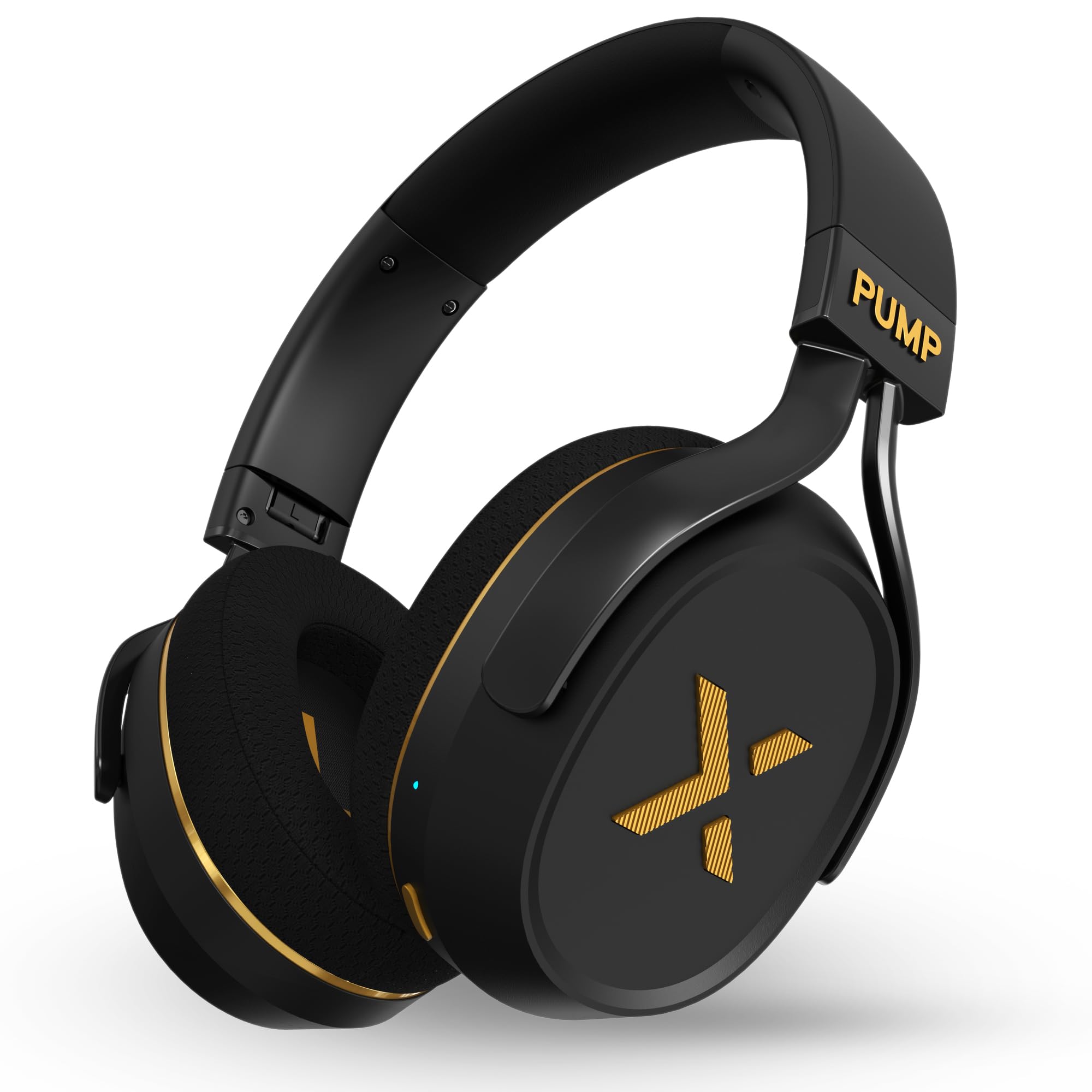
The BlueAnt Pump X is purpose‑built for the gym, with a design that prioritizes sweat resistance, secure fit, and bass that powers through workout noise. The 40mm drivers are tuned for extra low‑end output — not as extreme as the Skullcandy Crusher, but enough to make deadlifts and sprints feel more energetic. The real standout is the dual pad system: everyday ear pads for general use and cooling gel ear pads that reduce heat buildup during intense training. The gel pads also prevent the typical sweaty ear‑cup slide, keeping audio consistent.
Battery life is enormous at 58 hours, and a 10‑minute rapid charge yields several hours of use. Active Noise Cancelling removes up to 35dB of background noise, which is sufficient for gym ambient sound but not as effective as Sony or Bose for flights — one reviewer noted it is “so‑so” compared to premium ANC. The clamping force is strong, which helps the headphones stay locked during movement, but large‑headed users may find the fit too tight for extended wear beyond two hours.
The Pump X also supports Bluetooth 5.4 for stable connections and low latency, and the tactile button controls are intuitive for workout use. Build quality feels robust with a mix of metal and plastic, and the ear cups are fully replaceable if they wear out. The sound quality is good but not exceptional — the bass is fun and energetic, but the mids and highs lack the nuance of higher‑end audiophile sets. For a durable, sweat‑proof wireless headphone with powerful bass and all‑day battery, the Pump X is the top gym companion.
Why it’s great
- Cooling gel ear pads prevent sweat buildup during workouts
- 58‑hour battery life with rapid charge capability
- Strong clamping force keeps headphones secure during exercise
- Durable build with replaceable ear cushions
Good to know
- ANC performance is average — not as effective as premium brands
- Clamping force can be too tight for large heads after 2+ hours
- Mids and highs lack detail compared to audiophile sets
- No Dolby or spatial audio support
6. Soundcore Q30 (Anker)
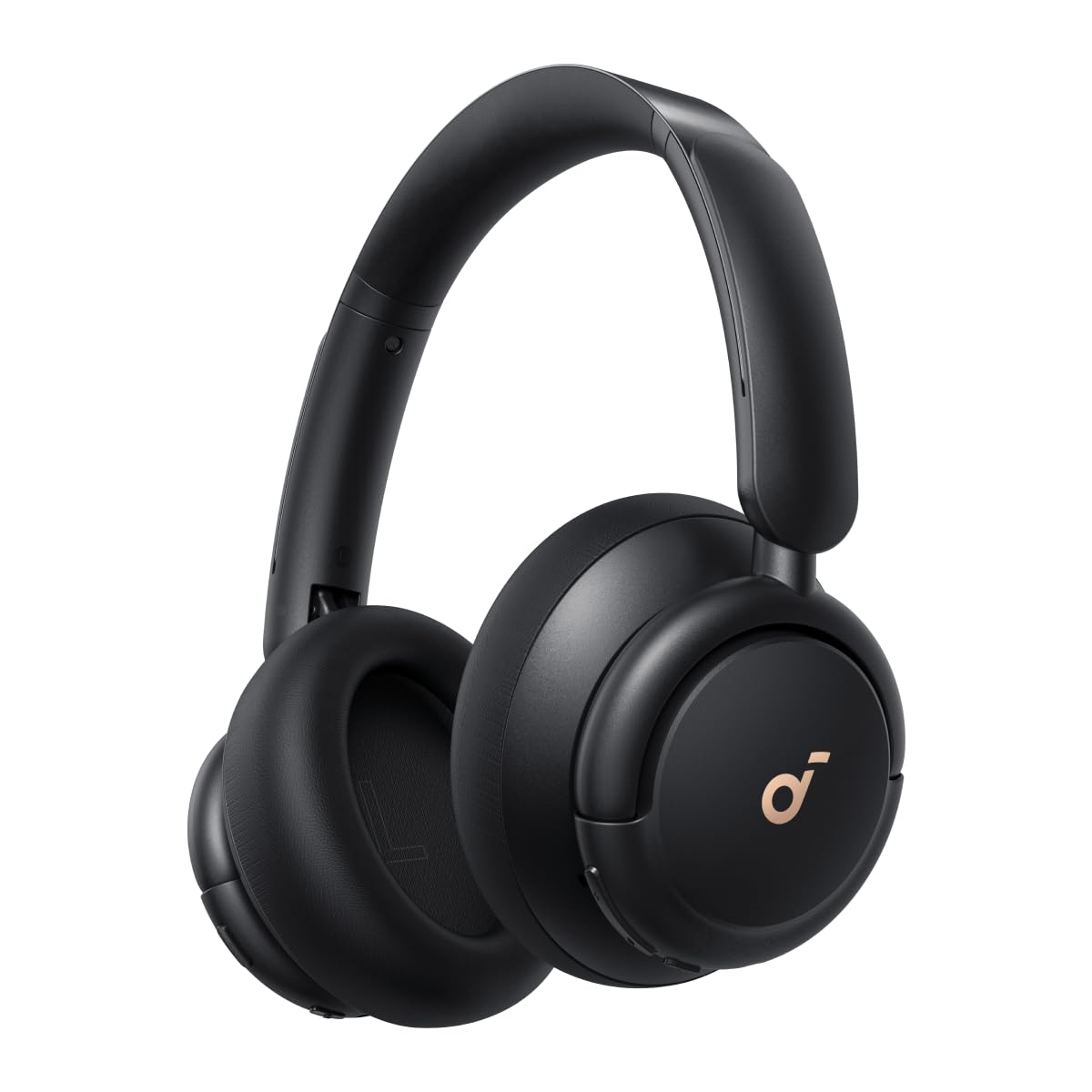
The Anker Soundcore Q30 proves that deep, satisfying bass does not require a premium budget. Its 40mm silk‑diaphragm drivers produce thumping bass with better extension than most headphones under , and the Soundcore App gives you an 8‑band EQ to tailor the low end to your preference. The default “Bass Up” preset adds a noticeable sub‑boost, but you can also create a custom curve that lifts the sub‑bass without muddying the midrange. The result is a wireless headphone that can hang with sets costing twice as much on bass performance alone.
The hybrid ANC system filters out up to 95% of low‑frequency noise — airplane hum, fan drone, and bus rumble — across three modes (Transport, Outdoor, Indoor). Battery life reaches 50 hours in ANC mode and up to 70 hours in standard mode, making it a serious travel companion. The ultra‑soft protein leather ear cups with memory foam padding are comfortable for multi‑hour sessions, and the lightweight build reduces fatigue. Multipoint Bluetooth 5.0 lets you switch between a phone and laptop without re‑pairing.
Where the Q30 cuts corners is build quality — the plastic headband feels less durable than metal‑frame competitors, and the included soft pouch does not protect against drops. The ANC, while impressive for the price, lets through a faint background hiss when no music is playing. Some users also reported that the ear pads cause heat buildup during summer use. But for a sub‑ pair of wireless over‑ears with customizable bass and genuinely good ANC, the Q30 is the value champion.
Why it’s great
- Powerful, adjustable bass via 8‑band EQ in the Soundcore App
- Hybrid ANC that cuts up to 95% of low‑frequency noise
- 50‑hour battery life in ANC mode, 70 hours standard
- Comfortable memory foam pads for long listening sessions
Good to know
- Plastic headband feels less durable than metal alternatives
- Soft pouch case does not protect against drops
- ANC produces faint hiss when no audio plays
- Ear pads can get warm during extended summer use
7. Sony MDRXB400/BLU Extra Bass

The Sony MDRXB400/BLU is the most affordable entry point for wired bass on this list, using a 30mm driver with Sony’s direct‑vibe structure to produce enhanced low‑frequency response. The bass is, as the name says, extra — it emphasizes the lower registers significantly, making hip‑hop and electronic tracks feel punchy and energetic. The Y‑type, flat, tangle‑free serrated cord is practical for daily carry, and the swivel‑folding design reduces storage space. The pressure‑relieving foam ear pads are comfortable enough for sessions lasting two to three hours.
Owners who burn in the headphones for 48 hours of pink noise report significant improvement in mids and highs — the stock tuning can sound slightly muddy and sharp at the same time. After break‑in, the sound becomes more balanced: the bass remains the star, but vocals and treble gain clarity. The integrated mic and volume control work well for calls and media control on Android and iOS, though play/pause compatibility varies by device. Build is all plastic, which keeps weight low but feels less premium than metal‑band alternatives.
The MDRXB400 is not noise‑cancelling, but the over‑ear design provides passive isolation enough for quiet commutes. The ear pads are replaceable but prone to wear after a few months of daily use — the foam compresses and the leatherette flakes. For under , these Sony cans deliver reliable, fun bass that punches above their weight. If you want a cheap, wired headphone strictly for bass‑heavy genres and do not need wireless or ANC, this is the budget baseline.
Why it’s great
- Very affordable wired option with prominent bass tuning
- Tangle‑free flat cord with inline mic and volume control
- Swivel‑folding design for easy portability
- Significant improvement after 48‑hour pink noise burn‑in
Good to know
- Mids and highs can sound muddy and sharp without burn‑in
- Ear pads wear out within months — foam compresses and flakes
- No active noise cancellation, passive isolation only
- Plastic build feels less durable than higher‑end models
FAQ
Do larger drivers always produce better bass?
Can I use bass‑heavy headphones for mixing or audio production?
Will a lower impedance headphone produce more bass from a phone?
Final Thoughts: The Verdict
For most users, the best bass over ear headphones winner is the FiiO FT1 because it delivers audiophile‑grade sub‑bass extension, texture, and control at a price that undercuts everything close to its performance. If you want wireless convenience with a fun, punchy sound for the gym, grab the Skullcandy Crusher 540 Active. And for a premium wireless set that balances deep bass with class‑leading ANC and battery life, nothing beats the Beats Studio Pro.