
Our readers keep the lights on and the weekend projects moving. As an Amazon Associate, I earn from qualifying purchases.
Choosing the wrong boot when your Achilles tendon is inflamed or healing doesn’t just cause discomfort—it actively delays recovery. The right boot stabilizes the heel, reduces strain on the tendon with every step, and provides the precise support needed to manage Achilles tendonitis without sacrificing daily mobility.
I’m Rikta — the co-founder and writer behind FitlyFast. My research for this guide involved analyzing dozens of product specs, customer feedback patterns, and the mechanical design elements that actually differentiate a therapeutic boot from a rigid, poorly-made one.
Whether you’re managing morning stiffness or a full rupture, the best treatment starts with the right footwear. That’s why I’ve analyzed the market to find the best boots for achilles tendonitis across medical-grade recovery and everyday orthotic wear.
How To Choose The Best Boot For Achilles Tendonitis
Achilles tendonitis boots aren’t one-size-fits-all. The first question is whether you need a rigid medical boot for post-injury immobilization or a supportive walker for day-to-day pain management. The wrong choice can over-stress the tendon or leave it unsupported, extending recovery time by weeks.
Immobilization vs. Functional Support
A post-surgery or rupture boot must restrict motion in a controlled arc to allow the tendon to knit. These boots feature adjustable range-of-motion (ROM) hinges and rigid shells. For chronic tendonitis or daily walking pain, a supportive orthotic boot with a rocker sole and a moderate heel lift is superior because it reduces tension on the tendon while allowing natural gait.
The Heel Drop and Rocker Bottom
A small heel lift (typically 10–15 mm) shifts load from the Achilles to the calf, providing immediate pain relief. Pair this with a rocker bottom sole, which minimizes ankle flexion during the push-off phase of walking. Without a rocker, the tendon must stretch and contract fully with every step—exactly the motion that aggravates tendonitis.
Custom Fit and Adjustability
The boot’s interior must match your anatomy. Air pump systems and vacuum-cushion technology allow you to dial in compression around the ankle and heel, preventing unwanted movement that can irritate the tendon. A boot that’s too loose offers no therapeutic benefit; one that’s too tight can cut circulation or create pressure points on the Achilles insertion.
Quick Comparison
On smaller screens, swipe sideways to see the full table.
| Model | Category | Best For | Key Spec | Amazon |
|---|---|---|---|---|
| OPED VACOped | Medical Recovery | Achilles Rupture Rehab | ROM -15° to +30° | Amazon |
| Kenetrek Everstep | Orthopedic Hiking | Outdoor Activity & AFO | 19° Rocker Sole | Amazon |
| Orthofeet Highline | Work Boot | All-Day Standing | Orthotic Insole System | Amazon |
| Orthofeet Ryder | Casual Boot | Post-Surgery & Swollen Feet | Dual-Zip Closure | Amazon |
| Brace Direct Air CAM | Pneumatic Walking Boot | Sprains & Fracture Recovery | Air Pump Compression | Amazon |
| Men’s Orthopedic Trekking | Value Hiking | Daily Walking & Pain Relief | Orthotic Cushion Sole | Amazon |
| Men’s Leather Ankle Boot | Budget Style | Formal & Casual Wear | Extra Insole Included | Amazon |
| OrthoComfoot Women’s Hiking | Women’s Hiking | Flat Feet & Long Walks | Shock-Absorbing Midsole | Amazon |
| Memo Malmo AFO Boot | Children’s Orthopedic | Toe-Walking & Ankle Support | Genuine Leather Upper | Amazon |
In‑Depth Reviews
1. OPED VACOped Achilles Tendon Rupture Boot
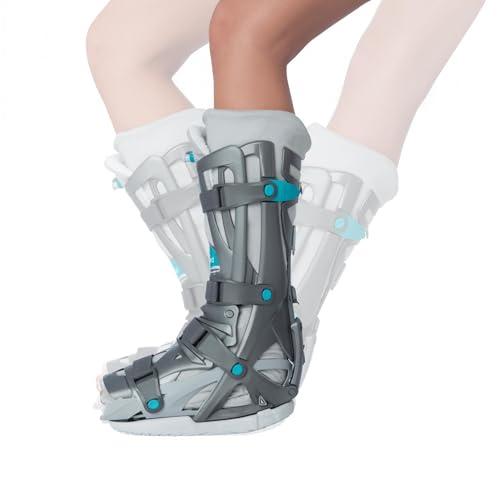
The VACOped is arguably the most advanced non-surgical boot on the market for a ruptured Achilles. Its vacuum-cushion technology uses a liner filled with styrofoam beads that, once air is extracted, molds perfectly to your leg, eliminating pressure points while providing cast-like stability. The adjustable range of motion from -15° to +30° allows you or your physician to gradually increase ankle flexion as the tendon heals, effectively simulating the walking motion without the risk.
Users with full ruptures report feeling secure even under heavy use (tested at 225 lbs), and the ability to remove the sole for hygiene or even swim (with doctor approval) sets it apart from standard CAM boots. The provided rocker and wedge soles further reduce tension on the tendon during early weight-bearing. The boot is heavy and large, which can make fitting into pants frustrating, and the front air valve location can interfere with knee scooter or iWalk peg leg use for those in multi-stage recovery.
Despite these size-related drawbacks, the orthopedic community and patient reviews consistently rate it as superior to standard walking boots. For anyone facing Achilles rupture recovery—surgery or conservative—the VACOped can significantly shorten rehab time by allowing controlled, progressive motion from the start.
Why it’s great
- Vacuum-formed custom fit eliminates heel lift and pressure sores.
- Adjustable ROM (-15° to +30°) enables progressive rehab without changing boots.
- Rocker and wedge soles included for early gait training.
Good to know
- Heavy and bulky; difficult to wear under pants.
- Front air valve can block knee scooter and iWalk attachments.
- Premium price point; best reserved for rupture or severe injury.
2. Kenetrek Everstep Orthopedic Boot

The Kenetrek Everstep is not a medical boot—it’s a rugged, full-grain leather hiker designed with an integrated AFO (ankle-foot orthosis). The lateral bar stabilizers lock the ankle in a neutral position, while the certified 19° rocker bottom dramatically reduces the need for dorsiflexion at push-off, unloading the Achilles tendon with every stride. The 10-inch shaft and 2.8 mm thick leather provide unmatched torsional stability for uneven terrain.
Hunters and hikers with chronic Achilles issues report a dramatic improvement in their ability to cover miles without tendon aggravation. The boot requires a longer break-in period due to its rigid construction, but once formed to the foot, it offers a level of support no soft-sided boot can match. The Windtex waterproof membrane keeps feet dry without overheating, and the K-Talon outsole grips reliably on loose rock and mud.
At a premium price, this is an investment in long-term mobility. The toe box can feel slightly narrow for users with wide feet (especially in cold weather with thick socks), so sizing up half a size is a common recommendation. For anyone who refuses to give up hiking or hunting because of Achilles pain, the Everstep is a serious, durable solution.
Why it’s great
- Built-in AFO lateral bars provide hard-stop ankle stability.
- 19° rocker sole minimizes Achilles load on uneven ground.
- APMA Seal of Acceptance for orthopedic design.
Good to know
- Long break-in period before full comfort.
- Narrow toe; order half up for thick socks.
- Expensive; best for active outdoor users, not casual walkers.
3. Orthofeet Men’s Highline Slip-Resistant Boot

Orthofeet’s Highline boot is a workhorse for people who spend entire shifts on hard floors. The integrated orthotic insole system provides excellent arch support and a mild heel lift (via the removable insoles), which reduces Achilles strain during prolonged standing. The non-slip outsole is rated for commercial environments, and the leather upper with a rear zip makes donning easy even with a swollen foot or limited mobility.
A retail worker logging 18,000 steps daily reported that the Highline eliminated foot and Achilles pain within two days, though the legs still felt tired—a sign that the boot handles tendon load well but remains a zero-drop platform for the rest of the foot. The extra-wide toe box is a standout feature for those with bunions or forefoot swelling, and the smooth sole works well for motorcycle riding without excessive grip catching on pegs.
The boot runs about half a size large, and some users found the leather and construction to be less substantial than traditional work boots. It’s not built for heavy hiking or deep mud, but for indoor, hard-surface work environments where Achilles pain is a daily nuisance, this is a reliable, mid-range solution.
Why it’s great
- Ergonomic orthotic insole with multiple layers for customized support.
- Easy on/off rear zip; ideal for post-surgery swelling.
- Non-slip outsole meets workplace safety needs.
Good to know
- Runs large; may need to size down half a step.
- Not for rugged outdoor terrain or heavy mud.
- Some reports of leather feeling thin over long-term use.
4. Orthofeet Men’s Ryder Dual-Zip Leather Boot

The Ryder from Orthofeet delivers a more formal aesthetic than the Highline, with a derby-style leather upper and a clever dual-zip system. The rear zipper opens wide for easy foot entry—a godsend for anyone with post-operative swelling or restricted ankle movement—while the front zipper adds a security layer. The insoles include Orthofeet’s signature arch support and a mild heel cushion that reduces tendon tension during walking.
Long-term users report durability over two years of regular wear, with leather and soles holding up well. The roomy toe box accommodates orthotics and swollen toes comfortably, and the lightweight construction (for a leather boot) reduces fatigue during all-day use. A small percentage of units had zipper tang failures within the first month, though the manufacturer warranty covered replacements quickly.
While not a rigid AFO or a medical recovery boot, the Ryder fills an important gap for those who need Achilles-friendly footwear that looks appropriate for office, church, or dinner. The slip-resistant outsole adds utility, but this boot is best for low-impact walking and standing, not hiking or heavy labor.
Why it’s great
- Dual rear zipper allows easy access with a swollen or braced foot.
- Generous toe box volume for custom orthotics.
- Durable construction with replaceable zipper pulls.
Good to know
- Occasional zipper tang breakage early in ownership.
- Not designed for high-impact hiking or running.
- Runs slightly big; ideal for wide or swollen feet.
5. Brace Direct Air CAM Fracture Boot
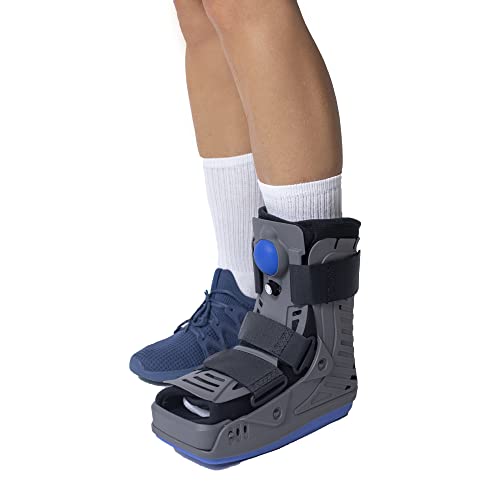
The Brace Direct Air CAM is a short pneumatic walking boot that uses a built-in air pump to deliver adjustable compression around the foot and ankle. This custom inflation tightens the fit dynamically, which helps control swelling and limits unwanted movement that could aggravate the Achilles. The removable toe guard protects the digits during recovery without adding excessive weight, and the boot is advertised as 33% lighter than traditional CAM boots.
Users who have tried multiple fracture boots report that the Air CAM is the most comfortable of the group, with one reviewer logging 10-hour work shifts without pain. The low-profile design works better for shorter individuals (under 5’4″) than standard tall walking boots, and the universal left/right fit simplifies ordering. However, the boot does lift the foot 2-3 inches off the ground, requiring crutches or a matching shoe on the other leg to avoid a leg-length discrepancy that can strain the opposite knee.
The plastic shell is sturdy but can dig into the shin without the included padding pads. Drying the interior after cleaning takes patience due to the closed-cell foam lining. For Achilles tendonitis specifically, this boot works best during the acute inflammation phase where full immobilization and compression are needed before transitioning to a supportive walking boot.
Why it’s great
- Adjustable air pump provides customizable compression for swelling control.
- Lightweight construction reduces fatigue during long wear.
- Toe guard protects against accidental knocks.
Good to know
- 2-3 inch heel lift requires a shoe lift or crutches to balance.
- Plastic shell may need padding to prevent shin irritation.
- Not designed for progressive ROM rehab like hinged boots.
6. Men’s Orthopedic Mid Trekking Hiking Boot
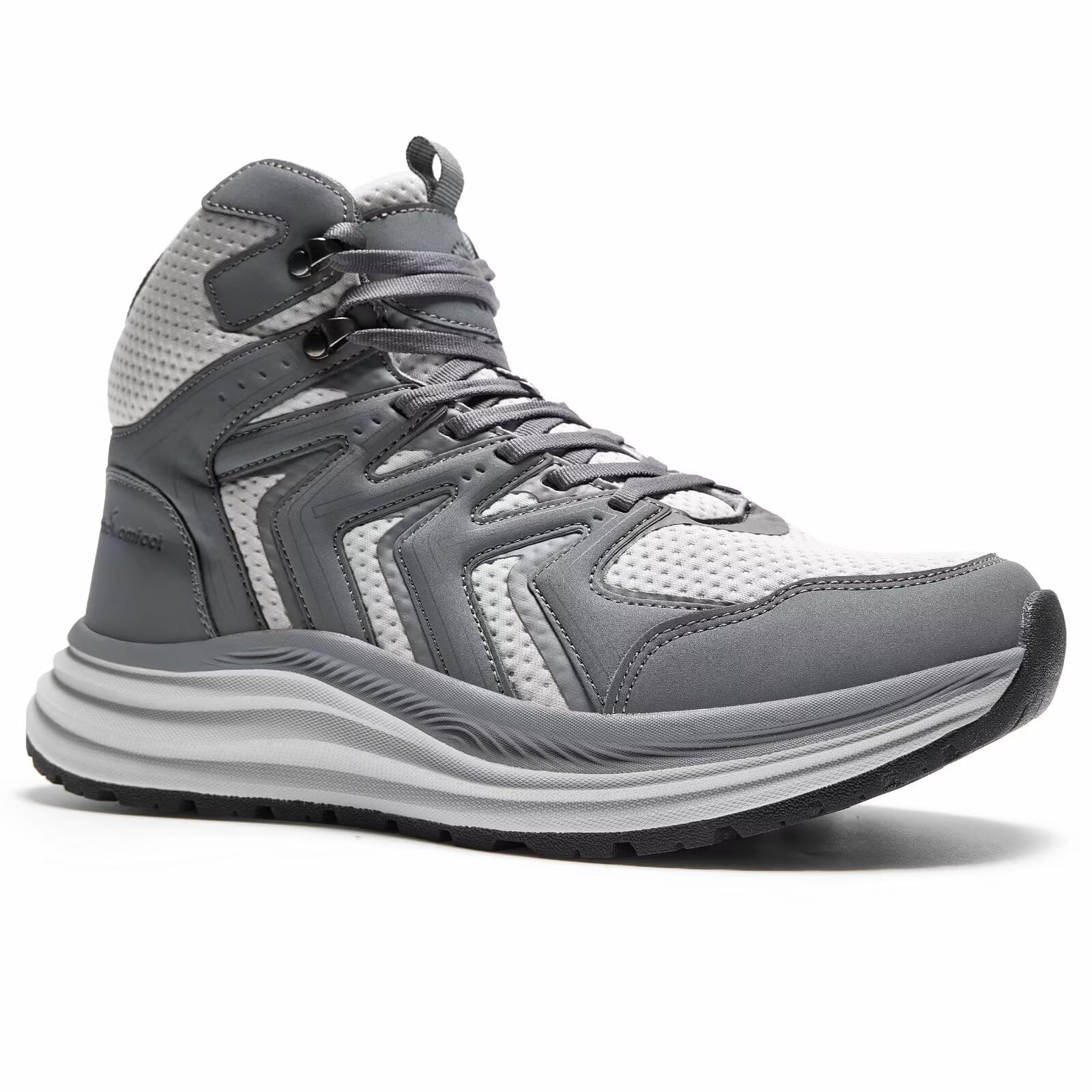
This trekking-style boot offers a thick orthotic cushion sole and mid-top ankle support at a budget-friendly price point. The design prioritizes immediate comfort over long-term durability, with several users reporting a pain-free walking experience out of the box. The ample padding around the collar and tongue helps stabilize the ankle without restricting circulation, making it a decent choice for daily walks or light trail use.
However, durability concerns are significant. Multiple reviews mention the toe blowing out after only two months of every-other-day wear, and the sole materials show premature wear with regular use. The boot is best viewed as an entry-level, short-term solution—ideal for someone testing whether a supportive boot helps their Achilles pain before investing in a premium model.
For the price, the comfort on initial wear is genuinely impressive. If you need a boot for a brief recovery period (4–8 weeks) and don’t plan to stress it on technical terrain, this fills the gap without breaking the bank. But for anyone expecting a year or more of heavy use, the failure rate is too high to recommend.
Why it’s great
- Immediate cushion comfort for pain-free walking.
- Ankle collar provides decent lateral stability.
- Low entry cost for testing orthotic boot benefits.
Good to know
- Short lifespan; toe and sole failures reported within 2 months.
- Not built for heavy use or rugged terrain.
- Inconsistent quality control across sizes.
7. Men’s Orthopedic Business Leather Ankle Boot

This ankle boot is designed to look like a formal derby or Chelsea boot while incorporating a basic orthotic footbed. It comes with an extra insole, allowing the user to add a modest heel lift or extra arch support if needed. Several buyers were shocked by the comfort level for the price, reporting compliments on the boot’s appearance during office wear.
The leather is thin and the insoles appear to be low-cost components, raising concerns about long-term durability. Reviews split evenly between those who find it a great budget buy and those who feel the materials don’t justify even the lower cost. The boot works well for light, intermittent wear—meetings, dinners, casual errands—but it lacks the structural rigidity to provide meaningful Achilles support during extended walking or standing.
For someone with mild Achilles stiffness rather than a diagnosed injury, this boot offers a cosmetic upgrade over typical orthopedic footwear. The footbed is comfortable for short durations, but don’t expect it to correct biomechanical issues or support a healing tendon over a full workday.
Why it’s great
- Stylish leather design suitable for formal wear.
- Includes an extra insole for minor customization.
- Surprisingly comfortable footbed for the price tier.
Good to know
- Thin leather and cheap insoles reduce long-term value.
- Limited structural support for serious Achilles conditions.
- Durability concerns for daily full-shift use.
8. OrthoComfoot Women’s Waterproof Hiking Boot
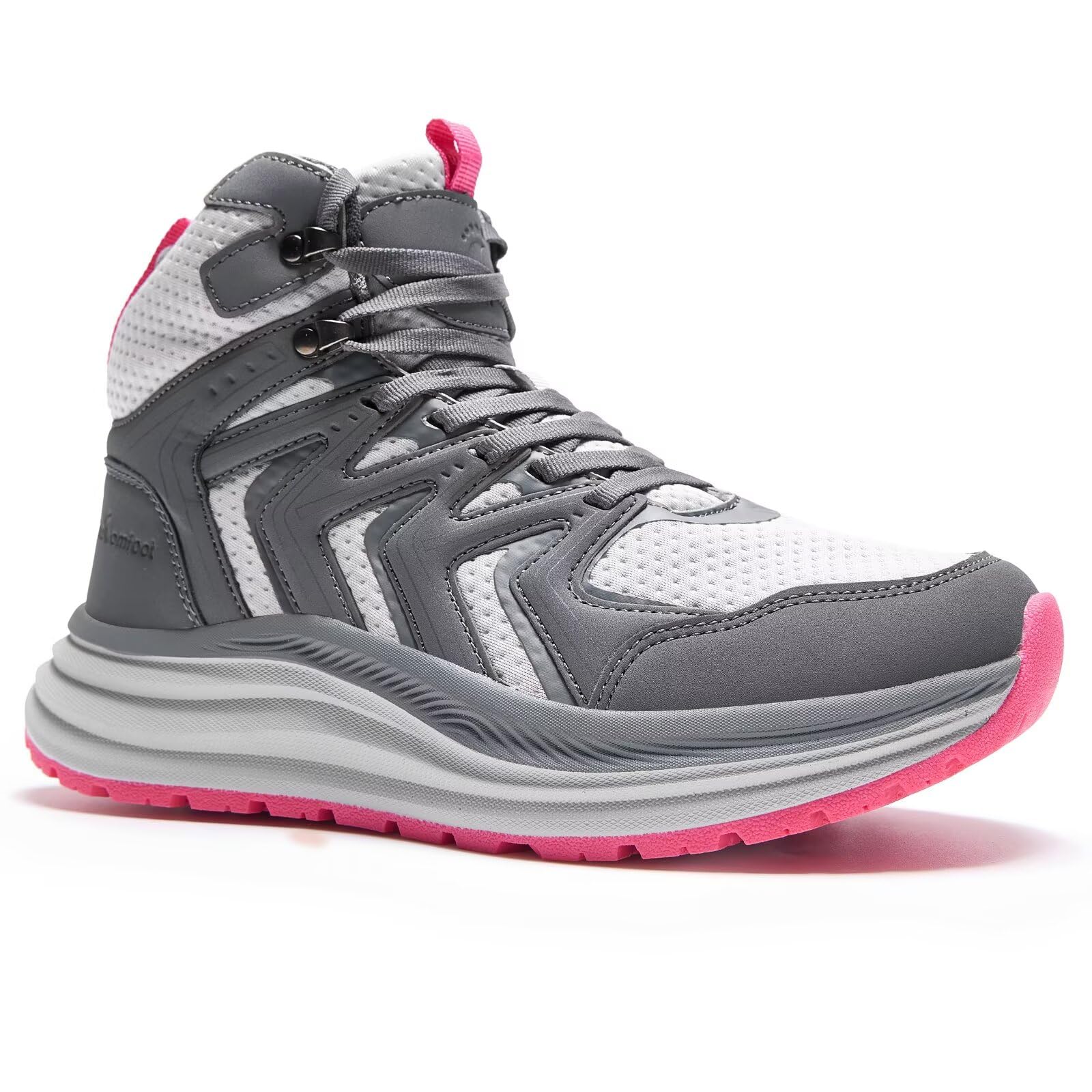
OrthoComfoot’s women’s boot brings a well-cushioned shock-absorbing midsole in a mid-top hiking silhouette. The extra insoles offer arch support that can be stacked to create a mild heel lift, which directly reduces tension on the Achilles tendon. The waterproof mesh and faux leather upper keeps feet dry, and the aggressive outsole tread provides reliable grip on loose trails.
Female users with flat feet and Achilles pain report being able to double their walking distance after switching to these boots, with no break-in period needed. The roomy toe box allows for thicker socks and prevents forefoot compression, which is often a secondary source of gait compensation that loads the Achilles. The ankle collar is padded enough to prevent rubbing while still allowing a full range of motion for normal walking.
The boot is lightweight compared to traditional leather hikers, reducing leg fatigue during long walks. Some users note the lacing system could be more secure at the top eyelet, but overall the build quality and comfort are significantly higher than the price suggests. This is a strong mid-range option for women seeking a daily walking boot that actively manages Achilles discomfort.
Why it’s great
- Excellent shock absorption reduces impact load on the tendon.
- Roomy toe box accommodates swelling and thick socks.
- Waterproof construction for wet trail conditions.
Good to know
- Top lacing eyelet could be more secure for ankle lock.
- Not designed for extreme terrain or heavy backpacks.
- Limited color options for lifestyle wear.
9. Memo Malmo Children’s Orthopedic AFO Boot

The Memo Malmo is a specialized corrective boot for children, designed with an integrated AFO (ankle-foot orthosis) to manage toe-walking, pronation, and Achilles tightness. The genuine leather upper provides durability that outlasts synthetic competitors, and the supportive ankle structure holds the foot in a neutral position without restricting natural movement. The design is low-profile enough to pass as a regular boot, reducing the stigma children often feel with medical footwear.
Parents of toe-walking children report that these boots effectively encourage a heel-toe gait pattern, though some children revert to toe-walking without them. The boot is easy to put on and remove, with a wide opening and secure closure system that accommodates AFO braces if needed. Multiple buyers have been repeat customers for years, praising the build quality and the genuine improvement in their child’s walking mechanics.
While the price is higher than typical children’s shoes, the Memo Malmo qualifies as a medical investment with proven results. The boots fit true to size, and the leather molds to the foot over time for a customized fit. For any child with Achilles tendonitis, toe-walking tendencies, or ankle instability, this is a category-leading solution.
Why it’s great
- Effective AFO correction for toe-walking and Achilles tightness.
- Genuine leather outlasts synthetic medical boots.
- Stylish design reduces stigma of medical footwear.
Good to know
- Higher price point for a children’s shoe category.
- May not fully correct toe-walking in all cases.
- Limited to children’s sizes only.
FAQ
Can I wear an Achilles boot on both feet at the same time?
How long should I wear a rigid immobilization boot for Achilles tendonitis?
Does a higher heel always mean better Achilles relief?
Final Thoughts: The Verdict
For most users, the boots for achilles tendonitis winner is the OPED VACOped because its vacuum custom fit and adjustable range of motion provide the most comprehensive support for both acute injury and progressive rehab. If you want a versatile daily walking boot that works for hard surfaces and long shifts, grab the Orthofeet Highline. And for outdoor enthusiasts who need rugged Achilles protection on the trail, nothing beats the Kenetrek Everstep.