
Our readers keep the lights on and the weekend projects moving. As an Amazon Associate, I earn from qualifying purchases.
The sharp, stabbing sensation in your heel each morning is a signal that your feet are crying out for a different kind of support. Traditional cushioned shoes can actually weaken the foot’s natural arch over time, making plantar fasciitis worse. Barefoot shoes offer a counterintuitive solution: a zero-drop, wide-toe design that lets your foot function as nature intended, strengthening the muscles that support your arch.
I’m Rikta — the co-founder and writer behind FitlyFast. I’ve spent hundreds of hours analyzing the specifications, materials, and user experiences behind the shoes that claim to help with plantar fasciitis, focusing on the key metrics of zero-drop platforms, toe-box width, and ground feel.
This guide breaks down the build quality, outsole flexibility, and insole design that actually matter for relieving heel pain. After combing through user reports and technical specs, these are the barefoot shoes for plantar fasciitis that stand up to the scrutiny.
How To Choose The Best Barefoot Shoes For Plantar Fasciitis
Selecting a barefoot shoe to address plantar fasciitis requires a shift in mindset from conventional support to natural foot function. The key is not to prop up the arch, but to let it work.
Zero-Drop Platform
Measure the height difference between the heel and the forefoot. A zero-drop design keeps your heel and toes at the same level, which reduces excessive strain on the plantar fascia and Achilles tendon. Most conventional running shoes have a 6-12mm drop that can aggravate heel pain.
Toe Box Width and Shape
Look for a foot-shaped toe box that allows your toes to splay naturally. A narrow toe box can cramp the toes and alter your gait, placing more pressure on the arch. Brands that prioritize anatomical shape give your feet the space needed for proper alignment.
Stack Height and Ground Feel
Stack height refers to the thickness of the sole between your foot and the ground. For plantar fasciitis, a low stack height (around 8-12mm) provides better sensory feedback, encouraging a midfoot strike that reduces heel impact. Avoid soles so thin that sharp rocks are a problem, but keep the barrier minimal for proprioception.
Quick Comparison
On smaller screens, swipe sideways to see the full table.
| Model | Category | Best For | Key Spec | Amazon |
|---|---|---|---|---|
| Xero Shoes Prio Neo | Training | Transition & gym work | 5.5mm sole | Amazon |
| ALTRA Escalante 4 | Running | Long walks & runs | Zero-drop | Amazon |
| Taos Convertawool | Clog | Indoor recovery | Arch support insole | Amazon |
| Vionic Alameda Mary Janes | Casual | All-day office wear | Removable arch insole | Amazon |
| ONEMIX Max Cushioned | Walking | Heavy cushioning | Air cushion | Amazon |
| Hike Footwear HF Stride | Daily | Budget-friendly start | Ultra-light build | Amazon |
| Caspian Adventure HF | Outdoor | Non-slip traction | Quick-dry mesh | Amazon |
In‑Depth Reviews
1. Xero Shoes Women’s Prio Neo Barefoot Training Shoe
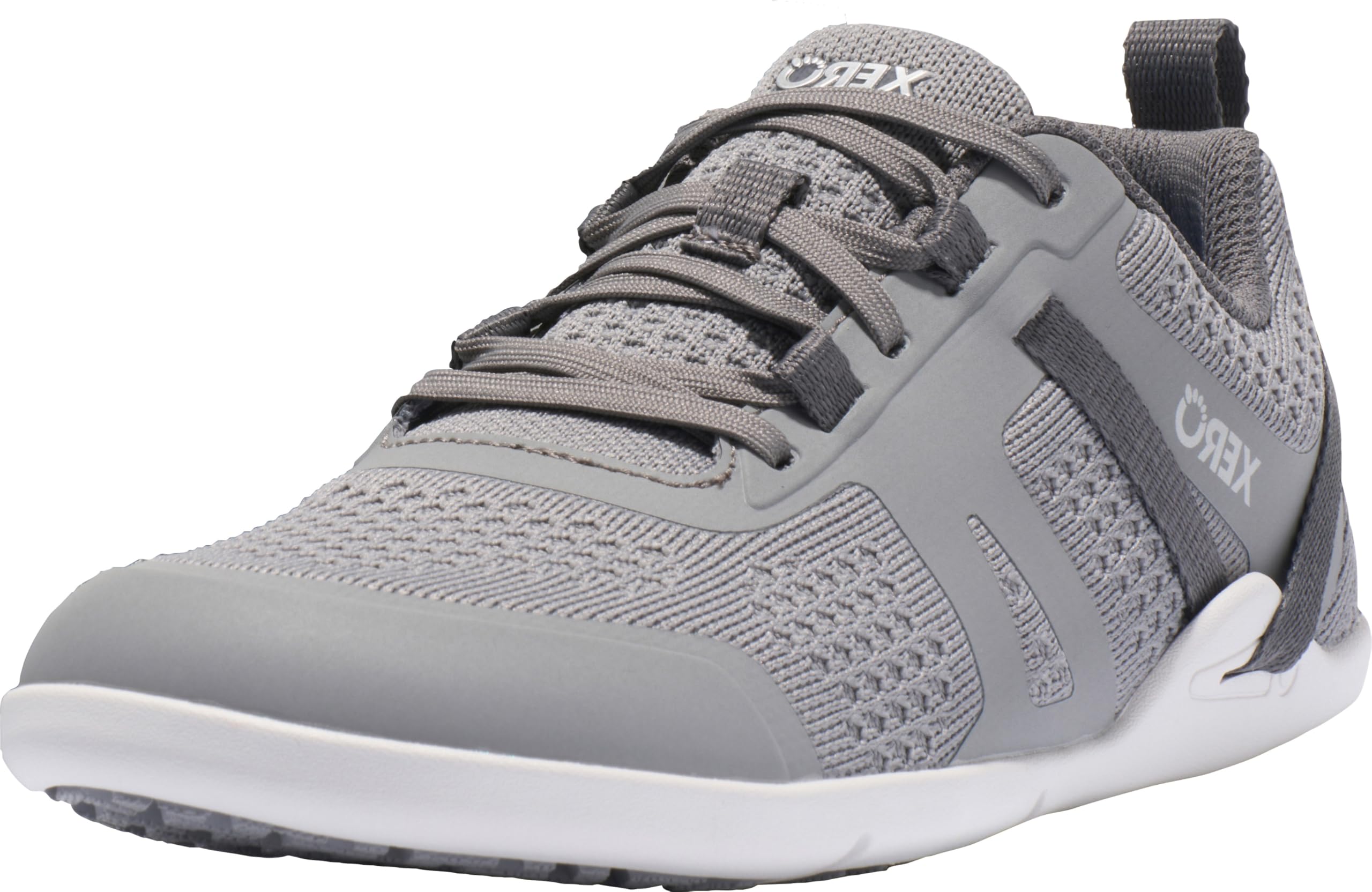
The Xero Shoes Prio Neo is a masterclass in barefoot design for plantar fasciitis sufferers. Its 5.5mm FeelTrue sole delivers exceptional ground feedback, encouraging a midfoot strike that reduces heel impact. The wide toe box accommodates splaying toes and conditions like Morton’s toe or hammer toes without compression, a critical factor for arch health.
Users report that the zero-drop platform eliminates the heel-strike pattern that aggravates plantar fascia strain. The removable insole allows for additional orthotic customization, though many find the natural feedback alone sufficient for relief. The flexible sole bends with the foot, strengthening intrinsic muscles over time.
The upper’s stretchy material conforms without pressure points, and fit runs true to size for toe room. The laces are a known weak point—some report they come undone easily, but swapping for elastic or no-tie laces solves this. For a dedicated transition shoe that combines ground feel with gym-ready versatility, the Prio Neo leads the pack.
Why it’s great
- Ultrathin 5.5mm sole for maximum ground feel
- Generous toe box for natural splay
- Removable insole for orthotic compatibility
Good to know
- Shoelaces are overly long and prone to untying
- Requires a gradual transition period to avoid calf/knee soreness
2. ALTRA Women’s Escalante 4 Road Running Shoe

The ALTRA Escalante 4 is the benchmark for zero-drop road shoes that don’t compromise on comfort. Its FootShape toe box allows the toes to spread naturally, and users with bunions and overlapping toes find immediate relief. The zero-drop platform aligns the body from the ground up, reducing the forward lean that strains the plantar fascia.
The soft mesh upper accommodates arthritic toes without irritation, and the 3-pound build feels substantial yet responsive. The tread is durable and provides reliable grip on pavements. Some users note the laces are too short and slippery, often opting for no-tie replacements.
The Escalante 4 is ideal for those who need a shoe for longer distances—whether walking or easy runs—while maintaining natural foot mechanics. It’s not the thinnest sole on this list, but the combination of zero-drop, wide toe box, and moderate cushioning makes it a standout for daily wear and recovery.
Why it’s great
- FootShape toe box that accommodates bunions and overlapping toes
- Durable tread for road surfaces
- True zero-drop platform for natural alignment
Good to know
- Laces are short and untie easily
- White colorway shows dirt quickly
3. Taos Footwear Unisex Convertawool Wool Clog
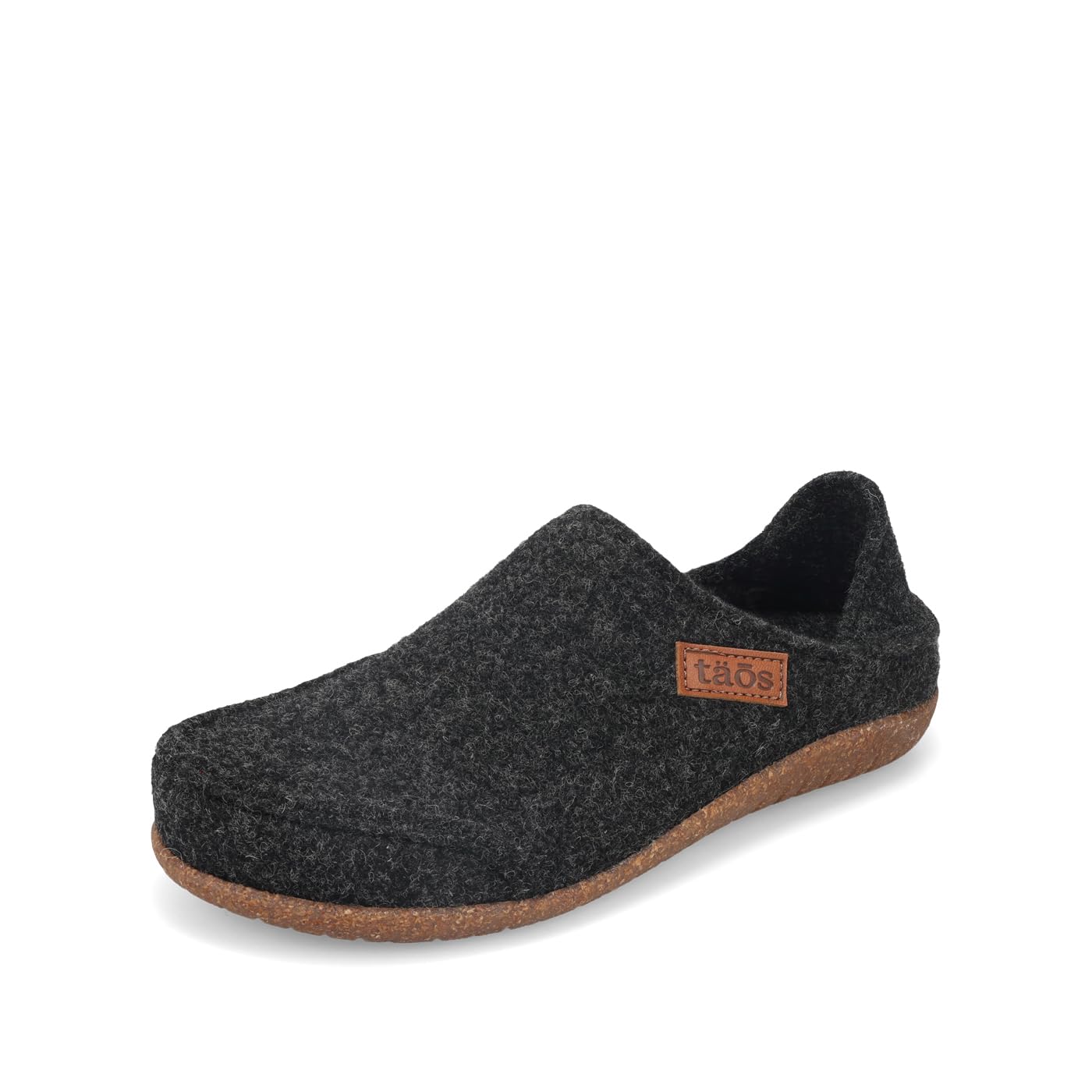
The Taos Convertawool is a wool clog designed explicitly for indoor recovery but built with surprising rigor. Its arch support is praised by users recovering from plantar fasciitis, and the zero-heel-to-toe drop helps alleviate back pain. The Italian wool upper breathes well and prevents sweat buildup during all-day wear.
The convertible heel feature allows the shoe to be worn as a slip-on or a clog, adding versatility for home use. The rubber sole provides grip on indoor surfaces, and the reinforced toe box adds durability. Sizing can run small—the 10/10.5 fits snugly for a 10.5 foot with a high instep.
This is not a shoe for the gym or trail. It’s best for those who want structured arch support in a barefoot-style platform while recovering at home or in the office. The price sits at the upper tier, but the handcrafted materials and robust arch support justify the cost for dedicated users.
Why it’s great
- Excellent arch support specifically for plantar fasciitis recovery
- Italian wool construction for temperature regulation
- Convertible heel for easy on/off
Good to know
- Runs small; size up for a comfortable fit
- Best suited for indoor or casual wear only
4. Vionic Womens Alameda Mary Janes

Vionic’s Alameda Mary Janes bridge the gap between barefoot principles and structured support. They feature a removable arch-support insole that provides relief for plantar fasciitis without sacrificing the wide toe box. The leather upper conforms to the foot after a single wearing, and users with bunions find the roomy toebox accommodating.
The shoe comes with an extra insole, allowing customization for different arch heights. The design is stylish enough for office wear, and the Mary Jane strap adds security. Some users report blisters on the back of the heel during the break-in period, so wearing socks initially is recommended.
These are not a minimalist barefoot shoe in the traditional sense—they offer more structure than a true barefoot shoe—but they provide the toe splay and zero-drop alignment needed for fascia relief. For those wanting arch support in a classy package, the Alameda is a top pick.
Why it’s great
- Removable arch support for plantar fasciitis relief
- Roomy toe box that fits bunion feet
- Quality leather that breaks in quickly
Good to know
- Heel area may cause blisters initially
- Not a true minimalist barefoot shoe
5. ONEMIX Men’s Max Cushioned Walking Shoes with Air Cushion
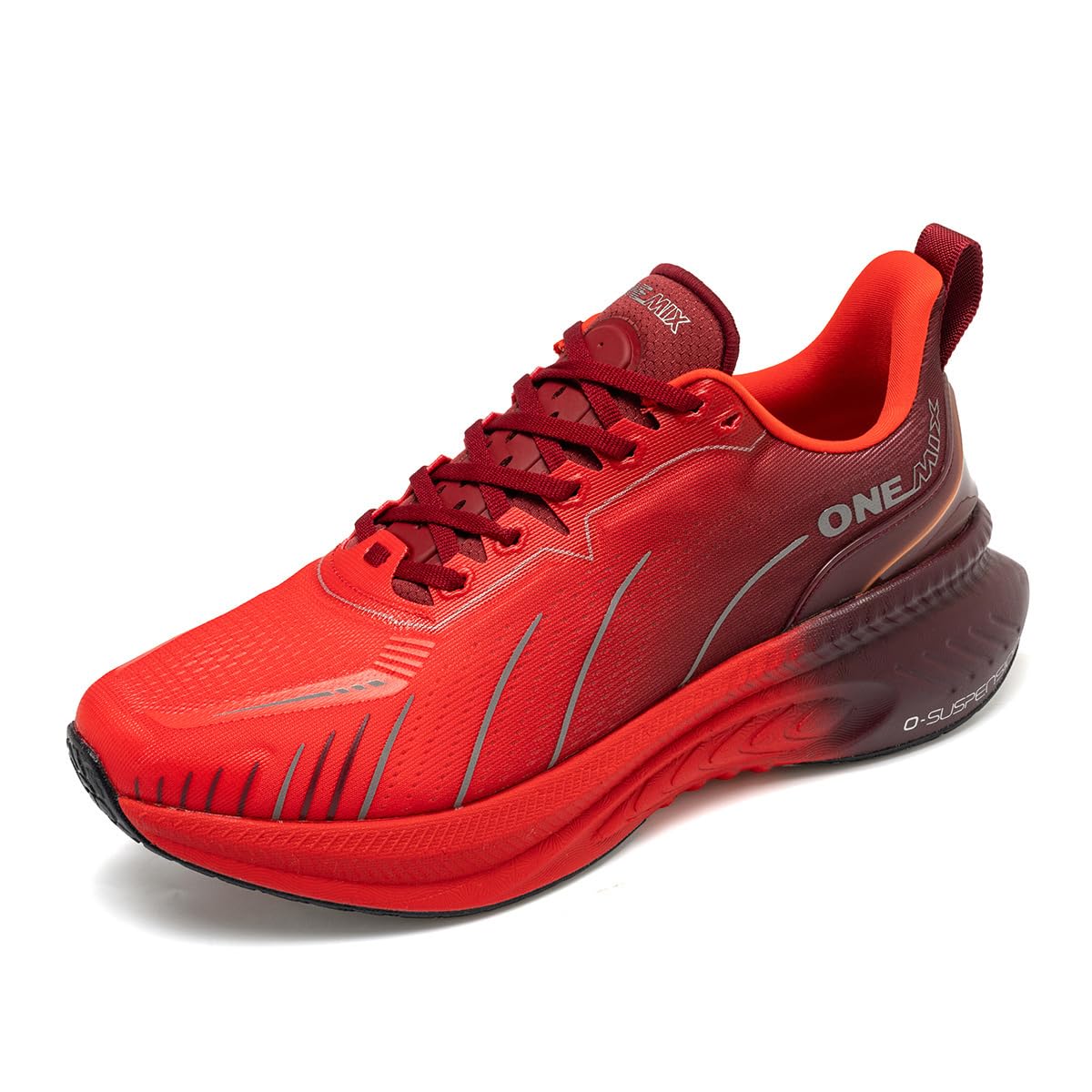
The ONEMIX Max Cushioned Walking Shoe offers a different approach: maximum cushioning with an air cushion in the heel for shock absorption. While this skirts the barefoot philosophy, it provides a gentler transition for those moving away from traditional supportive shoes. The wide fit accommodates wider feet, and the foam midsole is comfortable for standing all day.
Users report it fits a half size large, so sizing down is common. The foam is not responsive enough for running, but for walking and daily wear, it provides solid relief. The neon colorway is polarizing but functional for outdoor visibility.
The ONEMIX is best for those who need more cushioning than a true barefoot shoe offers but still want a wide toe box and zero-drop alignment. It’s a middle-ground option that prioritizes comfort over ground feel.
Why it’s great
- Plush air cushion for heel strike absorption
- Wide toe box for splay
- Lightweight for its cushioning level
Good to know
- Size chart is inaccurate; use insole length
- Foam can feel unresponsive for running
6. Hike Footwear HF Stride – Hands-Off & Ergonomic Barefoot Shoes
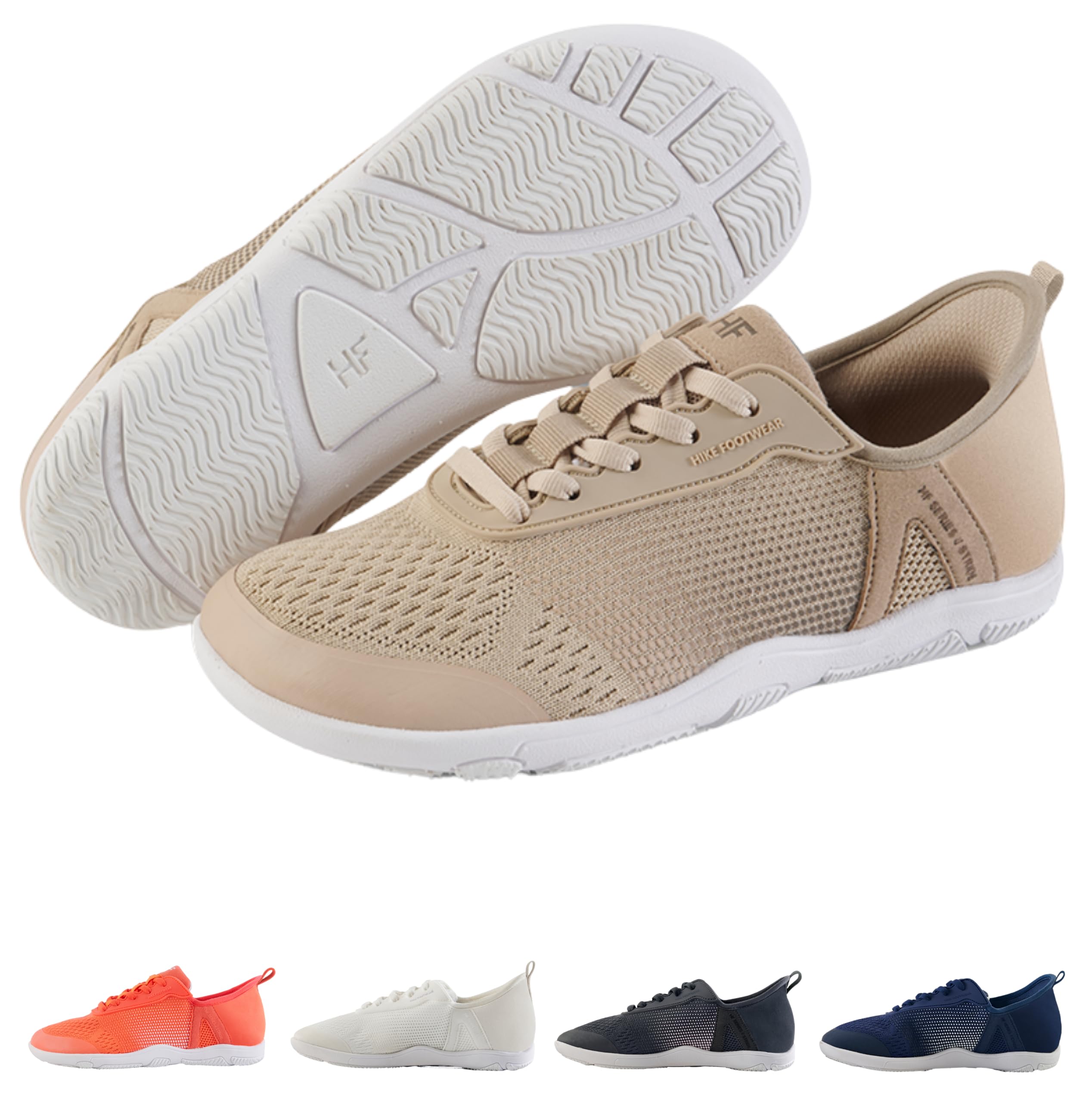
The Hike Footwear HF Stride is a budget-friendly entry into the barefoot world without skimping on the essentials. Its thin sole and ultra-light build make it ideal for transitioning from conventional shoes. The wide toe box is explicitly noted as bunion-friendly in user feedback, reducing pressure on the first metatarsal.
Users with high arches and longer second toes report excellent ground connection and confidence on uneven terrain. The shoe runs small in half sizes—ordering up a full size is recommended. The unisex design works for both men and women, and the traction is reliable on tile floors and gravelly trails.
The lack of arch support is intentional, and most users find this encourages natural foot strengthening. For the price, the HF Stride delivers a genuine barefoot experience that assists with balance and arch activation.
Why it’s great
- Excellent for balance and ground feedback
- Bunion-friendly wide toe box
- Lightweight for effortless daily wear
Good to know
- Runs small; buy a full size up
- Zero arch support may not suit severe cases
7. Caspian Adventure HF – Outdoor Non-Slip Barefoot Shoes
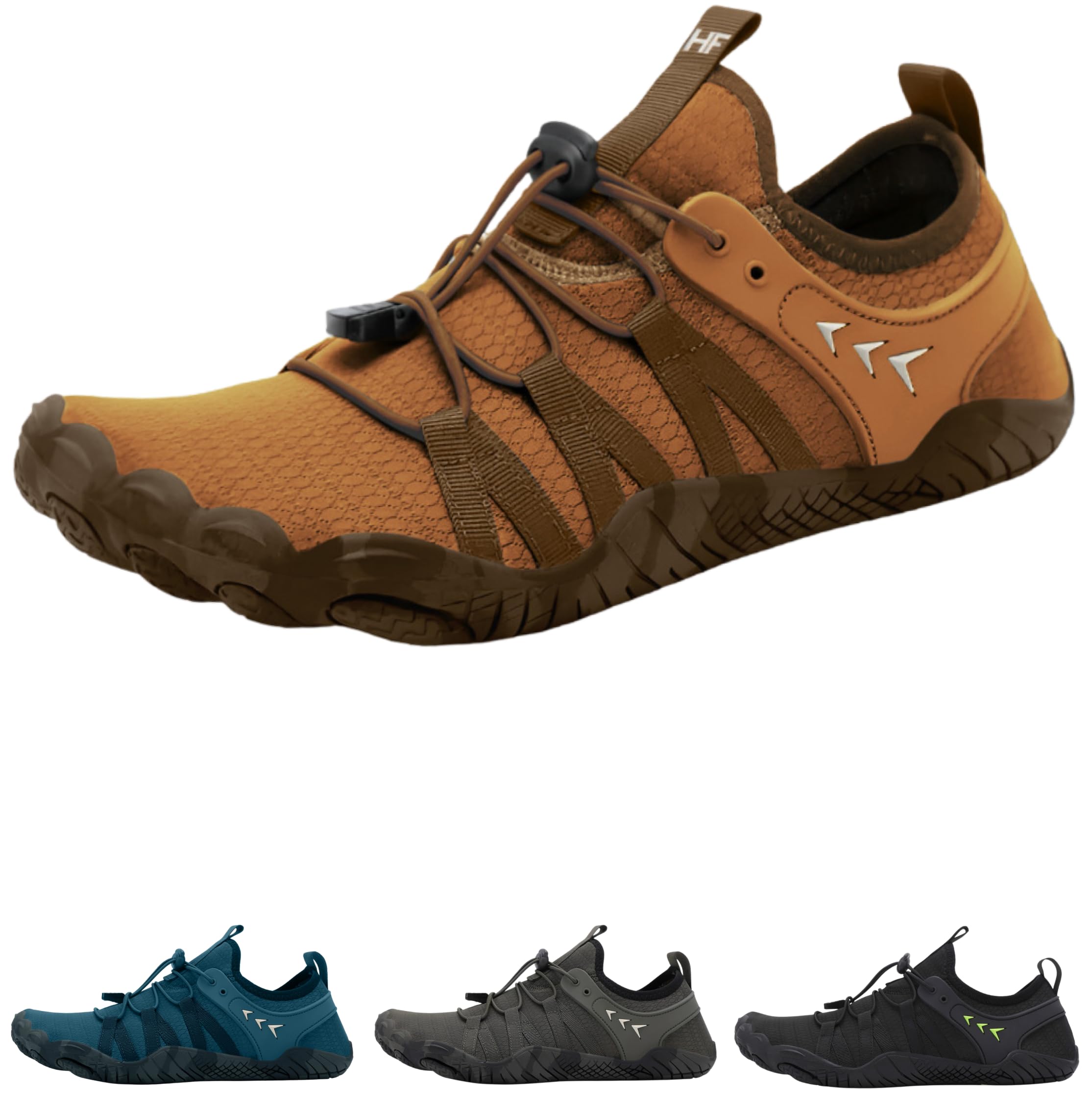
The Caspian Adventure HF is built for outdoor use with a non-slip outsole that handles wet and uneven terrain. Its quick-dry mesh upper makes it suitable for summer adventures or water-adjacent activities. The wide toe box follows the anatomical shape, and users with foot pain from conventional shoes find immediate relief.
Feedback is mixed on support—some users report dramatic reduction in knee and back pain by the next day, while others note that zero support can cause foot pain after extended shopping trips. The latter group recommends using an insole for extra comfort. The shoe runs true to size for most, with men’s 12 fitting perfectly.
The Caspian is best for those who want a barefoot shoe for outdoor recreation where grip and breathability matter. For plantar fasciitis, pairing with a supportive insole may be necessary for long durations on hard surfaces.
Why it’s great
- Excellent non-slip traction for outdoor use
- Quick-dry mesh for warm-weather wear
- Wide toe box for natural splay
Good to know
- Zero support can cause foot pain for some users
- May need an additional insole for all-day wear
FAQ
Will barefoot shoes cure my plantar fasciitis?
How long does it take to transition to barefoot shoes?
Can I wear orthotics in barefoot shoes?
What is the difference between zero-drop and low-drop shoes?
Final Thoughts: The Verdict
For most users, the barefoot shoes for plantar fasciitis winner is the Xero Shoes Prio Neo because its 5.5mm sole, wide toe box, and removable insole offer the perfect balance of ground feel, adaptability, and transition-friendliness. If you want structured arch support with style, grab the Vionic Alameda Mary Janes. And for indoor recovery and all-day comfort, nothing beats the Taos Convertawool Wool Clog.