
Our readers keep the lights on and the weekend projects moving. As an Amazon Associate, I earn from qualifying purchases.
Chasing bigger, more vivid flowers but stuck with plants that produce sparse, pale, or tiny blooms? The secret lies in the middle number of the N-P-K ratio—the phosphorus content—which drives flower bud initiation, size, and color intensity. Many general-purpose fertilizers are too high in nitrogen, which pushes leaf growth at the expense of the flowers you actually want.
I’m Rikta — the co-founder and writer behind FitlyFast. I’ve spent dozens of hours analyzing bloom booster formulations, dissecting N-P-K ratios, and comparing customer results across liquid concentrates, water-soluble powders, and slow-release granules to understand exactly which products deliver the most visible bud-to-bloom transformation.
For gardeners ready to stop guessing and start seeing results, this guide breaks down the top-rated options for the bloom booster for flowers, focusing on phosphorus levels, micronutrient profiles, and application ease that actually make a measurable difference in your garden.
How To Choose The Best Bloom Booster For Flowers
Selecting the right bloom booster means looking past the marketing and focusing on the N-P-K ratio, the form of the fertilizer, and the specific needs of your flowering plants. A bloom booster with a high middle number (phosphorus) fuels bud set and flower development, while balanced potassium supports overall plant health and disease resistance. Matching the formula to your plant type—annuals, perennials, roses, or tropical bloomers—prevents nutrient burn and maximizes bloom output.
Decoding the N-P-K Ratio for Flowers
The three numbers on any fertilizer label represent nitrogen (N), phosphorus (P), and potassium (K). For bloom boosters, phosphorus is the priority. A ratio like 10-54-10 or 9-58-8 delivers a massive phosphorus punch that signals the plant to shift energy from leaf growth to flower production. Nitrogen should remain low to avoid lush foliage at the expense of buds. Bloom-specific formulas typically have a middle number twice as high as the first or third number.
Water-Soluble vs. Liquid vs. Granular
Water-soluble powders (like the Schultz Bloom Plus) dissolve instantly and deliver nutrients fast, making them ideal for weekly feeding schedules. Liquid concentrates (such as the Miracle-Gro LiquaFeed) offer convenience with a hose-end feeder or watering can mixing. Slow-release granules (like the Nelson ColorStar) provide steady nutrition over months, reducing application frequency but requiring more patience for visible results. You need to decide how much hands-on feeding your schedule allows.
Organic vs. Synthetic Formulations
Organic bloom boosters (like Dr. Earth Flower Girl) use natural ingredients such as bone meal, feather meal, and kelp to slowly release phosphorus and micronutrients. They are safer for beneficial soil microbes, pets, and children, but they work more gradually. Synthetic options (like Carl Pool BR-61) deliver phosphorus instantly in a highly available form, producing faster, more dramatic bloom results. The choice comes down to whether you prioritize speed or long-term soil health.
Quick Comparison
On smaller screens, swipe sideways to see the full table.
| Model | Category | Best For | Key Spec | Amazon |
|---|---|---|---|---|
| Carl Pool BR-61 | Water-Soluble | Maximum phosphorus boost | 9-58-8 N-P-K | Amazon |
| Schultz Bloom Plus | Water-Soluble | Houseplant blooms | 10-54-10 N-P-K | Amazon |
| Nelson ColorStar | Slow-Release | Season-long feeding | 4-5 month feed | Amazon |
| Miracle-Gro Organics Blooms | Organic Granules | Organic flower gardens | 5-7-10 N-P-K | Amazon |
| Dr. Earth Flower Girl | Organic Powder | Pet-safe gardens | 4-10-7 N-P-K | Amazon |
| Great Big Roses Liquid | Liquid Concentrate | Rose & hydrangea revival | 70 trace minerals | Amazon |
| Miracle-Gro LiquaFeed | Liquid Refill | Quick hose-end feeding | 64 fl oz total | Amazon |
In‑Depth Reviews
1. Carl Pool BR-61 Plant Food 9-58-8
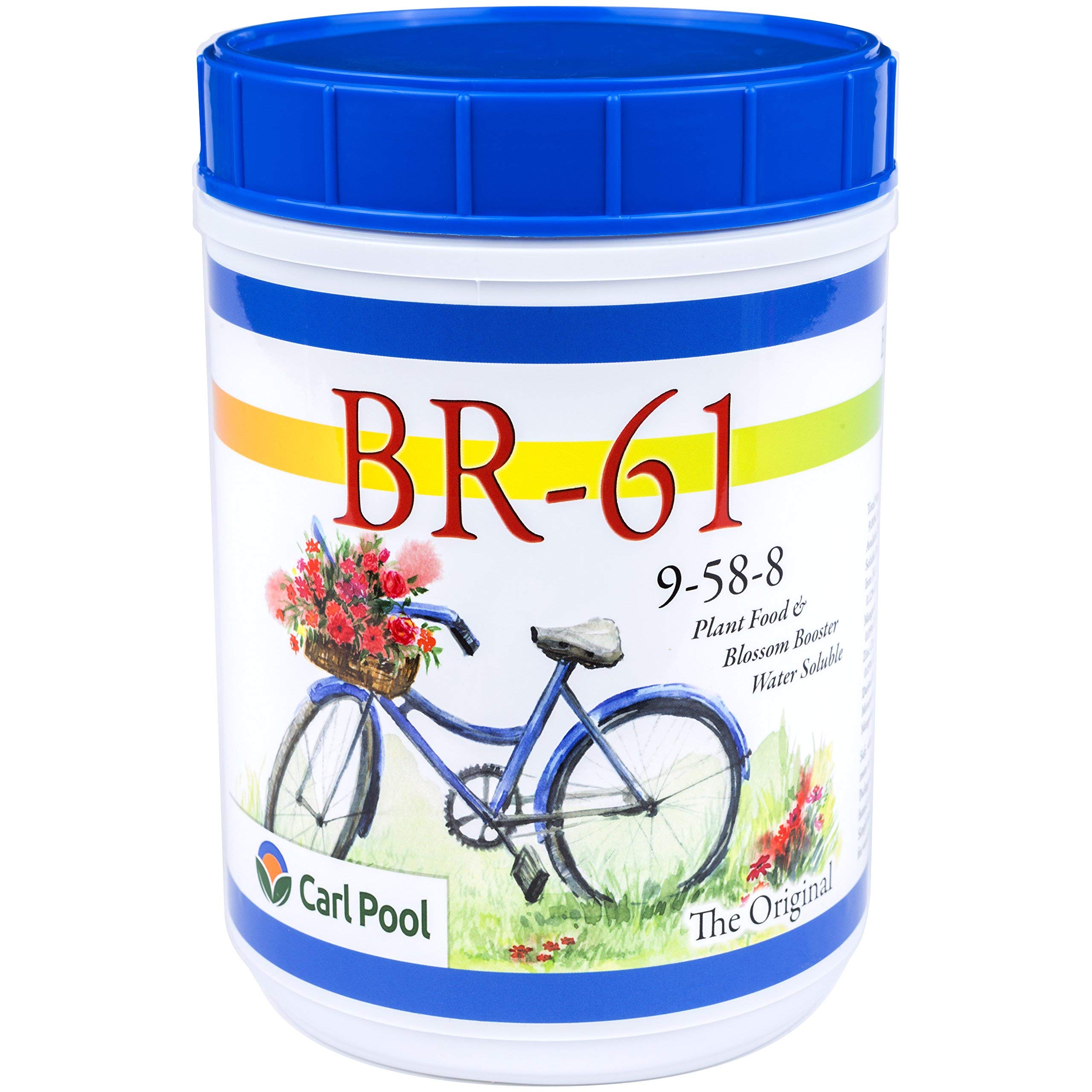
The Carl Pool BR-61 delivers an extraordinary 9-58-8 N-P-K ratio, making the phosphorus content its defining feature. At 58 percent, this is one of the highest phosphorus concentrations available in a water-soluble powder, directly targeting flower bud initiation and size expansion. Plumeria and hibiscus growers specifically seek out this formula because the extreme phosphorus spike forces even reluctant bloomers to flower heavily.
The 3-pound bag provides 48 ounces of product, mixing at a rate of one tablespoon per gallon of water. Users report that a single bag lasts an entire growing season for a medium-sized flower bed. The powder dissolves quickly with no residue, and the low nitrogen count (9) ensures the plant energy goes straight into blooms rather than foliage.
Long-time users mention alternating this booster with a fish emulsion or seaweed fertilizer every two weeks for balanced nutrition. The product has received consistent five-star ratings, with customers calling it a “must-have” for plumerias and noting visible results within two weeks on most flowering plants. It is the go-to choice for gardeners who want the strongest possible bloom response.
Why it’s great
- Extreme 58% phosphorus concentration for maximum bloom forcing
- 3-pound bag provides excellent seasonal value
- Dissolves cleanly with no clogging issues
Good to know
- Synthetic formula, not suitable for organic gardening
- High phosphorus requires careful measuring to avoid salt buildup
2. Schultz Bloom Plus Water Soluble 10-54-10

The Schultz Bloom Plus formula features a potent 10-54-10 N-P-K profile, closely rivaling the Carl Pool in phosphorus concentration. The “Feeds like nature” delivery system uses a concentrated powder that dissolves nutrients evenly with each watering. Christmas cactus owners specifically praise this product, noting that it transforms stubborn non-blooming houseplants into vibrant flower producers.
This 1.5-pound container covers a wide range of plants, including flowering vegetables, annuals, and perennials. However, the manufacturer advises against using it on bushes, trees, or cactus plants where the high phosphorus could interfere with natural growth cycles. The micronutrient package includes iron, manganese, and zinc to support bloom color intensity alongside size.
Customer reviews consistently highlight dramatic improvements: “larger blooms” and “envy of the neighborhood” are common refrains. One five-star review noted their Christmas cactus “loves it” and all houseplants “bloom great.” The only concern reported involves the packaging—some deliveries arrive with loose lids, though the product itself retains its effectiveness. It is a proven workhorse for container flower gardeners.
Why it’s great
- High 54% phosphorus drives rapid bud formation
- Excellent for Christmas cactus and houseplant blooms
- Includes trace micronutrients for color vibrancy
Good to know
- Not recommended for bushes, trees, or cactus
- Packaging seal may be loose upon delivery
3. Nelson ColorStar Outdoor & Indoor Fertilizer
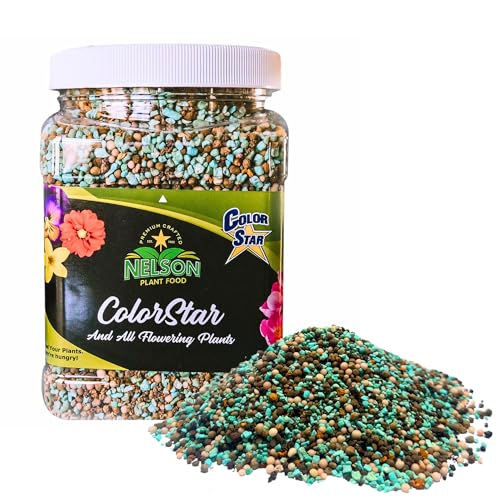
For gardeners who prefer a single application per season, the Nelson ColorStar uses six different nitrogen sources with varying release rates to feed plants consistently for 4 to 5 months. The granule formula contains 25 percent bone and blood meal, supplying organic phosphorus and iron for sustained bloom production. This makes it ideal for busy growers or those with large beds who cannot reapply weekly.
The 2-pound container covers a modest area, and some users note that the jar appears smaller than expected for the price point. However, the results speak for themselves—hydrangea growers report “full bloom” and “more blooms than usual” after a single spring application. The micronutrient cocktail includes zinc, copper, manganese, and magnesium oxide to support flower health through the entire growing season.
Customer feedback is overwhelmingly positive, with five-star reviews citing “immediate benefits” and calling it a “must for your blooming plants.” The main drawback is the upfront cost compared to water-soluble options, but the convenience of seasonal feeding offsets the expense for many. It works best on perennials, bulbs, and flowering shrubs that benefit from steady, gradual nutrition.
Why it’s great
- Single application feeds for 4-5 months continuously
- Contains organic bone and blood meal for natural phosphorus
- Multiple micronutrients enhance bloom color and size
Good to know
- Higher upfront cost per container
- Slow release means slower visible results
4. Miracle-Gro Performance Organics Blooms Granules

The Miracle-Gro Performance Organics Blooms Granules offer a rare combination: the trusted Miracle-Gro brand with OMRI-listed organic ingredients. The 5-7-10 N-P-K ratio is lower in phosphorus than synthetic bloom boosters, but the organic formulation feeds soil microbes alongside the plant, creating sustainable fertility. It covers up to 165 square feet, making it practical for medium-sized flower beds.
Application is straightforward—sprinkle granules around the base of plants and water in. Reapplication every 4 to 6 weeks maintains bloom momentum. Users report that the formula works especially well on butterfly bushes, Mandevilla, and canna lilies, with one reviewer noting that a stubborn Mandevilla “started blooming really good” after switching to this product.
A minor packaging issue appears in some reviews: the seal under the lid can be loose, and the container may not appear completely full. However, the granules themselves perform consistently, improving plant health and producing “huge difference” results in the garden. For organic gardeners who still want reliable results, this is the safest mainstream option that avoids synthetic chemicals.
Why it’s great
- OMRI-listed organic ingredients proven to work
- Covers 165 sq ft per container
- Simple sprinkle-and-water application
Good to know
- Lower phosphorus concentration than synthetic boosters
- Seal under lid may be loose on arrival
5. Dr. Earth Flower Girl Bud & Bloom Booster 4-10-7

The Dr. Earth Flower Girl Bud & Bloom Booster is a 100 percent organic, handcrafted blend with a 4-10-7 N-P-K ratio. It contains no GMOs, chicken manure, or sewage sludge—a critical advantage for gardeners who want clean, safe soil. The product is certified organic and carries the “People & Pet Safe” designation, making it the top choice for households with dogs, cats, or children who play near flower beds.
Dahlia enthusiasts specifically recommend this formula for its balanced nutrition that supports heavy-blooming varieties without burning roots. Dragon fruit growers report impressive results: one user saw dragon fruit blooms jump from three to twenty-five after switching to this booster. The organic ingredients feed the soil food web, gradually improving soil structure over multiple seasons.
One important note from reviews: the product description on Amazon lists a 4-10-7 analysis, but some customers received bags labeled 3-9-4. Reviewers advise checking the bag upon arrival and adjusting feeding rates if the lower ratio is received. Despite this discrepancy, the fertilizer consistently earns five-star ratings for its clean ingredients and visible results on sugar apples, guava trees, and ornamental flowers.
Why it’s great
- 100% organic with no poultry manure or sludge
- Safe for pets and children in garden areas
- Dramatic results on fruit trees and tropical plants
Good to know
- N-P-K labeling may differ from Amazon listing
- Works slower than synthetic chemical boosters
6. Great Big Roses and Flowers Liquid Fertilizer Booster
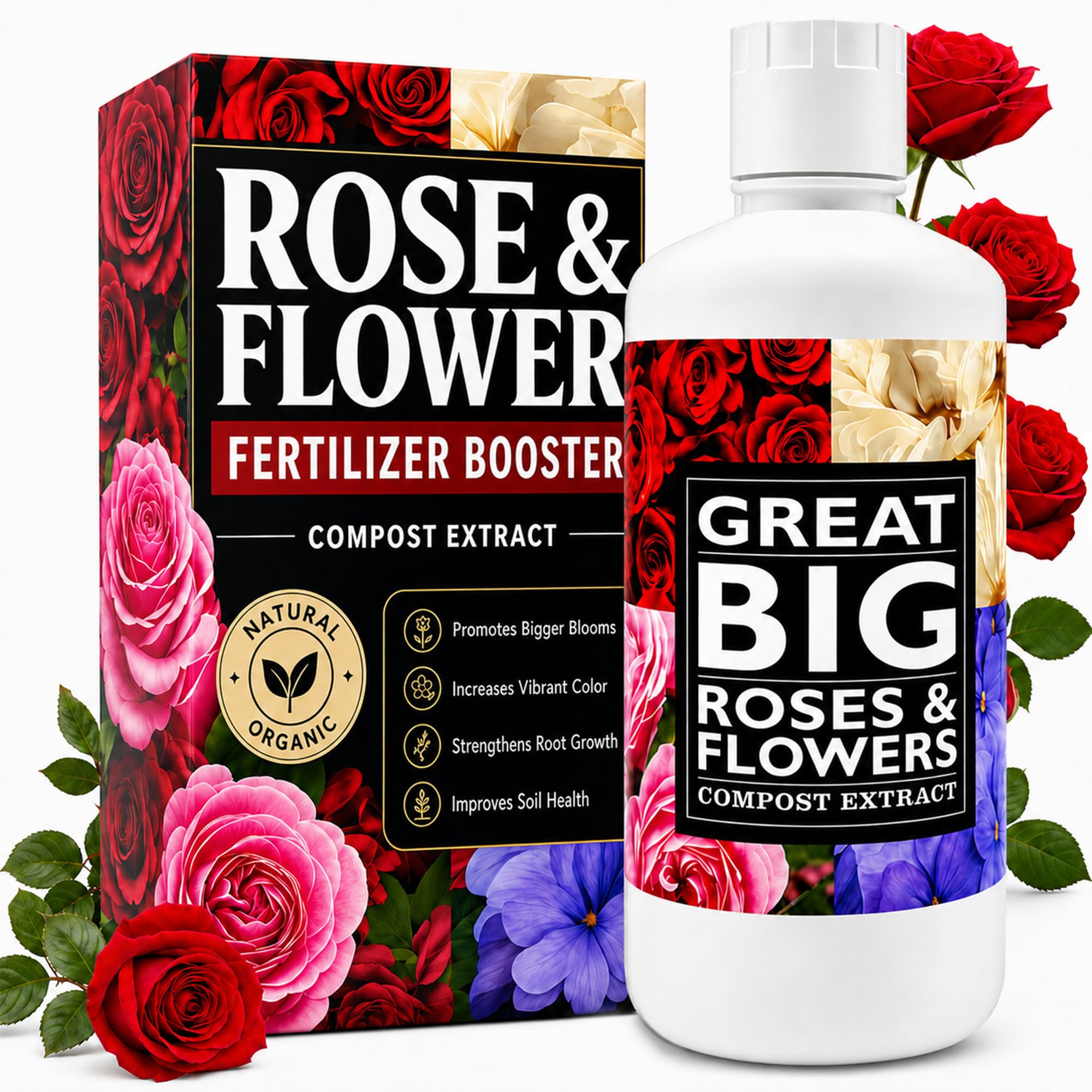
The Great Big Roses and Flowers Liquid Fertilizer Booster is less a traditional bloom booster and more a soil activator. It delivers humic acids, seaweed, and over 70 chelated trace minerals to unlock nutrients already present in the soil. Customers report rose bushes that had not bloomed in years producing “big, beautiful flowers within weeks” of the first application—a testament to its ability to correct hidden nutrient deficiencies.
The 32-ounce bottle concentrates at 4 ounces per gallon of water, providing eight full applications. One gallon covers an entire growing season for most gardens. The formula works synergistically with existing fertilizers—fish emulsion, bone meal, worm castings—amplifying their effects rather than replacing them. It is especially effective on roses, hydrangeas, citrus, and hibiscus.
The biggest criticism is the bottle design: the wide mouth makes measuring and pouring messy, and users report spilling the expensive concentrate. However, the product earns rave reviews for its ability to revive struggling plants, with one reviewer calling it “proven reliable” after three years of use. For gardeners with established beds where soils have been depleted, this is the smartest investment.
Why it’s great
- 70 chelated trace minerals correct hidden deficiencies
- Revives non-blooming roses within weeks
- Amplifies the performance of existing fertilizers
Good to know
- Bottle spout design causes spills during measuring
- Expensive per ounce compared to powder formulas
7. Miracle-Gro LiquaFeed Bloom Booster Flower Food

The Miracle-Gro LiquaFeed Bloom Booster is designed for the hose-end feeder system, making it the fastest method for feeding large flower beds. This 4-pack of refill bottles delivers 64 total fluid ounces of liquid concentrate, enough for multiple applications across an entire season. The formula is specially formulated for flowers, with a balanced N-P-K that promotes blooming without the extreme phosphorus spike of powder boosters.
Users apply it two to three times per week by mixing two squirts into a pint bottle or four squirts into a quart bottle. The liquid formulation absorbs instantly through both roots and foliage, producing visible results within days. Customers report “big blooms” and “flowers blooming like never before,” with one reviewer emphasizing that it is “safe for the bees and the birds.”
The main limitation is the need for a Miracle-Gro LiquaFeed feeder, which is sold separately. Without the feeder, measuring the liquid concentrate becomes less precise. However, for gardeners who already own the system, this is the most convenient bloom booster on the market. The 4-pack provides strong value, and the fast-acting formula satisfies those who want immediate gratification from their feeding routine.
Why it’s great
- Instant absorption through roots and foliage
- 4-pack provides excellent seasonal value
- Safe for bees and beneficial insects
Good to know
- Requires separate LiquaFeed feeder system
- Liquid formula costs more per application than powder
FAQ
Can I use a bloom booster on all types of flowers?
How often should I apply a water-soluble bloom booster?
What is the difference between organic and synthetic bloom boosters for flowers?
Can I use bloom booster on vegetable plants?
Final Thoughts: The Verdict
For most users, the bloom booster for flowers winner is the Carl Pool BR-61 9-58-8 because its extreme phosphorus concentration delivers the fastest and most dramatic bloom response across the widest variety of flowering plants. If you want an organic, pet-safe formula that builds long-term soil health, grab the Dr. Earth Flower Girl 4-10-7. And for gardeners who prefer a single seasonal feeding without weekly mixing, nothing beats the Nelson ColorStar slow-release granules with their 4-5 month continuous feeding.