
Our readers keep the lights on and the weekend projects moving. As an Amazon Associate, I earn from qualifying purchases.
Stomach ulcers create a painful paradox: you need to neutralize excess acid to stop the burning, but many standard antacids can actually disrupt the delicate healing process or interact with prescribed ulcer medications. Choosing the wrong formula can mean trading one type of discomfort for another, making the selection of a targeted antacid for stomach ulcer a critical and often confusing decision for anyone dealing with this condition.
I’m Rikta — the co-founder and writer behind FitlyFast. I spend my time analyzing ingredient profiles, absorption rates, and clinical data to separate effective digestive relief from marketing hype, ensuring this guide is grounded in the specifics that matter most for ulcer care.
After sifting through dozens of formulas, from rapid-acting neutralizers to long-lasting acid reducers, I’ve built this detailed guide to help you find the right antacid for stomach ulcer that balances fast symptom relief with safety and digestive support.
How To Choose The Best Antacid For Stomach Ulcer
Selecting an antacid for a stomach ulcer goes beyond simply picking the strongest option. The goal is to provide relief without interfering with the ulcer’s natural healing or other prescribed medications. Here are the critical factors to weigh.
Match the Active Ingredient to the Need
The core decision is between fast-acting neutralizers and longer-lasting acid suppressors. Neutralizers like calcium carbonate (in Rennie) or sodium bicarbonate (in Graxcell) work instantly by chemically balancing stomach acid, offering rapid relief from burning pain. Acid suppressors like famotidine (Pepcid AC) or omeprazole reduce acid production over hours, giving the ulcer a longer window to heal without acid irritation. For severe or persistent ulcer pain, a suppressor is often more effective than a simple neutralizer.
Consider Soothing and Protective Additives
Some antacids include ingredients designed to coat and protect the stomach lining, which can be a significant advantage for an active ulcer. Look for formulas containing alginic acid (which creates a protective foam barrier), slippery elm, or licorice root. These adjuncts don’t just neutralize acid—they help create a physical buffer, which can be more soothing for a raw, inflamed ulcer site compared to a bare mineral antacid.
Check for Medication Interactions
Ulcer treatment often involves prescription PPIs (omeprazole) or H2 blockers (famotidine). Adding an over-the-counter antacid that uses the same ingredient can be redundant or dangerous. Always check the active ingredient list. Calcium-based antacids can also interfere with the absorption of certain antibiotics used to treat H. pylori (a common ulcer cause), so taking them at different times of the day is crucial. A consultation with your doctor is non-negotiable when layering any new antacid on top of existing ulcer medications.
Quick Comparison
On smaller screens, swipe sideways to see the full table.
| Model | Category | Best For | Key Spec | Amazon |
|---|---|---|---|---|
| Nature’s Sunshine Stomach Comfort | Soothing Chewable | Ulcer-friendly relief with natural coating agents | Alginic Acid + Slippery Elm | Amazon |
| Pepcid AC Max Strength | Acid Suppressor | Long-lasting reduction of ulcer-related acid production | Famotidine 20mg per tablet | Amazon |
| Omeprazole 20mg (Heartland) | Delayed-Release PPI | Daily preventive acid control for gastritis & ulcer | Omeprazole 20mg per dose | Amazon |
| Rennie Spearmint | Dual-Action Neutralizer | Fast relief with a dual mineral formula | Ca/Mg Carbonate 680/80mg | Amazon |
| Alka-Seltzer Cool Action Gum | Chewable Neutralizer | Quick, portable relief from acid indigestion | Calcium Carbonate 750mg | Amazon |
| Graxcell Sodium Bicarbonate | Simple Neutralizer | Budget-friendly rapid acid neutralization | Sodium Bicarb 650mg | Amazon |
| Caleb Treeze Digestion Tonic | Liquid Tonic | Natural, fast-acting support with organic ingredients | ACV + Ginger + Garlic | Amazon |
In‑Depth Reviews
1. Nature’s Sunshine Stomach Comfort

This is a standout pick specifically for ulcer contexts because it goes beyond simple acid neutralization. Nature’s Sunshine Stomach Comfort combines alginic acid with slippery elm and licorice root, creating a physical barrier that floats on top of stomach contents to prevent acid from refluxing into the esophagus and coating the stomach lining directly. For someone with an active ulcer, this protective layer can be far more soothing than a bare mineral antacid.
The inclusion of ginger and papaya adds digestive support that many users find helpful for lingering nausea or indigestion—common companions to ulcer pain. Customer feedback consistently highlights that it works quickly without a chalky taste or unpleasant texture, making it easy to tolerate during sensitive flare-ups.
It’s important to note that while the formula is excellent for symptom management, it does not contain a high-dose acid suppressor. For severe ulcer cases, users may still need a separate famotidine or PPI (but always check with a doctor first). The 60-count bottle offers a solid supply for daily use.
Why it’s great
- Alginic acid creates a protective foam barrier for the esophagus and stomach
- Blend of slippery elm, ginger, and licorice soothes irritation without a chalky taste
Good to know
- Not a high-dose acid suppressor—severe cases may require a separate medication
- Some users may find the herbal blend unfamiliar compared to simple mineral antacids
2. Pepcid AC Maximum Strength Tablets
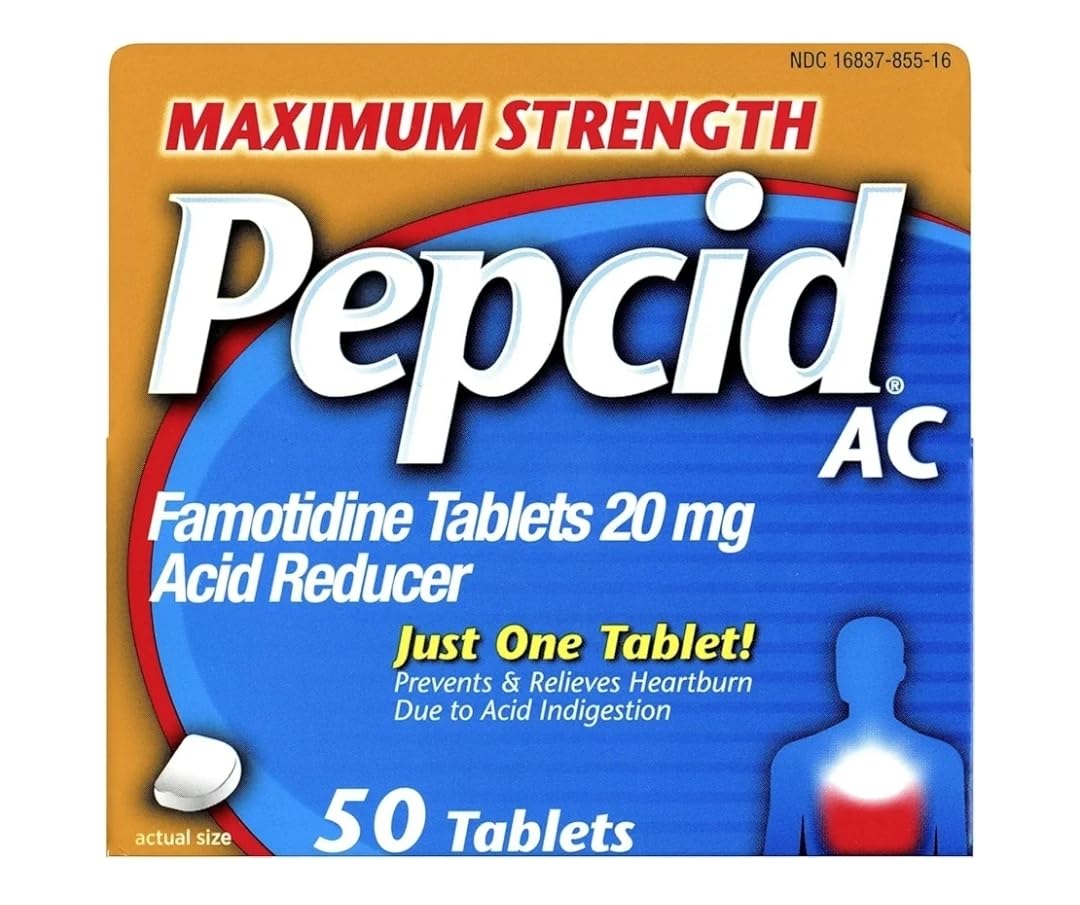
Pepcid AC is a benchmark for acid suppression, and the Maximum Strength version (20mg famotidine) is a go-to for many dealing with ulcer-related hyperacidity. Unlike neutralizers that provide instant but short-lived relief, famotidine works by blocking histamine receptors in the stomach, reducing acid output for up to 12 hours. This extended action gives the ulcer a longer period without harsh acid exposure, which is ideal for overnight relief or preventing daytime burn.
The 100-count pack offers excellent value for a medication that is often used on an as-needed basis or as part of a routine. Users consistently praise it for being effective where cheaper generics fail, and its easy-to-swallow tablets make dosing simple even during a painful episode.
Be cautious: using Pepcid AC alongside a prescribed PPI (like omeprazole) can be redundant and may increase the risk of side effects. Always verify your current medication stack with a healthcare provider. The maximum strength dose is also not recommended for long-term continuous use without medical supervision.
Why it’s great
- Provides 12-hour acid suppression, allowing the ulcer time to heal between doses
- Concentrated 20mg per tablet means fewer doses needed per day
Good to know
- Can interact with other medications—check with a doctor before layering over a PPI
- Not designed for instant symptom relief; it takes about an hour to reach peak effect
3. Omeprazole 20mg Delayed Release (Heartland Pharma)

Omeprazole belongs to the PPI (proton pump inhibitor) class, which offers the most profound acid suppression available over the counter. This 20mg delayed-release formulation is designed for a 14-day treatment course, which aligns perfectly with standard healing timelines for gastritis and minor ulcers. By switching off the stomach’s acid pumps, it creates an environment where the ulcer can heal with minimal irritation.
The 42-count pack provides three full 14-day courses, making it a practical and cost-effective choice for those who cycle on and off PPIs as recommended by their doctor. Users report it works just as well as expensive name-brand versions, offering reliable symptom control for persistent heartburn and indigestion linked to ulcer activity.
The primary drawback is the delayed-release design—pills must be taken on an empty stomach 30-60 minutes before a meal for optimal absorption, which is less flexible than an instant neutralizer. Additionally, some users report the blister packaging is difficult to open, which can be a nuisance for those with reduced hand strength.
Why it’s great
- Powerful PPI reduces acid production for a full 24 hours with one daily dose
- Three 14-day courses per box offer excellent value for long-term management
Good to know
- Requires consistent timing on an empty stomach before breakfast, not flexible dosing
- Blister packs can be frustrating to open; some users use a knife to release pills
4. Rennie Indigestion and Heartburn Relief Spearmint

Rennie stands out from basic calcium-only antacids by combining calcium carbonate with magnesium carbonate. This dual-mineral approach provides a more balanced acid neutralization—calcium precipitates acid quickly, while magnesium provides a longer-lasting neutralization effect. For ulcer patients, this can mean fewer tablets needed for the same relief, reducing total mineral intake while maintaining effectiveness.
The spearmint flavor avoids the chalky aftertaste that plagues many single-ingredient antacids, and the chewable format makes it convenient for quick relief during a meal or in the middle of the night. Many users report it works better than Tums for their heartburn and acid reflux, with a texture that crushes easily and dissolves completely.
However, as a neutralizer, Rennie is best for acute flare-ups rather than continuous acid suppression. For ulcers requiring round-the-clock acid control, a famotidine or PPI would be more appropriate. Also, note the 11-tablet daily maximum to avoid over-consuming magnesium, which can cause loose stools in sensitive individuals.
Why it’s great
- Dual mineral formula (calcium + magnesium) offers more effective neutralization per tablet
- Smooth chewable texture that dissolves without chalky residue in the mouth
Good to know
- Limit 11 tablets per day to avoid excessive magnesium intake
- Short duration of action—better for acute flare-ups than for 24-hour acid control
5. Alka-Seltzer Cool Action Heartburn Relief Gum

The gum format of Alka-Seltzer Cool Action is uniquely practical for ulcer patients who need rapid relief but want to avoid swallowing a chalky tablet or liquid. Chewing stimulates saliva production, which naturally dilutes and buffers stomach acid, while the 750mg calcium carbonate works chemically to neutralize acid on contact. The “Cool Mint” flavor leaves a fresh feeling without the bitter aftertaste common with liquid antacids.
Users consistently note that it works as fast or faster than classic Alka-Seltzer tablets, without the fizzing or chalky texture. For those who travel frequently or work in environments where swallowing pills is inconvenient, this gum format is a game-changer. The 60-count supply provides a generous amount for daily carry.
However, for ulcer patients, the calcium carbonate alone may not be enough for long-term healing—it’s a neutralizer, not a suppressor. Additionally, the per piece cost is relatively high compared to bulk tablets, making it better suited for occasional rather than daily use.
Why it’s great
- Chewing gum format provides fast relief and a fresh, non-chalky mint taste
- Convenient and portable for on-the-go ulcer symptom management
Good to know
- Neutralizer only—does not reduce acid production for extended healing windows
- Costs more per serving than standard antacid tablets or capsules
6. Graxcell Sodium Bicarbonate Tablets USP 650mg

Sodium bicarbonate is one of the most straightforward antacid mechanisms: it chemically reacts with hydrochloric acid in the stomach to produce carbon dioxide and salt, effectively neutralizing acid on contact. Graxcell delivers this in a 650mg USP-grade tablet, making it a no-frills option for rapid relief from acid indigestion and sour stomach. For a budget-conscious shopper dealing with occasional ulcer pain, this is a solid, effective choice.
The compact bottle of 100 tablets is easy to travel with, and users report reliable relief for heartburn and indigestion without any unpleasant aftertaste. The high sodium content (about 700mg per 2 tablets) can actually help with leg cramps for some users, a bonus effect worth noting.
But the high sodium load is also the main concern for ulcer patients, especially those with hypertension or kidney issues. Additionally, sodium bicarbonate’s action is very short-lived (30–60 minutes), meaning it’s not suitable for overnight relief or healing support. Users needing long-term acid control will need to look elsewhere.
Why it’s great
- Rapid chemical neutralization of stomach acid for near-instant pain relief
- Very cost-effective with a large 100-count bottle for daily carry
Good to know
- High sodium content per dose—not suitable for those with hypertension or kidney conditions
- Short duration (under 1 hour) provides only temporary relief, not extended healing support
7. Caleb Treeze Digestion Tonic (Old Amish Formula)
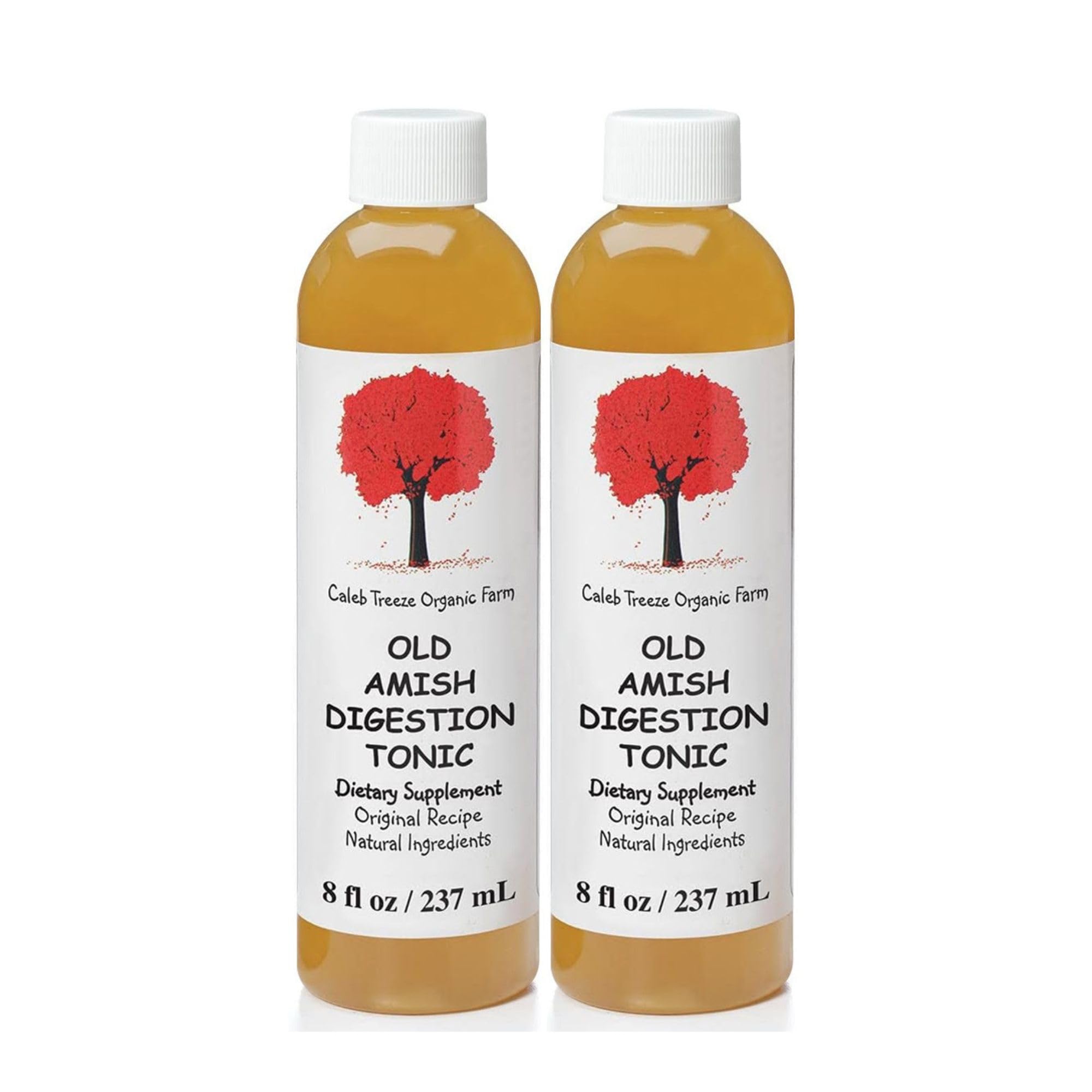
This tonic takes a fundamentally different approach: instead of neutralizing acid, it uses a blend of certified organic apple cider vinegar, ginger juice, and garlic juice to support digestive balance. The theory behind this “Old Amish Formula” is that many cases of indigestion stem from low stomach acid, and adding a small amount of acidic vinegar actually helps the stomach normalize its pH. This makes it a unique option for those who experience reflux or heartburn due to hypochlorhydria rather than excess acid.
Users with chronic reflux report it provides relief within 2 to 15 minutes, with a high success rate for nightly symptoms. The all-organic, gluten-free, salt-free ingredient list appeals to those seeking a more natural path for managing ulcer-related discomfort.
However, a vinegar-based tonic is not suitable for all ulcer types—especially active, bleeding ulcers where any acidic substance could cause further irritation. The strong vinegar taste is also a barrier for many users, and it’s not a substitute for standard acid-lowering medications in acute cases. It’s best viewed as a supportive tonic rather than a primary antacid.
Why it’s great
- Uses organic apple cider vinegar and ginger to support natural digestive balance
- Often provides rapid relief (within minutes) for persistent, chronic reflux
Good to know
- Vinegar base may irritate active bleeding ulcers—caution required
- Strong, pungent taste can be difficult to tolerate, even when diluted
FAQ
Can I take a calcium-based antacid with my prescribed omeprazole?
Is a high-sodium antacid safe to use with a stomach ulcer?
Which antacid is safest to take during pregnancy for ulcer relief?
Should I use a liquid or tablet antacid for an ulcer?
Final Thoughts: The Verdict
For most users, the antacid for stomach ulcer winner is the Nature’s Sunshine Stomach Comfort because its alginic acid barrier and herbal blend provide soothing, targeted relief without the harshness of mineral-only antacids. If you need powerful, long-lasting acid suppression for daily control, grab the Pepcid AC Max Strength. And for an affordable, rapid-acting neutralizer for occasional flare-ups, nothing beats the value of Rennie Spearmint.