
Our readers keep the lights on and the weekend projects moving. As an Amazon Associate, I earn from qualifying purchases.
Watching a movie on a TV that washes out shadows into gray, clips highlights into blown white, or introduces motion judder during panning shots kills the immersion faster than a phone notification. A true cinematic experience demands deep, uniform black levels, accurate color reproduction, smooth motion handling, and support for the full suite of HDR formats — specifications that separate a living room display from a genuine home cinema canvas.
I’m Rikta — the co-founder and writer behind FitlyFast. My deep market research involves analyzing display panel technologies, HDR format compatibility, video processor generations, and local dimming architectures across hundreds of models to isolate the sets that deliver theatrical picture fidelity in a consumer form factor.
The choice between OLED, Mini-LED, and QLED approaches dictates whether you see pixel-perfect black and infinite contrast or blooming artifacts around subtitles. This guide distills dozens of hours of spec comparison and real user feedback into a definitive ranking of the best 4k tv for movies across every meaningful price tier.
How To Choose The Best 4K TV For Movies
A premium movie-watching TV is defined not by its smart features or design, but by its ability to reproduce the director’s intent in a dark room. Panel technology — OLED versus Mini-LED versus standard QLED — is the primary decision point, followed by video processor competence, HDR format support, and motion interpolation quality. Choosing incorrectly means paying for brightness you don’t need or living with light bleed that ruins quiet scenes.
Panel Technology: OLED vs Mini-LED vs QLED
OLED panels use self-emissive pixels that turn off completely to produce absolute black, yielding infinite contrast. This makes OLED the gold standard for dark room movie watching where shadow detail in films like Blade Runner 2049 or The Batman matters. Mini-LED technology uses thousands of tiny backlight LEDs with hundreds of local dimming zones to approximate OLED-level blacks while achieving much higher peak brightness — useful for bright rooms or HDR highlights like sunlight or explosions. Standard QLED, without Mini-LED backlighting, relies on edge-lit or fewer dimming zones and cannot match the black depth of either approach. For a dedicated home cinema setup, OLED wins; for mixed-use living rooms, a high-end Mini-LED set is the pragmatic choice.
HDR Format Support: Dolby Vision and HDR10+
Dolby Vision is the most widely adopted dynamic HDR format across 4K Blu-ray discs and streaming platforms like Netflix and Disney+. It sends per-scene metadata that instructs the TV how to adjust brightness and color frame-by-frame. HDR10+ serves the same function but is less prevalent in physical media, though it appears on Amazon Prime Video. Every serious movie-oriented 4K TV should support Dolby Vision. Without it, the TV defaults to static HDR10, which applies a single tone map to the entire film and can crush shadow detail or blow out highlights. Filmmaker Mode, which disables motion smoothing and preserves the original color temperature, is a welcome bonus for purists.
Video Processor and Motion Handling
The video processor (AI engine) upscales lower-resolution content, reduces noise without smearing film grain, and handles motion interpolation without the dreaded “soap opera effect.” Sony’s XR Processor and LG’s Alpha 9 series are industry benchmarks for preserving filmic motion. A 120Hz native refresh rate is important because 24fps film divides evenly into 120Hz — the TV can display each frame five times without judder. Lower-end processors on 60Hz panels introduce visible stutter during panning shots. For movie lovers, a 120Hz panel with intelligent motion interpolation that can be fully disabled is the safest bet.
Quick Comparison
On smaller screens, swipe sideways to see the full table.
| Model | Category | Best For | Key Spec | Amazon |
|---|---|---|---|---|
| Sony 65″ OLED BRAVIA XR8B | OLED | Cinema purists & PS5 owners | XR Processor / XR OLED Motion | Amazon |
| Sony 77″ OLED BRAVIA 8 | OLED | Large-screen home theater | XR Contrast Booster 15 / 77″ | Amazon |
| Samsung 65″ OLED S90F | QD-OLED | Vibrant color & gaming hybrid | NQ4 AI Gen3 / 144Hz | Amazon |
| LG 55″ OLED evo C5 | OLED evo | Balanced mid-range OLED | Alpha 9 Gen8 / Filmmaker Mode | Amazon |
| Samsung 65″ OLED S85D | OLED | Entry-level OLED movies | Motion Xcelerator 120Hz | Amazon |
| Hisense 75″ U8 Series ULED | Mini-LED | Bright-room HDR showcase | 5000 nits / 5600 dimming zones | Amazon |
| Toshiba 55″ Z670R | Mini-LED | Value Mini-LED with bass | REGZA Engine ZRi / 144Hz | Amazon |
| TCL 65″ T7 Series | QLED | Budget gaming & movies | 144Hz / AIPQ Pro Processor | Amazon |
| Roku 65″ Plus Series | Mini-LED QLED | Smart ecosystem simplicity | Mini-LED / Dolby Vision | Amazon |
| Amazon 55″ Ember Mini-LED | Mini-LED | Fire TV & Alexa integration | 512 dimming zones / 1400 nits | Amazon |
| HAPPRUN 4K Projector | Projector | Outdoor movie nights | 3000 ANSI / Google TV | Amazon |
In‑Depth Reviews
1. Sony 65 Inch OLED BRAVIA XR8B

The Sony XR8B delivers the most filmic picture quality at its price tier thanks to the XR Processor, which intelligently enhances contrast, color, and clarity in real time without introducing artificial sharpening artifacts. The self-lit OLED pixels produce absolute black, making shadow detail in dark scenes — a torture test for any TV — look natural and noise-free. Studio-calibrated picture modes for Netflix and Prime Video mean you can trust the out-of-box settings to preserve the director’s intent.
XR OLED Motion handles 24fps film content with zero judder, a critical feature for movie purists who cannot tolerate the soap opera effect. The TV also supports Dolby Vision, Dolby Atmos, IMAX Enhanced, and DTS:X, covering every major immersive format. Exclusive PS5 integration — Auto HDR Tone Mapping and Auto Genre Picture Mode — makes it a no-brainer if you game on Sony’s console, but even without a PlayStation, the core cinema performance stands on its own.
The built-in Acoustic Surface Audio+ uses the screen itself as a speaker, delivering surprisingly directional sound that follows on-screen action. Still, a dedicated soundbar will elevate the experience further for critical listening. The Google TV interface is responsive, and the remote is minimal but functional. For dark-room movie watching, this set competes with models costing significantly more.
Why it’s great
- Reference-grade OLED blacks with zero blooming
- Best-in-class video processor for film grain and upscaling
- Studio-calibrated modes and full Dolby Vision support
Good to know
- Built-in audio is decent but not a replacement for a soundbar
- Peak brightness lower than Mini-LED for very bright rooms
2. Sony 77 Inch OLED BRAVIA 8

The 77-inch BRAVIA 8 takes everything that makes the XR8B great — pure black OLED, XR Processor intelligence, studio-calibrated modes — and scales it to a true home cinema canvas. The XR Contrast Booster 15 enhances peak brightness on small highlights, giving stars, reflections, and specular details more punch without washing out blacks. This larger panel is ideal for dedicated theater rooms where seating distance exceeds eight feet.
Sony includes five credits for high-bitrate 4K UHD movies via the Sony Pictures Core app, plus a 12-month subscription to hundreds of classics — a direct concession to film enthusiasts. The XR Triluminos Pro delivers billions of accurate real-world colors, and the Acoustic Surface Audio+ creates a soundstage that genuinely feels like it originates from the screen. For PS5 owners, the exclusive features tighten the integration between console and display.
The TV is heavy and requires two people for wall mounting. The Google TV interface, while snappy, does prompt privacy agreements during initial setup that some users find intrusive. The built-in speakers, though better than average, still benefit from an external audio system. The BRAVIA 8 is the definitive choice for buyers who want the largest premium OLED available without stepping up to the flagship Master Series.
Why it’s great
- 77-inch OLED with XR Contrast Booster for highlight detail
- Includes Sony Pictures Core with credits and subscription
- XR Triluminos Pro delivers reference color accuracy
Good to know
- Very heavy; professional installation recommended
- Google OS privacy prompts may frustrate some users
3. Samsung 65-Inch OLED S90F

Samsung’s S90F uses a QD-OLED panel that combines the infinite black levels of OLED with quantum dot color volume, producing a wider color gamut and higher peak brightness than traditional OLEDs. The NQ4 AI Gen3 processor, powered by 128 neural networks, upscales sub-4K content to near-4K resolution while preserving film grain and texture. The TV automatically transforms SDR content to HDR-like quality, breathing new life into older library titles.
Motion Xcelerator 144Hz ensures that fast-paced action sequences — and even panning shots — remain stutter-free. The panel’s anti-reflective coating is effective but requires careful cleaning to avoid damage. Samsung’s Tizen smart platform is feature-rich but cluttered with promotional content on the home screen, a common complaint among users who prefer a cleaner interface. The remote is solar-powered and minimal.
The S90F does not support Dolby Vision, relying instead on HDR10+ as its dynamic HDR format. For movie libraries dominated by 4K Blu-ray discs, which overwhelmingly use Dolby Vision, this is a meaningful omission. For streaming on Prime Video and gaming at up to 4K 144Hz, the S90F is phenomenal. The QD-OLED panel is genuinely impressive, but Dolby Vision’s absence prevents it from earning the top cinema recommendation.
Why it’s great
- QD-OLED delivers richer color volume and higher brightness than standard OLED
- 128-neural-network AI upsacling preserves fine detail
- 144Hz refresh rate for tear-free gaming and smooth motion
Good to know
- No Dolby Vision support — uses HDR10+ instead
- Delicate anti-reflective coating requires careful handling
4. LG 55-inch OLED evo C5

LG’s C-series has long been the benchmark for mid-range OLED performance, and the C5 continues that legacy with the Alpha 9 AI Processor Gen8, which personalizes picture settings based on content type. Brightness Booster technology magnifies individual pixel luminance, making the C5 perform better in rooms with some ambient light than older OLED generations. Perfect Black and Perfect Color remain the hallmark — self-lit pixels switch off completely for absolute black, while over 8.3 million sub-pixels reproduce color with Pantone-validated accuracy.
Dolby Vision, Dolby Atmos, and Filmmaker Mode are all present, giving the C5 full cinematic format compatibility. The C5 also supports AMD FreeSync and NVIDIA G-Sync for gaming, though its primary strength is film reproduction. The webOS smart platform is fast and less cluttered than competitor operating systems, and the remote features a pointer function for easier navigation. LG’s Wow Orchestra feature lets the TV’s speakers work in tandem with a compatible LG soundbar for a wider soundstage.
The 55-inch size is best suited for viewing distances of six to eight feet. The C5’s peak brightness, while improved, still falls short of premium Mini-LED alternatives in very bright rooms. For dedicated home theater setups where lighting is controlled, the C5 delivers picture quality that rivals sets costing hundreds more. It is the sensible entry point into serious OLED cinema.
Why it’s great
- OLED evo with Brightness Booster for improved daytime viewing
- Full Dolby Vision, Dolby Atmos, and Filmmaker Mode support
- Alpha 9 Gen8 processor optimizes picture per scene
Good to know
- 55-inch size limits immersion in larger rooms
- Not as bright as high-end Mini-LED for sunlit rooms
5. Samsung 65-Inch OLED S85D

The S85D is Samsung’s most accessible OLED, offering the core benefits of self-lit pixels — perfect blacks and infinite contrast — at a significantly lower entry price than the S90F. Pantone-validated color and OLED HDR deliver a dramatic picture that immediately looks superior to edge-lit LED alternatives. The Motion Xcelerator 120Hz system handles 24fps film and 60fps streaming with minimal judder, making it a solid choice for movie enthusiasts on a tighter budget.
Object Tracking Sound Lite and Dolby Atmos provide virtual surround that works reasonably well for a flatscreen, but the built-in audio lacks the bass and clarity of higher-tier models. The Real Depth Enhancer increases foreground contrast to create a sense of dimensionality that is particularly effective in cinematic compositions. The solar-powered remote is a welcome eco-friendly touch, and the Tizen OS, while ad-supported, is responsive once you disable the promotional tiles.
The S85D shares the same Dolby Vision limitation as Samsung’s entire lineup — it uses HDR10+ instead, which means 4K Blu-ray discs mastered in Dolby Vision will play in static HDR10. For streaming, this is less of an issue since many platforms support HDR10+. The TV’s build quality is solid, but the thin OLED panel requires care during wall mounting. It is the best entry-level OLED for pure movie watching under controlled lighting.
Why it’s great
- Infinite OLED contrast at a budget-friendly entry point
- Pantone-validated color for accurate skin tones
- Real Depth Enhancer adds dimensionality to film
Good to know
- No Dolby Vision — uses HDR10+ dynamic metadata
- Built-in sound lacks bass and clarity for critical listening
6. Hisense 75″ U8 Series ULED Mini-LED
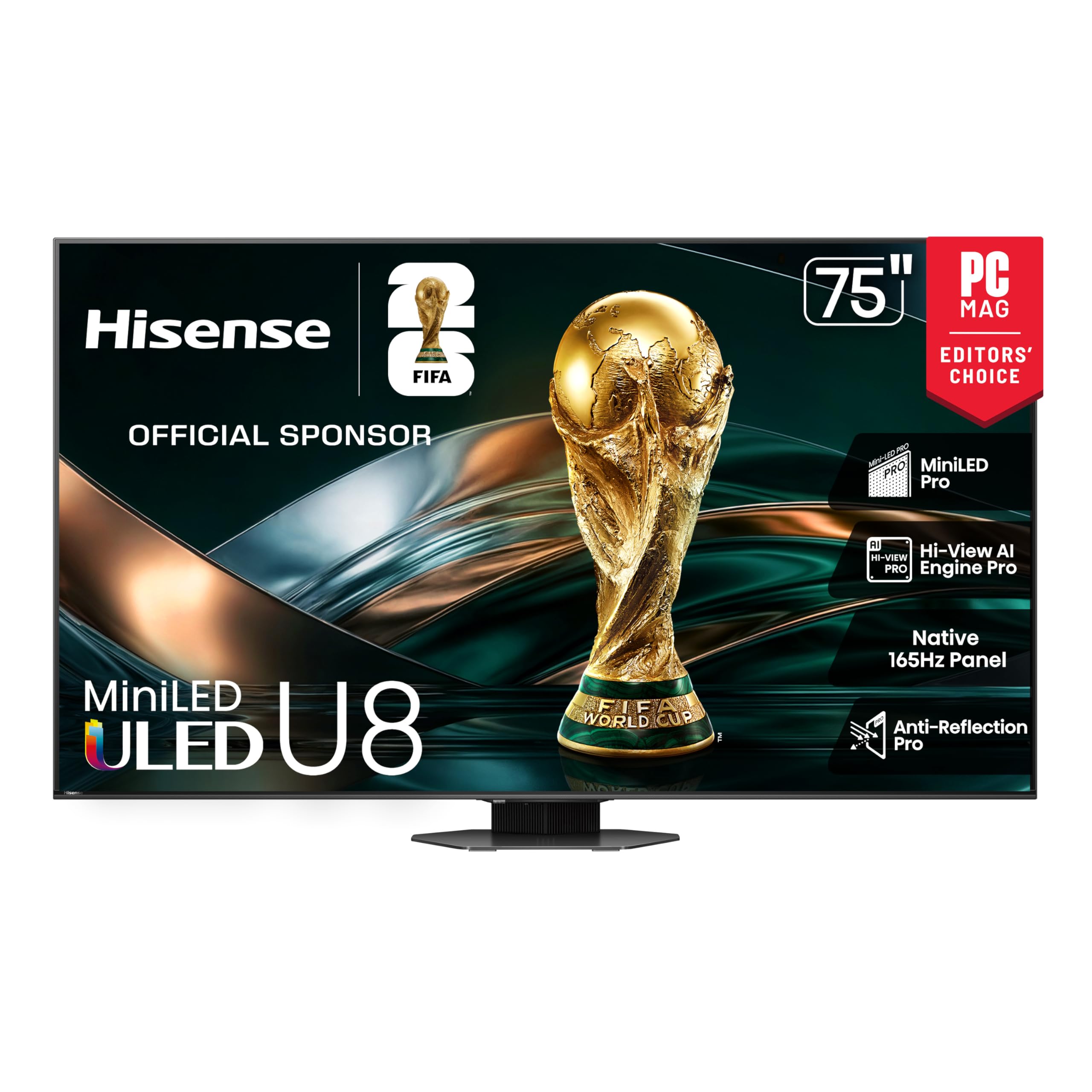
The Hisense U8 series is a Mini-LED beast: up to 5,000 nits peak brightness and 5,600 local dimming zones on the 75-inch model. This combination produces HDR highlights that are genuinely blinding — specular reflections on water, sunlight through leaves, and explosion flashes look as intense as real life. The Hi-View AI Engine Pro optimizes picture and sound automatically, and the panel supports Dolby Vision IQ, HDR10+ Adaptive, and IMAX Enhanced, making it the most format-complete Mini-LED on this list.
The native 165Hz panel with VRR up to 288Hz is overkill for movies but ensures zero motion artifacts regardless of source. The built-in 4.1.2-channel Dolby Atmos system with two up-firing speakers creates a genuinely immersive soundstage that can reduce reliance on an external soundbar, especially for casual viewing. Filmmaker Mode preserves original aspect ratio, frame rate, color, and audio for purists who want to bypass processing entirely.
The Achilles’ heel is software reliability. A subset of users report the Google TV interface freezing or requiring factory resets after firmware updates. Hisense support has been inconsistent in resolving these issues. If you can tolerate occasional smart platform hiccups, the raw hardware — brightness, zone count, color volume — is unmatched at its price. For bright-room movie watching where OLED cannot compete, the U8 is the clear leader.
Why it’s great
- 5,000 nits peak brightness and 5,600 dimming zones for extreme HDR
- 4.1.2-channel Dolby Atmos audio built-in
- Dolby Vision IQ, HDR10+, and IMAX Enhanced support
Good to know
- Google TV platform can be unreliable with occasional freezes
- Heavy and requires sturdy furniture or professional mount
7. Toshiba 55″ Z670R Mini-LED
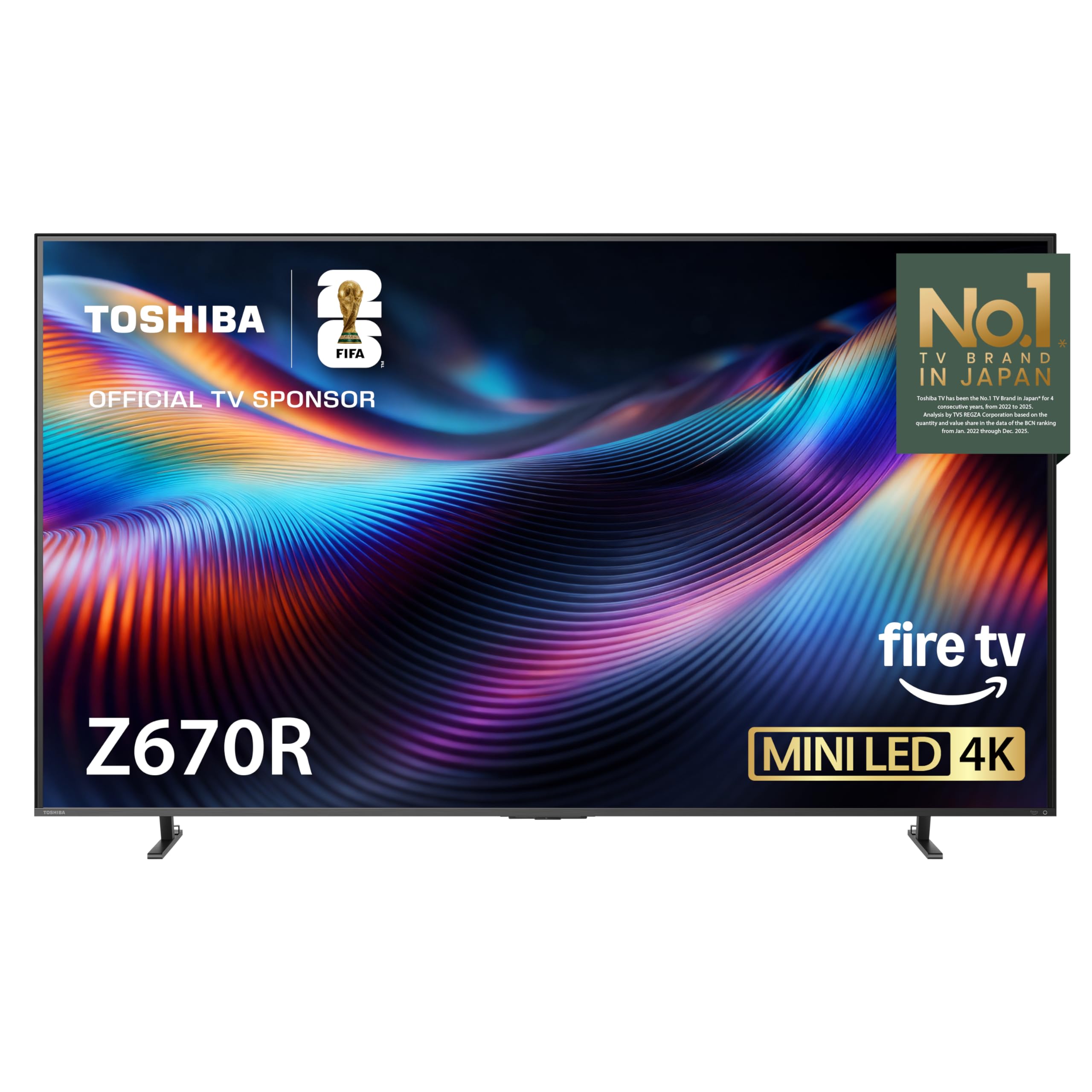
Toshiba’s Z670R brings Mini-LED technology with Full Array Local Dimming to a more accessible price point. The REGZA Engine ZRi Gen3, fine-tuned in Japan, applies AI-driven picture and sound optimization scene by scene. The combination of Mini-LED precision and QLED quantum dot color delivers deeper blacks and brighter highlights than any standard QLED can achieve, with minimal blooming around subtitles and on-screen graphics.
The REGZA Power Audio Pro system includes a dedicated bass woofer that produces genuinely room-shaking low end — surprising for a flatscreen TV. Dolby Vision IQ and HDR10+ Adaptive adjust picture based on both content and ambient room lighting, keeping the image accurate regardless of time of day. The native 144Hz panel with AMD FreeSync Premium and VRR 144Hz makes it suitable for gaming, but the primary strength for movie watchers is the balanced picture that avoids over-saturating colors.
The Fire TV interface is responsive and integrates deeply with Alexa, but the home screen does feature sponsored content. The 55-inch size is best for smaller rooms or medium-distance setups. Some users report that the TV’s auto-sleep timer resets after firmware updates. For the price, the Z670R offers Mini-LED performance — including a real subwoofer — that significantly outperforms similarly priced standard QLEDs.
Why it’s great
- Mini-LED with real bass woofer for cinematic audio
- REGZA Engine ZRi AI optimization per scene
- Dolby Vision IQ and HDR10+ Adaptive for dynamic tone mapping
Good to know
- Fire TV interface includes sponsored content
- Auto-sleep timer setting may reset after firmware updates
8. TCL 65″ T7 Series QLED
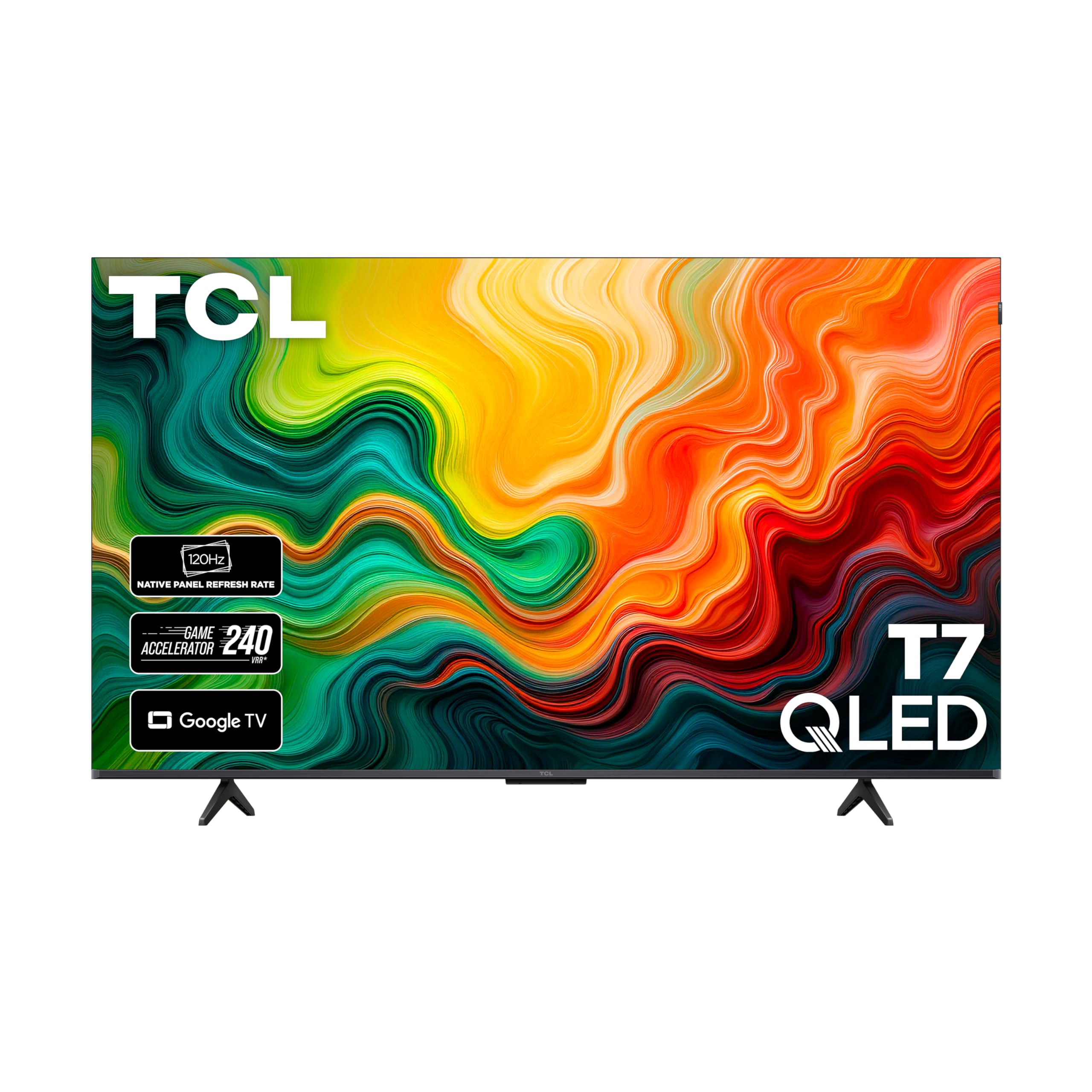
The TCL T7 series delivers 4K QLED color with a native 144Hz panel at a price that undercuts most Mini-LED alternatives. The TCL AIPQ Pro Processor optimizes color, contrast, and clarity, and the Motion Rate 480 with MEMC frame insertion provides smooth motion without the soap opera effect when properly configured. For action movies and sports, this panel holds up well against more expensive sets.
Dolby Atmos audio, Google TV with built-in Chromecast, and Apple AirPlay 2 provide comprehensive connectivity. The FullView 360 metal bezel-less design with height-adjustable feet offers flexibility in placement, especially if you plan to use a soundbar. The 65-inch size fills a standard living room wall well, and the 144Hz refresh rate ensures that even fast-paced 4K Blu-ray transfers look fluid.
The T7 lacks local dimming — it uses standard QLED edge lighting — so black levels in dark scenes show visible grayish bloom around bright objects. This is the trade-off for the price. The Google TV interface requires an internet connection during initial setup before HDMI inputs become accessible. For buyers prioritizing a high refresh rate and QLED color over absolute black depth, the T7 is a strong mid-range contender.
Why it’s great
- 144Hz native refresh for fluid action and sports
- QLED quantum dot color covers DCI-P3 space
- Bezel-less design with adjustable height feet
Good to know
- No local dimming — black levels show bloom in dark rooms
- Google TV requires internet during initial setup
9. Roku 65″ Plus Series Mini-LED QLED
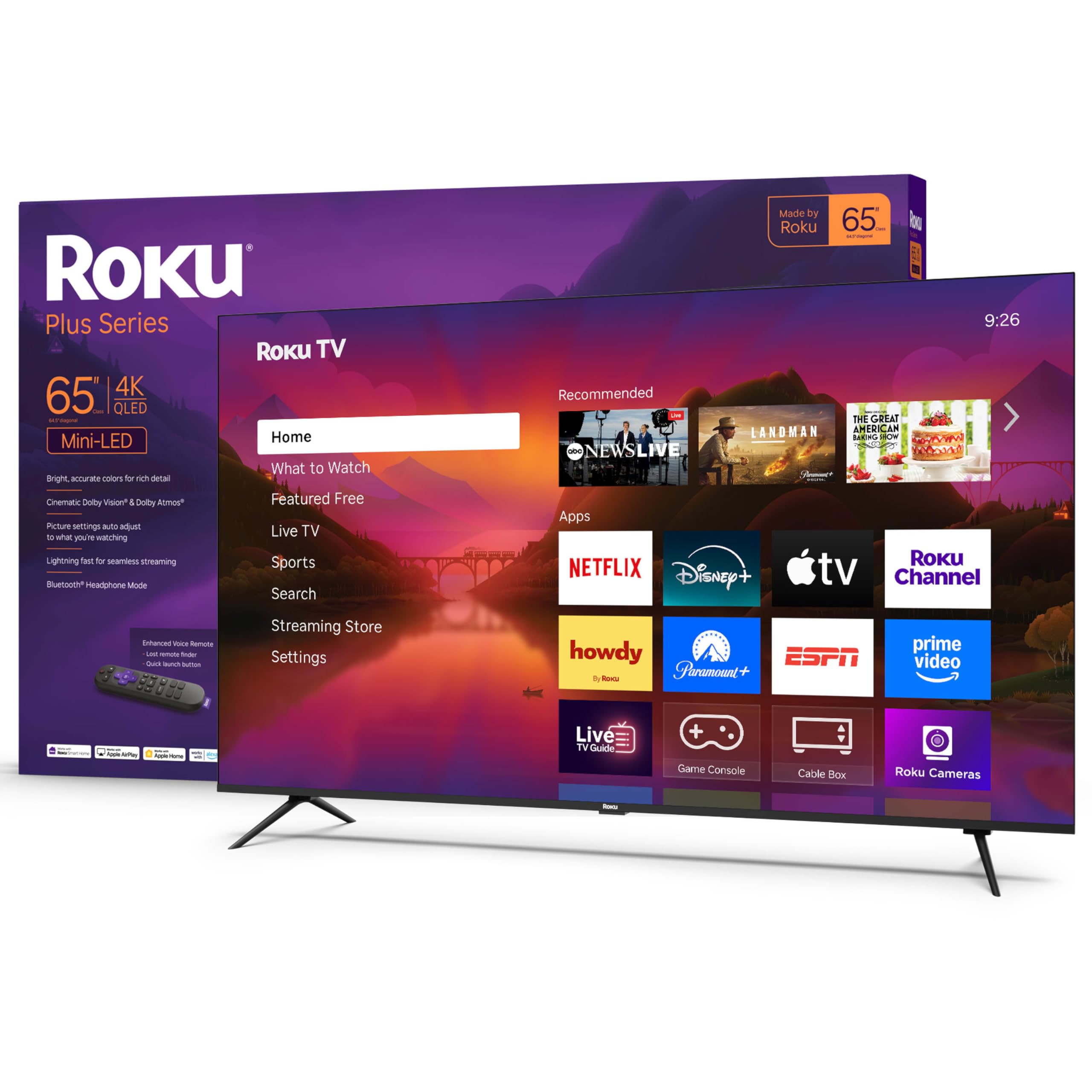
The Roku Plus Series combines Mini-LED backlighting with QLED quantum dot color and Dolby Vision at a price that competes with standard QLEDs. The picture quality is a genuine step above entry-level sets: Mini-LED precision reduces blooming significantly around subtitles and letterbox bars, while Dolby Vision unlocks dynamic metadata for streaming and disc-based HDR content. The AI-powered Roku Smart Picture Max feature cleans up incoming signals and refines color and sharpness automatically without over-processing.
The built-in audio includes a subwoofer for cinematic bass and Dolby Atmos support, delivering a soundstage that is noticeably fuller than typical TV speakers. Bluetooth Headphone Mode lets you listen privately without waking others — a practical feature for late-night viewing. The Roku OS is widely regarded as the most intuitive, fastest, and least cluttered smart platform, with automatic updates and 500+ free channels available out of the box. The enhanced voice remote includes a lost remote finder.
The 65-inch panel is not as bright as premium Mini-LED competitors, so very bright rooms may require moderate light control. The metal feet provide stable support, but the TV does not include a USB port — only USB-C. The Roku ecosystem’s simplicity and focus on content discovery make this the best choice for households where ease of use is as important as picture quality.
Why it’s great
- Mini-LED + QLED + Dolby Vision at a value price
- Roku OS is fast, intuitive, and ad-light
- Built-in subwoofer and Bluetooth Headphone Mode
Good to know
- Peak brightness lower than premium Mini-LED sets
- No standard USB port — only USB-C
10. Amazon 55″ Ember Mini-LED Series
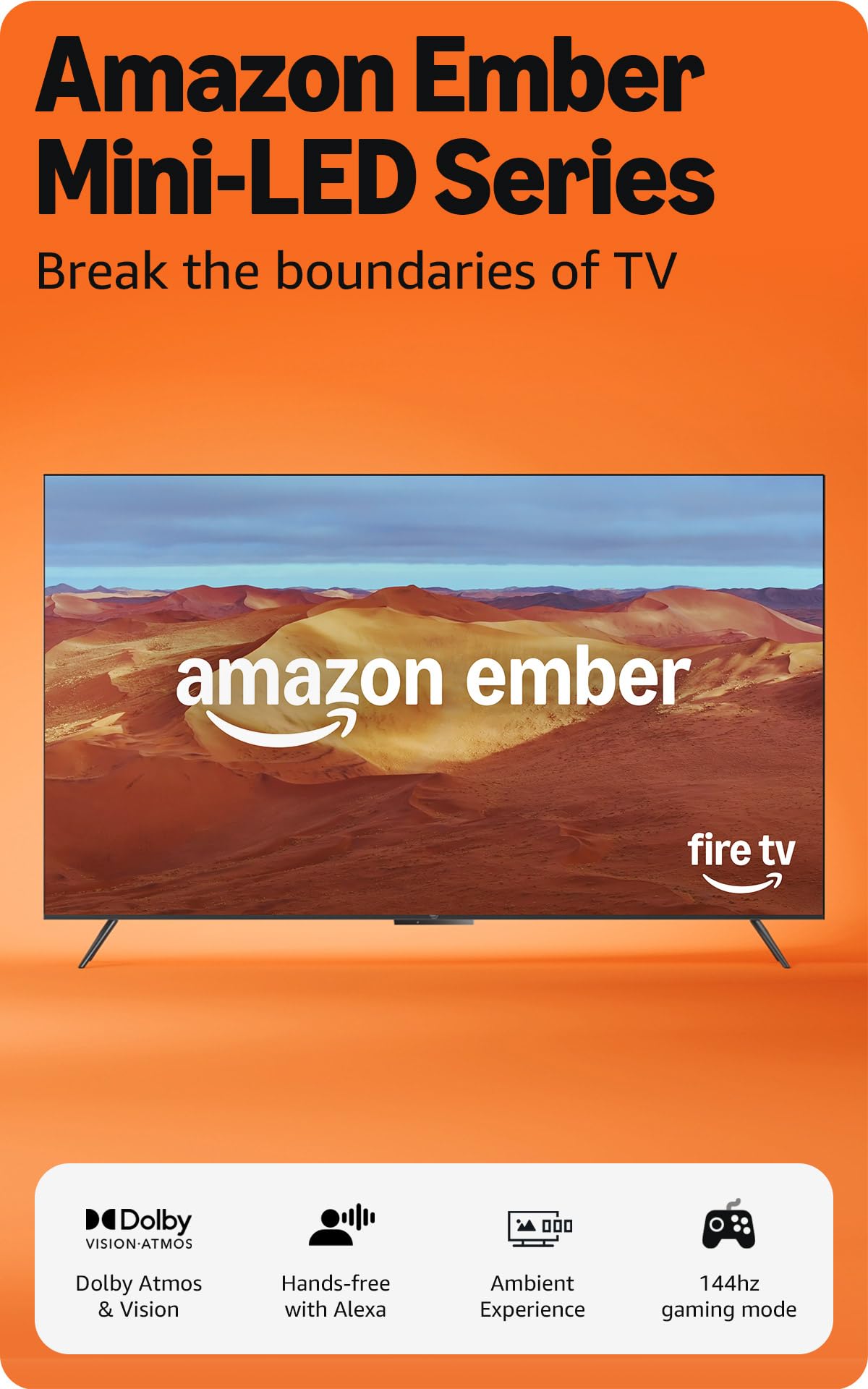
The Amazon Ember Mini-LED Series brings 512 local dimming zones and up to 1,400 nits peak brightness — numbers that put it in the same brightness territory as TVs costing substantially more. The QLED Mini-LED display with Dolby Vision IQ and HDR10+ Adaptive produces over a billion colors with contrast approaching OLED levels in many scenes. Fire TV Intelligent Picture uses a powerful processor to fine-tune the image scene by scene and adjusts for ambient room lighting.
The 2.1 Dolby Atmos audio includes a built-in subwoofer, and the TV features hands-free Alexa with Omnisense technology that wakes the display when you enter the room. The new Fire TV experience (2026 release) is faster and more organized than previous Fire TV iterations, though sponsored content still appears on the home screen. The AMD FreeSync Premium Pro certification with 144Hz VRR makes it the best Mini-LED for gaming among budget models.
The Ember’s Achilles’ heel is software: some users report that menus can become slow after extended use, requiring a restart. The value proposition is strong — 512 zones, 1,400 nits, and Dolby Vision IQ at a price that undercuts most Mini-LED competitors. For Prime subscribers already invested in the Alexa ecosystem, the tight integration with smart home devices, Blink cameras, and Alexa routines gives the Ember a unique convenience advantage.
Why it’s great
- 512 dimming zones and 1,400 nits for impressive HDR
- Hands-free Alexa with Omnisense wake sensors
- 144Hz AMD FreeSync Premium Pro for gaming
Good to know
- Fire TV interface includes sponsored content
- Menu speed can degrade and require restart over time
11. HAPPRUN 3000 ANSI Projector
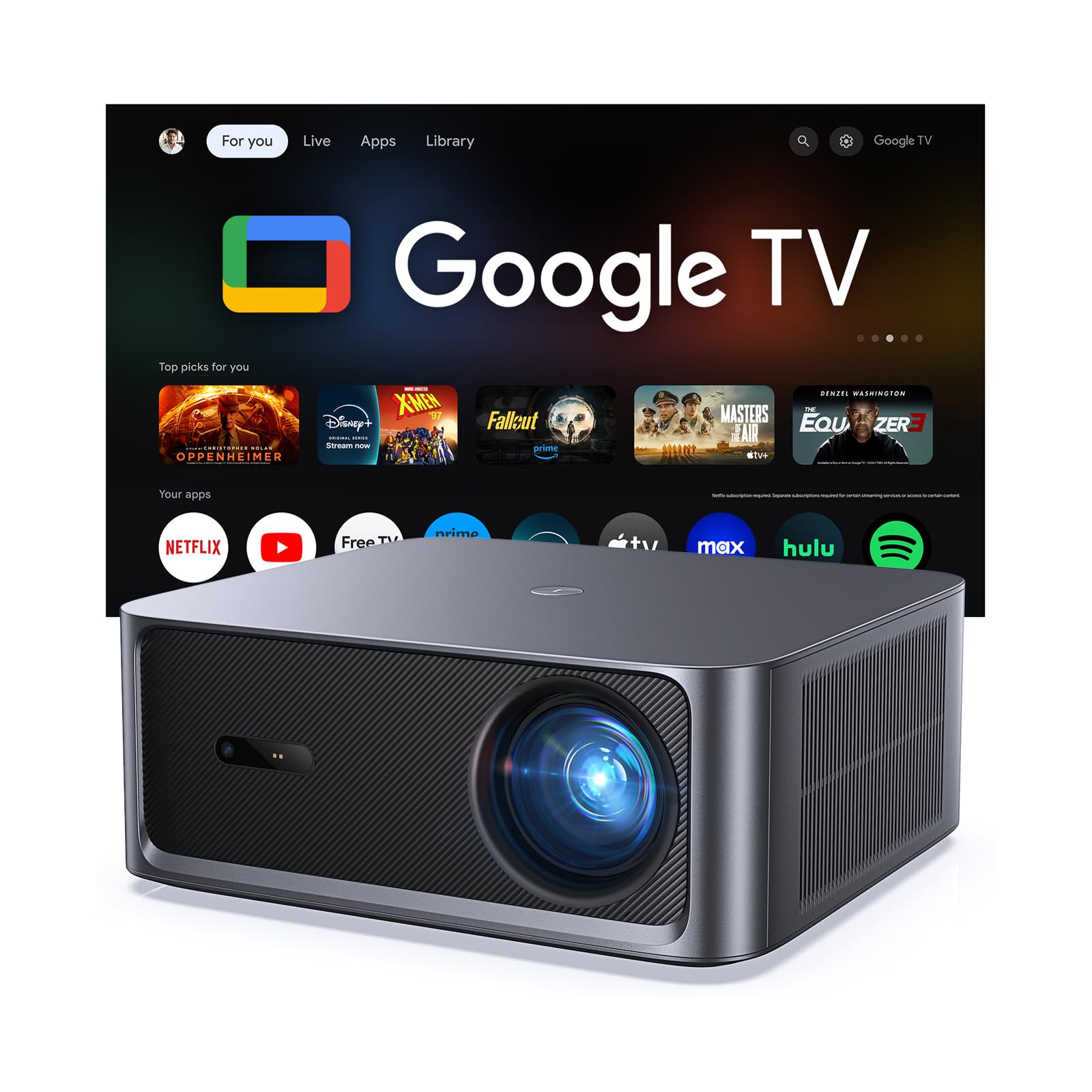
The HAPPRUN projector serves a very different movie-watching niche — the outdoor or flexible indoor cinema where a fixed TV cannot go. Its 3,000 ANSI lumens deliver a bright, clear image even with some ambient light, and the built-in Google TV platform natively supports Netflix, Prime Video, and Disney+ without requiring an external streaming stick. The 4K decoding support with HDR10+ provides sharp detail and solid contrast for a projector in this price range.
Auto focus and 6D auto keystone correction make setup almost instant: the projector adjusts automatically after startup whether placed on a table, mounted on the ceiling, or set to the side. The dual 10W speakers with Dolby Audio produce decent room-filling sound, though connecting an external Bluetooth speaker via Bluetooth 5.2 is recommended for fuller audio. The up to 300-inch giant screen capability creates a genuinely cinematic field of view that even the largest TVs cannot match.
The native resolution is 1920×1080 pixels, not true 4K — the projector accepts 4K input and downscales. In practice, most viewers find the image sharp enough at normal seating distances, but pixel structure is visible on very large screens. The fan noise is noticeable but not intrusive during movie playback. For backyard movie nights, camping trips, or flexible indoor setups where a TV is impractical, the HAPPRUN offers exceptional value and convenience.
Why it’s great
- Built-in Google TV with native streaming app support
- 3000 ANSI lumens for usable brightness in ambient light
- Auto focus and 6D keystone for instant setup
Good to know
- Native 1080p resolution — not true 4K
- Fan noise audible during quiet scenes
FAQ
Is OLED or Mini-LED better for watching movies in a dark room?
Why does my movie look like a soap opera and how do I fix it?
Final Thoughts: The Verdict
For most users, the best 4k tv for movies winner is the Sony 65 Inch OLED BRAVIA XR8B because its XR Processor delivers the most filmic picture quality with perfect blacks, studio-calibrated modes, and full Dolby Vision support at a price that undercuts premium competitors. If you need extreme brightness for a bright living room, grab the Hisense 75″ U8 Series Mini-LED. And for a large-screen dedicated home theater setup, nothing beats the Sony 77 Inch OLED BRAVIA 8.