
Our readers keep the lights on and the weekend projects moving. As an Amazon Associate, I earn from qualifying purchases.
Specs are compiled from manufacturer listings and verified buyer reviews and can change over time — please confirm the key details on the product page before buying.
If you garden in Zone 7, your winters dip to near zero, and that kills off half the shrubs at the garden center. The bushes that earn their spot here shrug off those cold snaps, then put on a show from spring through fall. We sized up nine proven performers for that exact climate, judging each on winter hardiness, bloom power, and how they survive the mail-order journey to your yard.
I’m Rikta — the founder and writer behind FitlyFast. This guide is built by comparing the manufacturers’ published specifications and the patterns across verified customer reviews, so you get each pick’s real strengths and trade-offs instead of marketing spin.
These picks tolerate zone 7 cold, but please note the hardiness ranges vary — a few run warmer or cooler than the exact zone, and we flag that in each review. Find the best bushes for zone 7 that will anchor your landscape for years.
Our Picks at a Glance


How To Choose The Best Bushes For Zone 7
Zone 7 sits right where many popular shrubs hit their cold limit. A plant rated for zone 8 will often die back to the roots in a hard winter, while a zone 5 shrub treats your winter as a mild vacation. Before you buy, check the hardiness range on the tag — you want the zone 7 number to sit comfortably inside that range, with a little margin on the cold side.
Match Mature Size to Your Space
A shrub’s tag lists its full-grown height and width, not its size on delivery day. That tiny 1-gallon pot might become a 10-foot giant, which is wonderful for privacy and a disaster under a window. Picture the plant at maturity and give it room to breathe — most of these need several feet of clearance.
Decide Between Evergreen Color and Seasonal Drama
You can have green leaves and bird berries all winter, or you can have a bush that drops its leaves, goes dormant, then explodes with spring blooms or fall color. The real question is if you want structure in January or a firework show in October — and you can absolutely plant one of each.
Quick Comparison
| Model | Best For | Hardiness Zones | Mature Height | Signature Feature | Amazon |
|---|---|---|---|---|---|
| Winter Red Winterberry★ Best Overall | Winter color & birds | 3-8 | 8-10 ft | Bright red winter berries | Amazon |
| Obsession NandinaBest Value | Year-round foliage color | 6-10 | 48 inches | Seasonal red leaf color | Amazon |
| Coral Drift RoseTop Performer | Low groundcover color | 4-11 | 1-2 ft | Continuous spring-fall blooms | Amazon |
| Bridal Wreath Spirea | Spring white blooms | 4-9 | — | Cascading double white flowers | Amazon |
| Pugster Amethyst Buddleia | Butterflies & hummingbirds | 5-10 | 24 inches | Purple blooms all summer | Amazon |
| Blue Chiffon Rose of Sharon | Tall late-summer privacy | 5-9 | 96-144 inches | Blue blooms spring-fall | Amazon |
| Pretty Lady Floribunda Rose | Fragrant cut flowers | 5-10 | 4 ft | Continual fragrant blooms | Amazon |
| Vanilla Strawberry Hydrangea | Multi-color fall show | 3-8 | 7 ft | Cream-to-red cone blooms | Amazon |
| Bloomerang Dark Purple Lilac | Reblooming spring-to-fall color | 3-8 | 4-7 ft | Fragrant purple reblooms | Amazon |
In‑Depth Reviews
1. Ilex verticillata ‘Winter Red’ (Winterberry) Shrub
Our pick — over 4.5★ from 500+ verified ratings; the strongest balance of quality and price.
This winter-hardy shrub turns a bare January yard into a feast for songbirds with its bright red berries.
This winterberry keeps its bright red berries long after other shrubs drop their leaves. It matures to 8-10 ft tall and wide, and in fall and winter it loads up with bright red berries that songbirds will strip over the season. Reaching a mature height of 10 feet — and with a hardiness range of zone 3 to 8 — it is among the most cold-tolerant picks here, so Zone 7 winters are a non-issue.
What wins people over is the health of the plant on arrival. Owners describe it as delivered moist and full, arriving about two feet tall with glossy green leaves and red berries already on the branches — with one buyer calling it better than what local nurseries had on hand. It arrives in a #3 Size Container, fully rooted in the soil, ready to plant the same day if the weather cooperates.
There is a real catch worth knowing: this holly is female and needs a male pollinator nearby to set those berries. Plant it beside a Blue Prince holly and you will get the winter show; plant it alone and the berries will be sparse. One owner noted this winterberry showed no winter damage where a Nellie Stevens holly struggled, which speaks to its toughness.
What Thrills Owners
- Arrives healthy and bushy with berries already showing
- Hardy down to zone 3, so Zone 7 cold is easy
- Mature 10-foot size fills a privacy gap fast
Know Before You Plant
- Needs a separate male pollinator to produce berries
- Grows to 10 feet — too large for tight foundation spots
Plant it for: winter interest and birds, in a spot where a 10-foot shrub has room to spread.
Think twice if: you cannot add a male pollinator nearby, or you need something that stays small.
2. Southern Living 2 Gal. Obsession Nandina Shrub
This nandina shifts leaf color through the seasons, ending in a bright red show with minimal care.
This nandina is all about leaf color that changes through the seasons, eventually reaching a vibrant red. It tops out at 48 inches tall, making it a neat mid-size option for beds and borders. Rated for zones 6 to 10, it sits right at the edge of Zone 7 — your winters are within its range, though it is the warmest-rating shrub on this list at its cold limit.
Buyers praise how healthy the plants arrive — one described them as “Delivered moist & happy just like it was in a nursery!” The foliage earns the most mentions by far — well over a hundred owners single it out — with many noting the color shows up within a few weeks. The plant is low maintenance: water twice per week until established, then ease back to once per week.
The trade-off is honest to state: this is a slow-growing, non-flowering shrub, and a few owners found the delivered size on the small side. It also drops its leaves in winter, so do not expect it to hold green through January. What you get instead is dependable, easy color for the warmer months.
Why It Earns Its Spot
- Striking red foliage color that develops quickly
- Compact 48-inch height suits small beds
- Thrives on minimal care after establishment
The Honest Trade-Offs
- Slow grower — patience required for full size
- Loses leaves in winter and never flowers
Reach for this if: you want a tidy, low-care color plant for a mid-size bed.
Look elsewhere if: you expect evergreen winter coverage or a fast-growing screen.
3. Perfect Plants Coral Drift Rose Bush, 1 Gallon
This low-spreading rose blooms continuously from spring to fall and tolerates beginner mistakes.
This drift rose hugs the ground — mature height is just 1-2 ft with a 2-3 ft spread — making it a natural for mulch beds, walkway edges, and patio fronts. It blooms continuously from spring to fall with blushing coral petals, and it ships with an easy-to-use rose food included. Rated for zones 4 to 11, it is both drought tolerant and winter hardy, so Zone 7 sits comfortably in the middle of its range.
The look wins people over: glossy green leaves and quick blooming are the top praise, with many reporting the plant arrived already flowering and kept going after planting. As buyers report, it “Arrived in great condition, only a few broken bits which is expected in transit” — and went into the ground without skipping a beat, pushing new blooms almost immediately.
The honest caveat is size. This is a 1-gallon plant, and a few owners noted it looks less substantial than a 3-gallon version they had bought before. One buyer’s drift rose arrived withered rather than thriving. Unlike the roomier picks above, this one is a smaller start that rewards a season of patience.
Best for: new gardeners who want a forgiving, low-spreading rose that covers ground with color.
Fair warning: it ships small — expect a modest start that fills in over the first year.
4. Perfect Plants Bridal Wreath Spirea Shrub, 1 Gallon
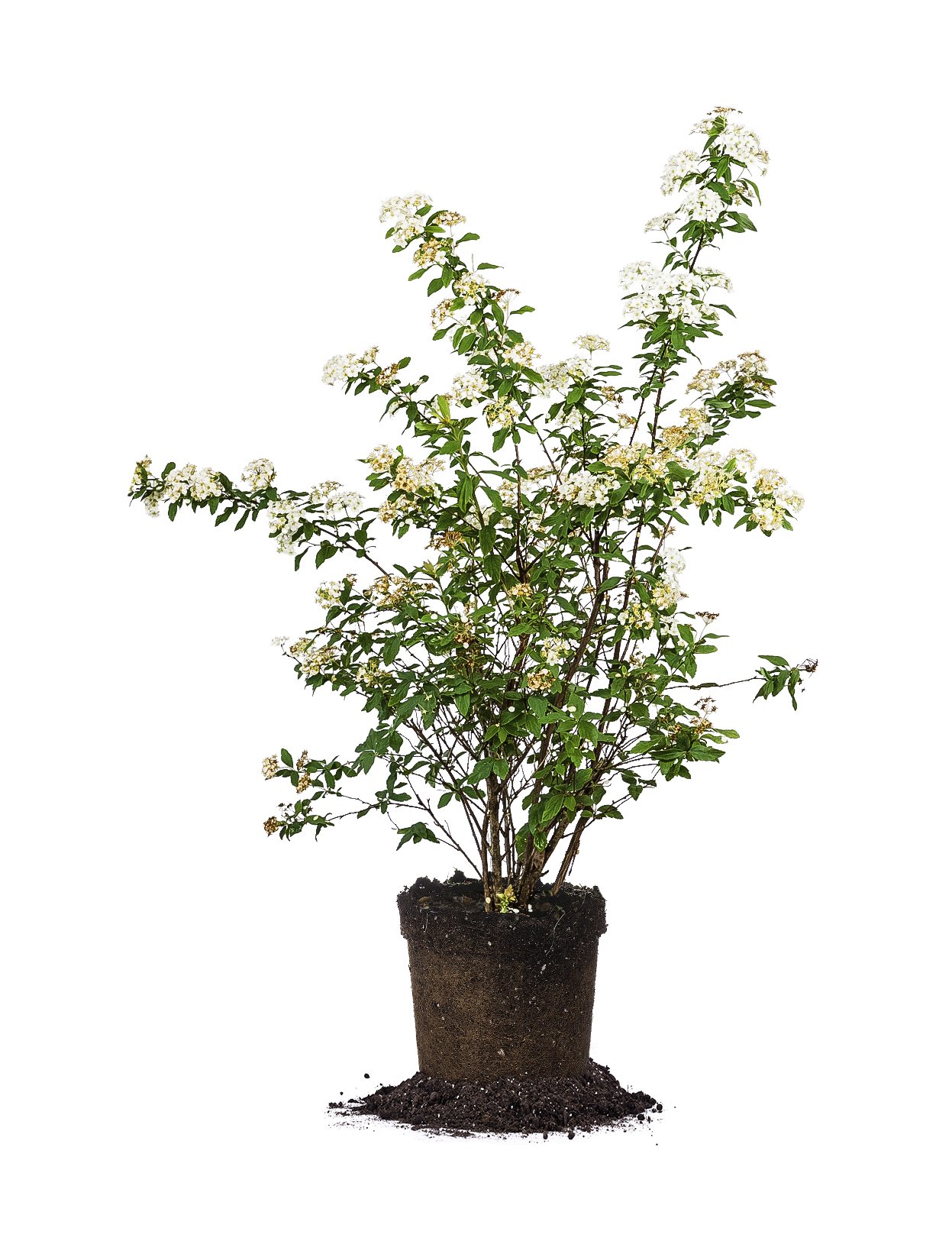
This cascading spirea produces masses of white flowers in spring and resists deer browsing.
In spring, this spirea produces masses of double white flowers along arching branches — a classic bridal wreath display. It then trades green summer foliage for red and orange fall color before the leaves drop. Rated for zones 4 to 9, it is thoroughly comfortable in Zone 7. It also resists powdery mildew, root rot, and fire blight, and a light pruning after bloom keeps it tidy.
Owners are consistently impressed with how the shrub arrives — healthy, large, and well packaged, with one noting it never lost a leaf or wilted on the journey. The plant tolerates a variety of planting sites, works as a privacy hedge or foundation shrub, and naturally deters deer while still drawing in butterflies and bees.
One buyer’s dog crashed into the young shrub and broke a branch, and the plant kept growing without missing a beat — a good sign of sturdy roots. The manufacturer backs it with a 15-day warranty, which is worth remembering if you are ordering early or late in the season.
Choose it for: a low-care, deer-resistant shrub with a big spring bloom and fall color.
Keep in mind: it is a 5-pound, 1-gallon start, so give it a season to reach show-size.
5. 2 Gal. Pugster Amethyst Buddleia Shrub

This compact butterfly bush offers purple blooms from spring to summer, attracting pollinators.
Buddleia is famous for drawing butterflies and hummingbirds, and this Pugster Amethyst version delivers those purple blooms from spring through summer. Its tidy 24-inch mature height makes it the most compact butterfly bush here, so it fits small borders and patio containers without overtaking the bed. Rated for zones 5 to 10, it sails through Zone 7 winters.
Buyers describe the plant as larger than expected and ready to bloom, with buds already present on arrival. One owner left it in the original pot on a deck through a brutal heat wave and watched the bumblebees work it constantly. It is deciduous, so expect it to lose its leaves over winter — that is normal, not a problem.
Shipping can be the wildcard with this one. Because it goes dormant when ordered mid-fall to mid-spring, some deliveries arrive wilted and need extra patience to bounce back — a couple of owners had plants that looked rough on arrival. The healthy ones, though, settle in and grow steadily.
What Stands Out
- Compact 24-inch size suits small gardens
- Purple blooms from spring to summer draw pollinators
- Hardy through zone 5 winters
The Shipping Factor
- May arrive wilted when shipped dormant
- Deciduous — bare branches in winter
Grab this if: you want pollinator action in a small footprint.
skip it if: you need a bush that stays green through the winter months.
6. Proven Winners 2 Gal. Blue Chiffon Rose of Sharon

This tall Rose of Sharon provides blue blooms from spring to fall and grows up to 12 feet for screening.
If you need height, this Rose of Sharon delivers — it matures to a striking 96-144 inches tall with a 48-72 inch spread. It blooms spring through fall with soft blue, chiffon-like flowers, and it works in containers, landscapes, or as a tall accent. Rated for zones 5 to 9, it is a strong fit for Zone 7 and even shrugs off colder winters.
Its vigorous appearance wins consistent praise — owners describe gorgeous, healthy plants loaded with buds, with one noting a first bloom just a day after planting for Mother’s Day. It ships dormant in winter through early spring, and plants are trimmed at times before shipping to promote healthy growth. The recommended spacing is generous at 96-144 inches, so give it room.
The mixed reality here is delivery condition. Many arrive sturdy and perfect, but a fair number of owners mention plants that suffered in shipping — some arrived nearly dying, and one noted most blooms fell off right from the start after getting too hot. It is deciduous, so winter brings bare branches, and it thrives in full sun to part shade.
Why It Impresses
- Giant 96-144 inch height for real privacy
- Blue blooms last from spring through fall
- Handles zone 5-9 with ease
Be Ready For
- Shipment condition varies — some arrive stressed
- Requires lots of horizontal room (up to 12 feet)
Pick it for: a tall, long-blooming screen in a sunny, spacious spot.
Pass if: you cannot give it full sun or room to reach its full height.
7. Heirloom Floribunda Pretty Lady Rose
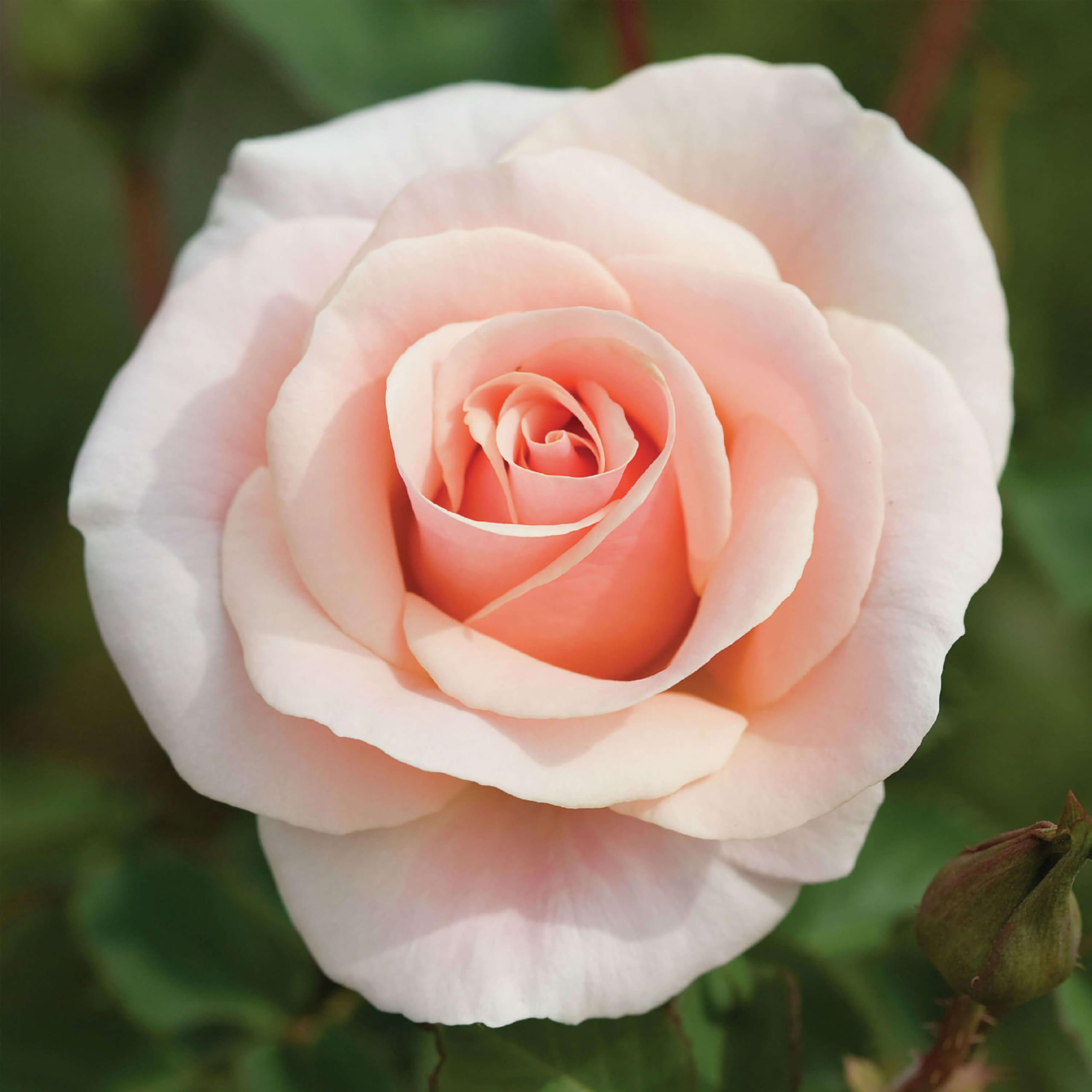
This fragrant rose blooms continually and can flower within a month of planting.
This own-root rose means the roots, stems, and flowers all come from the same variety — which produces more blooms over time. It matures to about 4 feet tall, blooms continually through the growing season, and carries a light fragrance. Rated for zones 5 to 10, it is entirely at home in Zone 7. Plants arrive 12-15 inches tall in a 1-gallon container, partially defoliated for shipping health.
What impresses owners is the growth speed. One reported their rose arrived small but healthy, then grew so fast that within a few months it was covered in beautiful blooms. Another watched theirs bloom within a month of planting and climb a 7-foot trellis. The fragrance earns steady praise, and one reviewer noted it flowers all year in their climate.
The caution: durability splits opinion. While many customers note thriving plants, a few saw theirs die within two weeks of planting despite following the instructions — suggesting occasional bad units slip through. The seller’s response to issues earned praise, with one buyer noting a replacement was offered quickly.
Worth it for: rose lovers who want fast growth, fragrance, and nonstop summer blooms.
Know this: a small share of deliveries fail — the seller stands behind it with a 30-day Amazon warranty.
8. Blooming & Beautiful Vanilla Strawberry Hydrangea, 3 Gallon

The hydrangea that shifts from creamy white to pink to strawberry red as the season cools.
This is the rare shrub that changes color on its own. Its enormous cone-shaped blooms open creamy white, mature to pink, then deepen to strawberry red in late summer and fall as temperatures drop. It grows upright — reaching a maximum of 7 feet tall and 5 feet wide — then cascades in the fall. Hardy in zones 3 to 8, it is deeply comfortable in Zone 7.
Arrival quality is the theme here. Owners repeatedly describe healthy, full plants that looked better than the same shrubs bought from local nurseries. The blooms last a long time, and the extended bloom time is a listed special feature. This is a 13-pound, 3-gallon plant, so it arrives with more size than the smaller pots on this list.
One real limitation: the nursery will not ship to AK, AZ, CA, CO, HI, ID, MT, NM, NV, OR, UT, WA, or WY — those orders are automatically cancelled. This is a deciduous shrub, so it drops its leaves in winter and returns with new growth each spring.
Buy it for: a long-lived, multi-color fall centerpiece with a big 7-foot presence.
Note the restriction: unavailable to a long list of western states, so check yours before ordering.
9. Proven Winners Bloomerang Dark Purple Lilac

The lilac that refuses to quit — dark purple blooms from spring, then again from midsummer to frost.
Most lilacs bloom once and call it a year. This one reblooms: it puts on a showy spring display, then keeps producing fragrant dark purple flowers from mid-summer all the way to frost. It matures to 4-7 ft tall with a 4-6 ft spread, and it is hardy in zones 3 to 8 — so Zone 7 is right in its comfort zone. It arrives in a #3 Size, 3-gallon container, fully rooted and ready to plant.
Owners rave about the size and health. One described it arriving “larger than I expected and nice and full and bushy,” already covered in blooms. The fragrance earns steady praise, as does the plant’s neat, rounded shape that needs little fuss. These plants also clean themselves, dropping spent petals to keep the garden tidy.
The one adjustment: this lilac will be dormant — bare of leaves — from late fall through winter, which is normal and not a sign of trouble. It needs well-drained soil and partial shade to full sun, and it benefits from some winter protection in colder spots. It is an easy-care choice for those who want the classic lilac scent twice in one season.
The Big Wins
- Reblooms spring through fall, not just once
- Arrives large, full, and often already blooming
- Automatic petal drop keeps the garden neat
Simple Adjustments
- Goes completely dormant in winter
- Best with some winter protection in cold years
Plant this if: you want the lilac fragrance and color for more than a single spring moment.
Accept that: it stands bare through winter — plan around that with evergreens nearby.
Understanding the Specs
Hardiness Zone Range
This is the single number that decides whether a bush survives your winter. A range like “zones 4-9” means the plant handles cold down to zone 4 and heat up to zone 9. For Zone 7, look for a range that includes 7 with breathing room on the cold side — the lower number should be 7 or below, ideally by a zone or two.
Mature Height and Spread
The tag lists how big the shrub gets at full maturity, not its delivery-day size. A bush that matures to 10 feet will overwhelm a small foundation bed, while a 24-inch plant disappears in a large border. Always picture the mature measurement in your space before you dig the hole.
Evergreen vs. Deciduous
Evergreen shrubs hold their leaves all winter, giving you year-round structure. Deciduous ones drop their leaves, go dormant, and return in spring — often with a bigger bloom payoff. Neither is better; they just serve different winter goals, so many Zone 7 gardeners plant a mix of both.
Container Size at Delivery
The size container a plant ships in — 1 gallon, 2 gallon, or 3 gallon — tells you how mature the root system is. Bigger containers usually mean a more established plant that fills in faster, though they cost more and weigh more. A 1-gallon start is the budget-friendly choice that needs a season of patience.
FAQ
What does hardiness zone 7 mean for my bushes?
Can I plant these bushes any time of year?
How much water do newly planted bushes need?
How big is a 1-gallon plant compared to a 3-gallon plant?
Why did my mail-order bush arrive without leaves?
Do I need two bushes for the winterberry to produce berries?
Which of these bushes attract butterflies and hummingbirds?
Are any of these bushes deer resistant?
How much sunlight do these bushes need?
Can I grow these bushes in containers on a patio?
Final Thoughts: The Verdict
For the majority of shoppers, the bushes for zone 7 winner is the Winter Red Winterberry because it brings winter color and bird life when the rest of the yard is bare — and it is hardy far beyond your Zone 7 needs. If you want easy, year-round foliage color in a compact 48-inch package, grab the Obsession Nandina. And for a fragrant shrub that blooms twice in one season, the Bloomerang Dark Purple Lilac is the one to reach for. The crowd favorite on this list would be the winterberry — it holds one of the highest ratings here, backed by a large base of happy owners who rave about healthy, berry-loaded arrivals.
How We Picked
We do not accept paid placement. Every pick is matched to a real buyer and a real use-case; we do not hands-on test units.
Sources & Methodology
Specifications: manufacturer listings and product documentation. Review insights: verified customer reviews, as of August 2026. Pricing: not shown on this page (it changes often); check the current price via the retailer link.
As an Amazon Associate, FitlyFast earns from qualifying purchases. This does not affect which products we feature.