
Our readers keep the lights on and the weekend projects moving. As an Amazon Associate, I earn from qualifying purchases.
Specs are compiled from manufacturer listings and verified buyer reviews and can change over time — please confirm the key details on the product page before buying.
You never have to charge corded headphones, and you get the full sound the artist mixed, not a compressed wireless version. Your choice hinges on three trade-offs: closed-back for noise blocking, open-back for a wide soundstage, and driver size for bass and detail. This guide explains what matters for your desk, your studio, or your next gaming marathon.
I’m Rikta — the founder and writer behind FitlyFast. This guide is built by comparing the manufacturers’ published specifications and the patterns across verified customer reviews, so you get each pick’s real strengths and trade-offs instead of marketing spin.
Your music and calls deserve more than tinny earbuds, so we have matched the best corded headphones to every budget and listening style.
Our Picks at a Glance


How To Choose The Best Corded Headphones
Corded headphones vary in driver size, design, and impedance, so matching them to your source and listening environment matters. Your decision depends on three things: what you’ll plug them into, if you need to block out the world, and the kind of sound you prefer. Here is a clear way to think about each.
Match the drivers to your music
The driver is the tiny speaker inside each ear cup, measured in millimeters. A bigger driver, like a 50mm one, tends to push more air — which usually means punchier bass and a fuller sound. Smaller 40mm drivers can still be extremely accurate, just with a different balance. If you love thumping low-end for rock or EDM, lean toward the larger driver sizes on this list.
Decide how much of the outside world you want to hear
Closed-back headphones have sealed ear cups that naturally block background noise, which is great for offices or recording vocals. Open-back pairs let air and sound through, which sounds more natural and spacious but means your music leaks out and you hear everything around you. Your listening environment—quiet home, noisy office, or shared space—determines whether closed-back or open-back suits you.
Quick Comparison
| Model | Best For | Driver Size | Design | Cable Type | Amazon |
|---|---|---|---|---|---|
| Audio-Technica ATH-M50X★ Best Overall | Studio monitoring & mixing | 45 mm | Closed-back | Detachable (3 cables) | Amazon |
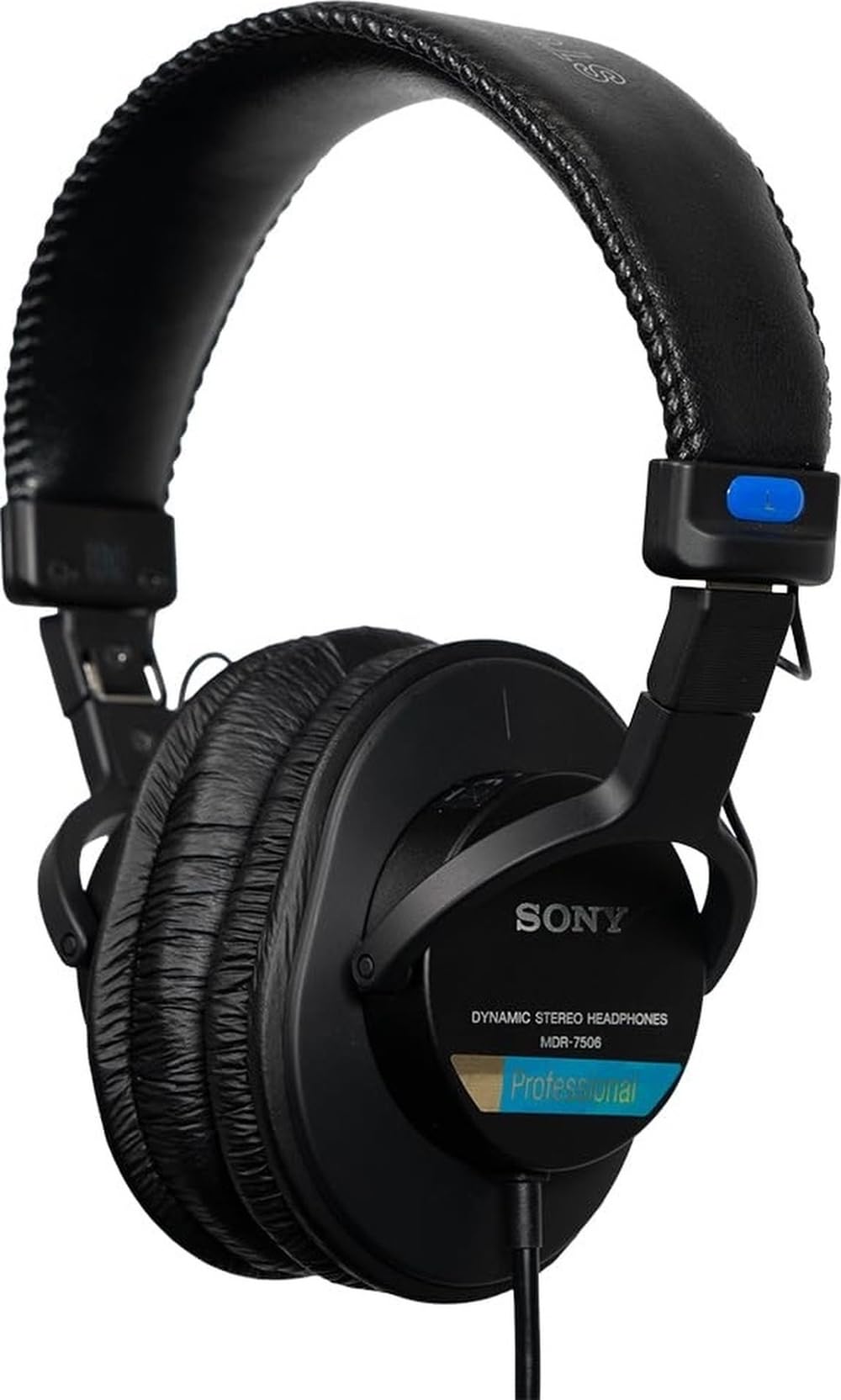
| Sony MDR7506Studio Legend | Critical listening & production | 40 mm | Closed-back | Fixed 9.8 ft | Amazon |
| beyerdynamic DT 770 Pro XPremium Pick | Professional studio work | 45 mm | Closed-back | Detachable 3M | Amazon |
| Philips SHP9500 | Open sound & all-day comfort | 50 mm | Open-back | Detachable 1.5m | Amazon |
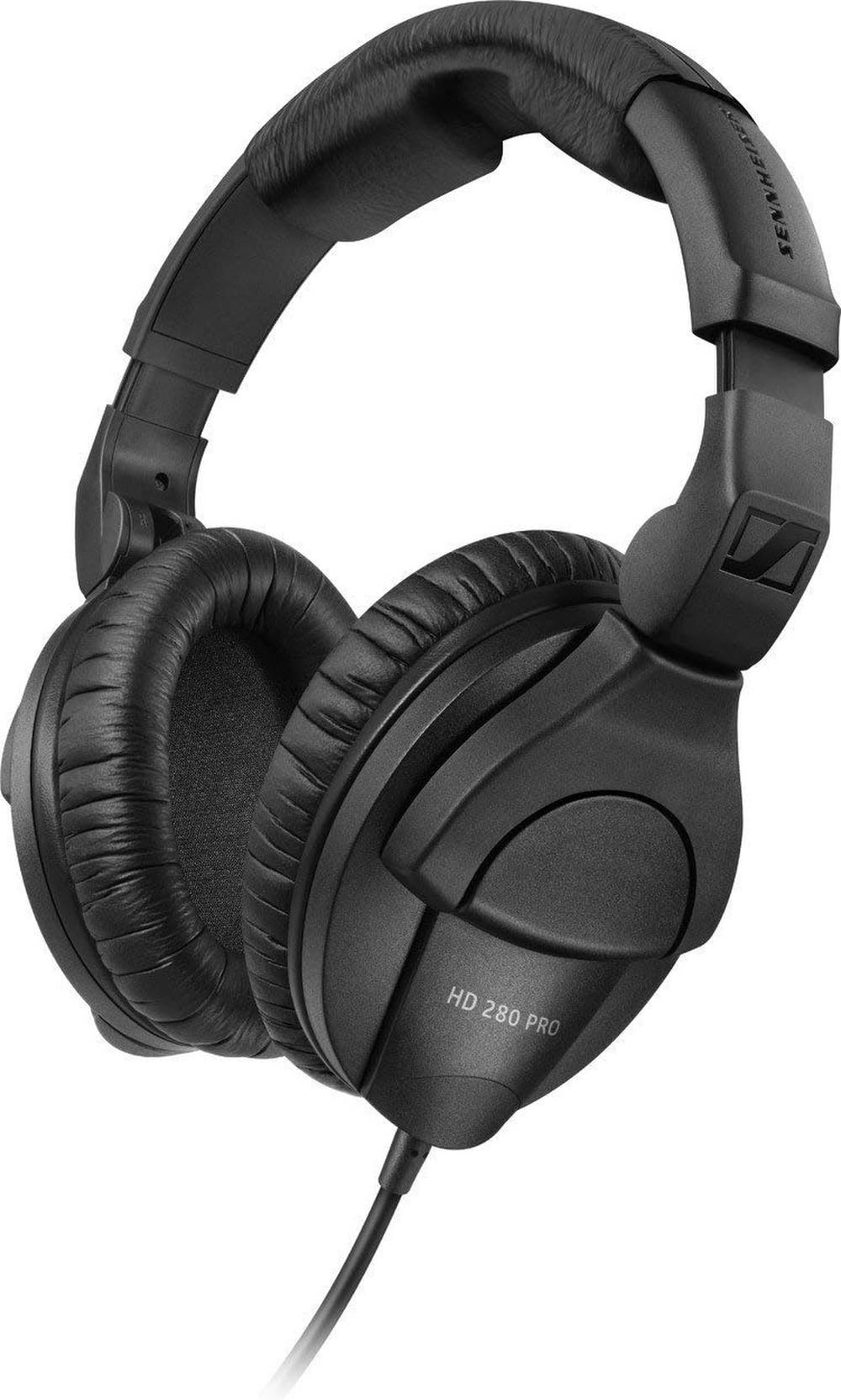
| Sennheiser HD 280 Pro | Isolation & fieldwork | — | Closed-back | Coiled | Amazon |
| AKG K240 Studio | Mixing & mastering on a budget | 30 mm XXL | Semi-open | Detachable 3M | Amazon |
| CCA C12 IEMs | Audiophiles & musicians on the move | 5BA + 1DD | In-ear monitor | Detachable 8-strand | Amazon |
| OneOdio Pro-10 | DJs & budget studio monitoring | 50 mm | Closed-back | Detachable dual jacks | Amazon |
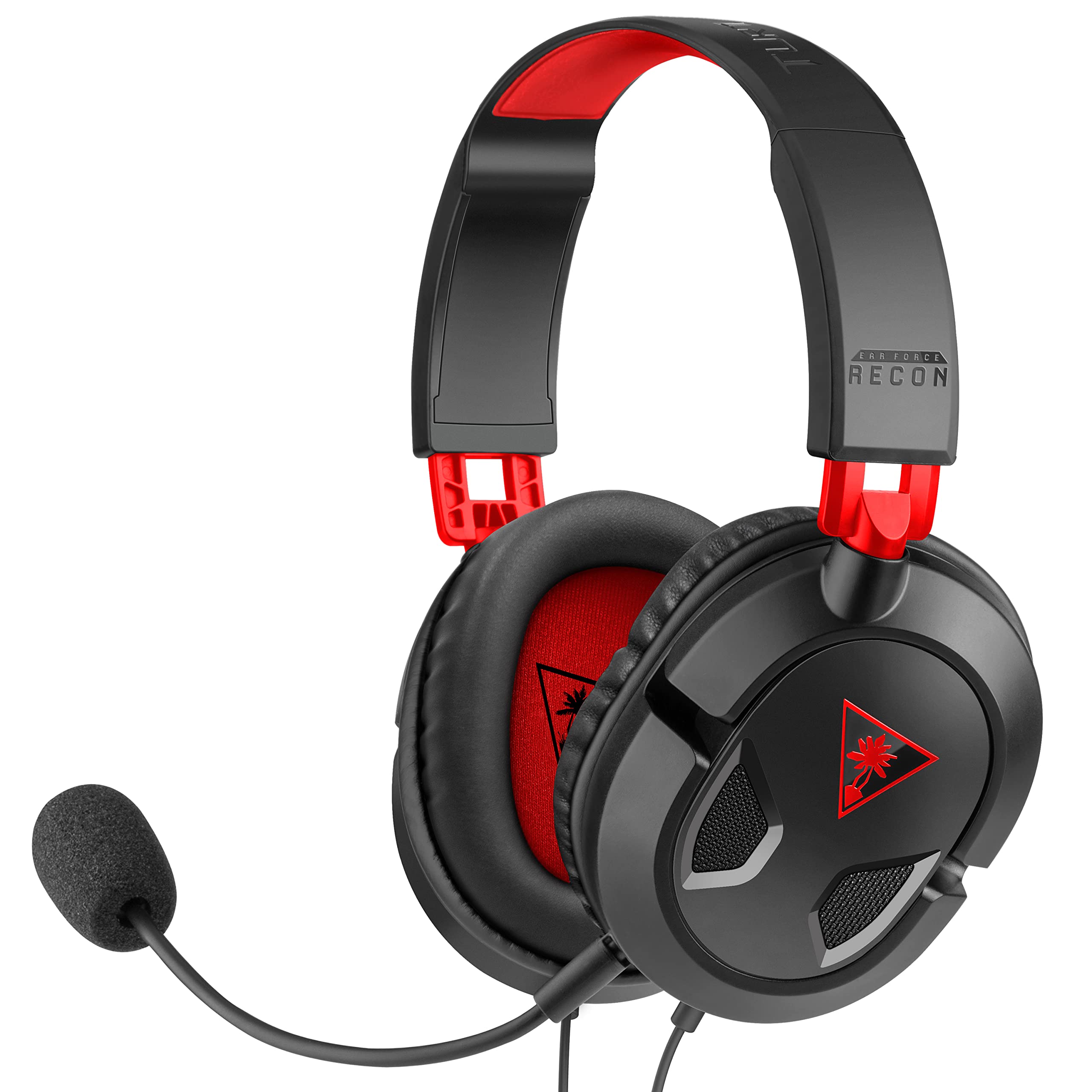
| Turtle Beach Recon 50 | Multi-platform console gaming | 40 mm | Closed-back | Fixed | Amazon |
In-Depth Reviews
1. Audio-Technica ATH-M50X
Our pick — over 4.5★ from 33,500+ verified ratings; the strongest balance of quality and price.
The studio standard that proves a single pair of wired headphones can do it all.
If you want one pair of wired headphones that handles everything from critical listening to drowning out a noisy office, this is the benchmark. The proprietary 45mm drivers use rare earth magnets and copper-clad aluminum wire voice coils, which is why the sound stays clear and detailed across the whole frequency range while keeping the bass deep and accurate. Owners consistently point to the sound quality as the standout reason to buy, and it’s easy to hear why: the presentation is balanced and true to the recording.
The build is built for real studio abuse. The ear cups swivel 90 degrees so you can monitor with one ear, and the whole headphone folds down for travel. You get three detachable cables in the box plus a 6.3mm adapter, which means you can plug into a phone, a laptop, or a mixing console without buying extra gear. Comfort is strong for long sessions, though the clamp is firm from the start and the fit gets mixed feedback — some heads find it snug, and a few note the pads don’t always stay put.
The honest trade-off is that these reward a decent source. They are detailed enough to expose low-quality files or a weak phone output, and some owners find the bass a touch light until they add a headphone amp. Even so, the neutrality here is exactly what makes it a professional favorite, and the sheer volume of happy customers backs that up. Its neutral tuning rewards better sources, so it stays relevant as your gear improves.
What wins people over
- Neutral, accurate sound with deep bass
- Three detachable cables and 6.3mm adapter included
- Foldable design with 90-degree swiveling ear cups
Who should look elsewhere
- Firm clamping force can feel tight for some heads
- Detail-hungry sound exposes weak sources
Your daily driver: This is the pick for anyone who wants one versatile, durable pair for music, mixing, and calls.
Think twice if: You have a very wide head or prefer a loose, barely-there fit.
2. Sony MDR7506
The folding workhorse that has been in recording studios for decades, still class-leading for clarity.
This is the headphone you see draped on mixing desks everywhere, and the reason is simple: the 40mm drivers with neodymium magnets deliver a remarkably honest, detailed sound. The frequency response spans 10Hz to 20kHz, so you hear the full range of your music without a fake color to the bass or treble. Buyers report that the clarity lets you pick out individual instruments in a mix, and that it handles everything from voiceovers to heavy music with equal composure.
Unlike many rivals, the MDR7506 folds up flat and comes with a soft carrying case, which makes it a genuine travel companion for producers and editors. The closed-ear design does a strong job of cutting outside noise, and the 9.8-foot cord gives you real freedom to move around a room. That cord is non-detachable, so treat it with care, but its length is a big reason studio users love it. The ear pads are replaceable, which extends the life of the headphone considerably.
Comfort is mostly praised, though the fit gets mixed notes — some heads find the clamp a little tight after a few hours. When you compare it directly to the Audio-Technica ATH-M50X above, the Sony tends to be lighter and some find it more comfortable, while the M50X offers a slightly stronger bottom end. Its reliable, clear sound and durable build have made it a studio staple for decades.
Why it endures: A neutral, detailed sound with a rugged, foldable build and a genuinely useful 9.8-foot cord.
The catch: The cord is fixed, so a damaged cable means a repair, and the clamp runs tight for some.
3. beyerdynamic DT 770 Pro X
Handmade in Germany, this closed-back monitor is built to be your lifelong studio companion.
For the professional who wants a tool that will outlast the trend cycle, the DT 770 Pro X is a serious statement. It is powered by STELLAR.45 driver technology, a 45mm driver that delivers crisp treble and controlled bass, with a frequency range stretching from 5Hz to 35,000Hz. That extended range means you hear the air and detail in a mix that cheaper headphones simply gloss over, which is exactly what you want when you are hunting for problems in a recording.
The 48-ohm impedance makes it surprisingly flexible — it is not a power-hungry monster, so it works cleanly with a laptop, an interface, or even a phone. The comfort story is strong, with soft velour ear pads and an ergonomic headband designed for hours of studio time, and owners mention wearing them all day without fatigue. Good passive isolation means you can focus in a noisy room without needing active noise cancellation.
The detachable 3-meter cable locks in with a mini-XLR connector, and a threaded adapter takes you from 1/8-inch to 1/4-inch, so you can switch between devices mid-session without losing your connection. A couple of owners note the treble can be sharp for sensitive ears, and the long stock cable can be a handful. But for critical listening and mixing, this is as good as it gets in a wired closed-back — and the replaceable parts mean it is designed to be repaired, not replaced.
Built to last: Replaceable components and German craftsmanship make this a buy-it-once investment for serious audio work.
Not for: Casual listeners who want a warm, laid-back sound rather than a revealing one.
4. Philips SHP9500

The 50mm open-back that makes your favorite records sound like a live room instead of a box.
If you have never tried an open-back headphone, this is the one to start with. The 50mm neodymium drivers deliver a full spectrum of sound, and because the ear cups are open, the music feels wide and natural — instruments have space around them in a way closed-back pairs can’t match. Owners rave about the sound quality, especially for vocals and classical music, and the value is a constant theme in the reviews.
The comfort is the other headline feature. The double-layered headband cushion and breathable ear cushions make it easy to wear all day, and the light clamping force means no squeezing on your head or your glasses. It is one of the few headphones that owners describe as simply disappearing. The 1.5-meter detachable cable gives you freedom for indoor use, and the gold-plated connector keeps the signal clean.
The trade-off is the open-back design itself. Everything leaks — your music goes out, and the room noise comes in, so it is not a choice for a shared office or public transport. The bass is also lighter than a closed-back can, since there’s no sealed chamber. But as a starter headphone for neutral sound, gaming, or just enjoying music at home, it is a genuine bargain that punches far above its weight.
Why it shines
- Wide, natural soundstage from 50mm drivers
- Feather-light clamp, comfortable with glasses
- Detachable cable and gold-plated jack
Keep in mind
- Open-back leaks sound in and out
- Bass is lighter than sealed designs
Perfect for: Home listening and gaming where you want that airy, natural open-back sound without spending a fortune.
Reconsider if: You need to block out noisy roommates or listen in public.
5. Sennheiser HD 280 Pro
The closed-back specialist that blocks up to 32dB of the world so you can focus on the work.
When you need to concentrate in a loud office or home, the HD 280 Pro blocks up to 32dB of outside noise — that is, it physically muffles sound without any battery or electronics. Owners use it to tune out TVs, phones, and office chatter, and the isolation is among the most-praised things about it. The warm, natural sound keeps it comfortable for hours of monitoring or editing.
The build is rugged and professional, with padded ear cups and a collapsible design that makes it easy to pack. Its coiled cable stretches from about 3.3 feet to 9.8 feet, which is a brilliant middle ground: short enough to stay tidy at a desk, long enough to move around. The earpads, headband padding, and audio cord are all replaceable, so this is a headphone designed for a long working life rather than the trash bin.
The recurring complaint is the clamp. It is tight from the start, and while it loosens up over time, some heads find it uncomfortable during the first days. Bass lovers should also note this is a neutral, no-boost sound — it is not the headphone for thumping hip-hop. But for fieldwork, recording, and critical listening where accuracy matters most, it is a proven professional tool.
The pro choice: Class-leading passive isolation with a repairable, rugged build that lasts for years.
Fair warning: The tight fit needs a break-in period and is not ideal for wide heads.
6. AKG K240 Studio

A semi-open classic that gives you a wide, honest soundstage for a fraction of the usual studio price.
The AKG K240 is a legend in budget studios, and its 30mm XXL transducers with patented Varimotion diaphragms are the reason. This design delivers a wide dynamic range with solid bass and extremely clear highs, and the semi-open architecture creates a soundstage that feels like a small club rather than a pair of headphones. For spoken word, podcasts, and mixing, the flat, detailed sound is exactly right.
Comfort is a genuine highlight. The self-adjusting headband and over-ear pads fit almost any head without fiddling, and the whole thing is very light — owners mention wearing it for hours without any discomfort. The detachable 3-meter cable (about 9.9 feet) is a practical bonus, as is the included screw-on 1/4-inch adapter, so it moves easily between a laptop and a mixer.
Two things to know before buying. First, it is semi-open, which means sound leaks in and out — not the choice for a live recording room or a quiet office. Second, the 55-ohm impedance wants a bit of power, so it sounds best from a headphone amp or an interface rather than a basic phone jack. For producers and critical listeners on a budget, this remains a smart, musically honest investment.
What stands out
- Flat, detailed sound perfect for mixing and podcasts
- Very light with a self-adjusting fit for long sessions
- Detachable 3-meter cable and 1/4-inch adapter
Know the limits
- Semi-open design leaks sound both ways
- Benefits from an amp for best dynamics
Ideal for: Home studio work and spoken-word listening where an accurate, uncolored sound matters more than bass thump.
Skip if: You want a bass-heavy, notable sound for pure entertainment.
7. CCA C12 In-Ear Monitors

Five balanced armatures and one dynamic driver per ear deliver studio-grade detail that fits in your pocket.
If you want the most detailed sound for the money, this in-ear monitor is a revelation. Each earpiece packs 5 balanced armatures and 1 dynamic driver — that’s six tiny drivers per side working together to produce a wide, layered soundstage. The tuning is warm and rich, with powerful bass, open mids, and extended highs that stay smooth. Owners consistently call out the crisp highs as a standout, and many say the sound beats far more expensive gear.
The detachable cable is an 8-strand, low-impedance design that keeps interference away and lets you swap in a new cable if one ever fails. The zinc alloy cover and skin-friendly resin body give it a sturdy feel, and the ergonomic shape keeps the fit secure during long listening or even a workout. For touring musicians, the detail is genuinely useful — you can hear your own mix clearly, which is the whole point of an in-ear monitor.
The catch is that the fit is everything with an in-ear. A proper seal matters more here than with most IEMs, and the stock tips don’t work for everyone — many owners swap in aftermarket foam tips to get the full bass and isolation. Without a good seal, the sound loses its impact. If you are willing to dial in the fit, the CCA C12 is an absurd amount of audio quality for the price.
The value king: Six-driver hybrid design with detailing that rivals IEMs costing several times more.
One caveat: A perfect ear seal is essential; plan on trying aftermarket tips.
8. OneOdio Pro-10

Big 50mm bass and dual jacks make this the budget headphone that DJs and gamers can actually share.
The OneOdio Pro-10 delivers powerful bass, clear vocals, and crisp highs thanks to its large 50mm speaker drivers with neodymium magnets. It’s the rare budget pair that doesn’t sound like a budget pair, and reviews are full of owners praising the sound quality and the “big sound for a small price.” It works wired-only with anything that has a 3.5mm or 6.35mm jack, from a phone to a DJ mixer to a keyboard.
Two clever features set it apart. First, the 90-degree swiveling ear cups allow single-ear DJ monitoring, so you can keep one ear on the crowd. Second, it has a shared audio port — you can plug a second pair of headphones in to share music or videos without needing a splitter. The adjustable, stretchable headband and soft padded cushions are made for long sessions, and the included dual cables cover both studio and laptop use.
The fit does get mixed feedback. Some owners find the cups on the smaller side, and the headband can feel tight during all-day wear. It’s also not the most accurate for critical mixing — the bass leans forward, which is fun for listening but not dead flat for engineering. As a versatile, affordable wired workhorse for DJs, gamers, and everyday listening, it is a hard value to beat.
What you get
- Punchy 50mm bass with balanced clarity
- Dual 3.5mm and 6.35mm detachable cables
- Shared audio port for easy music sharing
Watch out for
- Fit is snug for larger ears or longer wears
- Bass-forward sound, not dead-flat for mastering
Best for: Budget-minded DJs, streamers, and music lovers who want big sound and flexible connectivity.
Not for: Engineers who need a perfectly neutral reference for mixing.
9. Turtle Beach Recon 50
An affordable, comfortable headset that connects to nearly every console you own with one cable.
If your gaming setup spans PlayStation, Xbox, and PC, the Recon 50 is the no-fuss answer. Its 40mm speakers deliver decent gaming audio, and the included PC splitter cable means it works from the start on all those platforms, plus mobile devices. The adjustable headband and premium leatherette ear cushions keep it light and comfortable, even for players who wear glasses. It’s the kind of headset you forget you’re wearing mid-match.
The removable, adjustable microphone is a real feature: it flips up or detaches when you’re just listening, and it delivers clear chat with the people you’re gaming with. Convenient in-line controls let you adjust volume and mute the mic without fumbling through menus. Its low price and multi-platform compatibility make it the most value-praised gaming headset in reviews.
The honest limitation is volume. Several owners note that it doesn’t get very loud, even at max settings — fine for a quiet room, but a struggle if you want to drown out a loud environment. The build also feels budget-tier to some, so treat it gently. For a first gaming headset or a reliable spare, it’s a solid, comfortable pick that does the job across every platform you own.
The entry point: Multi-platform compatibility, a removable mic, and a light fit make this the ideal starter gaming headset.
Fair caveat: Maximum volume is modest, and the plastic build is best handled with care.
Understanding the Specs
Driver size (mm)
The driver is the speaker inside each ear cup, and its size in millimeters matters. A 50mm driver moves more air, which usually means bigger bass and a fuller sound. A 40mm driver can still be very accurate, just with a tighter, sometimes brighter balance. In-ear monitors skip this entirely — the CCA C12 packs 5 balanced armatures and 1 dynamic driver per side for detail instead of raw size.
Closed-back vs. open-back
This decides how much outside noise you hear and how your music sounds. Closed-back models like the beyerdynamic DT 770 Pro X seal out the room, which is great for recording vocals or focusing in an office. Open-back models like the Philips SHP9500 let air flow through, giving a wider, more natural sound but leaking audio in both directions. Semi-open, as on the AKG K240, sits in between.
Impedance (ohms)
Impedance tells you how much power the headphones need to play loud and clean. Lower numbers, like 32 or 48 ohms, work easily with a phone or laptop. Higher numbers, like 55 or 250 ohms, sound best from a headphone amp or audio interface. If you are plugging straight into a phone, check this number to avoid a quiet, thin sound.
Detachable vs. fixed cable
A detachable cable is the unsung hero of longevity. If the cable breaks, you replace just the cable instead of the whole headphone — a big win on pairs like the Audio-Technica ATH-M50X, which comes with three. A fixed cable, like the 9.8-foot cord on the Sony MDR7506, is usually more durable at the connection point but means a harder repair if it fails.
FAQ
Why choose wired headphones over wireless?
Will these headphones work with my phone?
What is the difference between the 3.5mm and 6.35mm jacks?
Do I need an amplifier for studio headphones?
What is passive noise isolation versus active noise cancellation?
Can I use studio headphones for gaming?
How long do wired headphones last?
Are bigger drivers always better?
What does “open-back” sound like compared to closed-back?
Can I use the same headset for both console and PC?
Final Thoughts: The Verdict
Across the board, the corded headphones winner is the Audio-Technica ATH-M50X because it delivers a studio-grade, neutral sound with three detachable cables and a foldable build — all in one versatile package. If you want that legendary flat, detailed studio sound at a lighter weight and a friendlier budget, grab the Sony MDR7506. And for the airy, natural open-back experience perfect for home listening and gaming, the Philips SHP9500 is the one to reach for.
How We Picked
We do not accept paid placement. Every pick is matched to a real buyer and a real use-case; we do not hands-on test units.
Sources & Methodology
Specifications: manufacturer listings and product documentation. Review insights: verified customer reviews, as of August 2026. Pricing: not shown on this page (it changes often); check the current price via the retailer link.
As an Amazon Associate, FitlyFast earns from qualifying purchases. This does not affect which products we feature.