
Our readers keep the lights on and the weekend projects moving. As an Amazon Associate, I earn from qualifying purchases.
Finding a 55-inch 4K TV under $500 that actually delivers smooth motion in sports and crisp detail in dark scenes without washing out is the real test. The budget ceiling forces hard trade-offs, but with Mini-LED and 144Hz panels now trickling into this bracket, the gap between mid-range and premium performance has never been narrower.
I’m Rikta — the co-founder and writer behind FitlyFast. I’ve spent over a decade tracking panel technology, refresh rate engineering, and HDR format wars to separate genuine value from marketing fluff in the value-tier TV market.
Buyers often assume any 55-inch TV under $500 sacrifices gaming fluidity or contrast depth, but this roundup proves otherwise. This guide will help you choose the best 55 inch tv under $500 for your living room, gaming setup, or bedroom.
How To Choose The Best 55 Inch TV Under $500
Shopping in the sub-$500 55-inch category means balancing panel type, refresh rate, HDR support, and smart platform. A mediocre choice leaves you with washed-out blacks or stuttery sports. Prioritize what matches your primary use.
Panel Technology: LED vs QLED vs Mini-LED
Standard LED-backlit LCD panels are the baseline. QLED adds a quantum dot layer for wider color volume. Mini-LED, now appearing near the $500 ceiling, uses thousands of tiny LEDs for finer dimming zones and drastically better contrast. For dark-room movie watching, Mini-LED with FALD beats standard QLED every time.
Refresh Rate and Gaming Features
Native 120Hz or 144Hz panels enable smooth motion for sports and fluid gameplay. If you own a PS5 or Xbox Series X, a 120Hz-capable set with Variable Refresh Rate (VRR) and Auto Low Latency Mode (ALLM) is a priority. Many sub-$500 TVs still ship with 60Hz panels, but the best picks in this guide offer 144Hz without exceeding the budget.
HDR Format Support
Dolby Vision and HDR10+ are dynamic HDR formats that adjust brightness scene-by-scene. Dolby Vision IQ adds ambient light sensing. Within the $500 bracket, look for at least Dolby Vision support and HDR10+ Adaptive for streaming compatibility with both major format camps.
Smart Platform and Connectivity
Roku TV offers the cleanest, fastest interface with automatic updates. Google TV and Fire TV provide deeper voice integration but can feel heavier. The number and version of HDMI ports matters — at least two HDMI 2.1 ports (for 4K120) and eARC support let you connect consoles and a soundbar without compromising.
Quick Comparison
On smaller screens, swipe sideways to see the full table.
| Model | Category | Best For | Key Spec | Amazon |
|---|---|---|---|---|
| iFFALCON 55U85 | Mini-LED Gaming | 144Hz console gaming | 4x HDMI 2.1, 144Hz Native | Amazon |
| TCL T7 Series | QLED High Refresh | Sports & high-motion clarity | 120Hz Panel, QLED, Dolby Vision | Amazon |
| Hisense E7 Cinema | Mini-LED All-Rounder | Movies & competitive gaming | 144Hz Native, Hi-QLED Mini-LED | Amazon |
| Amazon Ember Mini-LED Series | Premium Fire TV | Alexa ecosystem & high contrast | 512 Dimming Zones, 144Hz | Amazon |
| Roku Plus Series Mini-LED | Mini-LED Roku | Intuitive OS & rich contrast | Mini-LED, QLED, Dolby Vision | Amazon |
| Samsung 55M70H Mini LED | Mini-LED Samsung | Vibrant color & smart hub | Mini-LED, 4K Processor | Amazon |
| Samsung 55U8000H | Entry-Level Samsung | Everyday streaming | Crystal Processor 4K, Motion Xcelerator | Amazon |
| Roku Select Series | Value QLED | Simple streaming & voice remote | QLED, Roku TV, Voice Remote | Amazon |
| Vizio V4K55M | Budget Vizio | Basic 4K with Dolby Vision | Dolby Vision, WiFi 6 | Amazon |
In‑Depth Reviews
1. iFFALCON 55U85
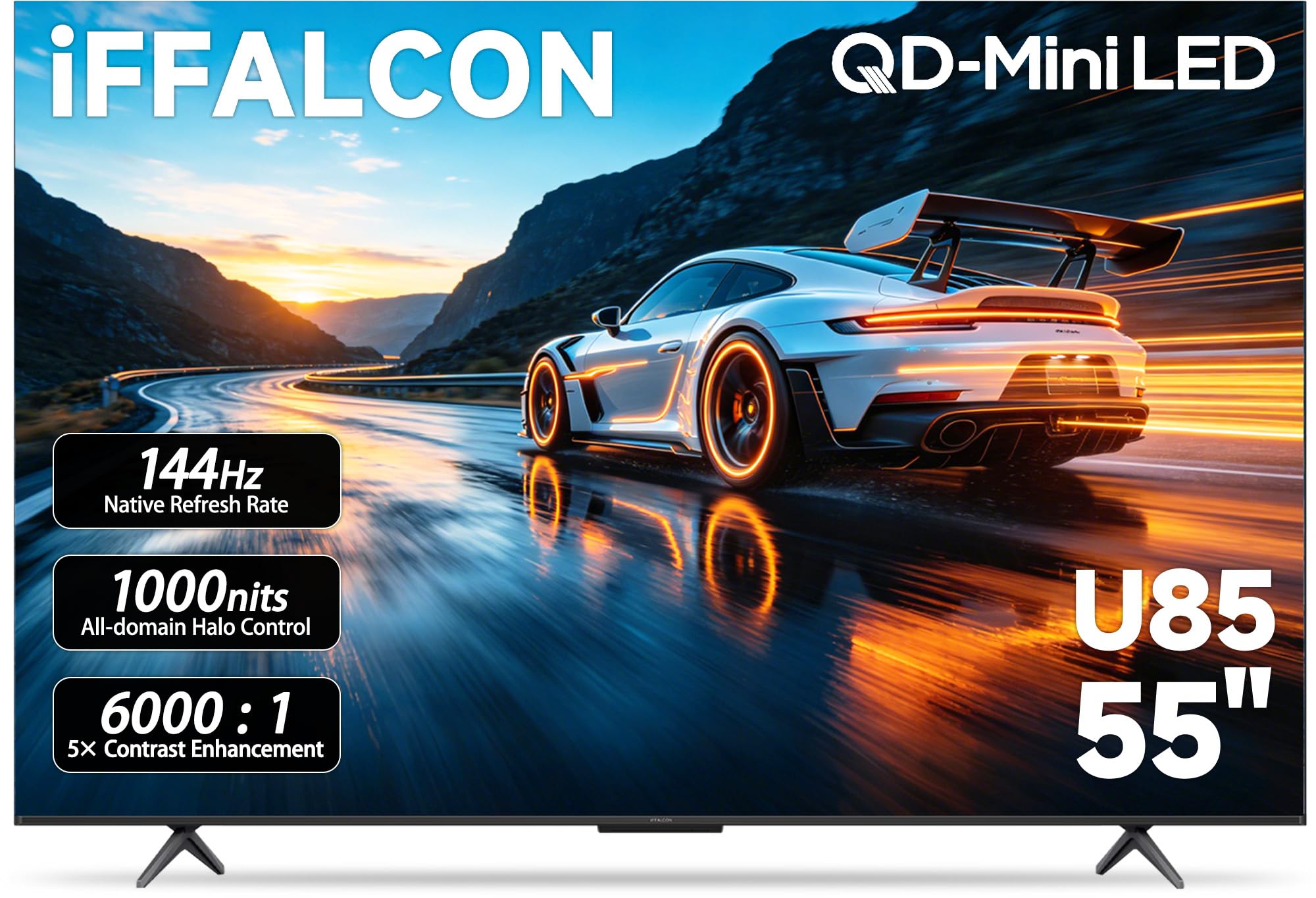
The iFFALCON 55U85 brings a native 144Hz Mini-LED panel with FreeSync Premium Pro certification and four HDMI 2.1 inputs — a spec configuration usually reserved for TVs costing nearly double. The 6,000:1 contrast ratio and up to 1,000 nits peak brightness deliver punchy HDR highlights in Dolby Vision Gaming mode without noticeable blooming. The 50W 2.1-channel audio system (with a dedicated 20W woofer) produces room-filling sound that reduces the need for an external soundbar in smaller rooms.
Gamers will immediately appreciate the 4K 144Hz VRR (expandable up to 288Hz) with Auto Low Latency Mode that activates the moment a console or PC is detected. The Google TV interface runs smoothly with no perceptible lag in app switching, and the far-field voice control makes hands-free searching effortless. The built-in hotel mode and IP/IR control add commercial versatility uncommon at this price tier.
Where the 55U85 slightly compromises is panel thickness — it’s not the ultra-slim profile some living room setups demand. The remote feels basic, and the stand could be more robust. But for pure performance-per-dollar, especially for gaming-focused buyers, this is the strongest value proposition in the sub-$500 55-inch segment.
Why it’s great
- Real 144Hz native panel with FreeSync Premium Pro for tear-free gaming
- Four HDMI 2.1 ports with eARC support for multi-console setups
- Mini-LED backlighting with 6000:1 contrast and 1000-nit peak brightness
Good to know
- Panel thickness is greater than ultra-slim competitors
- Remote feels low-quality compared to the TV’s overall build
2. TCL T7 Series
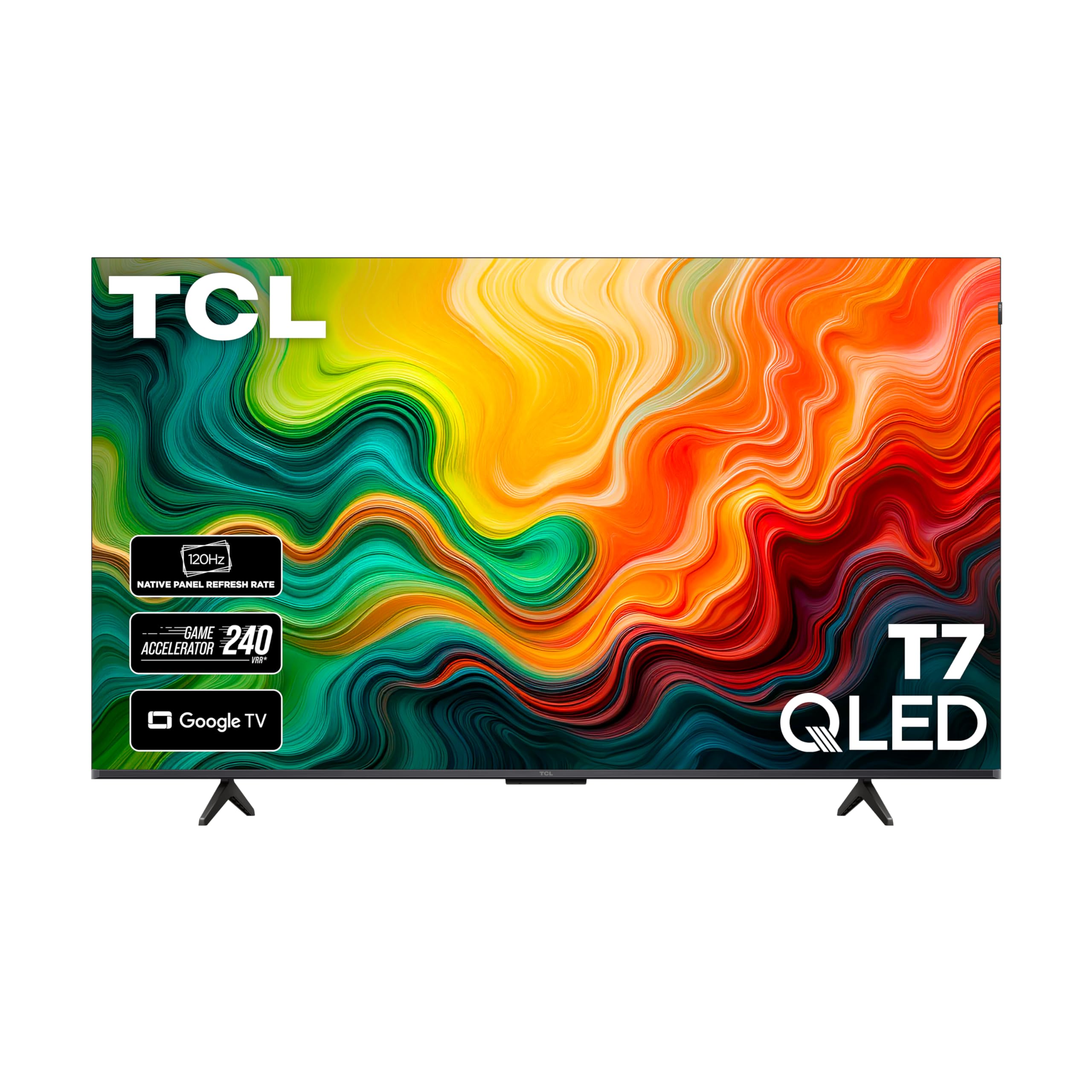
The TCL T7 Series delivers a 120Hz native QLED panel with Motion Rate 480 and MEMC frame insertion, making fast-paced sports and action movies exceptionally smooth without motion blur. The AIPQ Pro processor handles 4K upscaling competently, pulling extra detail from 1080p and even 720p content. The DCI-P3 color space coverage is nearly complete, producing vibrant greens and reds that make nature documentaries and animated films pop.
For console gamers, the 120Hz panel combined with VRR (up to 240Hz at 1080p) and ALLM creates a responsive experience on PS5 and Xbox Series X. The four HDMI inputs, including one with eARC, let you connect gaming consoles, a soundbar, and a streaming box without juggling cables. The Google TV interface is clean and responsive, with hands-free voice control via the included remote.
Bright room viewers should note that the screen does pick up glare from direct sunlight, and the built-in speakers, while adequate for dialogue, lack bass for cinematic explosions. The AIPQ Pro processor sometimes oversharpens lower-resolution content, creating a slightly artificial look. Despite these quirks, the T7 is one of the smoothest options for sports lovers at its price.
Why it’s great
- 120Hz native refresh rate with MEMC ensures blur-free sports and action
- QLED quantum dot color covers near DCI-P3 wide color gamut
- Excellent 4K upscaling from the AIPQ Pro processor
Good to know
- Screen surface reflects direct light in bright rooms
- Built-in speakers lack punchy bass for action movie immersion
3. Hisense E7 Cinema Series
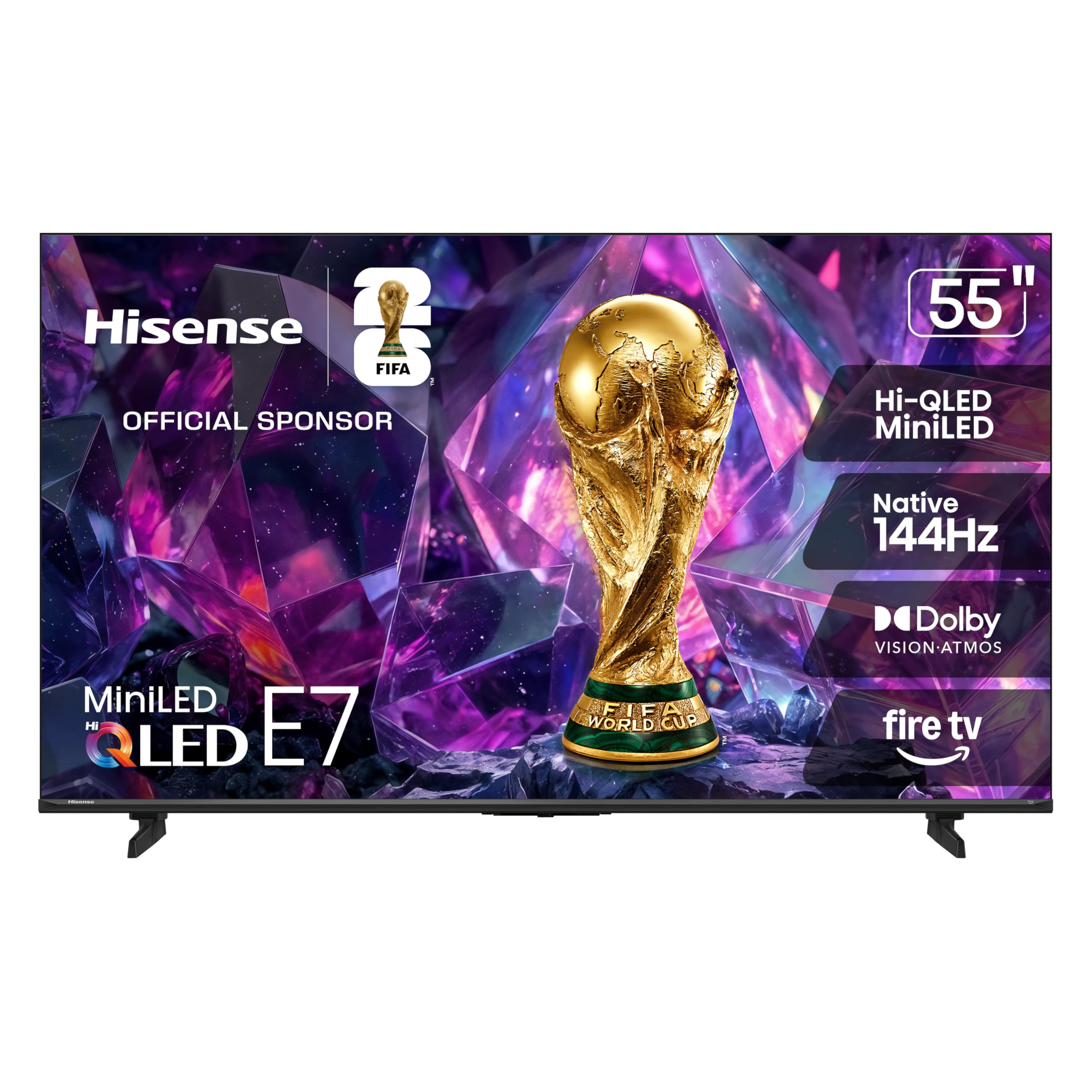
The Hisense E7 Cinema Series combines a Hi-QLED Mini-LED panel with native 144Hz refresh rate and full-array local dimming, delivering the deepest black levels among the sub-$500 options. Dolby Vision IQ works with the AI Light Sensor to adjust brightness and contrast based on room lighting, making daytime viewing more practical without crushing dark details. The AI Picture engine analyzes each scene and optimizes sharpness, brightness, and color in real time.
Gamers benefit from the native 144Hz mode with MEMC frame insertion that keeps fast camera pans smooth, while the four HDMI ports (including eARC) support Dolby Vision Gaming at 4K 144Hz. The Fire TV platform provides deep Alexa integration, hands-free voice control, and access to the Amazon app ecosystem. The AI Sports Mode instantly detects sports content and tweaks motion handling and crowd audio for a stadium-like feel.
The primary concern with the E7 is software stability — some units experience Wi-Fi dropouts and remote pairing issues that require factory resets. The packaging is flimsy for the value of the panel, and the plastic stand feels cheap relative to the high-end picture quality. If you get a bug-free unit, it competes with TVs costing significantly more, but the software lottery gives pause.
Why it’s great
- Hi-QLED Mini-LED with FALD achieves impressive black depth and contrast
- Dolby Vision IQ with ambient light sensor adapts to any room
- Native 144Hz with MEMC keeps high-octane content blur-free
Good to know
- Some units suffer from Wi-Fi dropouts and software instability
- Stand and packaging feel cheaper than the panel deserves
4. Amazon Ember Mini-LED Series
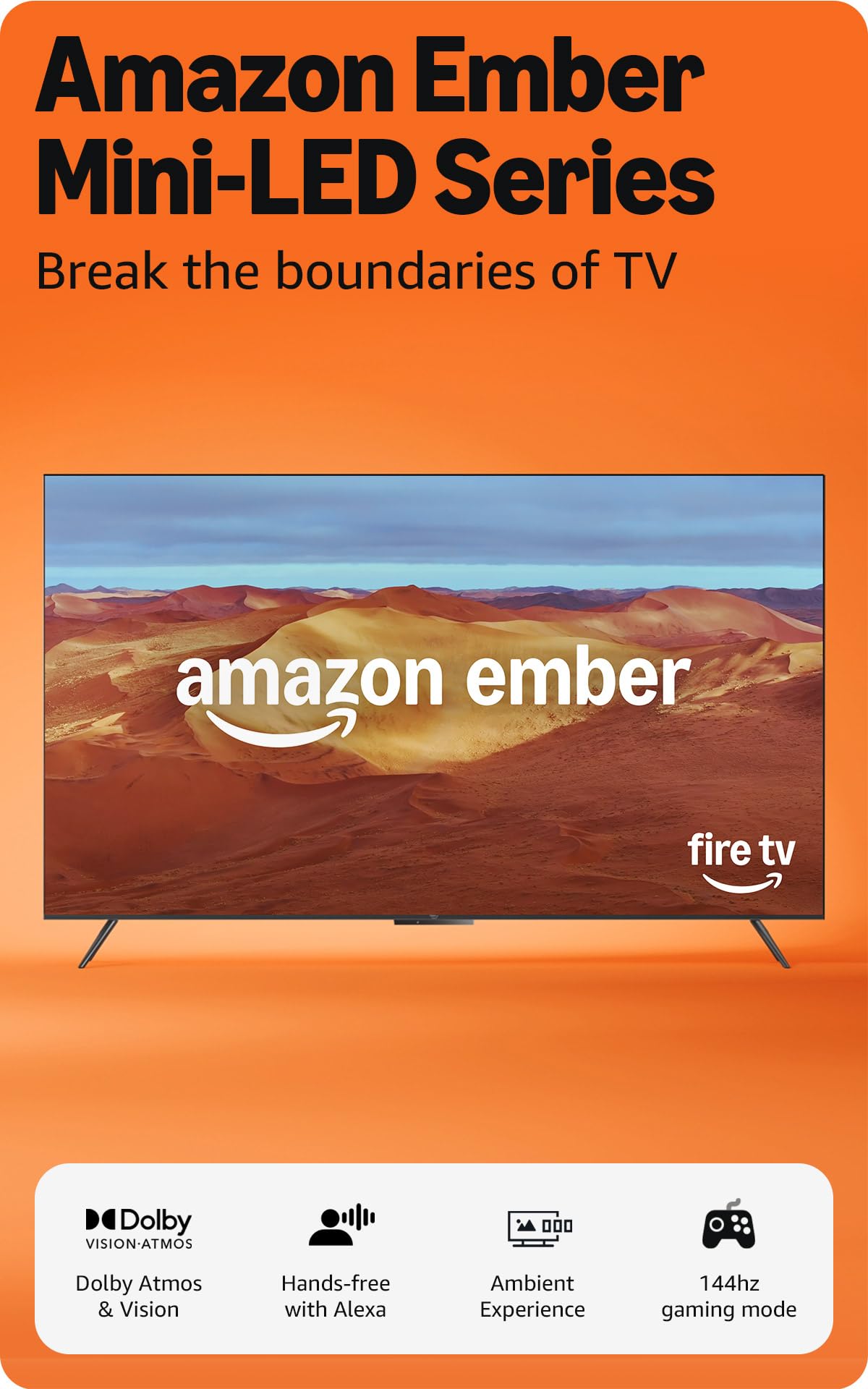
The Amazon Ember Mini-LED Series pushes contrast performance close to OLED territory with 512 individual dimming zones, yielding per-pixel-like black levels that make HDR content look dramatically richer than standard LED TVs. The QLED coating ensures the panel can push up to 1,400 nits peak brightness, making Dolby Vision IQ and HDR10+ Adaptive highlights genuinely impactful even in moderately lit rooms. The Fire TV Intelligent Picture processor fine-tunes content scene-by-scene and adjusts to ambient light automatically.
Gaming performance is top-tier thanks to the AMD FreeSync Premium Pro certification at 144Hz, eliminating screen tearing and stutter during fast-paced gameplay. The 2.1-channel Dolby Atmos audio system with a dedicated subwoofer produces bass and clarity that outpaces typical TV speakers, reducing the immediate need for a soundbar. The new Fire TV experience (2026 release) provides a cleaner interface with personalized recommendations from Alexa+.
The main trade-off is the Fire TV platform — it can become sluggish over time, and the home screen is packed with Amazon ads and recommendations. Some users report optical audio output quirks and intermittent high-pitch whine from Bluetooth connections. If you are deeply embedded in the Amazon ecosystem and prioritize contrast over a pristine software experience, the Ember delivers exceptional hardware for its price.
Why it’s great
- 512 dimming zones deliver near-OLED black levels and contrast
- 1,400 nits peak brightness makes HDR content truly impactful
- FreeSync Premium Pro 144Hz gaming with tear-free motion
Good to know
- Fire TV interface slows down over time and shows ads
- Bluetooth audio can produce intermittent high-pitch noise
5. Roku Plus Series Mini-LED
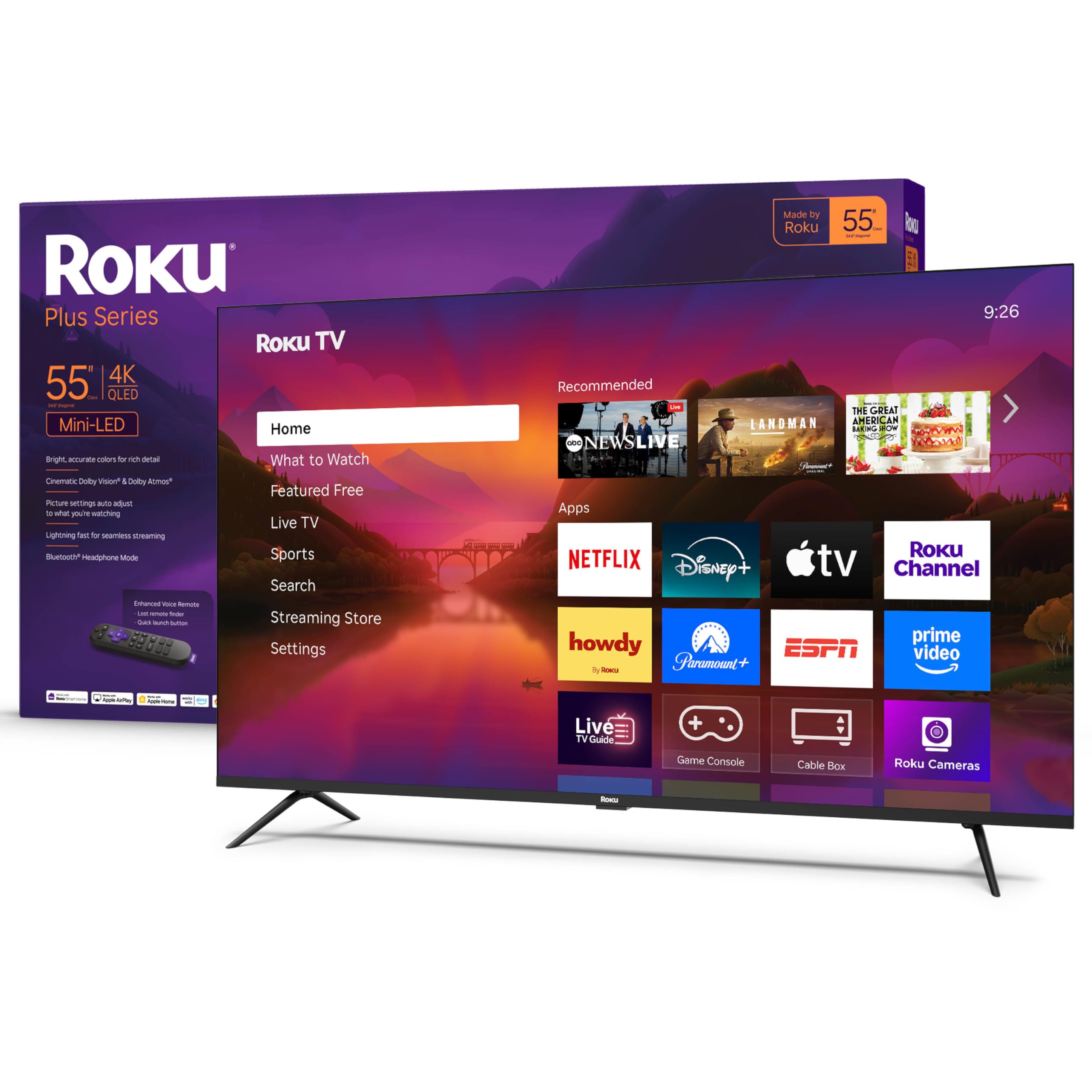
The Roku Plus Series delivers a Mini-LED QLED panel with Dolby Vision support, producing punchy highlights and rich colors that make streaming content look significantly more premium than its price suggests. The AI-powered Roku Smart Picture Max automatically optimizes color and sharpness for each scene, so you rarely need to dive into settings menus. The built-in subwoofer adds a surprising amount of depth to TV audio, making explosions and music feel more cinematic.
Roku’s platform remains the gold standard for simplicity — apps launch quickly, the home screen is ad-light compared to Fire TV, and automatic updates keep the experience fresh without bloat. The Enhanced Voice Remote includes a lost remote finder and hands-free search across thousands of channels. Bluetooth headphone mode allows private listening without disturbing others, a feature particularly appreciated in shared living spaces.
Where the Plus Series falls short is gaming performance — it lacks the 120Hz or 144Hz panel found on some competitors, so competitive gamers will notice the 60Hz cap. The settings menu is also more basic than what TCL or Hisense offer, with fewer fine-tuning options for advanced users. For streamers and casual viewers who value the best smart platform, this is a compelling choice.
Why it’s great
- Mini-LED QLED with Dolby Vision delivers vibrant, punchy HDR
- Roku OS is the fastest, most intuitive smart platform available
- Built-in subwoofer and Bluetooth headphone mode enhance audio flexibility
Good to know
- 60Hz panel limits gaming fluidity for high-refresh-rate gamers
- Advanced picture settings menu lacks depth for calibration enthusiasts
6. Samsung 55M70H Mini LED
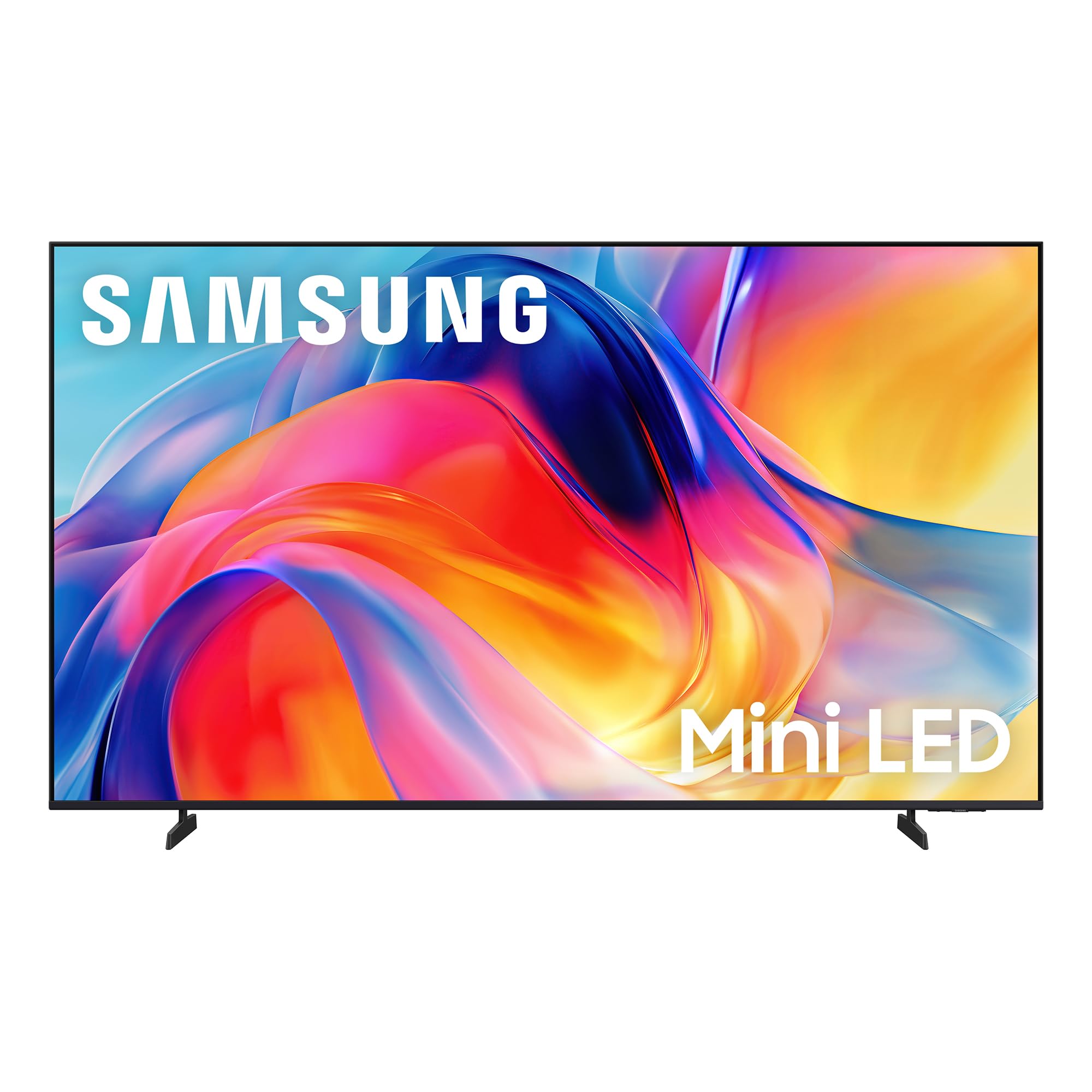
The Mini-LED HDR engine produces brighter highlights and deeper blacks than traditional LED models, and the Supreme Mini-LED Dimming system minimizes halo effects around bright objects on dark backgrounds. The Vision AI Companion features automatic content optimization and adaptive brightness adjustments.
The Motion Xcelerator with DLG 120Hz provides smoother motion for sports and gaming, and the Gaming Hub centralizes Xbox Cloud Gaming, Nvidia GeForce Now, and console inputs into one interface. Samsung TV Plus offers over 2,700 free channels, reducing dependence on streaming subscriptions. The support for HDR10+ Adaptive ensures compatibility with a wide range of HDR content from Amazon Prime Video and other platforms.
Owners report that the remote control requires direct line-of-sight and has a weaker signal than expected, sometimes causing input delays. The Tizen operating system, while feature-rich, has a steeper learning curve than Roku or Google TV. For those who prioritize color accuracy and brand ecosystem, the M70H is a solid Mini-LED entry, but the remote frustration is worth noting.
Why it’s great
- Mini-LED with Supreme Dimming delivers excellent contrast and minimal blooming
- Pure Spectrum Color produces over a billion accurate, vibrant shades
- Gaming Hub consolidates cloud and console gaming in one interface
Good to know
- Remote has weak signal strength and requires direct line-of-sight
- Tizen OS interface can feel less intuitive than competing platforms
7. Samsung 55U8000H
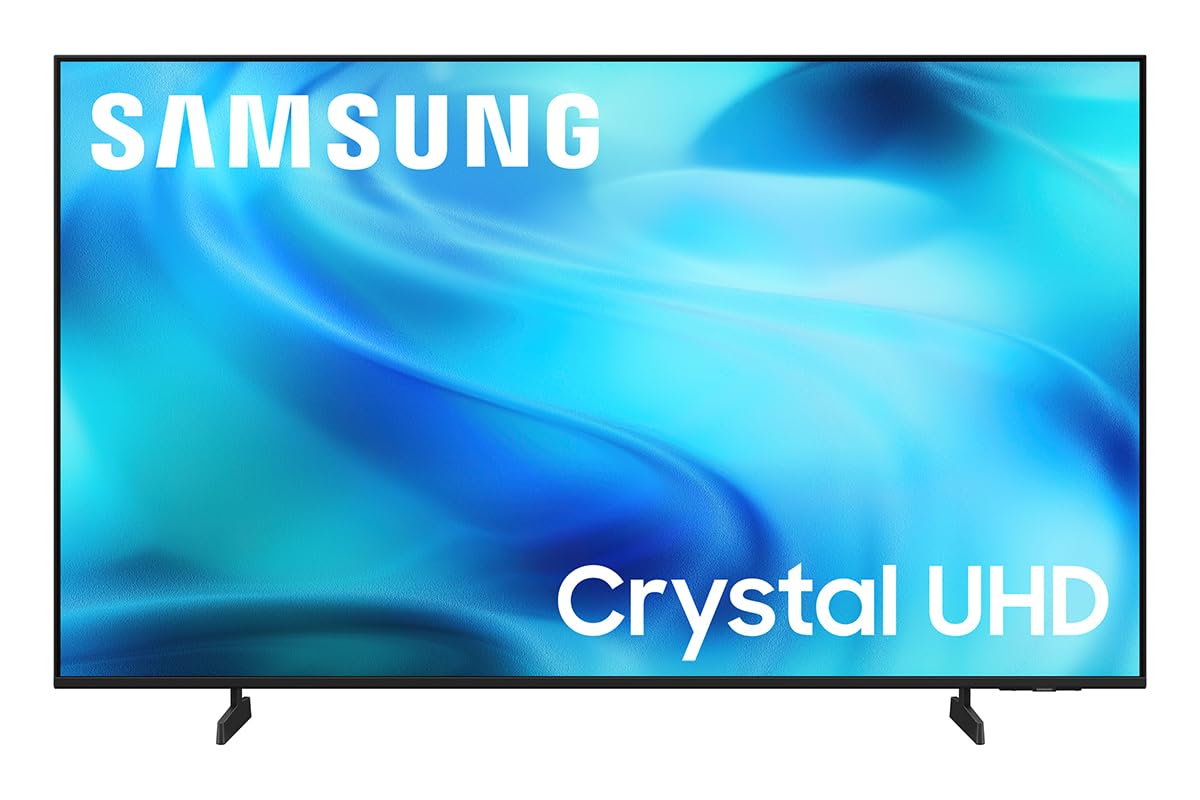
The Samsung 55U8000H uses a Crystal Processor 4K with Color Booster to enhance saturation and sharpness, producing a picture that looks punchier than its standard LED backlight would suggest. The Motion Xcelerator technology (60Hz panel with frame interpolation) smooths out camera pans and sports motion adequately, though it can introduce occasional soap-opera effect. Samsung TV Plus provides extensive free content, reducing the need for additional subscriptions right out of the box.
Setup is straightforward, with the Samsung Smart Hub organizing streaming apps and inputs logically. The 4K upscaling engine does a respectable job with 1080p content, adding detail without excessive noise. The 60Hz panel is sufficient for casual streaming and news watching but will leave gamers wanting more.
The main drawbacks are the lack of high refresh rate for gaming and the Tizen OS which, while stable, is slower to navigate than Roku. The included remote is tiny and button-dense, which can be challenging for less tech-savvy family members. For an entry-level Samsung with reliable picture quality and a trusted brand name, this is a solid choice for secondary rooms or non-gamers.
Why it’s great
- Crystal Processor with Color Booster delivers vibrant, saturated colors
- Extensive free content via Samsung TV Plus (2,700+ channels)
- Reliable Samsung build quality and easy initial setup
Good to know
- 60Hz panel limits gaming and sports motion smoothness
- Small, button-dense remote can be difficult for some users
8. Roku Select Series
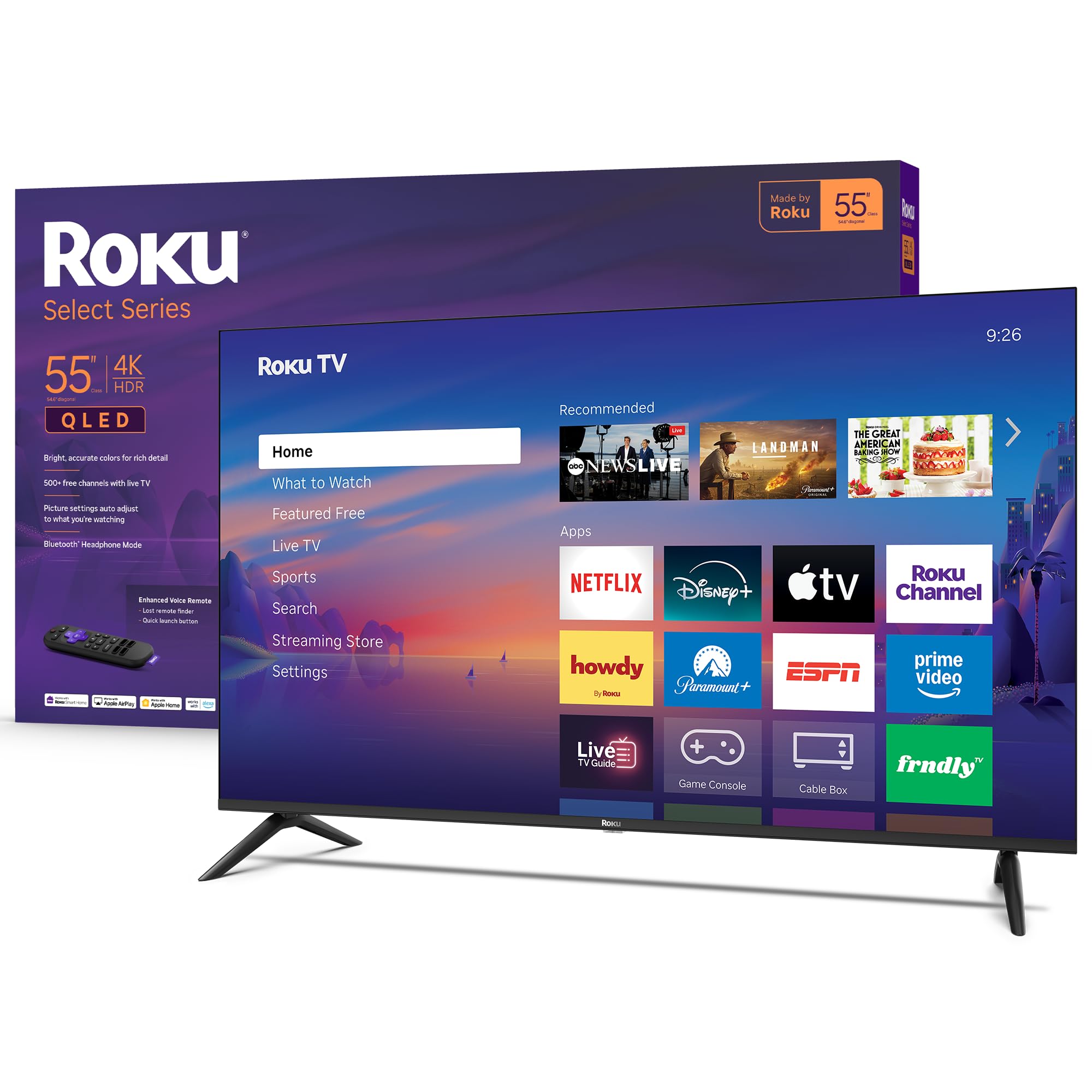
The Roku Select Series 55-inch delivers a 4K QLED panel with HDR10 support at a price that undercuts most competitors, making it an exceptional entry-level option for streamers who prioritize simplicity over advanced gaming specs. The Roku Smart Picture engine automatically cleans up incoming signals and selects the appropriate picture mode, so you get decent image quality without manual tweaking. Direct LED backlighting provides uniform brightness across the screen for general viewing.
The Roku operating system remains the fastest and most intuitive smart platform, with apps launching nearly instantly and a clutter-free interface. The included voice remote supports hands-free search across thousands of streaming channels, and the Bluetooth headphone mode allows private listening without waking the house. The frameless design gives the TV a modern look that belies its budget positioning.
The key limitations are the 60Hz panel, which means sports and gaming will show motion blur, and the lack of Dolby Vision support — HDR10 is the ceiling here, so highlights won’t be as impactful. The built-in speakers are adequate for dialogue but lack bass and clarity at higher volumes. For a secondary bedroom or a first-time 4K buyer on a strict budget, the Select Series delivers where it counts.
Why it’s great
- Best-in-class Roku smart platform with automatic updates and fast app loading
- QLED panel provides better color volume than standard LED models
- Bluetooth headphone mode and lost remote finder are unexpected conveniences
Good to know
- 60Hz panel causes motion blur in fast sports and gaming
- No Dolby Vision support limits HDR highlight performance
9. Vizio V4K55M
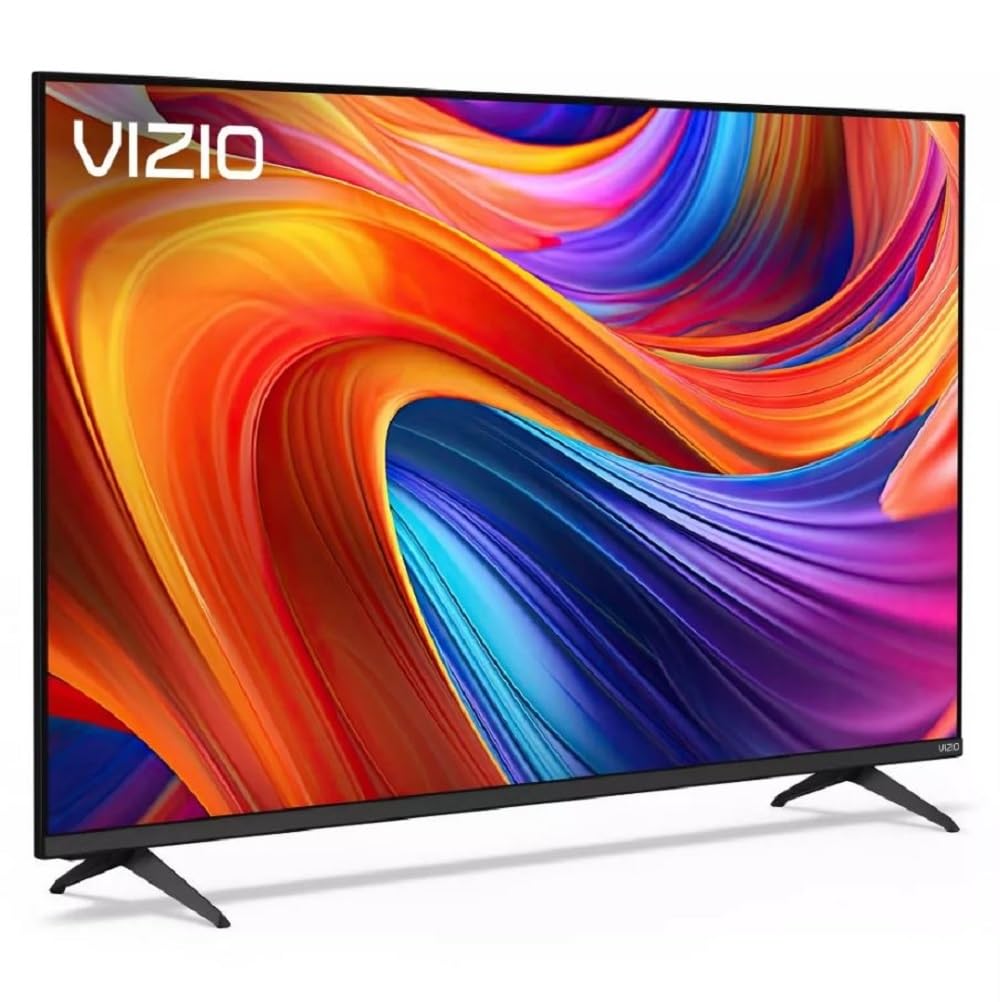
The Vizio V4K55M offers Dolby Vision Bright+ and HDR10+ support at a very accessible price, making it the most affordable route to proper dynamic HDR for movie watchers. The inclusion of WiFi 6 ensures faster, more stable streaming compared to older WiFi standards, which is beneficial for high-bitrate 4K content. Direct LED backlighting keeps the set thin and light, making wall-mounting straightforward.
Gamers get access to Dolby Vision HDR Gaming with Auto Low Latency Mode, which activates automatically when a console is detected, alongside a dedicated gaming menu for quick settings adjustments. The built-in WatchFree+ app provides over 275 free channels without a subscription. Bluetooth headphone pairing allows private listening, and Apple AirPlay 2 and Chromecast built-in support easy content sharing from mobile devices.
The biggest red flag with this model is inconsistency in purchasing experience — some units are shipped refurbished or missing power cords and stand screws, making the unboxing experience frustrating. The Vizio Smart TV platform is functional but slower than Roku or Google TV, with occasional lag in menu navigation. For buyers comfortable with a potential hassle-free return, the Vizio offers solid HDR support at the lowest entry point.
Why it’s great
- Dolby Vision Bright+ and HDR10+ support at a very low price threshold
- WiFi 6 connectivity ensures stable 4K streaming performance
- Dolby Vision Gaming with ALLM for responsive console play
Good to know
- Inconsistent packaging — some units arrive as refurbished or missing accessories
- Vizio Smart TV interface is slower and less polished than competitors
FAQ
What does the 144Hz refresh rate mean for watching movies and TV shows?
Is Dolby Vision support worth paying extra for in a sub-$500 55-inch TV?
Can I use a 55-inch TV under $500 as a computer monitor?
How important is HDMI 2.1 for gaming on a budget 55-inch TV?
Final Thoughts: The Verdict
For most users, the 55 inch tv under $500 winner is the iFFALCON 55U85 because it delivers a native 144Hz Mini-LED panel, four HDMI 2.1 ports, and FreeSync Premium Pro certification — specs that genuinely rival higher-priced gaming TVs without exceeding the budget. If you want the best audio and the simplest smart platform, grab the Roku Plus Series Mini-LED with its built-in subwoofer and ad-light Roku OS. And for the highest contrast ratio and deepest blacks in the entire bracket, nothing beats the Amazon Ember Mini-LED Series with its 512-zone dimming array.